
Nutrition comparison
Pepino vs Papaya: Nutrition, Sugar, Digestion, and Health Comparison
Compare Pepino and Papaya side by side. Papaya wins on vitamins and digestion, Pepino is better for low-sugar diets. Full nutritional tradeoffs explained.
Overall winner · Papaya
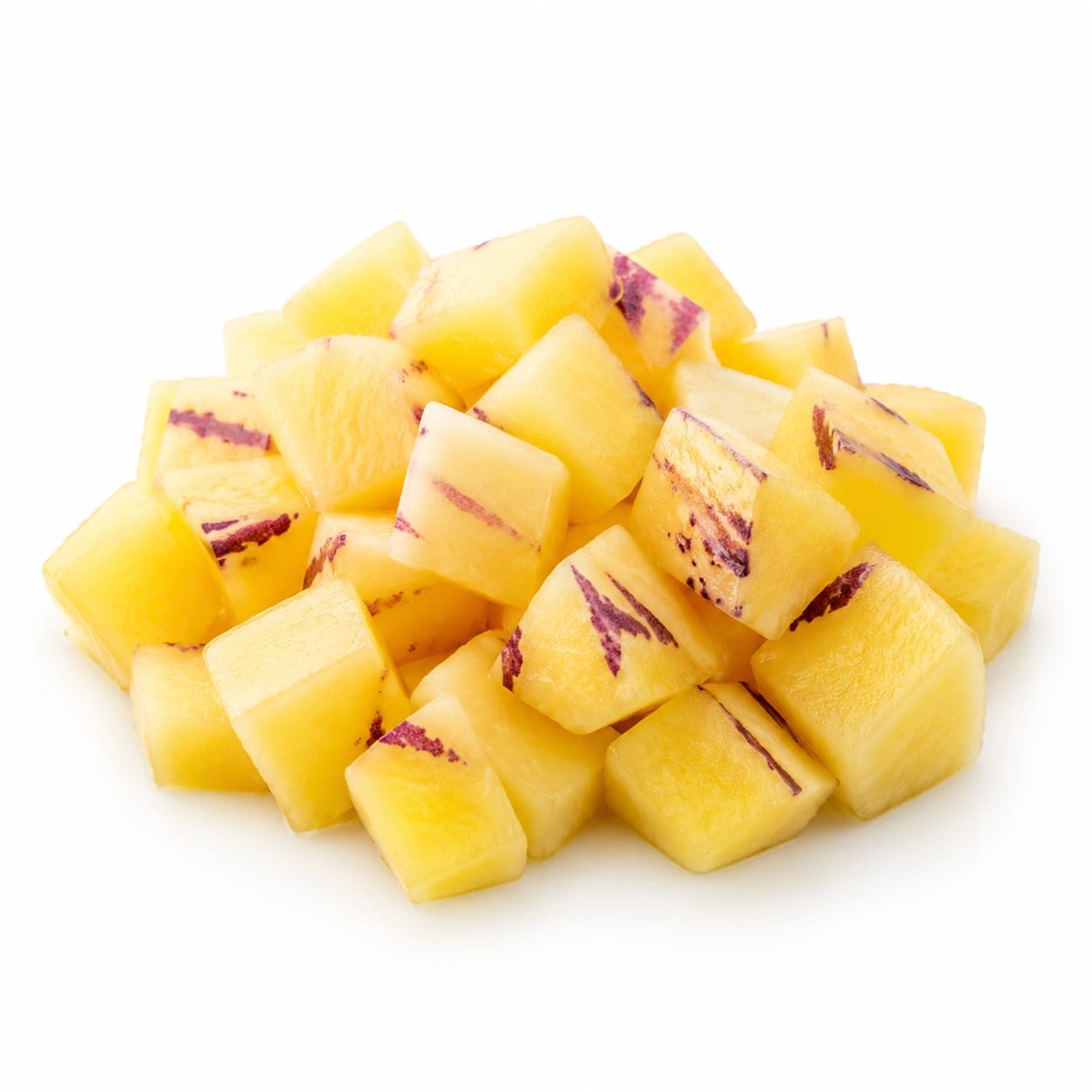
Pepino
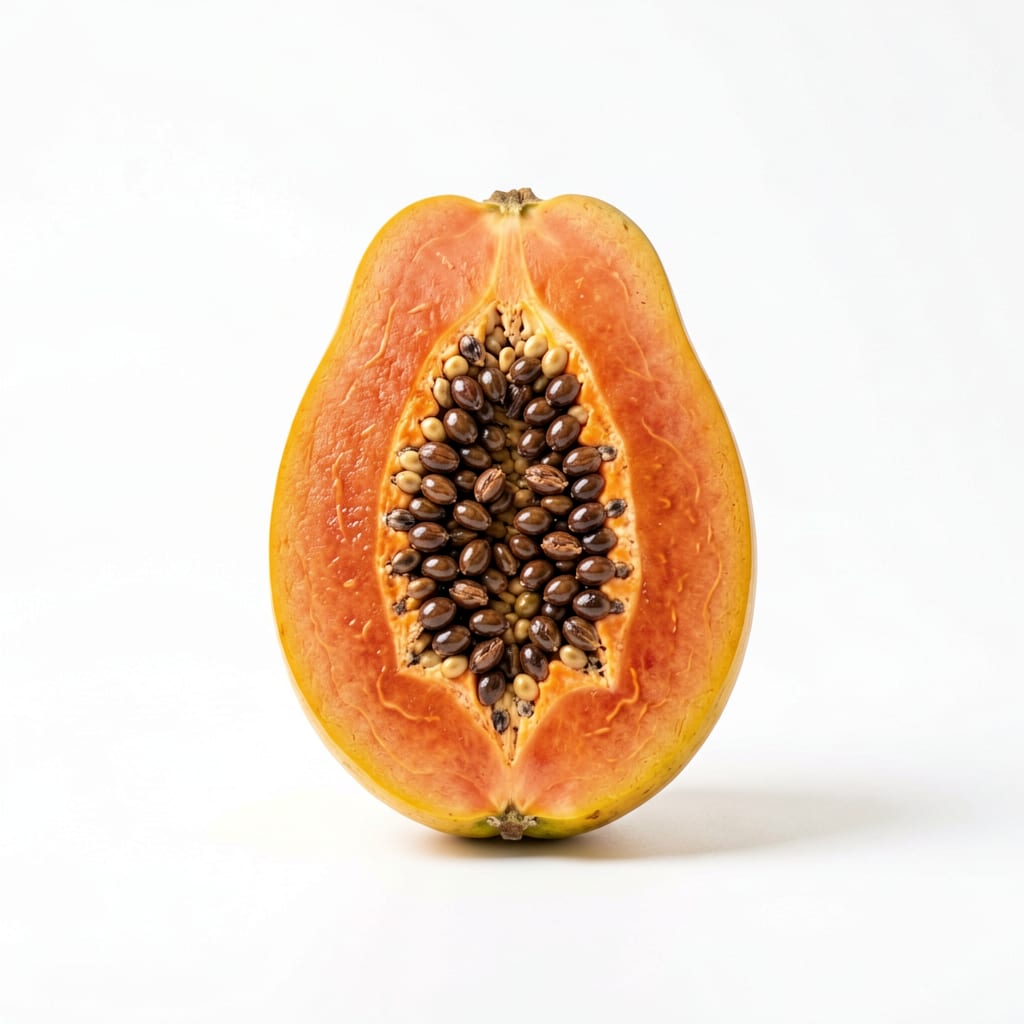
Papaya
Papaya delivers far more nutrition per bite, especially vitamins A and C, plus unique digestive enzymes. Pepino is the lighter, lower-sugar alternative but offers less overall nutritional punch.
Papaya scores notably higher due to its superior vitamin A and C content, digestive enzymes, and antioxidant richness. Pepino remains a valid choice for low-sugar needs but cannot match Papaya's overall nutritional breadth.
Papaya gives you substantially more vitamins and digestive support but comes with more sugar and calories. Pepino is gentler on blood sugar but nutritionally thinner.
At a glance
Executive summary
Overall
Papaya
Healthier
Papaya
More practical
Papaya
Daily use
Papaya
Key comparison lenses
tropical fruit nutritional value comparison
Both are tropical fruits often chosen for health benefits, so nutrient density is the primary decision driver
digestive health and enzyme content
Papaya is famous for papain, making digestive impact a key differentiator users care about
sugar and blood sugar management
Papaya is notably sweeter and higher in sugar, which matters for diabetics and low-carb eaters
antioxidant and anti-inflammatory benefits
Both fruits offer antioxidants but in very different profiles, affecting long-term health choices
availability and everyday practicality
Pepino is harder to find in most markets, making convenience a real-world factor
Best choice for
Pepino
- Low-sugar diets and blood sugar management
- Light hydrating snacks with minimal calories
- People avoiding tropical fruit allergens
- Mild flavor preferences
Papaya
- Digestive issues and bloating relief
- Immune support and vitamin A needs
- Anti-inflammatory and antioxidant benefits
- Post-workout recovery with natural carbs
Least suitable for
Pepino
- Those seeking high nutrient density per serving
- People wanting digestive enzyme benefits
- Anyone needing significant vitamin A intake
- Shoppers at standard grocery stores
Papaya
- Strict low-carb or low-sugar diets
- People with latex-fruit allergy syndrome
- Those sensitive to tropical fruit sugars
- Portion-controlled calorie tracking
Deep comparison
Dimension by dimension
Each lens scores both foods and breaks down who each option suits.
- Dimension 1 · Priority 92Papaya
Nutrient Density
Pepino · 45Papaya · 85Papaya is dramatically richer in vitamins A and C, folate, and potassium. Pepino provides modest vitamin C but lacks the depth of micronutrients Papaya offers.
Tradeoff
Choosing Pepino means accepting significantly less vitamin A and lower overall micronutrient intake for fewer calories and less sugar.
Why it matters
Vitamin A supports vision, skin, and immune function. Papaya covers over 30% of daily vitamin A per cup, while Pepino provides almost none.
Real-world impact
Eating Papaya regularly can meaningfully improve skin clarity and immune resilience. Pepino keeps you hydrated but won't move the needle on vitamin status.
Pepino
- Calorie-conscious snackers wanting something sweet without nutrient-dense calories
Better for
- Those relying on fruit as a primary vitamin source
Worse for
Papaya
- Anyone needing immune or skin support from food
- Pregnant women seeking natural folate sources
- People with marginal vitamin intake
Better for
- People who track every calorie strictly and find the higher calorie count challenging
Worse for
- Dimension 2 · Priority 85Pepino
Sugar and Blood Sugar Impact
Pepino · 82Papaya · 55Pepino contains roughly half the sugar of Papaya per serving, making it far easier on blood glucose levels.
Tradeoff
Pepino's low sugar comes at the cost of less natural energy and fewer quick-digesting carbs that can be useful after exercise.
Why it matters
For anyone managing diabetes, insulin resistance, or metabolic syndrome, sugar content in fruit is a daily decision factor.
Real-world impact
Pepino can be eaten with less concern about afternoon energy crashes. Papaya's sweetness may trigger cravings in sugar-sensitive individuals.
Pepino
- Diabetics and pre-diabetics
- Low-carb diet followers
- Anyone monitoring glycemic load closely
Better for
- Endurance athletes needing quick carbohydrate energy
Worse for
Papaya
- Athletes needing post-workout carb replenishment
- Active people who tolerate natural sugars well
Better for
- Insulin-resistant individuals
- People prone to sugar cravings
Worse for
- Dimension 3 · Priority 88Papaya
Digestive Health
Pepino · 50Papaya · 90Papaya contains papain, a powerful digestive enzyme that breaks down protein and reduces bloating. Pepino offers mild hydration benefits but no enzymatic support.
Tradeoff
Papaya actively helps digestion after heavy meals. Pepino is gentle on the stomach but does not provide therapeutic digestive relief.
Why it matters
Millions deal with bloating and indigestion. Papain makes Papaya functionally different from most other fruits as a digestive aid.
Real-world impact
Eating Papaya after a protein-heavy meal can noticeably reduce bloating within 30 minutes. Pepino simply adds pleasant hydration without therapeutic effect.
Pepino
- People wanting a neutral stomach-friendly snack without active enzymatic effects
Better for
- Those specifically seeking food-based digestive aids
Worse for
Papaya
- Anyone with chronic bloating or indigestion
- Post-meal digestive support
- Older adults with declining natural enzyme production
Better for
- People with latex-fruit allergy who must avoid Papaya entirely
Worse for
- Dimension 4 · Priority 80Papaya
Antioxidant and Anti-inflammatory Power
Pepino · 40Papaya · 82Papaya delivers lycopene, beta-carotene, and flavonoids in meaningful amounts. Pepino contains modest antioxidants but not at therapeutically relevant levels.
Tradeoff
Papaya's richer antioxidant profile supports long-term disease prevention. Pepino contributes antioxidants but less impactfully per serving.
Why it matters
Chronic inflammation drives heart disease, cancer, and aging. Lycopene in particular is linked to reduced prostate and cardiovascular risk.
Real-world impact
Regular Papaya consumption can contribute meaningfully to an anti-inflammatory eating pattern. Pepino is supportive but not a standout contributor.
Pepino
- Those already eating antioxidant-rich diets who want variety without redundancy
Better for
- Those relying on a few fruits as primary antioxidant sources
Worse for
Papaya
- People building an anti-inflammatory diet
- Anyone concerned about oxidative stress and cellular aging
Better for
- Supplement users already getting high-dose antioxidants who may not need food-level additions
Worse for
- Dimension 5 · Priority 75Papaya
Availability and Practicality
Pepino · 35Papaya · 80Papaya is available year-round in most grocery stores. Pepino is specialty produce found mainly in farmers markets and specialty shops.
Tradeoff
Papaya is easy to find and incorporate into daily routines. Pepino requires effort to source, limiting how consistently you can eat it.
Why it matters
The healthiest food is the one you can actually buy and eat regularly. Availability directly impacts long-term adherence.
Real-world impact
You can grab Papaya at almost any supermarket on any day. Finding Pepino may require special trips or seasonal timing, making consistent consumption impractical.
Pepino
- Home gardeners who can grow their own Pepino
- People living in regions where Pepino is commonly sold
Better for
- Most suburban and urban shoppers
- People who meal-plan around what is consistently in stock
Worse for
Papaya
- Busy households needing reliable grocery access
- Anyone building a sustainable daily fruit habit
Better for
- Those in regions where Papaya is imported and expensive
Worse for
- Dimension 6 · Priority 70Pepino
Calorie Efficiency
Pepino · 85Papaya · 60Pepino is extremely low in calories at roughly 30 per cup compared to Papaya's 55-60 per cup, making it more efficient for volume eating.
Tradeoff
Pepino lets you eat more volume for fewer calories but delivers less nutritional value per calorie. Papaya costs more calories but returns substantially more nutrients.
Why it matters
For weight management, calorie density affects how much you can comfortably eat while staying within targets.
Real-world impact
You can eat a large bowl of Pepino as a guilt-free snack. Papaya portions need more awareness, especially if tracking calories closely.
Pepino
- Volume eaters who want large portions
- Calorie-counters seeking maximum food volume
Better for
- Anyone needing calorie-dense recovery food
Worse for
Papaya
- Those who prioritize nutrient-per-calorie over volume
- Active individuals who can afford the extra calories
Better for
- Strict calorie restrictors
Worse for
Timeline
Health impact over time
Short-term
Hours to days
Pepino
- Light hydration without sugar spikes
- Mild refreshing satiety that fades quickly
- Very gentle on digestion with no enzymatic activity
Papaya
- Noticeable digestive relief after protein-heavy meals
- Natural energy boost from easily absorbed sugars
- Potential allergic reaction in latex-sensitive individuals
Long-term
Months to years
Pepino
- Consistent low-calorie snacking supports weight maintenance
- Modest vitamin C intake contributes to immune baseline
- Unlikely to significantly shift long-term health outcomes alone
Papaya
- Sustained lycopene and beta-carotene intake supports cardiovascular and eye health
- Regular papain exposure may improve chronic digestive function
- Higher cumulative sugar intake if portions are not managed
Risk profile
Safety & processing
Both Pepino and Papaya are whole, unprocessed fruits typically eaten raw. Neither carries meaningful processing or additive concerns when purchased fresh.
Pepino
Pesticide residue on skin
lowPepino is often grown with standard agricultural practices. Washing thoroughly reduces any residue concern.
Misidentification with ornamental varieties
lowSome ornamental Solanum relatives look similar. Always purchase from reputable produce sources to avoid confusion.
Papaya
Latex-fruit allergy syndrome
highPapaya contains chitinase enzymes that cross-react with latex allergies. Reactions can range from oral itching to anaphylaxis in sensitive individuals.
Unripe fruit latex concerns
mediumUnripe Papaya contains high concentrations of papain latex that can irritate the mouth and throat. Always eat fully ripe Papaya.
GMO Papaya exposure
lowMuch of commercially available Papaya (especially from Hawaii) is genetically modified to resist ringspot virus. This is considered safe but concerns some consumers.
Who wins for whom
Audience fit
Same foods, different winners depending on your goal.
children
PapayaPapaya's rich vitamin A supports growing eyes and immune systems, and its sweet flavor is more appealing to kids. Pepino's milder taste may not excite young eaters.
daily consumption
PapayaPapaya's broader nutrient profile and digestive benefits make it more impactful as a daily fruit, assuming sugar intake is otherwise managed.
diabetes
PepinoPepino's lower sugar content and reduced glycemic impact make it safer for blood sugar management compared to Papaya's sweeter profile.
elderly
PapayaPapaya's digestive enzymes help counter age-related enzyme decline, and its soft texture is easy to chew. Vitamin A also supports aging eyes.
muscle gain
PapayaPapaya's natural sugars provide post-workout carbs, and papain aids protein digestion, supporting muscle recovery better than Pepino.
weight loss
PepinoPepino's extremely low calorie and sugar content make it easier to fit into calorie-restricted diets without sacrificing portion size.
Your move
Decision guide
Choose Pepino
- You are managing diabetes or insulin resistance and need low-sugar fruit options
- You want maximum food volume with minimal calories for weight management
- You have latex-fruit allergy and cannot safely eat Papaya
- You prefer mild, less sweet flavors in your fruit
Choose Papaya
- You struggle with bloating or indigestion and want natural digestive support
- Immune health, skin health, or anti-inflammatory eating is a priority
- You need more vitamin A and are not getting enough from other sources
- You want a nutrient-dense daily fruit and can manage the sugar content
Either works if
- You simply want a hydrating tropical fruit snack
- You rotate fruits regularly and do not rely on one for specific nutrients
- You enjoy both flavors and want dietary variety
Avoid both if
- You have severe fructose intolerance or FODMAP sensitivity
- You are on a strict ketogenic diet limiting all fruit sugar
- You have known allergies to both Solanaceae and latex-fruit families
Final recommendation
For most people, Papaya is the stronger daily choice due to its superior vitamin content, digestive enzymes, and anti-inflammatory antioxidants. Choose Pepino specifically when low sugar or calorie control is your top priority, or if you have latex allergy. Both are healthy whole fruits, but Papaya delivers more measurable health benefits per serving.
Practical
Consumer tips
- 1
Choose Papaya with slightly soft skin and orange-red color for peak ripeness and maximum papain content
- 2
Pepino can be eaten with or without skin, but washing thoroughly is important if eating skin-on
- 3
If you have latex allergy, test Papaya cautiously with a small bite and monitor for oral itching or swelling
- 4
Refrigerate both fruits after ripening to extend shelf life by 2-3 days
- 5
Papaya seeds are edible and have antimicrobial properties, though their peppery taste is acquired
- 6
Pepino pairs well with savory dishes and salads due to its mild cucumber-melon flavor
- 7
Freeze cubed Papaya for smoothies to avoid waste when the fruit ripens faster than expected