
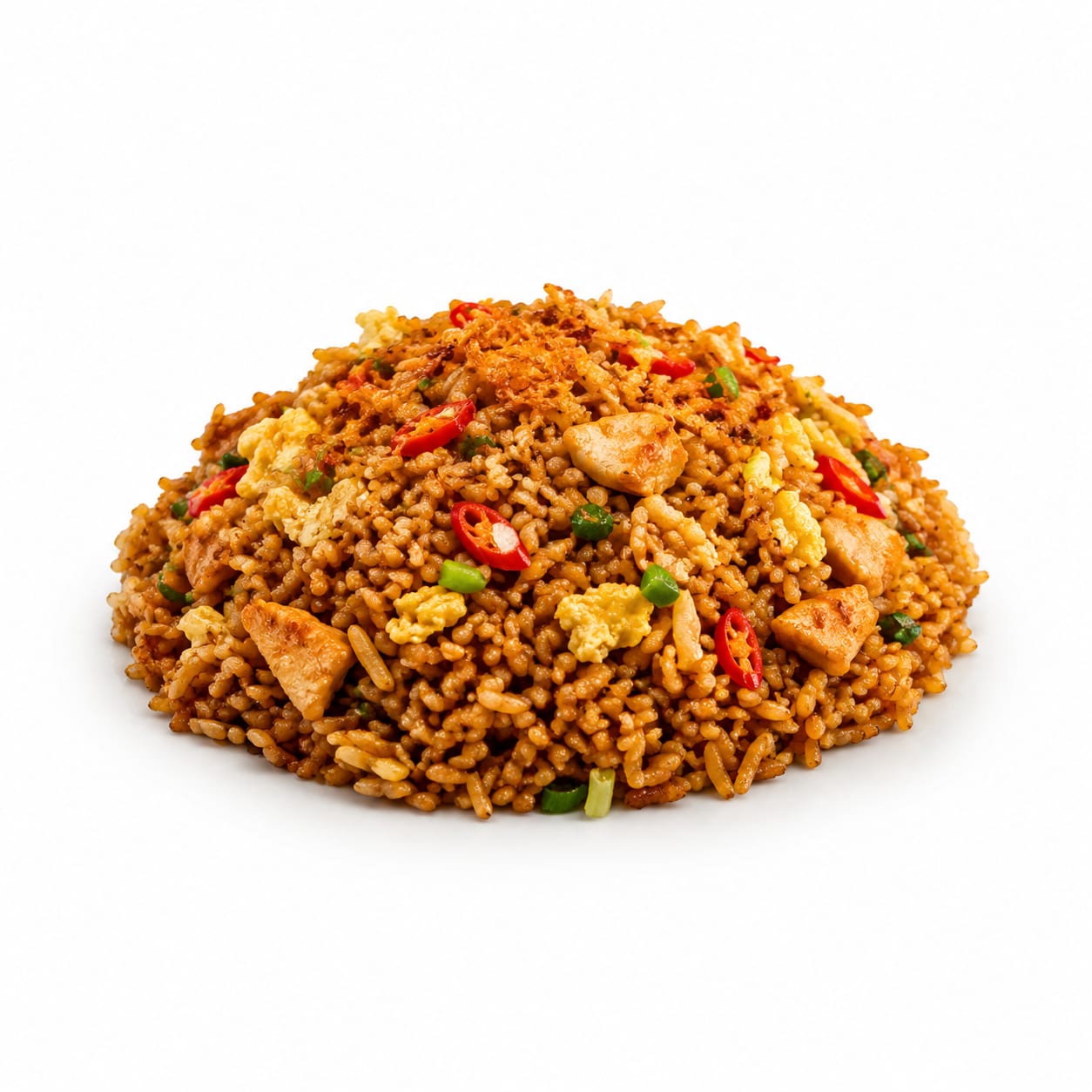
Fried Rice Dish
Nasi Goreng
A savory and sweet Indonesian fried rice dish made with kecap manis and proteins.
Indonesian stir-fried rice dish cooked with sweet soy sauce, shrimp paste, chili, and often mixed with egg, chicken, or shrimp.
high-carb high-sodium grain dish
Typical serving · 250g
Common varieties · Nasi Goreng Ayam (Chicken), Nasi Goreng Seafood, Nasi Goreng Kambing (Mutton), Nasi Goreng Kampung (Village style), Nasi Goreng Vegetarian
Overall context score across nutrition, safety, and diet fit
The story
What makes it unique
High carbohydrate content from white rice provides rapid digestion and an elevated glycemic response. Added fats from oil and protein from egg or meat increase satiety compared to plain rice, but high sodium from soy sauce and shrimp paste impacts cardiovascular load.
Varieties: Nasi Goreng Ayam (Chicken) · Nasi Goreng Seafood · Nasi Goreng Kambing (Mutton) · Nasi Goreng Kampung (Village style) · Nasi Goreng Vegetarian
Per 100g
Nutrition breakdown
Macro balance and key metrics at a glance.
Energy
Density 1.80 kcal/g
Protein
Carbs
Fat
Fiber
Sugar
3 g
Sodium
600 mg
Potassium
150 mg
Glycemic index
72
Glycemic load
16
Water content
60%
Standout compounds
Nutrient highlights
Carbohydrates
highProvides quick energy for physical activity
Sodium
highElectrolyte replenishment but easily overconsumed
Selenium
moderateSupports antioxidant defense and thyroid function from eggs and rice
Iron
moderateEssential for oxygen transport in blood from meat or shrimp additions
Wellness map
Health scores & processing
NOVA processing scale
Moderately Processed · Whole food
Combines cooked white rice with processed culinary ingredients like refined oils, sweet soy sauce, and shrimp paste. Commercial or street-food versions may border on ultra-processed due to added flavor enhancers.
Diet compatibility
- Weight loss
- Muscle gain
- Diabetes
- Gut health
- Low carb
- High protein
- Heart health
Relative standing
Food rankings
Qualitative ranks compared to similar whole foods.
- Satietymoderate
- Blood sugarpoor
- Nutrient densitypoor
- Fitness fuelgood
- Processing qualitymoderate
Eat with confidence
Food safety profile
Generally safe when cooked fresh at high temperatures. Leftover rice used in preparation must be refrigerated promptly to prevent bacterial growth.
Evidence confidence 85%
- Pesticideslow
- Antibioticsmoderate
- Heavy metalsmoderate
- Contaminationmoderate
Watch for
- Bacillus cereus
- Salmonella
Safer choices
Homemade versions with freshly cooked or properly cooled rice and pasteurized eggs.
Prep tips
Ensure rice is cooled rapidly before frying; cook to high internal temperature; use pasteurized eggs to reduce Salmonella risk.
Street vendor hygiene standards vary; leftover rice poses Bacillus cereus risk if not cooled rapidly before frying.
Deep dive
Health analysis
How this food may fit different goals and preparation choices.
Weight loss
High energy density and added oils make it easy to overconsume calories, limiting its usefulness for weight loss.
Blood sugar
White rice and sweet soy sauce cause rapid blood sugar spikes, making it a poor choice for glucose management.
Fitness & energy
Provides readily available carbohydrates and moderate protein, useful for post-workout glycogen replenishment.
Gut health
Low fiber content offers minimal prebiotic benefit, and high fat can slow digestion without providing microbiome-supporting nutrients.
Processing quality
Traditional preparation uses whole food ingredients combined with refined sauces and oils, placing it in a moderate processing category.
Food safety
Fried rice is a common vector for Bacillus cereus if cooked rice is left at room temperature before frying.
Common mistakes
Assuming it is a low-calorie vegetable dish due to the presence of mixed vegetables; portion sizes are often very large.
Best preparation
Use leftover cooled rice, lean proteins, extra vegetables, and reduce the kecap manis and salt to lower sugar and sodium.
Practical guide
Best use cases
When and how this food fits real eating patterns.
post-workout recovery
High carbs and moderate protein support muscle glycogen replenishment and repair.
calorie surplus bulking
Energy-dense profile makes it easy to consume extra calories for muscle building.
quick high-energy meal
Fast preparation using leftover rice provides immediate caloric energy for active individuals.
Balance sheet
Pros & cons
Upsides
- Provides quick digesting carbohydrates for energy
- Contains moderate protein from egg or meat additions
- High cooking heat reduces some microbial risks
- Highly customizable with added vegetables
Trade-offs
- Very high in sodium from soy sauce and shrimp paste
- High glycemic load from white rice and sweet soy sauce
- Calorie-dense due to added cooking oils
- Low in dietary fiber
Fit check
Who is it for?
Great match
- post-workout glycogen replenishment
- bulking diets
- quick energy needs
Consider alternatives
- low-sodium diets
- blood sugar management
- strict calorie deficit
- ketogenic diets
Side by side
How it compares
Open the full head-to-head analysis for nutrition, safety, and practical tradeoffs.
This food
Nasi Goreng
VS85% alike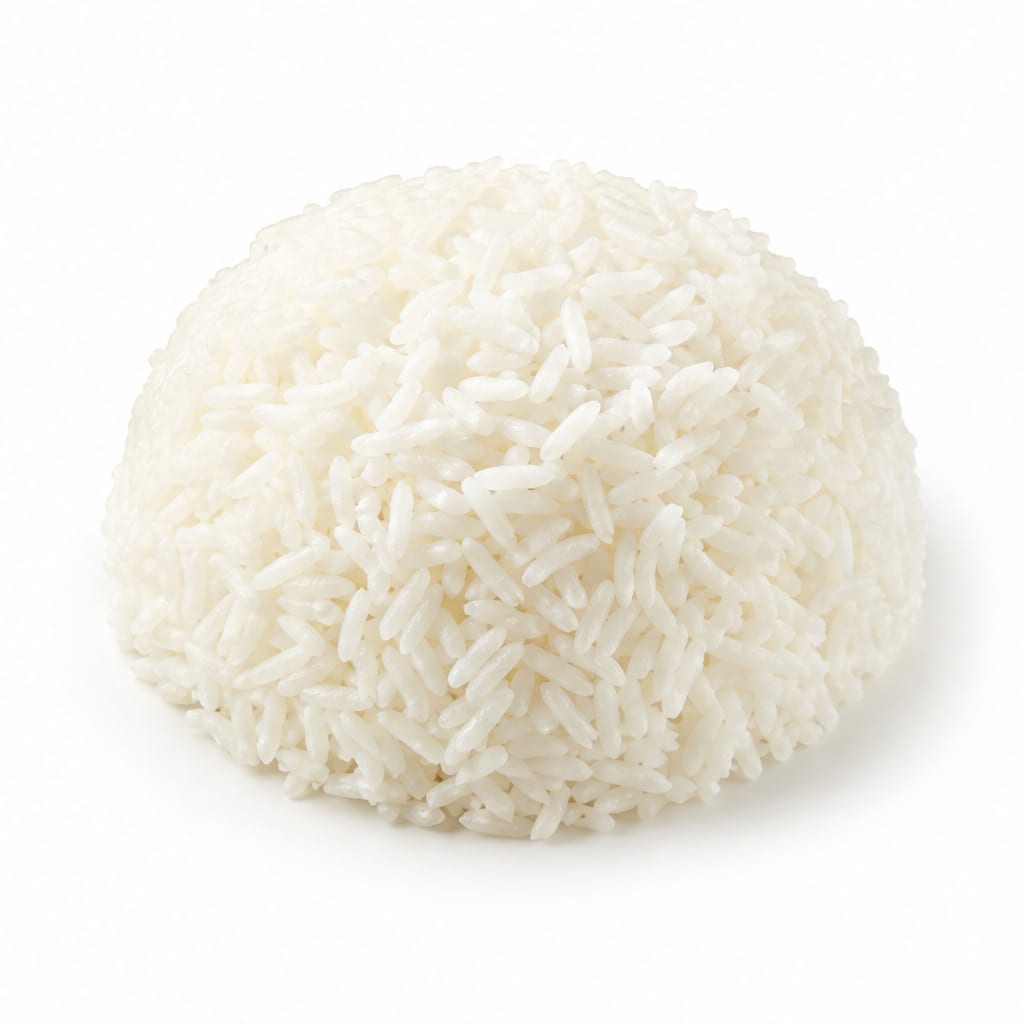
Compare with
Steamed White Rice
Nasi goreng has more fat, sodium, and flavor. Steamed rice is lower in calories and sodium but lacks the protein additions.
Nasi goreng offers more flavor and satiety from fat and protein, but steamed rice is lower in calories and sodium.
This food
Nasi Goreng
VS95% alike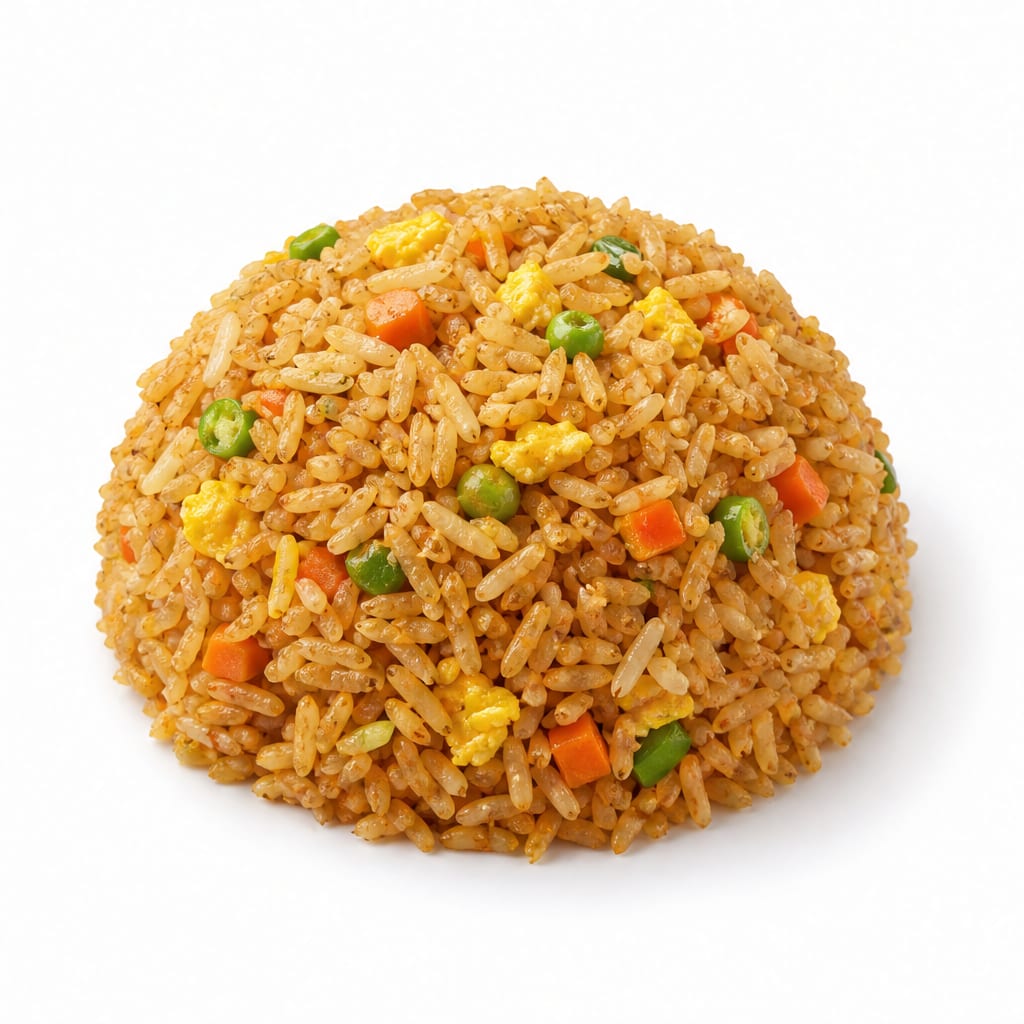
Compare with
Thai Fried Rice
Both are high-calorie fried rice dishes, but Nasi Goreng's kecap manis makes it slightly higher in sugar than Thai fried rice.
Thai fried rice is slightly lower in sugar than Nasi Goreng, which uses sweet soy sauce, but both are high in sodium.
This food
Nasi Goreng
VS70% alike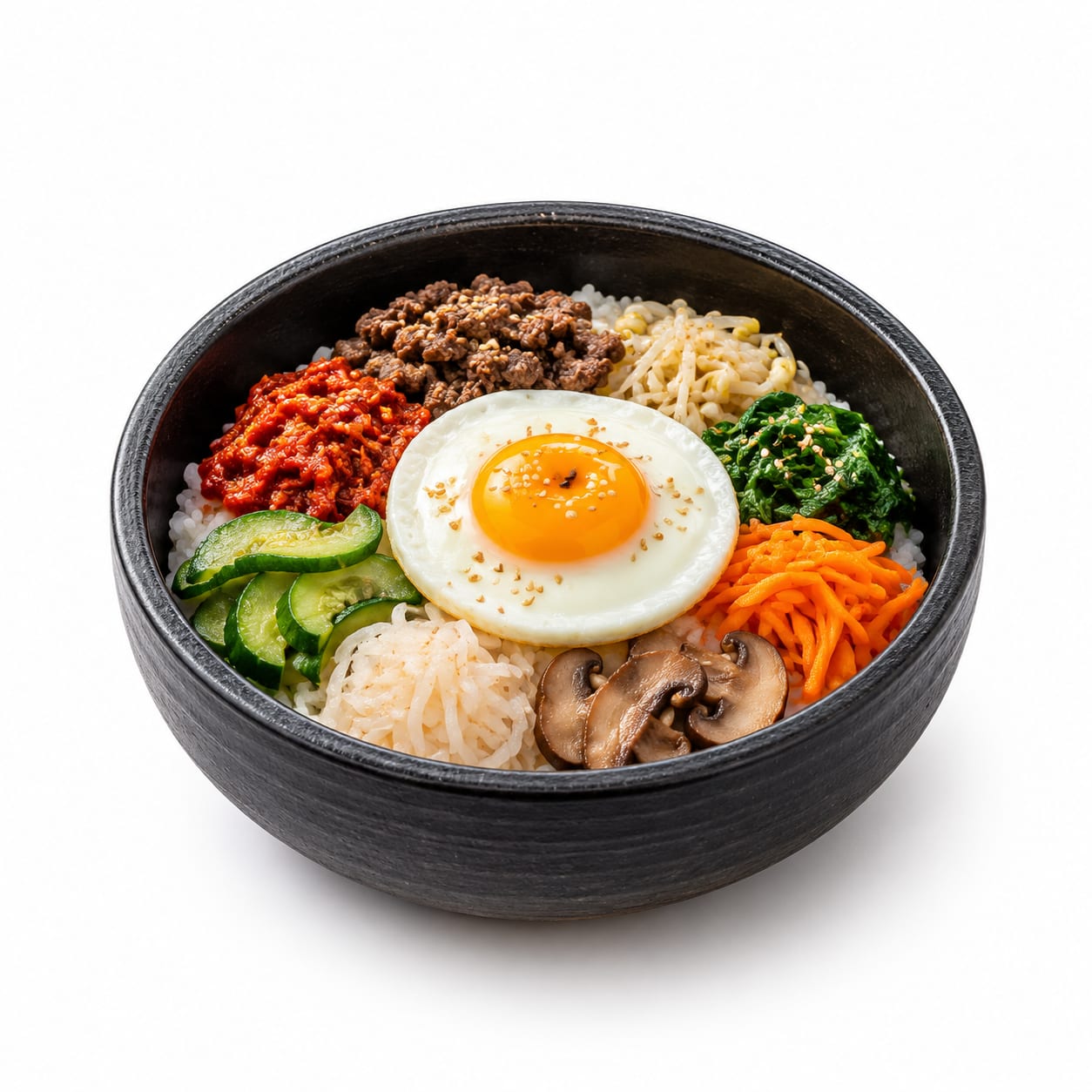
Compare with
Bibimbap
Bibimbap is generally healthier with more vegetables and less oil, while Nasi Goreng is heavier on sodium and fried fats.
Bibimbap provides more fiber and nutrients from vegetables, making it a healthier choice over the oil-heavy Nasi Goreng.
This food
Nasi Goreng
VS75% alike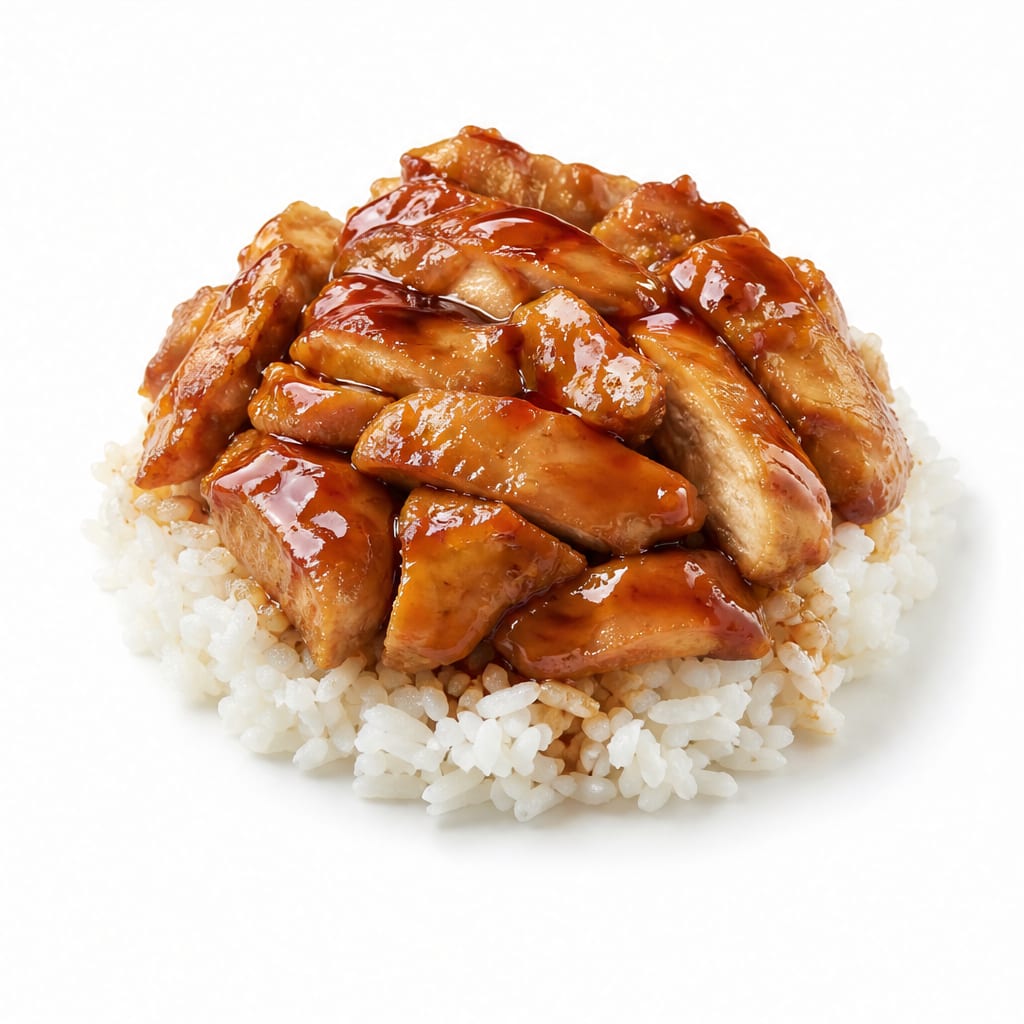
Compare with
Chicken Teriyaki with Rice
Teriyaki chicken offers more lean protein, whereas Nasi Goreng relies more on carbohydrates and oil for its caloric content.
Chicken teriyaki offers more lean protein, while Nasi Goreng is heavier on refined carbs and cooking oil.
This food
Nasi Goreng
VS80% alike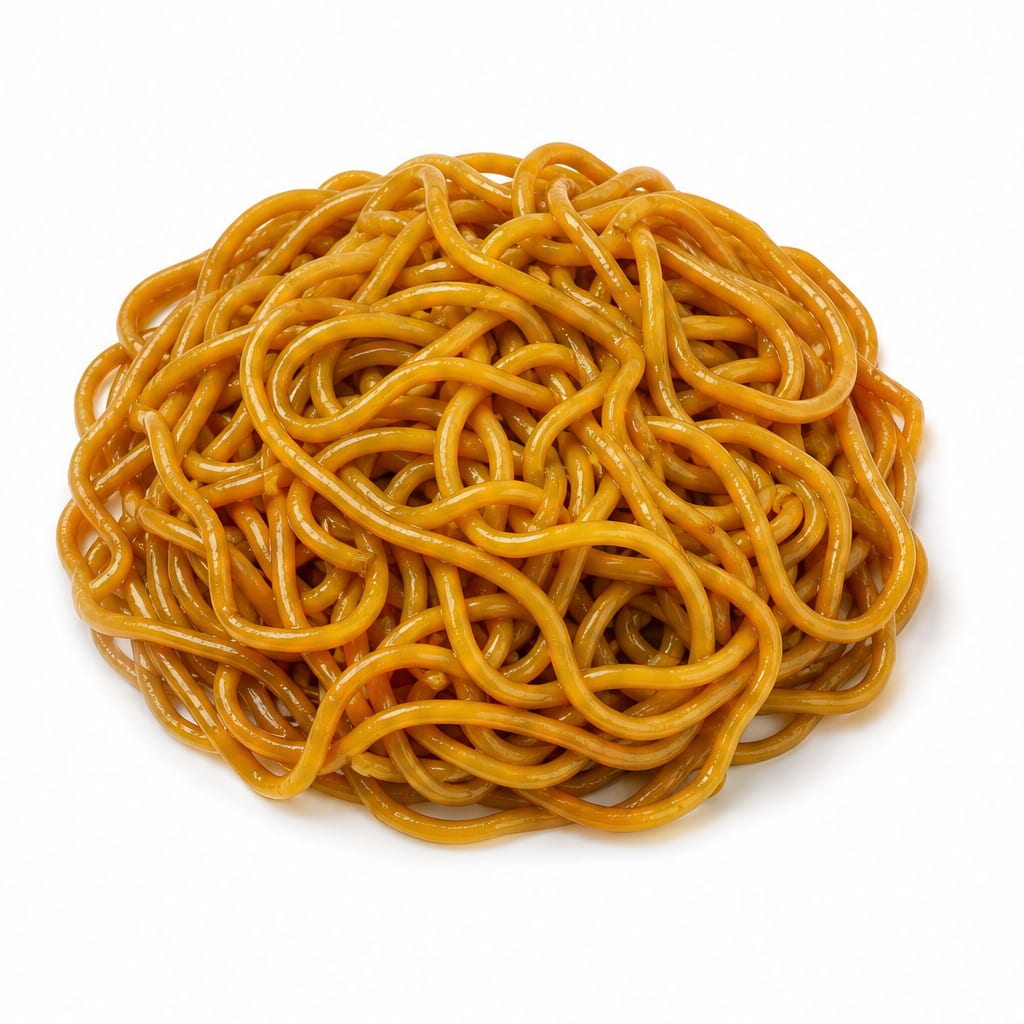
Compare with
Lo Mein
Nasi Goreng is slightly lower in calories than Lo Mein but both are high-sodium takeout options with refined carbs.
Nasi Goreng is slightly lower in calories than Lo Mein, but both are high-sodium takeout items with refined carbohydrates.
This food
Nasi Goreng
VS60% alike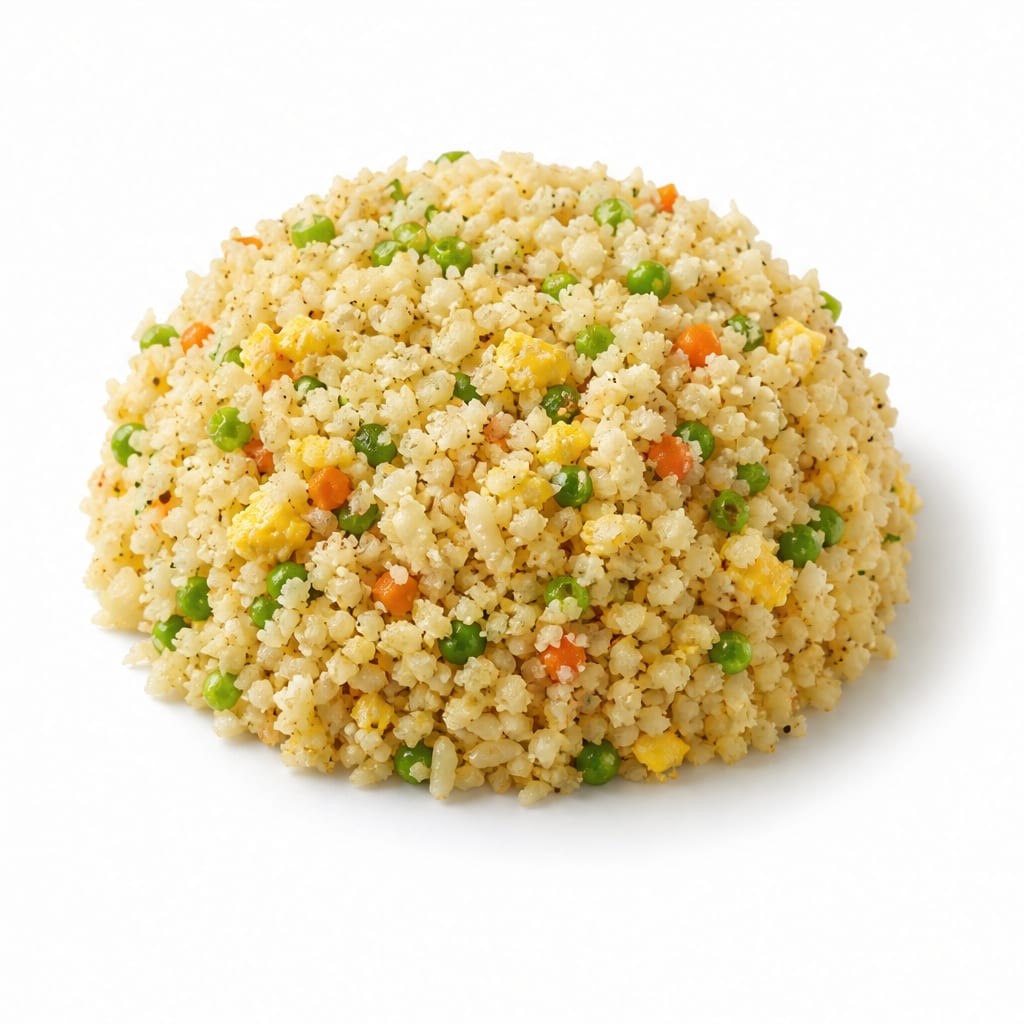
Compare with
Cauliflower Fried Rice
Cauliflower fried rice is dramatically lower in carbs and calories, making it the clear winner for weight loss and blood sugar control.
Cauliflower fried rice is dramatically lower in carbs and calories, making it far better for weight loss than traditional Nasi Goreng.
This food
Nasi Goreng
VS90% alike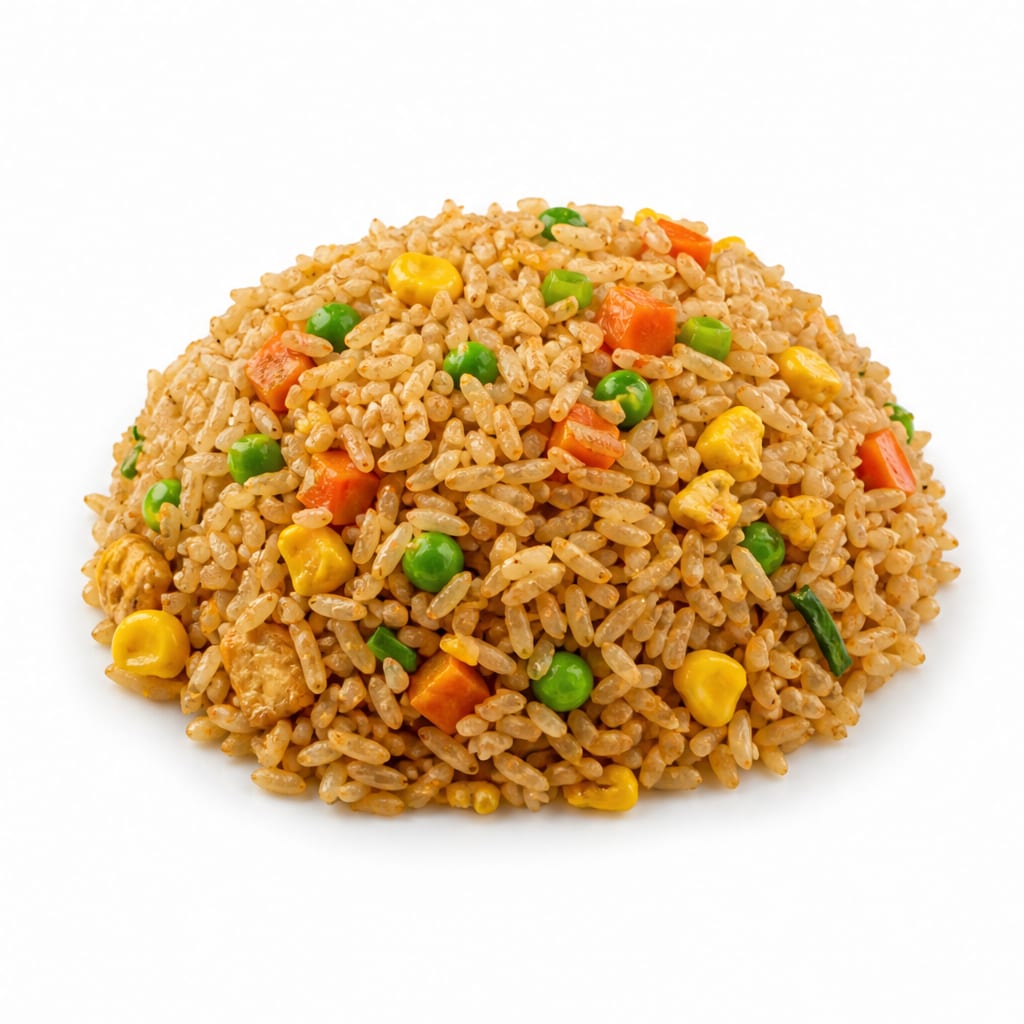
Compare with
Brown Rice Fried Rice
Brown rice fried rice provides more fiber and a lower glycemic impact than traditional white Nasi Goreng.
Brown rice fried rice provides more fiber and a lower glycemic impact than traditional white rice Nasi Goreng.
This food
Nasi Goreng
VS85% alike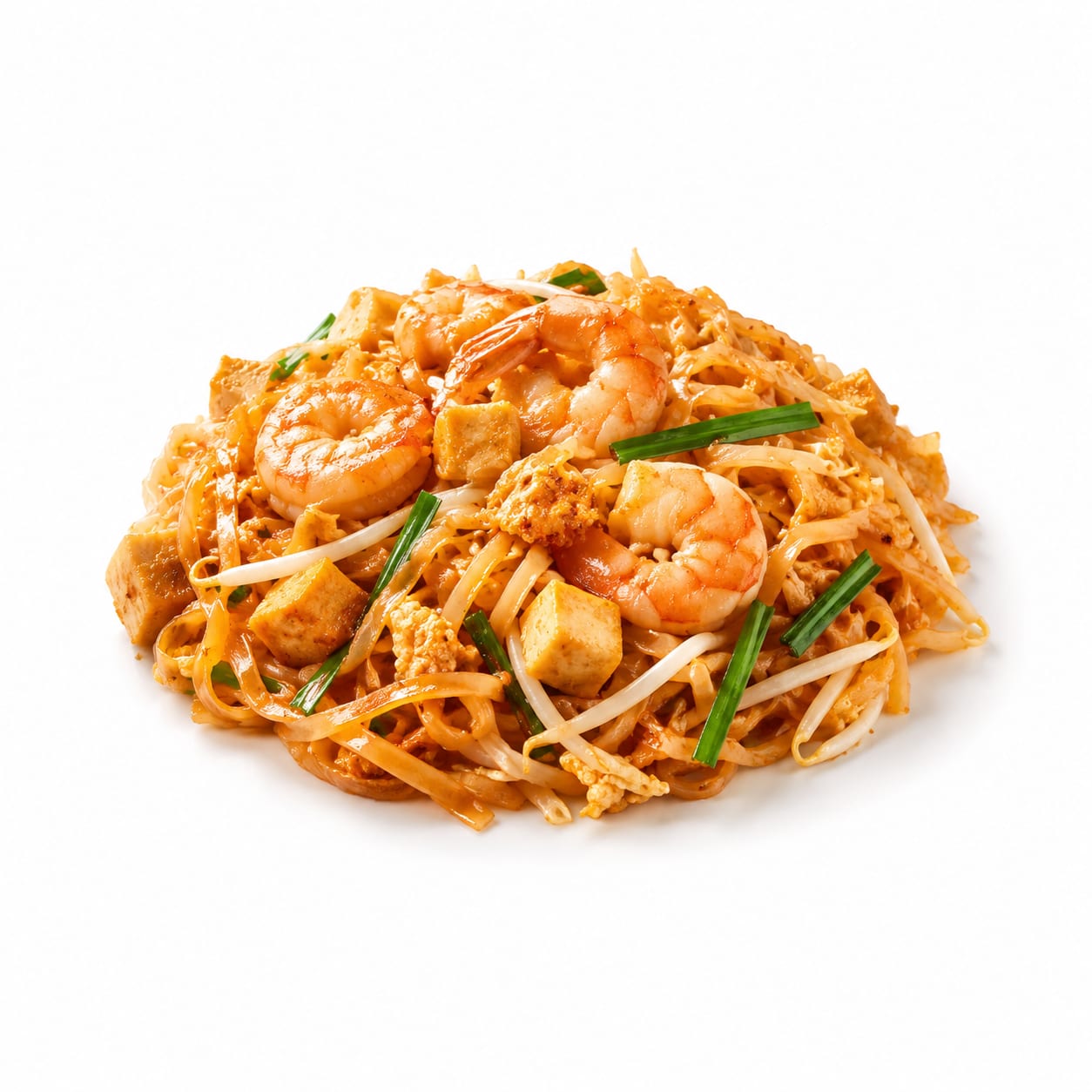
Compare with
Pad Thai
Nasi Goreng is typically lower in calories than Pad Thai, which uses noodles and more sugar-heavy sauces.
Nasi Goreng is typically lower in calories than Pad Thai, which uses noodles and heavier sugar sauces.
This food
Nasi Goreng
VS98% alike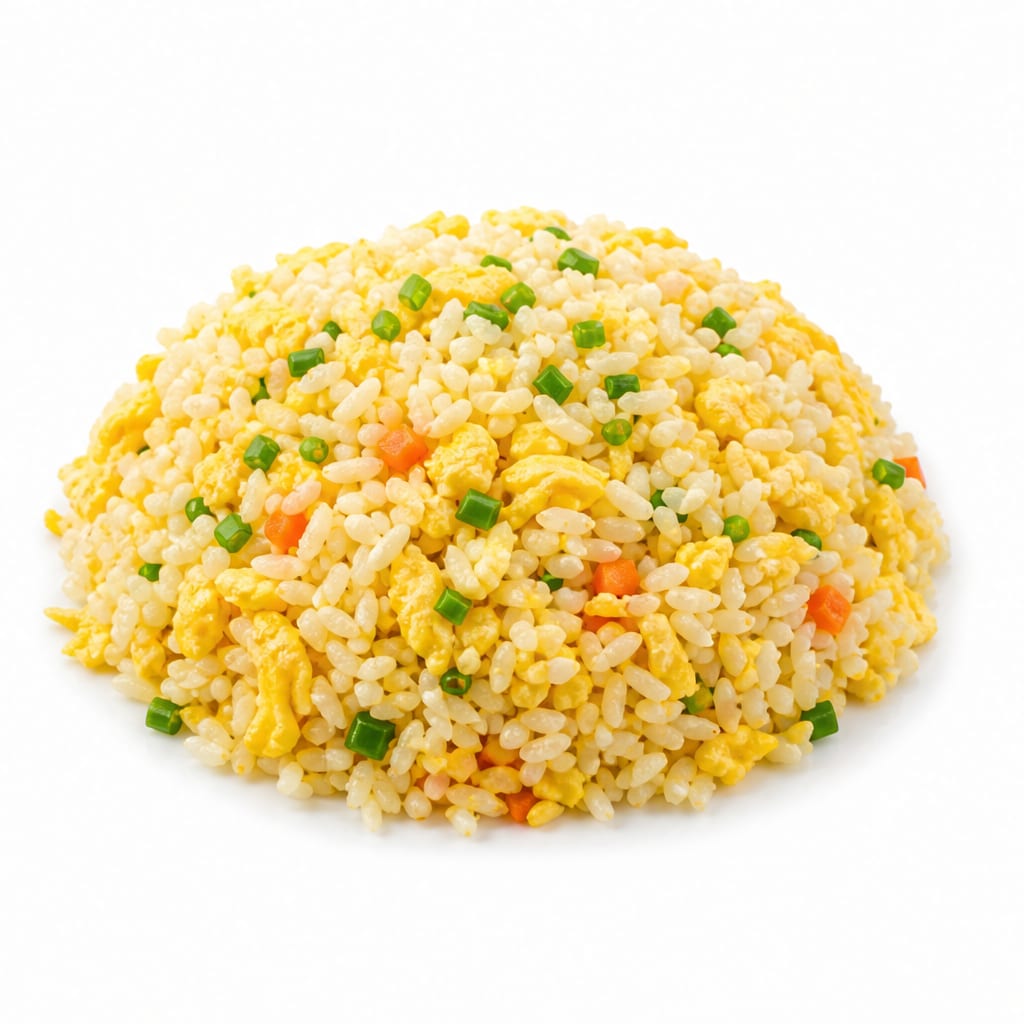
Compare with
Chinese Egg Fried Rice
Chinese egg fried rice is nearly identical nutritionally but lacks the sweet soy sauce, giving Nasi Goreng a slightly higher sugar content.
Chinese egg fried rice lacks the sweet soy sauce used in Nasi Goreng, making it slightly lower in sugar but similar in calories.
This food
Nasi Goreng
VS95% alike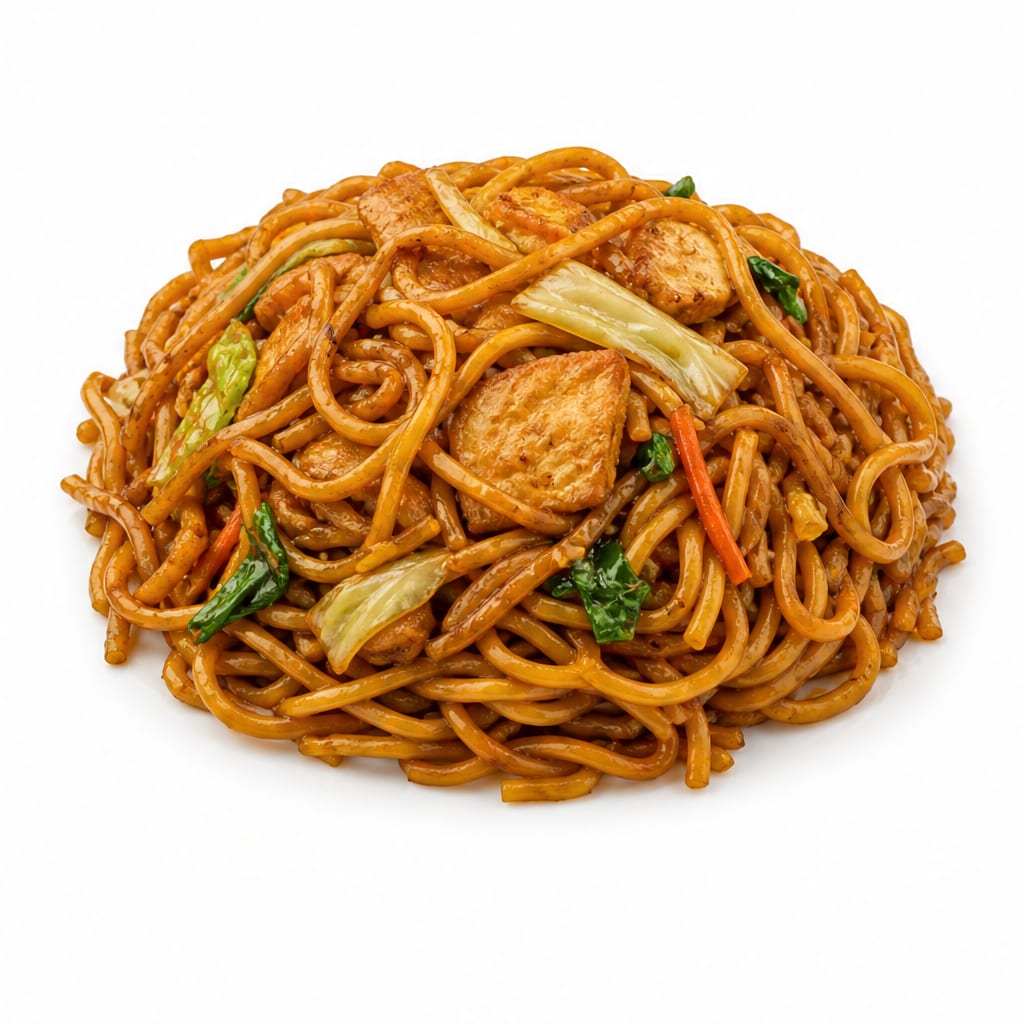
Compare with
Mee Goreng
Nasi Goreng is usually slightly lower in calories and fat than Mee Goreng, which uses oil-absorbing noodles.
Nasi Goreng is usually slightly lower in calories and fat than Mee Goreng, which uses oil-absorbing noodles.
Common questions
FAQ
Answers aligned with how people search for this food.
How many calories are in a plate of Nasi Goreng?
A typical restaurant plate of Nasi Goreng (around 300g-400g) contains roughly 540 to 720 calories, primarily from carbohydrates and added fats.
Is Nasi Goreng good for weight loss?
It is not ideal for weight loss due to high energy density from oil and refined carbs, but portion control and adding extra vegetables can make it more weight-loss friendly.
Can diabetics eat Nasi Goreng?
Traditional Nasi Goreng is high glycemic due to white rice and sweet soy sauce, making it difficult for blood sugar control. Using cauliflower rice and low-sugar sauce is a better alternative.
Why does fried rice have high sodium?
The high sodium comes from soy sauce, shrimp paste (terasi), and added salt used to flavor the dish during the stir-frying process.
Is Nasi Goreng a good post-workout meal?
Yes, the high carbohydrate content helps replenish muscle glycogen, and the added egg or chicken provides protein for muscle repair.
How can I make Nasi Goreng healthier?
Use brown rice or cauliflower rice, reduce the cooking oil, add extra vegetables, and use low-sodium soy sauce with a sugar substitute instead of kecap manis.
Does Nasi Goreng contain MSG?
Many street food and restaurant versions include MSG to enhance umami flavor, though traditional homemade versions may not require it.
Is Nasi Goreng keto-friendly?
No, traditional Nasi Goreng is very high in carbohydrates from white rice and sweet soy sauce, making it incompatible with ketogenic diets.
What is the health risk of leftover rice in Nasi Goreng?
Improperly stored leftover rice can harbor Bacillus cereus, a bacteria that causes food poisoning; rice must be cooled rapidly and refrigerated before frying.
Is Nasi Goreng high in cholesterol?
It can be if made with excessive oil, shrimp, or egg yolks, though dietary cholesterol impact varies by individual.
Transparency
Data confidence
Estimated confidence for nutrition data, interpretation, safety notes, and comparisons.
Nutrition data
Health analysis
Food safety
Comparisons