
Nutrition comparison
Nasi Goreng vs Thai Fried Rice: Which Is Healthier?
Compare Nasi Goreng and Thai Fried Rice nutrition — sugar, calories, sodium, and health impact. Find out which fried rice is the smarter choice for your goals.
Overall winner · Thai Fried Rice
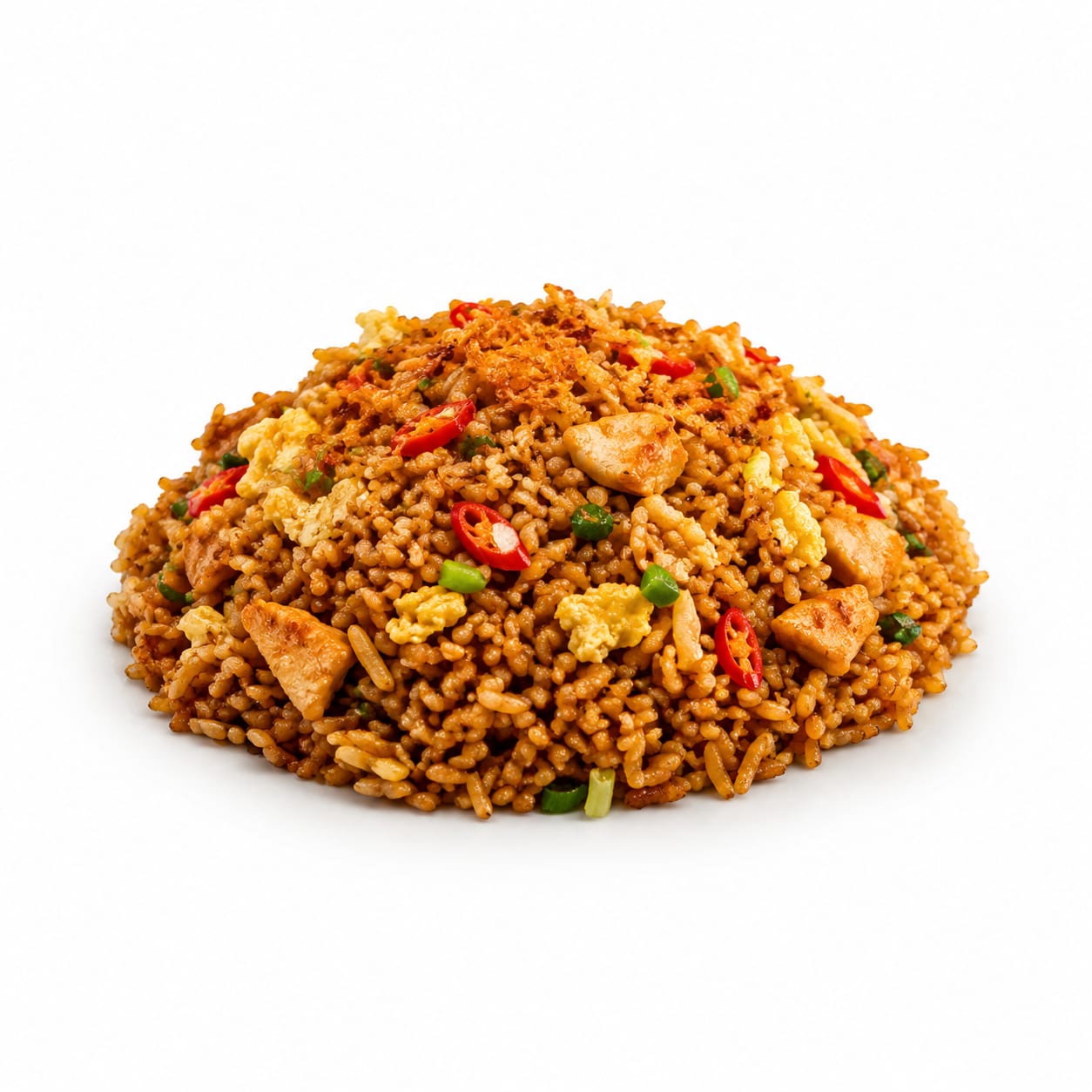
Nasi Goreng
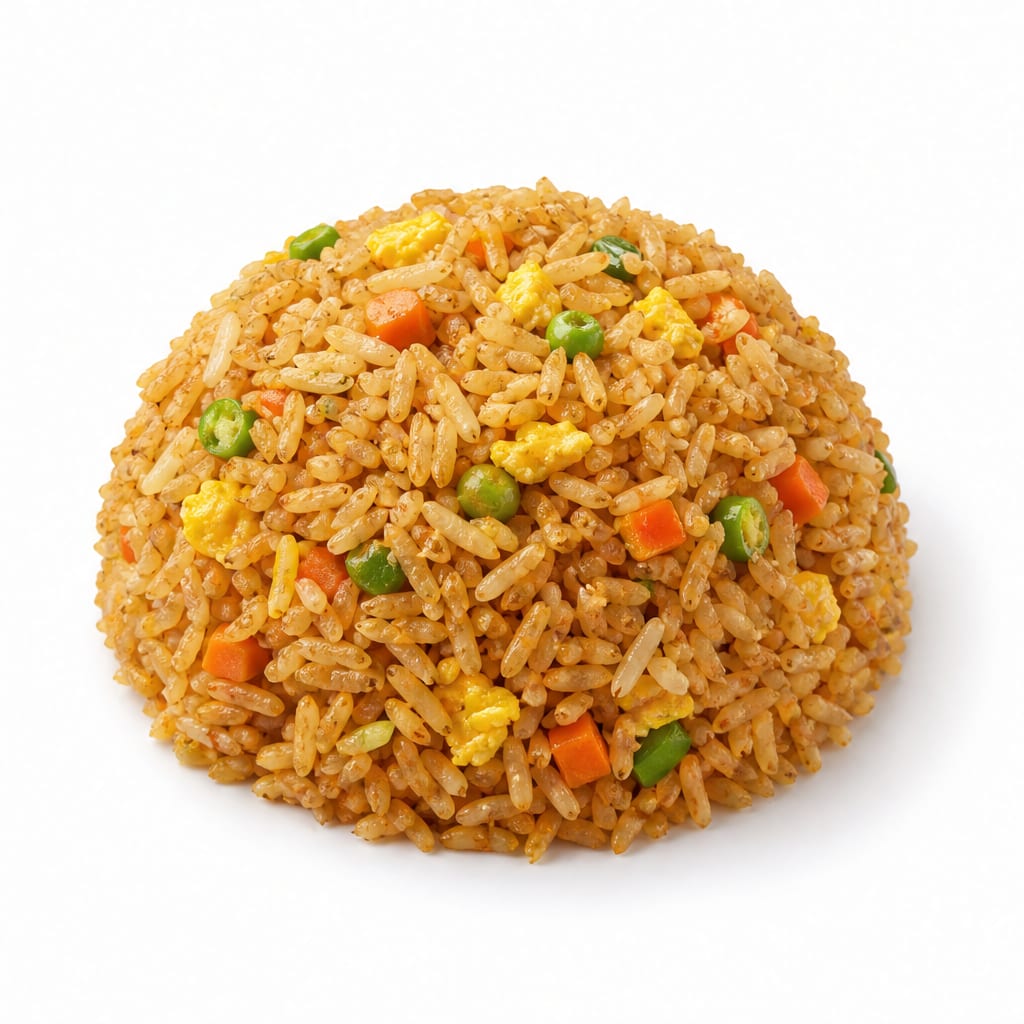
Thai Fried Rice
Thai Fried Rice is the lighter, lower-sugar choice, while Nasi Goreng delivers a richer, sweeter flavor at a nutritional cost.
Thai Fried Rice scores moderately higher due to lower sugar, fewer calories, and lighter overall profile. Nasi Goreng loses significant ground on sugar content and calorie density, though both are fried dishes with similar sodium concerns.
Nasi Goreng's addictive sweet-savory depth comes from kecap manis, which adds significant sugar and calories that Thai Fried Rice avoids by leaning on fish sauce and lime.
At a glance
Executive summary
Overall
Thai Fried Rice
Healthier
Thai Fried Rice
More practical
It depends
Daily use
Thai Fried Rice
Key comparison lenses
sugar and glycemic impact
Nasi Goreng uses kecap manis (sweet soy sauce), dramatically increasing sugar content compared to Thai Fried Rice's savory seasoning
blood sugar stability
The sugar from kecap manis combined with white rice creates a significant glycemic concern worth analyzing
calorie density and weight management
Both are fried rice dishes but Nasi Goreng often uses more oil and sugar, making calorie comparison critical
sodium load comparison
Both dishes rely on high-sodium condiments but from different sources — sweet soy sauce vs fish sauce — with different health implications
everyday meal sustainability
Users choosing between these are often deciding what to order at Southeast Asian restaurants regularly
Best choice for
Nasi Goreng
- Craving bold, sweet-savory comfort food
- Need high-calorie fuel after intense physical labor
- Bulking or trying to gain weight
- Special occasion Indonesian restaurant meal
Thai Fried Rice
- Keeping blood sugar steady
- Managing daily sodium without excess sugar
- Weight loss or maintenance
- Lighter lunch that won't cause afternoon energy crash
Least suitable for
Nasi Goreng
- People managing diabetes or insulin resistance
- Anyone watching sugar intake closely
- Those trying to lose weight
- Daily or frequent consumption
Thai Fried Rice
- People on strict low-sodium diets
- Anyone avoiding fish sauce due to allergies
- Those wanting a calorie-dense post-workout meal
Deep comparison
Dimension by dimension
Each lens scores both foods and breaks down who each option suits.
- Dimension 1 · Priority 95Thai Fried Rice
sugar_and_glycemic_load
Nasi Goreng · 22Thai Fried Rice · 55Nasi Goreng's kecap manis dumps significantly more sugar onto already glycemic white rice, creating a double-hit to blood sugar.
Tradeoff
You get that irresistible caramelized sweetness in Nasi Goreng, but your blood sugar pays for it within 30 minutes.
Why it matters
The sugar-rice combination in Nasi Goreng can trigger energy spikes followed by crashes, making you hungry again sooner.
Real-world impact
After Nasi Goreng, you may feel sluggish by mid-afternoon. Thai Fried Rice with its savory profile keeps energy more stable.
Nasi Goreng
- Quick energy before intense physical activity
- Satisfying a sweet-savory craving
Better for
- Insulin-sensitive individuals
- Anyone prone to afternoon energy crashes
Worse for
Thai Fried Rice
- Steady energy through the afternoon
- Diabetes management
- Avoiding sugar-driven cravings an hour later
Better for
- Those who find purely savory rice unsatisfying and overeat later
Worse for
- Dimension 2 · Priority 85It depends
sodium_content
Nasi Goreng · 35Thai Fried Rice · 32Both dishes are sodium-heavy, but from different sources. Nasi Goreng gets sodium from sweet soy sauce and shrimp paste, Thai Fried Rice from fish sauce and soy sauce.
Tradeoff
Neither is a low-sodium winner. Thai Fried Rice is slightly lower, but the difference is marginal and depends heavily on the cook.
Why it matters
Restaurant versions of both easily exceed 1000mg sodium per plate, which is half your daily ideal intake in one meal.
Real-world impact
If you have blood pressure concerns, both dishes require caution. Asking for less sauce helps either option significantly.
Nasi Goreng
- Hypertension patients
- Salt-sensitive individuals
Worse for
Thai Fried Rice
- Slightly more controllable sodium since fish sauce can be used more sparingly
Better for
- Same concerns — the sodium gap between these two is small
Worse for
- Dimension 3 · Priority 88Thai Fried Rice
calorie_density
Nasi Goreng · 30Thai Fried Rice · 48Nasi Goreng typically packs more calories per plate due to extra oil for frying and the sugar content of kecap manis.
Tradeoff
More calories means Nasi Goreng fills you up longer, but also makes weight management harder if eaten regularly.
Why it matters
A standard restaurant plate of Nasi Goreng can run 600-800 calories, while Thai Fried Rice often lands closer to 500-650.
Real-world impact
Eating Nasi Goreng twice a week instead of Thai Fried Rice could mean an extra 200-300 calories per meal, adding up to noticeable weight gain over months.
Nasi Goreng
- Post-heavy-workout refueling
- Active laborers needing calorie density
Better for
- Sedentary office workers
- Anyone tracking calories
Worse for
Thai Fried Rice
- Weight maintenance
- Lighter lunch that won't slow you down
Better for
- Athletes needing serious caloric intake
Worse for
- Dimension 4 · Priority 75Nasi Goreng
satiety_and_fullness
Nasi Goreng · 68Thai Fried Rice · 58Nasi Goreng's higher fat and sugar content makes it more immediately filling, though the sugar can trigger rebound hunger.
Tradeoff
You feel fuller faster with Nasi Goreng, but may get hungry again sooner due to the blood sugar spike-crash cycle.
Why it matters
True satiety comes from protein and fiber, which both dishes lack equally. Nasi Goreng's fullness is more from heaviness than nutrition.
Real-world impact
Nasi Goreng feels like a complete, satisfying meal. Thai Fried Rice feels lighter but may leave you snacking sooner.
Nasi Goreng
- One-meal days where you need to stay full for hours
- Avoiding between-meal hunger
Better for
- People prone to sugar-driven hunger cycles
Worse for
Thai Fried Rice
- Smaller, more frequent meal patterns
- Avoiding that overly stuffed feeling
Better for
- Those who need one meal to carry them 5+ hours
Worse for
- Dimension 5 · Priority 65Thai Fried Rice
digestive_tolerance
Nasi Goreng · 42Thai Fried Rice · 55Thai Fried Rice is gentler on digestion thanks to lighter seasoning and citrus elements. Nasi Goreng's shrimp paste and heavy sweet soy can be harder on sensitive stomachs.
Tradeoff
Nasi Goreng's bold fermentation flavors are delicious but can cause bloating or heartburn in sensitive people.
Why it matters
Shrimp paste (terasi) is fermented and can irritate sensitive digestive systems, especially combined with high fat and sugar.
Real-world impact
If you get heartburn from rich meals, Thai Fried Rice with lime is the safer lunch choice. Nasi Goreng is more likely to cause post-meal discomfort.
Nasi Goreng
- Those with iron stomachs who tolerate fermented foods well
Better for
- GERD or acid reflux
- Sensitive stomachs
Worse for
Thai Fried Rice
- Sensitive digestion
- Acid reflux sufferers
- Lighter evening meals
Better for
- Dimension 6 · Priority 60It depends
nutritional_value_beyond_macros
Nasi Goreng · 38Thai Fried Rice · 40Both are fundamentally white rice dishes with limited micronutrients. Nasi Goreng offers slightly more iron from shrimp paste, Thai Fried Rice offers vitamin C from lime and fresh vegetables.
Tradeoff
Neither is a nutritional powerhouse. The differences are small and depend heavily on what proteins and vegetables are included.
Why it matters
Both dishes need side vegetables or a salad to become nutritionally complete meals.
Real-world impact
Order either with a side of stir-fried greens and you close the nutritional gap significantly.
Nasi Goreng
- Iron intake from shrimp paste
Better for
- Those needing vitamin-rich meals
Worse for
Thai Fried Rice
- Vitamin C from lime garnish
- Slightly more fresh herb and vegetable content
Better for
Timeline
Health impact over time
Short-term
Hours to days
Nasi Goreng
- Noticeable blood sugar spike within 30-45 minutes due to sweet soy sauce on white rice
- Post-meal drowsiness or food coma more likely because of higher sugar and fat load
- Possible bloating from shrimp paste if you're sensitive to fermented foods
- Immediate satiety but potential hunger return within 2-3 hours
Thai Fried Rice
- More stable energy for 2-3 hours after eating
- Less post-meal fatigue due to lower sugar content
- Thirst from sodium but less glycemic rollercoaster
- Lighter feeling that won't slow down your afternoon
Long-term
Months to years
Nasi Goreng
- Regular consumption increases risk of insulin resistance from repeated sugar-rice spikes
- Higher calorie intake contributes to gradual weight gain if eaten frequently
- Sodium load adds to cardiovascular risk over time
- The sugar habit from kecap manis can increase sweet cravings broadly
Thai Fried Rice
- Lower sugar exposure reduces long-term metabolic risk compared to Nasi Goreng
- Sodium remains a concern for blood pressure if eaten regularly
- Easier to maintain healthy weight as part of a varied diet
- Still a fried rice dish — daily consumption of any fried rice is not ideal for heart health
Risk profile
Safety & processing
Both are restaurant-fried dishes using processed condiments. Kecap manis is a more processed ingredient than fish sauce, containing added sugar and sometimes caramel coloring. Thai Fried Rice uses simpler seasonings but still relies on processed sauces. Neither is a whole food meal.
Nasi Goreng
Shrimp paste contamination
lowTerasi is fermented and can harbor bacteria if improperly stored, though commercial versions are generally safe.
Day-old rice handling
mediumBacillus cereus spores can survive cooking and multiply in rice left at room temperature. Proper refrigeration is essential.
Street vendor hygiene
mediumNasi Goreng is extremely popular as street food where hygiene standards vary widely depending on location.
Thai Fried Rice
Fish sauce allergen exposure
lowFish sauce contains anchovies which can trigger allergic reactions in sensitive individuals. Not always obvious in the dish.
Day-old rice handling
mediumSame Bacillus cereus risk as any fried rice dish. Cold rice must be properly stored before stir-frying.
Cross-contamination with shellfish
mediumThai kitchens often prepare dishes with shrimp alongside other orders, making cross-contamination likely for allergy sufferers.
Who wins for whom
Audience fit
Same foods, different winners depending on your goal.
children
Thai Fried RiceThai Fried Rice is milder and less sweet, which ironically is better since kids already consume too much added sugar. The lime and mild flavors are more kid-friendly long-term.
daily consumption
Thai Fried RiceNeither fried rice should be eaten daily, but Thai Fried Rice is less harmful as an occasional regular choice due to lower sugar and calorie content.
diabetes
Thai Fried RiceLower sugar content and less glycemic impact make Thai Fried Rice the clearly safer choice for blood sugar management.
elderly
Thai Fried RiceLower sugar and lighter seasoning make Thai Fried Rice easier on aging digestive systems and more compatible with common elderly health concerns like hypertension and diabetes.
muscle gain
It dependsBoth need added protein to support muscle gain. Nasi Goreng provides more calories for bulking, while Thai Fried Rice is better during cutting phases.
weight loss
Thai Fried RiceThai Fried Rice has fewer calories and significantly less sugar, making it easier to fit into a calorie-controlled eating plan.
Your move
Decision guide
Choose Nasi Goreng
- You're craving that signature sweet-savory Indonesian flavor and nothing else will satisfy
- You just finished an intense workout or physical labor and need serious calorie replenishment
- You're actively trying to gain weight and want calorie-dense meals
- It's a special occasion and you want the most flavorful, indulgent option
Choose Thai Fried Rice
- You want a satisfying rice dish without the sugar crash afterward
- You're watching your weight or blood sugar
- You need a workday lunch that won't put you to sleep at your desk
- You prefer savory, citrusy flavors over sweet ones
Either works if
- You're ordering at a restaurant and both look good — just pick what sounds appealing today
- You plan to add a side of vegetables and lean protein to balance the meal
- You only eat fried rice occasionally and the nutritional differences won't matter much
Avoid both if
- You're on a strict low-sodium diet — both dishes are sodium bombs
- You have severe rice or soy allergies
- You're committed to whole-food, non-processed eating
- You need a low-glycemic meal — white rice in any fried form spikes blood sugar
Final recommendation
For regular meals, Thai Fried Rice is the smarter default — less sugar, fewer calories, steadier energy. Save Nasi Goreng for when you genuinely want that sweet-savory indulgence. Either way, add vegetables and watch portion sizes to make either dish work in a balanced diet.
Practical
Consumer tips
- 1
Ask for less kecap manis when ordering Nasi Goreng — you'll cut sugar significantly while keeping the flavor profile
- 2
Request extra vegetables in either dish to add fiber and slow down sugar absorption
- 3
Share a plate of fried rice and add a side of stir-fried greens — this halves the calorie impact while making the meal more nutritious
- 4
Drink water instead of sweet tea with either dish — you're already getting plenty of sugar and sodium from the rice
- 5
If making either at home, use brown rice and reduce the sauce by half for a dramatically healthier version
- 6
Order Thai Fried Rice with chicken and extra egg for more protein, which helps stabilize blood sugar response
- 7
Avoid adding extra sambal or chili sauce to Nasi Goreng — it often contains hidden sugar on top of the kecap manis