
Nutrition comparison
Nasi Goreng vs Mee Goreng: Which Fried Dish Is Healthier?
Compare Nasi Goreng and Mee Goreng side by side — nutrition, blood sugar impact, gluten, sodium, and which one fits your health goals better.
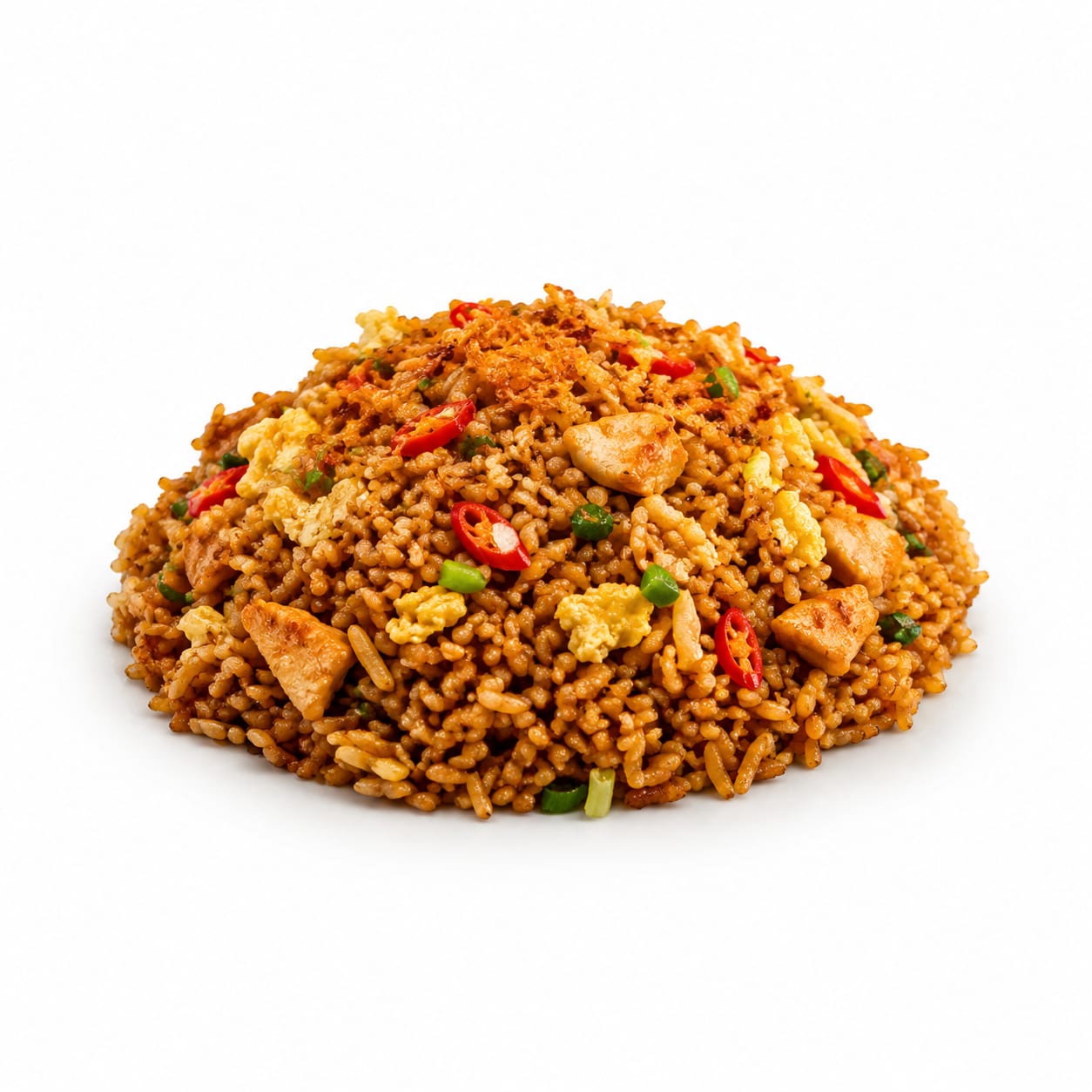
Nasi Goreng
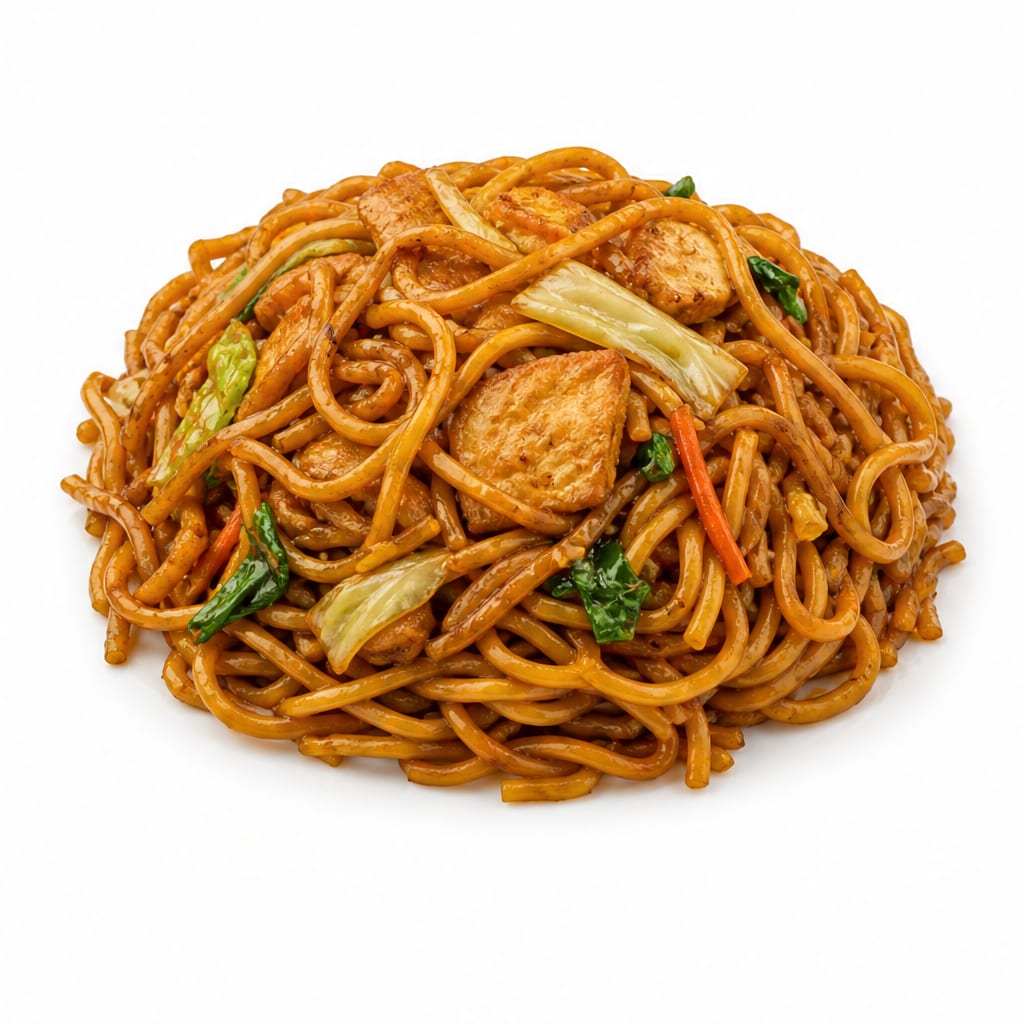
Mee Goreng
Nasi Goreng wins for gluten-sensitive eaters and lighter meals, while Mee Goreng offers more satiety and slightly more protein from wheat noodles.
Nasi Goreng edges ahead slightly due to gluten-free compatibility and typically lower oil absorption, but both are indulgent street-style dishes with high sodium and refined carbs. The gap is small because nutritional profiles are quite similar overall.
Rice gives you a gluten-free, often lighter plate — noodles give you more staying power but with gluten and usually more oil.
At a glance
Executive summary
Overall
It depends
Healthier
It depends
More practical
Nasi Goreng
Daily use
Nasi Goreng
Key comparison lenses
carbohydrate source comparison
Rice vs wheat noodles creates fundamentally different metabolic and digestive outcomes
blood sugar management
Both are high-carb dishes but glycemic responses differ significantly between rice and wheat noodles
gluten sensitivity and digestion
Mee Goreng contains wheat which excludes gluten-sensitive individuals while Nasi Goreng is naturally gluten-free
calorie density and weight management
Oil absorption differs between rice and noodles, affecting total caloric load
sodium and heart health
Both rely heavily on soy sauce and seasonings but noodle dishes often carry more sodium
street food safety
Both are commonly sold as street food with similar contamination risks but different storage concerns
Best choice for
Nasi Goreng
- Gluten-sensitive or celiac individuals
- Those wanting a lighter post-workout meal
- People managing sodium intake
- Anyone seeking easier digestion
Mee Goreng
- Athletes needing sustained energy
- Those wanting longer-lasting fullness
- People trying to gain weight healthily
- Anyone who finds rice less satisfying
Least suitable for
Nasi Goreng
- Those needing prolonged satiety from one meal
- People who find rice spikes their blood sugar sharply
Mee Goreng
- Anyone with celiac disease or gluten intolerance
- Those watching sodium closely
- People prone to bloating from wheat
Deep comparison
Dimension by dimension
Each lens scores both foods and breaks down who each option suits.
- Dimension 1 · Priority 90Mee Goreng
Blood Sugar Stability
Nasi Goreng · 38Mee Goreng · 45Wheat noodles digest slightly slower than white rice, giving Mee Goreng a modest edge on glycemic impact.
Tradeoff
Neither is ideal for blood sugar control — both are refined carb-heavy — but rice tends to spike glucose faster.
Why it matters
If you are prediabetic or monitoring energy crashes, the difference matters at lunchtime.
Real-world impact
After Nasi Goreng you may feel a quicker energy dip around 2pm; Mee Goreng tends to sustain energy a bit longer.
Nasi Goreng
- Quick energy before short physical activity
Better for
- Risk of post-meal energy crash
- Sharper blood sugar spike
Worse for
Mee Goreng
- Sustained energy through a long afternoon
- More stable mood and focus after eating
Better for
- Still too carb-heavy for strict glycemic control
- Heavier feeling may slow you down
Worse for
- Dimension 2 · Priority 88Mee Goreng
Satiety and Fullness
Nasi Goreng · 50Mee Goreng · 62Mee Goreng keeps you fuller longer thanks to wheat protein and the denser texture of noodles.
Tradeoff
That fullness comes with more calories and oil — it is heavier, not necessarily healthier.
Why it matters
If you eat once and need to last five hours, Mee Goreng does the job better.
Real-world impact
A plate of Mee Goreng at noon can carry you to dinner; Nasi Goreng often leaves you snacking by 4pm.
Nasi Goreng
- When you want a lighter meal before being active
Better for
- Hunger returns within 2-3 hours
- May lead to overeating later
Worse for
Mee Goreng
- Long work shifts without meal breaks
- Post-workout recovery meals
Better for
- Can feel too heavy in hot weather
- Food coma risk after large portions
Worse for
- Dimension 3 · Priority 85Nasi Goreng
Gluten and Digestive Tolerance
Nasi Goreng · 85Mee Goreng · 30Nasi Goreng is naturally gluten-free; Mee Goreng is built on wheat noodles and off-limits for gluten-sensitive people.
Tradeoff
If gluten is not a concern for you, this dimension is irrelevant — but for many it is the deciding factor.
Why it matters
Roughly 5-7% of people have non-celiac gluten sensitivity and many more avoid wheat for bloating.
Real-world impact
Nasi Goreng sits comfortably in most stomachs; Mee Goreng can cause bloating, gas, or brain fog in sensitive individuals.
Nasi Goreng
- Celiac and gluten-sensitive diners
- Anyone with IBS triggered by wheat
- Lighter digestive experience
Better for
- No downside for digestion
Worse for
Mee Goreng
- No advantage for gluten tolerance
Better for
- Excludes anyone with gluten issues
- Can trigger bloating in wheat-sensitive people
Worse for
- Dimension 4 · Priority 78Nasi Goreng
Sodium Load
Nasi Goreng · 42Mee Goreng · 35Both are high-sodium dishes, but Mee Goreng typically packs more due to seasoned noodles and extra sauce.
Tradeoff
Neither is low-sodium — the difference is between very high and extremely high.
Why it matters
If you have hypertension or kidney concerns, both require caution but Nasi Goreng is slightly less aggressive.
Real-world impact
A single plate of either can deliver 1000-2000mg sodium — half or more of your daily limit.
Nasi Goreng
- Slightly easier to modify for lower sodium
- Less seasoned base ingredient
Better for
- Still far too salty for sodium-restricted diets
Worse for
Mee Goreng
- No advantage for sodium
Better for
- Noodles often pre-seasoned with sodium
- Extra sauce increases salt further
Worse for
- Dimension 5 · Priority 82Nasi Goreng
Calorie Density and Weight Management
Nasi Goreng · 48Mee Goreng · 40Noodles absorb more oil during stir-frying, making Mee Goreng typically more calorie-dense per bite.
Tradeoff
Rice grains do not soak up oil as readily, so Nasi Goreng can be slightly easier to portion-control.
Why it matters
A 10-20% calorie difference per plate adds up over weekly street food meals.
Real-world impact
Regular Mee Goreng eaters may notice gradual weight creep faster than those choosing Nasi Goreng.
Nasi Goreng
- Easier portion control
- Less hidden oil per serving
Better for
- Still a calorie-dense fried dish
Worse for
Mee Goreng
- Better for healthy weight gain goals
Better for
- Oil absorption in noodles is hard to control
- Easier to overeat due to texture
Worse for
- Dimension 6 · Priority 72Mee Goreng
Protein and Nutritional Value
Nasi Goreng · 45Mee Goreng · 52Wheat noodles contribute more protein than white rice, giving Mee Goreng a slight nutritional edge.
Tradeoff
The protein difference is modest — about 3-5g per serving — and both dishes rely on added protein from egg, chicken, or shrimp.
Why it matters
If you do not eat much protein elsewhere, every gram counts.
Real-world impact
Neither is a high-protein meal on its own — both need added egg, tofu, or meat to matter.
Nasi Goreng
- No real advantage for protein
Better for
- White rice is nearly pure carbohydrate
Worse for
Mee Goreng
- Small but useful protein boost from wheat
- Slightly better amino acid profile
Better for
- Still not enough protein for active people
Worse for
Timeline
Health impact over time
Short-term
Hours to days
Nasi Goreng
- Quick energy from easily digested carbs
- Possible blood sugar spike within 30-60 minutes
- Lighter stomach feeling compared to noodles
- Thirst from high sodium content
Mee Goreng
- More sustained energy over 2-3 hours
- Heavier post-meal fullness that may slow you down
- Bloating risk for wheat-sensitive individuals
- Stronger thirst from higher sodium
Long-term
Months to years
Nasi Goreng
- Frequent consumption may contribute to insulin resistance from refined carbs
- High sodium intake risks for blood pressure
- Easier to maintain weight vs noodles if portions are controlled
- Gluten-free advantage protects gut health for sensitive individuals
Mee Goreng
- Regular wheat consumption may trigger inflammation in sensitive people
- Higher calorie density increases weight gain risk over time
- Slightly better blood sugar pattern than rice with repeated meals
- Sodium load compounds cardiovascular risk with frequent consumption
Risk profile
Safety & processing
Both dishes are cooked from scratch ingredients but rely on processed seasonings like kecap manis and soy sauce. Yellow noodles in Mee Goreng often contain preservatives and food coloring, making them slightly more processed than plain rice.
Nasi Goreng
Stale rice contamination
mediumDay-old rice used in Nasi Goreng can harbor Bacillus cereus if not stored properly — a common cause of food poisoning from street vendors.
Undercooked egg
mediumThe fried egg on top is often runny, which carries salmonella risk in regions with inconsistent food safety standards.
Street vendor hygiene
mediumOpen-air cooking and inconsistent handwashing practices at hawker stalls increase contamination risk.
Mee Goreng
Noodle preservatives
lowCommercial yellow noodles may contain benzoic acid or yellow coloring agents that can cause reactions in sensitive individuals.
Oil reuse
highNoodles require more oil for stir-frying, and street vendors often reuse oil repeatedly, creating oxidized compounds linked to inflammation.
Street vendor hygiene
mediumSame open-air contamination risks as Nasi Goreng, though noodles are less prone to Bacillus cereus than leftover rice.
Who wins for whom
Audience fit
Same foods, different winners depending on your goal.
children
Nasi GorengRice is gentler on developing digestive systems and avoids potential wheat sensitivities; the lighter texture is also more kid-friendly.
daily consumption
Nasi GorengLighter digestive load and gluten-free compatibility make Nasi Goreng slightly more sustainable as a regular meal, though neither should be eaten daily due to sodium and oil.
diabetes
Mee GorengWheat noodles have a slightly lower glycemic index than white rice, causing a less dramatic blood sugar spike — but both are far from ideal for diabetes management.
elderly
Nasi GorengEasier to chew and digest, lower sodium potential, and gluten-free nature make Nasi Goreng more suitable for aging digestive systems.
muscle gain
Mee GorengMore protein from wheat noodles and greater calorie density support muscle-building goals when paired with adequate protein additions.
weight loss
Nasi GorengLower calorie density and less oil absorption make Nasi Goreng easier to fit into a calorie deficit, though both require portion control.
Your move
Decision guide
Choose Nasi Goreng
- You are gluten-sensitive or avoiding wheat
- You want a lighter meal that will not slow you down
- You are watching calories more carefully
- You have digestive issues with noodles or wheat
- You are eating before physical activity
Choose Mee Goreng
- You need long-lasting energy for a long workday
- You have no gluten concerns and want more satiety
- You are trying to gain weight or build muscle
- You find rice-based meals unsatisfying
- You prefer the texture and heartiness of noodles
Either works if
- You are eating occasionally as a treat — both are comparable indulgences
- You can customize with extra vegetables and lean protein to improve either option
- You are eating at a reputable restaurant with good hygiene standards
Avoid both if
- You are on a strict low-sodium diet for hypertension or kidney disease
- You are managing diabetes and need low-glycemic meals
- You are following a whole-food, minimally processed eating plan
- You are trying to reduce inflammatory seed oils from deep frying
Final recommendation
For most people, Nasi Goreng is the slightly safer default — lighter, gluten-free, and easier on digestion. Choose Mee Goreng when you need the extra staying power and have no wheat concerns. Whichever you pick, ask for less oil and extra vegetables to make either option significantly better.
Practical
Consumer tips
- 1
Ask for less oil — street vendors often use heavy pours, and reducing oil cuts 150-300 calories per plate
- 2
Add a side of raw vegetables or cucumber to balance the meal and slow carb absorption
- 3
Request less kecap manis to cut both sugar and sodium significantly
- 4
Choose versions with egg and chicken for protein rather than eating either dish plain
- 5
Avoid the fried egg if you are concerned about cholesterol or food safety at street stalls
- 6
Drink plenty of water after eating — both dishes are sodium bombs that dehydrate you
- 7
If buying from street vendors, choose stalls with high turnover for fresher ingredients and safer oil
- 8
Consider sharing a plate — standard portions at hawker centers are often large enough for two