
Nutrition comparison
Nasi Goreng vs Chicken Teriyaki with Rice: Which Is Healthier?
Compare Nasi Goreng and Chicken Teriyaki with Rice on protein, calories, sodium, and more. Find out which rice dish is better for weight loss, muscle gain, and daily eating.
Overall winner · Chicken Teriyaki with Rice
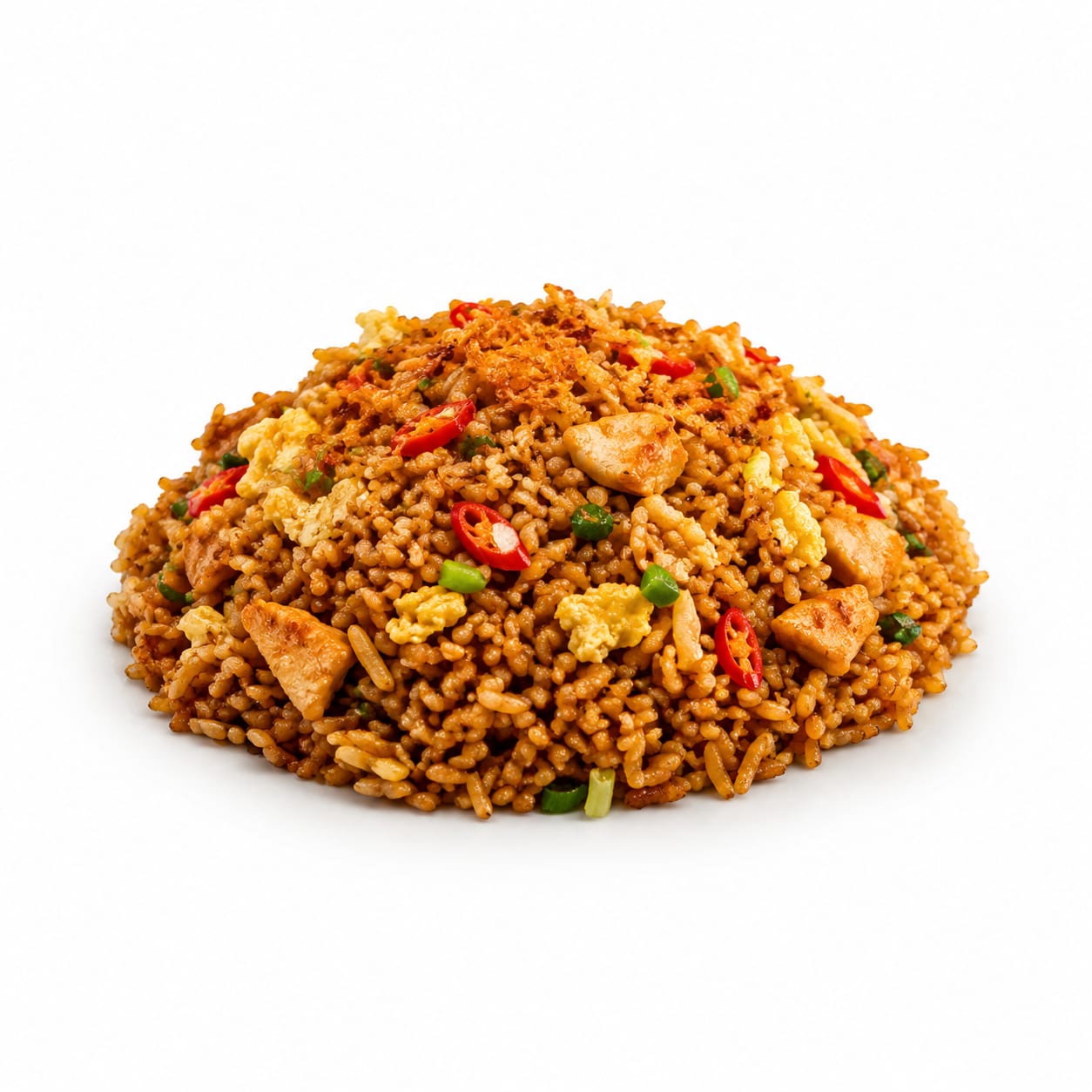
Nasi Goreng
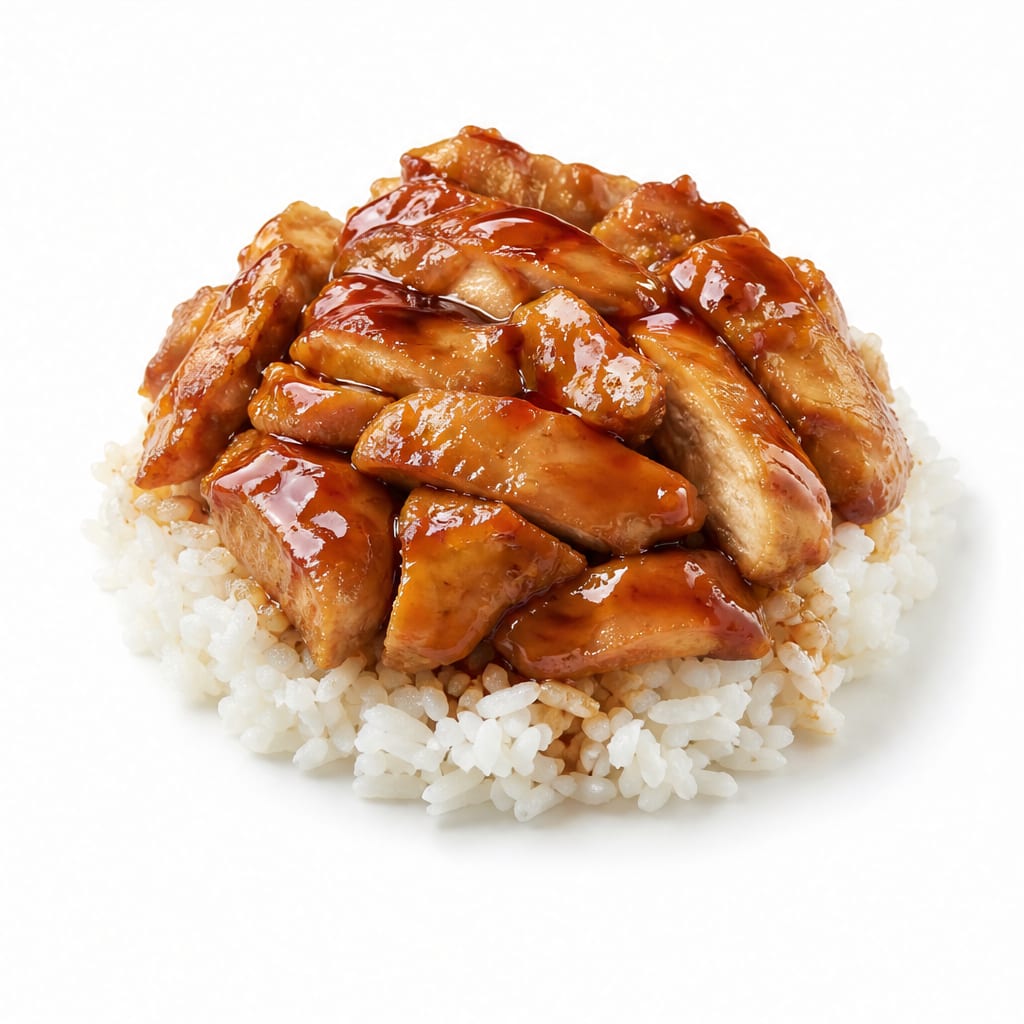
Chicken Teriyaki with Rice
Chicken Teriyaki with Rice delivers more protein with less oil and fewer calories, making it the stronger everyday choice. Nasi Goreng wins on flavor intensity and satisfaction but carries a heavier sodium and fat load.
Chicken Teriyaki with Rice scores notably higher due to superior protein content, lower fat from cooking method, and better calorie-to-satiety ratio. Nasi Goreng remains competitive on flavor satisfaction but loses ground on sodium density and oil content that compound with frequent consumption.
You trade the bold, comforting depth of Nasi Goreng for the leaner, higher-protein profile of Chicken Teriyaki with Rice.
At a glance
Executive summary
Overall
Chicken Teriyaki with Rice
Healthier
Chicken Teriyaki with Rice
More practical
Chicken Teriyaki with Rice
Daily use
Chicken Teriyaki with Rice
Key comparison lenses
Which is better for a balanced high-protein meal?
Both are rice-based dishes but differ significantly in protein source and quantity, making this the top decision driver for most users
Which has less sodium and sugar?
Both rely on soy-based sauces, but the sodium and sugar profiles differ substantially between Indonesian sweet soy sauce and Japanese teriyaki glaze
Which is lighter or less calorie-dense?
Nasi Goreng is oil-fried while Chicken Teriyaki with Rice is typically grilled or pan-seared with steamed rice, creating a meaningful calorie gap
Which fits better into everyday meal rotation?
Daily eatability depends on sodium load, fat content, and how each dish affects energy levels hours after eating
Which is safer regarding food preparation risks?
Nasi Goreng often uses leftover rice and mixed proteins, raising specific food safety considerations
Best choice for
Nasi Goreng
- Craving bold, savory Southeast Asian flavors
- Wanting a single-pan meal with mixed proteins like egg and shrimp
- Seeking a comforting, indulgent meal after a long day
- Eating infrequently as a treat rather than a staple
Chicken Teriyaki with Rice
- Hitting daily protein targets without excess fat
- Managing calorie intake while still feeling satisfied
- Needing steady energy without a heavy post-meal slump
- Building a repeatable meal prep option for the week
Least suitable for
Nasi Goreng
- People monitoring sodium for blood pressure
- Anyone tracking calories closely
- Those avoiding high-oil cooking methods
- Frequent daily consumption as a staple lunch
Chicken Teriyaki with Rice
- People sensitive to sugar in sauces
- Anyone avoiding sweet glazes on proteins
- Those wanting a complex, multi-texture eating experience
- Diners seeking a deeply savory rather than sweet flavor profile
Deep comparison
Dimension by dimension
Each lens scores both foods and breaks down who each option suits.
- Dimension 1 · Priority 93Chicken Teriyaki with Rice
Protein Quality and Quantity
Nasi Goreng · 52Chicken Teriyaki with Rice · 82Chicken Teriyaki with Rice provides a larger, more consistent protein portion from chicken breast or thigh. Nasi Goreng's protein is variable and often split between small amounts of egg, shrimp, or chicken.
Tradeoff
Nasi Goreng offers protein variety but rarely delivers enough from any single source. Chicken Teriyaki with Rice gives you a reliable, substantial protein hit per serving.
Why it matters
Protein drives fullness, muscle maintenance, and metabolic health. A meal that consistently delivers 25-35g of protein keeps you satisfied longer and supports body composition goals.
Real-world impact
After Chicken Teriyaki with Rice, you are less likely to snack within two hours. After Nasi Goreng, the lower protein may leave you hunting for something else to eat sooner.
Nasi Goreng
- Getting small amounts of multiple protein types in one dish
Better for
- Inconsistent protein makes meal planning harder
- May need a side dish to reach adequate protein intake
Worse for
Chicken Teriyaki with Rice
- Reliably hitting protein targets in a single meal
- Post-workout recovery when you need solid protein fast
- Staying full through a long afternoon without grazing
Better for
- Protein comes from one source, offering less amino acid diversity
Worse for
- Dimension 2 · Priority 88Chicken Teriyaki with Rice
Sodium Load
Nasi Goreng · 38Chicken Teriyaki with Rice · 55Both dishes are sodium-heavy, but Nasi Goreng typically packs more due to sweet soy sauce, shrimp paste, and additional seasoning layers. Teriyaki sauce is also salty but often used in smaller quantities as a glaze.
Tradeoff
Neither dish is low-sodium, but Nasi Goreng's combination of kecap manis, terasi, and regular soy sauce pushes sodium higher. Chicken Teriyaki with Rice gives you a bit more room to manage intake.
Why it matters
High sodium meals can cause bloating, thirst, and blood pressure spikes. For anyone eating Asian cuisine regularly, sodium accumulates fast across meals.
Real-world impact
After Nasi Goreng, you may notice stronger thirst and puffiness, especially if eaten for lunch at a restaurant. Chicken Teriyaki with Rice is still salty but slightly less aggressive on water retention.
Nasi Goreng
- Flavor intensity that feels deeply satisfying in the moment
Better for
- Can easily exceed 1500mg sodium in a single serving
- Problematic for anyone with hypertension or kidney concerns
Worse for
Chicken Teriyaki with Rice
- Slightly easier to fit into a sodium-conscious eating pattern
- Better choice if you already had a salty breakfast or snack
Better for
- Still a high-sodium meal that requires awareness
- Teriyaki glaze can be deceptively salty despite tasting sweet
Worse for
- Dimension 3 · Priority 85Chicken Teriyaki with Rice
Calorie Density and Fat Content
Nasi Goreng · 42Chicken Teriyaki with Rice · 72Nasi Goreng is stir-fried in oil, often with additional fat from egg and sometimes fried shallots. Chicken Teriyaki with Rice uses grilled or pan-seared chicken with steamed rice, keeping fat significantly lower.
Tradeoff
The oil in Nasi Goreng creates its signature flavor and texture but adds 150-300 extra calories per serving. Chicken Teriyaki with Rice achieves satisfying taste through its glaze instead of fat.
Why it matters
Calorie density determines whether a meal supports or undermines weight management. High-fat fried rice can easily exceed 700 calories before you feel full.
Real-world impact
A plate of Nasi Goreng can quietly deliver the calories of a large meal while feeling like a normal portion. Chicken Teriyaki with Rice is more likely to align with the energy your body actually needs.
Nasi Goreng
- Higher fat provides a feeling of indulgence and richness
- Good for active individuals who need calorie surplus
Better for
- Oil absorption in fried rice is hard to estimate or control
- Calories add up fast, especially at restaurants
Worse for
Chicken Teriyaki with Rice
- Easier to maintain or lose weight without counting strictly
- Less post-meal heaviness and sluggishness
- Better fit for sedentary or moderately active days
Better for
- Lower fat means less richness, which some find less satisfying
Worse for
- Dimension 4 · Priority 78Chicken Teriyaki with Rice
Blood Sugar Stability
Nasi Goreng · 45Chicken Teriyaki with Rice · 64Both are white rice-based, but Chicken Teriyaki with Rice benefits from higher protein slowing glucose absorption. Nasi Goreng's kecap manis adds concentrated sugar on top of the refined carb base.
Tradeoff
The sweet soy sauce in Nasi Goreng creates a double hit: refined carbs from rice plus added sugar from the sauce. Teriyaki also contains sugar, but the higher protein ratio in Chicken Teriyaki with Rice softens the glycemic impact.
Why it matters
Meals that spike blood sugar lead to energy crashes, cravings, and over time, insulin resistance. The protein-to-carb ratio matters more than most people realize.
Real-world impact
After Nasi Goreng, you may feel an energy dip 90 minutes later. Chicken Teriyaki with Rice tends to deliver steadier energy for longer, though neither is ideal for strict blood sugar management.
Nasi Goreng
- The fat content slightly slows sugar absorption compared to a lean meal with sugar
Better for
- Sweet soy sauce on white rice is a rapid blood sugar combination
- Can trigger cravings a few hours after eating
Worse for
Chicken Teriyaki with Rice
- Higher protein-to-carb ratio moderates the glycemic response
- Less added sugar per serving compared to kecap manis-heavy Nasi Goreng
Better for
- Teriyaki glaze still contains significant sugar
- White rice alone is a high-glycemic base regardless of protein
Worse for
- Dimension 5 · Priority 72Nasi Goreng
Flavor Satisfaction and Eating Enjoyment
Nasi Goreng · 88Chicken Teriyaki with Rice · 70Nasi Goreng delivers a complex, layered flavor profile with smoky wok hei, umami from shrimp paste, sweetness from kecap manis, and heat from chili. Chicken Teriyaki with Rice is enjoyable but simpler in its sweet-savory glaze.
Tradeoff
You sacrifice the deeply satisfying, multi-dimensional taste of Nasi Goreng for the cleaner, more predictable flavor of Chicken Teriyaki with Rice.
Why it matters
Enjoyment matters for long-term dietary adherence. A meal that feels like a reward is easier to sustain than one that feels purely functional.
Real-world impact
Nasi Goreng feels like an event on a plate. Chicken Teriyaki with Rice feels like a solid, dependable meal but rarely excites the same way.
Nasi Goreng
- Complex flavor that feels deeply rewarding
- Wok-fired aroma and texture that elevate the eating experience
- Better for occasions where food is the highlight
Better for
- Intense flavor can make simpler meals feel bland by comparison
- Harder to find a version that balances all elements well
Worse for
Chicken Teriyaki with Rice
- Consistent and crowd-pleasing without being overwhelming
- Easier to eat regularly without flavor fatigue
Better for
- Can feel one-dimensional after repeated meals
- Sweet glaze may cloy for those who prefer savory-forward dishes
Worse for
- Dimension 6 · Priority 68Chicken Teriyaki with Rice
Meal Prep and Practicality
Nasi Goreng · 55Chicken Teriyaki with Rice · 78Chicken Teriyaki with Rice is straightforward to batch-cook: grill chicken, make rice, add sauce. Nasi Goreng requires day-old rice, multiple seasonings, and high-heat wok technique for best results.
Tradeoff
Nasi Goreng demands more skill and preparation to do well. Chicken Teriyaki with Rice is more forgiving and easier to replicate consistently at home.
Why it matters
The best healthy meal is one you actually cook. Complexity barriers lead to takeout, which removes portion and ingredient control.
Real-world impact
On a busy weeknight, Chicken Teriyaki with Rice comes together reliably in 25 minutes. Nasi Goreng often turns into soggy fried rice without proper technique and day-old rice.
Nasi Goreng
- Great way to use leftover rice and vegetables creatively
- One-pan cleanup when done right
Better for
- Requires day-old rice for proper texture
- High-heat wok cooking needs ventilation and skill
Worse for
Chicken Teriyaki with Rice
- Easier for beginners to cook well
- More consistent results across batches for meal prep
- Portable and reheats without major texture loss
Better for
- Chicken can dry out when reheated if not stored properly
Worse for
Timeline
Health impact over time
Short-term
Hours to days
Nasi Goreng
- Quick energy from refined carbs and sugar, followed by potential crash within 1-2 hours
- High sodium may cause noticeable thirst and mild bloating
- Rich, oily composition can feel heavy in the stomach during activity
Chicken Teriyaki with Rice
- Steadier energy release due to higher protein moderating carb absorption
- Moderate sodium may still cause some thirst but less pronounced
- Lighter post-meal feeling supports afternoon productivity
Long-term
Months to years
Nasi Goreng
- Frequent consumption increases risk of sodium-related blood pressure elevation
- Regular high-calorie fried rice intake can contribute to gradual weight gain
- Repeated blood sugar spikes from sweet soy sauce on white rice may worsen insulin sensitivity over time
Chicken Teriyaki with Rice
- Consistent protein intake supports muscle maintenance and metabolic health
- Lower fat cooking method reduces cardiovascular risk with regular consumption
- Teriyaki sauce sugar content still warrants moderation for metabolic health long-term
Risk profile
Safety & processing
Both dishes rely on processed condiments like soy sauce, sweet sauces, and fermented pastes. Nasi Goreng uses more seasoning components including shrimp paste and sweet soy sauce, while Chicken Teriyaki with Rice depends on teriyaki glaze which often contains added sugar and thickening agents. Neither is minimally processed, but both use recognizable whole-food bases of rice and protein.
Nasi Goreng
Bacillus cereus from leftover rice
mediumNasi Goreng traditionally uses day-old rice, which if improperly stored at room temperature can harbor Bacillus cereus, a toxin-producing bacteria that causes food poisoning
Cross-contamination from mixed proteins
mediumWhen egg, shrimp, and chicken are combined in one wok, incomplete cooking of any component increases foodborne illness risk, especially at street vendors
Shrimp paste quality and fermentation risks
lowTerasi or belacan is a fermented product that can carry contamination if produced under unhygienic conditions, though commercial versions are generally safe
Chicken Teriyaki with Rice
Undercooked chicken
mediumThick teriyaki glaze can mask undercooked chicken visually, making it important to verify internal temperature especially with thigh cuts
Sugar caramelization hiding doneness
lowThe browning from teriyaki sauce can create a false appearance of thorough cooking before chicken is fully done inside
Who wins for whom
Audience fit
Same foods, different winners depending on your goal.
children
Chicken Teriyaki with RiceSimpler flavor profile and leaner composition suit developing palates and lower sodium needs better, though the sweet teriyaki glaze should be moderated
daily consumption
Chicken Teriyaki with RiceLower sodium, less oil, and more consistent protein make Chicken Teriyaki with Rice more sustainable as a regular meal without health compromises accumulating
diabetes
Chicken Teriyaki with RiceHigher protein-to-carb ratio slows glucose absorption, though both dishes require portion control and ideally brown rice substitution for blood sugar management
elderly
Chicken Teriyaki with RiceSofter chicken texture and lower fat content are gentler on aging digestion, and the protein supports sarcopenia prevention
muscle gain
Chicken Teriyaki with RiceConsistent, substantial chicken portion delivers more complete protein per serving, which is the primary driver for muscle protein synthesis
weight loss
Chicken Teriyaki with RiceLower calorie density and higher protein make Chicken Teriyaki with Rice easier to fit into a calorie deficit while maintaining satiety
Your move
Decision guide
Choose Nasi Goreng
- You are craving bold, complex Southeast Asian flavors and nothing else will satisfy
- This is an occasional treat meal rather than a regular staple
- You are very active and can handle the extra calories without concern
- You have leftover rice and want a satisfying way to use it up
Choose Chicken Teriyaki with Rice
- You want a reliable high-protein meal that supports your fitness or weight goals
- You eat rice dishes multiple times per week and need a healthier default
- You want steady afternoon energy without a heavy, sluggish feeling
- You are meal prepping and need something that reheats well and is easy to cook consistently
Either works if
- You are dining out and both options are available at similar quality
- You want an Asian rice dish and will adjust the rest of your day's eating around it
Avoid both if
- You are strictly limiting sodium for blood pressure or kidney health
- You need a low-carb or ketogenic meal
- You are managing diabetes and cannot substitute brown rice or reduce the sauce
Final recommendation
Make Chicken Teriyaki with Rice your default rice dish for regular meals. Save Nasi Goreng for when the craving hits and you can fully enjoy it as an occasional indulgence. If you love Nasi Goreng enough to eat it weekly, ask for less oil and less sweet soy sauce to close the health gap.
Practical
Consumer tips
- 1
Ask for Chicken Teriyaki with sauce on the side to control sugar and sodium intake
- 2
Request less oil when ordering Nasi Goreng at restaurants, as wok cooks often add extra
- 3
Substitute brown rice in either dish to improve fiber content and blood sugar response
- 4
Add steamed vegetables to Chicken Teriyaki with Rice to increase volume and micronutrients without many calories
- 5
If making Nasi Goreng at home, reduce kecap manis by half and add chili for flavor depth without the sugar
- 6
Drink extra water after either meal to help manage the sodium load
- 7
For meal prep, Chicken Teriyaki with Rice stores and reheats better than Nasi Goreng, which can become oily when reheated