
Nutrition comparison
Nasi Goreng vs Lo Mein: Which Fried Dish Is Healthier?
Compare Nasi Goreng and Lo Mein on calories, sodium, blood sugar impact, and digestibility. Find out which stir-fried favorite fits your health goals better.
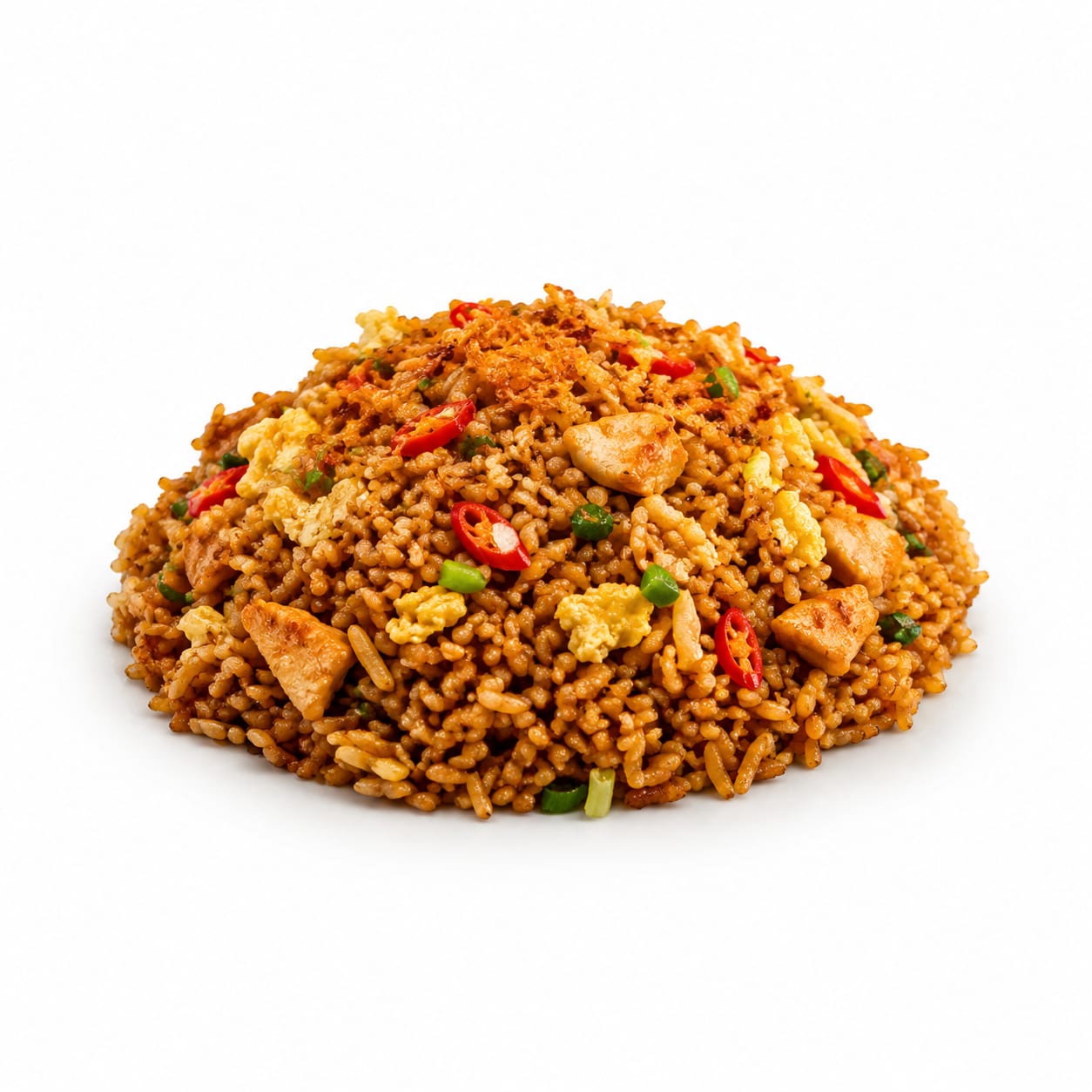
Nasi Goreng
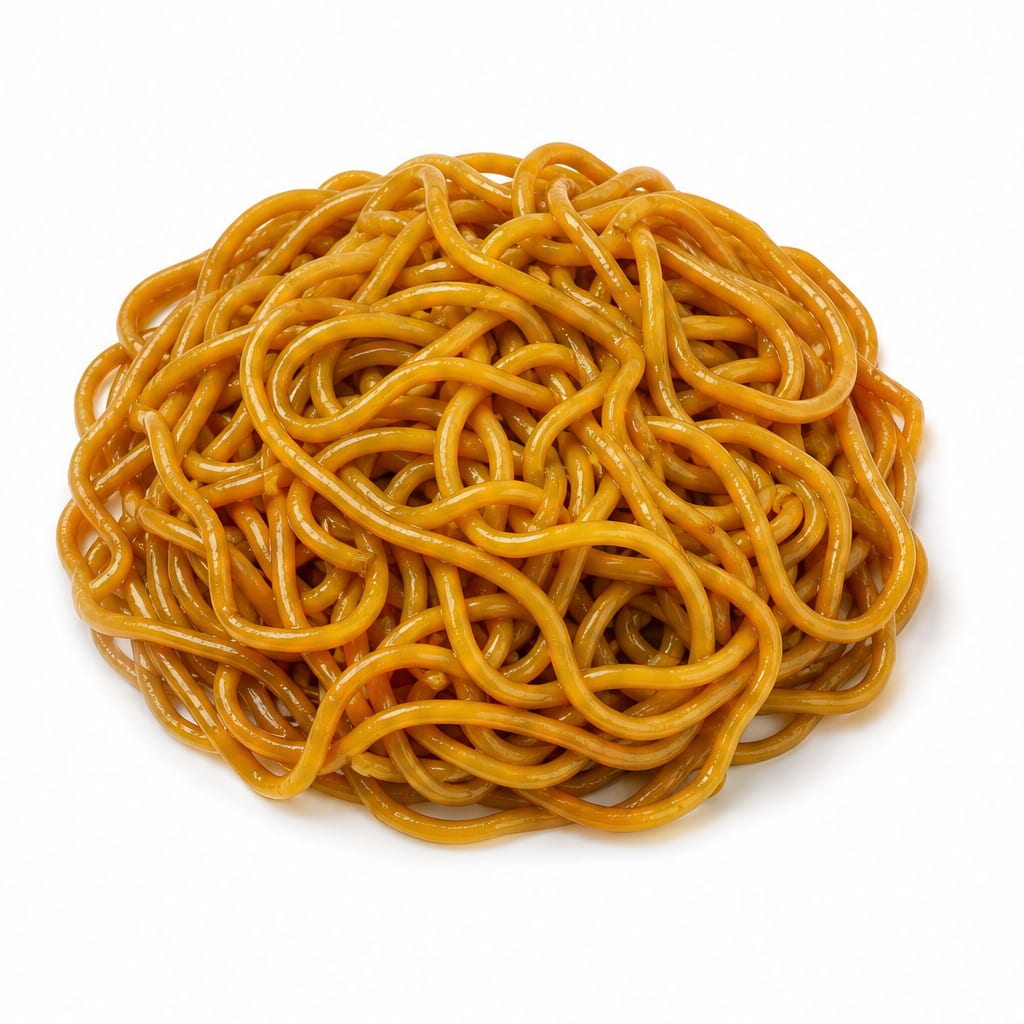
Lo Mein
Nasi Goreng and Lo Mein are close competitors with different tradeoffs: rice versus noodles, sweet soy versus savory oyster sauce, and slightly different calorie densities.
Nasi Goreng scores slightly higher due to marginally better portion control and lower calorie density per bite, but both are indulgent restaurant-style dishes with high sodium and oil. Neither is a health food, and the gap is small enough that preparation matters more than the dish itself.
Nasi Goreng tends to be sweeter and lighter per bite, while Lo Mein is savorier but often oilier and more calorie-dense per serving.
At a glance
Executive summary
Overall
It depends
Healthier
It depends
More practical
Lo Mein
Daily use
It depends
Key comparison lenses
carb source comparison
Rice versus wheat noodles creates fundamentally different blood sugar and digestion experiences
sodium and sauce load
Both dishes rely heavily on salty sauces but from different culinary traditions with different sodium profiles
oil and fat content
Both are stir-fried and restaurant versions tend to be heavily oiled, making fat content a key differentiator
weight management suitability
Users comparing these two takeout staples are often deciding which fits better into a calorie-conscious lifestyle
everyday meal practicality
Both are common quick meals so daily sustainability matters
Best choice for
Nasi Goreng
- People who prefer rice-based meals and lighter texture
- Those watching overall calorie density per bite
- Anyone wanting a slightly sweeter, more comforting flavor profile
- People avoiding wheat or gluten
Lo Mein
- People who prefer noodle dishes and chewier texture
- Those wanting higher protein per serving when made with egg and meat
- Anyone prioritizing savory umami over sweetness
- People who find noodles more filling
Least suitable for
Nasi Goreng
- People strictly limiting sugar intake due to kecap manis
- Those on very low-sodium diets
- People with egg allergies if served with fried egg topping
Lo Mein
- People with gluten intolerance or wheat sensitivity
- Those trying to reduce oil intake since restaurant versions are very greasy
- People on strict low-calorie diets due to high calorie density
Deep comparison
Dimension by dimension
Each lens scores both foods and breaks down who each option suits.
- Dimension 1 · Priority 92It depends
blood sugar stability
Nasi Goreng · 42Lo Mein · 40Both spike blood sugar significantly, but through different mechanisms. Nasi Goreng uses white rice which digests quickly, while Lo Mein uses refined wheat noodles with similar glycemic impact.
Tradeoff
Nasi Goreng has added sugar from kecap manis pushing glucose higher initially, but Lo Mein's denser noodle portions can create a more prolonged glucose elevation.
Why it matters
If you are prediabetic or monitoring blood sugar, neither is ideal, but portion control makes a bigger difference than choosing between them.
Real-world impact
Expect an energy crash 1-2 hours after either dish. Nasi Goreng's sweetness may trigger faster hunger return.
Nasi Goreng
- Slightly smaller typical rice portions compared to heaping noodle servings
Better for
- Kecap manis adds concentrated sugar on top of the rice carbs
Worse for
Lo Mein
- Less added sugar means less of a glucose spike-and-crash cycle
Better for
- Larger noodle portions mean more total carbohydrates per meal
Worse for
- Dimension 2 · Priority 88Nasi Goreng
sodium load
Nasi Goreng · 38Lo Mein · 30Both are high-sodium dishes, but Lo Mein typically packs more sodium due to soy sauce, oyster sauce, and restaurant seasoning practices.
Tradeoff
Nasi Goreng uses kecap manis which is sweeter and less salty per tablespoon than pure soy sauce, giving it a slight sodium advantage.
Why it matters
A single serving of either can easily exceed 1000mg sodium. Lo Mein sometimes approaches 2000mg, which is nearly a full day's limit.
Real-world impact
After eating Lo Mein you may notice thirst, bloating, or puffy fingers the next morning. Nasi Goreng is still salty but slightly less aggressive.
Nasi Goreng
- Sweet soy sauce dilutes sodium concentration per sauce unit
- Homemade versions can easily reduce salt without losing flavor
Better for
- Shrimp paste and additional soy sauce still add significant sodium
Worse for
Lo Mein
- No inherent advantage here
Better for
- Double-sauce approach with soy plus oyster sauce creates very high sodium
- Restaurant versions are notoriously oversalted
Worse for
- Dimension 3 · Priority 85Nasi Goreng
calorie density and portion control
Nasi Goreng · 48Lo Mein · 40Nasi Goreng is slightly easier to portion-control because rice grains separate more clearly, while Lo Mein's noodles tend to clump into deceptively large servings.
Tradeoff
Lo Mein often absorbs more cooking oil per bite because noodles trap oil between strands, making it stealthily higher in calories.
Why it matters
Restaurant Lo Mein plates can easily exceed 1000 calories. Nasi Goreng can too, but the visual volume of rice makes overeating slightly more obvious.
Real-world impact
You might finish a giant plate of Lo Mein without realizing how much oil you consumed. Nasi Goreng feels heavy faster.
Nasi Goreng
- Rice expands visually so portions look larger sooner
- Less oil absorption compared to tangled noodles
Better for
- Krupuk crackers and fried egg toppings add hidden calories
Worse for
Lo Mein
- No inherent advantage here
Better for
- Noodles act like oil sponges in restaurant woks
- Standard takeout portions are enormous
Worse for
- Dimension 4 · Priority 82Lo Mein
satiety and fullness
Nasi Goreng · 45Lo Mein · 52Lo Mein's chewy noodle texture and typically higher protein content from egg and meat make it more filling per serving.
Tradeoff
Nasi Goreng digests faster due to rice's simpler structure, which means hunger returns sooner despite feeling initially full.
Why it matters
If you need one meal to carry you through a long afternoon, Lo Mein has more staying power.
Real-world impact
After Nasi Goreng you might be snacking by 3pm. Lo Mein can often hold you until dinner.
Nasi Goreng
- Lighter feeling immediately after eating if you dislike heaviness
Better for
- Rice digests quickly leaving you hungry sooner
- Sweet sauce can trigger cravings rather than satisfaction
Worse for
Lo Mein
- Denser texture slows eating speed
- More protein per typical serving from egg noodles and mixed meats
- Higher fat content from oil extends satiety
Better for
- Heavy greasy feeling can cause afternoon sluggishness
Worse for
- Dimension 5 · Priority 78Nasi Goreng
digestive tolerance
Nasi Goreng · 55Lo Mein · 42Nasi Goreng is generally easier on the stomach because rice is more digestible than wheat noodles and the dish tends to be less greasy.
Tradeoff
Lo Mein's wheat noodles can cause bloating in sensitive individuals, and the higher oil content slows gastric emptying uncomfortably.
Why it matters
If you have IBS, wheat sensitivity, or simply a delicate stomach, Nasi Goreng is the safer lunch choice.
Real-world impact
Lo Mein can leave you feeling uncomfortably full and gassy. Nasi Goreng sits lighter.
Nasi Goreng
- Rice is naturally gluten-free and easy to digest
- Less oil means faster gastric emptying
- Pickled vegetables on the side aid digestion
Better for
- Spicy versions with chili can irritate sensitive stomachs
Worse for
Lo Mein
- No inherent advantage here
Better for
- Wheat noodles cause bloating in gluten-sensitive people
- High oil content triggers reflux in prone individuals
- Dense texture requires more digestive effort
Worse for
- Dimension 6 · Priority 75Nasi Goreng
nutritional variety
Nasi Goreng · 52Lo Mein · 46Nasi Goreng traditionally includes a wider variety of accompaniments like pickled vegetables, krupuk, fried egg, and fresh cucumber, offering more micronutrient diversity.
Tradeoff
Lo Mein's vegetables are typically cooked into the dish and fewer in variety, while Nasi Goreng's sides add raw vegetable nutrients.
Why it matters
The pickled acar and fresh garnishes in Nasi Goreng provide small but meaningful amounts of vitamins and beneficial fermented compounds.
Real-world impact
Nasi Goreng feels like a more complete plate with different colors and textures. Lo Mein is more monochromatic.
Nasi Goreng
- Pickled vegetables provide probiotics and vitamin C
- Fresh cucumber and tomato garnishes add raw nutrients
- Egg topping adds complete protein and choline
Better for
- Krupuk crackers are empty calories with no nutritional value
Worse for
Lo Mein
- Stir-fried vegetables retain some nutrients despite cooking
- Often includes bok choy or cabbage with cancer-fighting compounds
Better for
- Vegetables are often minimal in restaurant versions
- Overcooking destroys heat-sensitive vitamins
Worse for
- Dimension 7 · Priority 72Lo Mein
sugar content
Nasi Goreng · 35Lo Mein · 50Nasi Goreng's signature kecap manis is a thick, sweet soy sauce that adds significant sugar per serving, while Lo Mein relies on savory sauces with minimal added sugar.
Tradeoff
The sweetness in Nasi Goreng makes it more craveable but also more likely to trigger sugar-driven appetite cycles.
Why it matters
If you are cutting added sugars, Nasi Goreng's kecap manis is a hidden source that many people overlook because it tastes savory-sweet rather than dessert-sweet.
Real-world impact
That sweet glaze on Nasi Goreng can contain 2-3 teaspoons of added sugar per plate. Lo Mein has almost none.
Nasi Goreng
- No inherent advantage here
Better for
- Kecap manis is roughly 50% sugar by content
- Sweetness increases palatability and overeating risk
Worse for
Lo Mein
- Savory sauce profile means minimal added sugar
- Less likely to trigger sweet cravings after eating
Better for
- No significant sugar disadvantage
Worse for
Timeline
Health impact over time
Short-term
Hours to days
Nasi Goreng
- Quick energy from white rice and sugar but followed by a crash within 2 hours
- Thirst from moderate-to-high sodium content
- Possible heartburn from spicy versions with chili and shrimp paste
- Lighter stomach feeling compared to noodle dishes
Lo Mein
- Heavy fullness that can cause afternoon drowsiness
- Significant thirst from high sodium in soy and oyster sauces
- Bloating possible from wheat noodles and high oil content
- Longer-lasting satiety but with sluggishness
Long-term
Months to years
Nasi Goreng
- Regular consumption contributes to high sodium intake patterns
- Added sugar from kecap manis adds to metabolic burden over time
- White rice base provides minimal fiber for gut health
- More manageable calorie load if portions are controlled
Lo Mein
- Very high sodium intake increases hypertension risk with frequent consumption
- High calorie density from oil-soaked noodles promotes weight gain
- Refined wheat offers no fiber benefit for digestive health
- Gluten exposure is fine for most people but problematic for sensitive individuals
Risk profile
Safety & processing
Both dishes use processed base carbohydrates and commercial sauces. Nasi Goreng's kecap manis is a simple processed sauce with sugar and soy, while Lo Mein's oyster sauce and some noodle brands may contain MSG, caramel color, and preservatives. Homemade versions of either can be quite clean, but restaurant and takeout versions of Lo Mein tend to have more additive exposure.
Nasi Goreng
shrimp paste contamination
lowTerasi is fermented and generally safe, but poor-quality versions can harbor bacteria if improperly stored.
egg safety
mediumThe fried egg topping is often served with a runny yolk, which carries salmonella risk if eggs are not properly handled.
msg sensitivity
lowSome restaurant versions add MSG which can cause headaches in sensitive individuals.
Lo Mein
high oil reuse in restaurants
mediumWok cooking at high heat with reused oil can create oxidized compounds and potential carcinogens.
oyster sauce additives
lowCommercial oyster sauce may contain caramel color and preservatives. Some brands have been flagged for 3-MCPD contaminants.
wheat allergen exposure
mediumNoodles are pure wheat, making this dish unsafe for anyone with celiac disease or wheat allergy.
Who wins for whom
Audience fit
Same foods, different winners depending on your goal.
children
Nasi GorengNasi Goreng's sweeter flavor profile appeals more to kids, and rice is easier for children to digest. The fun accompaniments like krupek make it more kid-friendly.
daily consumption
It dependsNeither should be eaten daily due to sodium and refined carb content. If forced to choose, homemade Nasi Goreng with less sauce and brown rice would be slightly more sustainable.
diabetes
It dependsNeither is good for blood sugar management. Nasi Goreng has added sugar from kecap manis, while Lo Mein has more total carbs from large noodle portions. The lesser evil depends entirely on portion size.
elderly
Nasi GorengRice is gentler on aging digestive systems, and the dish is typically less greasy. Lower sodium versions can be made at home easily.
muscle gain
Lo MeinLo Mein typically provides more total calories and protein per serving from egg noodles and mixed meats, supporting a calorie surplus needed for muscle building.
weight loss
Nasi GorengLower calorie density per bite and easier portion control give Nasi Goreng a slight edge, though neither is ideal for weight loss.
Your move
Decision guide
Choose Nasi Goreng
- You want a lighter meal that will not weigh you down for hours
- You are sensitive to wheat or gluten
- You prefer sweet-savory flavor combinations
- You are trying to limit calorie density per bite
- You have a sensitive stomach and need something easier to digest
Choose Lo Mein
- You need a meal that will keep you full for a long afternoon
- You are actively trying to gain weight or build muscle
- You prefer deep savory umami flavors without sweetness
- You find noodle dishes more satisfying and comforting
- You are not sensitive to wheat or heavy oil
Either works if
- You are ordering takeout and both are available at similar quality
- You plan to load up on extra vegetables regardless of base
- You are eating after intense exercise and need carbs either way
Avoid both if
- You are on a strict low-sodium diet for blood pressure management
- You are managing diabetes and need low-glycemic meals
- You are following a whole-food, minimally processed eating approach
- You are trying to eliminate refined carbohydrates
Final recommendation
If you must choose between these two restaurant staples, Nasi Goreng is the slightly safer bet for most people due to easier portion control, better digestibility, and marginally lower sodium. However, the real winner is whichever dish you can make at home with less oil, less sauce, and more vegetables. Restaurant versions of both are nutritional landmines, but homemade versions can be reasonable occasional meals.
Practical
Consumer tips
- 1
Ask for Lo Mein with half the oil or sauce to cut 200-300 calories and significant sodium
- 2
Request extra vegetables in either dish to improve nutritional value and satiety
- 3
Make Nasi Goreng at home using less kecap manis and adding a splash of regular soy sauce for salt without the sugar
- 4
Use cauliflower rice or brown rice for homemade Nasi Goreng to improve fiber content
- 5
Choose Lo Mein with chicken and vegetables over pork versions to reduce fat and calorie content
- 6
Drink plenty of water after either dish to help flush excess sodium
- 7
Split a restaurant portion in half and save the rest for tomorrow since both dishes typically serve 2-3 people per plate
- 8
Avoid adding extra soy sauce at the table since both dishes are already heavily seasoned