
Nutrition comparison
Nasi Goreng vs Brown Rice Fried Rice: Which Is Healthier?
Compare Nasi Goreng and Brown Rice Fried Rice on blood sugar impact, fiber, sodium, and long-term health. Find out which fried rice is better for weight loss, diabetes, and daily eating.
Overall winner · Brown Rice Fried Rice
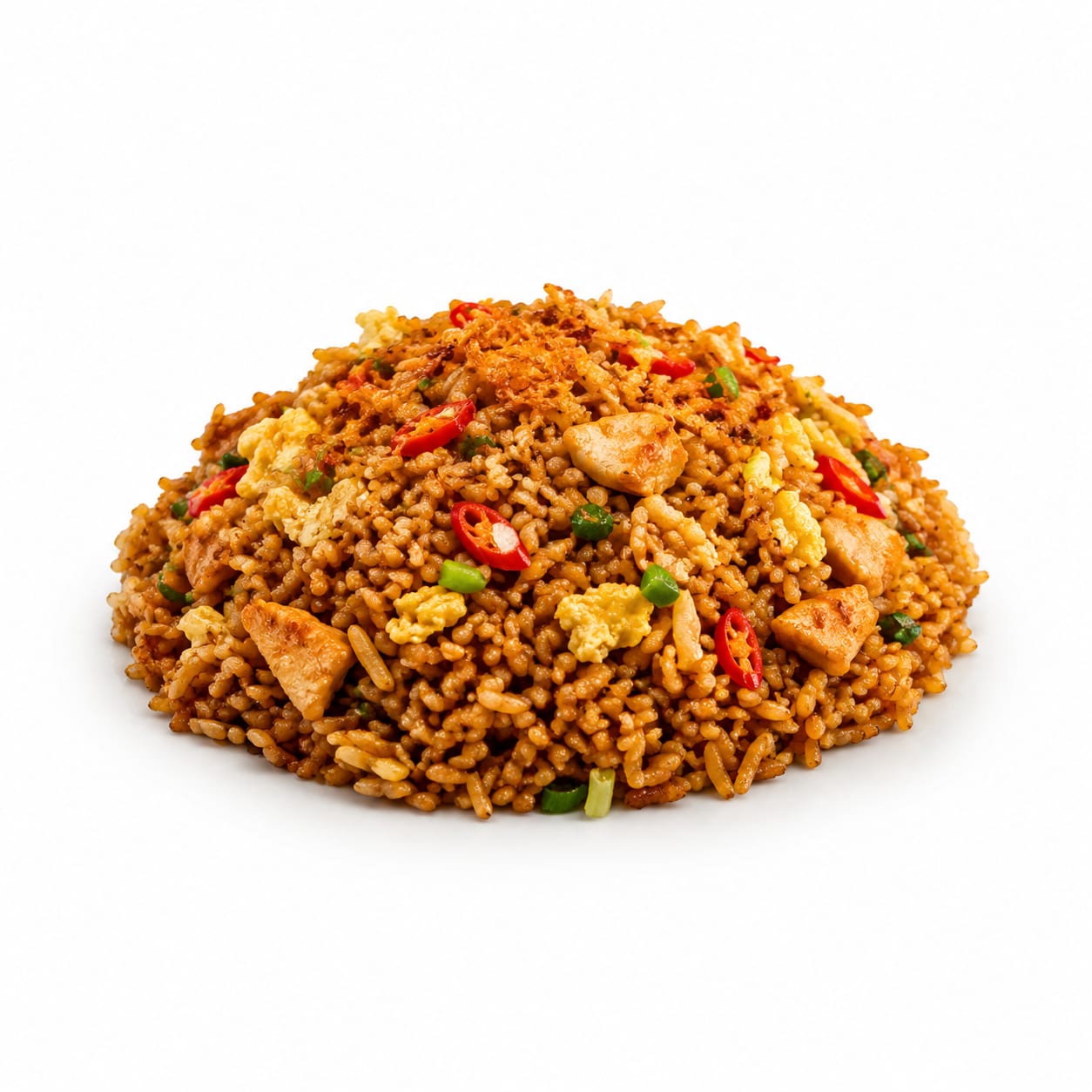
Nasi Goreng
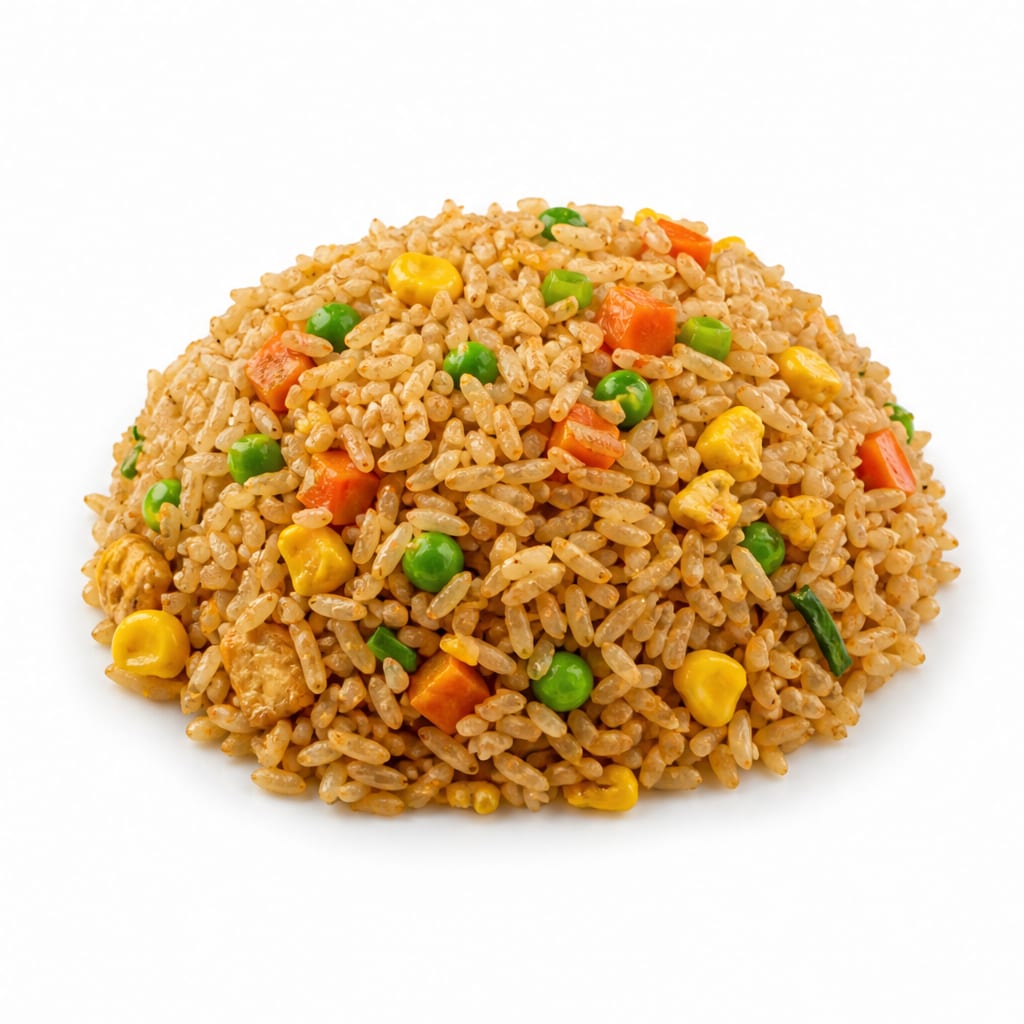
Brown Rice Fried Rice
Brown Rice Fried Rice edges ahead with better blood sugar control, more fiber, and stronger long-term health benefits, though Nasi Goreng wins on taste and cultural authenticity.
Brown Rice Fried Rice scores notably higher due to superior fiber, micronutrient retention, and blood sugar stability. Nasi Goreng remains competitive on taste and cultural value but loses ground on daily health sustainability.
You trade the comforting, authentic flavor and softer texture of Nasi Goreng for steadier energy, better digestion, and improved metabolic outcomes with Brown Rice Fried Rice.
At a glance
Executive summary
Overall
Brown Rice Fried Rice
Healthier
Brown Rice Fried Rice
More practical
It depends
Daily use
Brown Rice Fried Rice
Key comparison lenses
blood sugar and glycemic impact
White rice in Nasi Goreng causes sharper blood sugar spikes compared to the fiber-rich brown rice alternative
fiber and satiety comparison
Brown rice provides significantly more fiber, keeping you fuller longer and reducing overeating risk
long-term metabolic health
Regular white rice consumption is linked to higher type 2 diabetes risk; brown rice is associated with lower risk
sodium and sauce load
Both dishes are fried rice variants with high sodium from soy sauce and seasonings, but Nasi Goreng's kecap manis adds sugar on top of salt
cultural authenticity vs health optimization
Nasi Goreng delivers traditional Indonesian flavor that brown rice versions struggle to replicate
Best choice for
Nasi Goreng
- Authentic Indonesian meal experience
- Post-workout carb replenishment when quick energy is needed
- Occasional comfort food craving
- Digestive sensitivity requiring lower fiber intake
Brown Rice Fried Rice
- Daily lunch or dinner with steady energy
- Weight management and portion control
- Blood sugar management for prediabetes or diabetes
- High-fiber diet goals
Least suitable for
Nasi Goreng
- People managing diabetes or insulin resistance
- Daily consumption due to high sodium and refined carbs
- Those tracking calories closely
Brown Rice Fried Rice
- Traditionalists seeking authentic Nasi Goreng flavor
- People with digestive issues who need low-fiber meals
- Anyone who strongly dislikes chewy rice textures
Deep comparison
Dimension by dimension
Each lens scores both foods and breaks down who each option suits.
- Dimension 1 · Priority 92Brown Rice Fried Rice
Blood Sugar Stability
Nasi Goreng · 35Brown Rice Fried Rice · 68Brown rice has a lower glycemic index and more fiber, leading to slower glucose release and fewer energy crashes.
Tradeoff
Nasi Goreng's white rice delivers quick energy but causes sharper spikes and dips, while brown rice provides steadier fuel over hours.
Why it matters
Blood sugar rollercoasters drive cravings, fatigue, and long-term metabolic damage. Steady glucose means fewer afternoon energy crashes.
Real-world impact
After Nasi Goreng, you may feel hungry again within 2 hours. Brown Rice Fried Rice can keep you satisfied for 3-4 hours.
Nasi Goreng
- Quick pre-workout energy
- Recovery meals after intense exercise
- Anyone needing fast calorie intake
Better for
- Late-night eating when blood sugar should stay low
- Sedentary office days with minimal activity
Worse for
Brown Rice Fried Rice
- Sustained focus through afternoon meetings
- Diabetes or prediabetes management
- Avoiding the 3 PM energy crash
Better for
- Immediately before high-intensity exercise when quick fuel matters
Worse for
- Dimension 2 · Priority 88Brown Rice Fried Rice
Fiber and Digestive Health
Nasi Goreng · 20Brown Rice Fried Rice · 75Brown rice retains its bran and germ, delivering 3-4x more fiber than white rice used in Nasi Goreng.
Tradeoff
More fiber means better gut health and fullness, but the chewier texture takes getting used to and can cause bloating if you increase fiber too quickly.
Why it matters
Fiber feeds gut bacteria, reduces cholesterol absorption, and naturally limits overeating by making you feel full faster.
Real-world impact
A Brown Rice Fried Rice meal might deliver 4-5g fiber versus 1-2g from Nasi Goreng. That difference compounds significantly over weeks.
Nasi Goreng
- Recovery from gastrointestinal illness when low-fiber is needed
- Days when a light, easy-to-digest meal is preferred
Better for
- Long-term gut health if eaten daily
- Anyone already falling short on daily fiber goals
Worse for
Brown Rice Fried Rice
- Improving gut microbiome diversity
- Managing cholesterol through diet
- Reducing constipation
Better for
- Sudden fiber increase can cause gas and bloating if your body is not adapted
Worse for
- Dimension 3 · Priority 80It depends
Sodium and Seasoning Load
Nasi Goreng · 40Brown Rice Fried Rice · 50Both dishes are sodium-heavy from soy sauce and seasonings, but Nasi Goreng adds kecap manis which brings sugar alongside the salt.
Tradeoff
Nasi Goreng's sweet soy sauce creates a unique flavor profile but adds hidden sugar. Brown Rice Fried Rice often relies on lighter soy sauce, giving you more control over sodium.
Why it matters
High sodium drives blood pressure up and causes water retention. Hidden sugar in savory dishes is an easy oversight.
Real-world impact
A single plate of Nasi Goreng can contain 800-1500mg sodium and 8-15g sugar from kecap manis alone. Brown Rice Fried Rice typically has similar sodium but less added sugar.
Nasi Goreng
- Flavor satisfaction that reduces the urge to snack later
Better for
- Hypertension management
- Sugar-conscious diets
Worse for
Brown Rice Fried Rice
- Blood pressure management
- Reducing hidden sugar from savory meals
- More control over seasoning levels when cooking at home
Better for
- Still high in sodium if restaurant-prepared
Worse for
- Dimension 4 · Priority 75Brown Rice Fried Rice
Micronutrient Density
Nasi Goreng · 38Brown Rice Fried Rice · 65Brown rice retains magnesium, manganese, selenium, and B vitamins that are stripped from white rice during milling.
Tradeoff
You get more minerals and vitamins from brown rice, but the phytic acid in the bran can slightly reduce absorption of some minerals like iron and zinc.
Why it matters
Magnesium supports muscle recovery and sleep. B vitamins help convert food into energy. These small differences add up over months of regular consumption.
Real-world impact
Eating brown rice regularly contributes meaningfully to your daily magnesium intake, which most people fall short on.
Nasi Goreng
- Iron absorption is slightly better without phytic acid interference
Better for
- Eating white rice as a staple long-term may contribute to micronutrient gaps
Worse for
Brown Rice Fried Rice
- Magnesium intake for muscle and nerve function
- Manganese for bone health and metabolism
- Selenium for thyroid and immune support
Better for
- Phytic acid may slightly reduce iron and zinc absorption from the meal
Worse for
- Dimension 5 · Priority 78Nasi Goreng
Taste and Satisfaction
Nasi Goreng · 88Brown Rice Fried Rice · 62Nasi Goreng's combination of sweet soy, shrimp paste, and fluffy white rice creates a deeply satisfying flavor that brown rice struggles to match.
Tradeoff
The taste that makes Nasi Goreng irresistible also makes it easier to overeat. Brown Rice Fried Rice is enjoyable but rarely triggers the same craving cycle.
Why it matters
Food satisfaction matters for long-term dietary adherence. A meal you enjoy is easier to sustain than one you tolerate.
Real-world impact
Nasi Goreng feels like a treat meal. Brown Rice Fried Rice feels like a responsible choice. Both have a place, but daily eating leans toward the responsible option.
Nasi Goreng
- Social gatherings and cultural meals
- Comfort food needs
- Treating yourself without guilt on occasion
Better for
- Risk of overeating due to high palatability
- Harder to stop at one serving
Worse for
Brown Rice Fried Rice
- Mindful eating practices
- Avoiding the cycle of craving hyperpalatable foods
- Developing taste for whole grains over time
Better for
- May feel like a compromise rather than a celebration
Worse for
- Dimension 6 · Priority 82Brown Rice Fried Rice
Calorie Density and Weight Management
Nasi Goreng · 42Brown Rice Fried Rice · 64Brown rice's extra fiber and chewier texture naturally slow eating pace and increase fullness per calorie consumed.
Tradeoff
Nasi Goreng is easier to overeat because white rice absorbs more oil during frying and the sweet seasoning encourages larger portions.
Why it matters
Satiety per calorie is one of the strongest predictors of long-term weight management success.
Real-world impact
You might comfortably eat a larger plate of Nasi Goreng and still feel hungry sooner, while Brown Rice Fried Rice fills you up with fewer calories.
Nasi Goreng
- Bulking for athletes who need calorie surplus
- Hard gainers struggling to eat enough
Better for
- Weight loss efforts
- Mindful eating goals
Worse for
Brown Rice Fried Rice
- Calorie deficit diets
- Portion control without feeling deprived
- Preventing unconscious overeating
Better for
- Athletes needing high caloric intake efficiently
Worse for
Timeline
Health impact over time
Short-term
Hours to days
Nasi Goreng
- Quick energy boost within 30-60 minutes from refined carbs
- Possible energy crash 2-3 hours after eating
- Higher thirst from sodium load
- Immediate satisfaction and comfort from familiar flavors
Brown Rice Fried Rice
- Gradual, sustained energy release over 3-4 hours
- More comfortable fullness without the crash
- Possible mild bloating if transitioning from low-fiber diet
- Less immediate flavor excitement but steadier satisfaction
Long-term
Months to years
Nasi Goreng
- Higher risk of insulin resistance with frequent consumption
- Increased likelihood of metabolic syndrome markers
- Potential contribution to micronutrient gaps, especially magnesium
- Higher sodium intake affecting blood pressure over time
- Greater risk of weight creep from easy overconsumption
Brown Rice Fried Rice
- Improved insulin sensitivity with regular whole grain intake
- Better gut microbiome diversity from consistent fiber
- Lower lifetime type 2 diabetes risk
- Improved cholesterol profiles from soluble fiber
- Easier long-term weight maintenance
Risk profile
Safety & processing
Both are cooked dishes with similar processing levels. Nasi Goreng's white rice is more refined, and kecap manis often contains caramel color and preservatives. Brown Rice Fried Rice uses a less refined grain but still carries sodium and oil concerns from the frying process.
Nasi Goreng
High sodium from kecap manis and shrimp paste
mediumA single serving can deliver half or more of your daily sodium limit, which is concerning for blood pressure over time.
Added sugar in sweet soy sauce
mediumKecap manis contains significant sugar that is easy to overlook in a savory dish, contributing to hidden daily sugar intake.
Acrylamide from high-heat frying of white rice
lowFrying starchy foods at high temperatures produces small amounts of acrylamide, a potential carcinogen, though the risk from occasional consumption is low.
Brown Rice Fried Rice
Arsenic exposure from brown rice
mediumBrown rice retains more arsenic than white rice because arsenic concentrates in the bran. Varying grain sources and rinsing rice reduces this risk.
High sodium from soy sauce
mediumSimilar sodium concerns as Nasi Goreng, though you have more control when preparing at home.
Phytic acid reducing mineral absorption
lowThe bran in brown rice contains phytic acid, which can bind to iron and zinc. Soaking rice before cooking reduces this significantly.
Who wins for whom
Audience fit
Same foods, different winners depending on your goal.
children
It dependsNasi Goreng is more palatable and easier for kids to eat, but Brown Rice Fried Rice builds better long-term eating habits. Rotate both.
daily consumption
Brown Rice Fried RiceThe fiber, micronutrient, and blood sugar advantages of brown rice make it the clearly safer choice for daily eating.
diabetes
Brown Rice Fried RiceLower glycemic index and more fiber result in smaller blood sugar spikes, making it significantly safer for glucose management.
elderly
Brown Rice Fried RiceFiber becomes more important with age for digestion and heart health, and blood sugar management is critical for older adults.
muscle gain
Nasi GorengWhite rice provides faster-digesting carbs that replenish glycogen efficiently after training, and the higher calorie density supports bulking.
weight loss
Brown Rice Fried RiceHigher fiber and slower digestion make Brown Rice Fried Rice more filling per calorie, reducing the urge to overeat.
Your move
Decision guide
Choose Nasi Goreng
- You are eating for cultural connection and authentic experience
- You need quick post-workout carb replenishment
- It is an occasional treat, not a daily staple
- You have digestive sensitivity and need lower fiber meals temporarily
Choose Brown Rice Fried Rice
- You eat fried rice regularly as a meal staple
- You want steady energy without afternoon crashes
- You are managing weight, blood sugar, or heart health
- You are trying to increase your daily fiber intake meaningfully
Either works if
- You are cooking at home and can control oil, sodium, and portions for both
- You rotate between them weekly for variety and balance
Avoid both if
- You are on a strict low-sodium diet, as both are sodium-heavy
- You have severe rice allergy or gluten cross-reactivity concerns
- You are following a ketogenic or very low-carb protocol
Final recommendation
Make Brown Rice Fried Rice your default for daily meals and save Nasi Goreng for special occasions or post-workout refueling. The blood sugar and fiber differences are too significant to ignore when eating fried rice multiple times per week. If you love Nasi Goreng, try making it with brown rice and a reduced-sugar kecap manis — you get most of the flavor with far better metabolic outcomes.
Practical
Consumer tips
- 1
Rinse brown rice before cooking to reduce arsenic levels by up to 30%
- 2
Soak brown rice for 6-8 hours before cooking to reduce phytic acid and improve texture
- 3
When ordering Nasi Goreng, ask for less kecap manis to cut hidden sugar significantly
- 4
Add extra vegetables to either dish to increase volume and fiber without many extra calories
- 5
Use low-sodium soy sauce when cooking at home to cut sodium by 40% or more
- 6
Pair either dish with a protein side to slow digestion and reduce glycemic impact
- 7
If transitioning from white to brown rice, start with a 50-50 mix and adjust gradually over two weeks