
Nutrition comparison
Nasi Goreng vs Pad Thai: Which Southeast Asian Favorite Is Healthier?
Compare Nasi Goreng and Pad Thai on calories, sodium, blood sugar impact, and weight management. Find out which dish fits your health goals and when to choose each one.
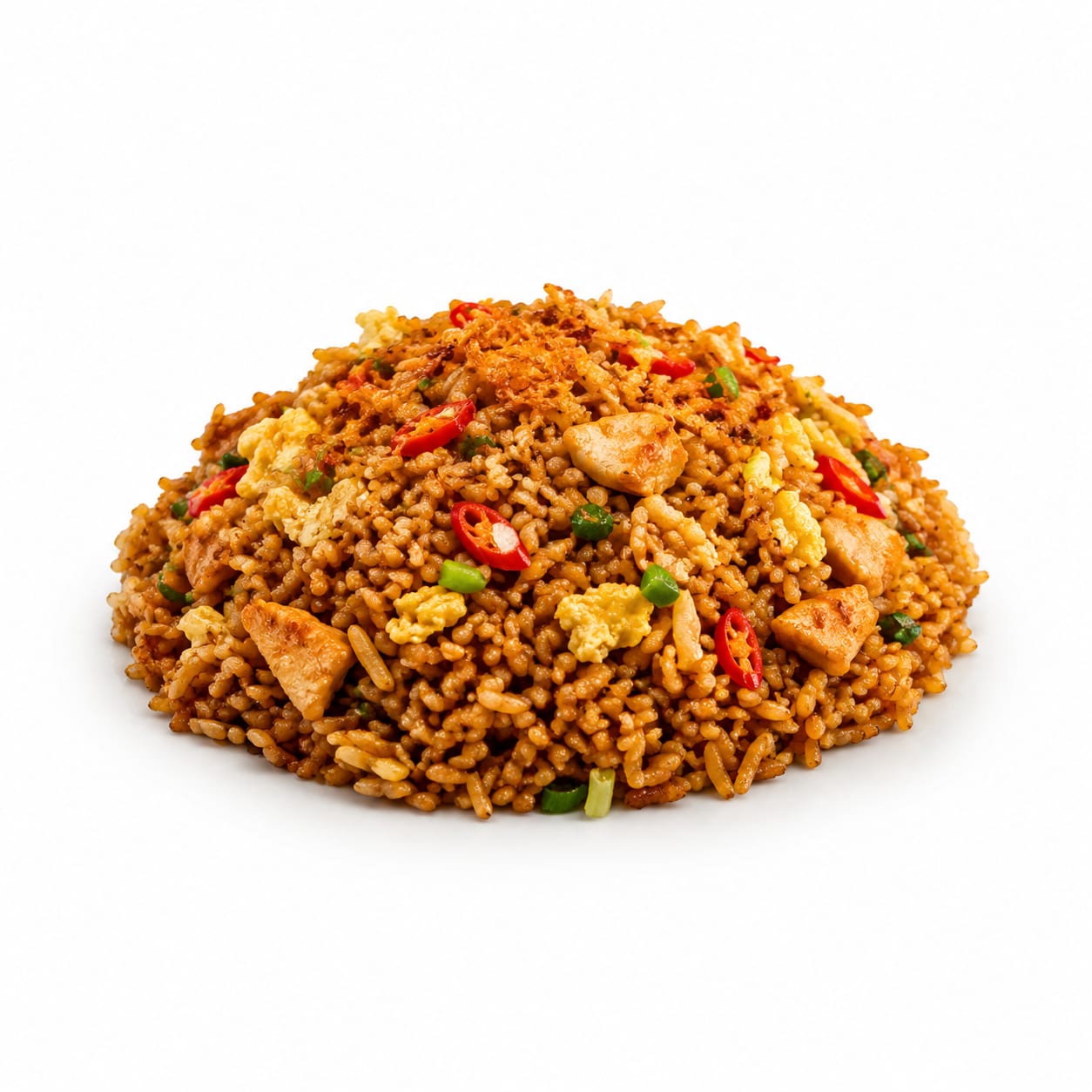
Nasi Goreng
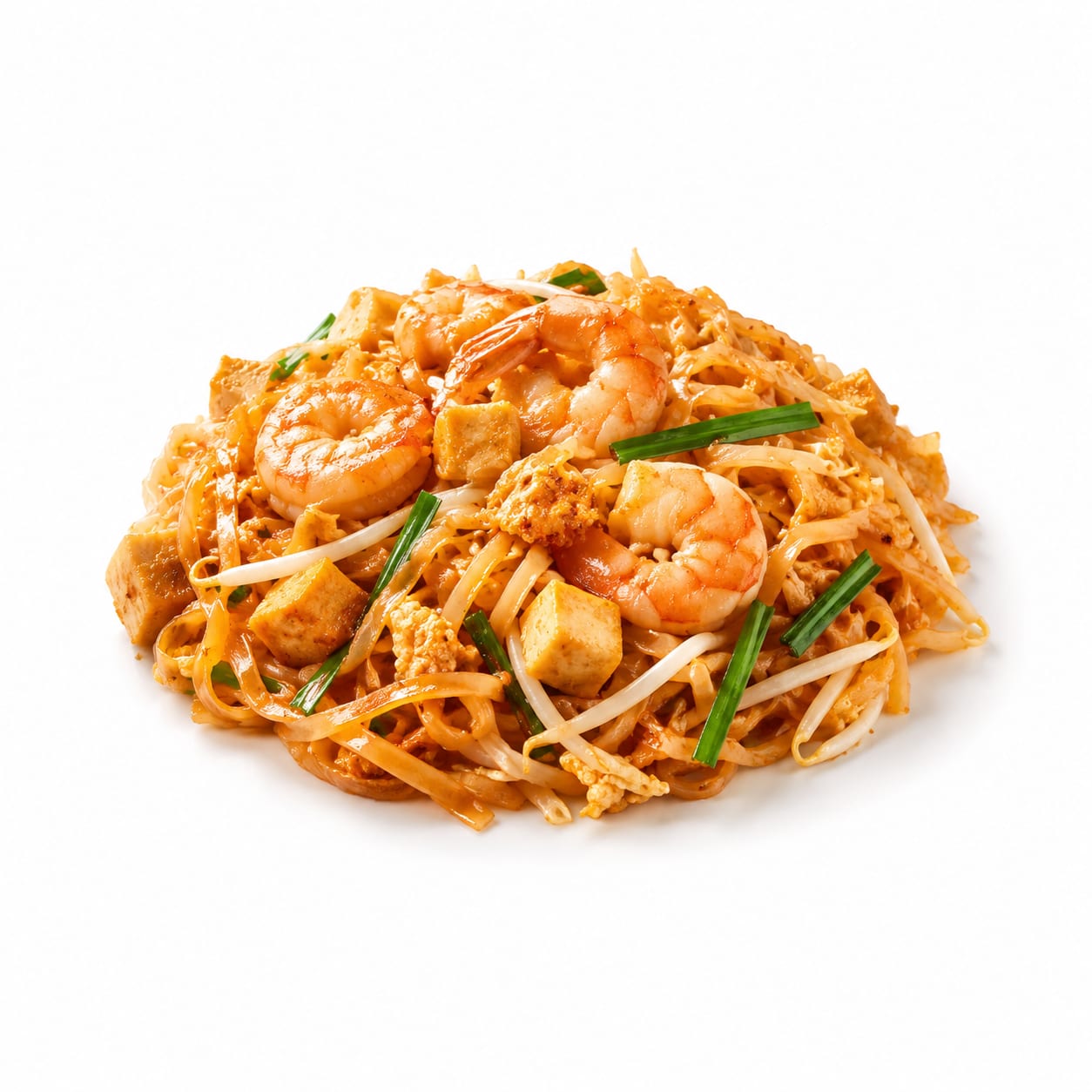
Pad Thai
Pad Thai is lighter and easier to portion-control, while Nasi Goreng delivers more satisfying comfort with a heavier calorie toll.
Pad Thai edges ahead with lower calorie density and better portion control, but neither dish is a nutritional standout. Both are restaurant-style indulgences that require mindful ordering to fit health goals.
Nasi Goreng fills you up longer but packs more oil and sodium; Pad Thai offers better calorie-to-satiety ratio but less protein density per bite.
At a glance
Executive summary
Overall
It depends
Healthier
Pad Thai
More practical
Pad Thai
Daily use
Pad Thai
Key comparison lenses
Carbohydrate load and blood sugar impact
Both dishes are carb-heavy Southeast Asian staples, making glycemic impact the dominant health concern for most eaters
Sodium and heart health tradeoffs
Kecap manis and shrimp paste in Nasi Goreng clash with fish sauce in Pad Thai, both delivering significant sodium loads
Calorie density for weight management
Fried rice absorbs more oil than stir-fried noodles, creating a meaningful calorie gap that affects portion control
Protein quality and satiety
Both dishes offer protein from mixed sources but differ in completeness and how filling they feel afterward
Practical ordering and customization
Restaurant versions dominate consumption, so adaptability matters more than home-cooked nutritional ideals
Best choice for
Nasi Goreng
- Post-workout recovery when you need dense calories
- Cold days when you want something deeply comforting and filling
- Active individuals who burn through carb-heavy meals
- People who struggle to eat enough and need calorie-dense options
Pad Thai
- Weight-conscious eaters wanting flavor without excess calories
- Lunch meetings where you want to avoid food coma afterward
- People monitoring sodium who still want bold Southeast Asian flavors
- Those who prefer lighter dinners that digest easier before bed
Least suitable for
Nasi Goreng
- People with hypertension watching sodium closely
- Anyone counting calories or doing portion control
- Those prone to afternoon energy crashes after heavy carb meals
- Diabetics needing tight blood sugar management
Pad Thai
- People with peanut allergies due to widespread peanut inclusion
- Those needing high-calorie meals for weight gain or recovery
- Anyone sensitive to MSG commonly used in restaurant versions
- People avoiding sugar, as tamarind sauce often contains added palm sugar
Deep comparison
Dimension by dimension
Each lens scores both foods and breaks down who each option suits.
- Dimension 1 · Priority 92Pad Thai
Calorie Density and Weight Management
Nasi Goreng · 38Pad Thai · 58Nasi Goreng absorbs significantly more oil during frying, pushing typical restaurant portions to 600-800 calories versus Pad Thai's 500-650.
Tradeoff
The extra oil in Nasi Goreng creates richer flavor and longer satiety but makes portion control nearly impossible without deliberate effort.
Why it matters
A 150-200 calorie difference per meal compounds into 1,000+ extra calories weekly if you eat Southeast Asian food regularly.
Real-world impact
Ordering Nasi Goreng twice a week instead of Pad Thai could mean gaining 4-5 pounds over six months without changing anything else.
Nasi Goreng
- Underweight individuals needing calorie density
- Endurance athletes carbo-loading before events
Better for
- Weight loss efforts of any kind
- People who tend to overeat savory foods
Worse for
Pad Thai
- Office workers with sedentary afternoons ahead
- Anyone tracking calories with an app
Better for
- Growing teenagers who need more calories
- Recovery after intense training sessions
Worse for
- Dimension 2 · Priority 88It depends
Sodium and Heart Health
Nasi Goreng · 35Pad Thai · 40Both dishes are sodium bombs, but Nasi Goreng's kecap manis and shrimp paste edge slightly higher than Pad Thai's fish sauce combination.
Tradeoff
The sodium gap is narrow enough that preparation matters more than the dish itself. A salty Pad Thai beats a light Nasi Goreng any day.
Why it matters
A single restaurant portion of either can deliver 1,500-2,500mg sodium, nearing or exceeding the daily recommended limit in one meal.
Real-world impact
After either dish, you might notice bloating, thirst, and that puffy feeling the next morning, especially if you're sodium-sensitive.
Nasi Goreng
- Situations where you can request less kecap manis preparation
Better for
- Hypertension patients under strict sodium limits
- People already eating processed foods earlier in the day
Worse for
Pad Thai
- Slightly lower sodium ceiling when prepared traditionally
- Easier to modify by asking for sauce on the side
Better for
- Anyone assuming Thai food is automatically lighter and eating larger portions as a result
Worse for
- Dimension 3 · Priority 85Pad Thai
Blood Sugar Stability
Nasi Goreng · 32Pad Thai · 45White rice in Nasi Goreng digests faster than rice noodles, creating a sharper blood sugar spike despite both being high-glycemic foundations.
Tradeoff
Pad Thai's tamarind and lime add slight acidity that slows gastric emptying, while Nasi Goreng's sweet soy sauce adds sugar on top of the rice load.
Why it matters
The difference between a sharp spike and a moderate one determines whether you feel energized or crash into a food coma 90 minutes later.
Real-world impact
After Nasi Goreng, you're more likely to hit that 2pm wall at your desk. Pad Thai still causes drowsiness but the crash feels less abrupt.
Nasi Goreng
- Immediate pre-exercise fuel when you need quick energy availability
Better for
- Insulin-resistant individuals
- Anyone prone to reactive hypoglycemia
Worse for
Pad Thai
- Diabetics choosing the lesser of two carb-heavy evils
- Anyone trying to avoid the post-lunch productivity dip
Better for
- People who assume rice noodles are low-carb and overeat them
Worse for
- Dimension 4 · Priority 78Nasi Goreng
Protein Quality and Satiety
Nasi Goreng · 55Pad Thai · 48Nasi Goreng typically includes egg and often chicken or shrimp mixed throughout, while Pad Thai's protein is more fragmented across tofu, egg, and sometimes shrimp.
Tradeoff
Nasi Goreng delivers protein more consistently per bite, but Pad Thai's peanuts add staying power through healthy fats that extend fullness differently.
Why it matters
Protein distribution affects how satisfied you feel 2-3 hours after eating, not just immediately after the meal.
Real-world impact
Nasi Goreng keeps you fuller for the first two hours. Pad Thai with extra peanuts might sustain you longer into hour three and four.
Nasi Goreng
- Post-workout meals needing complete protein sources
- People who find carb-heavy meals disappear from their stomach too fast
Better for
- People expecting lean protein, as much of the calorie budget goes to oil instead
Worse for
Pad Thai
- Sustained energy through afternoon without snacking
- Vegetarians who can request tofu-heavy versions
Better for
- Anyone with peanut allergies losing a major protein and fat component
Worse for
- Dimension 5 · Priority 72Pad Thai
Fat Profile and Inflammatory Potential
Nasi Goreng · 35Pad Thai · 52Nasi Goreng's deep frying introduces more oxidized seed oils, while Pad Thai's peanuts contribute anti-inflammatory monounsaturated fats.
Tradeoff
Restaurant Nasi Goreng often uses reused frying oil with inflammatory byproducts, whereas Pad Thai's peanut fat is more stable and beneficial.
Why it matters
Repeated consumption of oxidized frying oils contributes to systemic inflammation, which underlies many chronic health issues over years.
Real-world impact
If you eat either dish weekly, the oil quality difference accumulates into meaningfully different inflammatory markers over a year.
Nasi Goreng
- Home-cooked versions where you control the oil quality and amount
Better for
- Anyone with joint pain or inflammatory conditions
- Frequent takeout eaters already exposed to poor-quality frying oils
Worse for
Pad Thai
- Regular restaurant customers concerned about long-term inflammation
- People who benefit from the heart-healthy fats in peanuts
Better for
- People with peanut allergies who lose the healthiest fat source in the dish
Worse for
- Dimension 6 · Priority 68Pad Thai
Nutritional Diversity and Micronutrients
Nasi Goreng · 40Pad Thai · 55Pad Thai typically includes bean sprouts, lime, tamarind, and peanuts, offering broader micronutrient coverage than Nasi Goreng's simpler vegetable profile.
Tradeoff
Nasi Goreng sometimes includes pickled vegetables and chili, but Pad Thai's ingredient list is inherently more diverse in trace nutrients.
Why it matters
Micronutrient diversity from food matters more than supplements for absorption and synergistic effects your body expects from whole meals.
Real-world impact
Pad Thai gives you small amounts of vitamin C from lime, folate from bean sprouts, and manganese from peanuts that Nasi Goreng largely misses.
Nasi Goreng
- Versions loaded with mixed vegetables and topped with fresh cucumber and tomato
Better for
- Plain versions with just rice, egg, and sweet soy sauce
- Anyone relying on this meal as a significant daily nutrient source
Worse for
Pad Thai
- Standard restaurant orders where you want baseline micronutrient insurance
- People eating limited diets who need every trace nutrient they can get
Better for
- Versions where bean sprouts and lime are skimped on
Worse for
Timeline
Health impact over time
Short-term
Hours to days
Nasi Goreng
- Rapid blood sugar rise followed by energy crash within 90-120 minutes
- Immediate bloating from high sodium and oil combination
- Strong satiety that fades quickly once the carb surge passes
- Thirst and water retention noticeable by evening
Pad Thai
- Moderate blood sugar elevation with slightly gentler descent
- Mild bloating from sodium but less heavy feeling in the stomach
- Sustained fullness from peanut fats extending 2-3 hours post-meal
- Possible MSG sensitivity reactions including headache or flushing
Long-term
Months to years
Nasi Goreng
- Weekly consumption contributes to weight gain trend of 3-5 pounds per year
- High sodium intake raises blood pressure concerns over months and years
- Frequent oxidized oil exposure promotes low-grade inflammation
- Blood sugar spikes become more damaging as insulin sensitivity declines with age
Pad Thai
- More manageable weight trajectory with similar consumption frequency
- Sodium still accumulates but slightly lower baseline gives more dietary budget elsewhere
- Peanut fat consumption supports heart health when portion sizes stay reasonable
- Tamarind's antioxidant compounds offer small protective benefits against cellular aging
Risk profile
Safety & processing
Both dishes use processed condiments like kecap manis, fish sauce, and tamarind paste. Restaurant versions of both frequently include MSG and commercial sauce mixes. Neither is a whole-food meal, but neither reaches ultra-processed territory with emulsifiers and preservatives. Home-cooked versions of either can significantly reduce processing concerns.
Nasi Goreng
Stale rice and bacillus cereus
mediumNasi Goreng is traditionally made with leftover rice, which can harbor bacillus cereus if rice sits at room temperature too long before frying. Proper refrigeration eliminates this risk.
Shrimp paste contamination
lowTraditional terasi or belacan can vary widely in hygiene standards depending on source. Commercial versions are generally safe.
Reused frying oil compounds
mediumStreet vendors and budget restaurants may reuse frying oil multiple times, creating aldehydes and other harmful compounds that accumulate with each use.
Pad Thai
Peanut allergen cross-contamination
highPeanuts are integral to Pad Thai, and restaurant kitchens rarely prevent cross-contamination. This is the most serious acute safety concern between both dishes.
Raw bean sprout bacterial contamination
mediumBean sprouts are frequent carriers of salmonella and E. coli due to warm, humid growing conditions. Cooking reduces but may not eliminate risk if added late.
Fish sauce histamine content
lowFermented fish sauce contains high histamine levels that can trigger reactions in sensitive individuals, including headaches and digestive upset.
Who wins for whom
Audience fit
Same foods, different winners depending on your goal.
children
Nasi GorengNasi Goreng's milder flavor profile (when chili is reduced) and familiar egg-and-rice combination appeals more to kids, plus it avoids the peanut allergy risk present in Pad Thai.
daily consumption
Pad ThaiNeither should be eaten daily, but Pad Thai's slightly better nutritional profile and lower calorie burden make it less harmful as a frequent choice if you must choose.
diabetes
Pad ThaiRice noodles cause a slightly gentler glycemic response than white rice, and tamarind's acidity further slows sugar absorption, making Pad Thai the marginally safer choice.
elderly
Pad ThaiPad Thai's softer noodles are easier to chew and digest than rice, and the lighter oil load is gentler on aging digestive systems and cardiovascular health.
muscle gain
Nasi GorengNasi Goreng provides more total calories and often more complete protein from egg and chicken mixed throughout, supporting a caloric surplus needed for muscle building.
weight loss
Pad ThaiPad Thai's lower calorie density and higher vegetable content make it easier to fit into a calorie deficit, though neither is ideal for weight loss without modifications.
Your move
Decision guide
Choose Nasi Goreng
- You just finished a hard workout and need serious refueling
- It's cold outside and you want something deeply comforting
- You have no peanut allergy concerns and want maximum fullness
- You're sharing with someone who prefers milder, sweeter flavors
- You're eating at an Indonesian restaurant and authenticity matters to you
Choose Pad Thai
- You have an afternoon of desk work ahead and want to avoid food coma
- You're watching your weight but still want satisfying takeout
- You enjoy tangy, complex flavors over sweet and savory richness
- You want more vegetables and micronutrient diversity in your meal
- You're eating Thai food and want the iconic dish done right
Either works if
- You're celebrating and want indulgent takeout without overthinking it
- You can request modifications like less oil, extra vegetables, or sauce on the side
- You're sharing multiple dishes with a group and both will be present
Avoid both if
- You're on a strict low-sodium diet for blood pressure management
- You need to stay under 50g carbs per meal for ketosis or diabetes management
- You have severe sensitivities to MSG commonly used in restaurant versions of both
- You're eating late at night and want something that won't disrupt sleep
Final recommendation
Choose Pad Thai for regular takeout rotation and save Nasi Goreng for when you genuinely need the extra fuel. Both are indulgent restaurant meals, not daily staples. When ordering either, request extra vegetables, less sauce, and consider splitting the portion to manage the calorie and sodium load. The healthiest version of either dish is the one you cook at home where you control the oil, salt, and ingredient quality.
Practical
Consumer tips
- 1
Ask for Pad Thai sauce on the side to control sodium and sugar, then drizzle to taste instead of accepting the default heavy pour
- 2
Order Nasi Goreng with extra vegetables mixed in to dilute the calorie density and add fiber that slows the blood sugar spike
- 3
Request your Pad Thai with extra lime wedges, as the acidity meaningfully slows how fast the noodles convert to blood sugar
- 4
Avoid street vendor Nasi Goreng if you see oil being reused from a dark, smoking vat, as oxidized oil compounds are genuinely harmful
- 5
If you have peanut allergies, Pad Thai is off-limits at restaurants due to cross-contamination risk, even if you request it without peanuts
- 6
Split either dish with a side of plain steamed vegetables or a clear soup to cut the calorie and sodium density in half while still enjoying the flavors
- 7
Home-cook either dish using cauliflower rice or zucchini noodles to reduce carbs by 60-70% while keeping the signature sauces and seasonings
- 8
Drink extra water after either meal to help flush sodium and reduce next-day bloating