
Nutrition comparison
Nasi Goreng vs Bibimbap: Which Rice Bowl Is Healthier?
Compare Nasi Goreng and Bibimbap nutrition, calories, sodium, and health impact. Discover which Asian rice bowl is better for weight loss, daily eating, and balanced nutrition.
Overall winner · Bibimbap
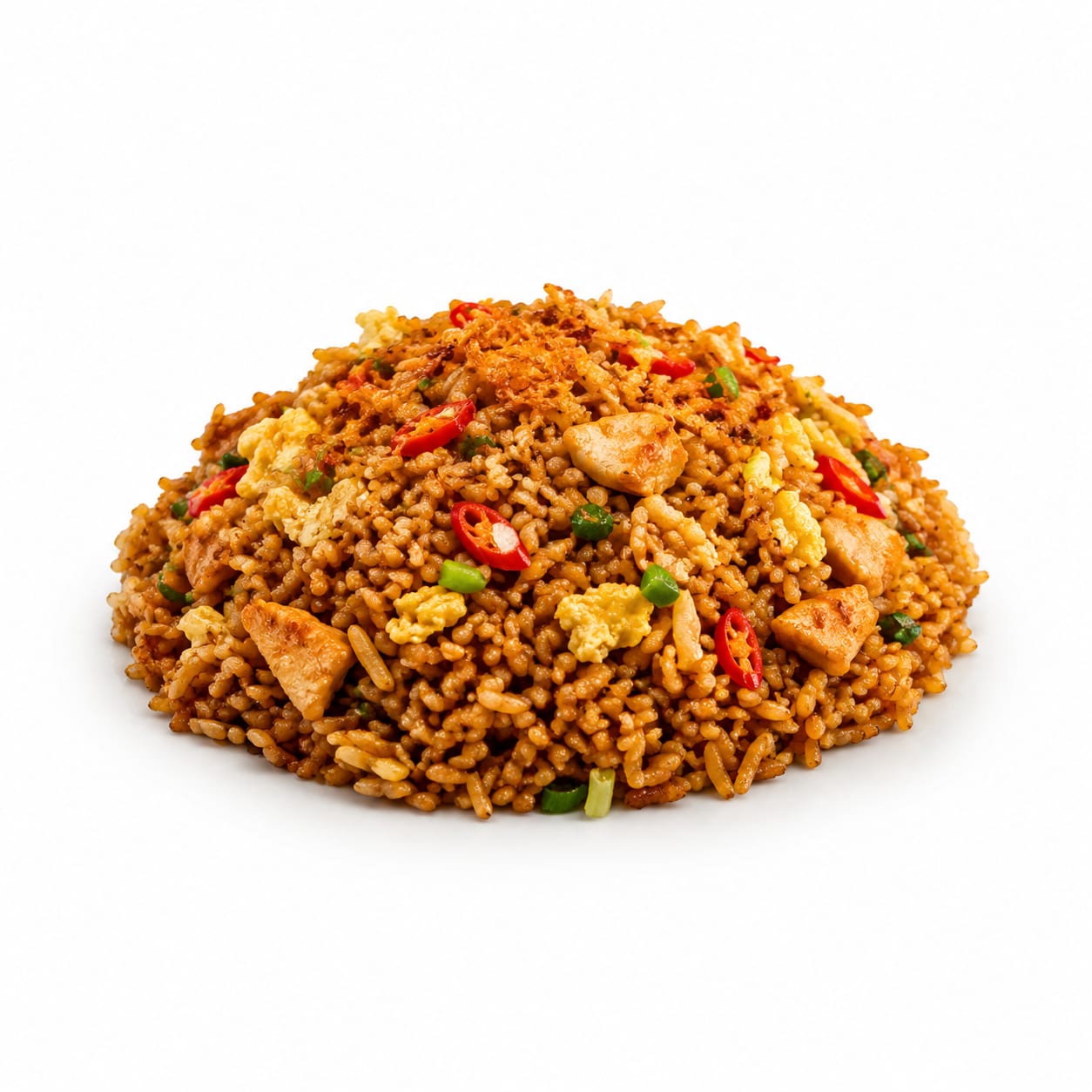
Nasi Goreng
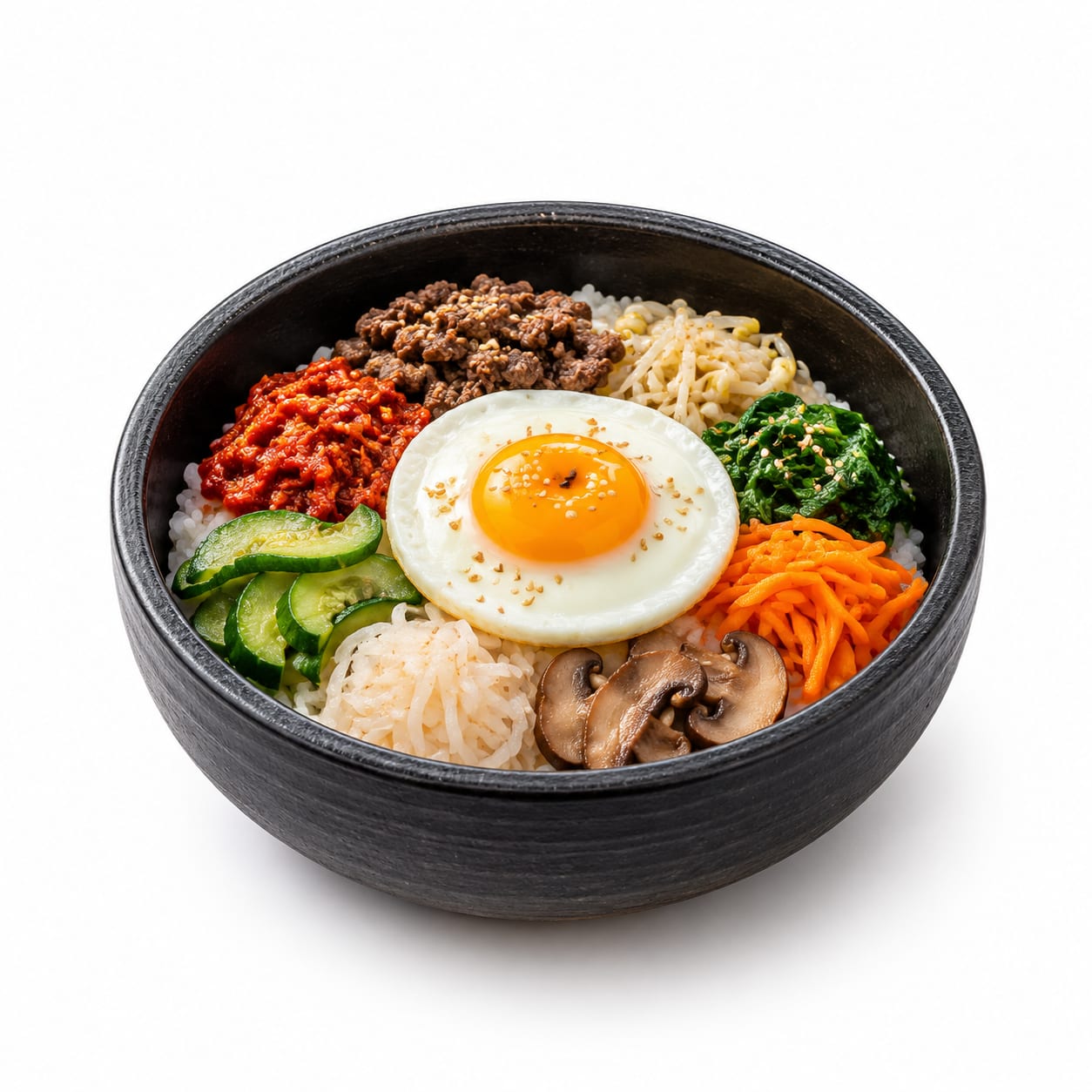
Bibimbap
Bibimbap delivers more vegetables, less oil, and better micronutrient balance, while Nasi Goreng offers richer flavor but at a higher calorie and sodium cost.
Bibimbap scores notably higher due to superior vegetable content, lower oil usage, and better micronutrient profile. Nasi Goreng loses ground on calorie density, sodium load, and limited vegetable diversity. The gap is meaningful but not extreme since both share a white rice base.
Nasi Goreng trades vegetable diversity and lighter calories for deeper savory-sweet flavor from frying and sweet soy sauce. Bibimbap sacrifices that indulgent fried taste but rewards you with fiber, vitamins, and steadier energy.
At a glance
Executive summary
Overall
Bibimbap
Healthier
Bibimbap
More practical
It depends
Daily use
Bibimbap
Key comparison lenses
Which rice dish is healthier for regular meals?
Both are staple Asian rice dishes, so users likely want to know which fits better into everyday eating
Vegetable intake and micronutrient density
Bibimbap is vegetable-heavy while Nasi Goreng is oil-heavy, making this the starkest nutritional contrast
Sodium and blood pressure concerns
Both rely on salty condiments but from different sources, impacting cardiovascular risk differently
Weight management and calorie control
Fried rice is calorie-dense while bibimbap offers more volume per calorie
Blood sugar stability
Both center on white rice but toppings dramatically change glycemic response
Best choice for
Nasi Goreng
- Comfort food cravings and indulgent meals
- Quick single-wok cooking with leftover rice
- High-calorie needs when bulking or very active
- Late-night satisfaction when only bold flavor hits the spot
Bibimbap
- Increasing daily vegetable intake without salad fatigue
- Balanced macros with controlled calories
- Meal prep with separate components assembled fresh
- Gut-friendly eating with fermented gochujang benefits
Least suitable for
Nasi Goreng
- Low-sodium diets or hypertension management
- Weight loss phases requiring calorie awareness
- People avoiding fried foods for digestive comfort
- Those needing more fiber and micronutrients daily
Bibimbap
- Very low-carb or keto eating styles
- People sensitive to spicy fermented condiments
- Those wanting quick one-pan cooking with minimal prep
- Anyone avoiding nightshades or alliums
Deep comparison
Dimension by dimension
Each lens scores both foods and breaks down who each option suits.
- Dimension 1 · Priority 95Bibimbap
Vegetable Diversity and Micronutrients
Nasi Goreng · 25Bibimbap · 88Bibimbap typically includes 5-7 different vegetables while Nasi Goreng often has just scattered scallions and maybe some cabbage.
Tradeoff
You spend more time prepping and cooking multiple vegetable components for Bibimbap, but the nutritional payoff is substantial.
Why it matters
Vegetable variety directly correlates with micronutrient coverage, antioxidant intake, and long-term disease risk reduction.
Real-world impact
A Bibimbap bowl can cover half your daily vegetable needs in one meal. Nasi Goreng leaves you needing to catch up at dinner.
Nasi Goreng
- Minimal vegetable prep and cleanup
Better for
- Likely missing multiple vitamin and mineral targets
- Low fiber leaves you hungry sooner
Worse for
Bibimbap
- Vitamin A, C, K, and folate intake
- Antioxidant diversity from multiple plant sources
- Fiber for digestive regularity
Better for
- More chopping and component preparation time
Worse for
- Dimension 2 · Priority 88Bibimbap
Calorie Density and Oil Content
Nasi Goreng · 35Bibimbap · 72Nasi Goreng is fried in significant oil, often adding 200+ hidden calories. Bibimbap uses minimal oil unless served as dolsot.
Tradeoff
The oil in Nasi Goreng creates irresistible flavor and texture but silently doubles the calorie density of the rice.
Why it matters
Oil is the most calorie-dense food ingredient. Even modest amounts dramatically increase energy intake without increasing fullness proportionally.
Real-world impact
A standard plate of Nasi Goreng can run 600-800 calories. A comparable Bibimbap bowl sits closer to 450-550 calories with more food volume.
Nasi Goreng
- Higher calories support active lifestyles and bulking goals
- Fat carries flavor and increases satisfaction per bite
Better for
- Easy to overeat calories without realizing
- Oil-heavy meals can cause digestive discomfort
Worse for
Bibimbap
- Easier portion control without feeling deprived
- More food volume per calorie keeps you fuller longer
- Less post-meal heaviness or sluggishness
Better for
- Dolsot bibimbap narrows this gap significantly with added oil
Worse for
- Dimension 3 · Priority 85Bibimbap
Sodium Load
Nasi Goreng · 30Bibimbap · 55Both dishes are salty, but Nasi Goreng's kecap manis plus shrimp paste plus soy sauce creates a sodium bomb.
Tradeoff
That addictive savory-sweet profile in Nasi Goreng comes from condiments that collectively push sodium past 1500mg per plate.
Why it matters
Regular high-sodium meals raise blood pressure over time and increase cardiovascular risk even in healthy people.
Real-world impact
One plate of Nasi Goreng can deliver two-thirds of your daily sodium limit. Bibimbap with gochujang is still salty but typically 30-40% less.
Nasi Goreng
- Intense umami satisfaction from layered salty condiments
Better for
- Problematic for hypertension and fluid retention
- Triggers thirst and bloating
Worse for
Bibimbap
- Moderate sodium leaves room for other meals without exceeding limits
- Gochujang provides fermented flavor with less total sodium than kecap manis plus shrimp paste
Better for
- Still not a low-sodium dish by any standard
Worse for
- Dimension 4 · Priority 78Bibimbap
Blood Sugar Stability
Nasi Goreng · 38Bibimbap · 62Both use white rice, but Bibimbap's fiber and protein from vegetables slow glucose absorption significantly.
Tradeoff
Nasi Goreng's oil slows gastric emptying slightly, but the sugar in kecap manis adds a glucose spike on top of the rice base.
Why it matters
Post-meal energy crashes, cravings, and long-term metabolic health all tie to how steadily glucose enters your bloodstream.
Real-world impact
After Bibimbap you feel energized for hours. After Nasi Goreng you may get a brief surge followed by an afternoon slump.
Nasi Goreng
- Fat content slightly delays gastric emptying
Better for
- Sweet soy sauce adds sugar on top of refined carbs
- Low fiber means faster glucose absorption
Worse for
Bibimbap
- Fiber from vegetables creates a slower glucose release
- Balanced macros prevent sharp insulin spikes
- Protein from egg and meat stabilizes blood sugar longer
Better for
- White rice base still requires portion awareness for diabetics
Worse for
- Dimension 5 · Priority 72Bibimbap
Gut Health and Fermentation Benefits
Nasi Goreng · 30Bibimbap · 70Gochujang is a fermented condiment with probiotic potential, while Nasi Goreng's flavor base offers no fermentation benefits.
Tradeoff
Traditional fermented gochujang supports gut microbiome diversity, but commercial versions may be pasteurized and lack live cultures.
Why it matters
Fermented foods contribute to gut microbiome health, which influences immunity, mood, and digestion.
Real-world impact
Regular Bibimbap eaters get a small but consistent fermented food dose. Nasi Goreng relies on shrimp paste which is fermented but typically cooked, killing beneficial organisms.
Nasi Goreng
- Shrimp paste contains some beneficial compounds from fermentation
Better for
- High oil and low fiber is a poor combination for gut health
- Shrimp paste fermentation benefits are destroyed by cooking
Worse for
Bibimbap
- Gochujang introduces fermented food into your routine
- Vegetable fiber feeds beneficial gut bacteria
- More diverse plant intake supports microbiome diversity
Better for
- Commercial gochujang may lack live probiotics
Worse for
- Dimension 6 · Priority 65Nasi Goreng
Practicality and Cooking Convenience
Nasi Goreng · 82Bibimbap · 48Nasi Goreng is a one-wok dish that comes together in 10 minutes with leftover rice. Bibimbap requires multiple component preparation.
Tradeoff
Speed and simplicity favor Nasi Goreng, but Bibimbap's components can be batch-prepped for multiple meals.
Why it matters
Convenience often determines what people actually cook on busy weeknights versus aspirational meal plans.
Real-world impact
Nasi Goreng is the ultimate clean-out-the-fridge meal. Bibimbap feels more like a weekend project unless you prep components ahead.
Nasi Goreng
- One pan, minimal cleanup
- Uses day-old rice that would otherwise go to waste
- Ready in under 15 minutes start to finish
- Flexible with whatever protein or vegetables you have
Better for
- Requires day-old rice for best texture
Worse for
Bibimbap
- Components can be meal-prepped in batches
- Assembly is quick once ingredients are ready
Better for
- Multiple pots and pans for different vegetables
- Each component needs separate seasoning and cooking
- Longer active cooking time
Worse for
Timeline
Health impact over time
Short-term
Hours to days
Nasi Goreng
- Heavy fullness from oil content that may slow digestion
- Thirst and bloating from high sodium within hours
- Possible energy crash 2-3 hours after the sweet-salty-carb combo
- Satisfaction from rich umami flavor but potential overeating
Bibimbap
- Sustained energy from balanced macros and vegetable fiber
- Mild digestive stimulation from fermented gochujang
- Comfortable fullness without heaviness
- Spice may slightly boost metabolism temporarily
Long-term
Months to years
Nasi Goreng
- Regular consumption may contribute to elevated blood pressure from sodium load
- Higher calorie intake from oil could support gradual weight gain if not balanced
- Low vegetable intake may leave micronutrient gaps over time
- Fried food frequency correlates with inflammatory markers in research
Bibimbap
- Consistent vegetable intake supports cardiovascular and digestive health
- Fermented food exposure may strengthen gut microbiome resilience
- Balanced meals help maintain steadier metabolic markers
- Sodium from gochujang still warrants monitoring if eaten frequently
Risk profile
Safety & processing
Both are home-cooked dishes made from whole ingredients, but Nasi Goreng relies more on processed condiments like kecap manis and commercial shrimp paste, which can contain preservatives and added colors. Bibimbap's gochujang is also processed, but the bulk of the bowl is simply cooked vegetables and rice with minimal additive exposure.
Nasi Goreng
Stale rice bacillus cereus contamination
mediumNasi Goreng relies on leftover rice, which if improperly stored can harbor Bacillus cereus, a toxin-producing bacteria that causes food poisoning.
Shrimp paste quality and heavy metals
lowTraditional shrimp paste may contain trace heavy metals from coastal waters, though amounts are typically negligible per serving.
Undercooked egg with fried rice
mediumThe fried egg on top is often runny, presenting salmonella risk if eggs are not pasteurized or properly handled.
Bibimbap
Gochujang histamine content
lowFermented gochujang contains histamine which may trigger symptoms in histamine-sensitive individuals.
Raw egg yolk in traditional preparation
mediumAuthentic Bibimbap sometimes includes a raw egg yolk that cooks against hot rice, but may not reach safe temperatures.
Sprout contamination
mediumBean sprouts are a common Bibimbap ingredient and are frequent sources of bacterial contamination in food safety data.
Who wins for whom
Audience fit
Same foods, different winners depending on your goal.
children
BibimbapBibimbap's colorful vegetables and interactive mixing appeal to kids while delivering better nutrition, though spice levels should be adjusted.
daily consumption
BibimbapBibimbap's nutrient density and vegetable variety make it more sustainable as a daily meal without accumulating health drawbacks.
diabetes
BibimbapBibimbap's vegetable fiber slows glucose absorption from rice, while Nasi Goreng's kecap manis adds sugar that worsens glycemic impact.
elderly
BibimbapSofter vegetables, easier digestion, and lower sodium in Bibimbap suit aging bodies better than Nasi Goreng's heavy oil and salt load.
muscle gain
It dependsBoth can support muscle gain with adequate protein portions. Nasi Goreng's extra calories help during bulking, while Bibimbap's balanced macros suit lean gains.
weight loss
BibimbapBibimbap offers more food volume and fiber per calorie, making it easier to feel satisfied while maintaining a deficit.
Your move
Decision guide
Choose Nasi Goreng
- You crave bold savory-sweet flavor and nothing else hits the spot
- You need a quick meal from leftover rice and whatever is in the fridge
- You are very active and need calorie-dense meals to fuel your day
- You are treating yourself and want the comfort of fried food
Choose Bibimbap
- You want to eat more vegetables without feeling like you are eating a salad
- You are watching your weight, blood pressure, or blood sugar
- You enjoy assembling meals and find the mixed bowl format satisfying
- You want a balanced meal that keeps you energized for hours without a crash
Either works if
- You just want a satisfying rice bowl and both are available
- You are eating out and portion control matters more than the specific dish
- You plan to add extra vegetables or adjust condiments to balance either option
Avoid both if
- You are on a strict low-carb or ketogenic diet
- You have severe sodium restrictions from kidney disease or heart failure
- You are sensitive to spicy foods and cannot adjust the recipes
- You need gluten-free options and cannot verify soy sauce alternatives
Final recommendation
Make Bibimbap your default rice bowl for weekday health and energy. Save Nasi Goreng for when you truly want that fried, indulgent experience. If you love Nasi Goreng, reduce the oil by half, go easy on the kecap manis, and add a side of stir-fried greens to narrow the nutritional gap.
Practical
Consumer tips
- 1
Ask for less oil when ordering Nasi Goreng at restaurants, as street vendors often use generous amounts
- 2
Make Bibimbap gochujang sauce at home to control sugar and sodium levels
- 3
Use brown rice or cauliflower rice in either dish to dramatically improve the nutritional profile
- 4
Prep Bibimbap vegetables in bulk on Sunday and assemble bowls in minutes throughout the week
- 5
If making Nasi Goreng, cool leftover rice quickly in the fridge to reduce Bacillus cereus risk
- 6
Swap kecap manis for regular soy sauce plus a small amount of honey or coconut sugar to cut sodium and control sweetness
- 7
Add a side of kimchi to Nasi Goreng to introduce fermentation benefits the dish normally lacks
- 8
Request Bibimbap without the raw egg yolk if you are concerned about food safety