
Nutrition comparison
Nasi Goreng vs Chinese Egg Fried Rice: Which Is Healthier?
Compare Nasi Goreng and Chinese Egg Fried Rice on sugar, calories, sodium, and nutrition. Find out which fried rice is better for weight loss, diabetes, and daily eating.
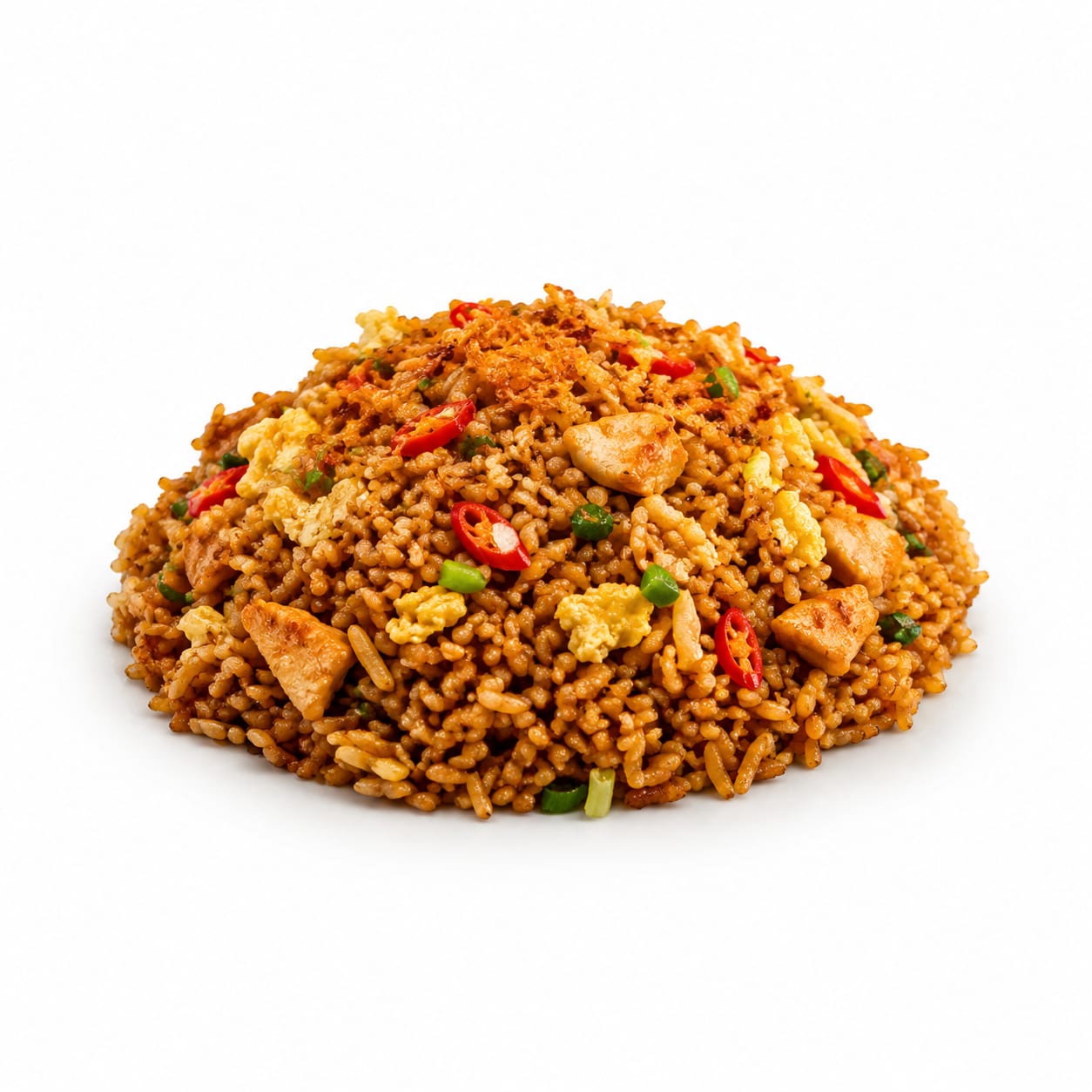
Nasi Goreng
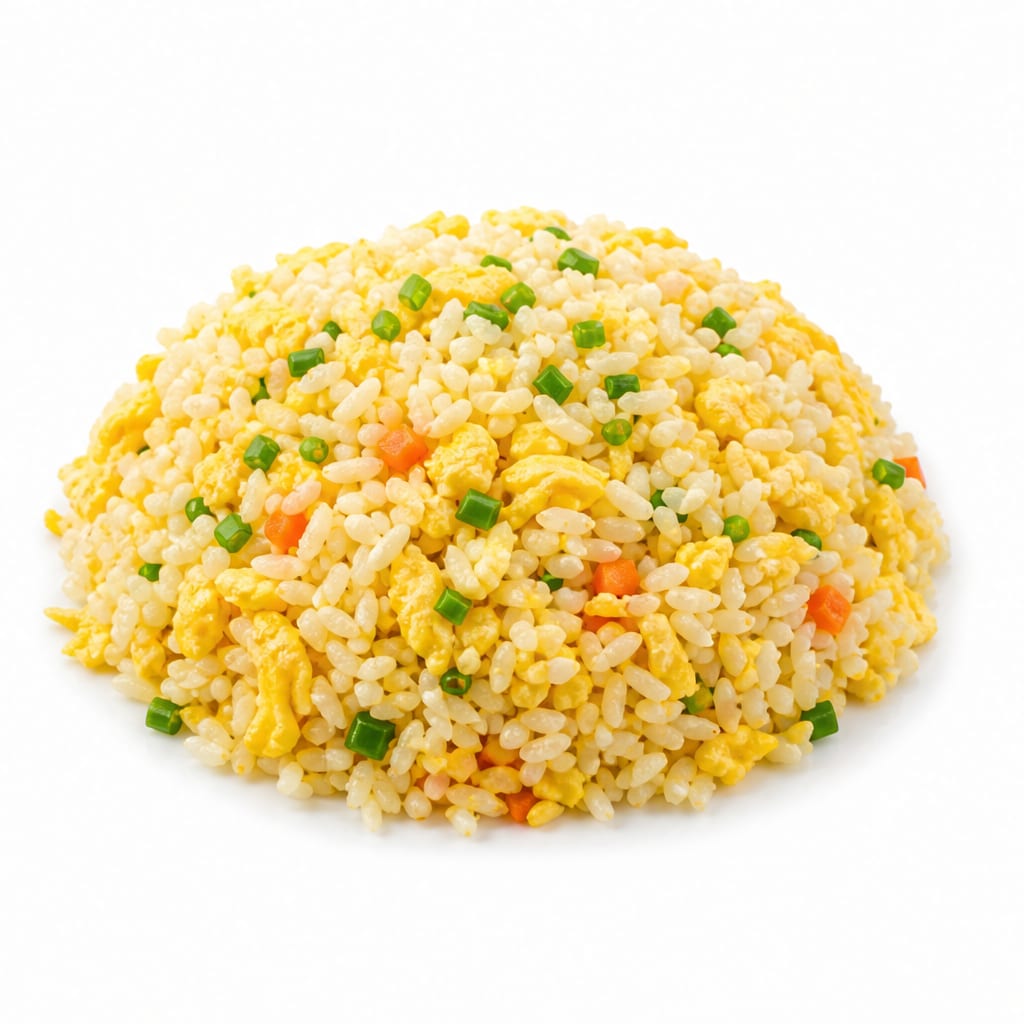
Chinese Egg Fried Rice
Chinese Egg Fried Rice is slightly leaner and lower in sugar, but Nasi Goreng offers more protein variety and micronutrients from its spice base.
Chinese Egg Fried Rice scores moderately higher mainly due to lower sugar and slightly better blood sugar stability. Nasi Goreng is not far behind because its spice diversity and protein variety add real nutritional value. Both lose points for high sodium and oil content typical of street-style preparations.
Nasi Goreng brings bolder flavor and more diverse nutrition but carries a heavier sugar load from sweet soy sauce, while Chinese Egg Fried Rice is lighter and simpler but often saltier and less nutrient-dense.
At a glance
Executive summary
Overall
It depends
Healthier
Chinese Egg Fried Rice
More practical
Chinese Egg Fried Rice
Daily use
Chinese Egg Fried Rice
Key comparison lenses
Which fried rice is healthier for regular consumption
Both are staple street foods eaten frequently, so small nutritional differences compound over time
Sugar and blood sugar impact comparison
Nasi Goreng's kecap manis adds significant sugar that Chinese Egg Fried Rice avoids
Sodium load and heart health implications
Both rely heavily on salty condiments but from different sources with different risk profiles
Satiety and overeating potential
Fried rice dishes are easy to overeat; understanding which keeps you fuller matters
Flavor satisfaction vs health tradeoff
Nasi Goreng's sweeter, bolder flavor makes it more craveable but harder to resist
Best choice for
Nasi Goreng
- People wanting higher protein variety in one dish
- Those seeking bold, complex flavors to feel satisfied with one plate
- Anyone needing a calorie-dense meal after physical labor or intense training
- Fans of Southeast Asian cuisine who find bland food unsatisfying
Chinese Egg Fried Rice
- People managing blood sugar or watching sugar intake
- Those wanting a lighter meal that won't cause an afternoon energy crash
- Anyone eating fried rice multiple times per week
- People who prefer simpler, cleaner flavors
Least suitable for
Nasi Goreng
- People with diabetes or insulin resistance due to high sugar content
- Anyone on a strict low-calorie or low-sugar diet
- Those sensitive to spicy food or shrimp paste
Chinese Egg Fried Rice
- People on low-sodium diets, as soy sauce content can be very high
- Those wanting a nutritionally complete single-plate meal without additions
- Anyone who finds plain flavors unsatisfying and ends up eating more
Deep comparison
Dimension by dimension
Each lens scores both foods and breaks down who each option suits.
- Dimension 1 · Priority 92Chinese Egg Fried Rice
Sugar Content and Blood Sugar Impact
Nasi Goreng · 35Chinese Egg Fried Rice · 65Nasi Goreng's kecap manis pours on significantly more sugar than the savory seasoning in Chinese Egg Fried Rice.
Tradeoff
You get a richer, sweeter flavor with Nasi Goreng but at the cost of a blood sugar spike followed by a quicker crash.
Why it matters
A single plate of Nasi Goreng can contain 2-4 teaspoons of added sugar from sweet soy sauce alone, which is a substantial portion of daily limits.
Real-world impact
After Nasi Goreng, you may feel energized for an hour then sluggish. Chinese Egg Fried Rice provides steadier energy through the afternoon.
Nasi Goreng
- Quick energy before intense physical activity
Better for
- Blood sugar management
- Consistent energy levels
Worse for
Chinese Egg Fried Rice
- Sustained focus during long work sessions
- Avoiding the 2 PM energy crash
- Managing prediabetes or insulin resistance
Better for
- Situations where you need quick caloric energy
Worse for
- Dimension 2 · Priority 85It depends
Sodium Load
Nasi Goreng · 45Chinese Egg Fried Rice · 42Both dishes are sodium-heavy, but the sources differ. Nasi Goreng uses kecap manis and shrimp paste, while Chinese Egg Fried Rice relies heavily on light and dark soy sauce.
Tradeoff
Nasi Goreng's sodium comes with more mineral diversity from shrimp paste, while Chinese Egg Fried Rice's sodium is more concentrated from pure soy sauce.
Why it matters
A single restaurant portion of either dish can deliver 1500-2500mg sodium, approaching or exceeding the daily recommended limit in one meal.
Real-world impact
After either dish, you may notice thirst, bloating, or mild finger swelling if you're sodium-sensitive. Neither is a good daily choice for people with hypertension.
Nasi Goreng
- Slightly more trace minerals alongside sodium from shrimp paste
Better for
- Hidden sodium in kecap manis that's harder to reduce without losing flavor
Worse for
Chinese Egg Fried Rice
- Easier to request reduced soy sauce when ordering
Better for
- Soy sauce-heavy recipes can exceed 2000mg sodium per plate
Worse for
- Dimension 3 · Priority 80Nasi Goreng
Protein Quality and Variety
Nasi Goreng · 68Chinese Egg Fried Rice · 52Nasi Goreng typically includes a wider mix of proteins like chicken, shrimp, and egg, while Chinese Egg Fried Rice relies primarily on egg with occasional char siu or shrimp.
Tradeoff
More protein variety in Nasi Goreng means better amino acid coverage, but it also increases the chance of allergens and higher calories.
Why it matters
Diverse protein sources provide a broader range of amino acids and micronutrients like zinc, B12, and selenium that a single protein source cannot match.
Real-world impact
Nasi Goreng feels more like a complete meal. Chinese Egg Fried Rice often leaves you wanting a side dish to feel fully satisfied.
Nasi Goreng
- Post-workout recovery with mixed amino acids
- Getting more complete nutrition from a single plate
Better for
- Higher allergy risk from multiple protein sources
Worse for
Chinese Egg Fried Rice
- People with shellfish allergies who need to avoid shrimp
- Simpler digestion with fewer protein sources
Better for
- Less satisfying as a standalone meal
Worse for
- Dimension 4 · Priority 75Nasi Goreng
Spice and Micronutrient Diversity
Nasi Goreng · 72Chinese Egg Fried Rice · 48Nasi Goreng's spice paste featuring shallots, garlic, chili, turmeric, and galangal delivers more bioactive compounds than the simpler scallion-and-ginger base of Chinese Egg Fried Rice.
Tradeoff
The anti-inflammatory and antioxidant benefits of Nasi Goreng's spice base come with potential digestive irritation for sensitive stomachs.
Why it matters
Turmeric, chili, and galangal have documented anti-inflammatory properties. Regular consumption of diverse spices supports gut microbiome diversity.
Real-world impact
Over time, Nasi Goreng's spice profile may offer subtle anti-inflammatory benefits, while Chinese Egg Fried Rice is gentler on sensitive stomachs.
Nasi Goreng
- People seeking anti-inflammatory food choices
- Anyone wanting more gut microbiome diversity from diet
Better for
- Anyone with GERD or IBS triggered by spicy food
Worse for
Chinese Egg Fried Rice
- People with acid reflux or sensitive digestion
- Those who prefer milder flavors
Better for
- Missing out on beneficial phytochemicals from diverse spices
Worse for
- Dimension 5 · Priority 82Chinese Egg Fried Rice
Calorie Density and Weight Management
Nasi Goreng · 40Chinese Egg Fried Rice · 55Nasi Goreng is typically more calorie-dense due to sweet soy sauce, more oil, and the accompanying krupuk crackers, while Chinese Egg Fried Rice tends to be slightly lighter.
Tradeoff
Nasi Goreng is more filling per plate but packs more calories. Chinese Egg Fried Rice is easier to portion-control but may leave you hungry sooner.
Why it matters
The sugar-oil combination in Nasi Goreng makes it exceptionally easy to overeat. Sweet fatty foods bypass natural fullness signals.
Real-world impact
A standard hawker portion of Nasi Goreng can run 700-900 calories. Chinese Egg Fried Rice typically lands between 550-750 calories for a similar volume.
Nasi Goreng
- Active individuals who need calorie surplus
- One-meal-a-day eaters needing maximum calories
Better for
- Calorie counting and weight management
Worse for
Chinese Egg Fried Rice
- Weight loss or maintenance goals
- People who eat multiple meals per day and need room for other food
Better for
- Feeling satisfied with a single plate
Worse for
- Dimension 6 · Priority 70Chinese Egg Fried Rice
Digestive Tolerance
Nasi Goreng · 42Chinese Egg Fried Rice · 62Chinese Egg Fried Rice is gentler on the digestive system due to simpler seasoning and less spice, while Nasi Goreng's chili, shrimp paste, and garlic can irritate sensitive stomachs.
Tradeoff
Nasi Goreng's bold flavors come with higher digestive risk for sensitive individuals, while Chinese Egg Fried Rice trades excitement for comfort.
Why it matters
Spicy, fermented, and allium-heavy foods can trigger heartburn, bloating, or IBS symptoms in susceptible people, especially when combined with oil.
Real-world impact
If you have a sensitive stomach, Nasi Goreng may cause heartburn or bloating within an hour. Chinese Egg Fried Rice is the safer bet for a comfortable evening.
Nasi Goreng
- People with robust digestion who enjoy spicy food
Better for
- People with GERD, IBS, or sensitive stomachs
Worse for
Chinese Egg Fried Rice
- Anyone prone to heartburn or acid reflux
- Late-night eating when you need to sleep comfortably
Better for
- Those who find bland food unsatisfying and overeat as a result
Worse for
Timeline
Health impact over time
Short-term
Hours to days
Nasi Goreng
- Noticeable blood sugar spike within 30-60 minutes from kecap manis
- Possible heartburn or stomach warmth from chili and garlic
- Higher immediate satiety from fat and protein combination
- Thirst from combined sodium and sugar load
Chinese Egg Fried Rice
- More stable blood sugar with less dramatic peaks and valleys
- Milder digestive response with less irritation risk
- Moderate satiety that may fade within 2-3 hours
- Sodium-related thirst, especially with heavy soy sauce usage
Long-term
Months to years
Nasi Goreng
- Regular consumption may contribute to elevated fasting blood sugar due to habitual high sugar intake
- Anti-inflammatory spice compounds may offer protective benefits if consumed regularly
- High sodium intake could increase blood pressure risk if eaten multiple times weekly
- Shrimp paste provides some B12 and trace minerals but also adds cholesterol
Chinese Egg Fried Rice
- Easier to maintain stable weight due to lower calorie density
- Lower sugar exposure reduces long-term metabolic risk
- Simpler ingredient list means fewer potential inflammatory triggers
- Sodium remains a concern for cardiovascular health with frequent consumption
Risk profile
Safety & processing
Both dishes are cooked from scratch in most settings, so they avoid ultra-processing. However, kecap manis often contains caramel color and preservatives, and commercial shrimp paste can include additives. Chinese soy sauces may contain MSG and preservatives. Homemade versions of either dish reduce these concerns significantly.
Nasi Goreng
Shrimp paste contamination
mediumTraditionally fermented shrimp paste can harbor harmful bacteria if not properly produced or stored. Commercial versions are generally safer.
Oil reuse in street stalls
highHawker-style Nasi Goreng is often cooked in repeatedly heated oil, increasing oxidized fat and potential carcinogen exposure.
Krupuk acrylamide exposure
lowThe accompanying shrimp crackers are deep-fried and may contain acrylamide, though amounts per serving are modest.
Chinese Egg Fried Rice
Oil reuse in restaurant woks
highHigh-heat wok cooking with reused oil is common in restaurants and creates oxidized compounds that may promote inflammation.
MSG sensitivity
lowSome Chinese Egg Fried Rice preparations include MSG, which can cause headaches or flushing in sensitive individuals.
Egg cross-contamination
mediumImproperly stored or undercooked egg in fried rice can pose salmonella risk, especially in buffet settings.
Who wins for whom
Audience fit
Same foods, different winners depending on your goal.
children
Chinese Egg Fried RiceMilder flavor and lower spice make Chinese Egg Fried Rice more kid-friendly and easier on developing digestive systems.
daily consumption
Chinese Egg Fried RiceLower sugar and slightly lower calorie density make Chinese Egg Fried Rice the more sustainable daily choice, though both should be moderated due to sodium.
diabetes
Chinese Egg Fried RiceSignificantly less added sugar means a gentler blood sugar response, which is critical for diabetes management.
elderly
Chinese Egg Fried RiceGentler seasoning, softer flavor profile, and lower sugar content make Chinese Egg Fried Rice more appropriate for aging digestive systems and blood sugar management.
muscle gain
Nasi GorengNasi Goreng typically provides more total protein from mixed sources and more calories, supporting muscle building when paired with training.
weight loss
Chinese Egg Fried RiceChinese Egg Fried Rice has fewer calories and less sugar, making it easier to fit into a calorie deficit without triggering blood sugar-driven hunger spikes.
Your move
Decision guide
Choose Nasi Goreng
- You crave bold, complex flavors and find simple food unsatisfying
- You need a calorie-dense meal after intense physical work or training
- You want diverse protein sources in a single plate
- You're eating occasionally as a treat rather than a daily staple
Choose Chinese Egg Fried Rice
- You're watching your sugar intake or managing blood sugar
- You want a lighter meal that won't leave you sluggish afterward
- You eat fried rice regularly and need the healthier default option
- You have a sensitive stomach or acid reflux concerns
Either works if
- You're ordering at a restaurant and both are available at similar quality
- You plan to add vegetables and lean protein regardless of which base you choose
- You're eating infrequently enough that the nutritional differences won't compound
Avoid both if
- You have severe hypertension and need to strictly limit sodium
- You're on a low-carb or ketogenic diet, as both are rice-heavy
- You're trying to minimize fried food and oil consumption for heart health
Final recommendation
For everyday eating, Chinese Egg Fried Rice is the smarter default due to lower sugar and steadier energy. Save Nasi Goreng for when you want something more exciting and satisfying, and consider asking for less kecap manis to cut the sugar without losing the soul of the dish.
Practical
Consumer tips
- 1
Ask for Nasi Goreng with half the usual kecap manis to significantly reduce sugar while keeping the flavor profile
- 2
Request less oil in either dish when ordering at hawker stalls or restaurants
- 3
Add a side of steamed vegetables to either dish to improve fiber content and slow sugar absorption
- 4
Skip the krupuk crackers with Nasi Goreng to save 100-150 calories of deep-fried starch
- 5
Choose Chinese Egg Fried Rice made with brown rice when available for better fiber and blood sugar control
- 6
Make either dish at home to control oil, sodium, and sugar levels precisely
- 7
Drink water instead of sweet tea with either meal to avoid compounding the sugar load
- 8
If eating Nasi Goreng, pair it with the traditional pickled vegetables and skip the crackers for a more balanced plate