
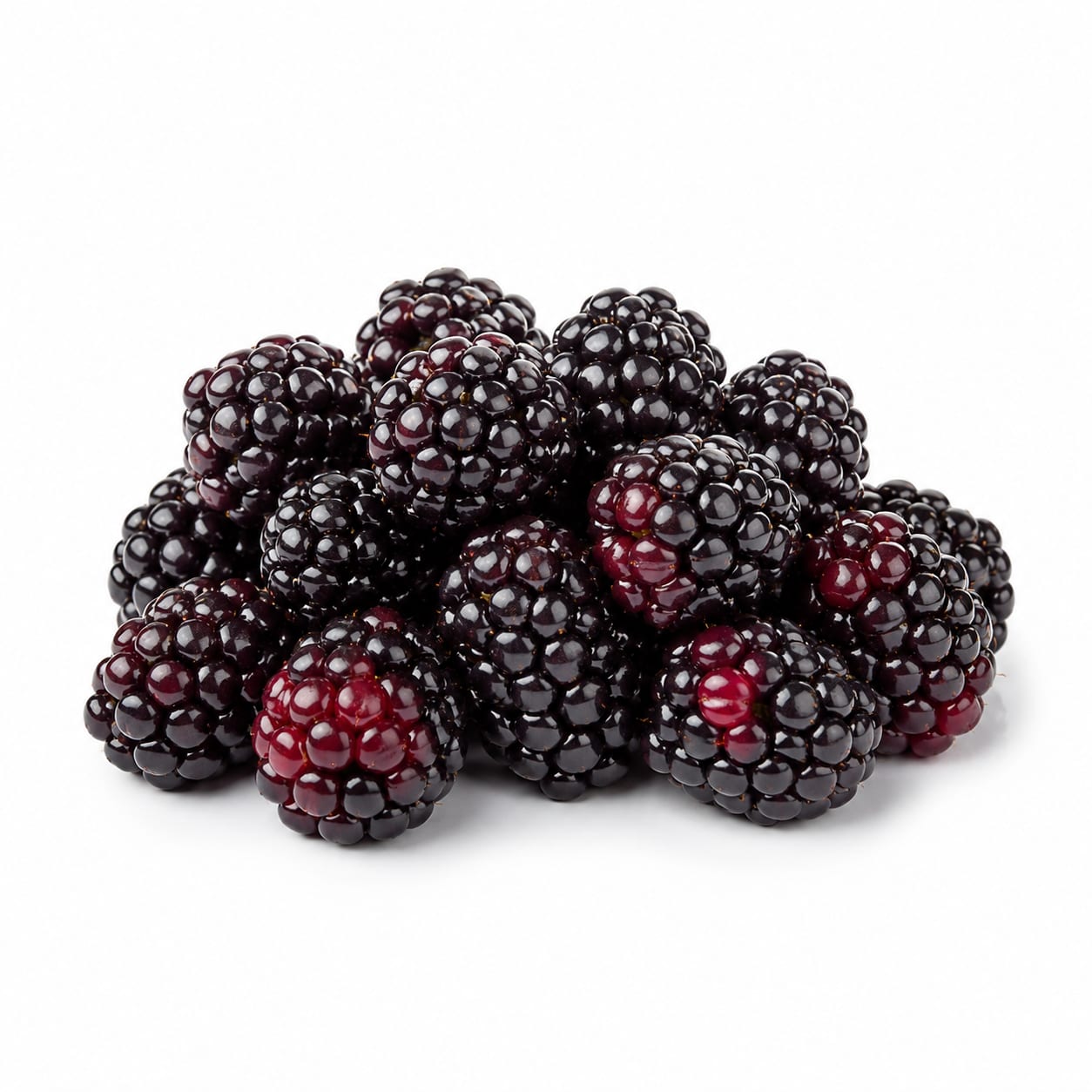
Berry
Marionberry
A tart-sweet blackberry variety prized for its high antioxidant and fiber content.
A blackberry cultivar developed in Oregon, known for its complex, tart-sweet flavor and high antioxidant content.
high-fiber low-calorie berry
Typical serving · 140g
Common varieties · fresh, frozen, seedless jam, syrup
Overall context score across nutrition, safety, and diet fit
At a glance
Quick facts
Simple indicators based on nutrition, processing, and diet fit.
The story
What makes it unique
Marionberries are fast-digesting, high-fiber fruits with a low glycemic index. Their macronutrient profile is low in fat and protein but rich in complex carbohydrates and water. As a minimally processed whole food, they provide significant satiety per calorie.
Varieties: fresh · frozen · seedless jam · syrup
Per 100g
Nutrition breakdown
Macro balance and key metrics at a glance.
Energy
Density 0.43 kcal/g
Protein
Carbs
Fat
Fiber
Sugar
4.9 g
Sodium
1 mg
Potassium
162 mg
Glycemic index
25
Glycemic load
3
Water content
88%
Standout compounds
Nutrient highlights
Anthocyanins
highReduces oxidative stress and inflammation
Dietary Fiber
highPromotes satiety and supports gut microbiome
Vitamin C
moderateSupports immune function and collagen synthesis
Vitamin K
moderateEssential for blood clotting and bone metabolism
Manganese
moderateSupports metabolism and bone formation
Wellness map
Health scores & processing
NOVA processing scale
unprocessed · Whole food
Fresh or frozen marionberries are whole, unprocessed foods with no added ingredients.
Diet compatibility
- Weight loss
- Muscle gain
- Diabetes
- Gut health
- Low carb
- High protein
- Heart health
Relative standing
Food rankings
Qualitative ranks compared to similar whole foods.
- Satietygood
- Blood sugarexcellent
- Nutrient densityexcellent
- Fitness fuelmoderate
- Processing qualityexcellent
Eat with confidence
Food safety profile
Marionberries have a moderate pesticide risk when conventionally grown due to their skin texture. Washing thoroughly reduces surface residues. Mold can develop quickly on damaged berries.
Evidence confidence 85%
- Pesticidesmoderate
- Antibioticslow
- Heavy metalslow
- Contaminationlow
Watch for
- pesticide residues
- mold
Safer choices
Organic marionberries
Prep tips
Rinse gently under cold water just before eating. Discard any crushed or moldy berries to prevent rapid spread.
Conventional berries frequently appear on pesticide monitoring lists due to their delicate skin and pest pressure.
Deep dive
Health analysis
How this food may fit different goals and preparation choices.
Weight loss
Low energy density and high fiber content promote fullness, making it easier to maintain a calorie deficit.
Blood sugar
Low glycemic index and high fiber slow sugar absorption, preventing blood glucose spikes.
Fitness & energy
Provides quick-digesting natural sugars for short-term energy, but lacks the protein needed for muscle recovery.
Gut health
Rich in both soluble and insoluble fiber, supporting healthy bowel movements and feeding beneficial gut bacteria.
Processing quality
Whole food with minimal to no processing when eaten fresh or frozen, preserving nutrient integrity.
Food safety
Primary concern is pesticide residue on conventional crops; choosing organic mitigates this risk.
Common mistakes
Confusing fresh berries with marionberry pies or jams, which contain massive amounts of added sugar and lack intact fiber.
Best preparation
Eaten raw, blended into smoothies, or folded into overnight oats to preserve heat-sensitive antioxidants.
Practical guide
Best use cases
When and how this food fits real eating patterns.
high-volume low-calorie snacking
Eat a large bowl for under 100 calories to satisfy sweet cravings.
smoothie fiber boost
Blend with protein powder to add thickness, flavor, and gut-healthy fiber.
oatmeal topping
Add to morning oats for natural sweetness and a low-glycemic energy start.
Balance sheet
Pros & cons
Upsides
- Very high in antioxidants and anthocyanins
- Excellent source of dietary fiber for digestion
- Low calorie and low energy density
- Low glycemic impact suitable for blood sugar management
- Versatile fresh or frozen whole food
Trade-offs
- Highly perishable when fresh
- Moderate pesticide risk if conventionally grown
- Seeds can be bothersome for some digestive conditions
- Commonly processed into high-sugar jams and pies
Fit check
Who is it for?
Great match
- weight loss diets
- blood sugar control
- antioxidant boosting
- high-volume eating
Consider alternatives
- strict ketogenic diets
- high-protein diets
- low-fiber digestive rest protocols
Side by side
How it compares
Open the full head-to-head analysis for nutrition, safety, and practical tradeoffs.
This food
Marionberry
VS98% alike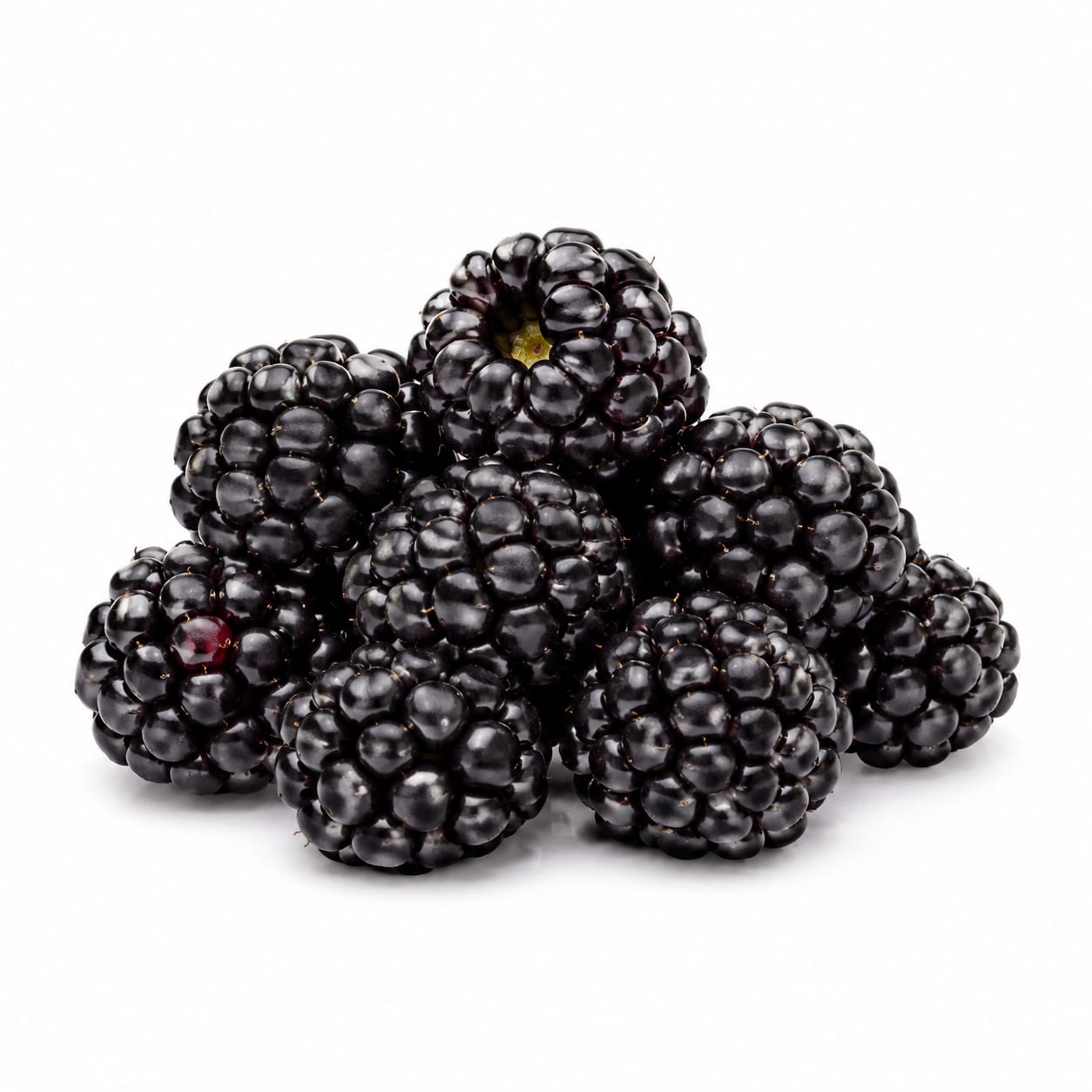
Compare with
Blackberry
Marionberries are slightly sweeter and more tart than standard blackberries, but nutritionally they are nearly identical.
Marionberries and blackberries are nutritionally identical, though marionberries offer a slightly more complex tart-sweet flavor profile.
This food
Marionberry
VS85% alike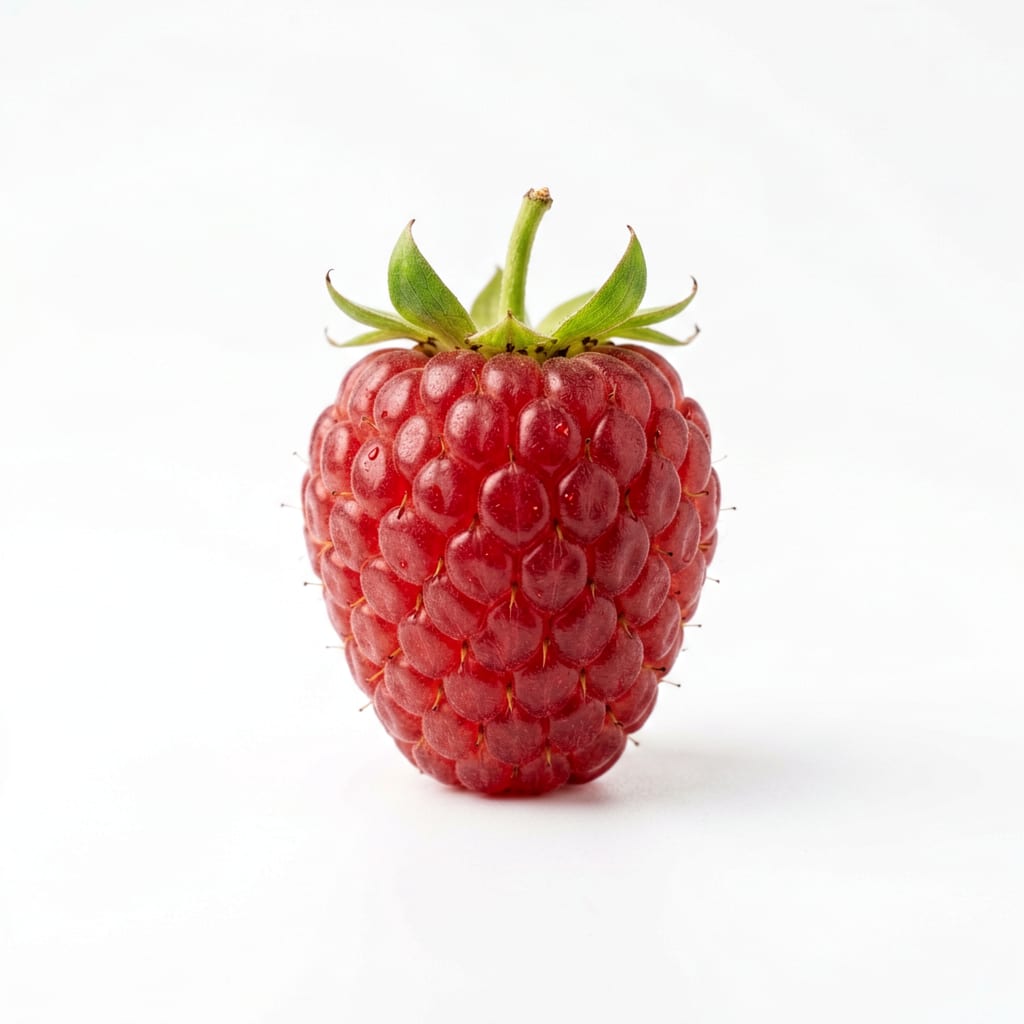
Compare with
Raspberry
Raspberries are slightly lower in calories and carbohydrates, while marionberries are larger and offer a different texture.
Raspberries edge out marionberries for weight loss and blood sugar due to slightly lower sugar and calories, but both are excellent high-fiber choices.
This food
Marionberry
VS80% alike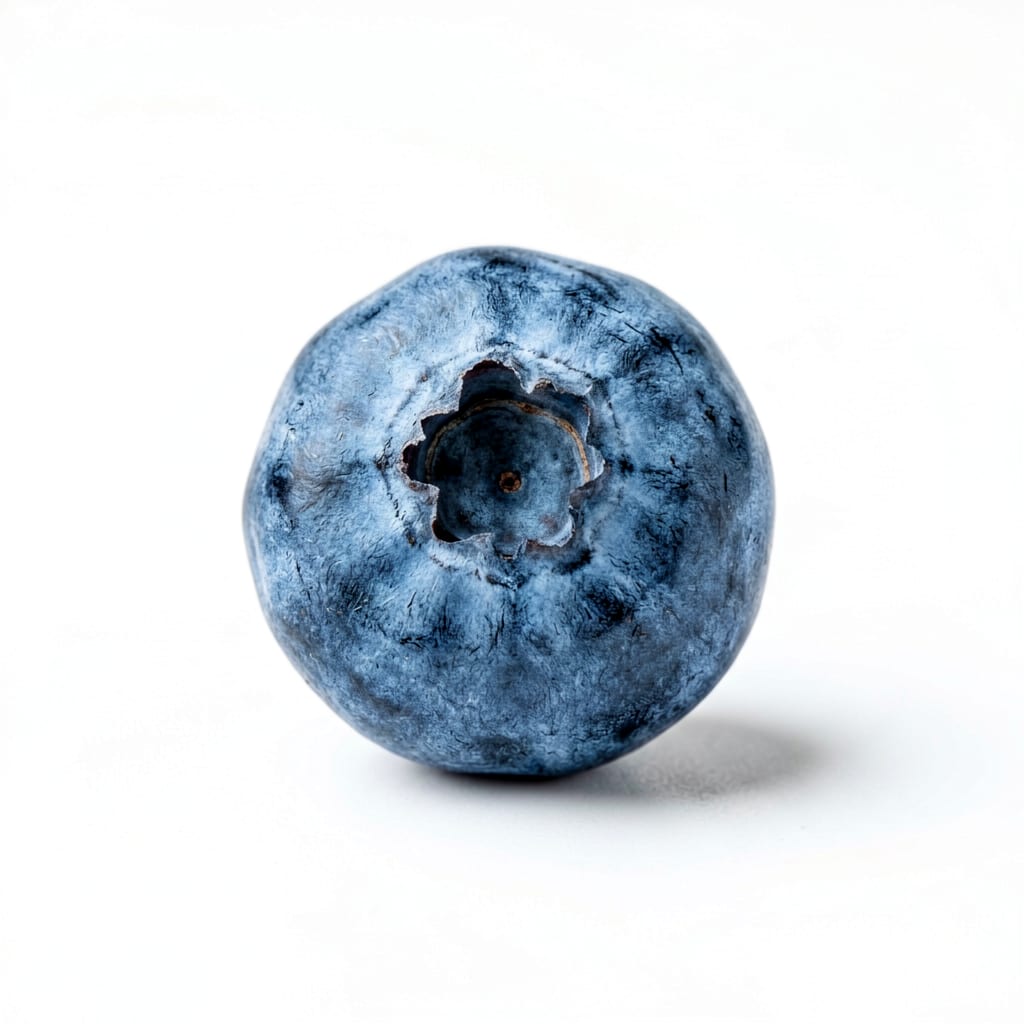
Compare with
Blueberry
Marionberries provide significantly more fiber and less sugar per serving, while blueberries are milder in flavor.
Marionberries beat blueberries for blood sugar control and satiety due to higher fiber, while blueberries offer faster-digesting energy for workouts.
This food
Marionberry
VS75% alike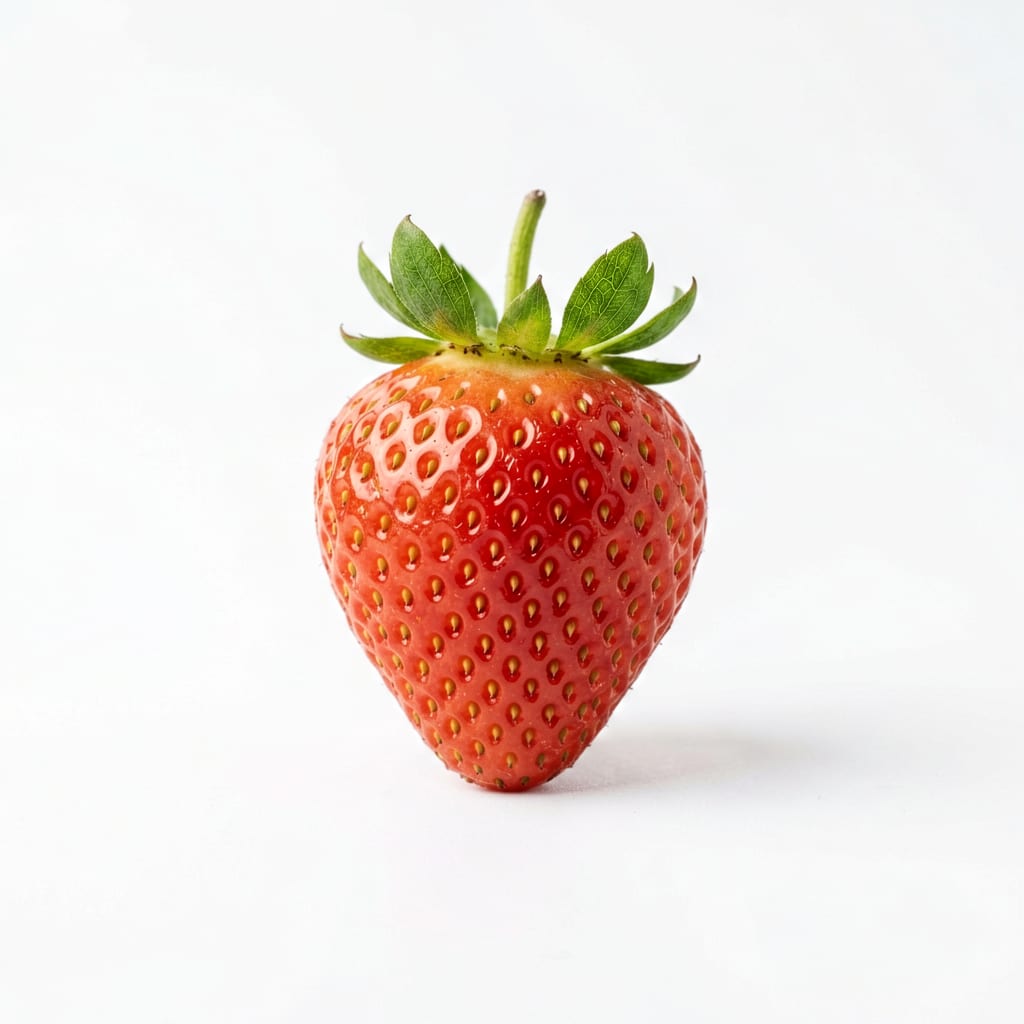
Compare with
Strawberry
Strawberries are lower in calories and higher in vitamin C, but marionberries offer more fiber per serving.
Strawberries are lower in calories, but marionberries provide superior fiber content for blood sugar management and gut health.
This food
Marionberry
VS90% alike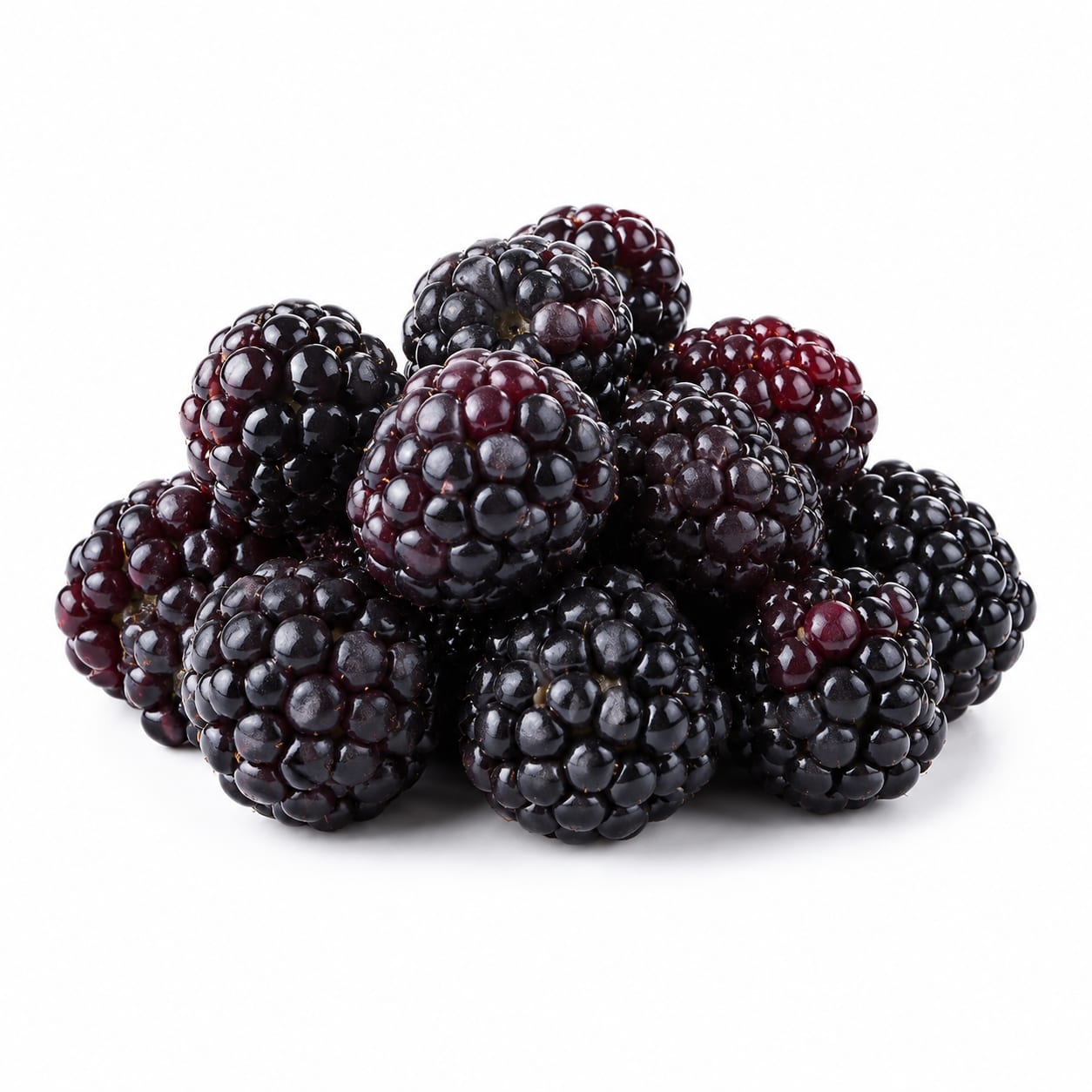
Compare with
Boysenberry
Boysenberries are slightly larger and sweeter, while marionberries have a more tart flavor profile and marginally better fiber.
Marionberries are slightly better for blood sugar control than boysenberries due to a lower sugar content and tarter profile.
This food
Marionberry
VS65% alike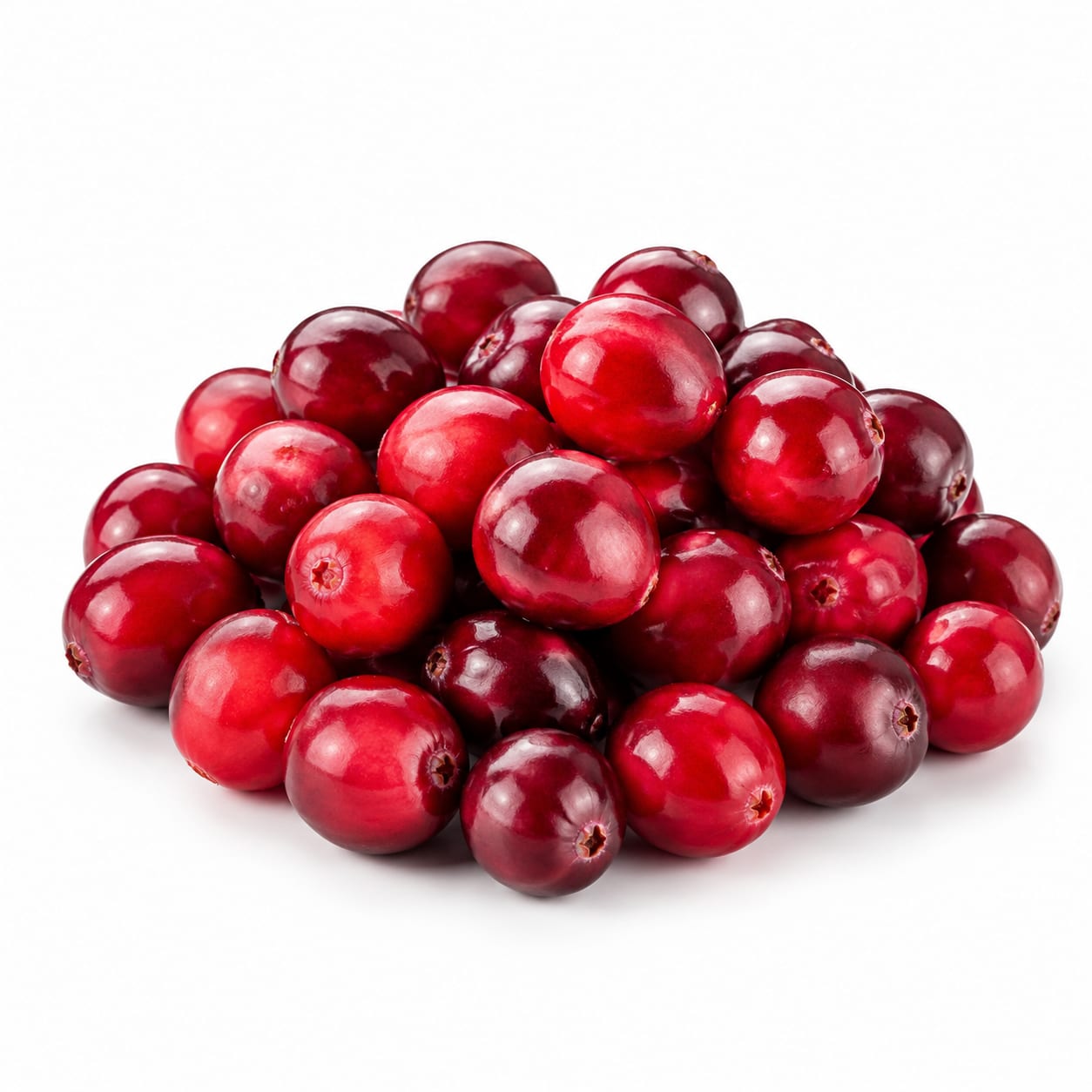
Compare with
Cranberry
Cranberries are extremely tart and much lower in sugar, usually consumed dried or juiced, while marionberries are palatable fresh.
Fresh cranberries are lower in sugar, but marionberries are much more palatable raw and offer better satiety with more fiber.
This food
Marionberry
VS60% alike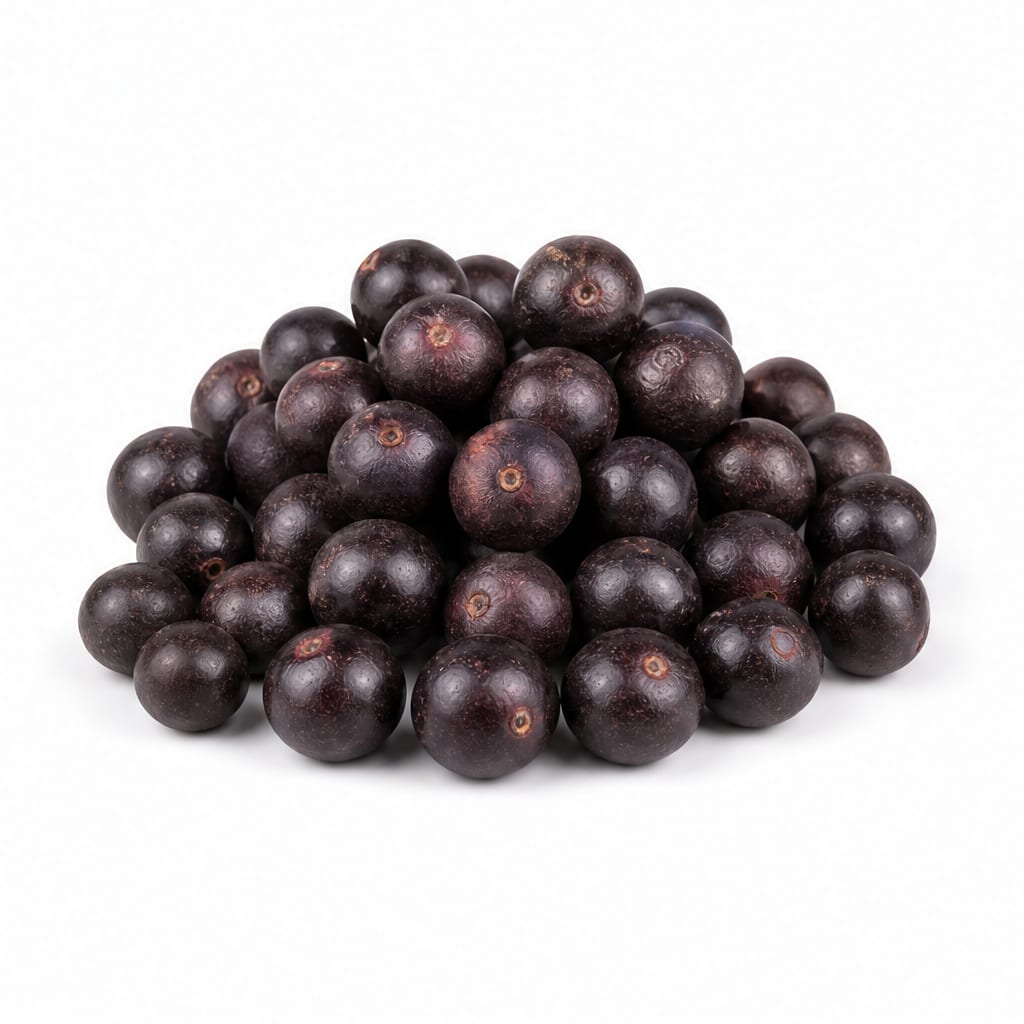
Compare with
Acai Berry
Acai is higher in healthy fats and often consumed as a puree, while marionberries are higher in fiber and eaten whole.
Marionberries are better for weight loss and blood sugar due to low calories and high fiber, whereas acai provides unique fats but is more calorie-dense.
This food
Marionberry
VS55% alike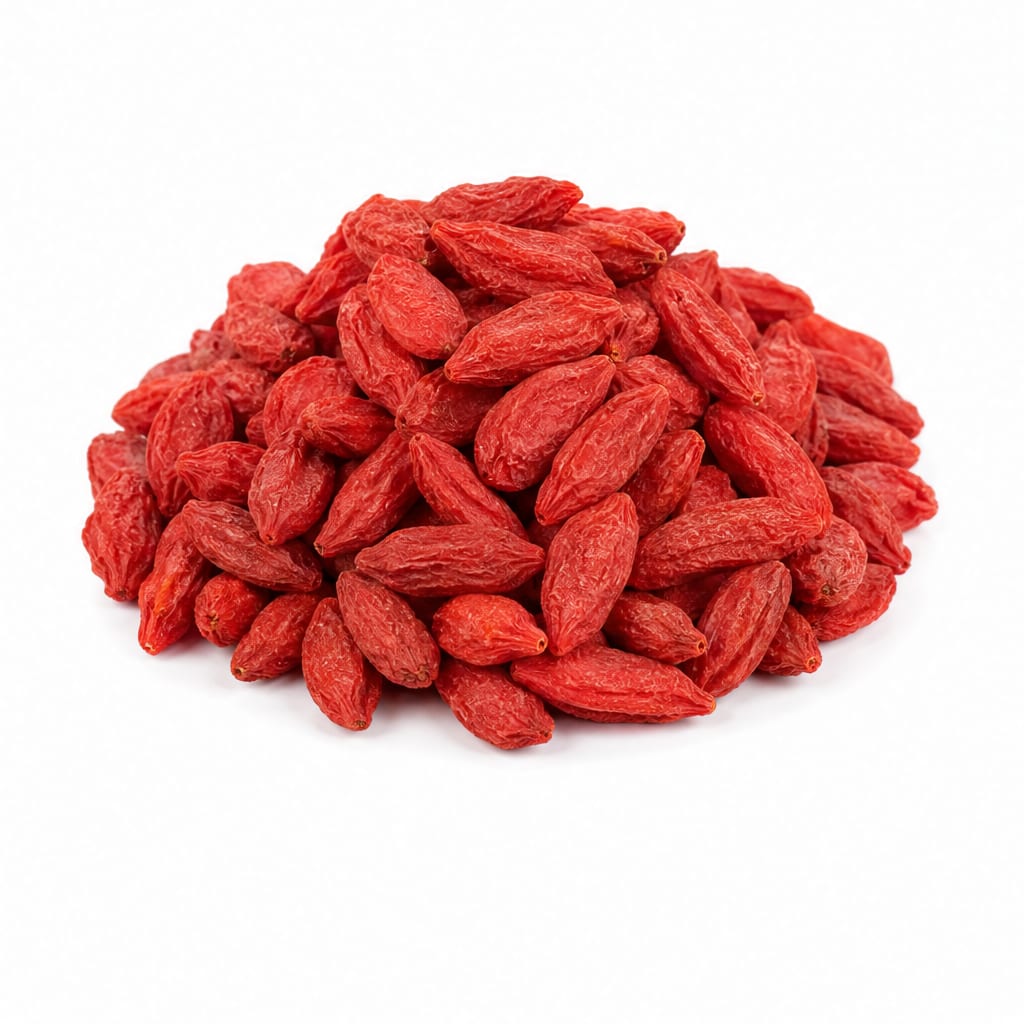
Compare with
Goji Berry
Goji berries are usually dried, concentrating their sugar and calories, while fresh marionberries are low in energy density.
Fresh marionberries are far better for blood sugar and weight loss than dried goji berries, which are concentrated in sugar and calories.
This food
Marionberry
VS50% alike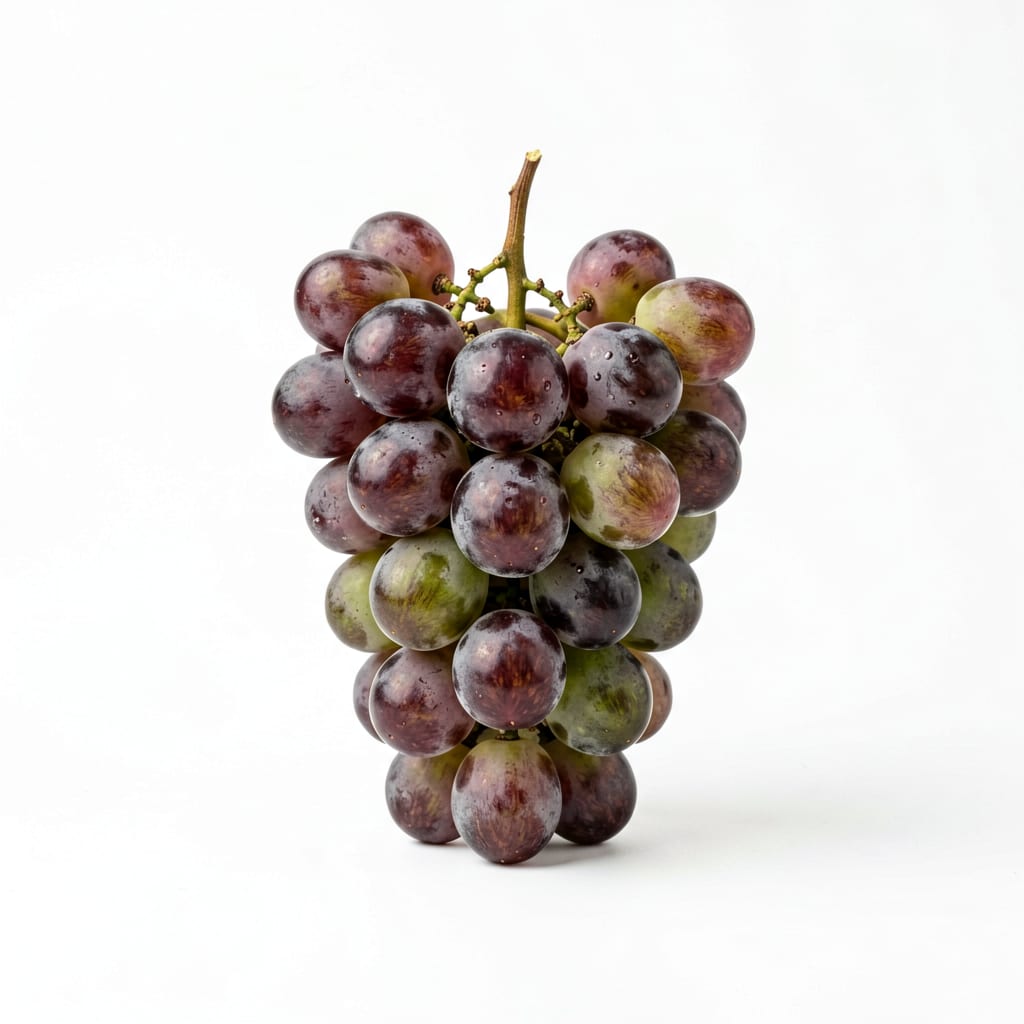
Compare with
Grape
Grapes are much higher in sugar and lower in fiber, making marionberries the superior choice for metabolic health.
Marionberries are far better for blood sugar and satiety than grapes, which contain significantly more sugar and less fiber.
This food
Marionberry
VS70% alike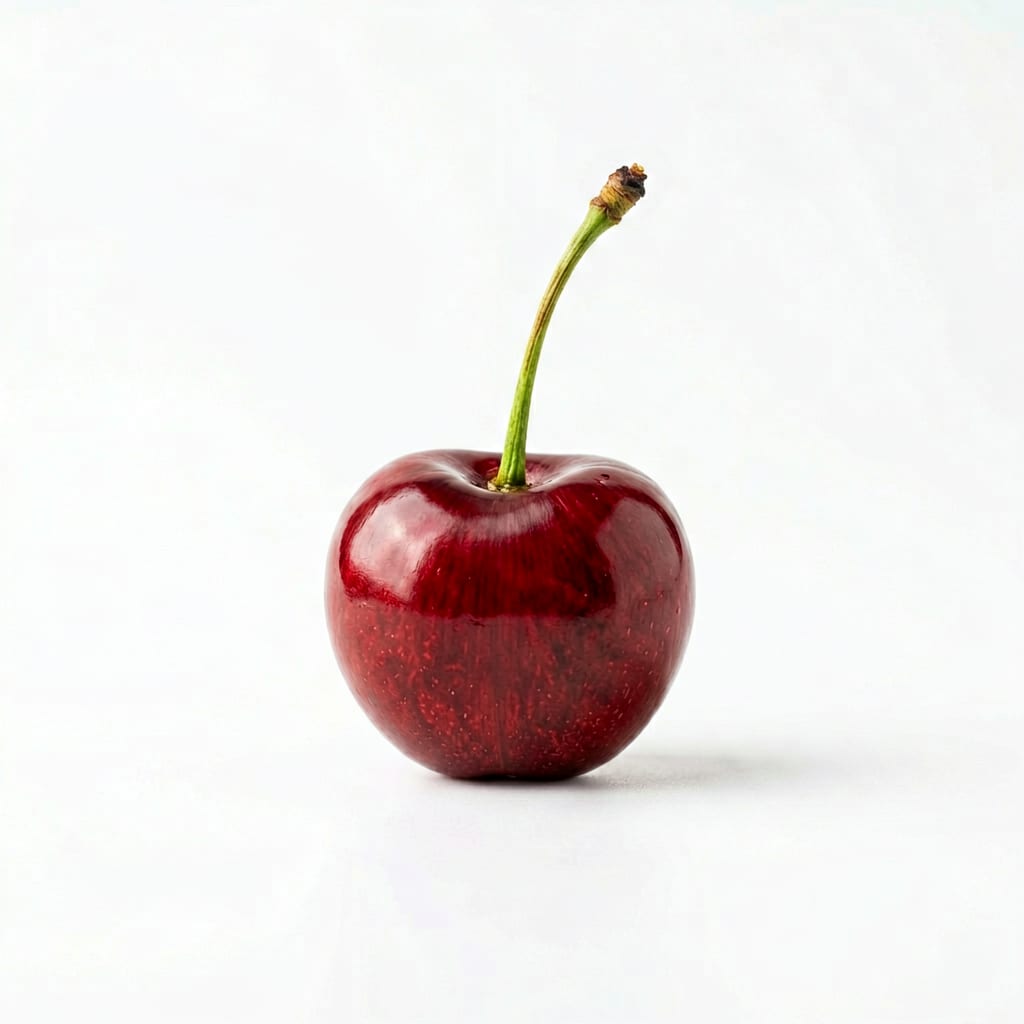
Compare with
Cherry
Cherries offer anti-inflammatory benefits and faster energy, but marionberries provide better fiber and lower glycemic impact.
Marionberries provide more fiber and a lower glycemic load than cherries, making them better for blood sugar, while cherries offer quicker workout energy.
Common questions
FAQ
Answers aligned with how people search for this food.
Are marionberries good for weight loss?
Yes, marionberries are excellent for weight loss. They are very low in calories but high in fiber and water, which helps you feel full without overeating.
Is marionberry the same as blackberry?
A marionberry is a specific type of blackberry. It is a cultivar developed in Oregon from a cross between the Chehalem and Olallie blackberries, known for a more complex, tart-sweet flavor.
Can diabetics eat marionberries?
Yes, diabetics can safely eat fresh marionberries. They have a low glycemic index and high fiber content, which prevents rapid blood sugar spikes.
Are marionberries high in sugar?
Fresh marionberries are relatively low in sugar, containing about 5 grams per 100 grams. However, marionberry jams, syrups, and pies are very high in added sugar.
What are the health benefits of marionberries?
Marionberries are rich in antioxidants, particularly anthocyanins, which protect cells from damage. They also support digestive health through high fiber content and promote heart health.
How should I store fresh marionberries?
Store fresh marionberries in the refrigerator and eat them within a few days. Do not wash them until right before eating to prevent mold and mushiness.
Are marionberries high in pesticides?
Like most berries, conventionally grown marionberries can have moderate pesticide residues. Buying organic or washing them thoroughly under cold water can reduce this risk.
Transparency
Data confidence
Estimated confidence for nutrition data, interpretation, safety notes, and comparisons.
Nutrition data
Health analysis
Food safety
Comparisons