
Nutrition comparison
Marionberry vs Blackberry: Which Berry Is Actually Better for You?
Marionberry and blackberry are nutritional near-twins, but differences in sweetness, availability, and sugar content might sway your choice. Here's the honest comparison.
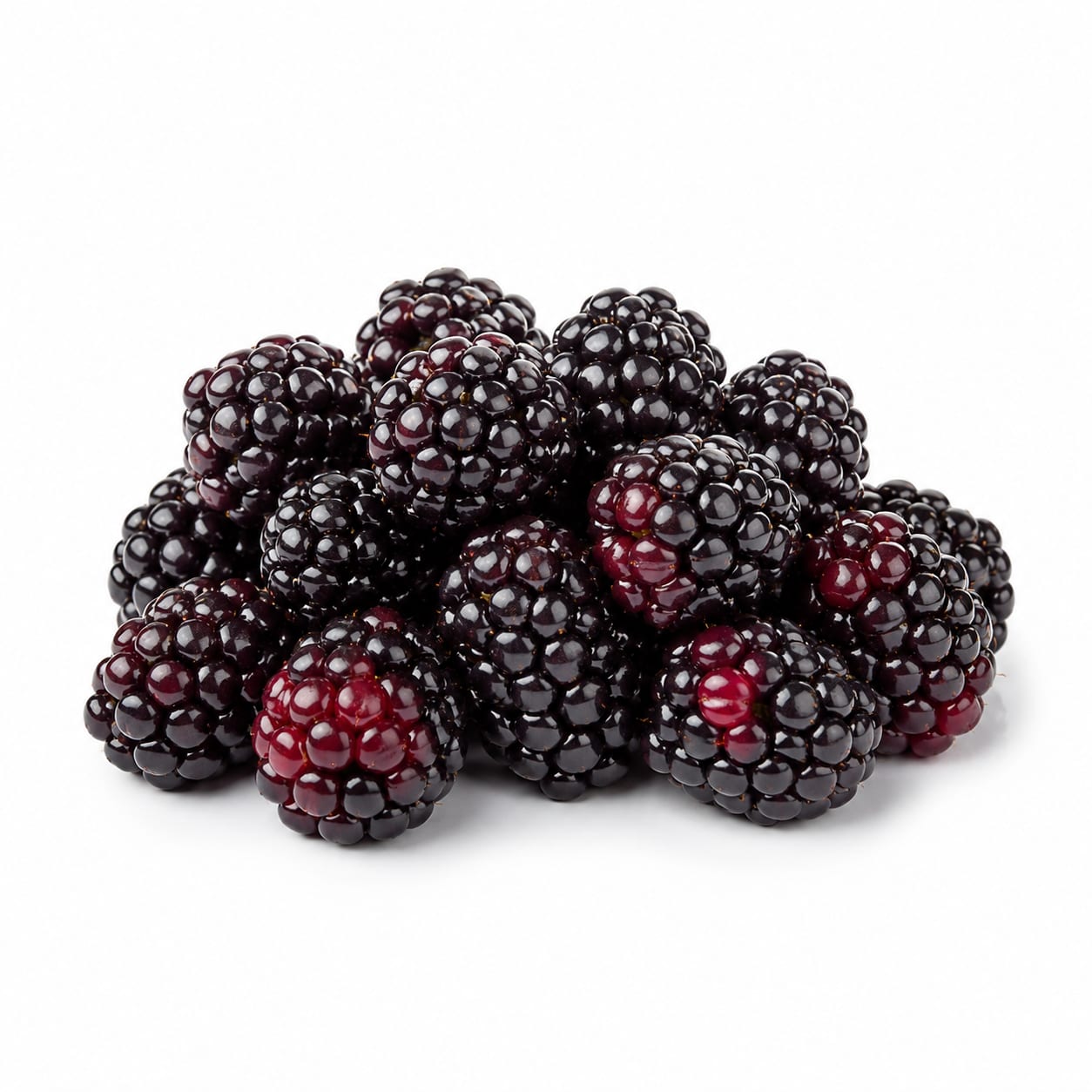
Marionberry
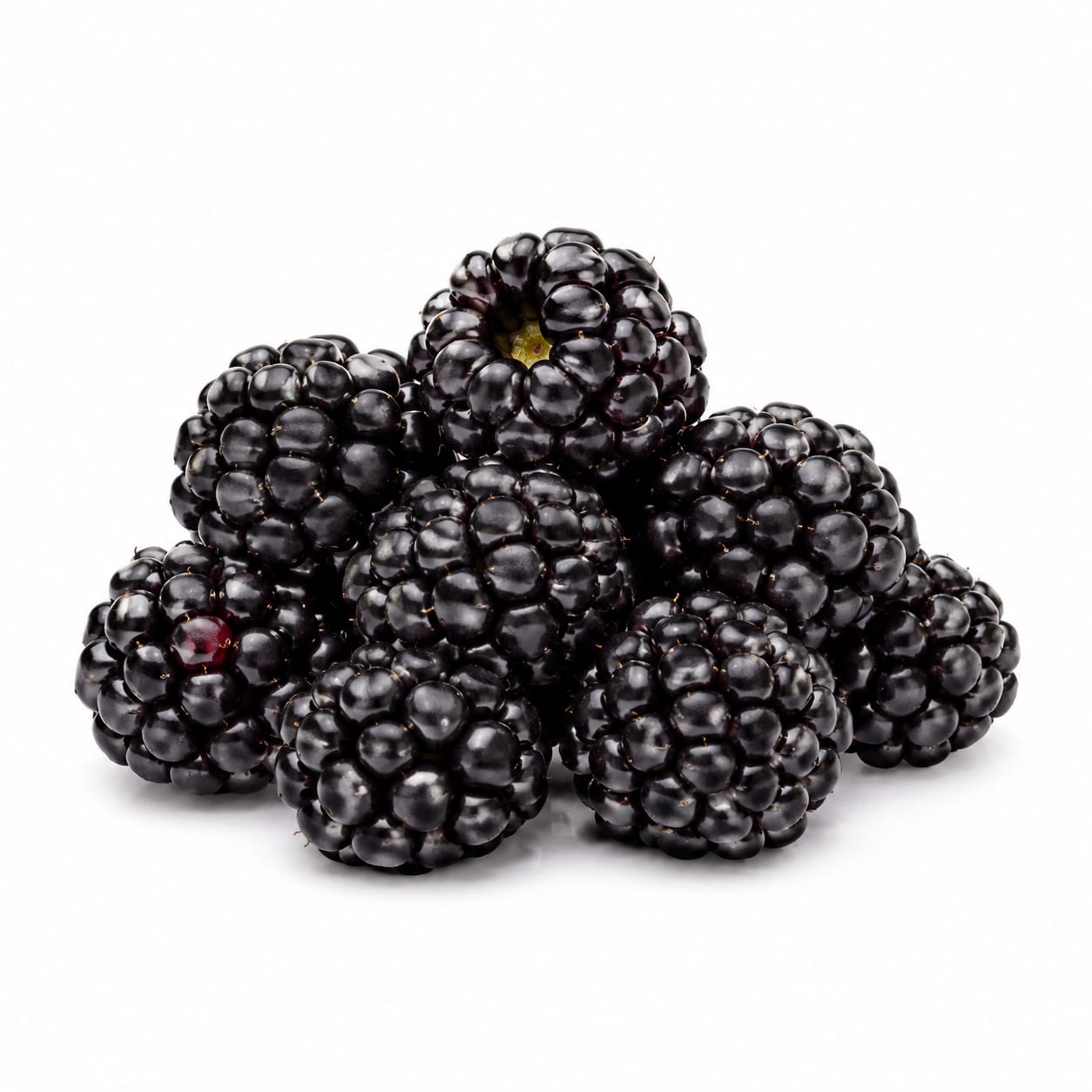
Blackberry
These are close cousins — Marionberry is actually a blackberry cultivar — so nutrition is nearly identical. The real choice comes down to flavor preference and availability.
Blackberry scores slightly higher mainly due to wider availability and lower sugar content. Marionberry wins on flavor complexity but loses practicality points. The nutritional gap is tiny.
Marionberry delivers a sweeter, more complex flavor but is harder to find outside the Pacific Northwest. Blackberry is easier to buy year-round with a classic tart edge.
At a glance
Executive summary
Overall
It depends
Healthier
It depends
More practical
Blackberry
Daily use
Blackberry
Key comparison lenses
Flavor and sweetness preference
Marionberry is notably sweeter and more complex than standard blackberry, which drives most consumer choice between them
Availability and practicality
Marionberry is regional and seasonal while blackberry is widely available year-round, a major real-world deciding factor
Sugar and blood sugar impact
Marionberry's extra sweetness means slightly more sugar, relevant for those monitoring intake
Antioxidant and polyphenol profile
Both are antioxidant powerhouses but subtle differences in anthocyanin composition may matter to some
Culinary versatility
Different sweetness and tartness levels make each better suited to specific recipes
Best choice for
Marionberry
- Those who want a sweeter, richer berry experience
- Home bakers making pies, jams, or desserts where sweetness matters
- Pacific Northwest locals with easy farm access
- Anyone seeking a more complex, wine-like flavor
Blackberry
- People who want reliable year-round availability
- Those who prefer a tart, balanced berry flavor
- Grocery shoppers outside Oregon and Washington
- Meal preppers who need consistency week to week
Least suitable for
Marionberry
- Anyone outside the Pacific Northwest wanting easy grocery access
- Strict sugar minimizers who prefer tarter fruit
- Those needing a berry available in winter months
Blackberry
- People who find standard blackberries too tart
- Bakers wanting maximum natural sweetness without added sugar
- Those seeking a unique, artisanal fruit experience
Deep comparison
Dimension by dimension
Each lens scores both foods and breaks down who each option suits.
- Dimension 1 · Priority 90Marionberry
Flavor and eating enjoyment
Marionberry · 92Blackberry · 78Marionberry is sweeter, juicier, and has a deeper, more complex flavor often described as wine-like or earthy.
Tradeoff
That sweetness comes from slightly more natural sugar, which may not suit everyone's goals.
Why it matters
If you actually enjoy eating the fruit, you're more likely to eat it consistently. Flavor drives long-term habits.
Real-world impact
A bowl of Marionberries feels like a treat. Standard blackberries may need a drizzle of honey or yogurt to feel as satisfying.
Marionberry
- Dessert recipes where you want natural sweetness
- Snacking straight from the container
- Kids who reject tart fruit
Better for
- Dishes needing tart balance like vinaigrettes
Worse for
Blackberry
- Savory dishes where tartness balances richness
- Smoothies where you control sweetness separately
- People who enjoy a bright, acidic bite
Better for
- Pies and jams requiring extra added sugar
Worse for
- Dimension 2 · Priority 85Blackberry
Availability and convenience
Marionberry · 45Blackberry · 90Blackberries are in nearly every grocery store year-round. Marionberries are mostly found fresh in the Pacific Northwest during mid-summer.
Tradeoff
You can get frozen Marionberries more broadly, but fresh access is very limited geographically.
Why it matters
The healthiest food is the one you can actually buy. Limited access means fewer opportunities to eat it.
Real-world impact
If you live in Oregon in July, Marionberry is everywhere. If you live anywhere else in February, you're reaching for blackberries.
Marionberry
- Pacific Northwest residents during summer
- Farmers market shoppers in berry country
- Online shoppers comfortable with frozen delivery
Better for
- Weeknight grocery runs in most of the country
- Winter berry cravings
Worse for
Blackberry
- Anyone shopping at a standard grocery store
- People who want berries in off-season months
- Those who value convenience over specialty items
Better for
- Locavores in Oregon wanting the regional specialty
Worse for
- Dimension 3 · Priority 70Blackberry
Sugar content and blood sugar impact
Marionberry · 68Blackberry · 76Marionberry's extra sweetness reflects a modestly higher sugar content. Blackberry's tartness means slightly less sugar per serving.
Tradeoff
The difference is small — roughly 1-2 grams per cup — but can add up for strict sugar watchers.
Why it matters
For most people this gap is negligible. For diabetics or keto adherents, even small differences matter.
Real-world impact
A cup of blackberries sits a little lighter on your blood sugar. Marionberries may cause a slightly quicker rise, but fiber in both helps buffer it.
Marionberry
- Active people who burn through carbs easily
- Those using berries as pre-workout fuel
Better for
- Diabetics being very strict about sugar grams
Worse for
Blackberry
- People monitoring blood sugar closely
- Low-carb or keto dieters counting every gram
- Those who find sweeter fruit triggers cravings
Better for
- Endurance athletes wanting quick natural energy
Worse for
- Dimension 4 · Priority 65It depends
Antioxidant and nutrient density
Marionberry · 82Blackberry · 80Both are elite antioxidant sources. Marionberry may edge ahead in certain anthocyanins due to its deeper color, but the difference is marginal.
Tradeoff
Neither has a meaningful nutritional advantage. Both outperform most other fruits in this category.
Why it matters
Antioxidants from berries are one of the clearest health benefits in nutrition science. Both deliver impressively.
Real-world impact
Eating either berry regularly supports heart health, brain function, and inflammation reduction. The gap between them is not worth stressing over.
Marionberry
- Maximizing anthocyanin variety in your diet
- Those who eat berries specifically for anti-aging benefits
Better for
- People paying premium prices for negligible antioxidant gains
Worse for
Blackberry
- Anyone already getting diverse berry intake
- Practical daily antioxidant support
Better for
- Those seeking the most potent single berry source
Worse for
- Dimension 5 · Priority 60It depends
Fiber and digestive health
Marionberry · 79Blackberry · 80Both deliver roughly 7-8 grams of fiber per cup. The difference is statistically insignificant.
Tradeoff
Neither berry is meaningfully better for digestion. Both are excellent high-fiber fruit choices.
Why it matters
Fiber keeps you full, stabilizes blood sugar, and feeds gut bacteria. Both berries are top-tier fiber sources.
Real-world impact
A cup of either berry with breakfast keeps you satisfied until lunch. No real winner here.
Marionberry
- No meaningful advantage over blackberry
Better for
- Nothing notable
Worse for
Blackberry
- No meaningful advantage over Marionberry
Better for
- Nothing notable
Worse for
Timeline
Health impact over time
Short-term
Hours to days
Marionberry
- Satisfying sweet craving without processed sugar
- Quick natural energy from slightly higher carbohydrate content
- Mild blood sugar rise buffered by high fiber
Blackberry
- Slightly steadier blood sugar response
- Tart flavor can feel refreshing and palate-cleansing
- Good satiety from fiber with marginally less sugar load
Long-term
Months to years
Marionberry
- Consistent antioxidant intake supports cardiovascular and cognitive health
- Higher sugar exposure is minimal but cumulative over years
- If limited access leads to inconsistent intake, long-term benefits diminish
Blackberry
- Reliable year-round access supports consistent daily berry consumption
- Slightly lower sugar intake over years may benefit metabolic health
- Strong antioxidant habit without availability barriers
Risk profile
Safety & processing
Both are whole, unprocessed fruits. Fresh or frozen, neither carries additive concerns. The only processing risk is if you encounter them in jams or syrups, which are very different products.
Marionberry
Pesticide residue
mediumLike all berries, Marionberries are thin-skinned and can carry pesticide residue. Organic options are worth seeking, especially for children.
Mold and spoilage
mediumMarionberries are juicier and more delicate than standard blackberries, meaning they mold faster. Use within 1-2 days of purchase.
Blackberry
Pesticide residue
mediumBlackberries consistently appear on EWG's higher-pesticide lists. Washing helps but cannot remove all residue. Organic is preferable.
Contamination during harvesting
lowMechanically harvested blackberries can occasionally carry debris. Always rinse thoroughly before eating.
Who wins for whom
Audience fit
Same foods, different winners depending on your goal.
children
MarionberryKids often reject tart fruit. Marionberry's natural sweetness makes it more appealing without adding sugar.
daily consumption
BlackberryConsistent availability and balanced nutrition make blackberry the more practical daily staple.
diabetes
BlackberryLower sugar content and identical fiber give blackberries a slight edge for blood sugar management, though both are solid choices.
elderly
BlackberryEasier to find consistently, and the slightly lower sugar profile is beneficial for older adults managing metabolic health.
muscle gain
It dependsNeither berry is a protein source. Both offer antioxidants that support recovery. Choice is irrelevant for muscle goals.
weight loss
BlackberrySlightly less sugar and equal fiber make blackberries a marginally better choice for calorie-conscious eaters, but the difference is tiny.
Your move
Decision guide
Choose Marionberry
- You live in or near the Pacific Northwest during berry season
- You want the sweetest, most complex berry flavor available
- You're baking and want to reduce added sugar
- You can find frozen Marionberries and don't mind the premium price
Choose Blackberry
- You want reliable access at any grocery store year-round
- You prefer a tart, balanced flavor over sweetness
- You're watching sugar intake closely
- You need a consistent daily berry without specialty shopping
Either works if
- You just want antioxidant-rich fruit and both are available
- You're blending into a smoothie where flavor differences disappear
- You're mixing into oatmeal or yogurt with other toppings
- You're focused on fiber intake specifically
Avoid both if
- You have a salicylate sensitivity, as berries are high in salicylates
- You're on a very strict low-FODMAP elimination phase
- You're allergic to berries or have oral allergy syndrome with birch pollen
Final recommendation
Eat whichever one you can actually get your hands on. The nutritional gap between Marionberry and blackberry is so small that consistency matters far more than choosing the 'right' one. If you're in Oregon in July, grab Marionberries and enjoy the magic. If you're anywhere else, blackberries are an excellent daily choice that delivers nearly identical health benefits.
Practical
Consumer tips
- 1
Buy organic when possible — both berries are thin-skinned and retain pesticide residue
- 2
Freeze extras immediately if you find fresh Marionberries, as they spoil within 48 hours
- 3
Blackberries from the store are often underripe — look for deep purple-black color with no red patches
- 4
Frozen berries are just as nutritious as fresh and often more practical for smoothies and oatmeal
- 5
If choosing frozen Marionberries, check that the ingredient list contains only Marionberries with no added sugar
- 6
Local farmers markets in summer will give you the best flavor and ripeness for either berry