
Nutrition comparison
Boysenberry vs Marionberry: Nutrition, Antioxidants, and Flavor Compared
Marionberry vs Boysenberry comparison covering antioxidants, sugar, fiber, flavor, and availability. Learn which berry is healthier and which fits your lifestyle best.
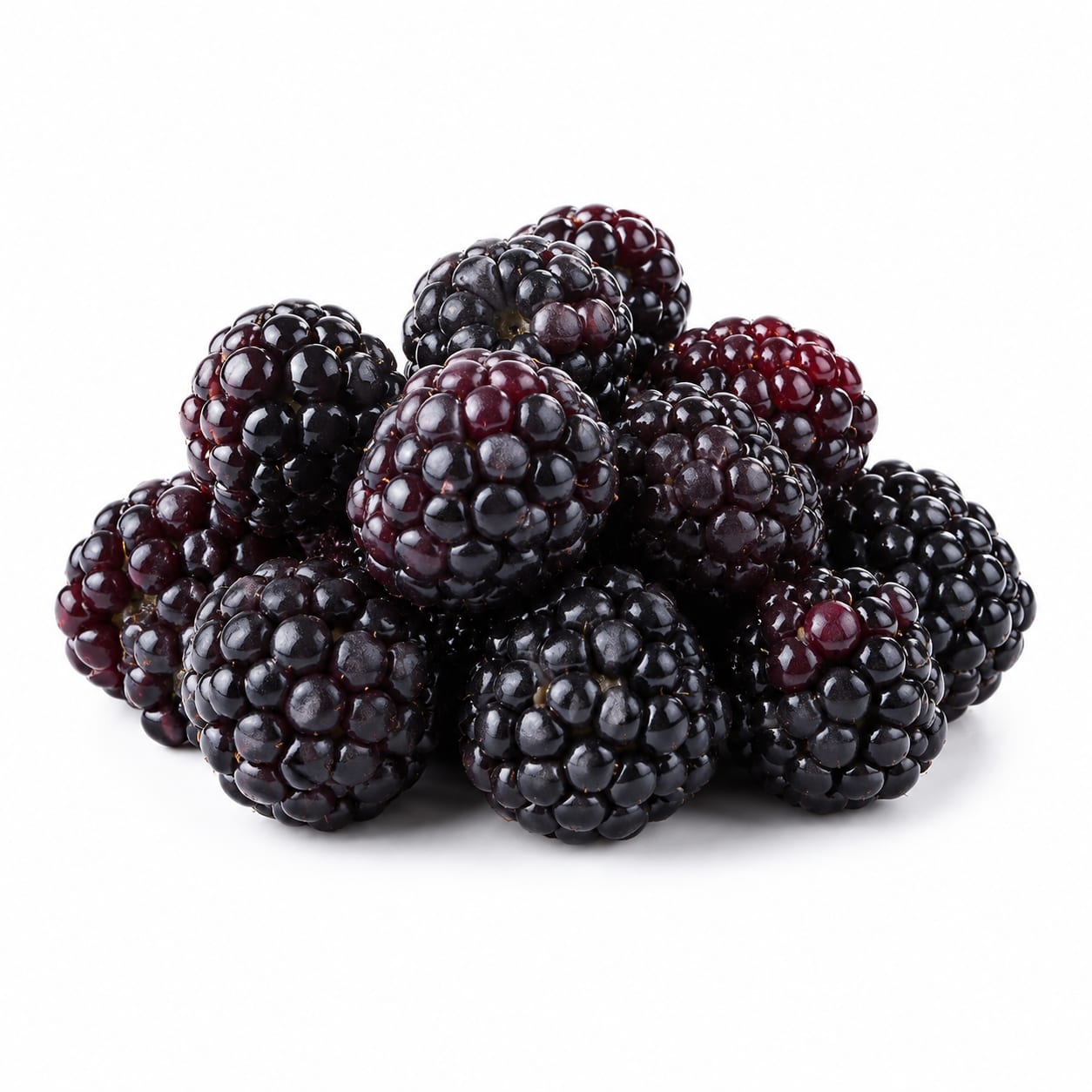
Boysenberry
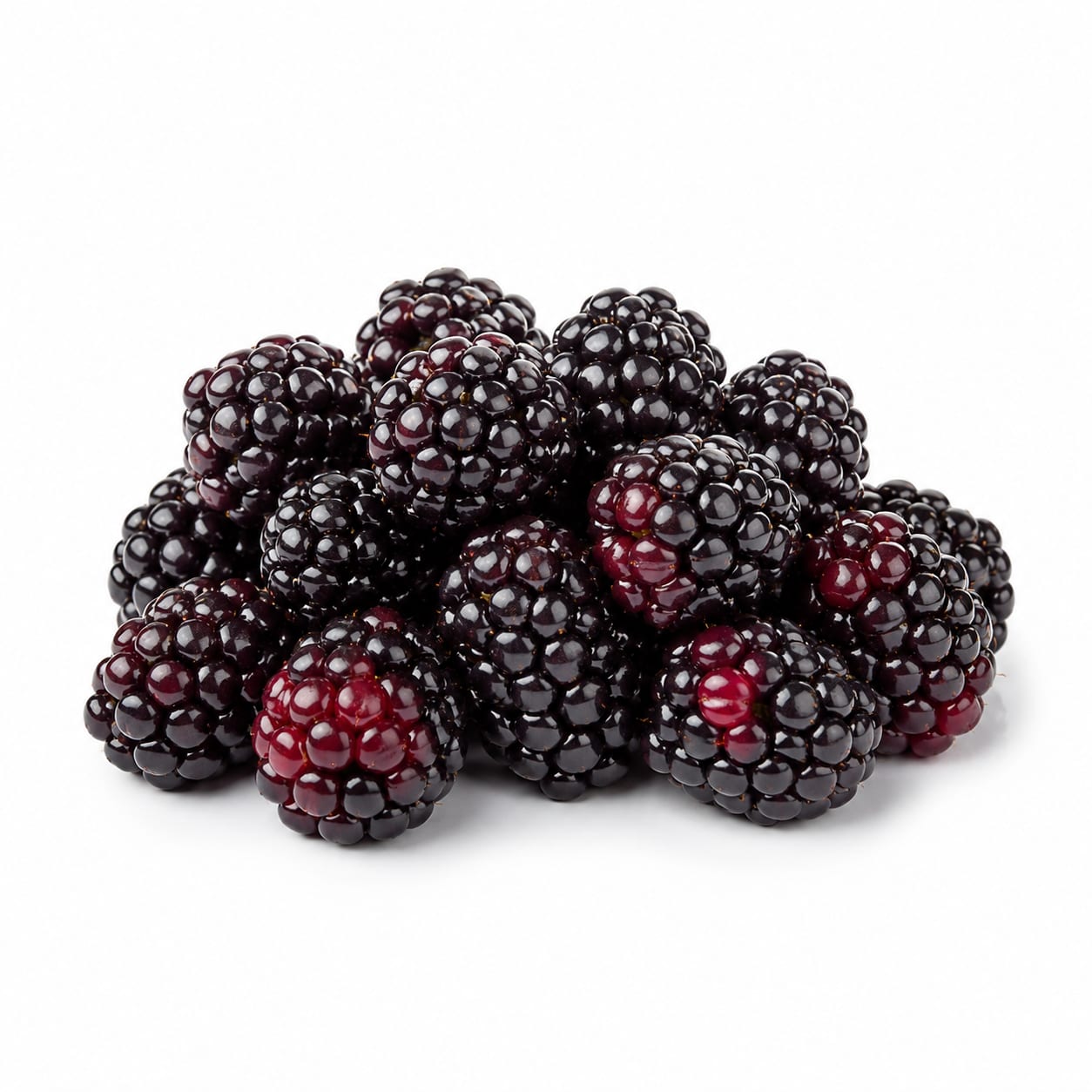
Marionberry
Marionberry edges ahead on antioxidant density and flavor complexity, while Boysenberry offers a tarter profile with slightly lower sugar and broader availability.
Marionberry scores slightly higher due to superior antioxidant density and flavor complexity, but the gap is modest because Boysenberry offers better availability and lower sugar. Confidence is moderate because nutritional differences between closely related berries are subtle and growing conditions vary significantly.
Marionberry delivers richer sweetness and deeper anthocyanin content but is harder to find fresh outside the Pacific Northwest; Boysenberry is more accessible and less sweet but less nutritionally concentrated.
At a glance
Executive summary
Overall
It depends
Healthier
Marionberry
More practical
Boysenberry
Daily use
Boysenberry
Key comparison lenses
Antioxidant potency and phytonutrient density
Both berries are prized for their deep pigmentation and anthocyanin content, making antioxidant comparison the primary decision driver
Flavor profile and culinary use
Marionberry is renowned as the 'cabernet of blackberries' while Boysenberry offers a distinct tart-sweet balance that changes how each is used in cooking
Availability and practical access
Marionberry is heavily regional to the Pacific Northwest while Boysenberry has slightly broader distribution, affecting real-world usability
Sugar content and blood sugar impact
Marionberry tends to be sweeter, which matters for those monitoring sugar intake
Fiber and digestive benefits
Both are good fiber sources but subtle differences affect satiety and gut health
Best choice for
Boysenberry
- People outside the Pacific Northwest who need reliable access
- Those preferring lower-sugar fruit options
- Bakers wanting a tart-sweet berry that holds structure
- Budget-conscious shoppers seeking berry benefits
Marionberry
- Antioxidant maximizers seeking the richest anthocyanin source
- Flavor enthusiasts wanting the most complex berry experience
- Pacific Northwest residents with farm-direct access
- Jam and preserve makers prioritizing deep flavor
Least suitable for
Boysenberry
- Those seeking the absolute highest antioxidant concentration per serving
- People wanting a dessert-sweet berry without added sugar
Marionberry
- Shoppers in regions where Marionberry is unavailable fresh
- Those strictly limiting fruit sugar who prefer tarter options
Deep comparison
Dimension by dimension
Each lens scores both foods and breaks down who each option suits.
- Dimension 1 · Priority 92Marionberry
Antioxidant and Phytonutrient Density
Boysenberry · 72Marionberry · 88Marionberry packs more anthocyanins per serving thanks to its darker pigmentation and denser seed-to-pulp ratio.
Tradeoff
Boysenberry still delivers strong antioxidant value but has less of the deep purple compounds linked to anti-inflammatory benefits.
Why it matters
Higher anthocyanin intake correlates with better cardiovascular and cognitive outcomes over time.
Real-world impact
Eating Marionberry regularly may offer slightly more protection against oxidative stress, though both berries outperform most other fruits.
Boysenberry
- Still excellent antioxidant source compared to most fruits
Better for
- Lower total anthocyanin load than Marionberry
Worse for
Marionberry
- Maximum anthocyanin concentration per calorie
- Stronger potential anti-inflammatory impact
Better for
- Marginal advantage that may not matter without consistent daily intake
Worse for
- Dimension 2 · Priority 70Boysenberry
Sugar Content and Blood Sugar Impact
Boysenberry · 78Marionberry · 68Boysenberry is slightly less sweet with marginally lower sugar per serving, making it gentler on blood sugar.
Tradeoff
Marionberry's extra sweetness makes it more satisfying as a standalone snack but slightly less ideal for strict sugar management.
Why it matters
Even small sugar differences in fruit matter for diabetics, metabolic syndrome patients, and those tracking glycemic load.
Real-world impact
A bowl of Boysenberry feels lighter and less likely to trigger a sugar craving cycle; Marionberry tastes more like a treat.
Boysenberry
- Lower sugar per serving
- Better fit for low-glycemic eating patterns
Better for
- May feel too tart to eat plain without sweetening
Worse for
Marionberry
- More naturally satisfying as a dessert replacement
Better for
- Higher sugar may be a concern for glucose-sensitive individuals
Worse for
- Dimension 3 · Priority 65Marionberry
Fiber and Satiety
Boysenberry · 70Marionberry · 76Marionberry has slightly more dietary fiber per serving due to its denser seed content and smaller drupelet structure.
Tradeoff
The fiber difference is small and both berries are strong fiber sources compared to most fruits.
Why it matters
Fiber slows sugar absorption and keeps you full longer, making either berry a solid choice for sustained energy.
Real-world impact
A Marionberry snack may keep you slightly more satisfied between meals, but both beat out most other fruit options.
Boysenberry
- Still provides excellent fiber per calorie
Better for
- Marginally less filling than Marionberry
Worse for
Marionberry
- Slightly more fiber per serving
- Seeds contribute to longer-lasting fullness
Better for
- Seed density can bother those with diverticular sensitivity
Worse for
- Dimension 4 · Priority 85Marionberry
Flavor and Culinary Versatility
Boysenberry · 74Marionberry · 86Marionberry offers a more complex, wine-like flavor with balanced sweetness that chefs and home cooks prize.
Tradeoff
Boysenberry's tartness makes it more versatile for savory applications but less rewarding as a raw snack.
Why it matters
Flavor determines whether you actually eat the berry regularly or let it spoil in the fridge.
Real-world impact
Marionberry is the berry people look forward to eating; Boysenberry is the one that works better in recipes where sweetness is adjusted.
Boysenberry
- Excellent in pies and tarts where tartness balances sugar
- Works well in savory sauces and vinaigrettes
Better for
- Can taste too sour when eaten plain
Worse for
Marionberry
- Outstanding raw eating experience
- Superior for jams, syrups, and preserves
- More complex flavor that stands on its own
Better for
- Overpowers delicate dishes where subtlety is needed
Worse for
- Dimension 5 · Priority 78Boysenberry
Availability and Practical Access
Boysenberry · 80Marionberry · 55Boysenberry has wider commercial distribution while Marionberry remains heavily concentrated in Oregon and the Pacific Northwest.
Tradeoff
You can find Boysenberry products in most grocery stores nationwide; fresh Marionberry is essentially a regional specialty.
Why it matters
The healthiest berry is the one you can actually buy and eat consistently.
Real-world impact
Most Americans will encounter Boysenberry in stores far more often, making it the pragmatic choice despite Marionberry's nutritional edge.
Boysenberry
- Available frozen and in products nationwide
- Easier to find fresh in diverse regions
Better for
- Still not as common as blueberries or strawberries
Worse for
Marionberry
- Farm-direct and farmers market access in Oregon is excellent
Better for
- Very difficult to find fresh outside Pacific Northwest
- Limited commercial product distribution
Worse for
- Dimension 6 · Priority 60Marionberry
Vitamin and Mineral Profile
Boysenberry · 71Marionberry · 76Marionberry has slightly higher vitamin C and manganese content per serving, though both are strong micronutrient sources.
Tradeoff
The vitamin difference is modest and unlikely to be clinically significant unless berries are your primary fruit source.
Why it matters
Vitamin C supports immune function and iron absorption; manganese aids bone health and metabolism.
Real-world impact
Both berries contribute meaningfully to daily vitamin needs, but Marionberry gives a slight edge in immune support.
Boysenberry
- Good vitamin C and K content
Better for
- Marginally lower micronutrient density
Worse for
Marionberry
- Higher vitamin C per serving
- More manganese for bone and metabolic support
Better for
- Advantage is small and diet-dependent
Worse for
Timeline
Health impact over time
Short-term
Hours to days
Boysenberry
- Moderate blood sugar rise due to natural sugars with fiber buffering
- Tart flavor may reduce likelihood of overeating
- Quick antioxidant boost supporting post-meal oxidative balance
Marionberry
- Slightly higher blood sugar response from increased sweetness
- More satisfying flavor may improve mood and snack satisfaction
- Stronger immediate anti-inflammatory signal from anthocyanins
Long-term
Months to years
Boysenberry
- Consistent antioxidant intake supporting cardiovascular health
- Lower cumulative sugar exposure beneficial for metabolic health
- Fiber supporting gut microbiome diversity over time
Marionberry
- Superior anthocyanin intake linked to better cognitive aging outcomes
- Higher fiber supporting digestive regularity and satiety long-term
- Slightly greater cumulative anti-inflammatory protection
Risk profile
Safety & processing
Both berries are whole foods with minimal processing concerns when purchased fresh or frozen without added sugars. The main risk comes from processed products like jams and syrups that add significant sugar.
Boysenberry
Pesticide residue on conventional crops
mediumLike all berries, Boysenberry is a pesticide-heavy crop. Choose organic when possible, especially for children.
Mold and spoilage
mediumBerries spoil quickly. Inspect for mold and consume within days of purchase or freeze promptly.
Marionberry
Pesticide residue on conventional crops
mediumMarionberry shares the same pesticide concerns as other berries. Organic is preferable.
Mold and spoilage
mediumHighly perishable like all delicate berries. Refrigerate immediately and use within a few days.
Seed-related digestive irritation
lowDense seed content may irritate those with diverticulitis or sensitive digestive tracts.
Who wins for whom
Audience fit
Same foods, different winners depending on your goal.
children
MarionberryMarionberry's sweeter, more approachable flavor makes kids more likely to actually eat it, and the antioxidant benefits support developing immune systems.
daily consumption
BoysenberryBetter availability and lower sugar make Boysenberry more sustainable as a daily habit for most people.
diabetes
BoysenberrySlightly lower sugar content and less sweetness make Boysenberry marginally gentler on blood glucose.
elderly
MarionberryHigher anthocyanin content supports cognitive health and vascular function, which are priority concerns in aging.
muscle gain
It dependsNeither berry is a significant protein source. Both offer similar antioxidant recovery benefits post-workout.
weight loss
BoysenberryBoysenberry's lower sugar and tart flavor make it easier to enjoy without triggering cravings or overconsumption.
Your move
Decision guide
Choose Boysenberry
- You live outside the Pacific Northwest and want reliable access
- You prefer tarter fruit or are monitoring sugar intake
- You want a berry that works in both sweet and savory dishes
- You find Marionberry too sweet or one-dimensional
Choose Marionberry
- You have access to fresh or frozen Marionberry locally
- You want maximum antioxidant impact per serving
- Flavor is a top priority and you eat berries as standalone snacks
- You make homemade preserves and want the richest result
Either works if
- You just want a high-antioxidant berry and both are available
- You are mixing berries into smoothies where differences fade
- You prioritize organic sourcing over specific berry type
Avoid both if
- You have a severe berry allergy or salicylate sensitivity
- You are on a very low-fiber diet for digestive recovery
Final recommendation
If you can get fresh Marionberry, choose it for the superior flavor and antioxidant density. If access is limited, Boysenberry is an excellent berry that delivers most of the same benefits with better availability and slightly less sugar. The nutritional gap between them is small enough that the best choice is whichever you will actually eat consistently.
Practical
Consumer tips
- 1
Buy frozen berries when fresh are unavailable — frozen Marionberry retains most of its antioxidant content and is easier to find nationwide
- 2
Choose organic for both berries to avoid pesticide exposure, as berries consistently rank high on pesticide residue lists
- 3
Add a splash of lemon juice to Boysenberry if eating plain — the acid enhances sweetness perception without adding sugar
- 4
Freeze berries on a sheet pan first before bagging to prevent clumping and make portion control easier
- 5
Marionberry jam often contains less added sugar than other berry jams because the fruit is naturally sweeter — still check labels