
Nutrition comparison
Marionberry vs Raspberry: Which Berry Is Healthier for You?
Compare Marionberry vs Raspberry on antioxidants, sugar, fiber, and daily practicality. Find out which berry fits your health goals and lifestyle better.
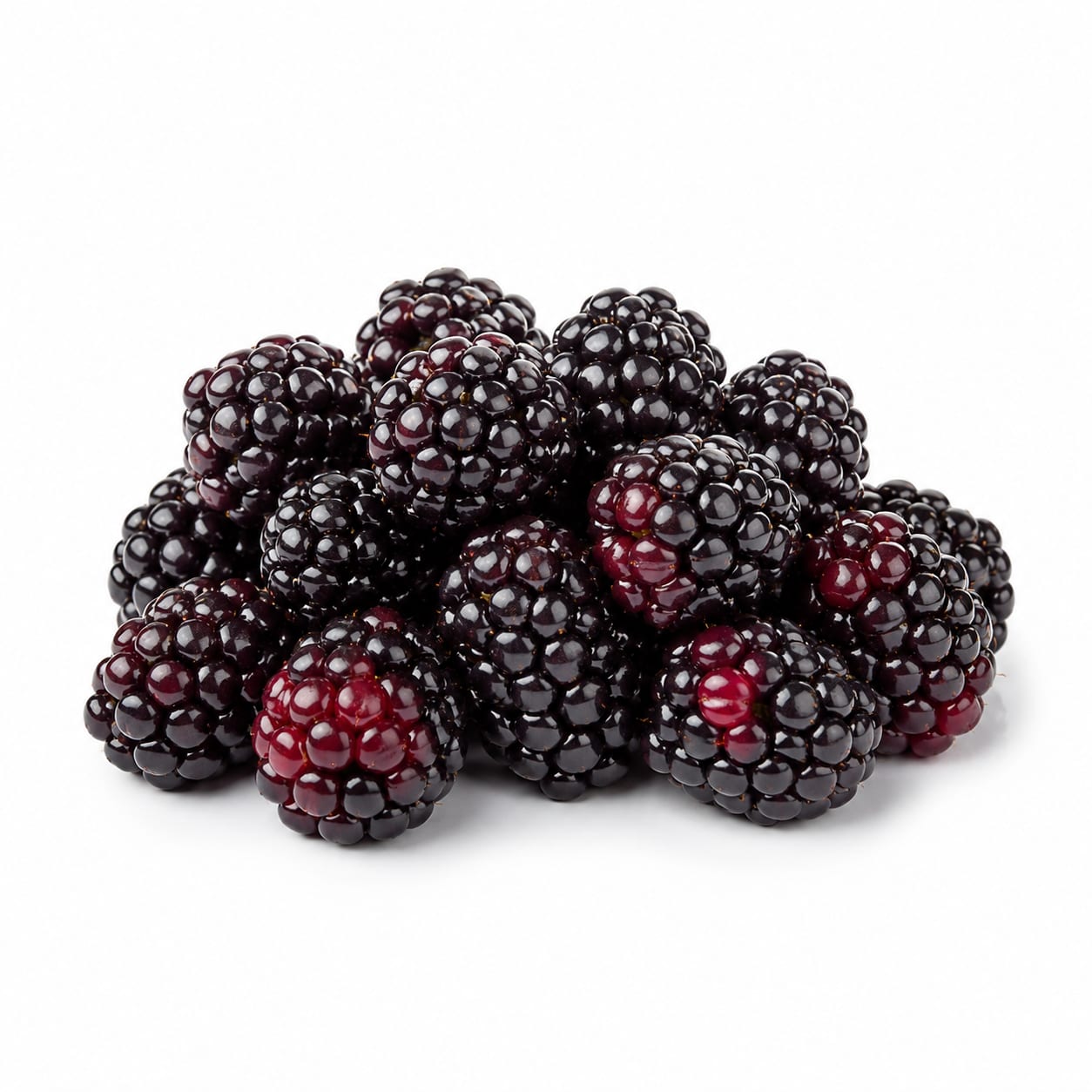
Marionberry
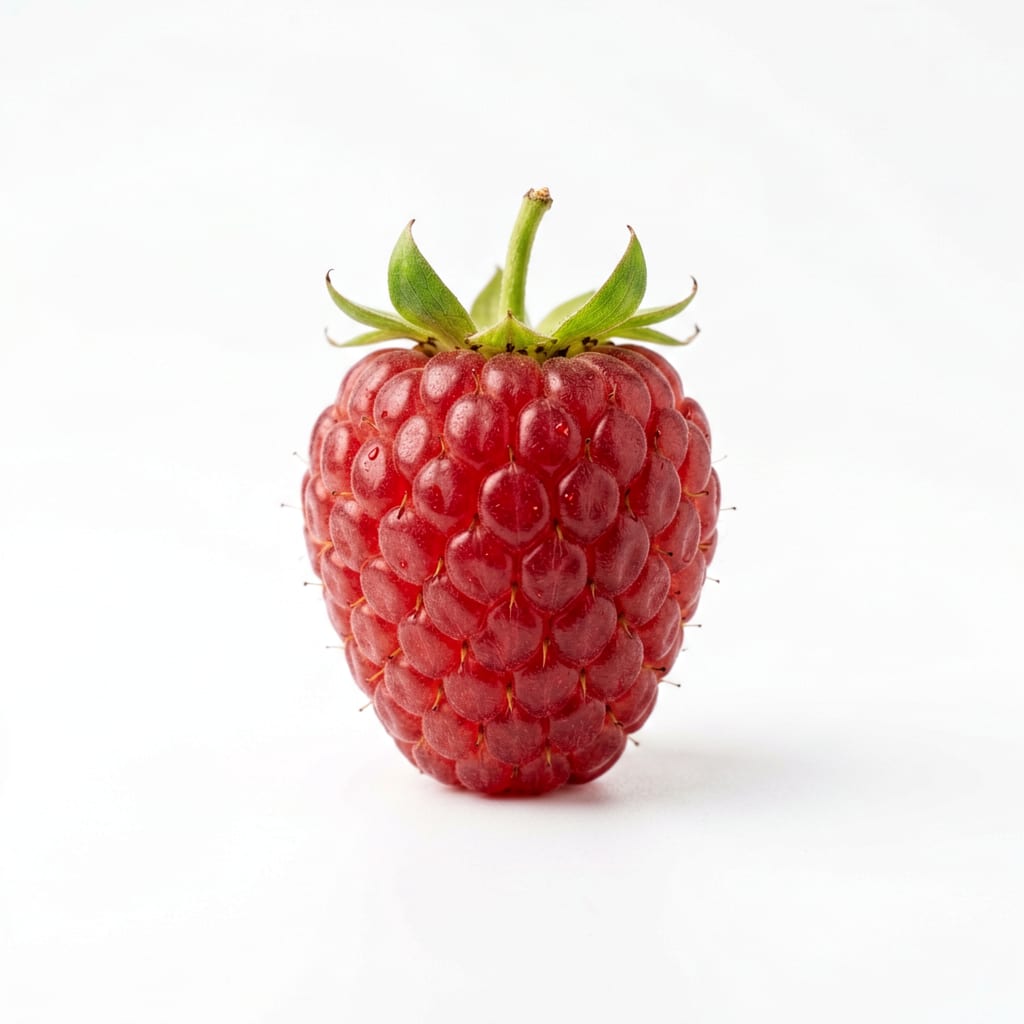
Raspberry
Marionberries deliver deeper antioxidant power and a richer, more satisfying flavor, but raspberries win on everyday practicality, lower sugar, and wider availability.
Raspberries score higher primarily due to superior accessibility, lower sugar, and better fiber-per-calorie ratio. Marionberries excel in antioxidant density but their limited availability and higher sugar narrow their everyday practicality.
You choose between Marionberry's superior anthocyanin density and dessert-like sweetness versus Raspberry's lower sugar, higher fiber per calorie, and year-round grocery access.
At a glance
Executive summary
Overall
It depends
Healthier
It depends
More practical
Raspberry
Daily use
Raspberry
Key comparison lenses
antioxidant density and berry selection
Both are antioxidant-rich berries where pigment depth and polyphenol profiles drive the real health differences
sugar and calorie conscious snacking
Users comparing berries often care about sugar load and calorie density for weight management
availability and everyday practicality
Marionberries are regionally limited and seasonal while raspberries are widely available year-round
fiber and digestive health
Both berries are fiber standouts but with different fiber types and quantities that affect satiety and digestion
Best choice for
Marionberry
- Maximizing antioxidant intake from whole foods
- People who can access fresh or frozen Pacific Northwest berries
- Dessert-style berry enjoyment with less added sugar needed
- Anti-inflammatory focused eating patterns
Raspberry
- Consistent daily berry consumption without sourcing hassle
- Lower-sugar diets and diabetes-friendly fruit choices
- Weight loss and calorie-conscious snacking
- Fiber optimization per calorie consumed
Least suitable for
Marionberry
- People who need reliable year-round grocery availability
- Strict low-sugar or ketogenic diets
- Budget-conscious shoppers outside the Pacific Northwest
Raspberry
- Those seeking the deepest anthocyanin concentration available
- People wanting a naturally sweeter berry without adding sweeteners
- Bakers wanting a berry that holds shape with less tartness
Deep comparison
Dimension by dimension
Each lens scores both foods and breaks down who each option suits.
- Dimension 1 · Priority 95Marionberry
antioxidant_power
Marionberry · 92Raspberry · 78Marionberries' deep purple-black skin signals dramatically more anthocyanins than raspberries' red pigment.
Tradeoff
You get more cell-protective compounds with Marionberries, but only during limited seasonal windows unless you buy frozen.
Why it matters
Anthocyanins reduce oxidative stress and inflammation, which underlies aging and chronic disease risk.
Real-world impact
Regular Marionberry eaters in season may get a concentrated antioxidant boost similar to supplement-level doses, but from whole food.
Marionberry
- Fighting chronic inflammation naturally
- Supporting brain health and cognitive longevity
- Post-workout recovery from oxidative stress
Better for
- People who cannot access Marionberries regularly miss the cumulative benefit
Worse for
Raspberry
- Consistent daily antioxidant intake without seasonal gaps
- Pairing with other colorful foods for broad spectrum coverage
Better for
- Lower anthocyanin concentration means you need larger servings for equivalent deep pigment benefits
Worse for
- Dimension 2 · Priority 88Raspberry
sugar_and_calorie_profile
Marionberry · 65Raspberry · 88Raspberries contain roughly half the sugar of Marionberries per serving with more fiber to slow absorption.
Tradeoff
Marionberries taste sweeter and more dessert-like, but that sweetness comes with a higher glycemic cost.
Why it matters
Lower sugar with higher fiber means steadier blood sugar, fewer cravings, and easier portion control.
Real-world impact
A cup of raspberries feels light and won't spike your energy, while a cup of Marionberries hits more like a treat that could trigger a second helping.
Marionberry
- Satisfying a sweet tooth without reaching for candy or baked goods
- Making smoothies palatable without added sweeteners
Better for
- Sugar-sensitive individuals may experience blood sugar dips after larger portions
Worse for
Raspberry
- Diabetes and insulin resistance management
- Ketogenic and very-low-carb diets
- Mindless snacking without calorie accumulation
Better for
- Tartness may drive people to add sugar, negating the natural advantage
Worse for
- Dimension 3 · Priority 82Raspberry
fiber_and_satiety
Marionberry · 74Raspberry · 90Raspberries are one of the highest-fiber fruits available, delivering roughly 8 grams per cup versus Marionberry's 5-6 grams.
Tradeoff
Marionberry fiber is still respectable, but raspberries are genuinely filling in a way few fruits match.
Why it matters
High fiber per calorie means you stay full longer, eat less overall, and support gut health simultaneously.
Real-world impact
A cup of raspberries with breakfast can keep you satisfied until lunch. Marionberries are satisfying too, but you may feel hungry sooner.
Marionberry
- Still provides meaningful fiber, especially with seeds intact
Better for
- Lower fiber density means less gut-health payoff per calorie
Worse for
Raspberry
- Weight loss and appetite control
- Gut microbiome feeding with prebiotic fiber
- Reducing between-meal snacking urges
Better for
- Very high fiber can cause bloating if you eat large quantities without building up gradually
Worse for
- Dimension 4 · Priority 80Raspberry
availability_and_practicality
Marionberry · 40Raspberry · 92Raspberries are stocked in nearly every grocery store year-round. Marionberries are a regional specialty mostly found fresh in the Pacific Northwest during mid-summer.
Tradeoff
Marionberry's rarity makes it special but impractical for consistent daily consumption for most people.
Why it matters
The healthiest berry is the one you can actually buy and eat regularly, not the one you read about online.
Real-world impact
If you live outside Oregon, your Marionberry access is probably limited to frozen bags or expensive online orders. Raspberries are just there, every week.
Marionberry
- Pacific Northwest residents during summer months get exceptional fresh quality
- Frozen Marionberries retain most nutrients and solve the availability problem
Better for
- Most Americans cannot find fresh Marionberries without effort
- Seasonal-only access breaks consistency habits
Worse for
Raspberry
- Reliable weekly meal prep and grocery planning
- Consistent habit formation around daily berry intake
- Travel and convenience without specialty sourcing
Better for
- Year-round availability sometimes means lower flavor quality in off-season imports
Worse for
- Dimension 5 · Priority 72Raspberry
vitamin_and_mineral_density
Marionberry · 70Raspberry · 80Raspberries edge out Marionberries in vitamin C and manganese, while Marionberries offer slightly more vitamin K and folate.
Tradeoff
Neither berry is a vitamin powerhouse compared to tropical fruits, but raspberries deliver more immune-supporting vitamin C per serving.
Why it matters
Vitamin C from whole food sources is more bioavailable and comes packaged with synergistic compounds that supplements lack.
Real-world impact
Eating raspberries daily gives you a meaningful vitamin C bump toward your needs. Marionberries help but you will need other sources.
Marionberry
- Supporting blood clotting and bone metabolism with vitamin K
- Prenatal nutrition with slightly more folate
Better for
- Not a reliable standalone vitamin C source
Worse for
Raspberry
- Immune system support during cold season
- Collagen production and skin health
- Iron absorption when paired with iron-rich foods
Better for
- Vitamin K content is lower, relevant if you need clotting support
Worse for
Timeline
Health impact over time
Short-term
Hours to days
Marionberry
- Quick natural energy from higher sugar content
- Satisfying sweet craving without processed dessert
- Mild digestive stimulation from fiber and seeds
Raspberry
- Steady energy without sugar crash
- Noticeable fullness from high fiber volume
- Gentle digestive regularity support
Long-term
Months to years
Marionberry
- Strong anti-inflammatory protection from concentrated anthocyanins when consumed regularly
- Potential blood sugar concern if eaten in large quantities frequently
- Antioxidant benefits may support cardiovascular and cognitive health over decades
Raspberry
- Consistent fiber intake supports gut microbiome diversity and colon health
- Lower sugar load reduces long-term insulin resistance risk
- Ellagic acid may offer cancer-protective properties with regular consumption
Risk profile
Safety & processing
Both berries are whole foods with minimal processing concerns. The main difference is that Marionberries are more commonly encountered in processed forms like jams and syrups, which dramatically increase sugar and reduce fiber benefits.
Marionberry
Pesticide residue on conventionally grown berries
mediumLike all berries, Marionberries are thin-skinned and rank high on pesticide concern lists when conventionally grown. Organic is strongly preferred.
Mold and spoilage due to delicate structure
mediumMarionberries spoil quickly after picking. Inspect carefully and consume within 2-3 days of purchase or freeze immediately.
Raspberry
Pesticide residue on conventionally grown raspberries
highRaspberries consistently appear on the EWG Dirty Dozen list. Their porous structure absorbs and retains pesticides more than many fruits. Organic is strongly recommended.
Foodborne illness from surface contamination
lowRaspberries have been linked to norovirus and hepatitis A outbreaks, likely due to handling and irrigation practices. Washing helps but cannot eliminate all risk.
Who wins for whom
Audience fit
Same foods, different winners depending on your goal.
children
MarionberryMarionberries' natural sweetness makes them more appealing to kids without adding sugar, encouraging fruit acceptance.
daily consumption
RaspberryRaspberries' wide availability, lower sugar, and higher fiber make them easier to eat every day without downsides.
diabetes
RaspberryRaspberries' lower sugar and higher fiber create a gentler blood sugar response, making them safer for glucose management.
elderly
RaspberryRaspberries' superior fiber supports digestive regularity, and their vitamin C aids iron absorption, both common concerns for older adults.
muscle gain
It dependsNeither berry is a meaningful protein source. Both offer antioxidant recovery benefits post-workout, but Marionberry's higher sugar may slightly better replenish glycogen.
weight loss
RaspberryRaspberries provide more fiber and fewer calories per cup, making them more filling and easier to fit into a calorie deficit.
Your move
Decision guide
Choose Marionberry
- You live in or near the Pacific Northwest and can get fresh Marionberries in season
- You want maximum antioxidant density from a single berry serving
- You are replacing dessert and want something naturally sweet enough to satisfy
- You can buy frozen Marionberries in bulk and use them in smoothies or oatmeal
Choose Raspberry
- You want a reliable daily berry you can find at any grocery store
- You are managing blood sugar, watching calories, or following a low-carb approach
- You prioritize fiber for gut health and satiety
- You need a versatile berry for salads, snacks, baking, and breakfasts year-round
Either works if
- You simply want more berry variety in your diet
- You are focused on general fruit intake and both are available
- You are rotating berries for broad-spectrum antioxidant coverage
Avoid both if
- You have a salicylate sensitivity, as both berries contain moderate levels
- You are on a very strict low-fiber diet for digestive recovery
Final recommendation
Eat raspberries as your daily default berry for their accessibility, fiber, and blood sugar friendliness. When Marionberries are in season or available frozen, enjoy them as a special antioxidant boost. The best approach is rotating both for complementary benefits rather than choosing just one.
Practical
Consumer tips
- 1
Buy both berries organic when possible. Their thin skins absorb pesticides more than thick-skinned fruits.
- 2
Freeze Marionberries immediately if buying fresh. They spoil faster than raspberries due to higher moisture content.
- 3
Add raspberries to savory salads. Their tartness pairs well with greens, nuts, and vinaigrettes in ways Marionberries cannot match.
- 4
Use frozen Marionberries in smoothies for a sweeter, richer flavor without needing added honey or syrup.
- 5
Wash raspberries right before eating, not before storing. Pre-washing accelerates mold growth.
- 6
If you cannot find Marionberries, blackberries are the closest substitute and share many of the same anthocyanin benefits.