
Nutrition comparison
Marionberry vs Acai Berry: Which Is Healthier?
Compare marionberry and acai berry nutrition, antioxidants, fiber, and health benefits. Learn which berry is better for weight loss, daily use, and anti-aging.
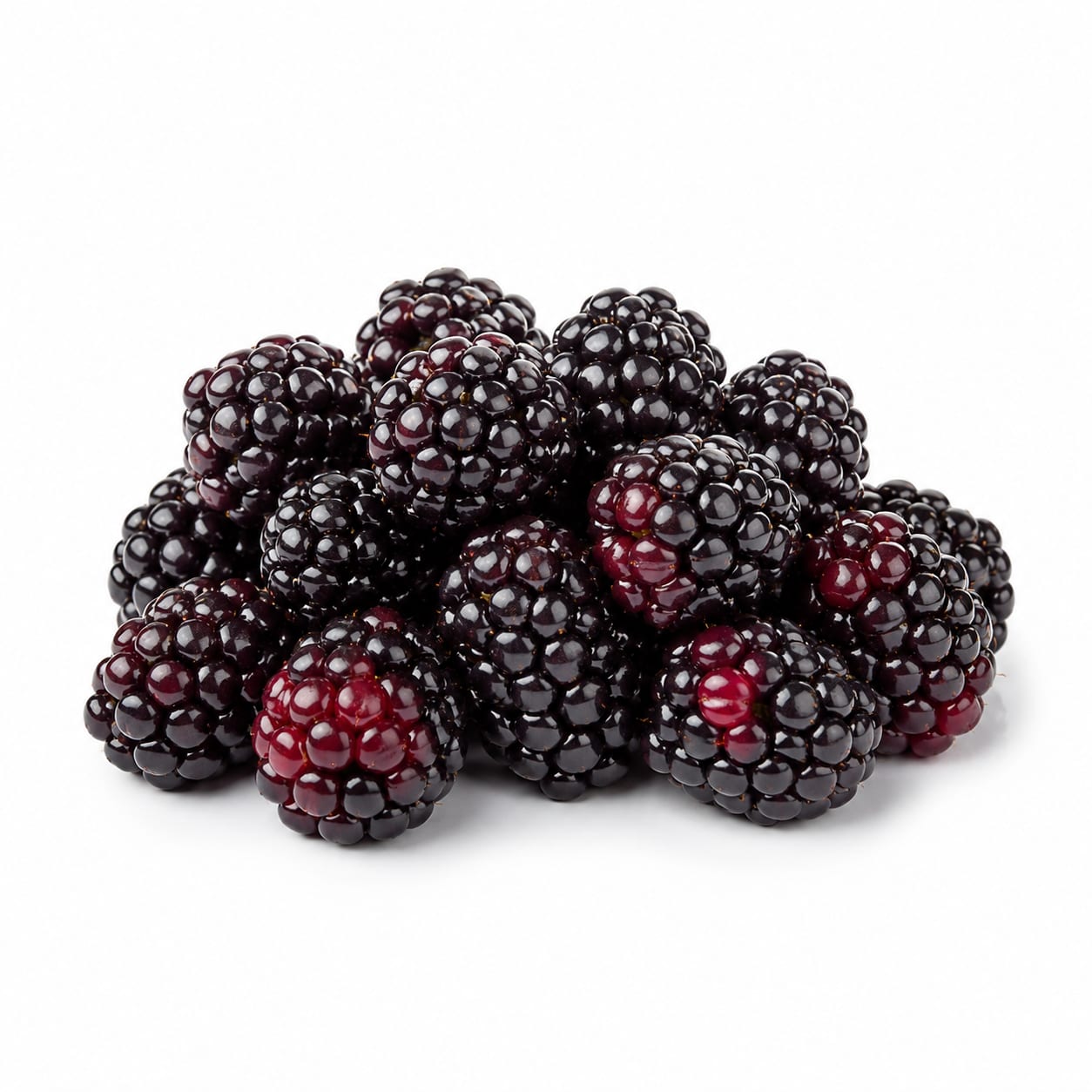
Marionberry
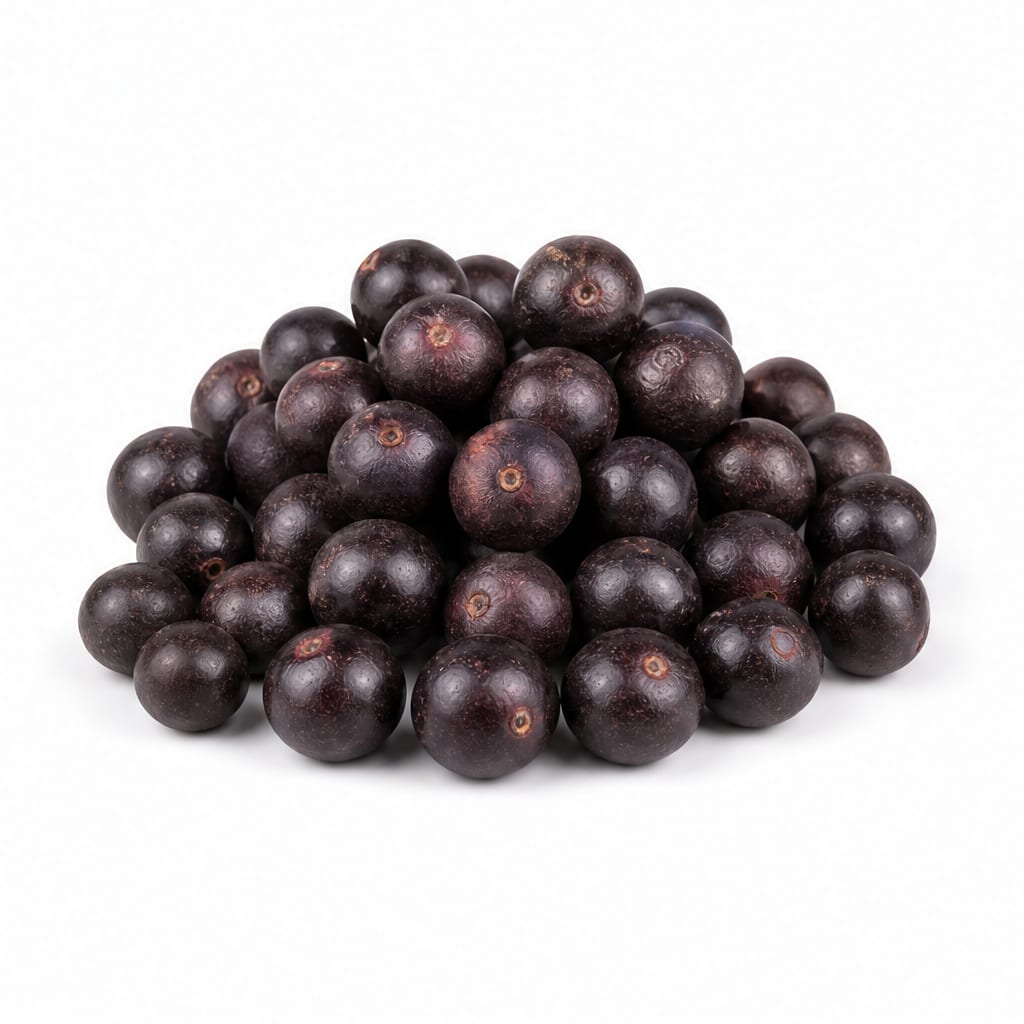
Acai Berry
Marionberry wins for fresh whole-food eating and fiber, while acai delivers superior antioxidants and unique healthy fats most berries lack.
Marionberry edges ahead slightly due to being a truly whole fresh food with better fiber, but acai's exceptional antioxidant density and unique fat profile keep it competitive. The close scores reflect that each serves different priorities well.
Fresh seasonal simplicity versus concentrated superfood processing — marionberries are a cleaner whole food, acai offers more antioxidant firepower but almost always in processed form.
At a glance
Executive summary
Overall
It depends
Healthier
It depends
More practical
Marionberry
Daily use
Marionberry
Key comparison lenses
antioxidant potential
Both berries are prized for antioxidant density, but acai is famously marketed as a superfood for this reason
fresh vs processed access
Marionberries are eaten fresh while acai is almost always frozen or powdered, affecting nutrient retention and practical use
healthy fat content
Acai uniquely contains omega fatty acids unlike most berries, making this a key differentiator
fiber and satiety
Whole fresh marionberries deliver more intact fiber than processed acai pulp or powder
cost and accessibility
Acai products tend to be expensive and sometimes overhyped; marionberries are seasonal but affordable when available
Best choice for
Marionberry
- People who want a fresh, whole-food berry experience
- Those prioritizing fiber intake and digestive regularity
- Anyone seeking lower-calorie snacking with satisfying chew
- Home gardeners or Pacific Northwest locals with easy access
Acai Berry
- People focused on maximum antioxidant intake
- Those wanting plant-based omega fatty acids from fruit
- Smoothie and bowl enthusiasts who enjoy blended preparations
- Anyone looking for anti-inflammatory support
Least suitable for
Marionberry
- People who want year-round availability without freezing
- Those seeking high fat content from their fruit
- Anyone outside seasonal or regional access areas
Acai Berry
- People avoiding processed or packaged fruit products
- Budget-conscious shoppers watching per-serving costs
- Those sensitive to the common added sugars in acai bowls
Deep comparison
Dimension by dimension
Each lens scores both foods and breaks down who each option suits.
- Dimension 1 · Priority 92Acai Berry
antioxidant_density
Marionberry · 72Acai Berry · 94Acai consistently ranks among the highest ORAC-scoring fruits worldwide, far surpassing marionberries in total antioxidant capacity.
Tradeoff
You get more antioxidant power from acai, but it comes in processed form which may degrade some heat-sensitive compounds.
Why it matters
Higher antioxidant intake supports cellular defense against oxidative stress, which accumulates silently over years.
Real-world impact
Regular acai consumption may contribute to better long-term aging outcomes, though the gap narrows if marionberries are eaten in larger volumes fresh.
Marionberry
- Getting antioxidants from a whole, unprocessed source
Better for
- Competitive antioxidant comparisons with darker superfruits
Worse for
Acai Berry
- Maximum concentrated antioxidant intake per serving
- Anti-aging and cellular protection protocols
Better for
- People who assume all antioxidants survive processing equally
Worse for
- Dimension 2 · Priority 85Marionberry
fiber_and_digestive_health
Marionberry · 86Acai Berry · 62Fresh marionberries deliver significantly more intact fiber per serving than typical acai pulp or powder preparations.
Tradeoff
More fiber means better fullness and gut health from marionberries, but acai's fiber is often reduced during processing into smoothie-ready forms.
Why it matters
Fiber isn't just about digestion — it steadies blood sugar, feeds gut bacteria, and helps you feel satisfied longer.
Real-world impact
A bowl of fresh marionberries keeps you fuller than an equivalent acai smoothie, which often passes through faster as a liquid.
Marionberry
- Gut health and microbiome support
- Blood sugar stability after eating
- Satiety between meals
Better for
- Situations where you need fiber in a drinkable format
Worse for
Acai Berry
- Blended preparations where fiber is at least partially retained
Better for
- Anyone relying on acai bowls for fiber without adding toppings
Worse for
- Dimension 3 · Priority 80Acai Berry
healthy_fat_content
Marionberry · 15Acai Berry · 82Acai is one of the few berries containing meaningful amounts of omega-3, omega-6, and omega-9 fatty acids. Marionberries are essentially fat-free.
Tradeoff
Acai's fat content supports heart and brain health but also adds calories; marionberries are lighter but offer no meaningful fats.
Why it matters
Getting healthy fats from fruit is rare and valuable, especially for plant-based eaters who need diverse fat sources.
Real-world impact
An acai bowl provides a more balanced macronutrient profile on its own, while marionberries need pairing with nuts or yogurt for sustained energy.
Marionberry
- Very low-calorie snacking without fat calories
Better for
- Anyone relying on fruit alone for satiety without adding fats
Worse for
Acai Berry
- Plant-based omega fatty acid intake
- More balanced energy from a single fruit source
- Brain and heart health support
Better for
- Strict calorie counters who notice the extra fat calories
Worse for
- Dimension 4 · Priority 78Marionberry
freshness_and_processing
Marionberry · 90Acai Berry · 45Marionberries are enjoyed fresh off the bush. Acai is virtually never available fresh outside the Amazon — you get frozen pulp, powder, or dried.
Tradeoff
Fresh means peak nutrient retention and zero additives. Processed means convenience and shelf stability but potential nutrient loss and hidden ingredients.
Why it matters
Processing can degrade vitamin C, alter antioxidant profiles, and introduce thickeners or sweeteners in commercial acai products.
Real-world impact
Eating fresh marionberries is a clean, simple experience. Reading acai labels carefully is essential to avoid added sugars and fillers.
Marionberry
- Whole-food purists who want zero processing
- Avoiding hidden additives and sweeteners
- Maximum vitamin C retention
Better for
- Limited seasonal window for truly fresh berries
Worse for
Acai Berry
- Year-round availability regardless of season
- Convenient smoothie and bowl preparation
Better for
- Risk of consuming degraded or adulterated products
- Uncertainty about how processing changed the nutrient profile
Worse for
- Dimension 5 · Priority 70Marionberry
cost_and_accessibility
Marionberry · 68Acai Berry · 42Marionberries are affordable when in season and grow well in home gardens. Quality acai products are expensive and often overpriced for what they deliver.
Tradeoff
Acai's exotic reputation commands a premium, while marionberries offer similar berry benefits at a fraction of the cost during season.
Why it matters
Sustainable healthy eating depends on affordability. Overpriced superfoods can strain budgets without proportional benefit.
Real-world impact
A pint of fresh marionberries in July costs less than a single acai bowl at a café, and you get more servings from it.
Marionberry
- Budget-conscious households
- Home gardeners in suitable climates
- Farmers market shoppers in berry season
Better for
- Off-season shoppers who must buy frozen anyway
Worse for
Acai Berry
- People willing to pay for convenience and trend appeal
- Access to quality frozen acai in areas without fresh berries
Better for
- Anyone on a tight grocery budget
- People susceptible to superfood marketing markups
Worse for
Timeline
Health impact over time
Short-term
Hours to days
Marionberry
- Quick natural energy from simple sugars without a crash
- Fiber provides immediate satiety and digestive comfort
- Vitamin C supports immune function on consumption
Acai Berry
- Healthy fats create a more sustained energy curve
- Antioxidants begin supporting cellular defense quickly
- Commercial acai bowls may cause sugar spikes from added sweeteners
Long-term
Months to years
Marionberry
- Consistent fiber intake supports colorectal health over decades
- Regular berry consumption patterns correlate with reduced cardiovascular risk
- Low calorie density helps maintain healthy weight long-term
Acai Berry
- Sustained high antioxidant intake may slow cellular aging
- Omega fatty acids from fruit support cardiovascular and cognitive health
- Risk of overconsumption if acai bowls become calorie-dense dessert substitutes
Risk profile
Safety & processing
Marionberries are typically eaten fresh or frozen with nothing added. Acai almost always undergoes freezing, pulping, or drying, and commercial products frequently contain added sugars, emulsifiers, or fillers like soy lecithin.
Marionberry
Pesticide residue
mediumBerries consistently rank high on the Dirty Dozen list. Choose organic when possible, especially for children.
Mold on fresh berries
lowFresh marionberries spoil quickly. Inspect carefully and consume within a few days of purchase.
Acai Berry
Added sugars in commercial products
highMany acai bowls and smoothie packs contain 20-40g of added sugar per serving, undermining health benefits.
Quality adulteration
mediumSome acai powders are cut with cheaper fillers or maltodextrin. Source from reputable brands with third-party testing.
Heavy metal contamination in powders
lowDried acai powder can concentrate trace contaminants. Choose brands that test for heavy metals.
Who wins for whom
Audience fit
Same foods, different winners depending on your goal.
children
MarionberryKids benefit from simple, whole fresh fruit without the marketing hype and hidden sugars common in acai products.
daily consumption
MarionberrySimpler, more affordable, and easier to eat as a straightforward whole food without label scrutiny.
diabetes
MarionberryFresh marionberries have more intact fiber to slow sugar absorption. Acai products often contain added sugars that spike blood glucose unpredictably.
elderly
Acai BerryAcai's concentrated antioxidants and anti-inflammatory fats may offer more targeted support for age-related cellular stress and joint health.
muscle gain
It dependsNeither berry is a protein source. Acai's healthy fats slightly support hormone production, but both need pairing with protein-rich foods.
weight loss
MarionberryLower calorie density and higher fiber make fresh marionberries more filling per calorie. Acai bowls can easily become calorie bombs.
Your move
Decision guide
Choose Marionberry
- You value eating whole, unprocessed foods as close to nature as possible
- You want more fiber and better satiety from your fruit
- You live in or near the Pacific Northwest during berry season
- You're watching your budget but still want powerful berry nutrition
- You prefer snacking on fruit rather than blending it
Choose Acai Berry
- Antioxidant density is your top nutritional priority
- You want plant-based omega fatty acids from a fruit source
- You enjoy smoothie bowls and blended fruit preparations
- You're building an anti-inflammatory eating pattern
- You don't mind paying more for concentrated superfood benefits
Either works if
- You simply want more berries in your diet and both are available
- You rotate between fresh and frozen fruit anyway
- You're focused on general fruit intake rather than specific nutrients
Avoid both if
- You have a berry allergy or salicylate sensitivity
- You're on a very strict low-FODMAP diet and sensitive to fruit sugars
Final recommendation
Eat fresh marionberries when they're in season — they're a clean, satisfying whole food with excellent fiber. Use quality acai products when you want concentrated antioxidants and healthy fats, but read labels carefully to avoid added sugars. The best approach is rotating both: fresh berries for daily snacking, acai for targeted smoothie boosts.
Practical
Consumer tips
- 1
Buy organic marionberries when possible — berries are among the highest pesticide-residue fruits
- 2
Freeze fresh marionberries at peak ripeness to preserve nutrients for off-season use
- 3
For acai, choose frozen pulp packets with one ingredient: acai. Avoid products with added sugars or syrups
- 4
Make your own acai bowls at home to control sugar — blend acai with unsweetened almond milk and top with fresh marionberries
- 5
If buying acai powder, look for brands with third-party testing and no maltodextrin or fillers
- 6
Marionberries pair excellently with Greek yogurt or oatmeal for a balanced breakfast with protein and fiber
- 7
Don't assume expensive means better — marionberries deliver comparable berry benefits at a fraction of acai's cost