
Nutrition comparison
Marionberry vs Blueberry: Nutrition, Taste, and Health Comparison
Marionberries offer more fiber and vitamin C with bolder flavor, while blueberries provide lower sugar and year-round availability. Learn which berry fits your health goals.
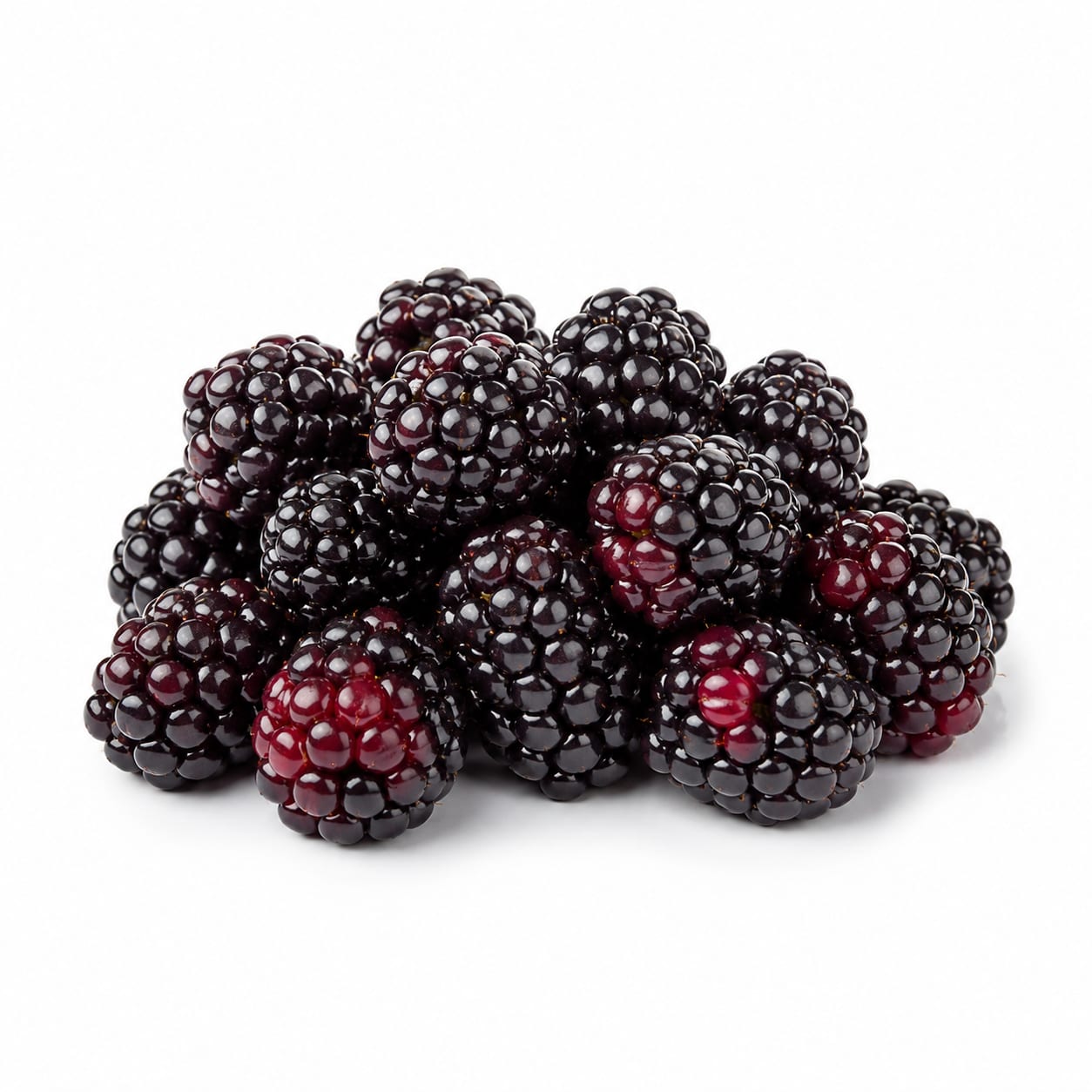
Marionberry
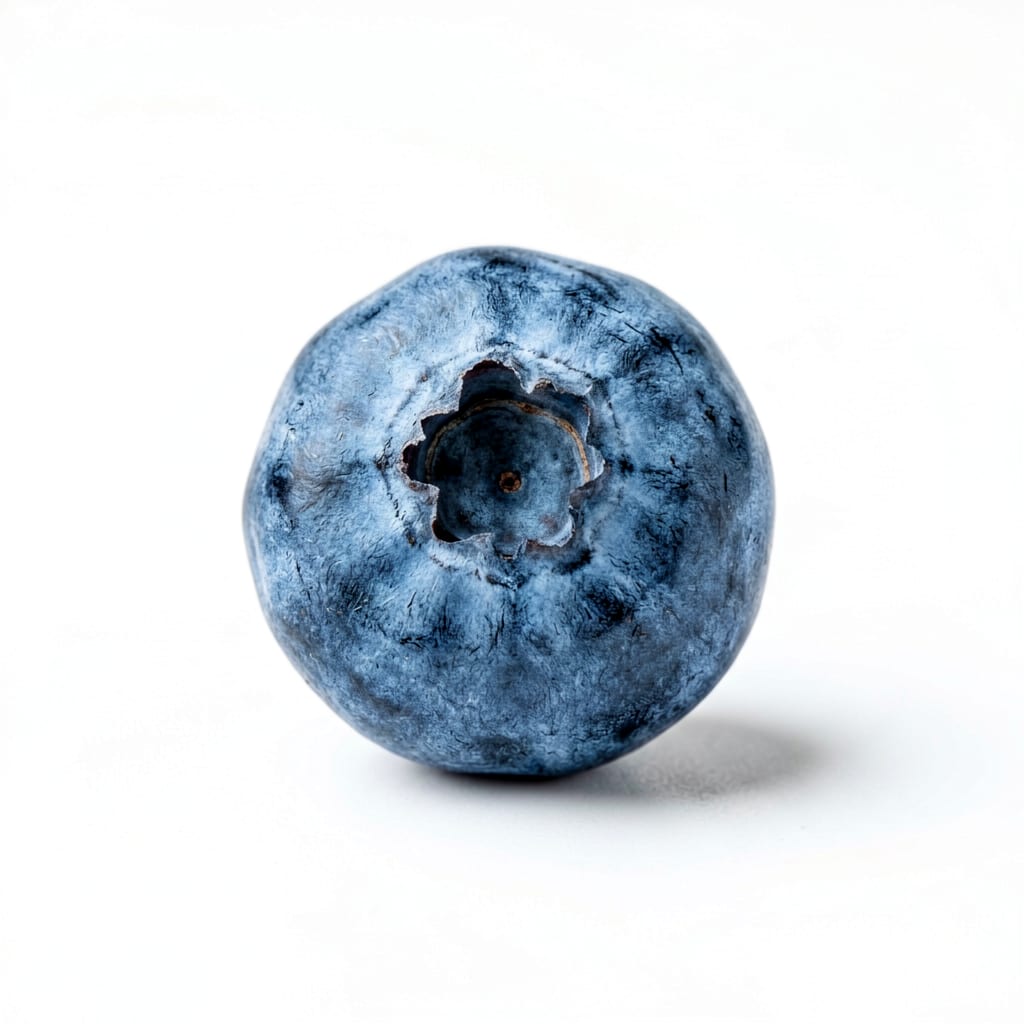
Blueberry
Marionberries win on flavor depth, fiber, and certain antioxidants, while blueberries win on convenience, lower sugar, and year-round access.
Blueberries score slightly higher due to superior practicality and lower sugar, but marionberries offer better fiber and vitamin C. The gap is narrow because nutritionally marionberries are impressive, but availability constraints meaningfully reduce their everyday utility.
Richer nutrition and taste versus reliable availability and lighter sugar load.
At a glance
Executive summary
Overall
It depends
Healthier
Marionberry
More practical
Blueberry
Daily use
Blueberry
Key comparison lenses
antioxidant density and variety
Both berries are antioxidant powerhouses but with different anthocyanin profiles, making this the core differentiator
availability and seasonality
Blueberries are available year-round everywhere; marionberries are regional and seasonal, heavily impacting practical choice
sugar and calorie tradeoff
Marionberries are sweeter and slightly higher in calories, which matters for daily snacking decisions
fiber and digestive benefit
Marionberries offer notably more fiber per serving, affecting satiety and gut health comparisons
pesticide exposure risk
Blueberries rank on EWG's Dirty Dozen list; marionberries are less commercially sprayed but data is limited
Best choice for
Marionberry
- Maximizing fiber intake without supplements
- Seeking bold, complex berry flavor for desserts
- Supporting digestive regularity
- Getting more vitamin C per serving
Blueberry
- Consistent daily antioxidant intake year-round
- Managing blood sugar or reducing sugar load
- Easy snacking without prep or mess
- Reliable access at any grocery store
Least suitable for
Marionberry
- People who need easy year-round availability
- Those strictly limiting sugar who want the lowest-sugar berry option
- Shoppers outside the Pacific Northwest during fresh season
Blueberry
- Those wanting maximum fiber per calorie
- People seeking the most intense, complex berry flavor
- Anyone looking for high vitamin C from berries
Deep comparison
Dimension by dimension
Each lens scores both foods and breaks down who each option suits.
- Dimension 1 · Priority 92Marionberry
antioxidant_profile
Marionberry · 88Blueberry · 82Marionberries provide a broader spectrum of anthocyanins and higher total antioxidant capacity per serving.
Tradeoff
Blueberries have been far more extensively studied, so their health claims carry stronger clinical evidence.
Why it matters
A wider variety of antioxidants may offer more diverse cellular protection, but proven benefits matter too.
Real-world impact
Eating marionberries likely gives your cells a richer defense mix, while blueberries offer well-confirmed brain and heart benefits.
Marionberry
- Broader antioxidant diversity per bite
- Higher total ORAC score per serving
Better for
- Less clinical trial data on specific health outcomes
Worse for
Blueberry
- More research-backed cognitive and cardiovascular benefits
- Consistent antioxidant content across cultivars
Better for
- Narrower range of anthocyanin types compared to dark blackberry varieties
Worse for
- Dimension 2 · Priority 78Blueberry
sugar_and_calorie_density
Marionberry · 62Blueberry · 81Blueberries deliver fewer calories and less sugar per cup, making them easier to eat in larger quantities.
Tradeoff
Marionberries are sweeter and more satisfying in small amounts, which can help with portion control if you savor them slowly.
Why it matters
For daily snacking, lower sugar berries let you eat more volume without blood sugar spikes.
Real-world impact
A full cup of blueberries feels lighter and less sweet than a cup of marionberries, which can feel almost dessert-like.
Marionberry
- Natural sweetness reduces need for added sugar in recipes
- More satisfying per small portion due to richer flavor
Better for
- Higher sugar content may concern those monitoring glucose closely
Worse for
Blueberry
- Lower glycemic impact per serving
- Easier to eat larger volumes without overconsuming sugar
Better for
- Less intensely flavored, so some people add sugar to compensate
Worse for
- Dimension 3 · Priority 72Marionberry
fiber_and_satiety
Marionberry · 86Blueberry · 64Marionberries contain roughly double the fiber of blueberries per cup, making them significantly more filling.
Tradeoff
The seeds in marionberries can bother sensitive teeth or digestive systems, while blueberries are gentler.
Why it matters
Fiber is the single most underrated nutrient for weight management and gut health.
Real-world impact
A cup of marionberries keeps you full longer and supports better digestion, while blueberries feel lighter and less filling.
Marionberry
- Noticeably more filling per serving
- Better support for gut microbiome diversity
- Helps with digestive regularity
Better for
- Seeds can be annoying in smooth textures like yogurt
Worse for
Blueberry
- Smoother texture is easier on sensitive stomachs
- Less seedy, more pleasant mouthfeel for some
Better for
- Lower fiber means less satiety per calorie
Worse for
- Dimension 4 · Priority 85Blueberry
availability_and_convenience
Marionberry · 38Blueberry · 94Blueberries are available fresh year-round in virtually every grocery store. Fresh marionberries are extremely limited geographically and seasonally.
Tradeoff
Frozen marionberries are more accessible but still harder to find than frozen blueberries, and texture changes after freezing.
Why it matters
The healthiest berry is the one you can actually buy and eat consistently.
Real-world impact
Most people outside Oregon can only get marionberries frozen or in jams, while blueberries are always in the produce aisle.
Marionberry
- Specialty status makes them feel like a treat when you find them
Better for
- Fresh availability limited to mid-summer in Pacific Northwest
- Frozen versions less widely stocked than other berries
- Often only found in preserves with added sugar
Worse for
Blueberry
- Available fresh 12 months a year nationwide
- Easy to find organic options
- Consistent quality and sizing across brands
Better for
- Year-round availability means more imported out-of-season fruit with lower flavor quality
Worse for
- Dimension 5 · Priority 65Marionberry
vitamin_and_mineral_density
Marionberry · 79Blueberry · 71Marionberries provide more vitamin C, vitamin K, and folate per serving, while blueberries are a stronger manganese source.
Tradeoff
The vitamin differences are modest and unlikely to matter unless berries are your primary produce source.
Why it matters
Both berries are micronutrient-rich, but marionberries edge ahead on vitamins most people actually fall short on.
Real-world impact
Eating marionberries gives a slightly bigger vitamin C boost, which matters more during cold season or high-stress periods.
Marionberry
- Higher vitamin C supports immune function more effectively
- More folate per serving
Better for
- Vitamin advantages are modest and not clinically dramatic
Worse for
Blueberry
- Better manganese source for bone health and metabolism
Better for
- Lower vitamin C compared to most other dark berries
Worse for
Timeline
Health impact over time
Short-term
Hours to days
Marionberry
- Quick energy from natural sugars with enough fiber to moderate the spike
- Vitamin C supports immediate immune response
- High water content aids hydration
Blueberry
- Gentle blood sugar response suitable for most people
- Light satiety without feeling heavy
- Easy to eat before exercise without digestive discomfort
Long-term
Months to years
Marionberry
- High fiber intake supports reduced colorectal cancer risk and better gut health
- Diverse anthocyanin profile may offer stronger anti-inflammatory protection
- Consistent vitamin C intake supports skin health and collagen maintenance
Blueberry
- Well-documented reduction in cognitive decline risk with regular consumption
- Strong evidence for cardiovascular protection over decades
- Consistent low-sugar fruit intake supports healthy weight maintenance
Risk profile
Safety & processing
Both berries are whole foods when eaten fresh or frozen without additives. The main concern is that marionberries are more commonly found in processed forms like jams and syrups with added sugar, while blueberries are more often available in their natural state.
Marionberry
pesticide_residue
lowMarionberries are less commercially cultivated than blueberries and typically receive fewer pesticide applications, but organic data is limited due to smaller crop scale.
mold_and_spoilage
mediumMarionberries are delicate and spoil faster than blueberries. Check for mold within 2-3 days of purchase when fresh.
Blueberry
pesticide_residue
mediumBlueberries frequently appear on the EWG Dirty Dozen list. Conventional blueberries often show multiple pesticide residues. Organic is strongly recommended.
import_quality_variability
lowOut-of-season imported blueberries may have different pesticide standards and lower nutritional quality than domestic ones.
Who wins for whom
Audience fit
Same foods, different winners depending on your goal.
children
BlueberryBlueberries are easier for small hands to hold, have a milder flavor kids accept readily, and are available year-round for consistent habits.
daily consumption
BlueberryConsistent availability, lower sugar, and gentler digestion make blueberries the more sustainable daily habit for most people.
diabetes
BlueberryLower sugar content and slightly lower glycemic impact make blueberries the safer regular choice, though both are reasonable in moderation.
elderly
BlueberryBlueberries have the strongest evidence for cognitive protection in aging populations, and their softer texture with fewer seeds is easier on sensitive teeth.
muscle gain
It dependsNeither berry is a protein source. Blueberries pair better with post-workout meals due to lighter digestion, but marionberries offer more vitamin C for recovery.
weight loss
BlueberryLower calories and sugar per cup make blueberries easier to eat in satisfying volumes without overshooting your daily intake.
Your move
Decision guide
Choose Marionberry
- You live in or visit the Pacific Northwest during berry season
- Maximum fiber and vitamin C are your top priorities
- You want a bold, complex berry flavor for baking or desserts
- You are comfortable buying frozen and using them in smoothies or cooked dishes
Choose Blueberry
- You need a reliable daily berry you can find at any store
- You are watching sugar intake or managing blood sugar
- You want the most research-backed berry for brain and heart health
- You prefer a milder, more versatile flavor that pairs with anything
Either works if
- You are simply trying to eat more berries and will eat whichever is freshest
- You rotate berries seasonally for antioxidant diversity
- You use them primarily as a topping where differences are less noticeable
Avoid both if
- You have a salicylate sensitivity that triggers with berries
- You are on a very strict low-FODMAP elimination phase
Final recommendation
Eat blueberries as your daily default for consistency and lower sugar, but seek out marionberries when available for their superior fiber, vitamin C, and flavor complexity. The best approach is rotating both to maximize antioxidant diversity.
Practical
Consumer tips
- 1
Buy organic blueberries whenever possible due to consistent pesticide residue concerns
- 2
Fresh marionberries are worth seeking at farmers markets in July and August
- 3
Frozen marionberries retain most nutrients and work well in smoothies, oatmeal, and baking
- 4
If buying marionberry jam, look for low-sugar or no-sugar-added versions to avoid negating the health benefits
- 5
Mix both berries together for a broader antioxidant spectrum and more interesting flavor
- 6
Wash blueberries right before eating, not before storing, to prevent mold
- 7
Freeze fresh marionberries on a baking sheet first, then transfer to bags to prevent clumping