
Nutrition comparison
Marionberry vs Cranberry: Which Berry Is Healthier for You?
Compare marionberry and cranberry nutrition, antioxidants, sugar content, and health benefits. Learn which berry is better for UTIs, weight loss, diabetes, and daily eating.
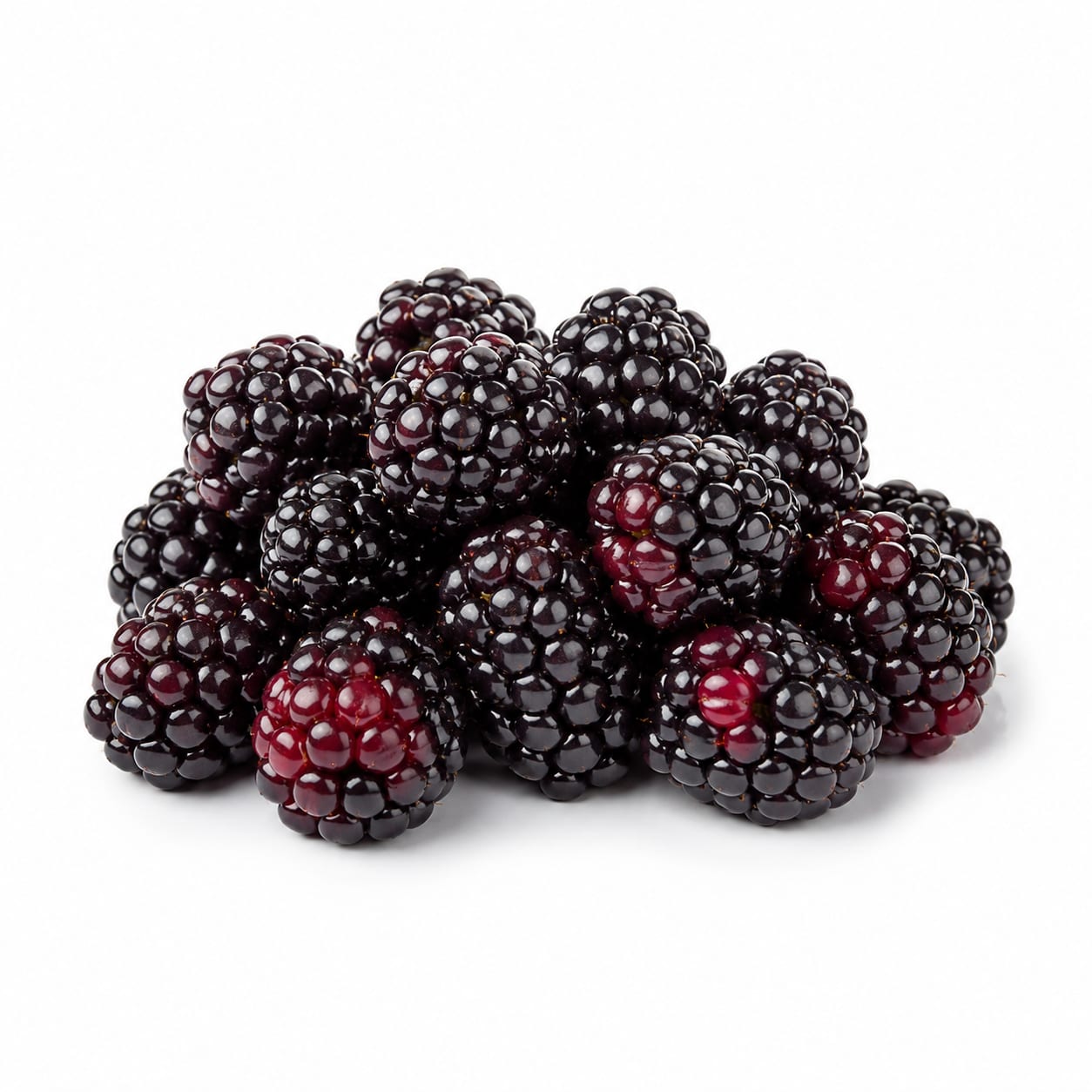
Marionberry
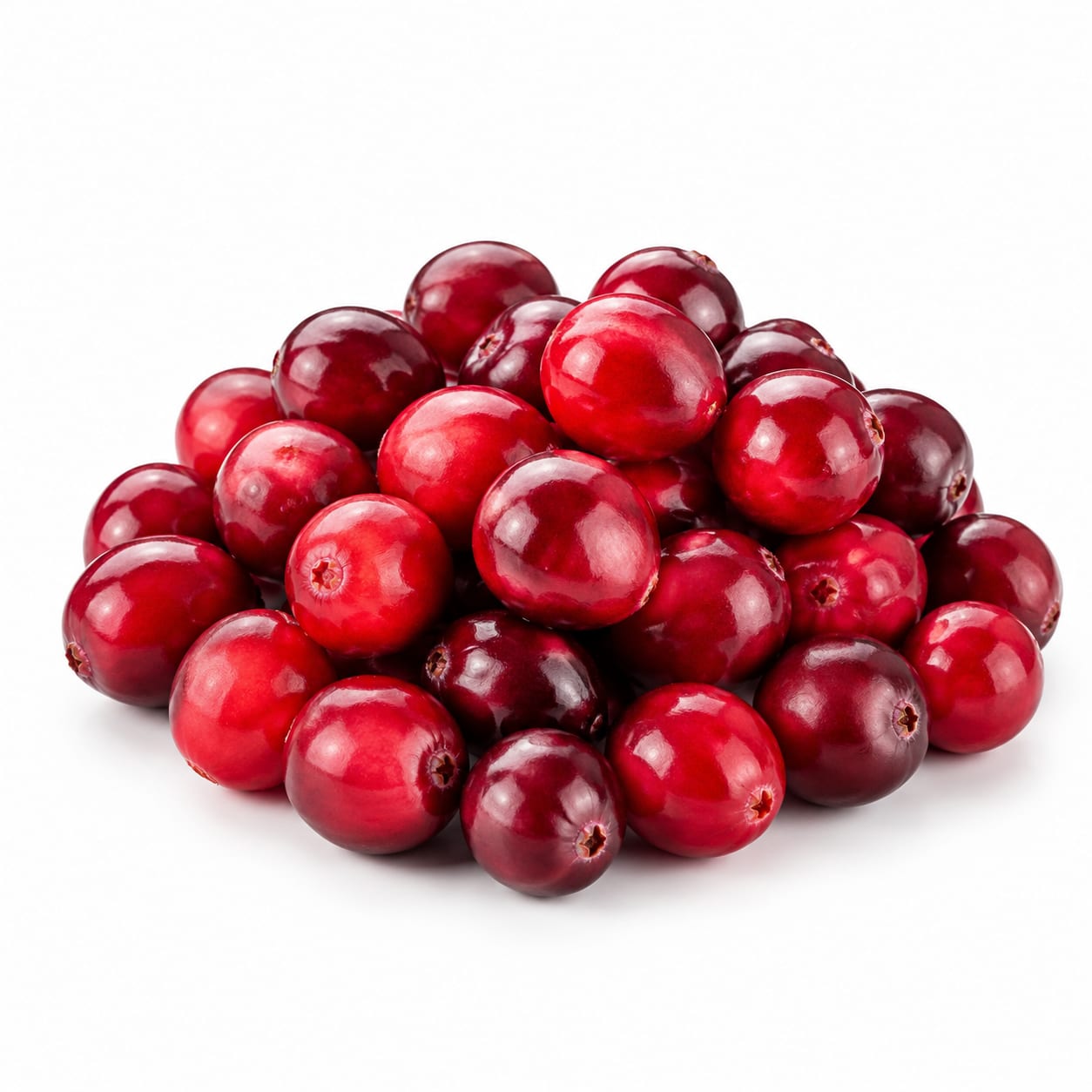
Cranberry
Marionberries win for pleasure eating and broad nutrition; cranberries win for targeted UTI prevention and low-sugar diets
Marionberries score slightly higher due to superior everyday eatability and broader nutrient density, but cranberries earn strong marks for unique medicinal properties and low natural sugar content
Natural sweetness and versatility versus targeted medicinal benefits and sugar control
At a glance
Executive summary
Overall
It depends
Healthier
It depends
More practical
Marionberry
Daily use
Marionberry
Key comparison lenses
antioxidant and disease prevention comparison
Both berries are antioxidant powerhouses but with distinctly different phytonutrient profiles targeting different health outcomes
sugar and taste tradeoff
Marionberries are naturally sweet while cranberries are extremely tart, which drastically changes how each is typically consumed and prepared
urinary and gut health
Cranberries are uniquely famous for UTI prevention while marionberries offer broader digestive support through higher fiber
everyday eating practicality
Fresh cranberries are nearly inedible without sweetening, while marionberries are enjoyable raw, affecting real-world usage patterns
seasonal availability and processing concerns
Both are highly seasonal, but cranberry products often contain significant added sugar which changes the health equation
Best choice for
Marionberry
- People wanting a delicious everyday berry for snacking, smoothies, and desserts
- Anyone seeking higher fiber intake with a naturally sweet treat
- Families looking for a berry kids will actually eat without added sugar
Cranberry
- Women prone to recurrent urinary tract infections
- People on very low-sugar or keto diets who want tart flavor without sweetness
- Anyone targeting specific anti-adhesion benefits for oral or urinary health
Least suitable for
Marionberry
- People monitoring fructose intake or managing severe blood sugar spikes
- Those in regions where marionberries are unavailable or extremely expensive
Cranberry
- People who cannot tolerate tart flavors without adding sweeteners
- Anyone avoiding cranberry products with added sugar, which negates many benefits
Deep comparison
Dimension by dimension
Each lens scores both foods and breaks down who each option suits.
- Dimension 1 · Priority 94It depends
antioxidant_diversity_and_power
Marionberry · 82Cranberry · 85Cranberries edge ahead with rare proanthocyanidins that prevent bacterial adhesion, while marionberries offer a wider range of anthocyanins for general cellular protection
Tradeoff
Targeted infection-fighting power versus broader antioxidant coverage across more body systems
Why it matters
If UTI prevention is your priority, cranberries are unmatched. For general aging and inflammation defense, marionberries provide more diverse protection
Real-world impact
Regular cranberry consumption can meaningfully reduce UTI recurrence. Regular marionberry consumption supports overall cellular health and recovery from exercise
Marionberry
- Post-workout recovery
- General anti-aging nutrition
- Skin health from diverse anthocyanins
Better for
- Does not provide the specific anti-adhesion benefits cranberries offer
Worse for
Cranberry
- UTI prevention
- Dental health by preventing bacteria from sticking to teeth
- Stomach ulcer prevention against H. pylori
Better for
- Narrower antioxidant range focused heavily on one class of compounds
Worse for
- Dimension 2 · Priority 88Cranberry
sugar_content_and_blood_impact
Marionberry · 62Cranberry · 91Fresh cranberries contain minimal sugar while marionberries are naturally sweeter with more carbohydrates per serving
Tradeoff
Enjoyable natural sweetness versus near-zero sugar load that gives more dietary flexibility
Why it matters
For anyone managing blood sugar, cranberries allow more room in your daily carb budget. But their tartness often leads people to add sugar, which eliminates this advantage
Real-world impact
A cup of fresh marionberries has roughly 7-8g of sugar. A cup of fresh cranberries has about 4g. But most people do not eat cranberries plain
Marionberry
- Natural sweetness means no temptation to add processed sugar
- More satisfying as a standalone snack without preparation
Better for
- Higher natural sugar may require portion awareness for diabetics
Worse for
Cranberry
- Lower glycemic impact when consumed without added sweeteners
- Better fits strict low-carb or keto eating patterns
- More flexibility to pair with other carb sources in a meal
Better for
- Nearly impossible to enjoy raw for most people, leading to sweetened preparations
Worse for
- Dimension 3 · Priority 82Marionberry
fiber_and_digestive_health
Marionberry · 84Cranberry · 72Marionberries provide more fiber per serving and are gentler on the digestive system, while cranberries offer unique prebiotic effects but can cause discomfort in large amounts
Tradeoff
Higher comfortable fiber intake versus targeted gut bacteria benefits with tolerance concerns
Why it matters
Fiber from marionberries is easy to consume in meaningful quantities. Cranberry fiber comes with oxalates and acidity that can bother sensitive stomachs
Real-world impact
You can easily eat a full cup of marionberries and feel comfortably full. A full cup of raw cranberries would make most people wince and could upset the stomach
Marionberry
- Easy to reach daily fiber goals without digestive discomfort
- More filling as a between-meal snack
- Smoother digestion for sensitive stomachs
Better for
- Lower fiber density per calorie compared to some other berries
Worse for
Cranberry
- Specific prebiotic compounds that support beneficial gut bacteria
- Acidity may aid digestion of heavy meals in small amounts
Better for
- High acidity and oxalate content can trigger heartburn or kidney issues in susceptible people
Worse for
- Dimension 4 · Priority 76Marionberry
vitamin_and_mineral_density
Marionberry · 78Cranberry · 70Marionberries offer more vitamin C, vitamin K, and manganese per serving, while cranberries provide decent vitamin C but are typically eaten in smaller quantities
Tradeoff
Broader micronutrient coverage versus a more limited profile usually consumed in smaller amounts
Why it matters
Since most people eat marionberries in larger portions than cranberries, the actual vitamin intake gap is even wider than the per-gram numbers suggest
Real-world impact
A bowl of fresh marionberries meaningfully contributes to your daily vitamin C and K needs. A typical cranberry serving contributes less due to smaller portion sizes
Marionberry
- Better vitamin C contribution from realistic serving sizes
- More manganese for bone health and metabolism
- Vitamin K supports blood clotting and bone density
Better for
- Not a standout source of any single vitamin compared to other fruits
Worse for
Cranberry
- Still provides solid vitamin C per gram
- Decent vitamin E content
Better for
- Real-world vitamin intake is lower because typical portions are small
Worse for
- Dimension 5 · Priority 80Marionberry
culinary_versatility_and_enjoyment
Marionberry · 88Cranberry · 58Marionberries are delicious raw, in baked goods, smoothies, and jams without requiring added sugar. Cranberries almost always need sweetening or dilution to be palatable
Tradeoff
Effortless enjoyment versus a specialized ingredient that requires preparation skill
Why it matters
The healthiest berry is the one you actually eat regularly. Marionberries are simply easier to incorporate into daily meals without turning them into sugar bombs
Real-world impact
You can grab a handful of marionberries for a snack. Raw cranberries are an acquired taste most people never acquire, leading to cranberry juice cocktails loaded with added sugar
Marionberry
- Eaten fresh as a simple snack
- Blends into smoothies without needing sweetener
- Works in both sweet and savory dishes
- Kids generally enjoy them without coaxing
Better for
- Very short fresh season and limited availability outside the Pacific Northwest
Worse for
Cranberry
- Excellent in sauces and relishes for holiday meals
- Adds unique tartness to baked goods when properly sweetened
- Dried cranberries work well in salads and trail mixes
Better for
- Rarely enjoyable without added sugar, which undermines health benefits
- Limited to specific culinary roles rather than everyday eating
Worse for
- Dimension 6 · Priority 79It depends
anti_inflammatory_potential
Marionberry · 80Cranberry · 78Both berries fight inflammation through different pathways, with marionberries offering broader effects and cranberries excelling at infection-related inflammation
Tradeoff
General inflammation reduction versus specific prevention of bacterial-triggered inflammation
Why it matters
Chronic low-grade inflammation responds well to marionberry anthocyanins. Infection-driven inflammation in the urinary tract responds better to cranberry proanthocyanidins
Real-world impact
Regular marionberry consumption may help with joint stiffness and exercise recovery. Cranberries may help prevent the inflammation cascade that starts with recurrent infections
Marionberry
- Exercise recovery and muscle soreness
- General chronic inflammation from aging
- Joint comfort and mobility support
Better for
- Does not address infection-triggered inflammation pathways
Worse for
Cranberry
- Preventing inflammation triggered by urinary infections
- Gum inflammation and periodontal disease prevention
- H. pylori-related stomach inflammation
Better for
- Less effective against general systemic inflammation compared to anthocyanin-rich berries
Worse for
Timeline
Health impact over time
Short-term
Hours to days
Marionberry
- Quick natural energy from easily digested carbohydrates
- Immediate satiety from fiber and water content
- Mild blood sugar rise that stabilizes within an hour
Cranberry
- Near-zero blood sugar impact when consumed without sweeteners
- Possible stomach discomfort from high acidity if eaten in large amounts
- Tartness can stimulate saliva and digestive juices
Long-term
Months to years
Marionberry
- Consistent fiber intake supports healthy cholesterol and regularity
- Anthocyanin accumulation may protect against age-related cognitive decline
- Sustained antioxidant intake supports skin elasticity and vascular health
Cranberry
- Significantly reduced UTI recurrence with regular consumption
- Potential protection against certain stomach cancers via H. pylori inhibition
- Oxalate accumulation may increase kidney stone risk in susceptible individuals
Risk profile
Safety & processing
Both berries are whole foods when fresh, but cranberry products frequently contain substantial added sugar, preservatives, or juice concentrates that significantly reduce their health advantages over marionberries
Marionberry
Pesticide residue on conventional crops
mediumBerries consistently rank high for pesticide residue. Choose organic marionberries when possible, especially for children
Mold and spoilage
mediumMarionberries are delicate and mold quickly. Inspect carefully and consume within a few days of purchase
Cranberry
Kidney stone formation from oxalates
mediumCranberries contain moderate oxalates. People with a history of calcium oxalate stones should moderate intake and stay well hydrated
Medication interaction with warfarin
highCranberry can interact with blood thinners like warfarin, potentially increasing bleeding risk. Consult a doctor if on anticoagulants
Hidden added sugars in processed forms
highCranberry juice cocktails and sweetened dried cranberries often contain more sugar than soda, completely undermining the health benefits
Who wins for whom
Audience fit
Same foods, different winners depending on your goal.
children
MarionberryKids enjoy the sweet-tart flavor of marionberries without needing added sugar, making them an easy sell as a healthy snack
daily consumption
MarionberryMarionberries are simply more enjoyable to eat every day without special preparation, making consistent healthy habits easier to maintain
diabetes
CranberryFresh cranberries have a lower glycemic impact and sugar content, making them easier to fit into carb-controlled meals. But only if consumed without added sweeteners
elderly
It dependsCranberries help prevent UTIs which are common and dangerous in older adults, but marionberries offer broader nutritional support for aging bodies. Choose based on individual health priorities
muscle gain
MarionberryMarionberries provide slightly more carbohydrates for training fuel and more manganese for energy metabolism, plus better taste encourages consistent consumption
weight loss
CranberryFresh cranberries have minimal calories and sugar, providing more volume per calorie. However, this advantage disappears with sweetened cranberry products
Your move
Decision guide
Choose Marionberry
- You want a delicious everyday berry that requires zero preparation
- Broad-spectrum antioxidant and fiber intake is your priority
- You are feeding children or picky eaters who need palatable healthy foods
- You live in the Pacific Northwest where fresh marionberries are accessible
Choose Cranberry
- You struggle with recurrent urinary tract infections
- You are on a strict low-sugar or ketogenic diet and can tolerate the tartness
- You want targeted protection against H. pylori or dental bacteria
- You enjoy cooking and can prepare cranberries with minimal added sweeteners
Either works if
- You simply want to increase your daily berry intake for general health
- You rotate between different berries to maximize phytonutrient diversity
- Both are available fresh and affordable in your area
Avoid both if
- You take warfarin or other blood thinners without medical guidance
- You have severe oxalate sensitivity or a history of calcium oxalate kidney stones
- You are allergic to berries or salicylates
Final recommendation
Eat both when possible. Marionberries are your daily driver for enjoyable, broad-spectrum nutrition. Add cranberries strategically for UTI prevention or when you want a tart, low-sugar accent. The real enemy is not choosing between them but consuming either one drowned in added sugar.
Practical
Consumer tips
- 1
If buying cranberry products, check labels for added sugar. Many cranberry juices have more sugar than cola
- 2
Frozen marionberries retain nearly all their nutrients and are available year-round, often at better prices than fresh
- 3
For cranberry benefits without the sugar, look for unsweetened cranberry concentrate or extract supplements
- 4
Organic matters more for berries than most fruits due to high pesticide residue on conventional crops
- 5
Mix both berries together in a smoothie with a banana for natural sweetness that balances cranberry tartness
- 6
If you have a history of kidney stones, limit cranberry intake and always pair with plenty of water