
Nutrition comparison
Marionberry vs Strawberry: Which Berry Is Healthier?
Compare Marionberry vs Strawberry on antioxidants, fiber, vitamin C, pesticide risk, and daily practicality. Find out which berry fits your health goals and lifestyle.
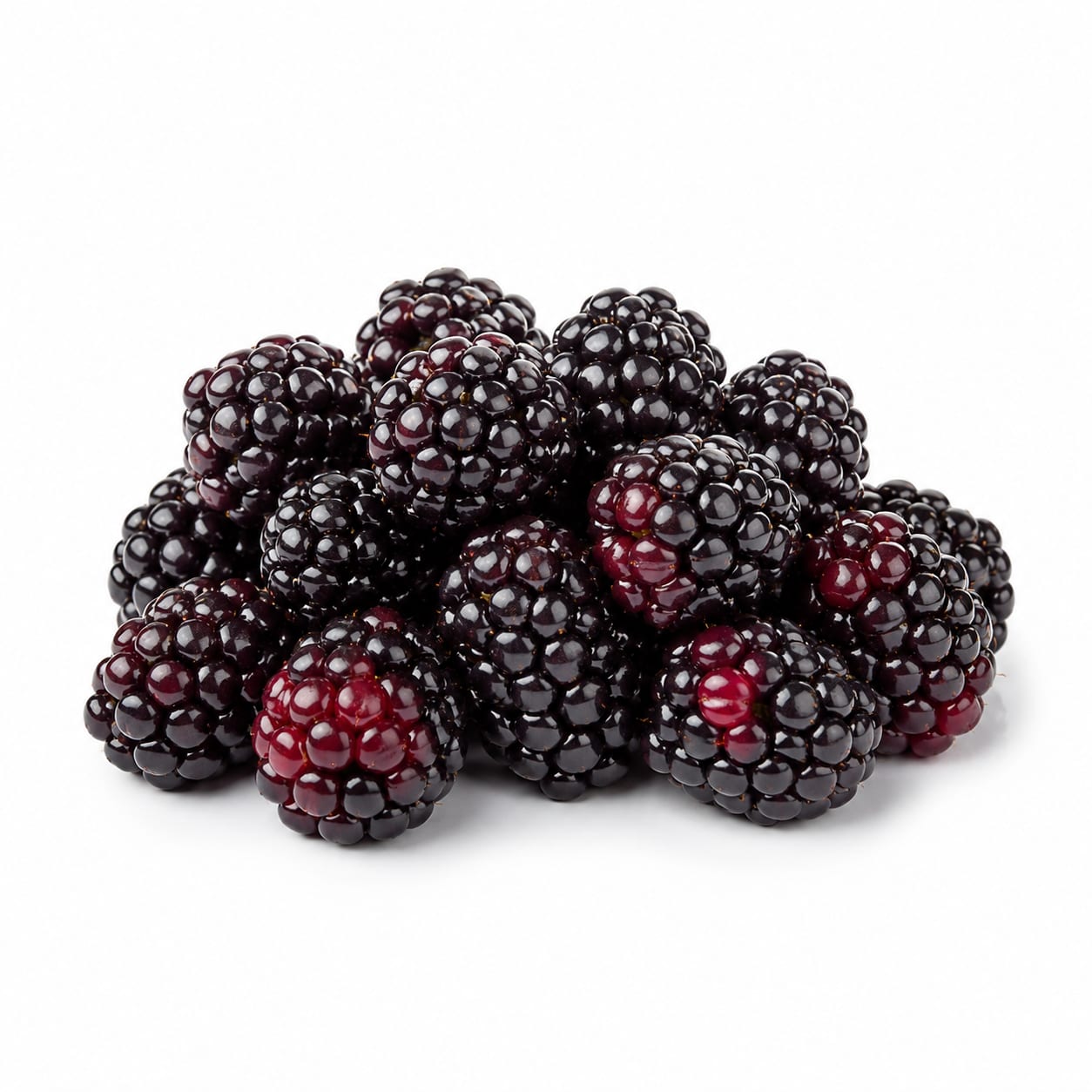
Marionberry
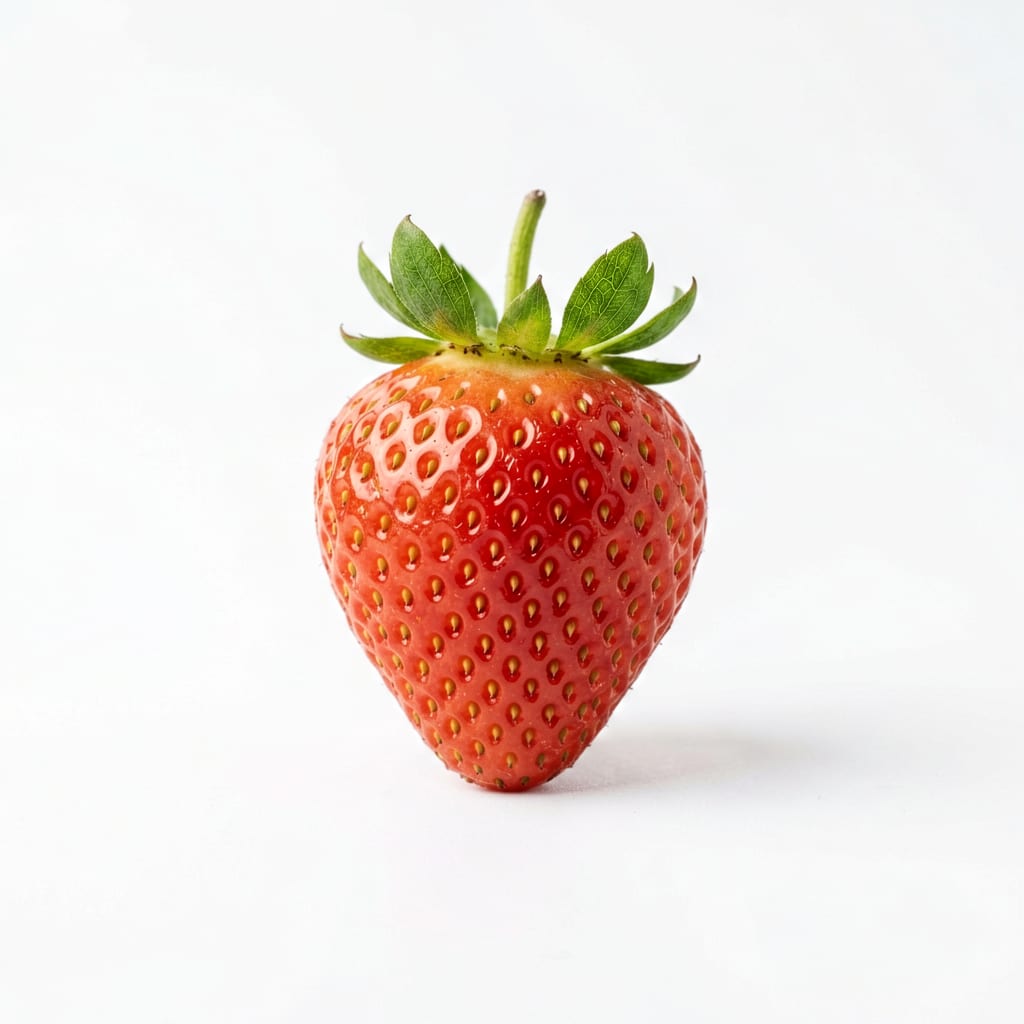
Strawberry
Marionberries win on antioxidants and fiber; strawberries win on vitamin C and everyday accessibility.
Marionberries score higher nutritionally due to superior fiber and antioxidant content, but strawberries close the gap with vitamin C, affordability, and year-round availability. The close scores reflect that both are excellent choices — the winner depends on what you optimize for.
Deep nutrition versus daily practicality — Marionberries are the more nutrient-dense berry, but strawberries are far easier to find and eat regularly.
At a glance
Executive summary
Overall
It depends
Healthier
Marionberry
More practical
Strawberry
Daily use
Strawberry
Key comparison lenses
antioxidant density
Marionberries are among the most antioxidant-rich berries available, making this a key differentiator
fiber and satiety
Marionberries deliver notably more fiber per serving, affecting fullness and blood sugar response
pesticide exposure
Strawberries consistently rank #1 on the EWG Dirty Dozen list for pesticide residues
availability and practicality
Strawberries are available year-round nationwide while Marionberries are seasonal and regional
vitamin C intake
Strawberries are a standout vitamin C source where Marionberries fall behind
Best choice for
Marionberry
- Maximizing antioxidant intake without supplements
- Boosting fiber for digestion and satiety
- Reducing pesticide exposure when eating conventional
- Adding bold, complex flavor to desserts and jams
Strawberry
- Getting daily vitamin C from a whole food source
- Meal prep and weekly grocery shopping convenience
- Kids who prefer milder, sweeter flavors
- Eating berries daily without breaking the budget
Least suitable for
Marionberry
- Anyone living outside the Pacific Northwest during off-season
- Budget-conscious shoppers needing weekly berry purchases
- People who dislike tart or complex flavor profiles
Strawberry
- Those strictly avoiding pesticide exposure from conventional produce
- Anyone seeking maximum fiber per calorie
- People wanting the highest antioxidant bang for their buck
Deep comparison
Dimension by dimension
Each lens scores both foods and breaks down who each option suits.
- Dimension 1 · Priority 92Marionberry
Antioxidant Power
Marionberry · 94Strawberry · 68Marionberries deliver significantly more anthocyanins and total antioxidants per serving than strawberries.
Tradeoff
You gain deeper cellular protection with Marionberries but sacrifice the vitamin C concentration strawberries provide.
Why it matters
Higher antioxidant intake correlates with lower inflammation and slower cellular aging over time.
Real-world impact
Regularly eating Marionberries instead of strawberries is like upgrading from basic to premium insurance for your cells — more coverage, but harder to find.
Marionberry
- Reducing chronic inflammation
- Supporting brain health and memory
- Maximizing anti-aging benefits from food
Better for
- Vitamin C content is modest compared to strawberries
Worse for
Strawberry
- Meeting daily vitamin C needs easily
- Supporting immune function during cold season
- Collagen production for skin health
Better for
- Total antioxidant capacity is notably lower than dark berries like Marionberries
Worse for
- Dimension 2 · Priority 88Marionberry
Fiber and Satiety
Marionberry · 90Strawberry · 62Marionberries provide roughly double the fiber of strawberries per serving, making them noticeably more filling.
Tradeoff
More fiber means better blood sugar control and digestion, but the denser texture and seeds can feel less refreshing on hot days.
Why it matters
Fiber is the single most undervalued nutrient for weight management, gut health, and steady energy.
Real-world impact
A bowl of Marionberries keeps you full longer and prevents the quick hunger rebound that lighter berries can cause.
Marionberry
- Sustained energy without crashes
- Gut health and regular digestion
- Weight management through natural fullness
Better for
- Seedy texture may bother some people
Worse for
Strawberry
- Light refreshing snacks in hot weather
- Smoother texture for smoothies and desserts
- Easier eating for people with sensitive digestion
Better for
- Less fiber means less satiety per serving
Worse for
- Dimension 3 · Priority 85Marionberry
Pesticide Exposure
Marionberry · 82Strawberry · 45Strawberries consistently top the Dirty Dozen list for pesticide residues; Marionberries grown conventionally carry less risk.
Tradeoff
Organic strawberries solve the pesticide problem but cost significantly more, while conventional Marionberries are relatively cleaner.
Why it matters
Pesticide exposure accumulates over years and is linked to hormonal disruption and neurological concerns.
Real-world impact
If you eat berries daily and buy conventional, Marionberries are the safer bet. With strawberries, going organic matters more.
Marionberry
- Lower pesticide load even when conventionally grown
- Safer daily consumption without needing organic certification
Better for
- Organic options are harder to find due to limited production
Worse for
Strawberry
- Organic options are widely available in most stores
Better for
- Conventional strawberries are among the most pesticide-contaminated fruits available
Worse for
- Dimension 4 · Priority 75Strawberry
Vitamin C Content
Marionberry · 48Strawberry · 92Strawberries are an exceptional vitamin C source, delivering nearly 100% of daily needs per cup. Marionberries lag significantly here.
Tradeoff
Strawberries support immune function and skin health directly; Marionberries rely on other antioxidants for their health benefits.
Why it matters
Vitamin C is essential for immunity, collagen, and iron absorption — and many people fall short.
Real-world impact
Eating a cup of strawberries covers your vitamin C for the day. With Marionberries, you need other sources.
Marionberry
- Vitamin K and manganese intake is stronger
Better for
- Not a meaningful vitamin C source
Worse for
Strawberry
- Meeting daily vitamin C needs from a single food
- Immune support during winter months
- Enhancing iron absorption from plant meals
Better for
- Lower in vitamin K and manganese than darker berries
Worse for
- Dimension 5 · Priority 80Strawberry
Availability and Cost
Marionberry · 35Strawberry · 92Strawberries are available year-round in every grocery store. Marionberries are seasonal, regional, and often expensive.
Tradeoff
The best berry nutritionally means nothing if you cannot find or afford it consistently.
Why it matters
Dietary benefits only materialize from foods you actually eat regularly, not occasional treats.
Real-world impact
Strawberries are an easy weekly habit. Marionberries are more of a seasonal treasure — delicious but not dependable for daily nutrition.
Marionberry
- Farmers markets in the Pacific Northwest during summer
- Unique flavor experience worth seeking out occasionally
Better for
- Very limited geographic and seasonal availability
- Higher cost per serving when found
- Rarely available frozen outside specialty stores
Worse for
Strawberry
- Year-round availability nationwide
- Consistent pricing and bulk purchasing options
- Frozen options widely available without quality loss
Better for
- Less exciting or unique as a culinary experience
Worse for
- Dimension 6 · Priority 70It depends
Flavor and Culinary Versatility
Marionberry · 82Strawberry · 80Marionberries offer a deeper, more complex tart-sweet flavor. Strawberries provide a crowd-pleasing sweetness that works in more dishes.
Tradeoff
Marionberries shine in jams, pies, and desserts where complexity is valued. Strawberries are more versatile across sweet and savory applications.
Why it matters
Flavor determines whether you actually enjoy eating healthy food or see it as a chore.
Real-world impact
Marionberry jam is a revelation. But for morning oatmeal, salads, and everyday snacking, strawberries are easier to love daily.
Marionberry
- Artisan jams and preserves
- Pies and baked desserts needing bold flavor
- Flavor-forward sauces and reductions
Better for
- Tartness can overwhelm delicate dishes
Worse for
Strawberry
- Everyday snacking and lunchboxes
- Smoothies where sweetness is preferred
- Savory salads and balsamic pairings
Better for
- Flavor can be bland when out of season
Worse for
Timeline
Health impact over time
Short-term
Hours to days
Marionberry
- Higher fiber provides longer-lasting fullness after eating
- Natural sugars are absorbed more slowly due to fiber content
- Tart flavor naturally limits overconsumption
Strawberry
- Quick vitamin C boost supports immediate immune function
- Higher water content feels lighter and more hydrating
- Easier to eat larger quantities due to mild sweet flavor
Long-term
Months to years
Marionberry
- Superior antioxidant intake may reduce chronic disease risk over decades
- Consistent fiber supports gut microbiome diversity and colon health
- Lower pesticide exposure reduces cumulative toxic burden
Strawberry
- Regular vitamin C intake supports skin elasticity and joint health long-term
- Widespread availability makes consistent daily consumption realistic
- Higher pesticide risk with conventional options accumulates over years
Risk profile
Safety & processing
Both berries are whole foods typically eaten fresh or frozen with minimal processing. The main concern is pesticide residues from conventional farming, which affects strawberries more severely.
Marionberry
Pesticide residues
lowMarionberries grown conventionally tend to have lower pesticide residues than strawberries, though washing is still recommended.
Mold and spoilage
mediumLike all delicate berries, Marionberries mold quickly. Use within 2-3 days of purchase and inspect carefully.
Strawberry
Pesticide residues
highStrawberries consistently rank #1 on the EWG Dirty Dozen. Conventional strawberries often test positive for multiple pesticide residues, including some linked to hormonal disruption.
Mold and spoilage
mediumStrawberries spoil rapidly. Refrigerate immediately and consume within a few days. Discard any showing mold to avoid spreading spores.
Who wins for whom
Audience fit
Same foods, different winners depending on your goal.
children
StrawberryStrawberries are sweeter, milder, and more kid-friendly. Their familiar shape and taste make them an easy sell at snack time.
daily consumption
StrawberryAvailability and affordability make strawberries the realistic daily choice for most people, even if Marionberries are slightly more nutritious per serving.
diabetes
MarionberryDouble the fiber slows sugar absorption significantly, leading to steadier blood sugar and lower glycemic impact.
elderly
MarionberryHigher fiber supports regular digestion, and the antioxidant density helps protect against age-related cognitive decline and inflammation.
muscle gain
It dependsNeither berry is a protein source. Both work equally well as micronutrient-rich sides to protein-focused meals.
weight loss
MarionberryHigher fiber per calorie means more satiety with fewer total calories consumed, naturally reducing overeating.
Your move
Decision guide
Choose Marionberry
- You live in or near the Pacific Northwest during berry season
- Maximizing antioxidants and fiber is your top priority
- You want lower pesticide exposure without paying organic prices
- You love complex, tart-sweet flavors in desserts and preserves
Choose Strawberry
- You need a reliable berry you can find any week of the year
- Vitamin C intake is a priority for immune or skin health
- You are feeding kids who prefer sweeter, milder fruits
- Budget matters and you want the most berry for your dollar
Either works if
- You simply want a nutrient-dense fruit instead of processed snacks
- You are adding berries to oatmeal, yogurt, or smoothies
- You are rotating through different berries for nutrient diversity
Avoid both if
- You have a severe berry allergy or salicylate sensitivity
- You are on a very low-carb diet tracking every gram of sugar
Final recommendation
Eat Marionberries whenever you can find them for the superior fiber and antioxidants. Eat strawberries the rest of the time for the vitamin C and convenience. The best approach is rotating both — variety always beats loyalty to a single fruit.
Practical
Consumer tips
- 1
If buying conventional strawberries, wash them thoroughly with a baking soda soak to reduce surface pesticide residues
- 2
Frozen Marionberries retain most of their antioxidant content and are worth stocking if you find them
- 3
Buy organic strawberries when possible — the pesticide difference is the largest of any common fruit
- 4
Mix both berries together for a bowl that covers fiber, antioxidants, and vitamin C in one serving
- 5
Marionberry season peaks in July in Oregon — plan ahead or look for frozen options online