
Nutrition comparison
Marionberry vs Cherry: Nutrition, Antioxidants, and Which Is Better for You
Compare Marionberry vs Cherry on antioxidants, sugar, fiber, sleep benefits, and practicality. Find out which fruit fits your health goals and lifestyle better.
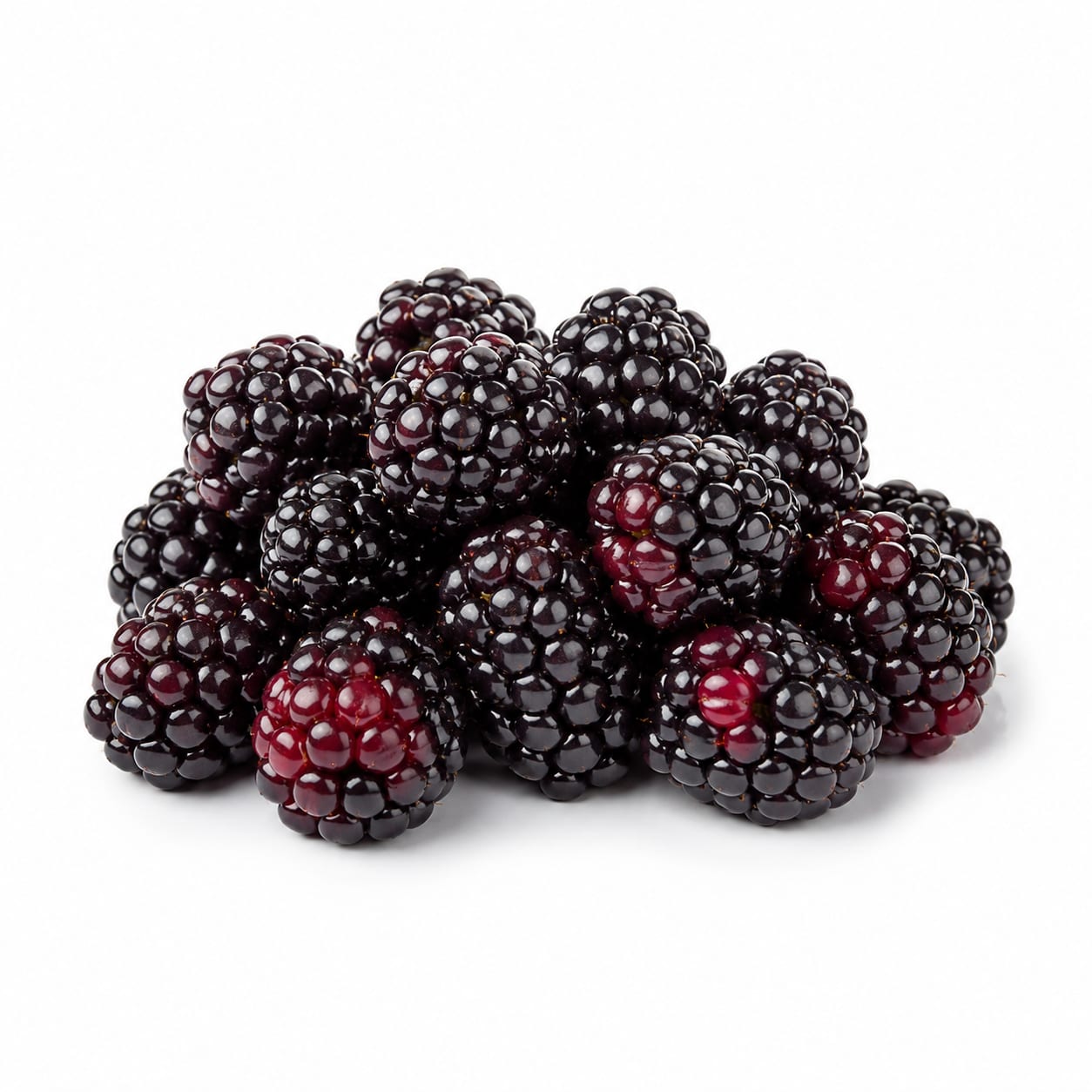
Marionberry
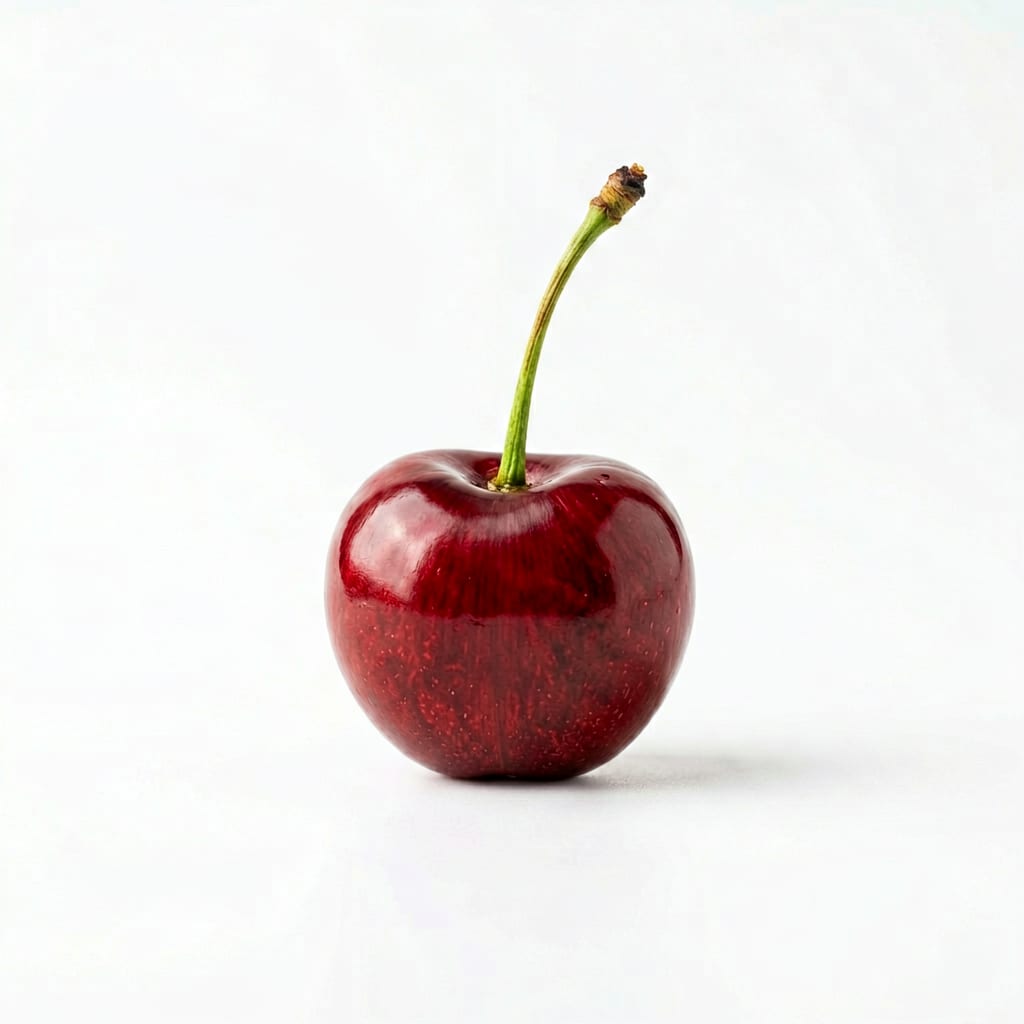
Cherry
Marionberries edge ahead on antioxidants and fiber, but cherries win on availability, sleep benefits, and everyday practicality.
Marionberries score slightly higher due to superior antioxidant density and fiber, but cherries close the gap with broader availability, sleep-supporting melatonin, and lower calories per serving. The narrow margin reflects that nutritional edge matters less if you cannot regularly obtain the fruit.
Nutritional density versus real-world accessibility — Marionberries are the stronger berry on paper, but cherries are far easier to find and eat consistently.
At a glance
Executive summary
Overall
It depends
Healthier
Marionberry
More practical
Cherry
Daily use
Cherry
Key comparison lenses
antioxidant density comparison
Both are prized for anthocyanin content but differ significantly in concentration and type
availability and everyday practicality
Marionberries are regionally limited while cherries are widely accessible year-round
sugar and blood sugar impact
Cherries are notably sweeter, making sugar load a practical decision factor
anti inflammatory and recovery benefits
Both are used for recovery and inflammation but through different compounds
fiber and satiety
Fiber differences affect fullness and digestive health between these two fruits
Best choice for
Marionberry
- Maximizing antioxidant intake per calorie
- Boosting fiber and digestive regularity
- Pacific Northwest locals with farm access
- Making jams, pies, and desserts with deeper flavor
Cherry
- Better sleep and recovery after exercise
- Convenient everyday snacking anywhere
- Lower calorie density during weight loss phases
- Reducing gout flares and joint inflammation
Least suitable for
Marionberry
- People without access to specialty or frozen berry suppliers
- Anyone needing a portable, mess-free snack on the go
Cherry
- Those strictly limiting sugar who want the lowest-sugar fruit option
- People with cherry allergies or birch pollen cross-reactivity
Deep comparison
Dimension by dimension
Each lens scores both foods and breaks down who each option suits.
- Dimension 1 · Priority 92Marionberry
antioxidant_density
Marionberry · 91Cherry · 78Marionberries deliver significantly more anthocyanins and total antioxidants per serving than cherries.
Tradeoff
You get more oxidative protection from Marionberries, but only if you can source them fresh or frozen regularly.
Why it matters
Higher antioxidant intake correlates with lower chronic disease risk and better cellular aging over time.
Real-world impact
Regular Marionberry consumption may show up as better skin resilience and faster recovery from physical stress.
Marionberry
- Long-term cellular protection
- Post-workout recovery when paired with protein
Better for
- None significant — this is Marionberry's strongest dimension
Worse for
Cherry
- Targeted uric acid reduction and gout management
Better for
- Situations demanding maximum antioxidant punch per bite
Worse for
- Dimension 2 · Priority 85Cherry
sugar_and_blood_sugar_impact
Marionberry · 68Cherry · 79Cherries have fewer calories and slightly lower sugar per cup despite tasting sweeter, giving them a gentler blood sugar footprint.
Tradeoff
Marionberries feel less sweet but pack more total sugar per serving due to larger portion density.
Why it matters
Lower sugar load means steadier energy and easier portion control, especially for afternoon snacking.
Real-world impact
A cup of cherries feels like a generous treat without the crash risk that larger berry portions can bring.
Marionberry
- Situations where tart flavor cues naturally limit overconsumption
Better for
- Mindless snacking scenarios where portion creep increases sugar intake
Worse for
Cherry
- Weight management phases requiring calorie awareness
- Blood sugar-sensitive individuals counting grams carefully
Better for
- People who find sweet taste triggering for additional cravings
Worse for
- Dimension 3 · Priority 78Marionberry
fiber_and_satiety
Marionberry · 85Cherry · 62Marionberries provide roughly double the fiber per cup compared to cherries, making them noticeably more filling.
Tradeoff
Better fullness from Marionberries comes with more seeds that some find texturally annoying.
Why it matters
Fiber slows digestion, steadies blood sugar, and keeps you satisfied longer between meals.
Real-world impact
A Marionberry snack at 3pm holds you over to dinner more reliably than the same volume of cherries.
Marionberry
- Digestive regularity and gut health
- Staying full between meals without extra calories
Better for
- People sensitive to seeds or with diverticulitis concerns
Worse for
Cherry
- Light pre-workout fuel when you want less bulk in your stomach
Better for
- Those relying on fruit alone to bridge long gaps between meals
Worse for
- Dimension 4 · Priority 88Cherry
availability_and_convenience
Marionberry · 35Cherry · 90Cherries are available in nearly every grocery store year-round; Marionberries are regional and seasonal with limited distribution.
Tradeoff
Marionberries may be nutritionally superior but only matter if you can actually buy and eat them consistently.
Why it matters
The healthiest food is the one you can access and eat regularly, not the one that scores best in theory.
Real-world impact
Most people can grab cherries any week of the year; Marionberries require planning, freezing, or mail order.
Marionberry
- Oregon and Pacific Northwest residents during summer season
Better for
- Impulse snackers who eat what is available
- Anyone outside the Pacific Northwest without freezer space
Worse for
Cherry
- Anyone shopping at a standard grocery store
- Travelers and people with limited specialty store access
- Consistent daily fruit habits without seasonal gaps
Better for
- None — availability is cherry's clear advantage
Worse for
- Dimension 5 · Priority 80Cherry
sleep_and_recovery
Marionberry · 55Cherry · 86Tart cherries are one of the few natural food sources of melatonin and have strong evidence for improving sleep and reducing muscle soreness.
Tradeoff
Marionberries support recovery through antioxidants alone but lack the direct sleep-regulating compounds cherries provide.
Why it matters
Sleep quality drives recovery, appetite regulation, and mood more than most people realize.
Real-world impact
Eating tart cherries or drinking cherry juice in the evening can meaningfully improve how you feel the next morning.
Marionberry
- General antioxidant recovery support
Better for
- Anyone specifically targeting sleep improvement through diet
Worse for
Cherry
- Athletes seeking faster muscle recovery
- People with mild sleep difficulties wanting a food-first approach
- Older adults with natural melatonin decline
Better for
- None significant for this dimension
Worse for
Timeline
Health impact over time
Short-term
Hours to days
Marionberry
- Quick antioxidant boost after consumption
- Moderate satiety from fiber helping curb between-meal hunger
- Tart flavor may satisfy sweet cravings with less overeating risk
Cherry
- Gentle blood sugar response that avoids energy spikes and crashes
- Natural melatonin signal that can ease evening wind-down
- Hydrating and light feeling in the stomach, ideal before activity
Long-term
Months to years
Marionberry
- Consistent antioxidant intake may reduce oxidative stress markers over years
- High fiber supports gut microbiome diversity and digestive health
- Limited access may reduce actual long-term consumption frequency
Cherry
- Regular cherry intake linked to lower uric acid and reduced gout risk
- Improved sleep patterns from melatonin may compound into better metabolic health
- Wider availability makes consistent long-term intake more realistic
Risk profile
Safety & processing
Both fruits are whole, unprocessed foods at their natural state. The main concern is that Marionberries are more commonly found frozen or in preserved forms like jams, which can add sugar. Fresh cherries are typically eaten as-is with minimal intervention.
Marionberry
Pesticide residue on conventionally grown berries
mediumBerries consistently rank high on pesticide residue lists. Washing helps but does not remove all residues. Organic is preferable for Marionberries when available.
Mold and spoilage due to delicate structure
mediumMarionberries spoil quickly and mold can develop within 1-2 days of purchase. Inspect carefully and refrigerate immediately.
Cherry
Pesticide residue on conventional cherries
mediumCherries also appear on high-pesticide lists. The non-edible pit reduces some exposure, but skin residue remains a concern. Washing is essential.
Cherry pit ingestion hazard for young children
mediumWhole cherries pose a choking risk for children under 4. Pits also contain amygdalin, which releases cyanide in tiny amounts if crushed and consumed in quantity.
Birch pollen cross-reactivity
lowSome individuals with birch pollen allergy experience oral allergy syndrome with fresh cherries, causing mouth itching or swelling.
Who wins for whom
Audience fit
Same foods, different winners depending on your goal.
children
CherryCherries are sweeter and more appealing to kids, but must be pitted for children under 4. Marionberries are safe but their tartness and seeds reduce kid appeal.
daily consumption
CherryYear-round availability and easier portion control make cherries more sustainable as a daily fruit habit for most people.
diabetes
CherryCherries have a lower glycemic load per serving and more research supporting blood sugar-friendly effects, though both are reasonable in moderation.
elderly
CherryCherries support sleep quality and joint health through uric acid reduction, both of which are common concerns for older adults.
muscle gain
CherryTart cherry juice is well-studied for reducing exercise-induced muscle damage and speeding recovery, making it more directly useful for training.
weight loss
CherryCherries offer fewer calories per cup and a lower sugar load, making portion control easier during a calorie deficit.
Your move
Decision guide
Choose Marionberry
- You live in or near the Pacific Northwest with reliable access to fresh or frozen Marionberries
- Maximizing antioxidant and fiber intake per calorie is your top priority
- You enjoy tart, complex berry flavors and bake regularly
- You want a nutrient-dense addition to smoothies, oatmeal, or yogurt
Choose Cherry
- You want a fruit you can find at any grocery store any time of year
- Sleep quality and post-exercise recovery matter to you
- You prefer sweeter fruit that feels like a treat without guilt
- You are managing gout, joint inflammation, or uric acid levels
Either works if
- You simply want more whole fruit variety in your diet
- You are looking for natural anti-inflammatory foods to complement meals
- Both are available and you want to rotate for nutrient diversity
Avoid both if
- You have a severe berry or stone fruit allergy
- You are on a very strict low-sugar medical protocol and need lower-sugar fruit options like raspberries or strawberries instead
Final recommendation
Eat both when you can. Prioritize cherries for daily consistency and recovery support, and seek out Marionberries when available for their superior antioxidant and fiber punch. Variety between these two gives you broader phytonutrient coverage than either alone.
Practical
Consumer tips
- 1
Buy Marionberries frozen if fresh are unavailable — they retain most antioxidants and are far more practical
- 2
Choose organic for both fruits when possible, as berries and cherries rank high for pesticide residues
- 3
Pit cherries before giving to young children and avoid swallowing pits yourself
- 4
Tart cherry juice concentrate delivers more melatonin and recovery benefits than whole sweet cherries alone
- 5
Freeze extra Marionberries or cherries during peak season for year-round use in smoothies and baking
- 6
Pair either fruit with a protein or fat source like Greek yogurt or nuts to slow sugar absorption and increase satiety