
Tropical Fruit
Mangosteen
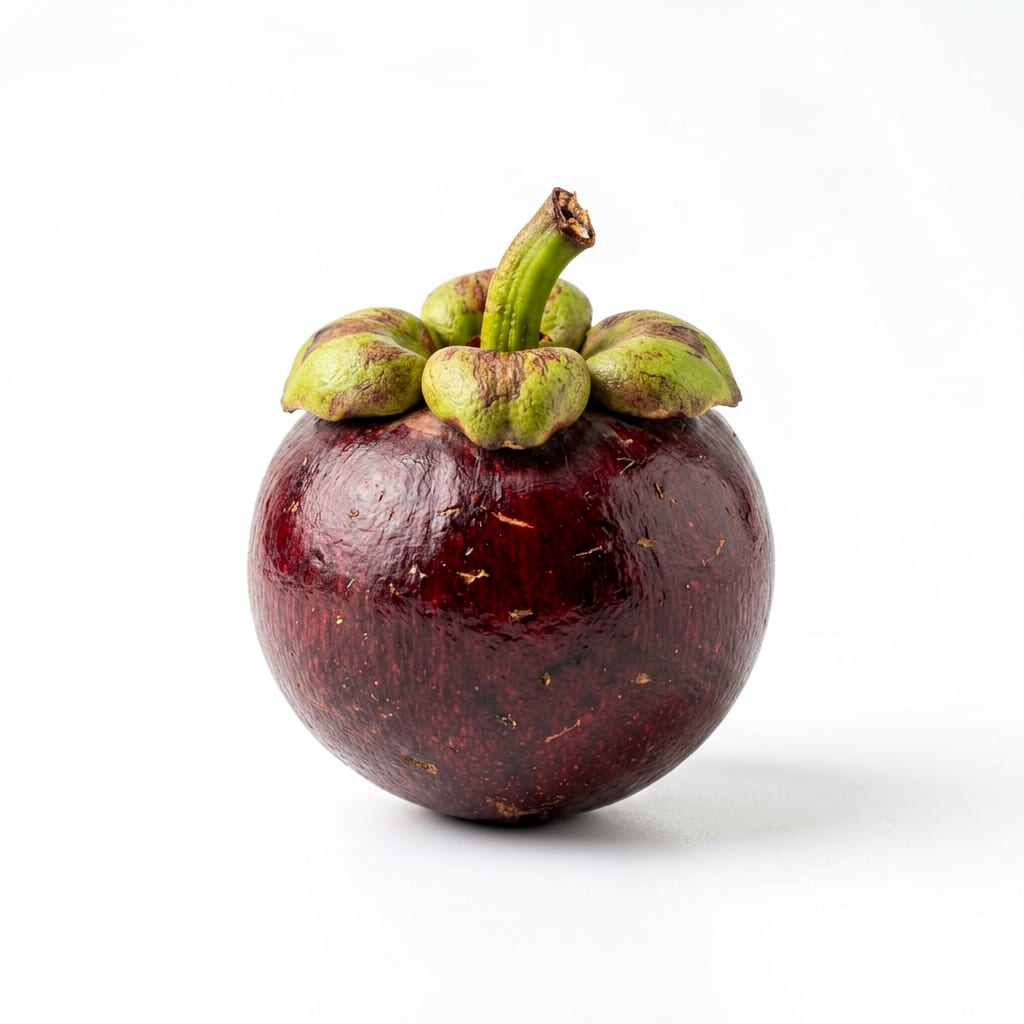
A tropical fruit known for its sweet-tart white flesh and purple rind, rich in unique antioxidants called xanthones.
A sweet, tangy tropical fruit with a thick, deep purple rind and soft, snow-white segmented flesh inside.
low-calorie high-water tropical fruit
Typical serving · 100g
Common varieties · mangostana, malay mangosteen, wild mangosteen
Overall context score across nutrition, safety, and diet fit
At a glance
Quick facts
Simple indicators based on nutrition, processing, and diet fit.
The story
What makes it unique
Mangosteen flesh digests moderately fast due to its simple sugar content, but its low glycemic index prevents rapid blood sugar spikes. It offers moderate satiety given its high water content and low energy density. The macronutrient profile is heavily carbohydrate-dominant with negligible protein and fat. As a whole, raw fruit, it is minimally processed, though its famous xanthone antioxidants are primarily concentrated in the inedible rind rather than the edible flesh.
Varieties: mangostana · malay mangosteen · wild mangosteen
Per 100g
Nutrition breakdown
Macro balance and key metrics at a glance.
Energy
Density 0.73 kcal/g
Protein
Carbs
Fat
Fiber
Sugar
16.09 g
Sodium
7 mg
Potassium
48 mg
Glycemic index
25
Glycemic load
4
Water content
80.94%
Standout compounds
Nutrient highlights
Vitamin C
moderateSupports immune function and collagen synthesis.
Xanthones
highPotent anti-inflammatory and antioxidant properties, mostly in the rind.
Dietary Fiber
lowPromotes digestive regularity and slows sugar absorption.
B Vitamins
lowSupports cellular energy production and metabolic function.
Wellness map
Health scores & processing
NOVA processing scale
Minimally processed · Whole food
Fresh mangosteen is an unprocessed whole food. Processing only occurs if the fruit is canned in syrup, juiced, or dried, which significantly alters its nutritional profile.
Diet compatibility
- Weight loss
- Muscle gain
- Diabetes
- Gut health
- Low carb
- High protein
- Heart health
Relative standing
Food rankings
Qualitative ranks compared to similar whole foods.
- Satietymoderate
- Blood sugargood
- Nutrient densitymoderate
- Fitness fuelpoor
- Processing qualityexcellent
Eat with confidence
Food safety profile
Fresh mangosteen is very safe to consume. The thick rind protects the edible flesh from most pesticides and environmental contaminants. Primary risk is mold on damaged fruit.
Evidence confidence 85%
- Pesticideslow
- Antibioticslow
- Heavy metalslow
- Contaminationlow
Watch for
- agricultural pesticide residue on rind
- mold from moisture damage
Safer choices
Organic mangosteen ensures no synthetic pesticide exposure on the rind, though conventional is also low risk for the flesh.
Prep tips
Wash the purple rind thoroughly before cutting open to prevent transferring surface dirt or bacteria to the edible flesh.
Import restrictions exist in some regions (like the US historically) to prevent the introduction of agricultural pests, though irradiated fruit is now widely permitted.
Deep dive
Health analysis
How this food may fit different goals and preparation choices.
Weight loss
Low energy density and high water content make it a filling, low-calorie sweet treat that satisfies sugar cravings without high caloric cost.
Blood sugar
Despite its sweet taste, mangosteen has a surprisingly low glycemic index and load, causing a slow, manageable rise in blood sugar when eaten whole.
Fitness & energy
Provides quick-digesting simple sugars for a mild energy boost, but lacks the sustained energy or protein needed for serious athletic performance or recovery.
Gut health
Contains a modest amount of fiber that contributes to digestive regularity, but it is not a high-fiber food and offers minimal prebiotic benefits compared to other fruits.
Processing quality
Excellent when consumed fresh. Avoid canned mangosteens packed in heavy syrup or commercial mangosteen juice drinks, which strip away fiber and add refined sugar.
Food safety
Very safe. The thick, durable rind acts as a natural barrier against pesticides and microbial contamination for the edible interior.
Common mistakes
Assuming mangosteen juice or supplements provide the same benefits as the whole fruit, or believing the edible flesh is a potent antioxidant superfood.
Best preparation
Eaten fresh and raw. Slice the rind horizontally around the equator without piercing the flesh, then twist open and eat the white segments. Avoid biting into the bitter seeds.
Practical guide
Best use cases
When and how this food fits real eating patterns.
Low-calorie dessert alternative
Satisfies sweet cravings with minimal calories and a low glycemic impact compared to traditional desserts.
Tropical fruit platter addition
Adds unique flavor and visual appeal to fruit salads and tropical breakfast bowls.
Blood sugar-friendly snacking
A sweet snack option that provides a slow release of energy, suitable for those monitoring glucose responses.
Balance sheet
Pros & cons
Upsides
- Low glycemic index prevents blood sugar spikes
- High water content keeps calories low
- Contains unique xanthone antioxidants in the rind
- Sweet taste satisfies sugar cravings naturally
- Thick rind protects flesh from pesticide contamination
Trade-offs
- Most beneficial xanthones are in the inedible rind
- High in sugar relative to fiber and protein
- Expensive and difficult to find fresh outside the tropics
- Short shelf life and highly perishable
- Mangosteen juices and supplements are often overpriced and high in sugar
Fit check
Who is it for?
Great match
- low-glycemic snacking
- sweet treat alternatives
- tropical fruit enthusiasts
- weight management
Consider alternatives
- strict ketogenic diets
- high-protein diets
- budget-conscious grocery shopping
- those seeking high-fiber fruits
Side by side
How it compares
Open the full head-to-head analysis for nutrition, safety, and practical tradeoffs.
This food
Mangosteen
VS90% alike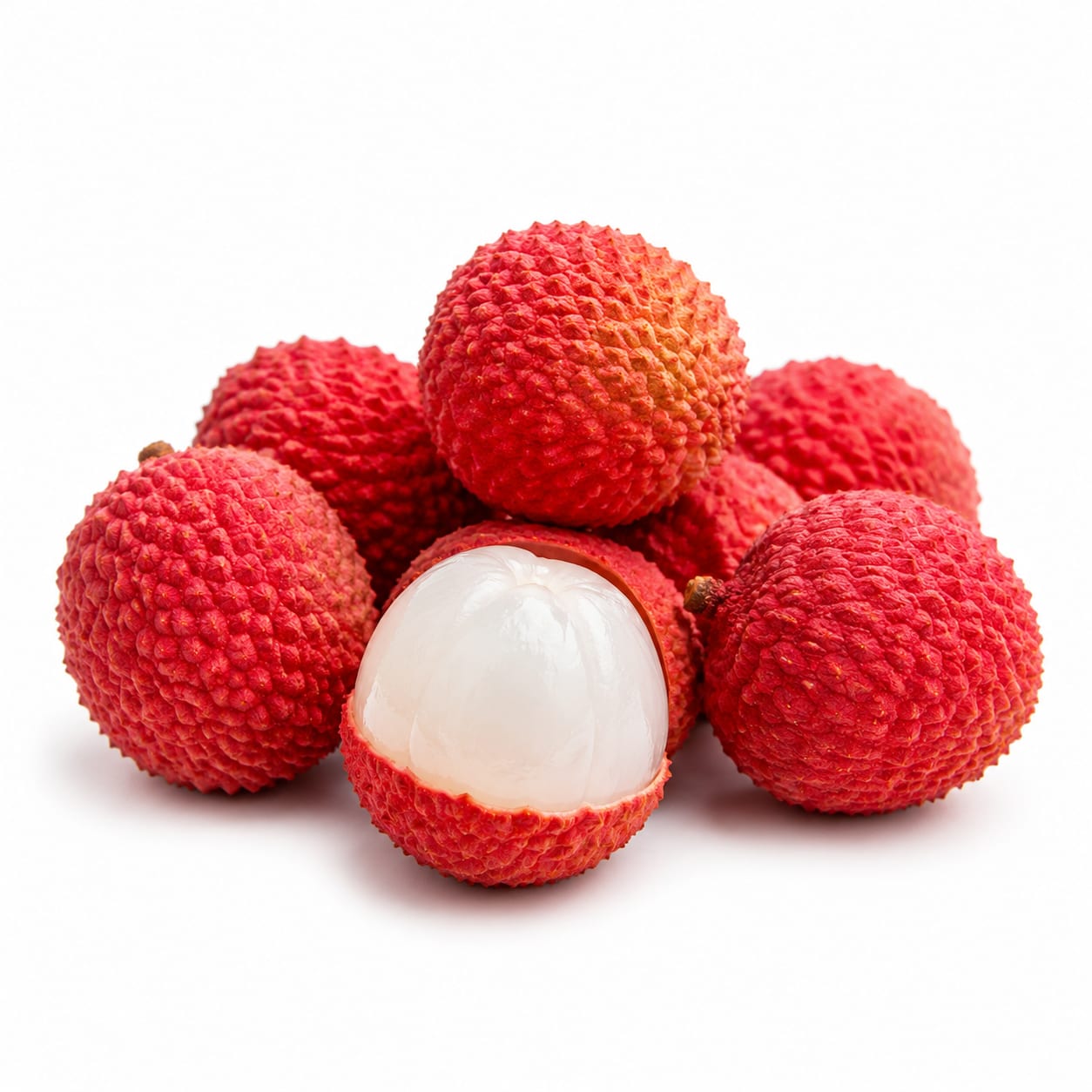
Compare with
Lychee
Mangosteen is lower in calories and sugar than lychee, making it slightly better for blood sugar control and weight loss.
Mangosteen is lower in sugar and calories than lychee, making it a better choice for blood sugar control, while lychee offers slightly more fiber and vitamin C.
This food
Mangosteen
VS88% alike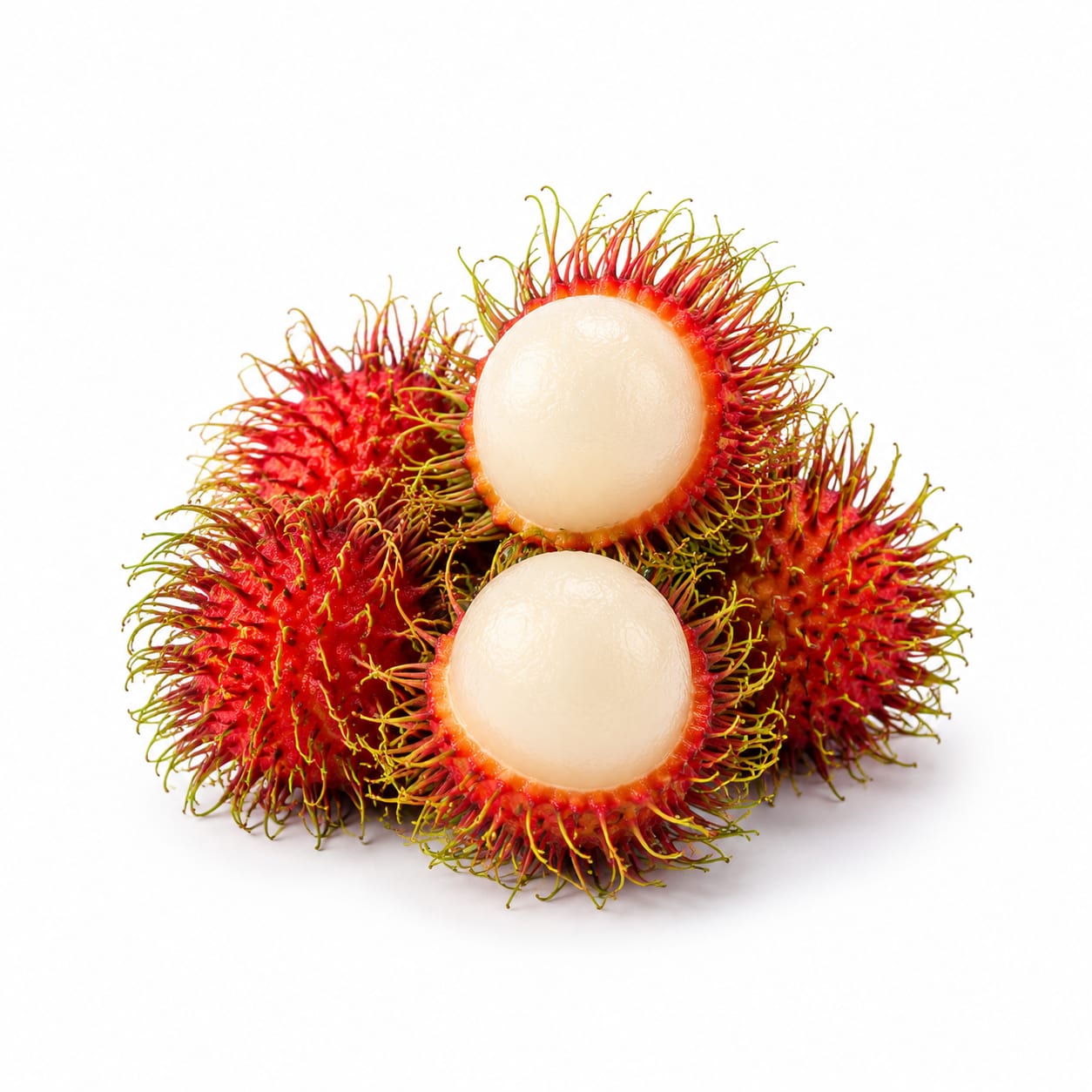
Compare with
Rambutan
Mangosteen has a lower glycemic load and fewer calories than rambutan, offering a better profile for weight management.
Mangosteen beats rambutan for weight loss and blood sugar control due to lower calories and carbs, though both are sweet tropical treats.
This food
Mangosteen
VS85% alike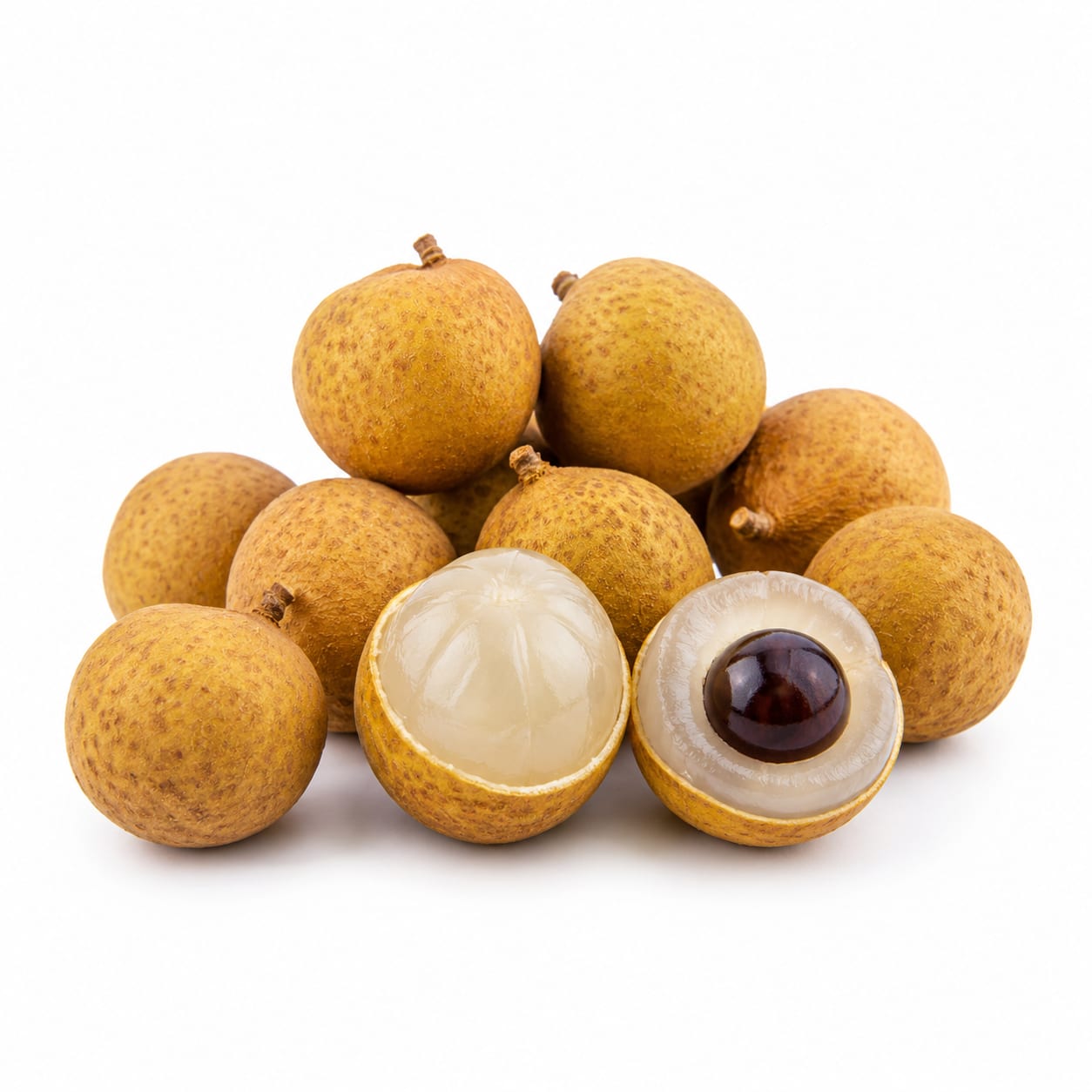
Compare with
Longan
Longan is slightly higher in calories and carbohydrates, making mangosteen the leaner option.
Mangosteen is lower in calories and carbs than longan, making it a slightly better option for low-calorie diets and blood sugar management.
This food
Mangosteen
VS75% alike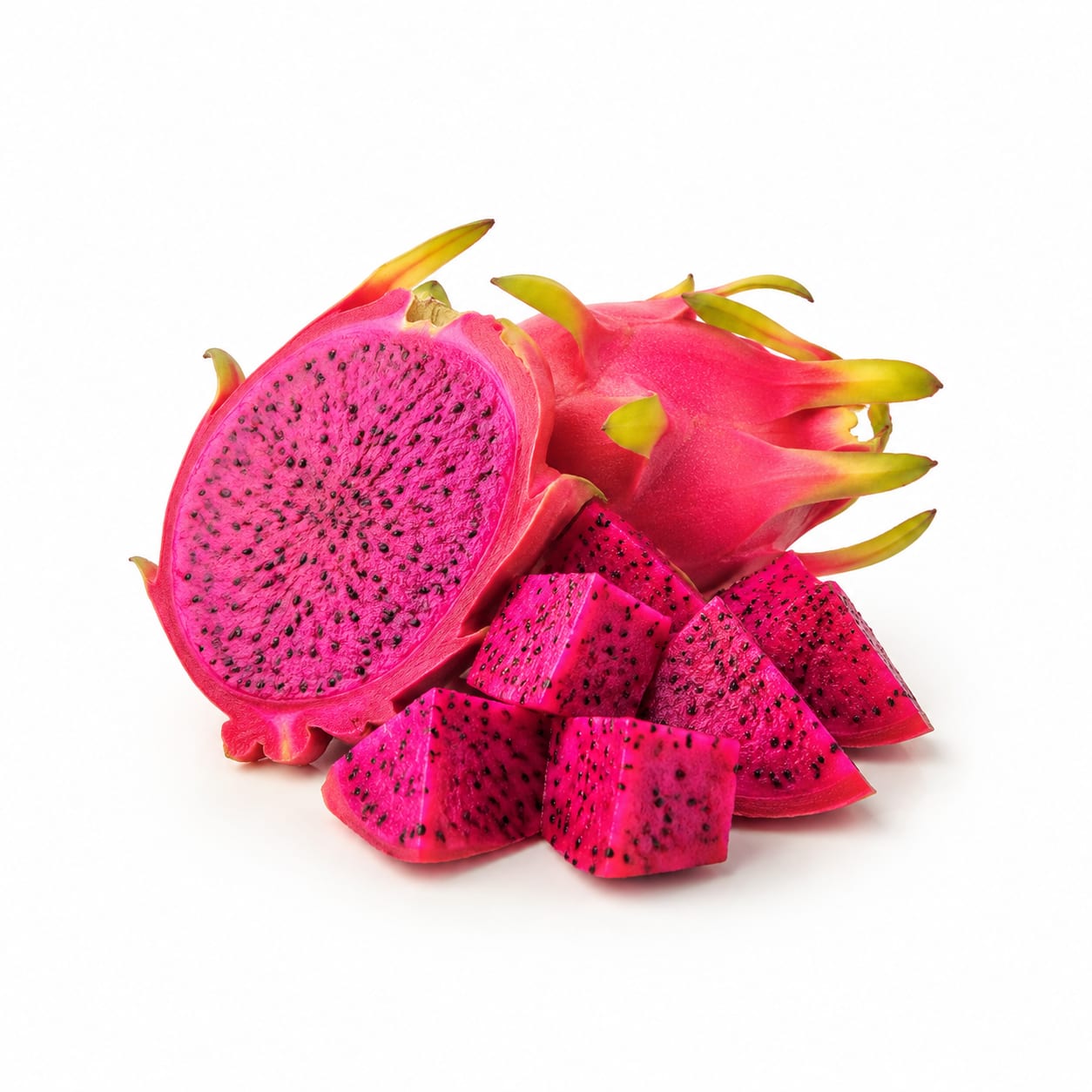
Compare with
Dragon Fruit
Dragon fruit is lower in sugar and higher in fiber, while mangosteen has a stronger, sweeter flavor and lower glycemic load.
Dragon fruit is lower in sugar and higher in fiber than mangosteen, making it better for satiety and blood sugar, while mangosteen offers a more intense sweet flavor.
This food
Mangosteen
VS70% alike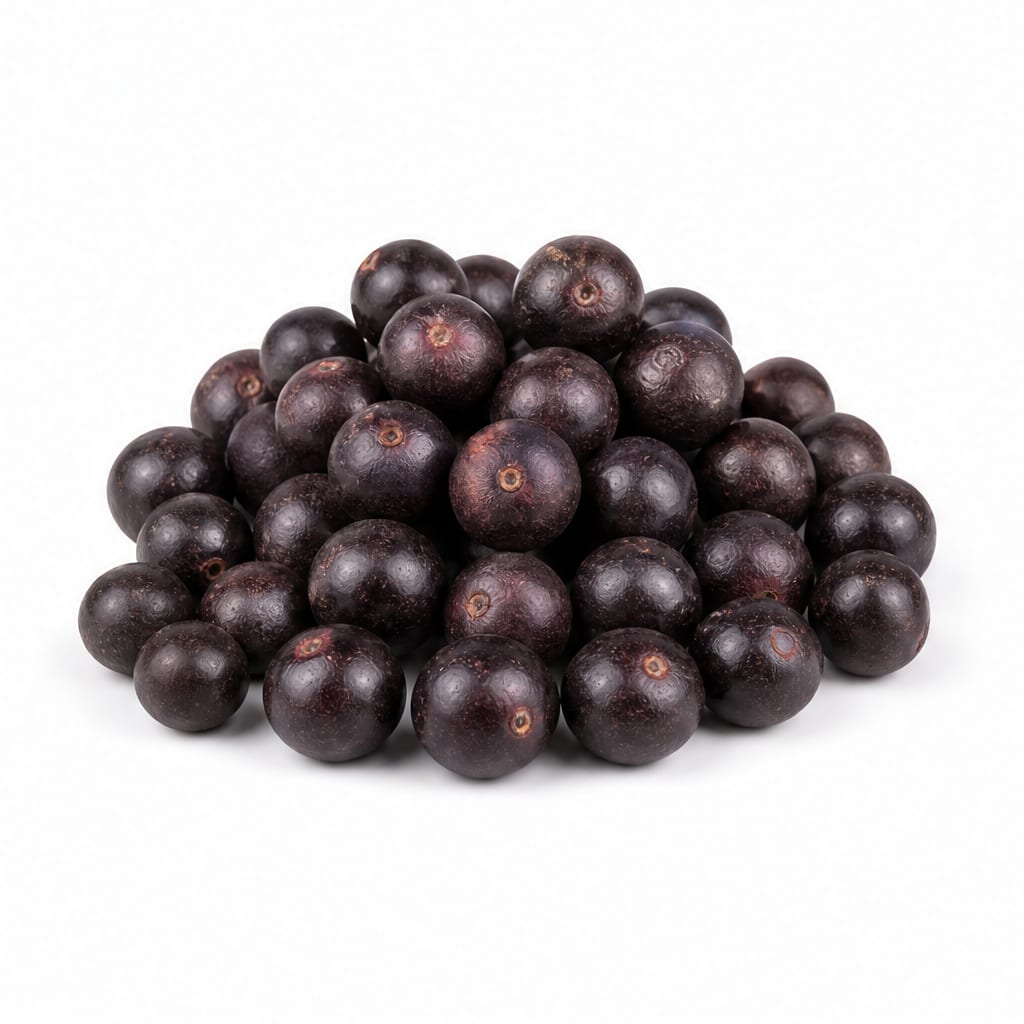
Compare with
Acai Berry
Acai is higher in healthy fats and antioxidants in the edible portion, while mangosteen is lower in calories and higher in simple carbs.
Acai provides more healthy fats and edible antioxidants, while fresh mangosteen is lower in calories and better for low-fat snacking.
This food
Mangosteen
VS65% alike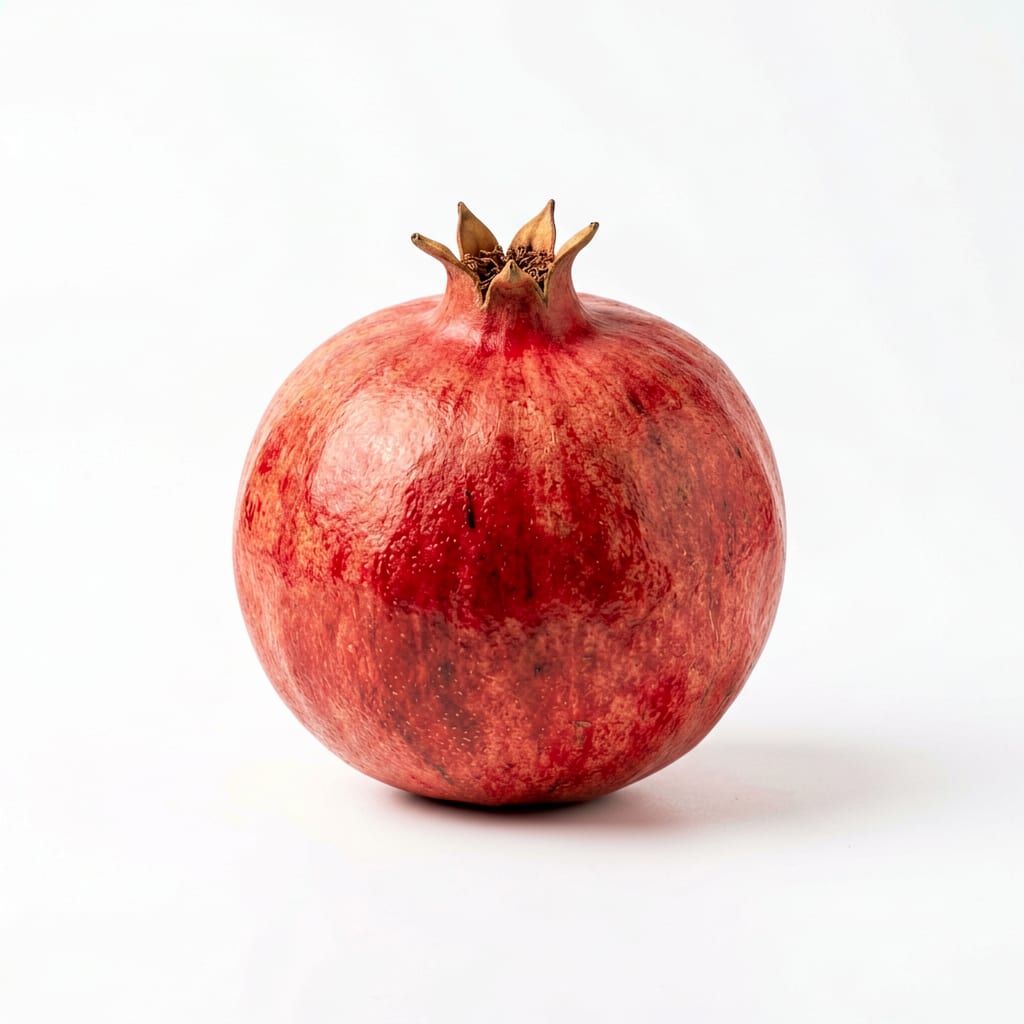
Compare with
Pomegranate
Pomegranate offers significantly more fiber and edible antioxidants, while mangosteen is easier to eat and lower in calories per serving.
Pomegranate is higher in fiber and accessible antioxidants, while mangosteen is lower in calories and provides a sweeter, juicier eating experience.
This food
Mangosteen
VS60% alike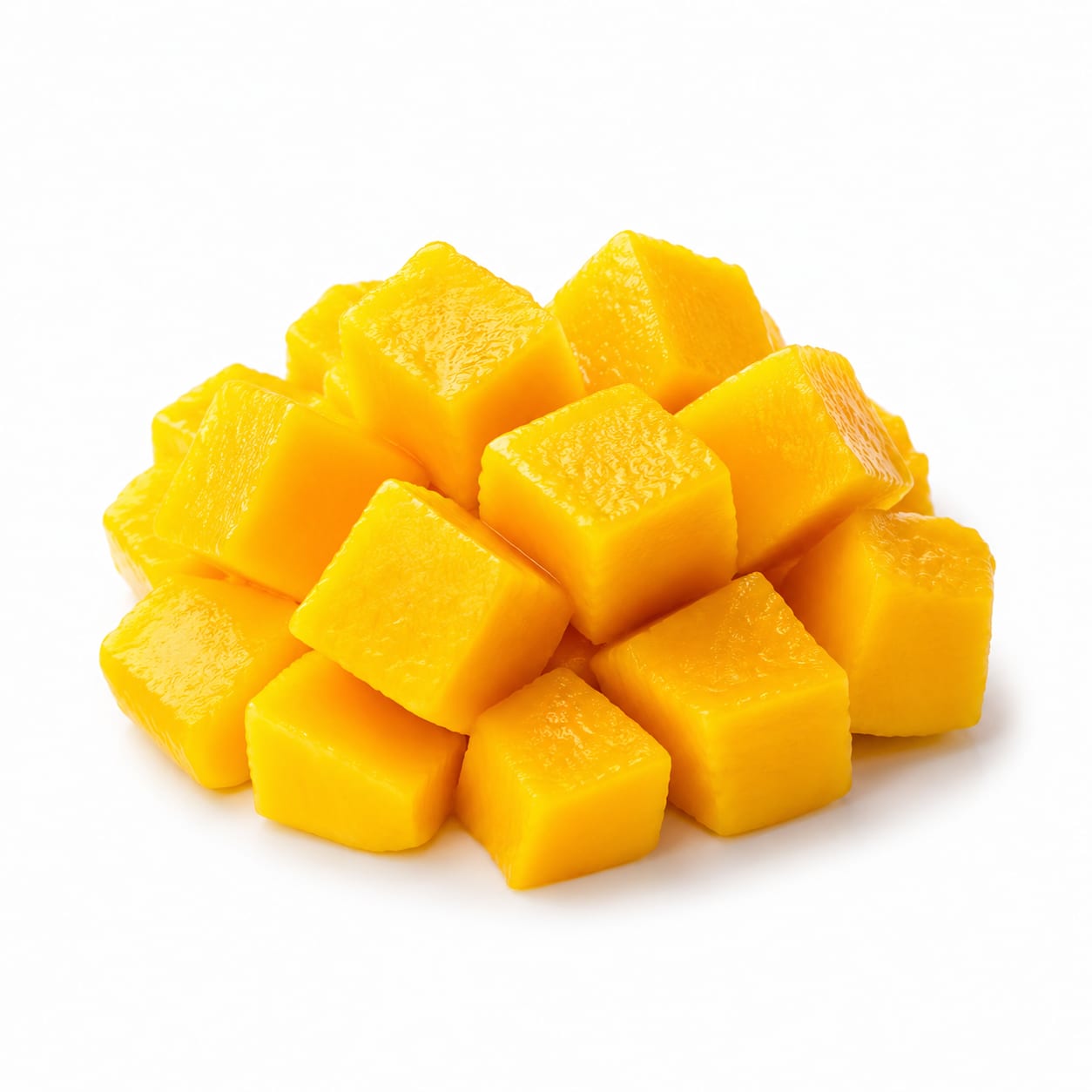
Compare with
Mango
Mango is higher in vitamins A and C, but mangosteen is significantly lower in sugar and calories.
Mangosteen is lower in sugar and calories than mango, making it better for weight loss, while mango provides more vitamin C and energy for fitness.
This food
Mangosteen
VS55% alike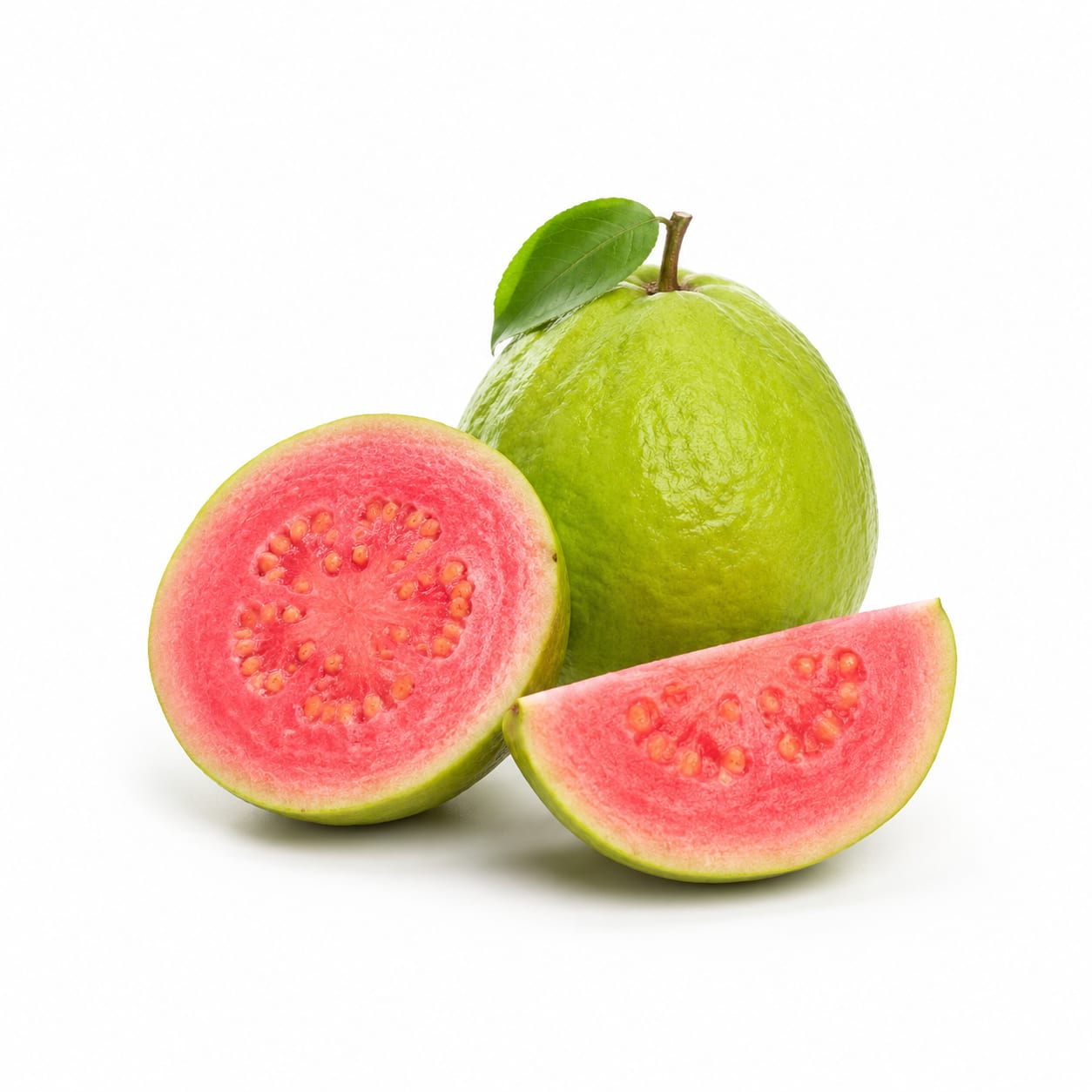
Compare with
Guava
Guava is a nutritional powerhouse with massive fiber and vitamin C, easily beating mangosteen for satiety and blood sugar control.
Guava vastly outperforms mangosteen in fiber and vitamin C, making it far superior for satiety and blood sugar control, while mangosteen is simply sweeter and juicier.
This food
Mangosteen
VS50% alike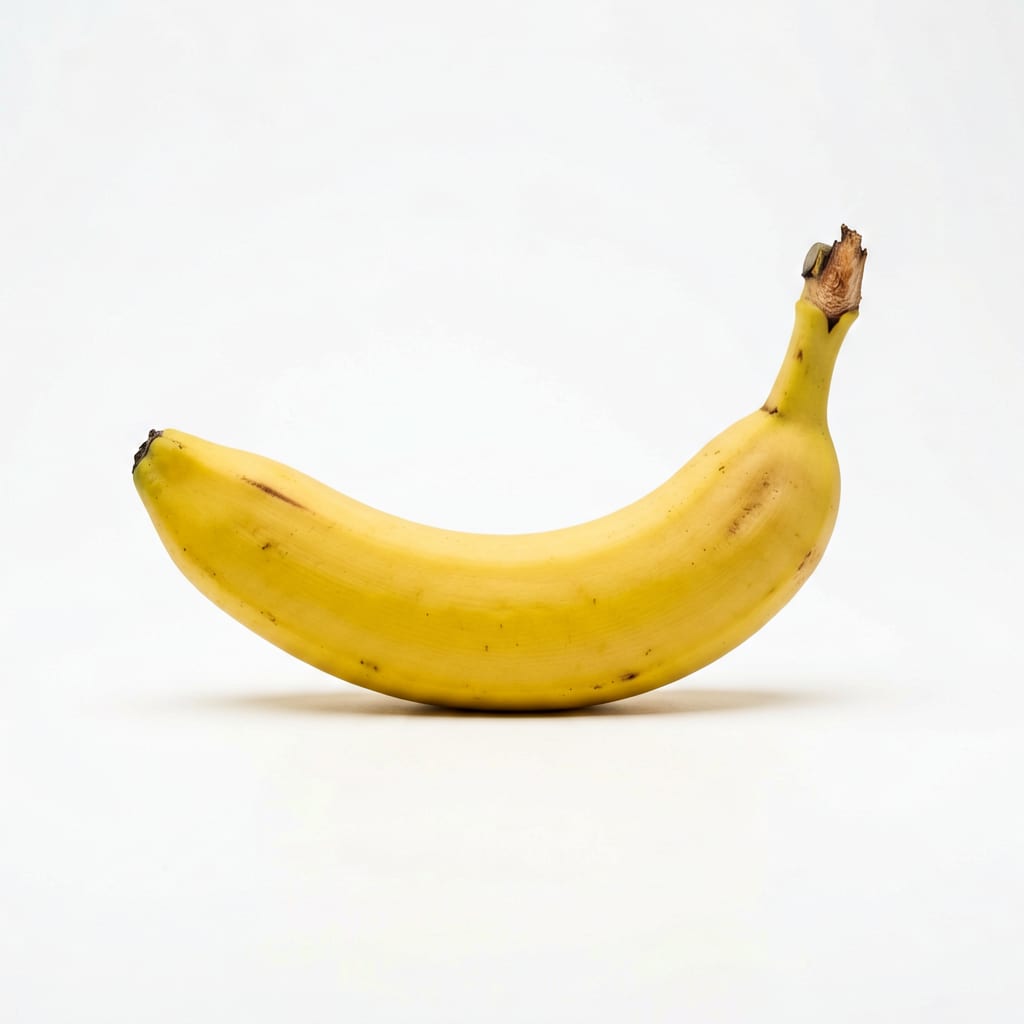
Compare with
Banana
Bananas offer more energy and potassium for fitness, while mangosteen provides a lower-calorie, lower-glycemic alternative.
Bananas provide more workout fuel and potassium, while mangosteen is lower in calories and better for managing blood sugar spikes.
This food
Mangosteen
VS45% alike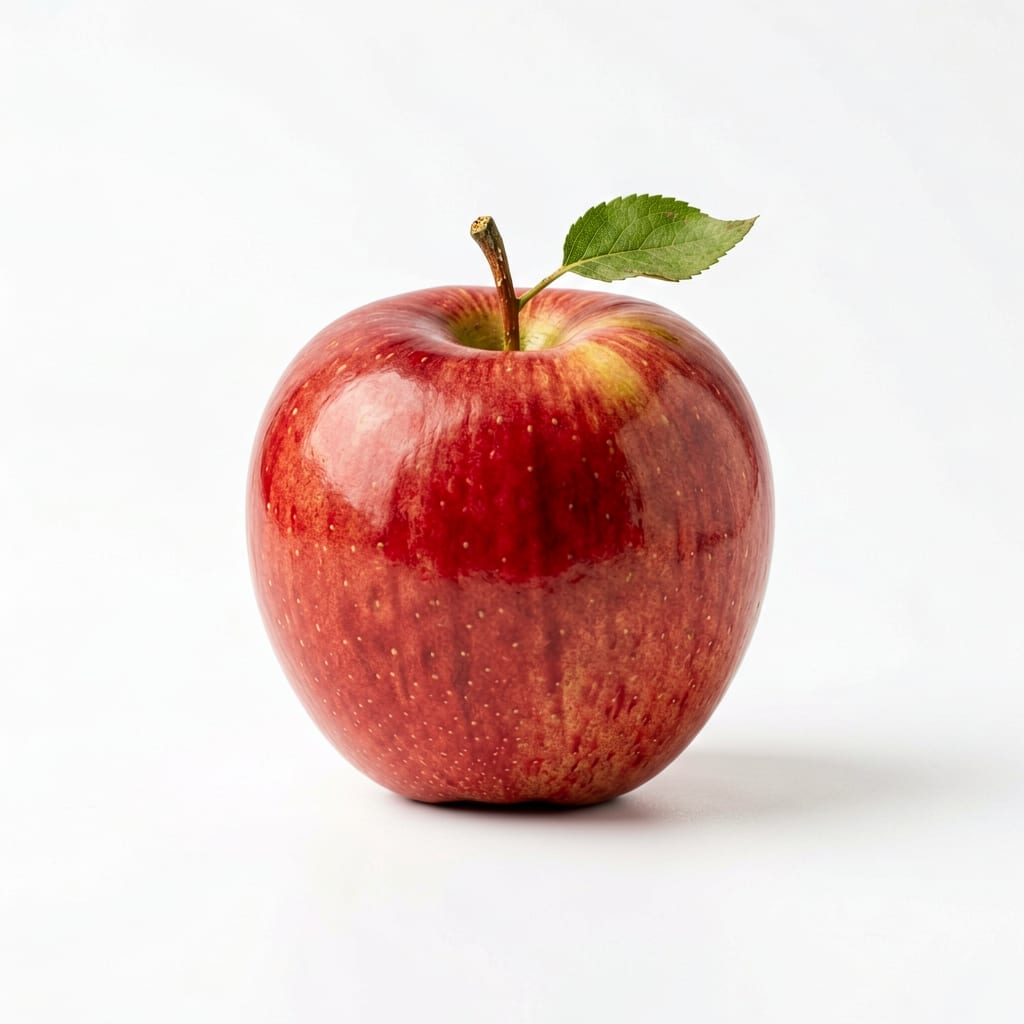
Compare with
Apple
Apples are higher in fiber and more satiating, while mangosteen is lower in calories and has a lower glycemic load.
Apples are higher in fiber and better for satiety, while mangosteen is lower in calories and has a lower glycemic impact for blood sugar management.
Common questions
FAQ
Answers aligned with how people search for this food.
Is mangosteen good for weight loss?
Yes, mangosteen can be good for weight loss. It is a low-calorie fruit with high water content, providing sweetness and satiety without a high caloric cost.
Can diabetics eat mangosteen?
Yes, diabetics can eat fresh mangosteen in moderation. It has a low glycemic index and low glycemic load, meaning it does not cause rapid blood sugar spikes despite its sweet taste.
Is mangosteen high in sugar?
Mangosteen contains about 16 grams of sugar per 100 grams, which is moderate for a sweet fruit. However, its high fiber and water content slow sugar absorption.
What are xanthones in mangosteen?
Xanthones are powerful antioxidant compounds found heavily concentrated in the purple rind of the mangosteen. The edible white flesh contains very few xanthones.
Is mangosteen juice as healthy as the whole fruit?
No. Mangosteen juice often includes the rind to boost xanthone content but strips away dietary fiber and frequently adds sweeteners, resulting in a high-sugar beverage.
How do you open and eat a mangosteen?
Use a knife to score the thick purple rind around the middle, being careful not to cut the flesh. Twist the halves apart and eat the white segments, avoiding the bitter seeds.
Is mangosteen keto-friendly?
No, mangosteen is not keto-friendly. It contains nearly 18 grams of carbohydrates per 100 grams, which can easily exceed the strict carb limits of a ketogenic diet.
Does mangosteen have any side effects?
Fresh mangosteen is safe for most people. However, mangosteen juice or supplements containing the rind may interfere with blood thinners and chemotherapy drugs due to high xanthone concentrations.
Why is fresh mangosteen so expensive?
Mangosteen is expensive because it is difficult to cultivate, has a short harvest season, and requires careful handling and often irradiation for pest control before being imported.
Is mangosteen a superfood?
While marketed as a superfood due to rind-based xanthones, the edible flesh is simply a healthy, low-glycemic fruit. The superfood label is mostly marketing hype for supplements and juices.
Transparency
Data confidence
Estimated confidence for nutrition data, interpretation, safety notes, and comparisons.
Nutrition data
Health analysis
Food safety
Comparisons