
Nutrition comparison
Mangosteen vs Acai Berry: Which Superfruit Is Actually Better for You?
Compare Mangosteen and Acai Berry on antioxidants, sugar, healthy fats, and practical daily use. Learn which tropical superfruit fits your health goals and lifestyle.
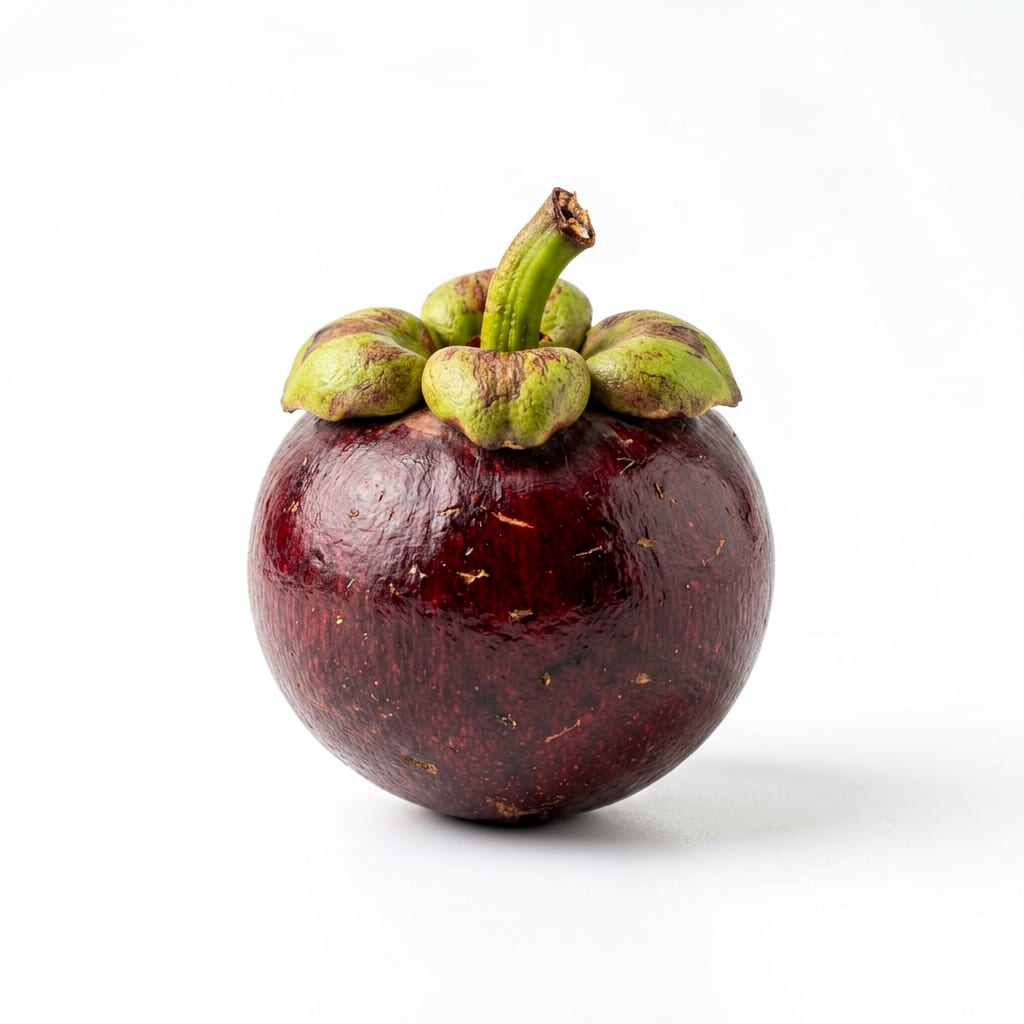
Mangosteen
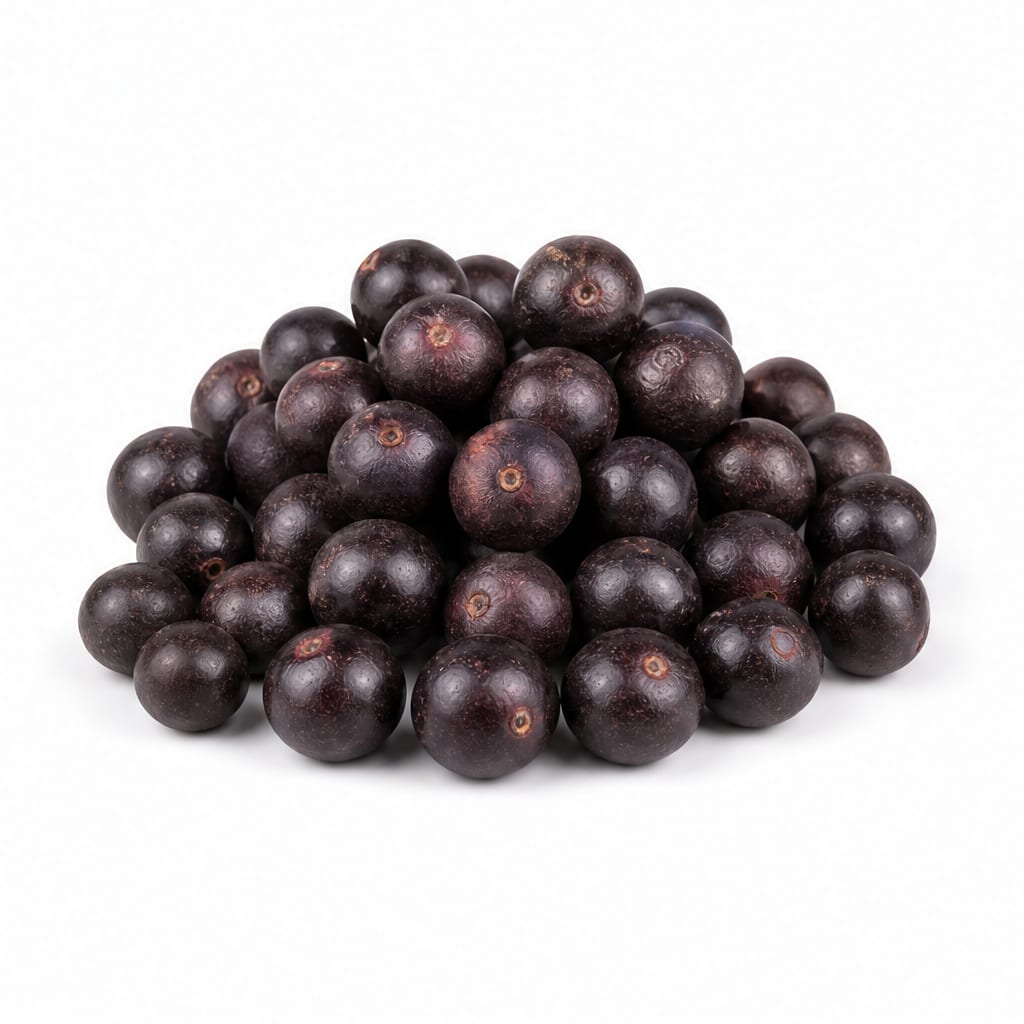
Acai Berry
Acai Berry edges ahead for daily practicality and healthy fat content, while Mangosteen offers unique xanthone antioxidants and a more enjoyable eating experience when fresh.
Acai Berry scores higher due to superior fat content, lower sugar, better availability, and easier daily integration. Mangosteen remains excellent but loses points on accessibility, sugar content, and the reality that most consumers cannot get it fresh.
Mangosteen tastes better and feels more like a treat, but Acai delivers more sustained nutrition with less sugar and easier daily integration.
At a glance
Executive summary
Overall
It depends
Healthier
Acai Berry
More practical
Acai Berry
Daily use
Acai Berry
Key comparison lenses
antioxidant superiority
Both foods are famous primarily for their antioxidant content, making this the core reason most people choose between them
weight management compatibility
These are both marketed as superfoods for health-conscious consumers watching their weight
practical everyday use
Neither food is commonly available fresh, so how people actually consume them matters enormously
anti inflammatory benefits
Both are sought for inflammation reduction, but through different compounds and mechanisms
sugar and blood impact
Mangosteen is sweeter and higher in sugar, while Acai is notably low-sugar for a fruit
Best choice for
Mangosteen
- People seeking unique xanthone antioxidants not found in other fruits
- Those wanting a satisfying sweet treat with real nutritional value
- Anyone focused on anti-inflammatory variety beyond typical berries
- People who value whole-food eating over blended or powdered forms
Acai Berry
- People managing blood sugar or following low-carb approaches
- Those wanting healthy fats from a fruit source
- Anyone building a daily smoothie or bowl routine
- People who need a freezer-stable superfruit they can actually find
Least suitable for
Mangosteen
- People strictly limiting sugar intake
- Those on a tight grocery budget
- Anyone living far from Asian markets where fresh mangosteen is available
- People who want a daily-use superfood they can easily stock
Acai Berry
- People sensitive to earthy or tart flavors
- Those wanting a grab-and-go whole fruit snack
- Anyone avoiding frozen or processed fruit products
- People who find acai bowls too calorie-dense with typical toppings
Deep comparison
Dimension by dimension
Each lens scores both foods and breaks down who each option suits.
- Dimension 1 · Priority 95It depends
antioxidant_diversity_and_power
Mangosteen · 85Acai Berry · 88Both are antioxidant heavyweights, but they shine in different arenas. Mangosteen brings rare xanthones, while Acai delivers massive anthocyanin levels.
Tradeoff
Mangosteen offers xanthones you cannot easily get elsewhere, but Acai's anthocyanin concentration is measurably higher overall.
Why it matters
Antioxidant variety matters more than sheer quantity. Eating both over time gives broader cellular protection than doubling down on one.
Real-world impact
If you already eat berries regularly, Mangosteen adds more unique value. If your diet lacks colorful fruits, Acai fills that gap more potently.
Mangosteen
- People already eating plenty of berries and purple foods
- Those wanting anti-inflammatory compounds not found in common fruits
Better for
- People paying premium prices for antioxidant content alone
Worse for
Acai Berry
- People with low overall fruit and berry intake
- Those wanting the highest measured antioxidant capacity per serving
Better for
- People who assume all antioxidants work the same way
Worse for
- Dimension 2 · Priority 82Acai Berry
sugar_and_blood_sugar_impact
Mangosteen · 55Acai Berry · 85Acai is remarkably low in sugar for a fruit, while Mangosteen is naturally sweet and significantly higher in sugar content.
Tradeoff
Mangosteen's sweetness makes it more satisfying as a standalone snack, but Acai keeps blood sugar far more stable.
Why it matters
For anyone watching glucose levels, managing cravings, or trying to avoid energy crashes, this difference is substantial.
Real-world impact
An Acai smoothie won't give you the afternoon crash that a Mangosteen-heavy treat might, especially if you're sensitive to sugar.
Mangosteen
- Active people who burn through sugar quickly
- Those using it as a pre-workout fruit snack
Better for
- People who experience energy crashes from sweet foods
Worse for
Acai Berry
- People with insulin resistance or prediabetes
- Anyone following a low-carb or keto approach
- Those trying to reduce sugar cravings over time
Better for
- People who find low-sugar foods unsatisfying and end up snacking more
Worse for
- Dimension 3 · Priority 78Acai Berry
healthy_fat_content
Mangosteen · 15Acai Berry · 90Acai is unusual among fruits for containing significant amounts of omega-3, omega-6, and omega-9 fatty acids. Mangosteen has virtually no fat.
Tradeoff
Acai's fat content supports heart health and satiety, but it also makes Acai more calorie-dense per serving.
Why it matters
Getting healthy fats from fruit is rare and valuable. Most people need more omega-3s, and Acai provides them in a whole-food package.
Real-world impact
An Acai bowl with minimal toppings can keep you full for hours. Mangosteen, while delicious, will leave you hungry again sooner.
Mangosteen
- People strictly counting calories who want lower energy density
Better for
- People relying on fruit as a substantial snack or mini-meal
Worse for
Acai Berry
- Anyone wanting plant-based omega fatty acids
- People who need longer-lasting satiety from snacks
- Those following Mediterranean-style eating patterns
Better for
- People who add high-calorie toppings to acai bowls without realizing the fat content is already significant
Worse for
- Dimension 4 · Priority 80Acai Berry
availability_and_everyday_practicality
Mangosteen · 40Acai Berry · 78Fresh Mangosteen is extremely hard to find outside Southeast Asia and specialty markets. Acai, while never truly fresh outside the Amazon, is widely available frozen and powdered.
Tradeoff
Neither food is available fresh for most consumers, but Acai's frozen pulp and powder forms are far more accessible and shelf-stable.
Why it matters
The healthiest food is the one you can actually eat consistently. Exotic fruit you never buy does nothing for your health.
Real-world impact
You can find Acai in most grocery stores and smoothie shops. Finding fresh Mangosteen requires specialty shopping and often significant expense.
Mangosteen
- People living in or near Southeast Asian markets
- Those who enjoy seeking out rare ingredients as a hobby
Better for
- Anyone building a consistent daily nutrition routine
Worse for
Acai Berry
- Anyone who wants a superfruit they can buy weekly
- People who meal-prep smoothies or bowls
- Those living in areas with limited specialty food access
Better for
- People who dislike frozen or powdered fruit products
Worse for
- Dimension 5 · Priority 72Mangosteen
taste_and_eating_enjoyment
Mangosteen · 90Acai Berry · 65Fresh Mangosteen is widely considered one of the most delicious tropical fruits on earth. Acai tastes earthy and tart, which most people find needs sweetening or blending.
Tradeoff
Mangosteen is a joy to eat on its own, while Acai usually needs accompaniment to be palatable, adding calories and sugar.
Why it matters
Food that tastes amazing naturally is easier to enjoy without unhealthy additions. Acai bowls often become sugar bombs because of how people make them tasty.
Real-world impact
Eating fresh Mangosteen feels like a genuine treat. Eating plain Acai pulp feels like a health chore. That difference affects long-term adherence.
Mangosteen
- People who want superfood benefits without masking flavors
- Those who find eating healthy feels like a sacrifice
Better for
- People who cannot access it fresh and only find canned versions in syrup
Worse for
Acai Berry
- People who enjoy earthy, complex flavors
- Those who like creating blended recipes and bowls
Better for
- People who end up adding granola, honey, and banana just to make it palatable
Worse for
- Dimension 6 · Priority 75It depends
anti_inflammatory_value
Mangosteen · 82Acai Berry · 80Mangosteen's xanthones are potent anti-inflammatories with growing research support. Acai's anthocyanins also reduce inflammation through different pathways.
Tradeoff
Mangosteen may have an edge for specific inflammatory conditions, while Acai offers broader cardiovascular anti-inflammatory benefits.
Why it matters
Chronic inflammation drives most modern disease. Both foods help, but their different mechanisms mean they complement rather than compete.
Real-world impact
If you have joint pain or skin inflammation, Mangosteen's xanthones may be more targeted. For general heart and vascular health, Acai's fat-plus-anthocyanin combo is stronger.
Mangosteen
- People with joint inflammation or skin conditions
- Those wanting to diversify anti-inflammatory compounds beyond what berries offer
Better for
- People expecting clinical-level inflammation reduction from food alone
Worse for
Acai Berry
- People focused on cardiovascular inflammation markers
- Those wanting anti-inflammatory benefits alongside healthy fats
Better for
- People already taking omega-3 supplements who may not need the additional fat
Worse for
Timeline
Health impact over time
Short-term
Hours to days
Mangosteen
- Quick energy from natural sugars, especially noticeable on an empty stomach
- Immediate antioxidant absorption supporting cellular defense
- Possible digestive comfort from mild fiber content
- Satisfying sweet flavor that reduces cravings for junk food
Acai Berry
- Sustained energy without the sugar spike, thanks to fat and fiber content
- Noticeable fullness lasting several hours when eaten as a meal
- Earthy flavor that may initially feel unfamiliar or unappealing
- Steadier mood and focus from stable blood sugar
Long-term
Months to years
Mangosteen
- Xanthone accumulation may support reduced chronic inflammation over months
- Regular consumption could improve skin health and immune resilience
- Sugar content becomes a concern if eaten frequently in large amounts
- If consumed as juice, long-term blood sugar and calorie risks increase significantly
Acai Berry
- Consistent omega fatty acid intake supports heart and brain health over time
- Anthocyanin accumulation may lower cardiovascular disease risk markers
- Regular consumption as acai bowls with toppings may lead to unintended weight gain
- Low sugar content makes it sustainable for long-term daily use without metabolic concerns
Risk profile
Safety & processing
Fresh Mangosteen is a whole food eaten as nature intended. Acai is virtually always processed because fresh berries degrade within 24 hours of harvest. Frozen Acai pulp is minimally processed, but many commercial Acai products contain added sugars, fillers, and emulsifiers. Always check ingredient lists on Acai products.
Mangosteen
Canned mangosteen in heavy syrup
mediumMany imported mangosteens are canned with added sugar that dramatically changes their health profile. Always check if you are buying fresh or canned.
Pesticide residue on imported fruit
lowMangosteen has a thick rind that protects the edible portion, significantly reducing pesticide exposure to the flesh you actually eat.
Rare allergic reactions
lowSome people report mild allergic responses to mangosteen, particularly those with sensitivities to other tropical fruits.
Acai Berry
Added sugars in commercial acai products
highMany frozen acai packets and smoothie shop bowls contain substantial added sugar. This can turn a health food into something closer to a dessert.
Filler ingredients and emulsifiers
mediumLower-quality acai products bulk up the product with soy lecithin, citric acid, or other fruit purees. Read labels carefully.
Heavy metal contamination in some supplements
mediumAcai supplements and powders have occasionally tested positive for elevated heavy metal levels, particularly from less reputable brands.
Who wins for whom
Audience fit
Same foods, different winners depending on your goal.
children
MangosteenChildren prefer Mangosteen's sweet, approachable flavor. Acai's earthy taste usually requires sweetening, which defeats the purpose for kids.
daily consumption
Acai BerryAcai's availability in frozen and powdered forms, lower sugar content, and healthy fat profile make it more practical and sustainable for daily use.
diabetes
Acai BerryAcai's dramatically lower sugar content and higher fiber-to-sugar ratio make it far more blood-sugar friendly than Mangosteen.
elderly
Acai BerryAcai's cardiovascular benefits, healthy fats, and anti-inflammatory properties align better with the health priorities of older adults.
muscle gain
Acai BerryNeither food is a muscle-building staple, but Acai's fat content and anti-inflammatory properties support recovery better than Mangosteen's sugar profile.
weight loss
Acai BerryAcai's healthy fats and fiber provide longer satiety with less sugar, making it easier to control overall calorie intake throughout the day.
Your move
Decision guide
Choose Mangosteen
- You have access to fresh Mangosteen and want a truly special eating experience
- You already eat plenty of berries and want antioxidant diversity
- You are looking for a natural sweet treat that still provides real nutrition
- You are dealing with specific inflammatory issues like joint pain or skin conditions
Choose Acai Berry
- You want a daily superfruit you can actually find and afford regularly
- You are managing blood sugar, watching your weight, or following a lower-carb approach
- You want healthy fats from a whole-food fruit source
- You enjoy making smoothies or bowls and want a nutrient-dense base
Either works if
- You simply want more antioxidant-rich foods in your life and both are available
- You are rotating superfoods for broad-spectrum benefits
- You are generally healthy and just want to eat more colorful fruits
Avoid both if
- You have a tight grocery budget and need affordable nutrition from local fruits
- You expect either food to produce dramatic health changes on its own
- You are prone to superfood marketing hype and tend to overconsume expensive health foods
Final recommendation
For most people seeking a practical daily superfruit, Acai Berry is the more sustainable choice. It is easier to find, lower in sugar, richer in healthy fats, and integrates smoothly into smoothies and bowls. Mangosteen is worth seeking out when available fresh, particularly for its unique xanthones and incredible flavor, but its limited availability and higher sugar content make it a special occasion addition rather than a daily staple. The ideal approach is using Acai consistently while enjoying Mangosteen whenever you can find the real thing.
Practical
Consumer tips
- 1
For Acai, always read ingredient lists. The only ingredients should be Acai and possibly a tiny amount of citric acid. Walk away from products with added sugars or fillers.
- 2
Fresh Mangosteen should feel heavy for its size with a slightly soft but intact rind. Avoid fruits with hard, cracked, or leaking shells.
- 3
If buying frozen Acai packets, choose unsweetened versions. You can always add your own banana or honey if needed, controlling the sugar yourself.
- 4
Mangosteen juice is not the same as whole Mangosteen. Juicing removes fiber and concentrates sugar, negating many benefits.
- 5
Acai bowls at smoothie shops often contain 400-600 calories and 40+ grams of sugar once toppings are added. Making them at home gives you full control.
- 6
If you cannot find fresh Mangosteen, frozen Mangosteen pulp is a better alternative than canned versions in syrup.
- 7
For budget-conscious consumers, Acai powder offers the most cost-effective way to get daily benefits. Start with a teaspoon in smoothies.
- 8
Both foods are best consumed as part of a varied diet rich in many colorful fruits, not relied upon as single superfood solutions.