
Nutrition comparison
Mangosteen vs Dragon Fruit: Which Tropical Fruit Is Healthier?
Compare Mangosteen and Dragon Fruit on antioxidants, sugar, gut health, and daily practicality. Find out which tropical fruit fits your health goals and lifestyle better.
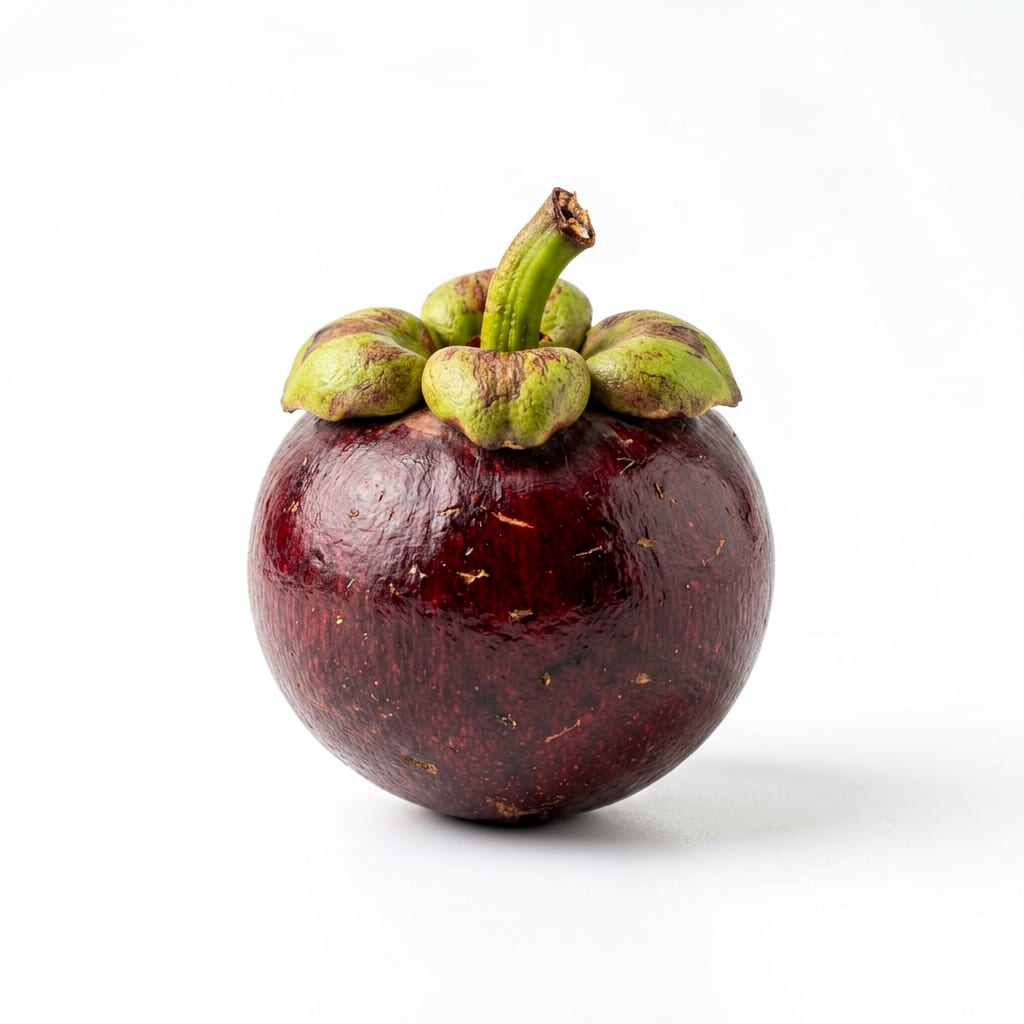
Mangosteen
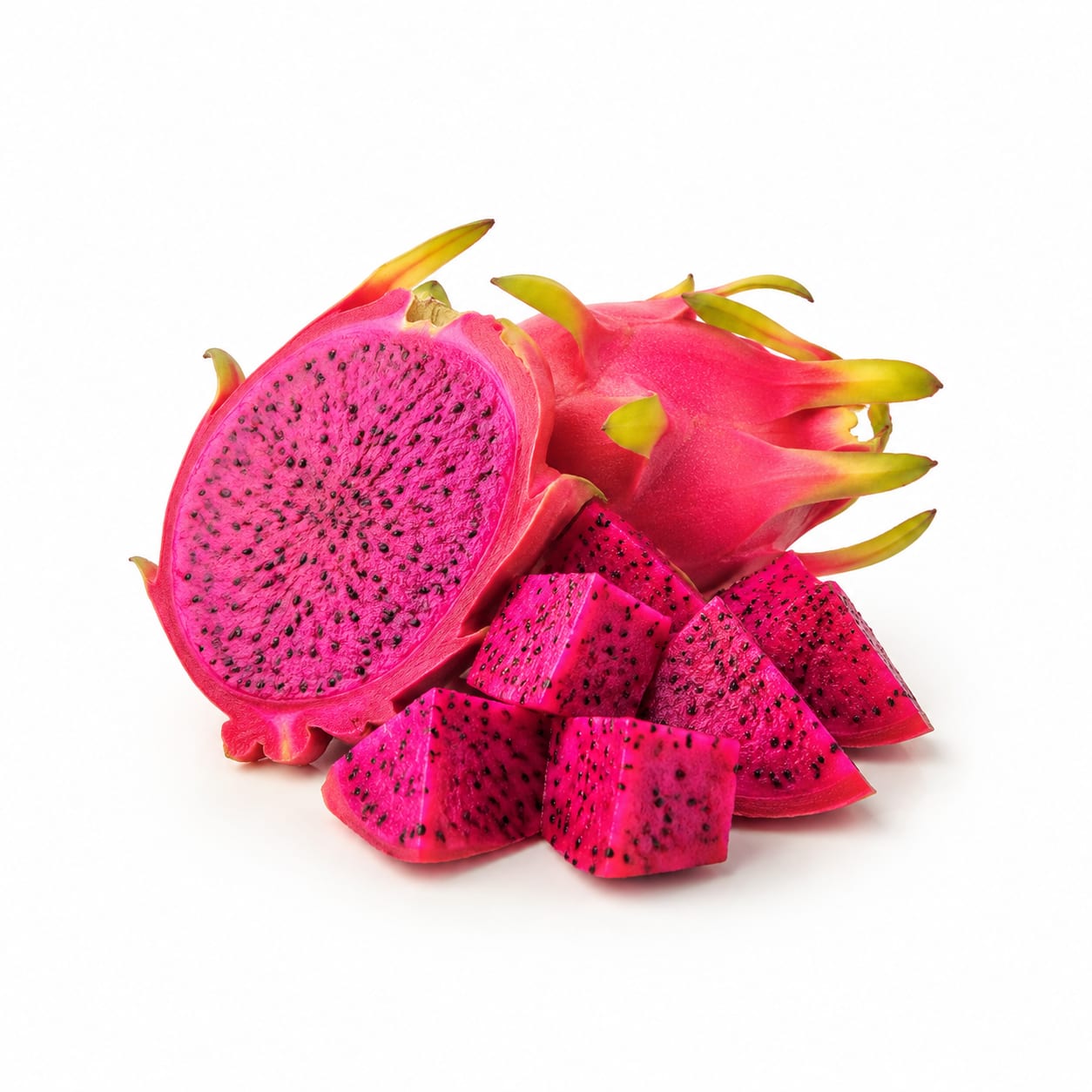
Dragon Fruit
Mangosteen wins on antioxidant power and flavor intensity; Dragon Fruit wins on accessibility, lower sugar, and everyday practicality.
Dragon Fruit scores slightly higher due to better everyday practicality, lower sugar, and wider availability. Mangosteen's exceptional antioxidant profile keeps it competitive, but its cost and limited access reduce real-world usability.
Exotic therapeutic potency versus sustainable daily convenience—Mangosteen is the specialist, Dragon Fruit is the reliable staple.
At a glance
Executive summary
Overall
It depends
Healthier
It depends
More practical
Dragon Fruit
Daily use
Dragon Fruit
Key comparison lenses
antioxidant potential
Mangosteen's xanthones are uniquely potent antioxidants rarely found in other fruits, while Dragon Fruit offers betacyanins—users often compare these for anti-aging and inflammation benefits
blood sugar management
Both are tropical fruits with different sugar profiles; Dragon Fruit is notably lower in sugar, making glycemic impact a key decision factor
accessibility and practicality
Fresh Mangosteen is seasonal and expensive outside Southeast Asia, while Dragon Fruit is widely available year-round in most markets
taste satisfaction and cravings
Mangosteen is intensely flavorful and sweet-tart, while Dragon Fruit is mild—this affects whether users actually enjoy eating them regularly
hydration and lightness
Dragon Fruit's high water content makes it a refreshing choice, while Mangosteen is denser and more indulgent
Best choice for
Mangosteen
- Anti-inflammatory protocols and joint health support
- Those seeking maximum antioxidant density per bite
- Occasional tropical fruit indulgence with real therapeutic upside
- People who find mild fruit boring and need bold flavor to stay consistent
Dragon Fruit
- Steady daily fruit intake without sugar spikes
- Weight management and calorie-conscious eating
- Hydration-focused diets and hot climates
- Budget-friendly antioxidant sourcing
Least suitable for
Mangosteen
- Strict low-sugar diets or insulin resistance management
- Those needing affordable, year-round fruit options
- People who eat fruit multiple times daily and need variety without cost
Dragon Fruit
- Those wanting bold, satisfying sweetness from fruit
- People seeking concentrated therapeutic antioxidant doses
- Anyone who finds bland fruit demotivating for healthy eating
Deep comparison
Dimension by dimension
Each lens scores both foods and breaks down who each option suits.
- Dimension 1 · Priority 92Mangosteen
antioxidant_density
Mangosteen · 94Dragon Fruit · 68Mangosteen contains rare xanthones with potent anti-inflammatory and anti-cancer properties that Dragon Fruit simply cannot match.
Tradeoff
You get more therapeutic punch per serving from Mangosteen, but Dragon Fruit's betacyanins are still valuable and easier to consume regularly.
Why it matters
Xanthones are among the most studied tropical fruit compounds for reducing chronic inflammation and supporting immune function.
Real-world impact
If you're dealing with joint pain or inflammatory skin conditions, Mangosteen may offer more noticeable benefits over time.
Mangosteen
- Chronic inflammation management
- Immune system support during illness
- Anti-aging and skin health protocols
Better for
- People who assume one serving fixes everything—consistency still matters
Worse for
Dragon Fruit
- Consistent low-level antioxidant intake without cost barriers
- Gentle daily support rather than targeted therapy
Better for
- Those needing concentrated therapeutic doses for specific conditions
Worse for
- Dimension 2 · Priority 85Dragon Fruit
blood_sugar_impact
Mangosteen · 58Dragon Fruit · 82Dragon Fruit has significantly less sugar per serving and a gentler effect on blood glucose, making it safer for regular consumption.
Tradeoff
Mangosteen tastes sweeter and more satisfying, but that sweetness comes with a higher sugar load that can spike blood sugar faster.
Why it matters
For anyone monitoring glucose—whether diabetic, prediabetic, or just avoiding afternoon crashes—this difference is daily-life significant.
Real-world impact
A bowl of Dragon Fruit won't leave you reaching for more food an hour later. Mangosteen might trigger a craving cycle if you're sugar-sensitive.
Mangosteen
- Post-workout when some sugar is actually beneficial
- Active individuals who burn through carbs quickly
Better for
- Late-night snacking—sugar before bed disrupts sleep quality
Worse for
Dragon Fruit
- Stable energy throughout the afternoon
- Diabetics and insulin-resistant individuals
- Anyone trying to reduce overall sugar intake without giving up fruit
Better for
- Hard exercise recovery where faster carbs help replenishment
Worse for
- Dimension 3 · Priority 80Dragon Fruit
availability_and_cost
Mangosteen · 35Dragon Fruit · 88Dragon Fruit is grown globally and available year-round in most grocery stores. Fresh Mangosteen remains seasonal, imported, and expensive.
Tradeoff
Mangosteen's rarity makes it special but impractical as a daily fruit. Dragon Fruit is easy to find and reasonably priced.
Why it matters
The healthiest fruit is the one you actually eat consistently. Availability directly determines long-term adherence.
Real-world impact
You can grab Dragon Fruit at most supermarkets any week. Mangosteen requires specialty stores, online ordering, or travel to Southeast Asia.
Mangosteen
- Special occasions and intentional health investments
- Travelers to Thailand, Indonesia, or Malaysia who can access it fresh and affordable
Better for
- Anyone on a tight grocery budget
- People who need reliable access for daily health routines
Worse for
Dragon Fruit
- Weekly meal prep and grocery routines
- Families needing affordable fruit options
- Rural or suburban areas with limited specialty stores
Better for
- Those specifically seeking the novelty and experience of rare tropical fruit
Worse for
- Dimension 4 · Priority 75Mangosteen
taste_and_satisfaction
Mangosteen · 90Dragon Fruit · 60Mangosteen delivers a complex sweet-tart tropical flavor that most people find deeply satisfying. Dragon Fruit is notoriously mild, sometimes described as watery.
Tradeoff
Mangosteen feels like a treat you look forward to. Dragon Fruit can feel like eating healthy obligation unless dressed up.
Why it matters
Enjoyment drives consistency. If fruit feels like a chore, you'll stop eating it regardless of nutritional merit.
Real-world impact
Kids and picky eaters often love Mangosteen immediately. Dragon Fruit usually needs lime juice, honey, or blending into smoothies to excite.
Mangosteen
- Dessert replacement and emotional eating redirection
- Getting fruit-averse people excited about eating fresh produce
Better for
- Overeating risk because it tastes too good to stop
Worse for
Dragon Fruit
- Smoothie bases where other ingredients carry the flavor
- People who prefer neutral-tasting food
Better for
- Boredom-driven abandonment of fruit-eating habits
Worse for
- Dimension 5 · Priority 70Dragon Fruit
hydration_and_digestive_lightness
Mangosteen · 62Dragon Fruit · 85Dragon Fruit's high water content and tiny edible seeds support hydration and gentle digestion. Mangosteen is denser and can be slightly astringent.
Tradeoff
Dragon Fruit feels light and refreshing, especially in heat. Mangosteen feels richer and more filling per bite.
Why it matters
In hot climates or after exercise, a hydrating fruit beats a dense one. But for satiety, density has its own value.
Real-world impact
Dragon Fruit after a beach day feels perfect. Mangosteen after a heavy meal might feel like too much.
Mangosteen
- Replacing a light snack when you need something substantial
- Morning fruit when you haven't eaten since dinner
Better for
- Eating large quantities on an already full stomach
Worse for
Dragon Fruit
- Hot weather and post-exercise hydration
- Sensitive stomachs that struggle with richer fruits
- People prone to constipation—the seeds and water help
Better for
- When you need fruit to actually hold you over until the next meal
Worse for
- Dimension 6 · Priority 68Dragon Fruit
fiber_and_gut_health
Mangosteen · 60Dragon Fruit · 78Dragon Fruit's seeds provide noticeable fiber and prebiotic benefits. Mangosteen has fiber but less per serving with less gut-friendly diversity.
Tradeoff
Dragon Fruit supports more regular digestion and feeds beneficial gut bacteria. Mangosteen's fiber is adequate but unremarkable.
Why it matters
Gut health affects everything from mood to immunity. Small daily fiber differences compound over months and years.
Real-world impact
Regular Dragon Fruit eaters often notice more consistent bowel habits. Mangosteen won't cause problems, but it won't actively improve gut transit.
Mangosteen
- Occasional constipation when you need a gentle, tasty solution
Better for
- Those expecting significant digestive regularity improvements
Worse for
Dragon Fruit
- Daily gut maintenance and microbiome support
- Prebiotic feeding for probiotic supplements
Better for
- People with diverticulitis who should avoid small seeds
Worse for
Timeline
Health impact over time
Short-term
Hours to days
Mangosteen
- Quick energy boost from natural sugars with a satisfying flavor experience
- Mild anti-inflammatory effect noticeable within hours for sensitive individuals
- Possible slight digestive slowdown if eaten in large quantities due to tannins
Dragon Fruit
- Gentle hydration and refreshing lightness, especially in warm weather
- Noticeable digestive regularity improvement within a day or two of consumption
- Minimal blood sugar disruption, making it safe for glucose-sensitive individuals
Long-term
Months to years
Mangosteen
- Potent xanthone intake may reduce chronic inflammation markers over months
- Higher sugar intake could become problematic if eaten frequently without portion control
- Antioxidant benefits accumulate but are limited by access and cost barriers
Dragon Fruit
- Consistent fiber intake supports long-term gut microbiome diversity
- Low sugar profile makes it sustainable for daily consumption without metabolic concerns
- Betacyanins provide steady oxidative stress protection with regular intake
Risk profile
Safety & processing
Both fruits are consumed whole and raw with minimal processing. The main concern is Mangosteen juice and supplements, which often concentrate sugars and lose fiber—stick to whole fruit for both.
Mangosteen
Import contamination
mediumFresh Mangosteen imported from Southeast Asia may undergo irradiation or pesticide treatments to meet import standards. Wash thoroughly and buy from reputable sources.
Mold under rind
lowThe thick rind can hide early mold growth. Inspect carefully before opening—yellow resin or soft spots indicate spoilage.
Dragon Fruit
Pesticide residue
lowDragon Fruit grown conventionally tends to have low pesticide residue due to its thick skin, but organic is still preferable.
Seed-related digestive issues
lowThe tiny seeds are safe for most people but can aggravate diverticulitis or sensitive bowels in rare cases.
Who wins for whom
Audience fit
Same foods, different winners depending on your goal.
children
MangosteenKids typically love Mangosteen's sweet-tart flavor and fun texture, making it an easy way to introduce tropical fruit. Dragon Fruit's mild taste often underwhelms young palates.
daily consumption
Dragon FruitAffordability, availability, lower sugar, and consistent gut benefits make Dragon Fruit the more sustainable daily choice.
diabetes
Dragon FruitDragon Fruit's lower sugar content and gentler glycemic impact make it significantly safer for blood glucose management.
elderly
Dragon FruitDragon Fruit's soft texture, high water content, and gentle digestion make it more suitable for aging digestive systems and hydration needs.
muscle gain
It dependsNeither fruit is a protein source. Mangosteen's slightly higher carb content offers marginally more post-workout energy, but the difference is negligible.
weight loss
Dragon FruitDragon Fruit has fewer calories, less sugar, and more fiber per serving—making it easier to eat daily without stalling progress.
Your move
Decision guide
Choose Mangosteen
- You have access to fresh, affordable Mangosteen and want maximum antioxidant impact
- You're dealing with chronic inflammation and seeking food-based therapeutic support
- Flavor satisfaction is critical to your healthy eating consistency
- You want a special-occasion fruit that feels indulgent without being junk food
Choose Dragon Fruit
- You need a reliable, affordable fruit you can eat every day without worry
- Blood sugar management is a priority for you
- You live in a hot climate and want hydrating, refreshing fruit
- You're building a sustainable long-term eating pattern, not chasing superfoods
Either works if
- You just want tropical fruit variety and both are available
- You're generally healthy and eat a diverse diet already
- You're making a smoothie bowl where both work as toppings
Avoid both if
- You have a tropical fruit allergy or latex-fruit syndrome
- You're on a strict very-low-carb diet and need to minimize all fruit sugar
- You exclusively eat local seasonal produce and these aren't native to your region
Final recommendation
Make Dragon Fruit your daily tropical fruit for its consistency, affordability, and blood sugar friendliness. Treat Mangosteen as a therapeutic addition when you can access it fresh—its xanthones offer real value, but its cost and sugar content make it better as a strategic supplement than a staple.
Practical
Consumer tips
- 1
Fresh Mangosteen should feel heavy for its size with a firm, uncracked rind—lightness means it's dried out inside
- 2
Dragon Fruit with bright, evenly colored skin and slight give when pressed is perfectly ripe—avoid rock-hard or mushy fruit
- 3
If fresh Mangosteen is unavailable or too expensive, avoid the processed juice—it's mostly sugar without the fiber or full xanthone benefit
- 4
Red-fleshed Dragon Fruit contains more antioxidants than white-fleshed varieties—choose red when available
- 5
Freeze Dragon Fruit chunks for smoothies—it maintains nutrients well and adds creamy texture
- 6
Limit Mangosteen to 2-3 fruits per sitting to avoid excess sugar intake while still getting antioxidant benefits