
Nutrition comparison
Mangosteen vs Apple: Which Fruit Is Healthier for Daily Eating?
Compare mangosteen and apple on antioxidants, fiber, blood sugar impact, and practicality. Learn when each fruit is the better choice for your health goals.
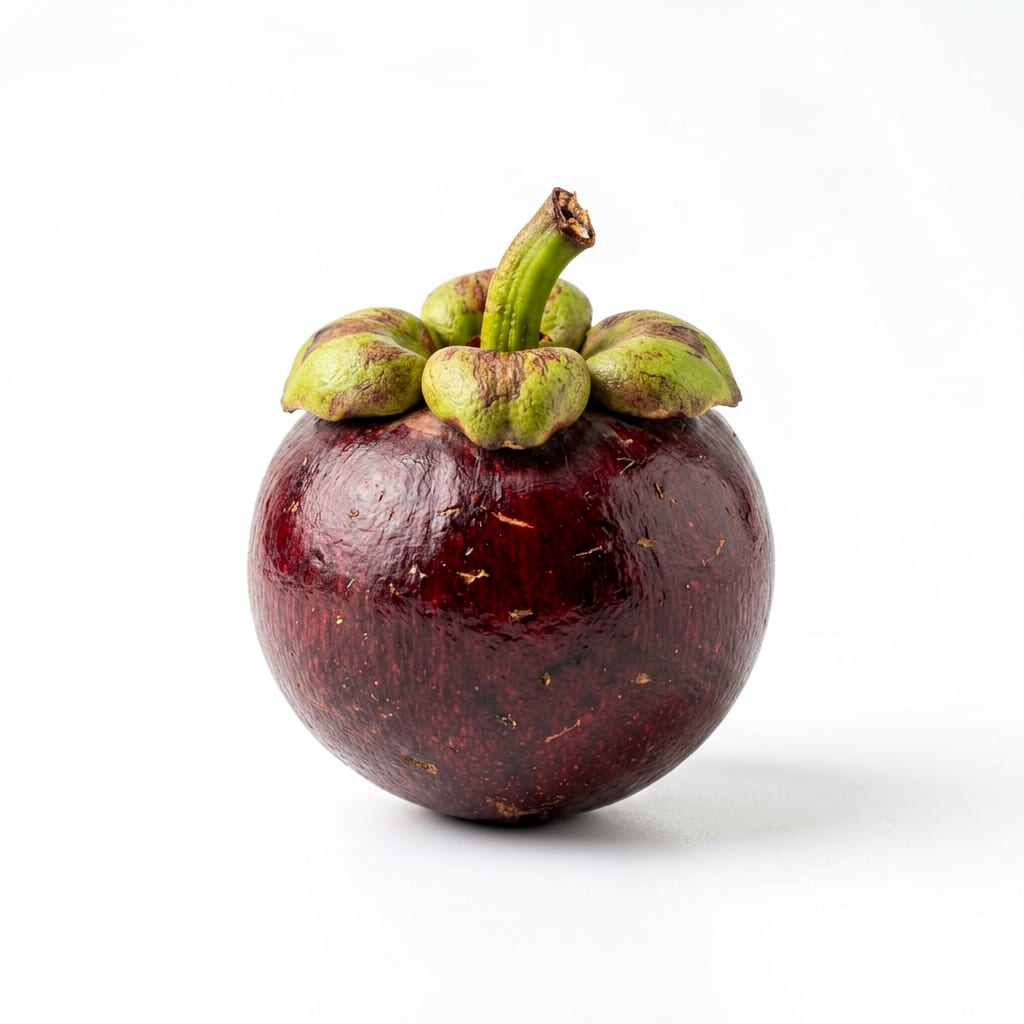
Mangosteen
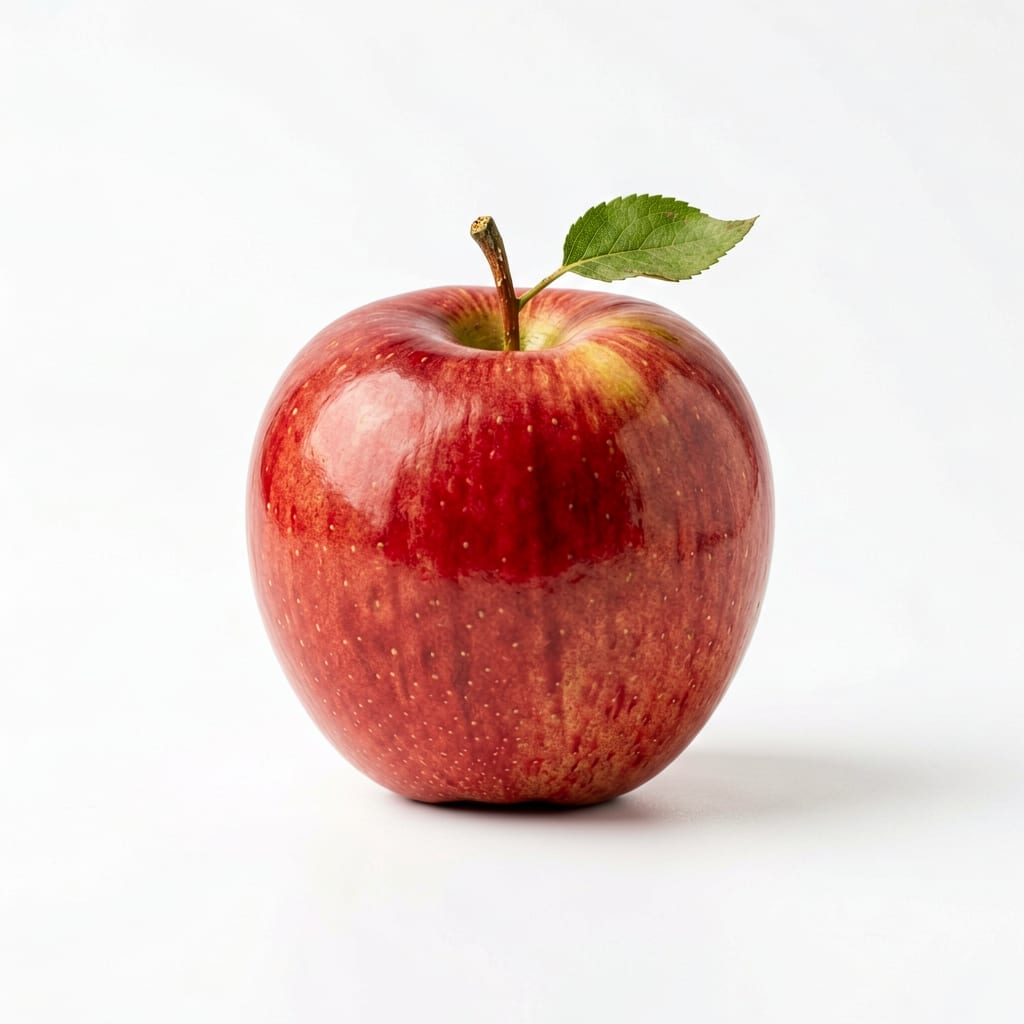
Apple
Apples win on daily practicality, fiber, and blood sugar stability. Mangosteen delivers superior antioxidants and anti-inflammatory compounds but at higher cost and lower availability.
Apple scores higher due to superior fiber, broader availability, better blood sugar profile, and everyday sustainability. Mangosteen earns strong marks for unique antioxidants and anti-inflammatory potential but loses ground on cost, accessibility, fiber content, and practical daily use.
Everyday reliability and gut health versus exotic antioxidant potency and therapeutic potential.
At a glance
Executive summary
Overall
It depends
Healthier
It depends
More practical
Apple
Daily use
Apple
Key comparison lenses
antioxidant superiority and unique phytonutrients
Mangosteen's xanthones are rare and clinically significant, making this the standout nutritional difference
everyday practicality and affordability
Apples are universally available and cheap while mangosteen is seasonal, expensive, and hard to find fresh
blood sugar management and satiety
Fiber content differs substantially, affecting how each fruit impacts hunger and glucose stability
digestive health and gut support
Apple's pectin content makes it a gut health staple versus mangosteen's lower fiber profile
anti-inflammatory and immune benefits
Mangosteen is prized in traditional medicine for inflammation, giving it a unique therapeutic angle
Best choice for
Mangosteen
- People seeking potent anti-inflammatory support
- Those wanting unique xanthone antioxidants not found in common fruits
- Individuals managing chronic inflammatory conditions
- Antioxidant enthusiasts looking to diversify their phytonutrient intake
Apple
- Daily fruit eaters who need affordable and accessible options
- People managing blood sugar or insulin sensitivity
- Anyone prioritizing gut health and digestive regularity
- Families needing a shelf-stable, kid-friendly fruit
Least suitable for
Mangosteen
- Budget-conscious shoppers needing weekly fruit staples
- People in regions where fresh mangosteen is unavailable
- Those who need high-fiber fruit for satiety
- Anyone wanting a low-sugar fruit option
Apple
- People bored with common fruits seeking novel flavors
- Those specifically targeting xanthone-related anti-inflammatory benefits
- Individuals wanting the most antioxidant-dense option per serving
Deep comparison
Dimension by dimension
Each lens scores both foods and breaks down who each option suits.
- Dimension 1 · Priority 92Mangosteen
Antioxidant Density and Uniqueness
Mangosteen · 94Apple · 62Mangosteen contains rare xanthones like alpha-mangostin, which have potent anti-inflammatory and anticancer properties not found in apples or most other fruits.
Tradeoff
You get exceptional antioxidant diversity with mangosteen, but you pay significantly more and sacrifice the convenience of a grab-and-go staple.
Why it matters
Xanthones are among the most studied tropical phytonutrients, linked to reduced inflammation, improved immune function, and cellular protection.
Real-world impact
Eating mangosteen occasionally is like taking a targeted antioxidant supplement — powerful but not something you build a daily routine around easily.
Mangosteen
- Reducing systemic inflammation
- Cellular protection against oxidative stress
- Diversifying your antioxidant intake beyond common fruits
Better for
- Cost per antioxidant serving is very high
- Difficult to consume consistently enough for cumulative benefits
Worse for
Apple
- Consistent daily antioxidant intake without effort
- Quercetin-based flavonoid benefits for heart health
Better for
- Lacks the rare xanthone compounds that make mangosteen therapeutically unique
Worse for
- Dimension 2 · Priority 88Apple
Fiber Content and Satiety
Mangosteen · 45Apple · 85A medium apple provides about 4.5g of fiber versus roughly 1.5g in a similar serving of mangosteen. Apple's pectin also specifically supports gut bacteria.
Tradeoff
Apples keep you full and support digestion noticeably better. Mangosteen feels lighter and less filling, which may lead to eating more overall.
Why it matters
Fiber is the single most undervalued nutrient for weight management, blood sugar control, and long-term gut health.
Real-world impact
An apple as an afternoon snack can hold you over until dinner. Mangosteen feels more like a light treat that leaves you reaching for something else within an hour.
Mangosteen
- Light eating when you want something refreshing without feeling heavy
Better for
- Less effective at controlling hunger
- Minimal prebiotic fiber for gut microbiome support
Worse for
Apple
- Staying full between meals
- Supporting healthy gut bacteria with prebiotic pectin
- Reducing overall calorie intake through natural satiety
Better for
- Can feel heavy if you want a light post-meal fruit
Worse for
- Dimension 3 · Priority 85Apple
Blood Sugar Stability
Mangosteen · 52Apple · 78Apple's higher fiber slows sugar absorption significantly. Mangosteen has less fiber to buffer its natural sugars, leading to a quicker glucose response.
Tradeoff
Apple provides steadier energy with less crash risk. Mangosteen's sugar hits faster, which can feel energizing briefly but less sustained.
Why it matters
Even natural fruit sugars matter for insulin-sensitive individuals, and fiber makes the critical difference in how your body processes them.
Real-world impact
An apple before a workout gives you lasting energy. Mangosteen gives a quicker spike that fades faster, more like a light dessert than fuel.
Mangosteen
- Quick pre-activity energy when you need fast-digesting carbs
Better for
- Less fiber to moderate sugar absorption
- Higher glycemic impact per serving
Worse for
Apple
- Stable energy without afternoon crashes
- Better choice for insulin-resistant or prediabetic individuals
- More predictable glucose response
Better for
- Still contains meaningful sugar that requires portion awareness
Worse for
- Dimension 4 · Priority 86Apple
Practicality and Accessibility
Mangosteen · 30Apple · 95Apples are available year-round globally, cost pennies per serving, and last weeks in the fridge. Fresh mangosteen is seasonal, expensive, and spoils within days.
Tradeoff
Apple is the ultimate no-brainer fruit. Mangosteen requires effort, planning, and budget to eat regularly.
Why it matters
The healthiest food is the one you actually eat consistently. Accessibility determines whether a food becomes a habit or a rare indulgence.
Real-world impact
You can grab an apple at any grocery store, gas station, or cafeteria. Finding fresh mangosteen means specialty stores, higher prices, and timing your purchase right.
Mangosteen
- Special occasion fruit that feels luxurious and novel
Better for
- Very limited availability outside Southeast Asia and specialty markets
- Short shelf life means quick spoilage
- High cost prevents regular consumption
Worse for
Apple
- Weekly meal prep and grocery routines
- Office snacks and school lunches
- Travel and on-the-go eating
- Bulk buying without waste risk
Better for
- Can feel boring compared to exotic fruit options
Worse for
- Dimension 5 · Priority 80Mangosteen
Anti-Inflammatory Potential
Mangosteen · 90Apple · 60Mangosteen's xanthones, particularly alpha-mangostin, have demonstrated significant anti-inflammatory effects in research, surpassing apple's quercetin in potency.
Tradeoff
Mangosteen is a targeted anti-inflammatory tool. Apple offers gentler, broader support that accumulates over years of daily eating.
Why it matters
Chronic inflammation underlies most modern diseases, and dietary anti-inflammatories are among the safest interventions available.
Real-world impact
If you have joint pain, skin issues, or autoimmune flare-ups, mangosteen may offer more noticeable relief. Apple is more like long-term insurance.
Mangosteen
- Active inflammatory conditions needing stronger support
- Complementary approach alongside anti-inflammatory diets
- Periodic therapeutic use during flare-ups
Better for
- Inconsistent intake reduces cumulative anti-inflammatory benefit
Worse for
Apple
- Long-term low-grade inflammation prevention
- Sustainable daily anti-inflammatory habits
Better for
- Less potent for acute inflammatory concerns
Worse for
- Dimension 6 · Priority 65Apple
Vitamin and Mineral Profile
Mangosteen · 58Apple · 68Both fruits are modest vitamin sources. Apple edges ahead with slightly more vitamin C per serving and better potassium content. Mangosteen offers some folate and B vitamins.
Tradeoff
Neither fruit is a vitamin powerhouse. Choose them for other benefits and get your vitamins elsewhere.
Why it matters
Fruit vitamins matter most in the context of your whole diet, not in isolation between two options.
Real-world impact
Do not rely on either fruit as a primary vitamin source. Both contribute small amounts that add up in a varied diet.
Mangosteen
- Folate content supports cell repair
- Decent vitamin C contribution
Better for
- Overall micronutrient density is unremarkable
Worse for
Apple
- Slightly more vitamin C per typical serving
- Better potassium for hydration and muscle function
Better for
- Not a significant vitamin source on its own
Worse for
Timeline
Health impact over time
Short-term
Hours to days
Mangosteen
- Quick energy from easily digested natural sugars
- Light refreshing feeling without heaviness
- Possible satisfaction from novelty and indulgence factor
Apple
- Sustained fullness that reduces snacking between meals
- Steadier energy without sharp peaks and drops
- Mild blood sugar stabilization from pectin fiber
Long-term
Months to years
Mangosteen
- Potential anti-inflammatory benefits if consumed regularly enough
- Antioxidant protection against cellular aging
- Realistically, most people cannot access it consistently enough for cumulative effects
Apple
- Improved gut microbiome diversity from daily pectin intake
- Better long-term blood sugar regulation habits
- Consistent fiber intake supporting heart health and digestion
- Reduced chronic disease risk from decades of daily consumption
Risk profile
Safety & processing
Both fruits are whole, unprocessed foods when eaten fresh. However, mangosteen is frequently sold as juice, supplement, or dried product with added sugars and preservatives. Fresh whole mangosteen is the ideal form but hardest to find. Apples are almost always consumed fresh with minimal intervention.
Mangosteen
Import contamination
mediumFresh mangosteen is often imported and may undergo irradiation or chemical treatments to meet import requirements, especially in the US and Europe.
Mold and spoilage
mediumMangosteen spoils quickly within 5-7 days of harvest. Hidden mold inside the fruit is common if not consumed promptly.
Supplement adulteration
highMangosteen juice and supplements are frequently overpriced and may contain added sugars, fillers, or exaggerated health claims. Stick with whole fruit when possible.
Apple
Pesticide residue
highApples consistently rank on the Dirty Dozen list with high pesticide residues. Washing helps but does not remove all residues. Organic is strongly recommended.
Wax coating
lowConventional apples are often coated with shellac or carnauba wax to improve appearance and shelf life. While generally recognized as safe, some consumers prefer to avoid it.
Who wins for whom
Audience fit
Same foods, different winners depending on your goal.
children
AppleApples are kid-friendly, affordable, easy to pack, and pose no availability issues. Mangosteen can be a fun occasional treat but is impractical as a regular children's fruit.
daily consumption
AppleApple wins decisively on cost, availability, shelf life, fiber, and blood sugar stability. It is built for daily repetition in a way mangosteen simply is not.
diabetes
AppleApple's higher fiber significantly slows glucose absorption, making it the safer choice for blood sugar management. Mangosteen's lower fiber allows faster sugar entry into the bloodstream.
elderly
AppleOlder adults benefit most from apple's fiber for digestion and heart health. The consistent availability and softer texture when cooked make it more practical for daily nutrition.
muscle gain
It dependsNeither fruit is relevant for muscle gain directly. Apple provides slightly better pre-workout energy stability, while mangosteen's quicker sugar may suit fast pre-workout fueling.
weight loss
AppleApple's fiber creates lasting fullness that naturally reduces overall calorie intake. Mangosteen's lower fiber and higher sugar per gram make it less effective for hunger control.
Your move
Decision guide
Choose Mangosteen
- You have access to fresh mangosteen at reasonable prices
- You are specifically targeting anti-inflammatory support
- You want to diversify your antioxidant intake beyond common fruits
- You treat fruit as both nutrition and experience
Choose Apple
- You need a reliable daily fruit that is always available
- Blood sugar management or weight control is a priority
- Gut health and digestive regularity matter to you
- You want the most nutrition per dollar spent
- You need a shelf-stable fruit for meal prep and busy schedules
Either works if
- You simply want a whole-food snack instead of processed options
- You are meeting your daily fruit intake goals
- You enjoy variety and want both in rotation
Avoid both if
- You need high-protein snacks for satiety or muscle recovery
- You are on a very low-carb or ketogenic diet
- You have fructose intolerance or severe fruit sugar sensitivity
Final recommendation
Make apples your daily default and treat mangosteen as a strategic supplement. Eat an apple a day for fiber, fullness, and steady energy. Add mangosteen when available and affordable for its unique xanthone antioxidants and anti-inflammatory boost. This combination gives you the reliability of a staple with the therapeutic edge of an exotic fruit.
Practical
Consumer tips
- 1
Buy organic apples whenever possible — they top the Dirty Dozen list for pesticide residues year after year
- 2
Fresh mangosteen should feel heavy for its size with a slightly soft but intact rind — avoid fruits with hard, cracked, or leaking shells
- 3
If you cannot find fresh mangosteen, frozen is a better option than juice or supplements, which often contain added sugars and lose fiber
- 4
Pair either fruit with a handful of nuts or spoonful of nut butter to slow sugar absorption and extend satiety
- 5
Store apples in the crisper drawer and they will last 4-6 weeks; mangosteen lasts only 5-7 days refrigerated
- 6
Wash apples thoroughly under running water and consider peeling if you cannot buy organic to reduce pesticide exposure
- 7
Mangosteen supplements and juices are heavily marketed with exaggerated claims — whole fruit is always the better investment