
Nutrition comparison
Mangosteen vs Banana: Antioxidants, Sugar, and Daily Nutrition Compared
Discover the nutritional differences between Mangosteen and Banana. Learn which fruit is better for blood sugar, inflammation, and workout energy in this expert comparison.
Overall winner · Banana
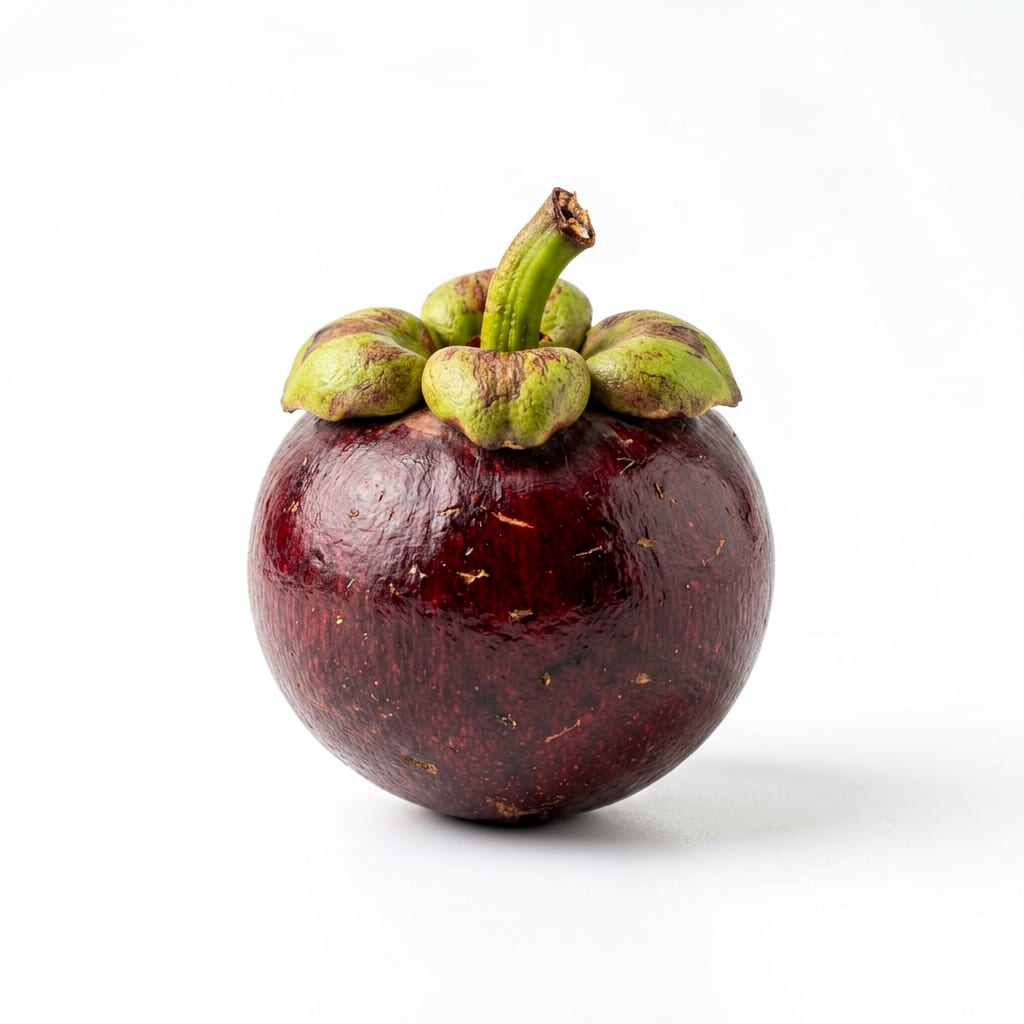
Mangosteen
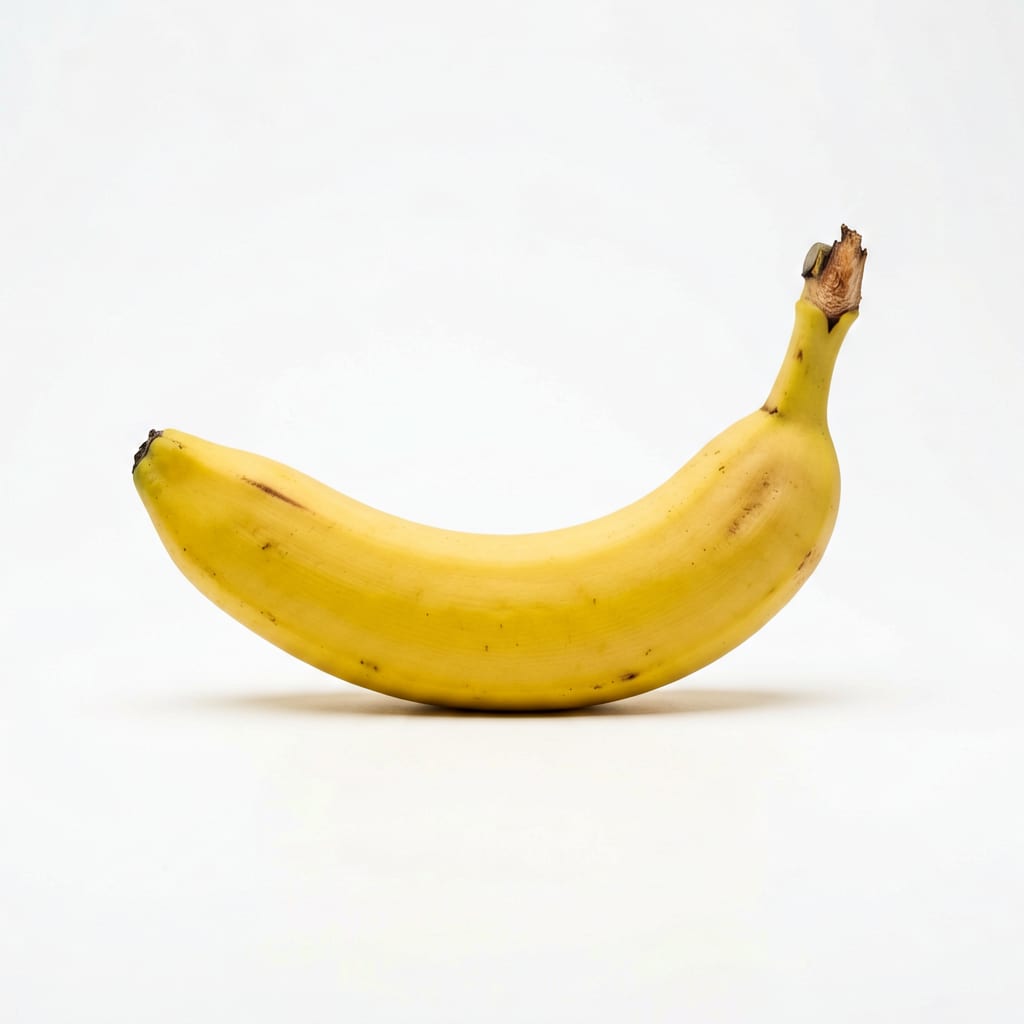
Banana
Banana wins on practicality and daily energy, but Mangosteen is the clear champion for antioxidants and lower sugar.
Banana scores higher due to unmatched convenience, affordability, and broad utility. Mangosteen scores lower primarily because of accessibility issues and higher cost, despite its nutritional edge in antioxidants.
You trade the convenience and quick energy of a Banana for the superior anti-inflammatory benefits and lower sugar of Mangosteen.
At a glance
Executive summary
Overall
Banana
Healthier
It depends
More practical
Banana
Daily use
Banana
Key comparison lenses
Antioxidant superiority vs everyday energy
Mangosteen is famous for xanthones while bananas are known for quick carbs, making this a specialty health vs daily utility comparison.
Blood sugar impact
Bananas are higher in sugar and carbs, while mangosteen offers a lower-glycemic alternative for sweet cravings.
Practicality and cost
Bananas are cheap and ubiquitous; mangosteens are expensive, seasonal, and hard to source fresh.
Best choice for
Mangosteen
- Reducing inflammation and oxidative stress
- Managing blood sugar while satisfying sweet cravings
- Adding exotic variety to a stagnant fruit rotation
Banana
- Quick pre-workout energy and cramp prevention
- Budget-friendly daily fruit intake
- Easy digestion for sensitive stomachs
Least suitable for
Mangosteen
- Budget-conscious households
- Quick on-the-go snacking
- People who need fast-acting carbs for endurance
Banana
- Strict low-carb or ketogenic diets
- People managing severe blood sugar spikes
- Those avoiding high-glycemic foods
Deep comparison
Dimension by dimension
Each lens scores both foods and breaks down who each option suits.
- Dimension 1 · Priority 92Mangosteen
Antioxidant Density & Inflammation
Mangosteen · 95Banana · 45Mangosteen is loaded with xanthones, rare compounds with potent anti-inflammatory effects. Bananas offer basic antioxidants but cannot compete here.
Tradeoff
Choosing Banana means missing out on the deep cellular protection Mangosteen provides, but you save significant money and effort.
Why it matters
Chronic inflammation drives aging and disease. Mangosteen actively fights this at a level few fruits can match.
Real-world impact
Eating Mangosteen regularly could help with joint stiffness and recovery, while Banana is more about fuel than repair.
Mangosteen
- Reducing systemic inflammation
- Recovery from oxidative stress
- Supporting immune resilience
Better for
- None for this specific dimension
Worse for
Banana
- Basic vitamin and mineral support
Better for
- Targeted anti-inflammatory benefits
Worse for
- Dimension 2 · Priority 88Mangosteen
Blood Sugar Stability
Mangosteen · 82Banana · 55Mangosteen has significantly less sugar and a lower glycemic impact than a ripe Banana.
Tradeoff
Banana gives you fast energy but risks a blood sugar crash later. Mangosteen provides sweetness without the spike.
Why it matters
Avoiding blood sugar spikes prevents the afternoon energy crash and reduces cravings.
Real-world impact
Mangosteen feels lighter and won't leave you sluggish an hour later. A ripe Banana might cause a quick dip in energy post-spike.
Mangosteen
- Steadier energy levels
- Diabetic-friendly snacking
- Avoiding sugar crashes
Better for
- Providing immediate high-octane fuel
Worse for
Banana
- Rapid carb loading for athletes
Better for
- Maintaining stable glucose for sedentary periods
Worse for
- Dimension 3 · Priority 85Banana
Everyday Convenience & Cost
Mangosteen · 25Banana · 98Bananas are cheap, available everywhere, and easy to eat. Mangosteens are expensive, seasonal, and messy to open.
Tradeoff
You pay a premium in both money and time to access the unique health benefits of Mangosteen.
Why it matters
The best healthy food is the one you can actually afford and eat consistently.
Real-world impact
You can grab a Banana on your way out the door for pennies. Mangosteen requires a specialty store trip and careful peeling to avoid purple stains.
Mangosteen
- Special occasion nutrition
- Impressing guests with exotic fruit
Better for
- Spontaneous snacking
- Affordable daily habits
Worse for
Banana
- Commuting and travel snacking
- Budget grocery runs
- Zero-prep meal prep
Better for
- Culinary novelty and excitement
Worse for
- Dimension 4 · Priority 80Banana
Quick Energy & Workout Fuel
Mangosteen · 40Banana · 90Bananas are a classic pre-workout food because of their easily digestible carbs and potassium. Mangosteen is too low in carbs to fuel exercise effectively.
Tradeoff
If you need energy to perform, Banana is your friend. Mangosteen is better for resting and recovering.
Why it matters
Carbs are essential for high-intensity performance and preventing muscle cramps.
Real-world impact
Eat a Banana before a run to feel energized. Eating Mangosteen before a run might leave you feeling underfueled.
Mangosteen
- Post-workout anti-inflammatory recovery
Better for
- Sustaining endurance activity
Worse for
Banana
- Pre-workout energy
- Mid-run fuel
- Preventing muscle cramps
Better for
- Post-workout inflammation control
Worse for
- Dimension 5 · Priority 75Banana
Digestive Regularity & Satiety
Mangosteen · 60Banana · 80Bananas offer more fiber and are more filling, especially when slightly green due to resistant starch.
Tradeoff
Mangosteen is lighter on the stomach but less likely to keep you full until your next meal.
Why it matters
Feeling full helps control overall calorie intake and prevents overeating.
Real-world impact
A Banana can hold you over between meals. Mangosteen is more of a light treat than a hunger killer.
Mangosteen
- Light snacking without feeling heavy
Better for
- Curbing strong hunger
Worse for
Banana
- Staying full between meals
- Improving bowel regularity
- Feeding gut bacteria with resistant starch
Better for
- Eating when already feeling bloated
Worse for
Timeline
Health impact over time
Short-term
Hours to days
Mangosteen
- Provides a light, sweet treat without a sugar crash
- May cause purple stains on hands and clothes if not peeled carefully
Banana
- Delivers rapid energy and mental clarity
- Can cause a blood sugar spike if eaten alone while ripe
Long-term
Months to years
Mangosteen
- Potent anti-inflammatory effects may reduce chronic disease risk
- High antioxidant intake supports skin health and cellular aging
Banana
- Consistent potassium intake supports healthy blood pressure
- Daily fiber promotes long-term digestive health
Risk profile
Safety & processing
Both are whole, unprocessed fruits. However, be cautious with Mangosteen juices and supplements, which often strip away the beneficial fiber and add sugars.
Mangosteen
Skin staining and sap irritation
lowThe yellow latex in the rind can permanently stain clothing and mildly irritate sensitive skin during peeling.
Pesticide residue on rind
mediumAs an imported tropical fruit, the thick rind often receives heavy pesticide applications, though the flesh is protected inside.
Banana
Pesticide exposure
lowConventional bananas are heavily sprayed, but the thick peel you discard minimizes ingestion. Organic is preferred but not critical.
Latex-fruit syndrome
lowPeople with latex allergies may experience itching or swelling from bananas due to cross-reactive proteins.
Who wins for whom
Audience fit
Same foods, different winners depending on your goal.
children
BananaBananas are mild, sweet, easy to chew, and universally loved by kids. Mangosteen's tartness and hard rind make it less kid-friendly.
daily consumption
BananaBanana is affordable, accessible year-round, and provides consistent daily energy and fiber.
diabetes
MangosteenMangosteen has a lower glycemic load and won't spike blood sugar like a ripe banana can.
elderly
BananaBananas are extremely easy to chew, gentle on the stomach, and provide crucial potassium for blood pressure management.
muscle gain
BananaBanana provides the fast-digesting carbs and potassium needed to fuel workouts and replenish glycogen stores.
weight loss
MangosteenMangosteen is lower in calories and sugar, making it easier to fit into a calorie deficit without triggering sugar cravings.
Your move
Decision guide
Choose Mangosteen
- You want to fight inflammation and boost antioxidants
- You are watching your blood sugar but crave something sweet
- You have access to fresh Mangosteen and want a treat
Choose Banana
- You need quick energy before or after a workout
- You are on a tight grocery budget
- You need a portable, mess-free snack for busy days
Either works if
- You just want a serving of whole fruit to round out a meal
- You are looking for a natural, unprocessed sweet treat
Avoid both if
- You are on a strict very-low-carb diet and cannot spare the carbs
- You have severe fructose intolerance
Final recommendation
Keep Bananas as your reliable daily staple for energy and affordability. Treat yourself to Mangosteen when available to get a powerful antioxidant boost and enjoy a lower-sugar sweet fix.
Practical
Consumer tips
- 1
To avoid purple stains when opening Mangosteen, score the rind around the middle with a knife and twist gently rather than squeezing hard.
- 2
If you have diabetes and still want a Banana, choose one that is slightly green to get more resistant starch and less sugar spike.
- 3
Avoid Mangosteen juices and supplements; they often contain added sugars and lack the fiber of the whole fruit.
- 4
Freeze overripe Bananas for smoothies instead of throwing them away—they add natural sweetness and a creamy texture.