
Nutrition comparison
Mangosteen vs Lychee: Which Tropical Fruit Is Healthier?
Compare mangosteen and lychee on antioxidants, sugar, vitamin C, safety, and availability. Find out which tropical fruit fits your health goals better.
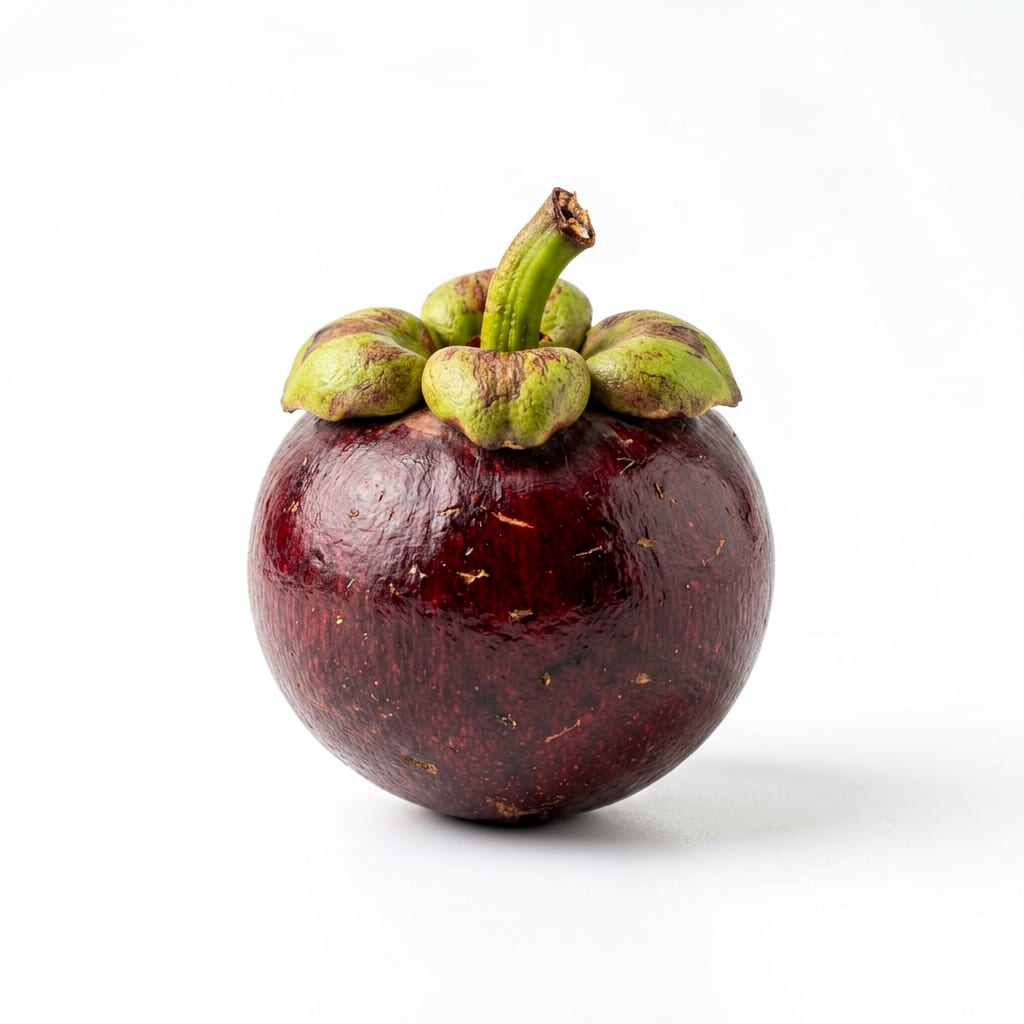
Mangosteen
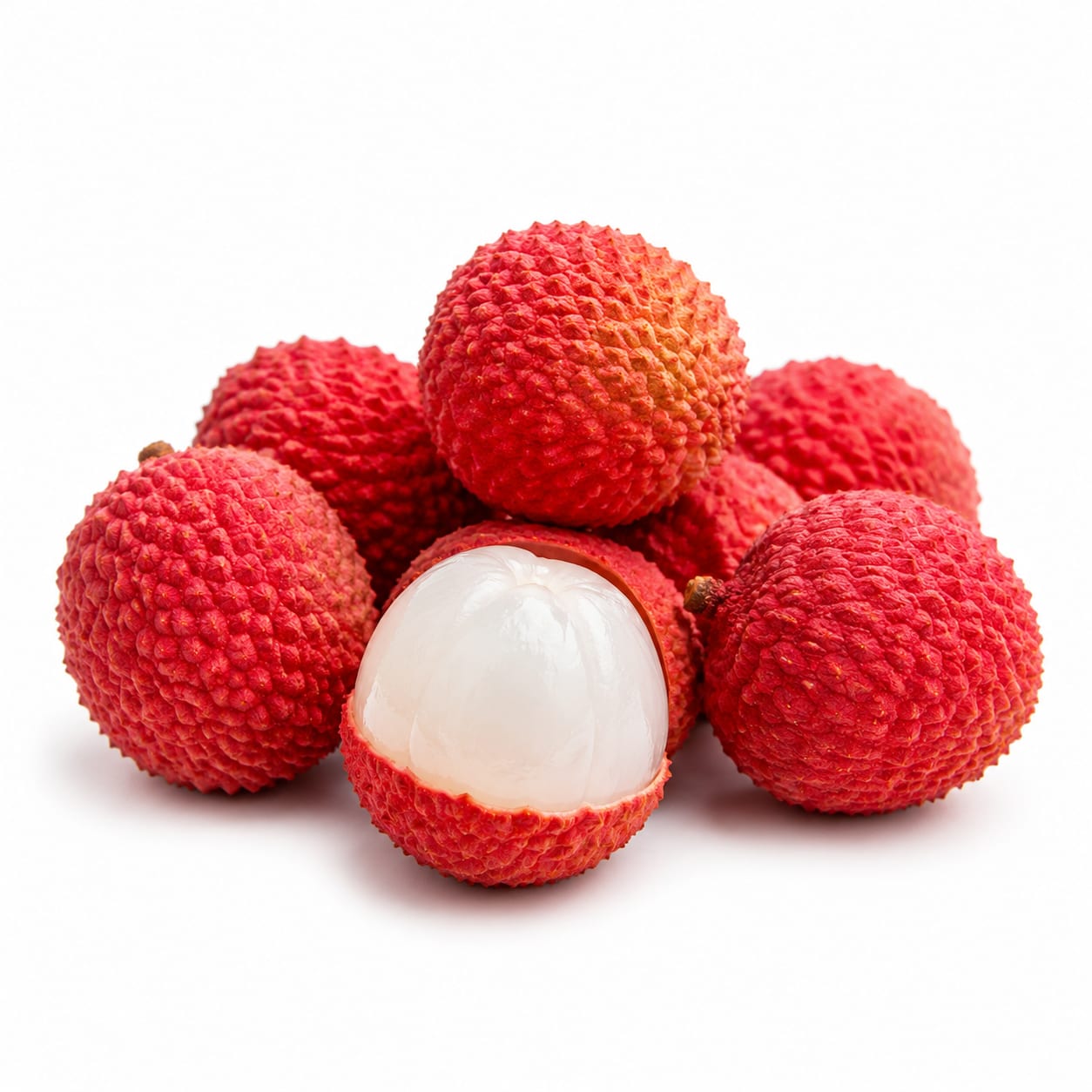
Lychee
Mangosteen wins on antioxidants and lower sugar, while lychee delivers more vitamin C and is easier to find fresh.
Mangosteen edges ahead on antioxidant density and lower sugar, but lychee's superior availability and vitamin C keep it competitive. The small gap reflects that both are healthy whole fruits with different strengths.
Superior anti-inflammatory compounds in mangosteen versus better availability and vitamin C in lychee.
At a glance
Executive summary
Overall
It depends
Healthier
Mangosteen
More practical
Lychee
Daily use
Lychee
Key comparison lenses
Antioxidant and anti-inflammatory benefits
Mangosteen is renowned for xanthones, making this the most clinically meaningful differentiator between these two fruits
Sugar content and blood sugar impact
Both are sweet tropical fruits, but their sugar loads differ enough to matter for daily consumption decisions
Safety concerns for children
Lychee carries a documented hypoglycin risk for undernourished children, a rare but serious safety distinction
Availability and practical everyday use
Fresh mangosteen is harder to find and more expensive, affecting real-world dietary choices
Vitamin C and immune support
Lychee delivers significantly more vitamin C, relevant for immune-focused consumers
Best choice for
Mangosteen
- People seeking potent anti-inflammatory and antioxidant support
- Those monitoring sugar intake but wanting a sweet treat
- Anyone managing inflammatory skin or joint conditions
Lychee
- People wanting a vitamin C-rich immune boost
- Those who need an accessible, affordable tropical fruit
- Anyone looking for a hydrating post-workout snack
Least suitable for
Mangosteen
- Budget-conscious shoppers needing regular fruit options
- People in regions where fresh mangosteen is unavailable
- Those wanting a quick, easy-to-peel everyday fruit
Lychee
- Undernourished children who might eat large quantities on an empty stomach
- People strictly limiting sugar intake
- Anyone with sensitivities to high-sugar tropical fruits
Deep comparison
Dimension by dimension
Each lens scores both foods and breaks down who each option suits.
- Dimension 1 · Priority 92Mangosteen
Antioxidant and Anti-inflammatory Power
Mangosteen · 94Lychee · 62Mangosteen is one of the richest natural sources of xanthones, a class of compounds with strong anti-inflammatory and antioxidant activity that lychee simply does not match.
Tradeoff
You gain meaningful anti-inflammatory potential with mangosteen, but lose the convenience and vitamin C that lychee offers.
Why it matters
Chronic inflammation underlies many long-term health issues. Regular intake of xanthone-rich foods may support joint, skin, and immune health over time.
Real-world impact
Someone eating mangosteen regularly may notice less joint stiffness or skin flare-ups over weeks, whereas lychee's benefits lean more toward immediate immune support.
Mangosteen
- Managing chronic inflammation
- Supporting skin health from within
- Long-term cellular protection
Better for
- Situations requiring immediate vitamin C intake
Worse for
Lychee
- Quick immune system support during cold season
- Post-illness recovery hydration
Better for
- Any anti-inflammatory dietary protocol
Worse for
- Dimension 2 · Priority 88Mangosteen
Sugar Content and Blood Sugar Impact
Mangosteen · 76Lychee · 58Mangosteen contains roughly 30% less sugar per serving than lychee, making it gentler on blood sugar.
Tradeoff
Both fruits are sweet treats, but lychee's higher sugar load means it can spike blood sugar faster, especially eaten in quantity.
Why it matters
Steadier blood sugar means fewer energy crashes and better hunger control throughout the day.
Real-world impact
A bowl of lychee can feel like a sugar rush followed by a dip, while mangosteen gives a gentler, more sustained sweetness.
Mangosteen
- People with prediabetes or insulin resistance
- Anyone trying to reduce sugar cravings
- More stable afternoon energy
Better for
- Situations needing rapid energy replenishment
Worse for
Lychee
- Quick energy before or after intense exercise
- Active individuals who burn through sugar fast
Better for
- Sedentary evening snacking
- Anyone counting carbs carefully
Worse for
- Dimension 3 · Priority 72Lychee
Vitamin C and Micronutrient Density
Mangosteen · 55Lychee · 85Lychee delivers roughly twice the vitamin C of mangosteen, making it a stronger choice for immune support and collagen production.
Tradeoff
You get more immune-boosting vitamin C from lychee, but miss out on mangosteen's unique xanthones.
Why it matters
Vitamin C is essential for wound healing, skin elasticity, and fighting off infections, especially during stressful periods.
Real-world impact
Eating lychee during cold season feels like a tangible immune boost, while mangosteen's benefits are more cumulative and less immediately noticeable.
Mangosteen
- Long-term antioxidant protection
Better for
- Acute immune support needs
Worse for
Lychee
- Fighting off a cold
- Supporting collagen and skin repair
- Recovering from illness or surgery
Better for
- Situations where cumulative anti-inflammatory intake matters more
Worse for
- Dimension 4 · Priority 78Lychee
Availability and Practical Convenience
Mangosteen · 42Lychee · 78Fresh lychee is far easier to find in Asian markets and grocery stores worldwide, while fresh mangosteen remains rare and expensive outside Southeast Asia.
Tradeoff
Mangosteen's scarcity makes it a special-occasion fruit, whereas lychee can be a regular part of your diet in many regions.
Why it matters
The healthiest fruit is the one you can actually buy and eat consistently.
Real-world impact
Most people will encounter canned or supplement-form mangosteen more often than fresh, which changes the nutritional profile. Lychee is more often available fresh or frozen.
Mangosteen
- Special occasions and intentional antioxidant-focused eating
Better for
- Anyone without access to specialty Asian markets
- Regular meal prep routines
Worse for
Lychee
- Weekly grocery runs
- Consistent daily fruit intake
- Budget-friendly tropical fruit options
Better for
- Seeking a rare, novelty fruit experience
Worse for
- Dimension 5 · Priority 85Mangosteen
Safety and Contamination Risks
Mangosteen · 88Lychee · 62Lychee contains hypoglycin A, which can cause dangerous drops in blood sugar in undernourished children who eat large amounts on an empty stomach. Mangosteen has no comparable safety concern.
Tradeoff
Lychee is safe for well-nourished adults in normal portions, but the documented risk for children is a real distinction.
Why it matters
For families with young children, especially in tropical regions, this is a meaningful safety consideration.
Real-world impact
Well-fed adults eating a handful of lychee face no real risk, but parents of small children should moderate portions and ensure kids eat lychee after meals, not on an empty stomach.
Mangosteen
- Households with young children
- Anyone concerned about food safety
- People with blood sugar instability
Better for
- No significant safety downside
Worse for
Lychee
- Well-nourished adults eating moderate portions
Better for
- Undernourished or fasting children
- Anyone prone to hypoglycemia eating large quantities
Worse for
Timeline
Health impact over time
Short-term
Hours to days
Mangosteen
- Gentle blood sugar response with satisfying sweetness
- Mild anti-inflammatory effect that builds over days
- Comforting, light snack that does not cause energy crashes
Lychee
- Quick vitamin C boost supporting immediate immune function
- Faster blood sugar rise that can feel energizing then dip
- Hydrating and refreshing, especially chilled in hot weather
Long-term
Months to years
Mangosteen
- Consistent xanthone intake may reduce chronic inflammation markers
- Lower sugar load supports better metabolic health over years
- Potential skin and joint benefits from sustained antioxidant exposure
Lychee
- Higher vitamin C intake supports collagen integrity and skin health long-term
- Regular consumption without portion awareness may contribute to higher sugar habits
- Immune resilience builds with consistent vitamin C intake
Risk profile
Safety & processing
Both fruits are naturally whole foods when fresh. However, mangosteen is frequently sold as juice or supplements with added sugars and preservatives, which dramatically reduces its health advantage. Canned lychee often comes in heavy syrup, adding unnecessary sugar. Always choose fresh or frozen over canned or juiced versions of either fruit.
Mangosteen
Mold or spoilage under the rind
lowMangosteen's thick rind can hide spoilage. Check for hard, yellow resin or excessive softness before eating.
Import restrictions limiting fresh availability
lowSome countries restrict fresh mangosteen imports due to fruit fly concerns, leading consumers to processed versions with less nutritional value.
Lychee
Hypoglycin A toxicity in undernourished children
highUnripe lychee contains hypoglycin A, which can cause severe hypoglycemia and encephalopathy in malnourished children. Documented outbreaks in India and Vietnam. Always ensure children eat ripe lychee in moderation after meals.
Pesticide residue on conventionally grown lychee
mediumLychee is often treated with sulfur dioxide to preserve color during shipping. Wash thoroughly or choose organic when possible.
Canned lychee in heavy syrup
mediumCanned versions often sit in sugar syrup, doubling the sugar content. Drain and rinse, or choose fresh or frozen.
Who wins for whom
Audience fit
Same foods, different winners depending on your goal.
children
MangosteenMangosteen lacks the hypoglycin risk that makes large lychee consumption dangerous for undernourished kids. Both are fine in moderation for well-fed children.
daily consumption
LycheeLychee's wider availability and affordability make it more realistic as a regular fruit choice, even though mangosteen has a slight nutritional edge.
diabetes
MangosteenLower sugar content and gentler blood sugar impact make mangosteen the safer choice, though both should be eaten in moderation.
elderly
MangosteenAnti-inflammatory xanthones may support joint and cardiovascular health in aging bodies, and the lower sugar load is gentler on aging metabolism.
muscle gain
It dependsNeither fruit is a protein source. Lychee's slightly higher sugar can offer quick post-workout carbs, but the difference is minimal.
weight loss
MangosteenMangosteen's lower sugar and calorie density make it easier to enjoy as a sweet treat without derailing a calorie deficit.
Your move
Decision guide
Choose Mangosteen
- You want maximum anti-inflammatory and antioxidant benefits from fruit
- You are watching your sugar intake but still crave something sweet
- You have access to fresh or frozen mangosteen at reasonable prices
- You are managing inflammatory conditions like joint pain or skin issues
Choose Lychee
- You want an accessible, affordable tropical fruit for regular enjoyment
- You need a vitamin C boost during cold season or after illness
- You live somewhere where fresh lychee is easy to find
- You want a hydrating, refreshing fruit for hot weather
Either works if
- You simply want a delicious tropical fruit and both are available
- You are eating a varied diet and neither fruit is a daily staple
- You are a well-nourished adult eating moderate portions
Avoid both if
- You are on a strict very-low-carb or ketogenic diet
- You have a known allergy to tropical fruits
- You can only find canned versions in heavy syrup
Final recommendation
Choose mangosteen when you can find it fresh and want the strongest antioxidant payoff with less sugar. Choose lychee for everyday accessibility, vitamin C, and refreshment. Both are far better choices than processed sweets, and rotating between them gives you the broadest range of benefits.
Practical
Consumer tips
- 1
If buying canned lychee, choose versions packed in water or light syrup, and drain before eating
- 2
Fresh mangosteen should feel heavy for its size with a slightly soft but intact rind; avoid fruits with hard yellow patches
- 3
Freeze whole peeled lychee for a naturally sweet, popsicle-like summer treat
- 4
Mangosteen juice and supplements often contain added sugars and fillers; whole fresh fruit is always the better option
- 5
Never let children eat large quantities of lychee on an empty stomach, especially unripe fruit
- 6
Wash lychee thoroughly to remove sulfur dioxide residue used in shipping
- 7
If fresh mangosteen is unavailable, frozen mangosteen pulp retains most of the xanthone content without added ingredients