
Nutrition comparison
Mangosteen vs Mango: Which Tropical Fruit Is Healthier for You?
Compare mangosteen and mango on antioxidants, sugar, vitamins, and practicality. Discover which fruit fits your health goals and when to choose each.
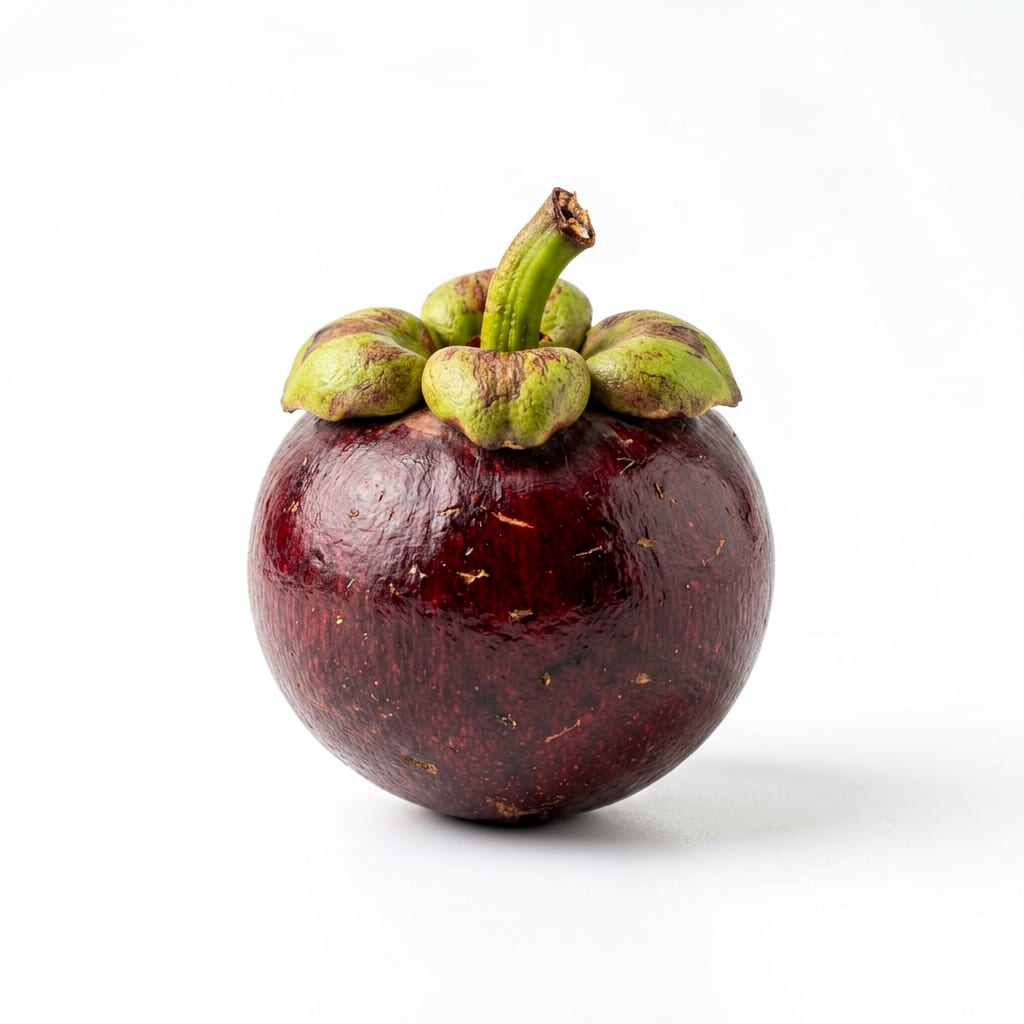
Mangosteen
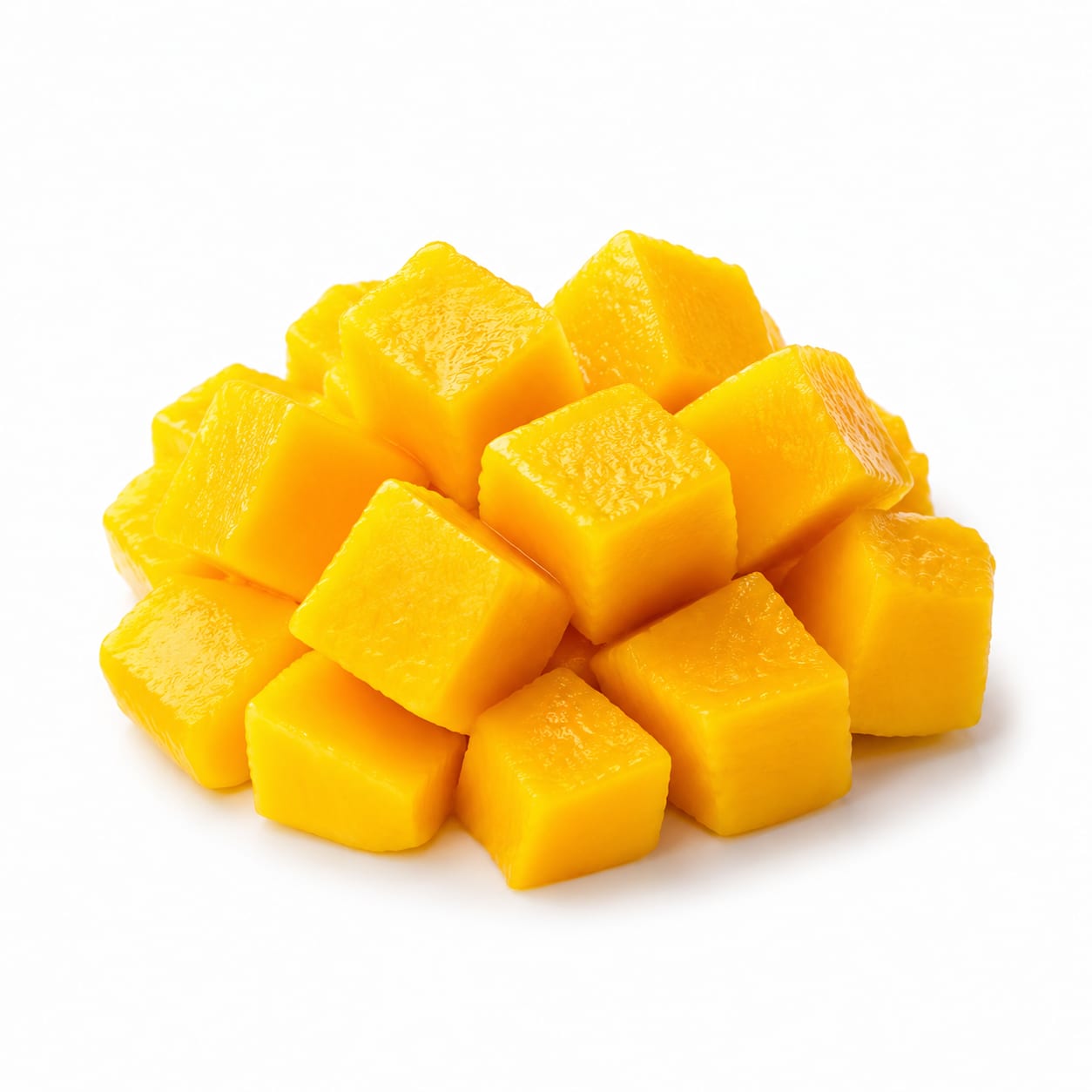
Mango
Mango wins on vitamins, availability, and everyday practicality. Mangosteen wins on unique antioxidants and lower sugar impact.
Mango scores higher due to superior vitamin content, broader availability, and versatility. Mangosteen remains compelling for its unique xanthones and lower sugar, but accessibility and portion size limit everyday utility.
Mango gives you more nutrition per bite and easier access, but mangosteen delivers rare xanthones you cannot get elsewhere with less sugar
At a glance
Executive summary
Overall
It depends
Healthier
It depends
More practical
Mango
Daily use
Mango
Key comparison lenses
antioxidant potential
Mangosteen is famous for rare xanthones while mango offers abundant carotenoids, making this a unique phytonutrient showdown
sugar and glycemic impact
Both are sweet tropical fruits but differ significantly in sugar load and how they affect blood sugar
practical availability
Mangosteen is notoriously hard to find fresh outside Southeast Asia while mango is ubiquitous globally
vitamin nutrition
Mango dominates in vitamins A and C while mangosteen offers a more modest vitamin profile
anti inflammatory benefits
Xanthones in mangosteen have potent anti-inflammatory research behind them, relevant for chronic inflammation concerns
Best choice for
Mangosteen
- People managing blood sugar who still want tropical fruit
- Those seeking potent anti-inflammatory compounds
- Anyone curious about unique Southeast Asian superfruits
- People who prefer lower-calorie sweet treats
Mango
- Families wanting affordable, vitamin-rich fruit
- Anyone needing immune support from vitamin C and A
- Active people needing post-workout carbs and nutrients
- Home cooks wanting versatile fruit for meals and snacks
Least suitable for
Mangosteen
- Budget-conscious shoppers outside tropical regions
- People who want large portions of fruit for satiety
- Anyone unfamiliar with how to select and open the fruit
Mango
- People strictly limiting sugar intake
- Those with mango allergy (common in latex-fruit syndrome)
- Diabetics who need low-glycemic fruit options
Deep comparison
Dimension by dimension
Each lens scores both foods and breaks down who each option suits.
- Dimension 1 · Priority 92Mangosteen
antioxidant_diversity
Mangosteen · 91Mango · 78Mangosteen contains over 40 xanthones, a class of potent antioxidants virtually absent from most fruits. Mango counters with rich carotenoids and vitamin C but lacks this rare compound class.
Tradeoff
You get more unique, research-backed antioxidants in mangosteen but more total vitamin-based antioxidant capacity in mango
Why it matters
Xanthones have shown anti-cancer and anti-inflammatory potential in studies. If you are specifically targeting inflammation, mangosteen offers something mango cannot replicate.
Real-world impact
Regular mangosteen consumption may help with joint stiffness and inflammatory skin conditions more than mango, though mango better supports immune defense against everyday colds.
Mangosteen
- Chronic inflammation management
- Supplement-like antioxidant targeting
- Skin health from internal anti-inflammation
Better for
- Vitamin C-dependent immune function
- Vision-specific antioxidant needs
Worse for
Mango
- Everyday immune support
- Eye health from beta-carotene
- General cellular protection from oxidative stress
Better for
- Targeted anti-inflammatory protocols
- Accessing xanthone-class compounds
Worse for
- Dimension 2 · Priority 88Mangosteen
sugar_and_glycemic_impact
Mangosteen · 82Mango · 58Mangosteen has roughly half the sugar per serving compared to mango and a lower glycemic load, making it gentler on blood sugar.
Tradeoff
Mangosteen is the safer sweet treat for blood sugar management, but mango provides more energy for active lifestyles
Why it matters
For prediabetics, insulin-resistant individuals, or anyone avoiding energy crashes, this difference matters at every meal.
Real-world impact
A mangosteen snack is less likely to cause an afternoon energy dip. A mango snack could fuel a workout but might leave a sedentary person reaching for more food an hour later.
Mangosteen
- Steadier energy without crashes
- Blood sugar management
- Low-carb tropical fruit option
Better for
- Athletes needing quick energy
- Recovering from intense exercise
Worse for
Mango
- Pre-workout energy fuel
- Replenishing glycogen after exercise
- Active people needing carb calories
Better for
- Sedentary evening snacking
- Insulin-sensitive individuals
Worse for
- Dimension 3 · Priority 80Mango
vitamin_density
Mangosteen · 48Mango · 89Mango is a vitamin powerhouse with outstanding vitamin C and A content. Mangosteen provides modest amounts of B vitamins but lacks the heavy hitters.
Tradeoff
Mango delivers far more immune-boosting and vision-supporting vitamins per calorie, while mangosteen relies on non-vitamin phytonutrients for its health value
Why it matters
If you are not supplementing and rely on food for vitamins, mango contributes meaningfully to daily targets. Mangosteen barely moves the needle on standard vitamin needs.
Real-world impact
One cup of mango covers roughly 70% of daily vitamin C and 25% of vitamin A. Mangosteen covers under 10% of either.
Mangosteen
- Mild B-vitamin supplementation
Better for
- Anyone relying on fruit for vitamin C
- Children needing vitamin A for growth
Worse for
Mango
- Immune system support
- Vision and skin health
- Meeting daily vitamin needs from food
Better for
- Situations where vitamin C is already oversupplied
Worse for
- Dimension 4 · Priority 85Mango
availability_and_convenience
Mangosteen · 32Mango · 88Mango is available year-round in most grocery stores worldwide. Fresh mangosteen is rare outside Southeast Asia and often expensive when found.
Tradeoff
Mango is an everyday fruit you can always find. Mangosteen is a specialty item requiring effort, expense, or frozen/canned alternatives.
Why it matters
The healthiest food only works if you can actually obtain and eat it regularly. Consistency beats novelty for long-term health outcomes.
Real-world impact
You can build mango into your weekly routine easily. Mangosteen will likely be an occasional treat or require you to settle for processed versions with reduced nutrient quality.
Mangosteen
- Specialty health food exploration
- Occasional antioxidant boost
Better for
- Meal planning around availability
- Cost-sensitive households
Worse for
Mango
- Consistent daily fruit intake
- Grocery shopping convenience
- Budget-friendly nutrition
Better for
- Seeking rare or exotic nutrient sources
Worse for
- Dimension 5 · Priority 72It depends
digestive_tolerance
Mangosteen · 70Mango · 72Both fruits are generally well-tolerated. Mango contains digestive enzymes that help break down food, while mangosteen is gentler on blood sugar but has tannins that may constipate in excess.
Tradeoff
Mango actively aids digestion with enzymes but its sugar can ferment in sensitive guts. Mangosteen is lighter on sugar but overconsumption can cause constipation from tannins.
Why it matters
People with IBS or sensitive digestion need to know which fruit plays nicer with their specific gut patterns.
Real-world impact
Mango after a heavy meal can help digestion. Too much mangosteen in one sitting might slow things down uncomfortably.
Mangosteen
- Light snacking without fermentation risk
- Smaller portions for sensitive stomachs
Better for
- Overeating leading to constipation
Worse for
Mango
- Post-meal digestive aid
- Adding fiber to low-fiber meals
Better for
- Fructose-sensitive individuals
- IBS with sugar triggers
Worse for
Timeline
Health impact over time
Short-term
Hours to days
Mangosteen
- Quick satisfying sweetness without a sugar rush
- Light on the stomach in small portions
- Possible constipation if eating more than 3-4 fruits at once
Mango
- Noticeable energy boost from natural sugars
- Enzymes may ease bloating after heavy meals
- Possible blood sugar spike in sedentary contexts
Long-term
Months to years
Mangosteen
- Xanthone-driven anti-inflammatory benefits with regular consumption
- Lower cumulative sugar exposure compared to sweeter tropical fruits
- Potential antioxidant protection against chronic inflammatory conditions
Mango
- Stronger immune resilience from consistent vitamin C and A intake
- Better skin and eye health from carotenoid accumulation
- Higher lifetime sugar exposure if eaten daily in large portions
Risk profile
Safety & processing
Both fruits are whole foods when fresh. However, mangosteen is more commonly consumed as juice or supplement due to scarcity, which introduces processing concerns. Fresh mango is almost always eaten whole or freshly cut.
Mangosteen
Import contamination
mediumFresh mangosteen imported outside tropical regions may undergo irradiation or fumigation. Frozen options may retain more nutrients and avoid this concern.
Tannin overconsumption
lowEating large quantities can cause constipation due to tannin content. Moderate consumption avoids this entirely.
Mango
Pesticide residue
mediumConventional mango often shows pesticide residues on the peel. Washing thoroughly or choosing organic reduces exposure significantly.
Allergic cross-reactivity
mediumPeople with latex allergy may react to mango due to latex-fruit syndrome. Symptoms range from mouth itching to anaphylaxis in severe cases.
Who wins for whom
Audience fit
Same foods, different winners depending on your goal.
children
MangoMango provides critical vitamins for growth, is easier to find, and its sweet flavor is universally kid-friendly
daily consumption
MangoAvailability, affordability, and vitamin density make mango practical for consistent daily intake
diabetes
MangosteenLower sugar content and glycemic load make mangosteen the safer tropical fruit choice for blood sugar management
elderly
MangoHigher vitamin A supports aging eyes and immune function, and mango is softer and easier to chew for dental concerns
muscle gain
MangoMore carbs and calories support glycogen replenishment and training energy, plus vitamin C aids collagen synthesis for connective tissue
weight loss
MangosteenLower calories and sugar per serving make mangosteen easier to fit into a calorie deficit without triggering cravings
Your move
Decision guide
Choose Mangosteen
- You are managing blood sugar or insulin resistance
- You want anti-inflammatory compounds not found in other fruits
- You are comfortable with specialty shopping or frozen options
- You prefer lower-calorie sweet treats
Choose Mango
- You want maximum vitamin nutrition from a fruit
- You need affordable, accessible fruit for the whole family
- You are active and need energy-supporting carbs
- You want versatile fruit for smoothies, salads, salsas, and desserts
Either works if
- You simply want delicious tropical fruit variety
- You have no specific health restrictions
- You are building a diverse antioxidant portfolio
Avoid both if
- You are on a strict very-low-carb or ketogenic diet
- You have a diagnosed fructose intolerance
- You are limiting tropical fruit due to oral allergy syndrome
Final recommendation
Eat mango as your daily tropical fruit for vitamins and practicality. Add mangosteen when you can find it for its unique xanthones and anti-inflammatory edge. They complement each other beautifully rather than competing.
Practical
Consumer tips
- 1
If buying frozen mangosteen, check that no added sugar is in the ingredients list
- 2
Choose organic mango when possible to reduce pesticide exposure on the peel
- 3
Ripe mango should yield slightly to pressure like a ripe avocado
- 4
Fresh mangosteen should have a soft but intact purple shell; avoid ones with hard, cracked, or leaking rinds
- 5
Freeze mango chunks for instant smoothie additions that also make the texture creamier
- 6
Mangosteen supplements and juices often exaggerate health claims; whole fruit is always the better option