
Nutrition comparison
Mangosteen vs Pomegranate: Which Antioxidant Superfruit Is Actually Worth It?
Compare mangosteen and pomegranate on antioxidants, heart health benefits, sugar content, and value. Learn which tropical fruit deserves a spot in your daily diet.
Overall winner · Pomegranate
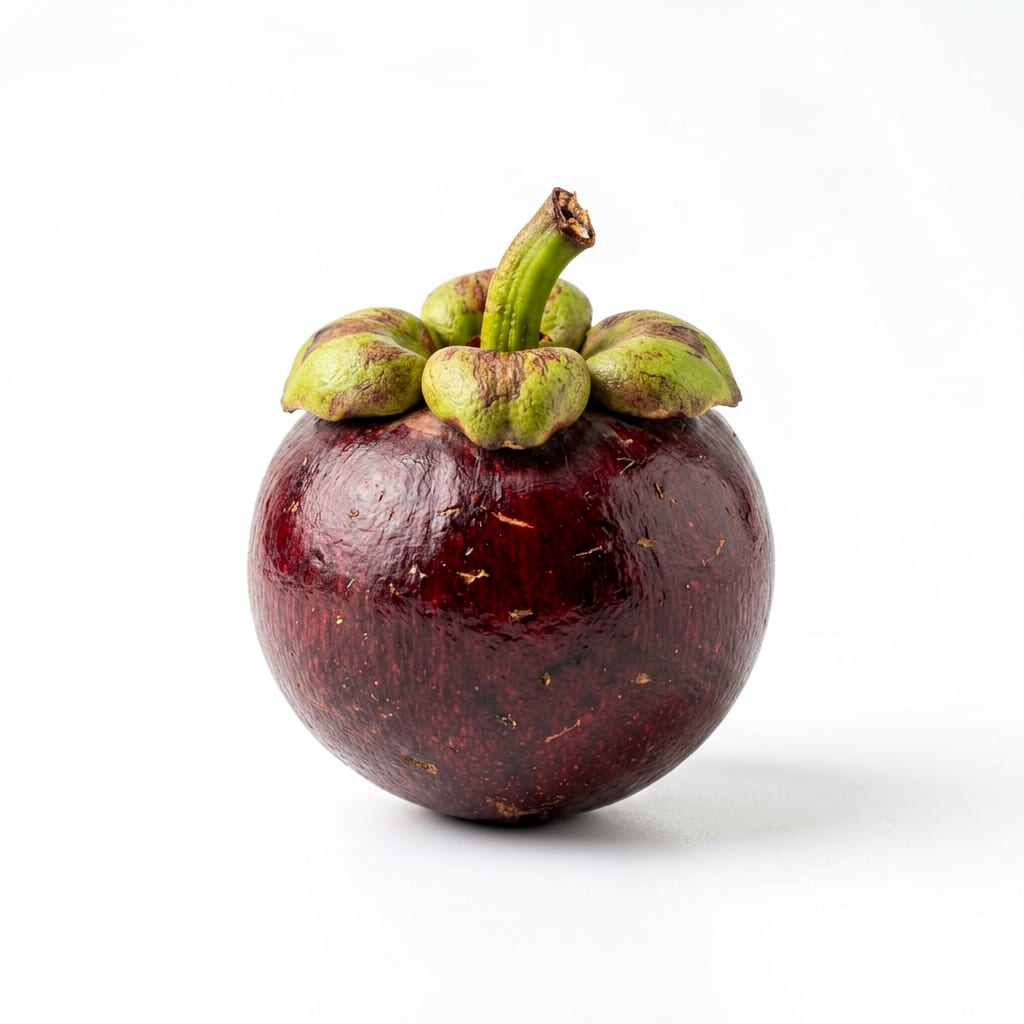
Mangosteen
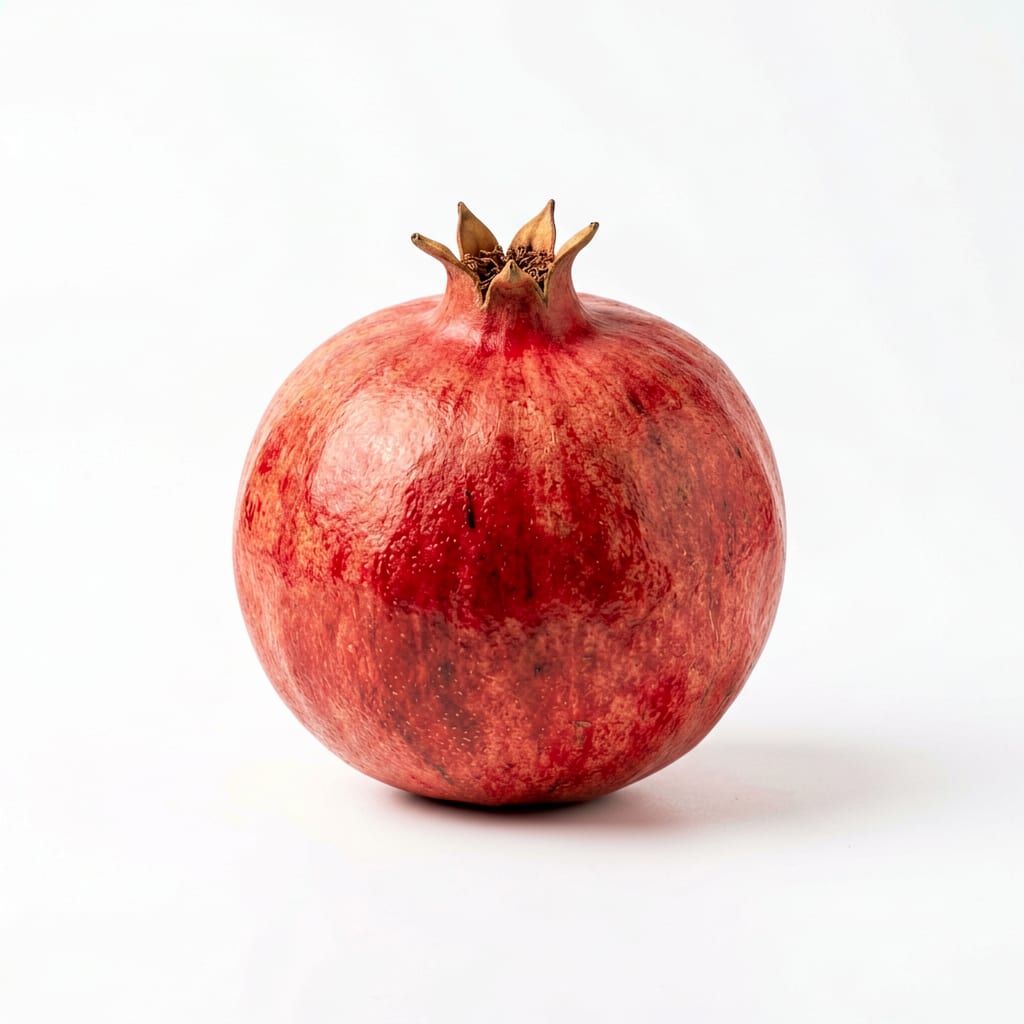
Pomegranate
Pomegranate wins on evidence-backed health benefits, availability, and everyday practicality, while mangosteen offers a unique antioxidant experience that's harder to access and less studied.
Pomegranate scores notably higher due to stronger clinical evidence, superior fiber content, wider availability, and better value. Mangosteen remains a fascinating specialty fruit with unique compounds, but its limited access, high cost, and smaller evidence base hold it back for everyday use.
Mangosteen delivers rare xanthones you can't easily get elsewhere, but pomegranate provides better-studied polyphenols with proven heart benefits at a fraction of the cost.
At a glance
Executive summary
Overall
Pomegranate
Healthier
Pomegranate
More practical
Pomegranate
Daily use
Pomegranate
Key comparison lenses
antioxidant potency and unique compounds
Both fruits are prized for rare antioxidants—xanthones in mangosteen vs punicalagins in pomegranate—making this their defining nutritional difference
heart health and anti inflammatory benefits
Pomegranate has strong clinical evidence for cardiovascular protection while mangosteen's anti-inflammatory claims are promising but less proven
accessibility and everyday practicality
Mangosteen is seasonal, expensive, and hard to find fresh outside Southeast Asia, while pomegranate is widely available year-round in most markets
sugar load and blood sugar impact
Both are sweeter fruits, but their fiber content and glycemic profiles differ enough to matter for daily consumption decisions
value for money nutritionally
Mangosteen commands premium pricing with limited edible portion, raising questions about nutritional return on investment
Best choice for
Mangosteen
- Exploring unique Southeast Asian antioxidants
- Anti-inflammatory support through xanthones
- Occasional tropical fruit indulgence
- Broadening your antioxidant diversity beyond common fruits
Pomegranate
- Heart health and blood pressure support
- Daily antioxidant intake with strong evidence
- Budget-conscious nutrition optimization
- Fiber-friendly fruit that still feels indulgent
Least suitable for
Mangosteen
- Budget-conscious weekly meal prep
- Reliable daily antioxidant routine
- People who need widely available produce
- Anyone watching sugar who wants more fiber to balance it
Pomegranate
- People who dislike tart flavors
- Those wanting a quick grab-and-go snack
- Anyone sensitive to astringent foods
- People on blood thinners who must limit vitamin K
Deep comparison
Dimension by dimension
Each lens scores both foods and breaks down who each option suits.
- Dimension 1 · Priority 95It depends
antioxidant_diversity_and_potency
Mangosteen · 82Pomegranate · 88Pomegranate has more total antioxidant capacity and better-studied compounds, but mangosteen's xanthones are genuinely unique and not found in common Western fruits.
Tradeoff
Pomegranate gives you more proven antioxidant firepower; mangosteen gives you rarer compounds that fewer foods offer.
Why it matters
Antioxidant diversity matters because different compounds target different oxidative pathways in the body.
Real-world impact
Eating pomegranate regularly is like taking a well-researched supplement. Mangosteen is like adding a specialty ingredient that covers gaps in your antioxidant profile.
Mangosteen
- Diversifying beyond common polyphenols
- Targeting xanthone-specific inflammatory pathways
- People already eating pomegranate and berries regularly
Better for
- Relying on it as your primary antioxidant source
- Expecting clinical-level health outcomes
Worse for
Pomegranate
- Maximum total antioxidant intake per dollar
- Cardiovascular-specific antioxidant protection
- Measurable ORAC score improvements
Better for
- Getting xanthone-class antioxidants
- Variety if pomegranate is your only fruit
Worse for
- Dimension 2 · Priority 90Pomegranate
heart_health_evidence
Mangosteen · 48Pomegranate · 92Pomegranate has robust human trials showing blood pressure reduction, arterial plaque slowing, and improved cholesterol. Mangosteen's cardiovascular evidence remains mostly animal and test-tube studies.
Tradeoff
Pomegranate is a heart-health powerhouse with real clinical backing. Mangosteen has plausible mechanisms but lacks the same proof.
Why it matters
If you're choosing fruit specifically for cardiovascular protection, evidence quality makes a real difference in expected outcomes.
Real-world impact
Drinking pomegranate juice daily has measurable effects on blood pressure within weeks. Mangosteen might help, but you're betting on potential rather than proof.
Mangosteen
- General anti-inflammatory support
- Novel pathways that complement heart-healthy diets
Better for
- Being your primary heart-protective food
- Replacing proven interventions
Worse for
Pomegranate
- Direct blood pressure management
- Arterial health and plaque reduction
- Post-heart-attack dietary recovery
- Cholesterol improvement
Better for
- People on blood pressure medications without doctor supervision
Worse for
- Dimension 3 · Priority 80Pomegranate
fiber_and_digestive_value
Mangosteen · 35Pomegranate · 78Pomegranate arils deliver roughly 4g of fiber per 100g, while mangosteen provides only about 1.8g. The edible portion of pomegranate is also more fiber-dense relative to sugar content.
Tradeoff
Pomegranate fills you up more and steadier blood sugar. Mangosteen is lighter but less satisfying and faster-digesting.
Why it matters
Fiber determines how a fruit affects satiety, blood sugar stability, and gut health over the course of a day.
Real-world impact
A bowl of pomegranate arils with yogurt keeps you full for hours. Mangosteen feels more like a light sweet treat that leaves you wanting more.
Mangosteen
- Light snacking when you want something sweet but not heavy
- Easier digestion for sensitive stomachs
Better for
- Blood sugar spikes without fiber buffer
- Feeling hungry again quickly
Worse for
Pomegranate
- Gut microbiome feeding
- Sustained energy without sugar crashes
- Adding to oatmeal or chia pudding for fullness
Better for
- Very high-fiber diets where you already exceed needs
Worse for
- Dimension 4 · Priority 78Mangosteen
sugar_content_and_glycemic_impact
Mangosteen · 68Pomegranate · 55Mangosteen has slightly less sugar per 100g and a gentler glycemic profile due to its lower overall carbohydrate density. Pomegranate's sugar is higher, especially in juice form.
Tradeoff
Mangosteen is easier on blood sugar in isolation, but pomegranate's fiber partially offsets its higher sugar content when eaten as whole arils.
Why it matters
For people monitoring glucose, the difference between these fruits matters more than most realize.
Real-world impact
Mangosteen feels lighter and less sweetly intense. Pomegranate juice can spike blood sugar noticeably, but whole arils are more balanced.
Mangosteen
- Lower total sugar per serving
- Gentler on blood sugar when eaten alone
- Lighter afternoon snack option
Better for
- Low fiber means sugar absorbs quickly without pairing
Worse for
Pomegranate
- Whole arils with fiber slow sugar absorption
- More satisfying so less likely to overeat
Better for
- Pomegranate juice is essentially a sugar bomb
- Higher total sugar load per serving
Worse for
- Dimension 5 · Priority 85Pomegranate
availability_and_value
Mangosteen · 25Pomegranate · 82Fresh mangosteen is seasonal, expensive, and rarely found outside specialty Asian markets. Pomegranate is available year-round in most grocery stores at reasonable prices.
Tradeoff
Pomegranate is an everyday fruit. Mangosteen is a specialty experience that requires effort and money to access.
Why it matters
The healthiest fruit is the one you can actually eat consistently. Availability determines whether a food becomes a habit or a rare indulgence.
Real-world impact
You can buy pomegranate at any supermarket this week. Finding fresh mangosteen might require a specialty store visit and spending $8-15 for a small container.
Mangosteen
- Special occasion tropical fruit experience
- Living in or visiting Southeast Asia where it's cheap and abundant
Better for
- Building any consistent dietary habit
- Cost-effective nutrition
- Rural or small-town access
Worse for
Pomegranate
- Weekly grocery shopping consistency
- Budget-friendly antioxidant source
- Reliable meal prep ingredient
Better for
- Seeking novelty and exotic fruit experiences
Worse for
- Dimension 6 · Priority 82It depends
anti_inflammatory_potential
Mangosteen · 76Pomegranate · 80Both fruits fight inflammation through different pathways. Mangosteen's xanthones target specific inflammatory markers, while pomegranate's punicalagins have broader anti-inflammatory effects with more human data.
Tradeoff
Mangosteen may be more targeted; pomegranate is more broadly proven. Combining both would be ideal but impractical for most.
Why it matters
Chronic inflammation drives most modern diseases, so anti-inflammatory food choices compound over decades.
Real-world impact
Regular pomegranate consumption correlates with reduced inflammatory markers in blood tests. Mangosteen shows similar markers in lab studies but fewer real-world confirmations.
Mangosteen
- Xanthone-specific inflammatory pathways
- Complementing a diet already rich in polyphenols
Better for
- Being your sole anti-inflammatory food strategy
Worse for
Pomegranate
- Measurable CRP reduction
- Joint pain and arthritis support
- Post-exercise inflammation recovery
Better for
- Targeting xanthone-specific inflammation mechanisms
Worse for
Timeline
Health impact over time
Short-term
Hours to days
Mangosteen
- Light, sweet satisfaction without heaviness
- Quick natural sugar energy boost
- Possible mild anti-inflammatory relief within hours
- Refreshing tropical flavor experience
Pomegranate
- Noticeable fullness from fiber-rich arils
- Tart-sweet flavor that satisfies cravings without overeating
- Blood pressure may dip slightly after consumption
- Staining fingers and clothes is an immediate risk
Long-term
Months to years
Mangosteen
- Potential anti-inflammatory benefits from regular xanthone intake
- Antioxidant diversity that complements a varied diet
- Unlikely to provide measurable health outcomes as a standalone food
- High cost may prevent consistent consumption needed for benefits
Pomegranate
- Reduced cardiovascular risk markers with regular intake
- Improved gut microbiome diversity from fiber and polyphenols
- Better blood pressure trends over months
- Potential reduction in oxidative stress markers
Risk profile
Safety & processing
Both fruits are whole foods when eaten fresh. However, mangosteen is commonly sold as overpriced juice or supplement blends with added sugars and fillers, while pomegranate juice is widely available but often lacks the fiber of whole arils. Always prefer whole fresh fruit over processed versions of either.
Mangosteen
Import contamination
mediumMangosteen requires irradiation or cold treatment for US import, and quality can degrade during long shipping. Mold and spoilage are common in imported fruit.
Supplement adulteration
highMangosteen juice products and supplements are frequently overpriced and may contain minimal actual mangosteen with added sugars and cheaper juices.
Pomegranate
Pesticide residue on rind
lowPomegranate rind is not eaten, so pesticide exposure is minimal. Conventional arils test well for residue levels.
Mold inside fruit
lowOccasionally pomegranates develop internal mold. Check for soft spots and split rinds before purchasing.
Who wins for whom
Audience fit
Same foods, different winners depending on your goal.
children
PomegranatePomegranate arils are fun to eat, widely available, and provide fiber kids often lack. Mangosteen's scarcity and cost make it impractical as a regular children's fruit.
daily consumption
PomegranateAvailability, affordability, and evidence-backed benefits make pomegranate realistic as a daily habit. Mangosteen works better as an occasional addition.
diabetes
MangosteenMangosteen's lower sugar content and gentler glycemic impact make it slightly safer for blood sugar management, though portion control matters for both.
elderly
PomegranatePomegranate's cardiovascular benefits, fiber for digestion, and anti-inflammatory properties align well with common age-related health concerns.
muscle gain
It dependsNeither fruit is notable for muscle building. Both provide antioxidants that aid recovery, but protein content is negligible in both.
weight loss
PomegranatePomegranate's higher fiber content provides more satiety per calorie, making it easier to eat a satisfying portion without overconsuming sugar.
Your move
Decision guide
Choose Mangosteen
- You live in or visit Southeast Asia where mangosteen is fresh and affordable
- You already eat pomegranate regularly and want antioxidant diversity
- You're curious about xanthone-specific anti-inflammatory benefits
- You want a lighter, less filling tropical fruit treat
Choose Pomegranate
- Heart health is a priority for you or your family
- You want the most proven antioxidant benefits per dollar
- You need a fiber-rich fruit that keeps you full
- You're building a sustainable daily fruit habit
Either works if
- You want to reduce processed snack consumption
- You're exploring tropical and exotic fruits for enjoyment
- You need anti-inflammatory foods to complement an overall healthy diet
Avoid both if
- You're on a strict low-sugar diet and need berries instead
- You have fructose intolerance or malabsorption issues
- You're looking for protein-rich post-workout foods
Final recommendation
Make pomegranate your regular antioxidant fruit and treat mangosteen as a specialty addition when you can access it fresh. The best long-term strategy is pomegranate for consistency and proven benefits, with occasional mangosteen for antioxidant diversity and the joy of eating something rare and extraordinary.
Practical
Consumer tips
- 1
If buying mangosteen, choose fruits with green flexible stems—brown stiff stems indicate age and spoilage
- 2
Avoid mangosteen supplements and overpriced juices—they rarely deliver the benefits of whole fresh fruit
- 3
Pomegranate arils freeze well—buy in season and freeze portions for months of use
- 4
Roll pomegranate firmly on a counter before cutting to loosen arils and make extraction easier
- 5
Pair either fruit with a protein or fat source like Greek yogurt or nuts to blunt blood sugar impact
- 6
If you find fresh mangosteen, eat it within 2-3 days—it deteriorates faster than most tropical fruits
- 7
Pomegranate juice lacks fiber but retains polyphenols—if choosing juice, limit to 4-6 oz per serving