
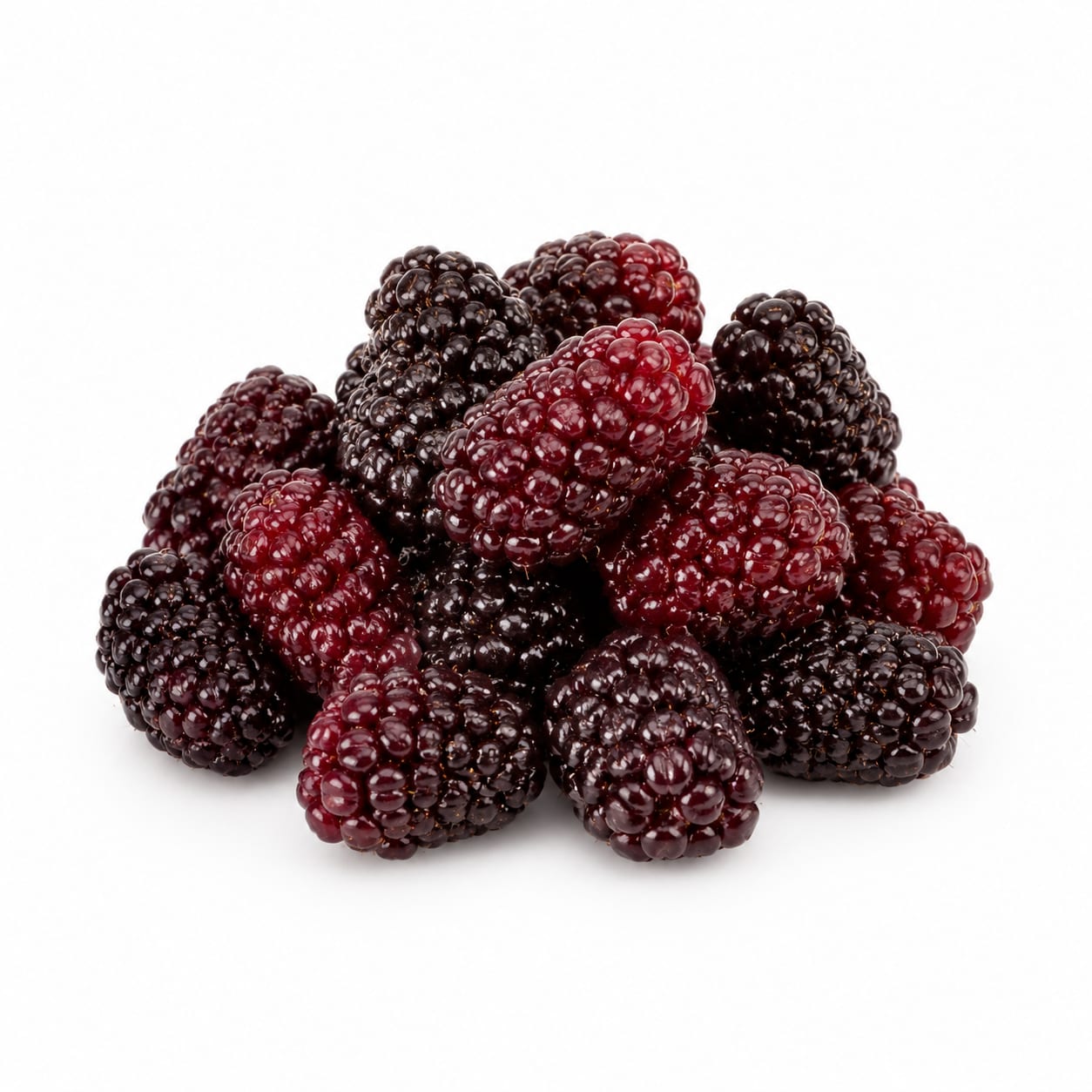
Berry
Loganberry
A tart, dark red hybrid berry combining blackberry and raspberry genetics.
A dark red to purple hybrid berry resulting from a cross between a blackberry and a raspberry, known for its tart-sweet flavor and high antioxidant content.
high-fiber low-calorie berry
Typical serving · 100g
Common varieties · Thornless Loganberry, LY654 Loganberry, American Thornless
Overall context score across nutrition, safety, and diet fit
At a glance
Quick facts
Simple indicators based on nutrition, processing, and diet fit.
The story
What makes it unique
Loganberries are low-energy-density fruits with moderate carbohydrate content offset by high dietary fiber, resulting in slow digestion and a low glycemic response. Their deep pigmentation indicates a rich profile of anthocyanins and polyphenols which combat oxidative stress.
Varieties: Thornless Loganberry · LY654 Loganberry · American Thornless
Per 100g
Nutrition breakdown
Macro balance and key metrics at a glance.
Energy
Density 0.55 kcal/g
Protein
Carbs
Fat
Fiber
Sugar
7 g
Sodium
1 mg
Potassium
170 mg
Glycemic index
25
Glycemic load
3
Water content
84%
Standout compounds
Nutrient highlights
Vitamin C
moderateSupports immune function and collagen synthesis
Dietary Fiber
highPromotes satiety and feeds gut microbiome
Anthocyanins
highReduces oxidative stress and inflammation
Manganese
moderateSupports bone health and metabolic function
Wellness map
Health scores & processing
NOVA processing scale
minimally processed · Whole food
Raw loganberries are unprocessed whole fruits requiring no alteration from their natural state.
Diet compatibility
- Weight loss
- Muscle gain
- Diabetes
- Gut health
- Low carb
- High protein
- Heart health
Relative standing
Food rankings
Qualitative ranks compared to similar whole foods.
- Satietygood
- Blood sugarexcellent
- Nutrient densitygood
- Fitness fuelmoderate
- Processing qualityexcellent
Eat with confidence
Food safety profile
Generally safe, but conventional loganberries may carry pesticide residue. Washing thoroughly reduces surface contaminants and spoilage microbes.
Evidence confidence 85%
- Pesticidesmoderate
- Antibioticslow
- Heavy metalslow
- Contaminationlow
Watch for
- pesticide residue
- mold
Safer choices
Organically grown loganberries
Prep tips
Rinse gently under cold running water just before eating to avoid premature spoilage from absorbed moisture.
Conventional berry farming frequently uses pesticides; washing is recommended before consumption.
Deep dive
Health analysis
How this food may fit different goals and preparation choices.
Weight loss
Low energy density and high fiber content promote fullness without excess calories, making it ideal for volume eating.
Blood sugar
Low glycemic index and load prevent rapid blood sugar spikes, aided by fiber slowing glucose absorption.
Fitness & energy
Provides quick-digesting simple carbs for short bursts of energy, but lacks the protein needed for muscle recovery.
Gut health
Dietary fiber feeds beneficial gut bacteria, while polyphenols support a healthy microbiome and reduce inflammation.
Processing quality
Whole, unprocessed fruit with intact cellular structure and nutrient synergy.
Food safety
Primary concern is pesticide residue on conventional crops; washing mitigates most risks.
Common mistakes
Confusing fresh loganberries with loganberry syrup or preserves, which contain massive amounts of added sugar.
Best preparation
Eaten fresh, blended into smoothies, or lightly mashed as a topping for oatmeal and yogurt.
Practical guide
Best use cases
When and how this food fits real eating patterns.
High-volume low-calorie snacking
Provides bulk and natural sweetness for minimal caloric cost, keeping hunger at bay.
Low-glycemic dessert topping
Mashed or whole over yogurt or oatmeal to add flavor without spiking blood sugar.
Antioxidant smoothie boost
Adds deep color, tart flavor, and polyphenols to blended drinks.
Balance sheet
Pros & cons
Upsides
- High in dietary fiber for digestive health
- Rich in antioxidants like anthocyanins
- Low glycemic index supports stable blood sugar
- Low calorie and high water content aids satiety
- Contains no added sugars when eaten whole
Trade-offs
- Tart flavor may not appeal to everyone
- Can be difficult to find fresh outside of specialty markets
- Pesticide residue risk if conventionally grown
- Short fresh shelf life and prone to quick spoilage
Fit check
Who is it for?
Great match
- weight management
- blood sugar control
- antioxidant intake
- low-carb diets
Consider alternatives
- high-protein diets
- those seeking sweet-tasting fruit
- bulk calorie loading
Side by side
How it compares
Open the full head-to-head analysis for nutrition, safety, and practical tradeoffs.
This food
Loganberry
VS95% alike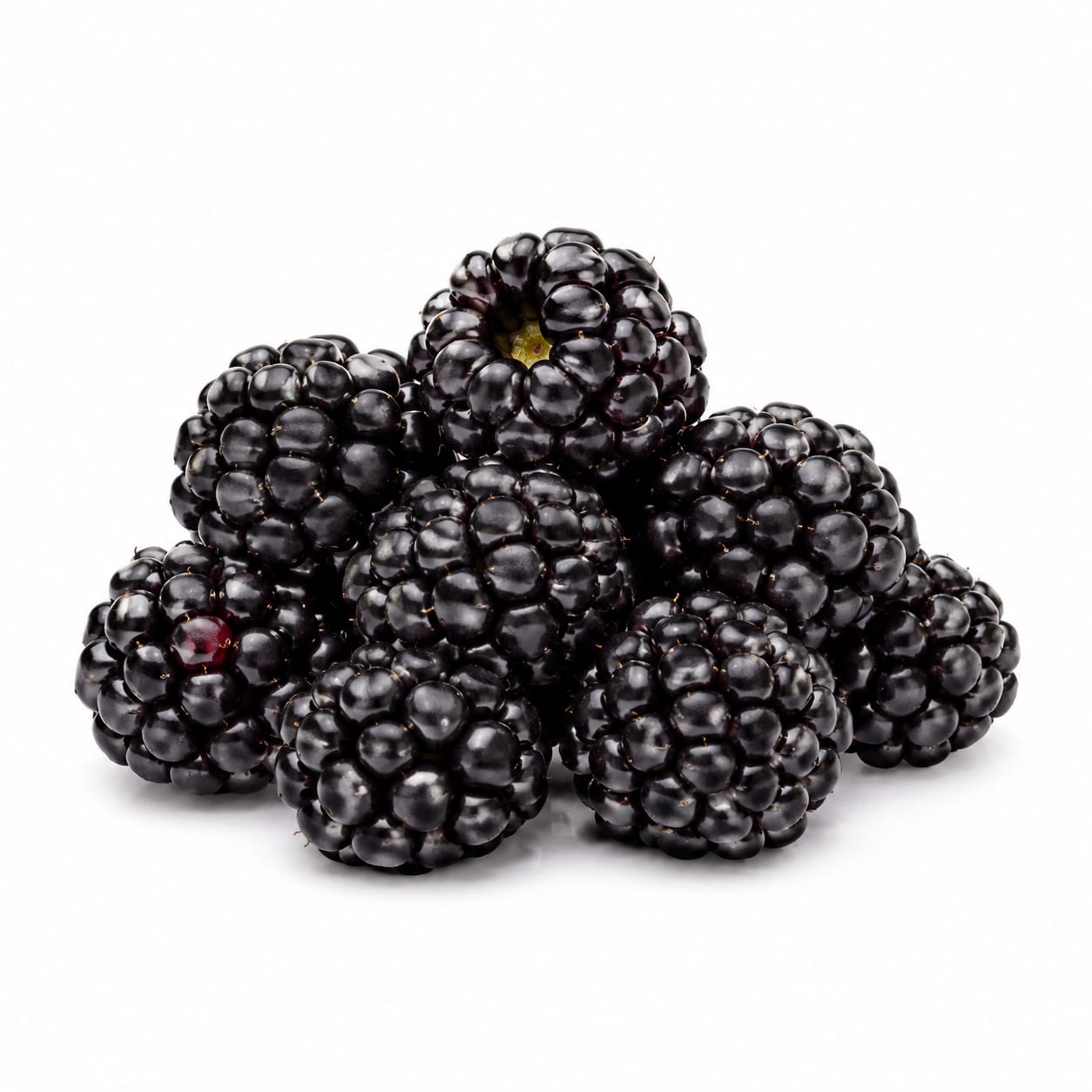
Compare with
Blackberry
Blackberries are slightly higher in fiber, making them marginally better for satiety, while loganberries offer a slightly tarter flavor profile.
Blackberries provide slightly more fiber for satiety, while loganberries offer a tarter flavor, but both are excellent low-sugar berries.
This food
Loganberry
VS95% alike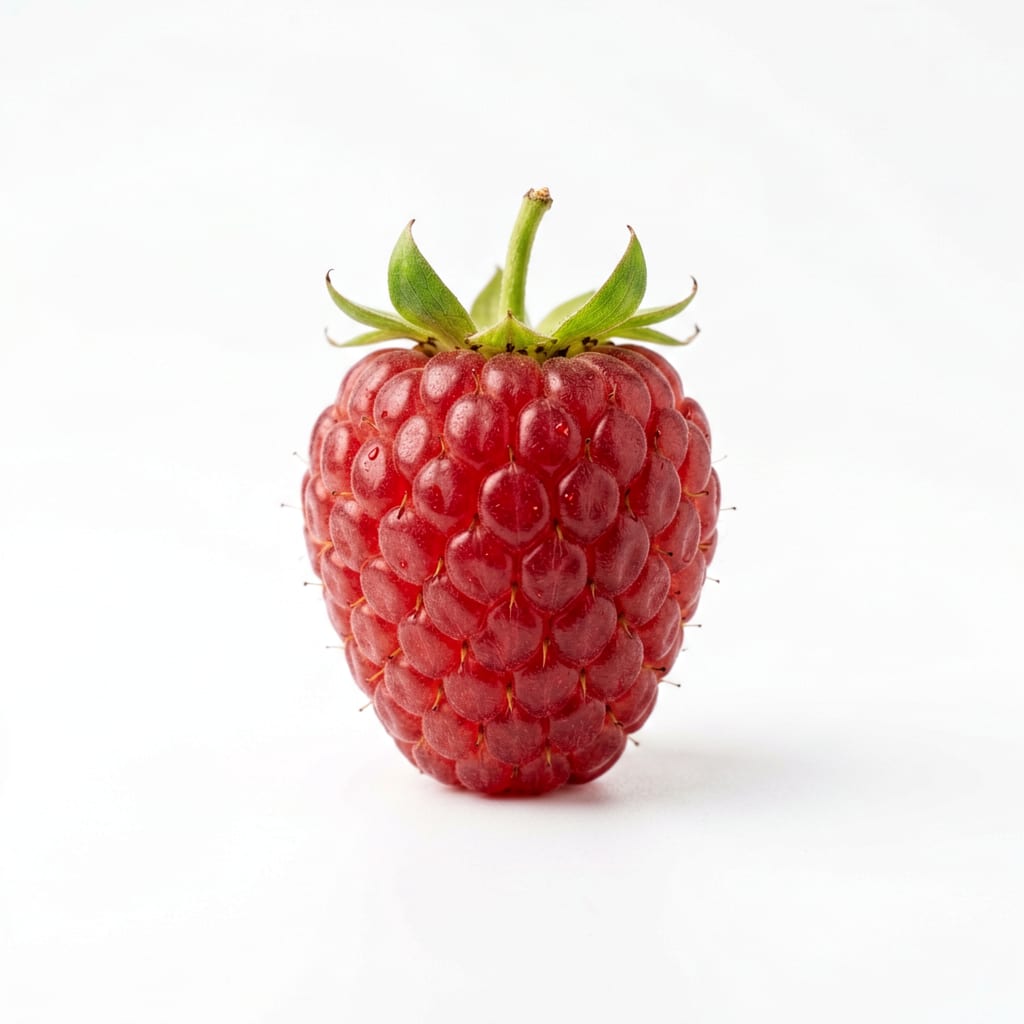
Compare with
Raspberry
Raspberries are lower in sugar and higher in fiber, making them better for blood sugar control, whereas loganberries are slightly sweeter.
Raspberries are lower in sugar and higher in fiber, while loganberries are slightly sweeter and larger.
This food
Loganberry
VS90% alike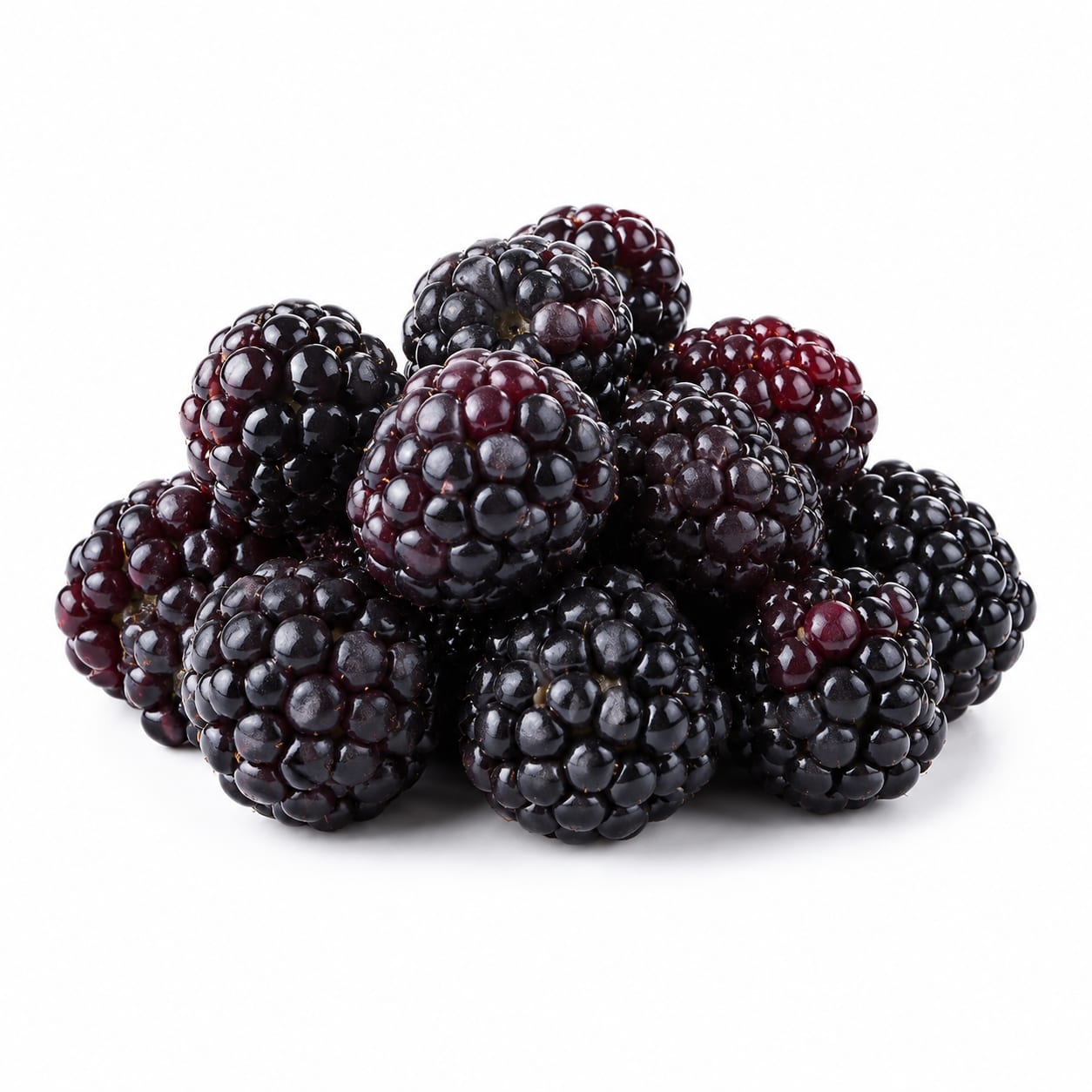
Compare with
Boysenberry
Boysenberries are larger and sweeter but slightly higher in sugar, while loganberries are tarter and better for strict low-carb diets.
Loganberries are tarter and lower in sugar, making them better for blood sugar control than sweeter boysenberries.
This food
Loganberry
VS90% alike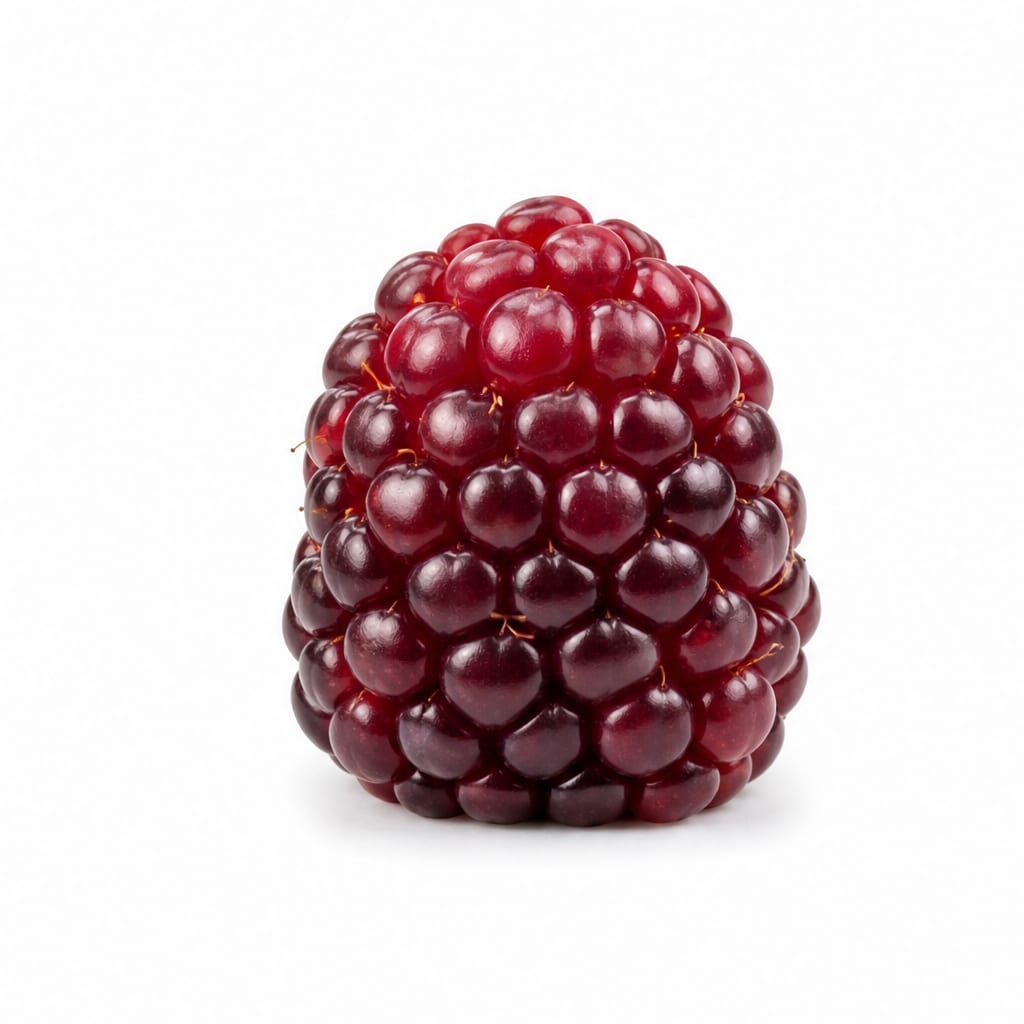
Compare with
Tayberry
Tayberries are sweeter and less tart than loganberries, but loganberries have a slight edge in fiber content for satiety.
Loganberries are tarter and higher in fiber than tayberries, making them more satiating and better for blood sugar.
This food
Loganberry
VS80% alike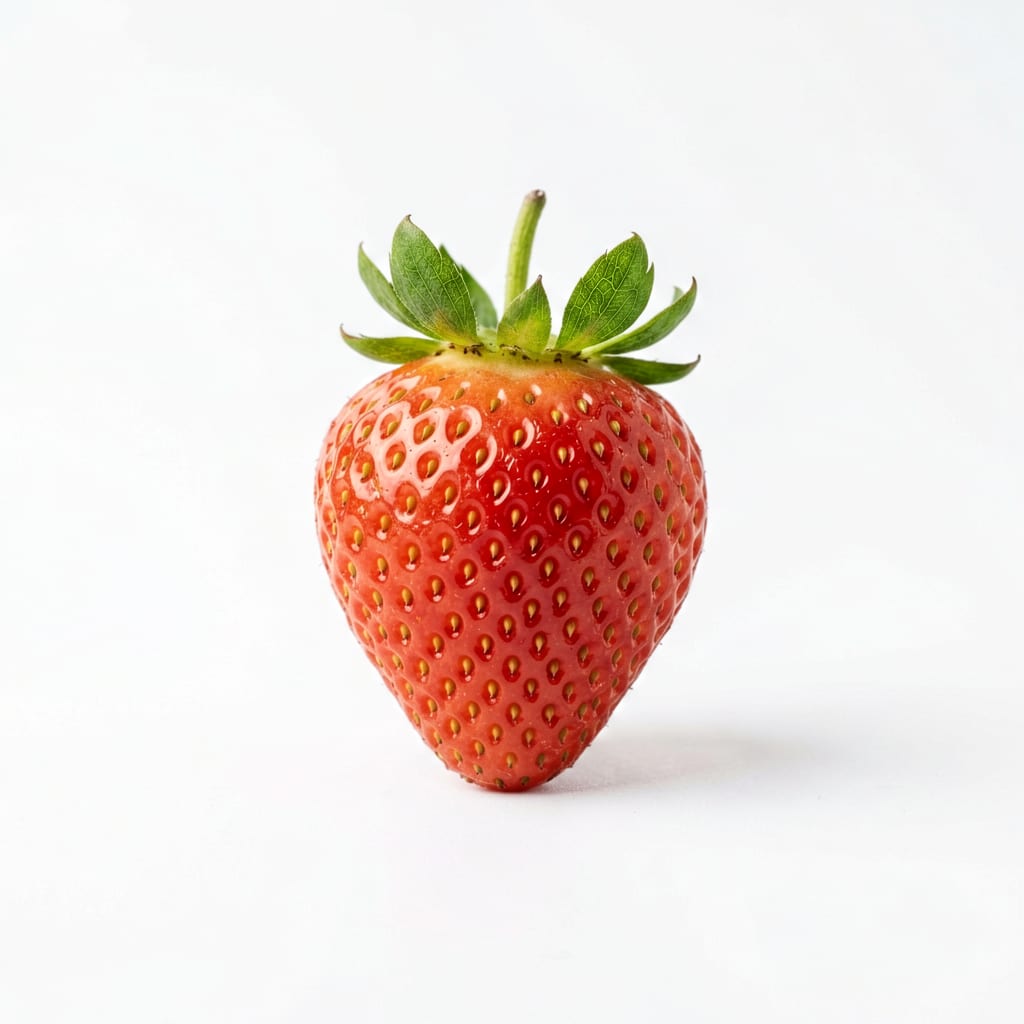
Compare with
Strawberry
Strawberries are lower in calories and higher in vitamin C, while loganberries provide more fiber per serving.
Strawberries are lower in calories, but loganberries offer more fiber to keep you full and stabilize blood sugar.
This food
Loganberry
VS80% alike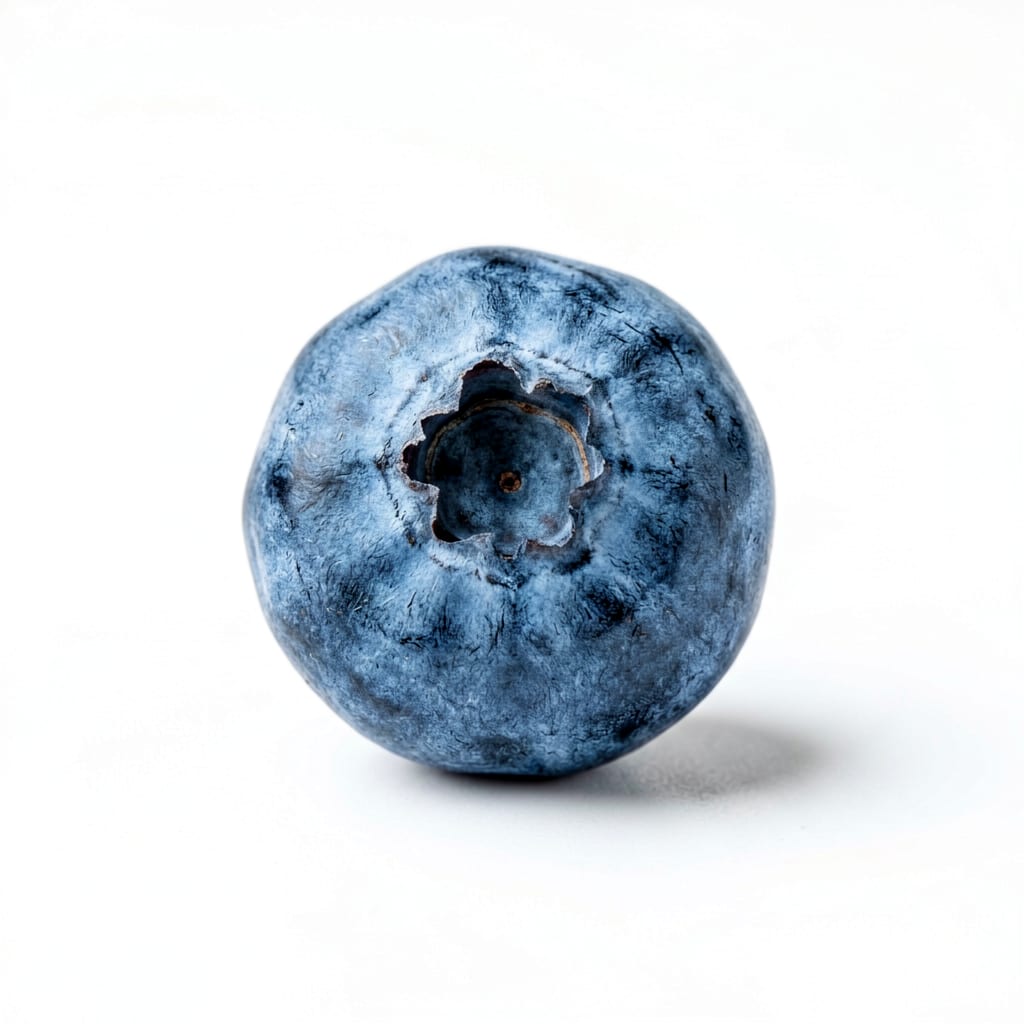
Compare with
Blueberry
Blueberries are sweeter and higher in sugar, while loganberries are lower in carbs and better for blood sugar management.
Loganberries are lower in sugar and higher in fiber than blueberries, making them a better choice for blood sugar control.
This food
Loganberry
VS75% alike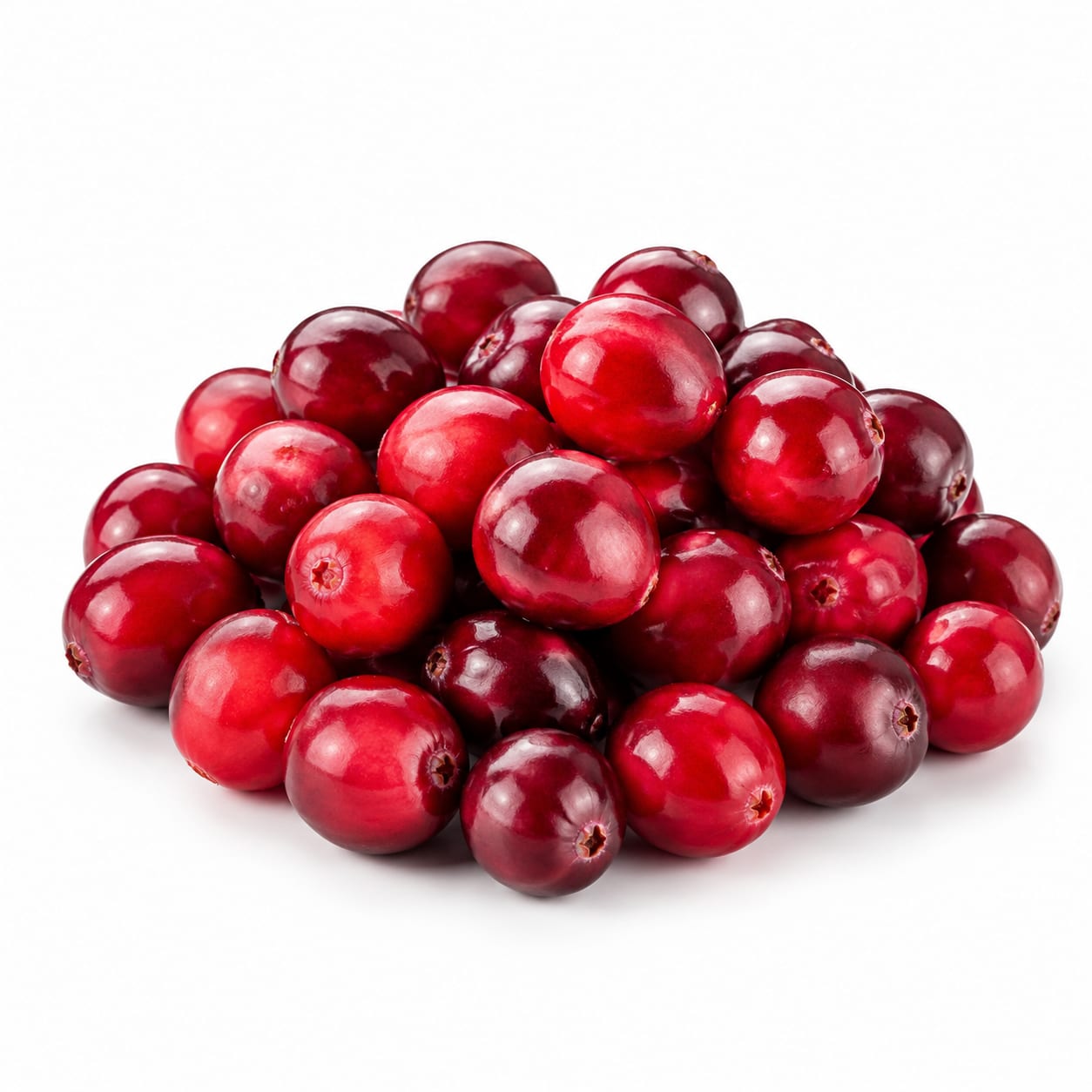
Compare with
Cranberry
Cranberries are extremely tart and lower in sugar, while loganberries are more palatable raw and offer a better balance of sweet and tart.
Cranberries are lower in sugar but very tart, while loganberries are more palatable raw and still low on the glycemic index.
This food
Loganberry
VS85% alike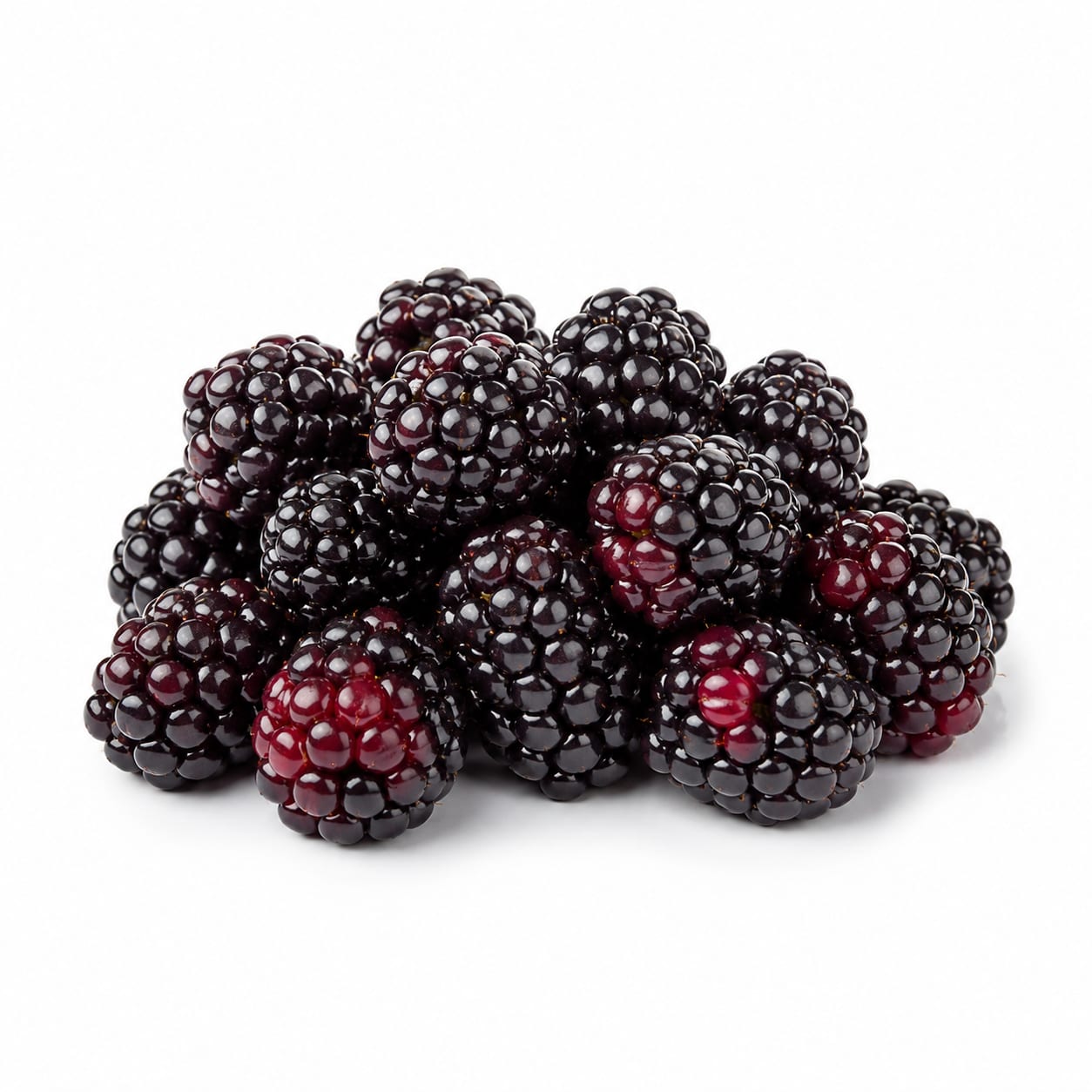
Compare with
Marionberry
Marionberries are sweeter and more aromatic, while loganberries are tarter and slightly better for low-sugar diets.
Loganberries are tarter and lower in sugar than marionberries, making them preferable for managing blood sugar.
This food
Loganberry
VS70% alike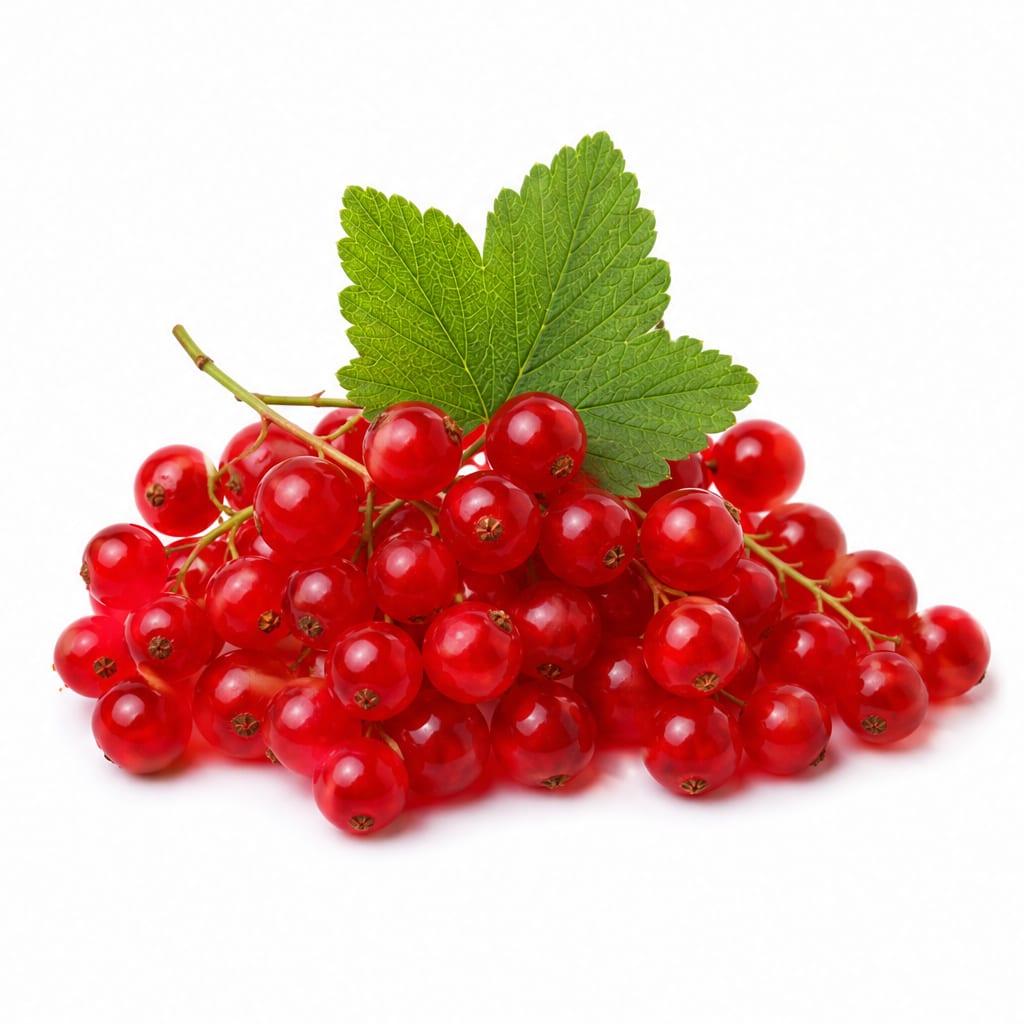
Compare with
Red Currant
Red currants are lower in calories but offer less fiber, while loganberries provide better satiety and gut health benefits.
Red currants are lower in calories, but loganberries provide more fiber for better satiety and gut health.
This food
Loganberry
VS70% alike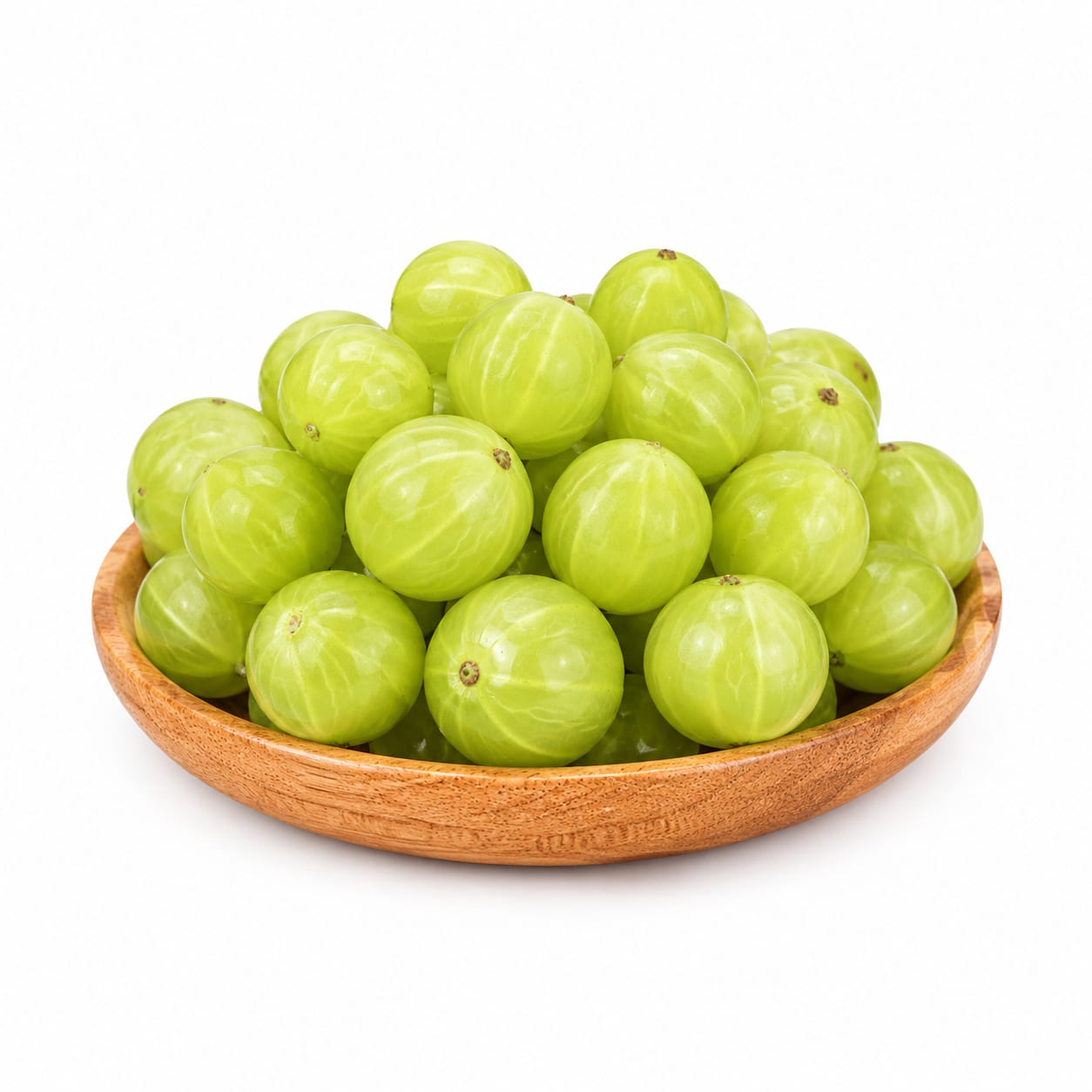
Compare with
Gooseberry
Gooseberries are tarter and slightly lower in sugar, while loganberries offer a more complex berry flavor and similar fiber content.
Gooseberries are slightly lower in sugar, but loganberries are more flavorful and provide comparable fiber for satiety.
Common questions
FAQ
Answers aligned with how people search for this food.
What does a loganberry taste like?
Loganberries have a tart-sweet flavor profile, combining the mild sweetness of a raspberry with the earthy tartness of a blackberry.
Is loganberry good for weight loss?
Yes, loganberries are low in calories and high in fiber, which promotes satiety and helps control appetite during weight loss.
How many carbs are in a loganberry?
There are approximately 12.5 grams of carbohydrates per 100 grams of raw loganberries, but over 5 grams of this is dietary fiber, resulting in low net carbs.
Is loganberry a raspberry or blackberry?
It is neither; a loganberry is a hybrid created by crossing a blackberry with a raspberry.
Are loganberries high in sugar?
No, loganberries contain only about 7 grams of natural sugar per 100 grams, which is relatively low compared to many other fruits.
What is the difference between a loganberry and a boysenberry?
A boysenberry is a cross between a loganberry, raspberry, and blackberry, making it larger, sweeter, and deeper in color than the loganberry.
Do loganberries have a lot of fiber?
Yes, loganberries provide over 5 grams of fiber per 100 grams, which is roughly 20% of the daily recommended intake.
Are loganberries high in antioxidants?
Yes, their dark purple-red pigmentation indicates a high concentration of anthocyanins and ellagic acid, both potent antioxidants.
Transparency
Data confidence
Estimated confidence for nutrition data, interpretation, safety notes, and comparisons.
Nutrition data
Health analysis
Food safety
Comparisons