
Nutrition comparison
Loganberry vs Tayberry: Which Hybrid Berry Is Better for You?
Compare Loganberry and Tayberry nutrition, taste, and health benefits. Learn which tart-sweet hybrid berry fits your diet, cooking style, and daily snacking habits.
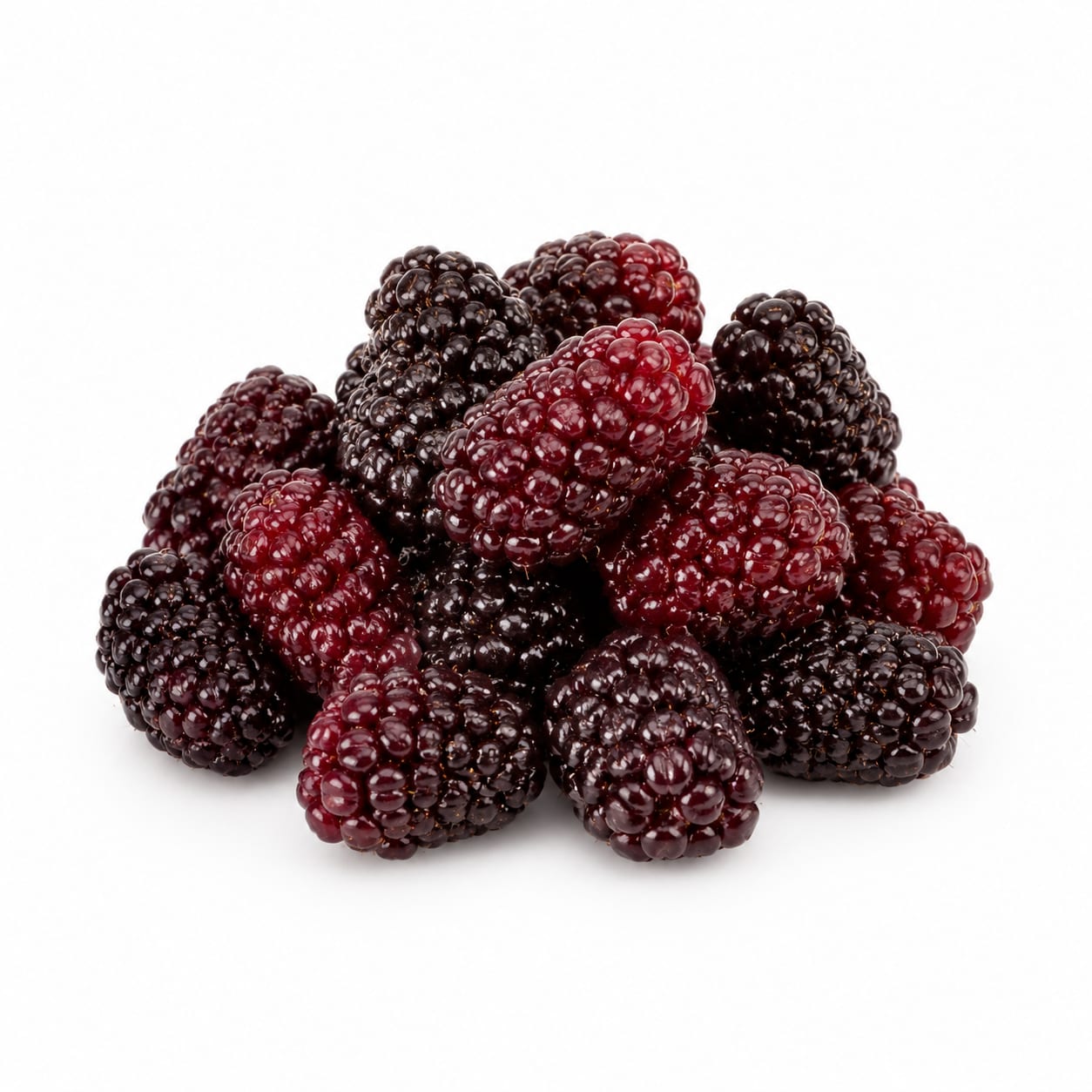
Loganberry
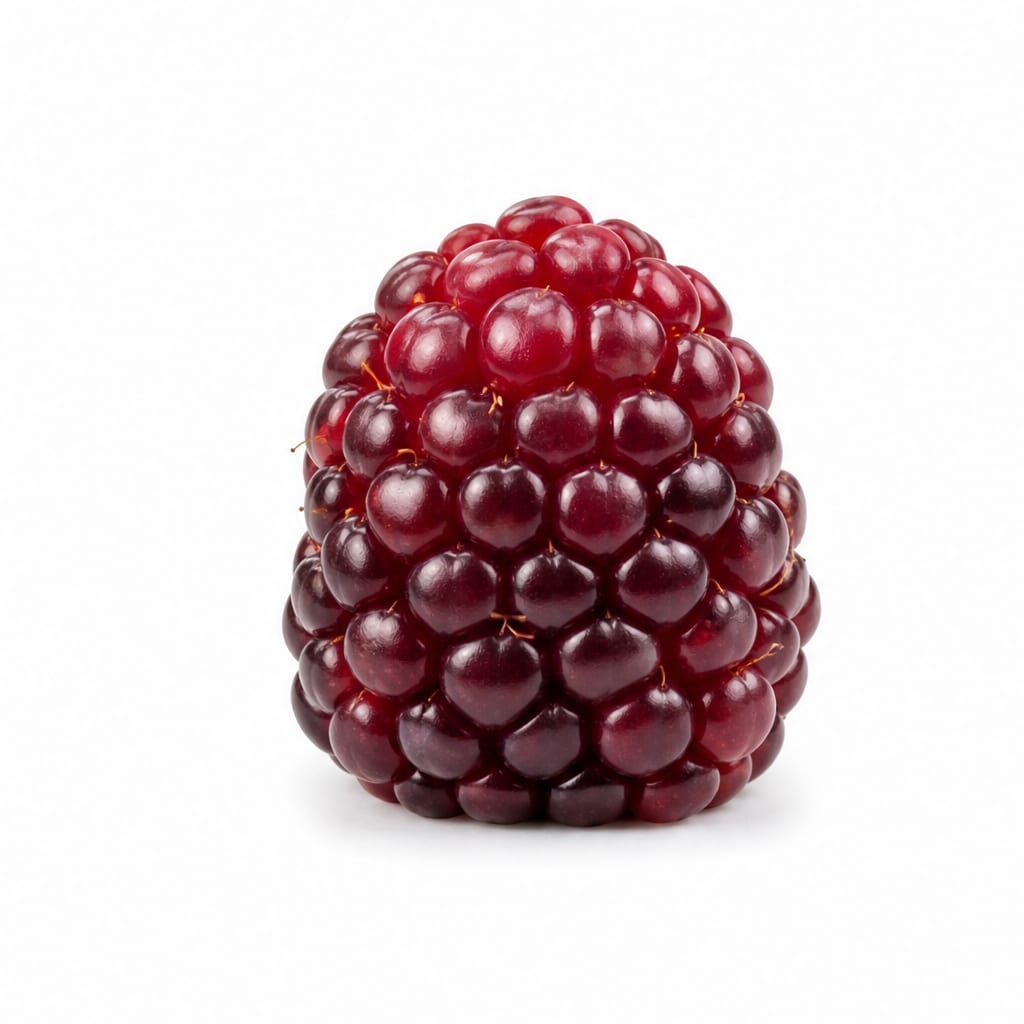
Tayberry
Loganberry and Tayberry are nutritionally near-identical cousins—your choice comes down to whether you prefer tart complexity or sweet simplicity.
Tayberry edges ahead slightly for everyday appeal and broader palatability, but the margin is thin because both berries offer nearly identical nutritional value. The confidence score is moderate due to limited clinical data on either berry specifically.
Loganberry delivers a bolder, wine-like tang that shines in preserves and cooking, while Tayberry offers sweeter, easier snacking with less need for added sugar.
At a glance
Executive summary
Overall
It depends
Healthier
It depends
More practical
Tayberry
Daily use
Tayberry
Key comparison lenses
sweetness vs tartness preference
The most noticeable difference between these berries is flavor profile—Tayberry is sweeter and more aromatic, Loganberry is tangier and more complex
antioxidant and vitamin content comparison
Both are antioxidant powerhouses, but subtle differences in anthocyanin profiles matter for health-conscious users
culinary versatility
Tartness level affects how each berry performs in jams, desserts, and savory dishes
availability and practicality
Both are specialty berries that can be hard to find fresh, with slight differences in growing season and market presence
Best choice for
Loganberry
- Fans of tart, complex flavors
- Home jam and preserve makers
- Bakers wanting fruit that holds structure
- People who avoid added sugars and want less sweet fruit
Tayberry
- Snackers who prefer sweeter fruit
- Children and picky eaters
- Smoothie enthusiasts wanting natural sweetness
- Those new to hybrid berries
Least suitable for
Loganberry
- People sensitive to tart or acidic flavors
- Anyone seeking a mild, easy-eating berry
- Those wanting maximum sweetness without additions
Tayberry
- Culinary traditionalists wanting classic tart berry character
- Those who find very sweet fruit cloying
- Preserve makers wanting a firmer set without pectin
Deep comparison
Dimension by dimension
Each lens scores both foods and breaks down who each option suits.
- Dimension 1 · Priority 95Tayberry
flavor and eating enjoyment
Loganberry · 72Tayberry · 86Tayberry is sweeter, more aromatic, and easier to enjoy fresh. Loganberry has a deeper, wine-like tang that appeals to adventurous palates but can be too sharp for casual snacking.
Tradeoff
You gain approachability with Tayberry but lose the complex tartness that makes Loganberry distinctive in cooking.
Why it matters
If a fruit does not taste good raw, you are less likely to eat it regularly—daily habit beats occasional nutrition.
Real-world impact
A bowl of fresh Tayberries disappears quickly at a brunch table. Loganberries often need a drizzle of honey or cream to win over casual eaters.
Loganberry
- Complex flavor lovers
- Savory-sweet recipe experimentation
Better for
- Casual snacking without accompaniments
- People who find tart fruit unpleasant
Worse for
Tayberry
- Fresh snacking straight from the container
- Kids' lunchboxes
- No-sugar-added smoothies
Better for
- Dishes where tartness balances richness
- Artisanal preserve makers seeking depth
Worse for
- Dimension 2 · Priority 88Loganberry
antioxidant density
Loganberry · 81Tayberry · 76Loganberry's darker pigmentation and higher acidity correlate with slightly more anthocyanins and vitamin C per serving, though both are excellent sources.
Tradeoff
The antioxidant gap is real but small—unlikely to matter unless berries are your primary antioxidant source.
Why it matters
Anthocyanins support vascular health and cognitive function over time, so marginal gains compound with daily habits.
Real-world impact
Eating Loganberries regularly might offer a slight edge in long-term cellular protection, but the difference vanishes if you simply eat more Tayberries.
Loganberry
- Maximizing antioxidant intake per calorie
- Anti-inflammatory dietary protocols
Better for
- People who will not eat them consistently due to tartness
Worse for
Tayberry
- Still strong antioxidant content with better taste compliance
Better for
- Those optimizing every micronutrient detail
Worse for
- Dimension 3 · Priority 82Loganberry
blood sugar friendliness
Loganberry · 79Tayberry · 71Loganberry's lower sugar and higher acid content means a gentler glycemic impact. Tayberry's extra sweetness comes with modestly more natural sugars.
Tradeoff
Tayberry tastes better alone but may cause a slightly quicker blood sugar rise in sensitive individuals.
Why it matters
For people monitoring glucose, even small sugar differences between whole fruits can affect post-meal readings.
Real-world impact
A diabetic snacking on Loganberries may see a flatter glucose curve compared to the same portion of Tayberries, though both are far better than processed sweets.
Loganberry
- People with insulin resistance or prediabetes
- Low-carb dieters watching every gram
Better for
- Post-workout recovery when faster glycogen replenishment helps
Worse for
Tayberry
- Athletes needing quicker natural energy
- Active individuals with normal glucose tolerance
Better for
- Strict glycemic control diets
- Late-evening snacking for glucose-sensitive people
Worse for
- Dimension 4 · Priority 75It depends
fiber and digestive health
Loganberry · 76Tayberry · 75Both berries provide similar fiber content—roughly 5-7g per cup. The difference is negligible and overshadowed by portion size and overall diet.
Tradeoff
No meaningful tradeoff here. Either berry supports healthy digestion equally well.
Why it matters
Fiber from whole berries supports gut motility and microbiome diversity better than supplements or juices.
Real-world impact
A morning bowl of either berry with yogurt delivers solid fiber. Pick based on taste, not fiber content.
Loganberry
- Marginal edge if you eat the firmer, slightly more fibrous skin
Better for
- No real disadvantage
Worse for
Tayberry
- Equally effective for regularity and gut health
Better for
- No real disadvantage
Worse for
- Dimension 5 · Priority 80Loganberry
culinary versatility
Loganberry · 83Tayberry · 74Loganberry's tartness and firmer texture make it more adaptable across sweet and savory recipes. Tayberry excels in desserts but is less interesting beyond them.
Tradeoff
Loganberry requires more skill to use well; Tayberry is a one-trick sweet berry that does that trick effortlessly.
Why it matters
If you cook with fruit regularly, a versatile berry reduces waste and expands your recipe repertoire.
Real-world impact
Loganberry glazes pair beautifully with duck or pork. Tayberry shines in sorbets and muffins but feels out of place in savory contexts.
Loganberry
- Savory sauces and glazes
- Artisanal jams with complex flavor
- Cocktail mixology
Better for
- Quick, kid-friendly recipes needing instant sweetness
Worse for
Tayberry
- Simple desserts and baking
- No-fuss fruit toppings
Better for
- Gourmet cooking requiring layered flavors
- Any dish where sweetness overpowers
Worse for
- Dimension 6 · Priority 68Tayberry
availability and practicality
Loganberry · 60Tayberry · 65Neither berry is easy to find fresh outside specialty markets or farmers' stands. Tayberry has slightly broader nursery availability and a longer picking window.
Tradeoff
Both are impractical for grocery-store shoppers. Growing your own may be the realistic path for either.
Why it matters
The healthiest berry is the one you can actually obtain and eat regularly.
Real-world impact
Most people will encounter both as frozen or jarred products, where freshness differences fade and added sugar becomes the real variable to watch.
Loganberry
- Established heritage varieties in some regions
- Frozen options from specialty suppliers
Better for
- Shorter fresh availability window
- Fewer commercial producers
Worse for
Tayberry
- Slightly more nurseries stock Tayberry canes
- Longer harvest season for home growers
Better for
- Still a niche berry with limited mainstream access
Worse for
Timeline
Health impact over time
Short-term
Hours to days
Loganberry
- Tartness may cause mild mouth puckering or increased salivation
- Vitamin C supports immediate immune function
- Acidity could irritate sensitive stomachs if eaten in large quantities on an empty stomach
Tayberry
- Natural sugars provide a quick but gentle energy lift
- High water content supports hydration on hot days
- Less likely to cause acid-related digestive discomfort
Long-term
Months to years
Loganberry
- Consistent anthocyanin intake supports vascular elasticity and cognitive health
- Lower sugar load benefits metabolic markers over years
- Fiber contributes to sustained gut microbiome diversity
Tayberry
- Similar antioxidant benefits with slightly less intensity per serving
- Better taste compliance may lead to more consistent long-term consumption
- Marginally higher sugar intake is negligible in the context of an overall healthy diet
Risk profile
Safety & processing
Both Loganberry and Tayberry are whole, unprocessed fruits when purchased fresh or frozen. The only processing concern arises with canned or jarred versions, which often contain added sugars. Always check labels on preserved products—this matters more than any difference between the berries themselves.
Loganberry
pesticide residue
mediumLike all berries, Loganberries are susceptible to pesticide residue due to their thin skin and growing habits. Organic or well-washed conventional fruit minimizes this concern.
mold and spoilage
mediumHighly perishable once picked. Inspect carefully for fuzzy mold, especially in store-bought containers where berries are packed tightly.
Tayberry
pesticide residue
mediumSame vulnerability as Loganberry. Thin-skinned berries absorb sprays readily. Washing helps but does not remove all residues.
mold and spoilage
mediumTayberries are equally perishable. Their slightly softer texture when ripe can mean faster breakdown after picking.
Who wins for whom
Audience fit
Same foods, different winners depending on your goal.
children
TayberryTayberry's sweetness makes it far more appealing to young palates, increasing the chance kids actually eat fruit willingly.
daily consumption
TayberryTayberry's approachable sweetness and broader appeal make consistent daily eating more realistic for most people.
diabetes
LoganberryLower natural sugar content and a gentler glycemic response give Loganberry a slight edge for glucose management.
elderly
TayberrySofter texture when ripe and milder flavor suit aging palates and sensitive digestive systems better.
muscle gain
It dependsNeither berry is a protein source. Both offer marginal post-workout antioxidant benefits, but the difference is irrelevant for muscle building.
weight loss
LoganberryLoganberry's lower sugar and higher tartness make it more satiating per calorie and less likely to trigger a sweet-tooth spiral.
Your move
Decision guide
Choose Loganberry
- You love bold, tart, complex flavors
- You make your own jams, sauces, or preserves
- You want the maximum antioxidant payload per bite
- You are closely monitoring sugar intake
- You enjoy cooking with fruit beyond just desserts
Choose Tayberry
- You prefer sweeter, easier-eating fruit
- You want a berry that needs no sugar or cream to enjoy
- You are introducing hybrid berries to children or cautious eaters
- You prioritize daily consistency over marginal nutritional edges
- You make smoothies and want natural sweetness without additives
Either works if
- You just want a delicious, antioxidant-rich berry and can find either fresh
- You plan to freeze them for later use in baked goods
- Your primary concern is fiber intake, where both are equivalent
Avoid both if
- You have a severe berry allergy or salicylate sensitivity
- You cannot access fresh or frozen versions and only find high-sugar canned products
- You are on a very low-fructose diet prescribed by a physician
Final recommendation
Pick Tayberry if you want a berry you will actually look forward to eating every day. Choose Loganberry if you cook creatively or prefer your fruit to challenge your palate. The nutritional gap is too small to drive the decision—taste and habit matter more.
Practical
Consumer tips
- 1
If buying frozen, check the ingredient list—some brands add sugar. The only ingredient should be the berry itself.
- 2
Fresh Loganberries and Tayberries spoil fast. Use within two days of purchase or freeze immediately on a sheet pan before bagging.
- 3
Growing either berry at home is surprisingly manageable in USDA zones 5-9 and gives you the freshest possible fruit with zero pesticide worries.
- 4
For the best of both worlds, plant one of each. Their harvest seasons overlap slightly, giving you a longer berry window.
- 5
When substituting in recipes, reduce added sugar by roughly 15% if switching from Loganberry to Tayberry—the extra sweetness compensates.
- 6
Farmers markets are your best bet for finding either berry fresh. Ask growers about their spray practices if organic certification is not displayed.