
Nutrition comparison
Loganberry vs Gooseberry: Nutrition, Taste, and Health Comparison
Compare loganberry and gooseberry nutrition including vitamin C, sugar content, antioxidants, and taste. Find out which berry is better for your health goals.
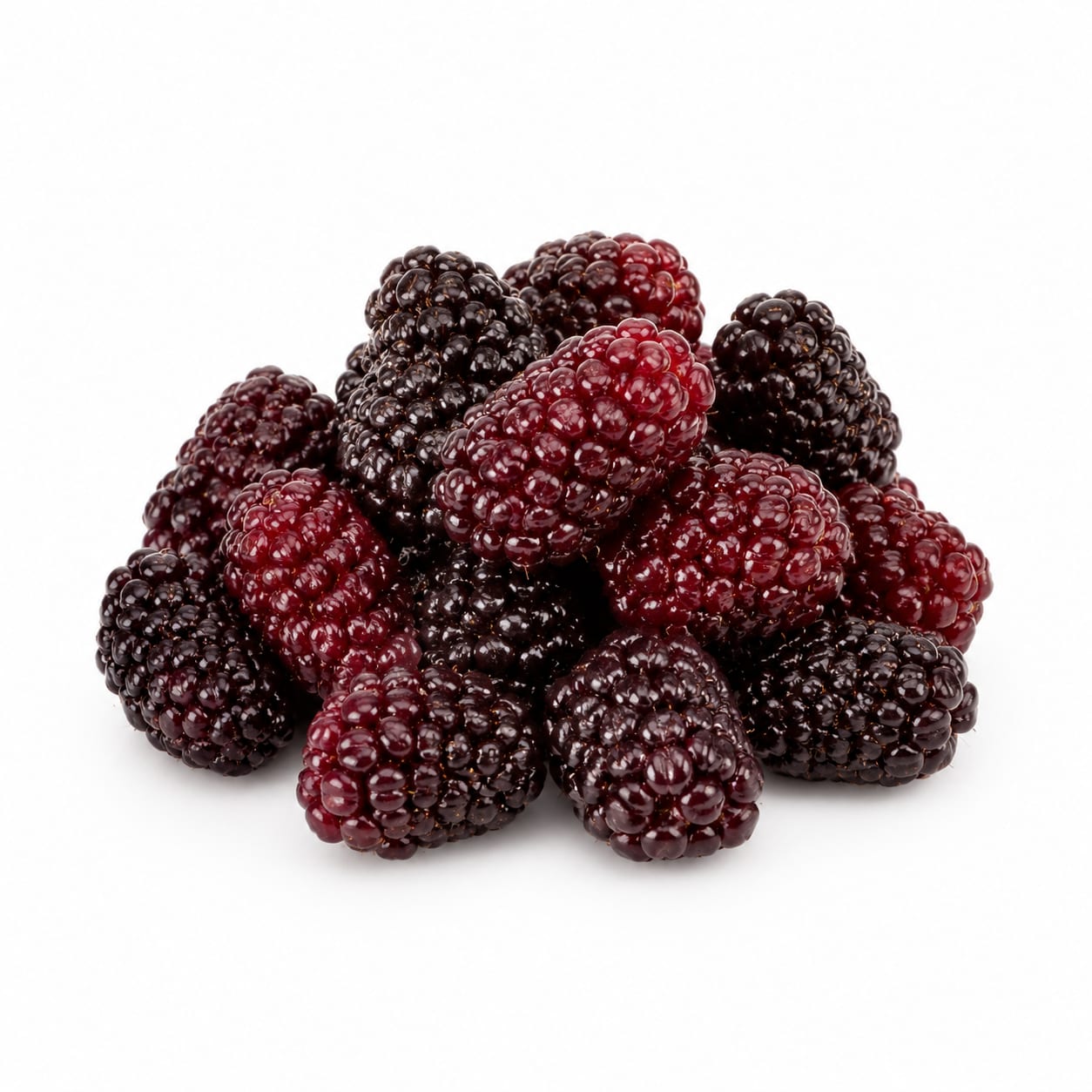
Loganberry
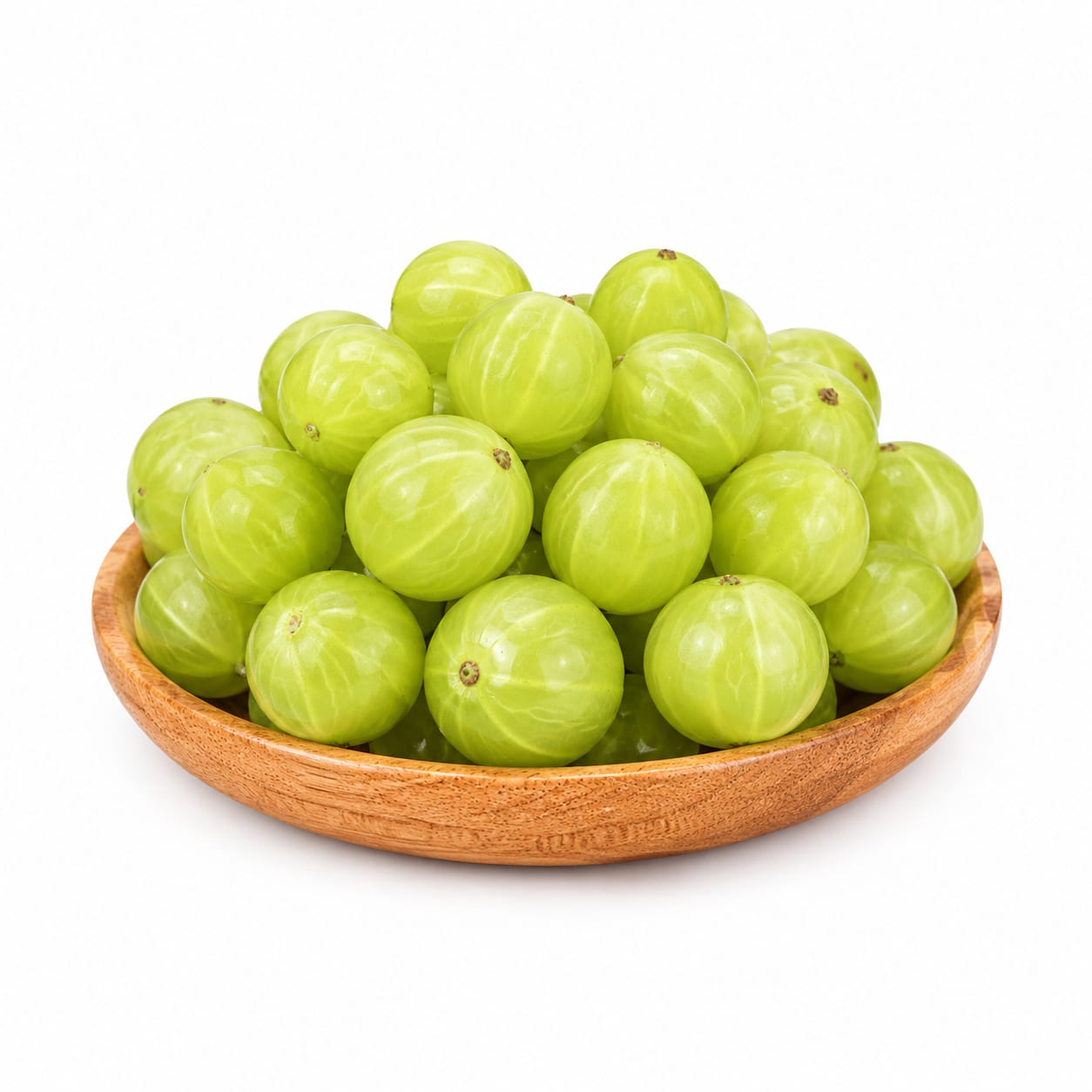
Gooseberry
Loganberry wins on taste and antioxidant richness; gooseberry wins on vitamin C and lower sugar. Your pick depends on whether you prioritize flavor or metabolic restraint.
Gooseberry edges ahead due to superior vitamin C content and lower sugar, but loganberry remains competitive with better taste appeal and richer anthocyanin diversity. The close scores reflect that both are strong berry choices with different strengths.
Loganberry offers a sweeter, more enjoyable eating experience with deeper anthocyanin content, while gooseberry delivers more vitamin C per bite with significantly less sugar but requires more culinary effort to enjoy.
At a glance
Executive summary
Overall
It depends
Healthier
Gooseberry
More practical
Loganberry
Daily use
Gooseberry
Key comparison lenses
antioxidant and phytonutrient density
Both berries are prized for their anthocyanin and vitamin C content, making antioxidant comparison central to this matchup
sugar content and blood sugar impact
Gooseberries are notably lower in sugar, which matters for diabetics and low-carb eaters comparing these two
culinary versatility and taste preference
Loganberries are sweeter and more palatable raw, while gooseberries often require cooking or sweetening, affecting real-world use
vitamin C comparison
Both are strong vitamin C sources but gooseberries are exceptionally high, making this a key differentiator
availability and practicality
Both are specialty berries with limited fresh availability, but gooseberries have slightly broader commercial presence in some regions
Best choice for
Loganberry
- People who want a berry they actually enjoy eating raw
- Those seeking deeper anthocyanin and polyphenol diversity
- Anyone prioritizing antioxidant variety over single-nutrient density
- Home gardeners in mild climates looking for prolific berry vines
Gooseberry
- People managing blood sugar or following low-carb diets
- Those wanting maximum vitamin C per calorie
- Anyone who enjoys tart flavors or cooking with preserves
- People in cooler climates where gooseberries thrive naturally
Least suitable for
Loganberry
- People strictly limiting sugar who want the lowest-sugar berry option
- Those in hot southern climates where loganberries struggle to grow
Gooseberry
- People who dislike tart or sour flavors and won't bother sweetening them
- Anyone looking for an easy snack berry to eat out of hand
Deep comparison
Dimension by dimension
Each lens scores both foods and breaks down who each option suits.
- Dimension 1 · Priority 90Loganberry
Antioxidant and Phytonutrient Profile
Loganberry · 85Gooseberry · 72Loganberries inherit dark pigmentation from their blackberry parentage, delivering a broader spectrum of anthocyanins and polyphenols than gooseberries.
Tradeoff
You get more antioxidant variety with loganberries, but gooseberries still provide solid antioxidant value with less sugar attached to it.
Why it matters
Diverse polyphenols support cardiovascular health, cognitive function, and cellular repair in ways single antioxidants cannot replicate.
Real-world impact
Eating loganberries regularly may offer broader protective benefits against aging and inflammation, especially if you do not eat many other dark berries.
Loganberry
- People who do not eat dark berries often and need polyphenol diversity
- Those focused on anti-aging and cognitive health benefits
Better for
- People who are sensitive to higher sugar content alongside antioxidants
Worse for
Gooseberry
- People who already eat dark berries and want a complementary option
- Those wanting antioxidants with minimal sugar load
Better for
- Those relying on a single berry for broad antioxidant coverage
Worse for
- Dimension 2 · Priority 85Gooseberry
Vitamin C Content
Loganberry · 65Gooseberry · 90Gooseberries are vitamin C powerhouses, delivering roughly 2-3 times more vitamin C per serving than loganberries.
Tradeoff
You get dramatically more immune-supporting vitamin C from gooseberries, but the tart flavor makes them harder to consume in quantity raw.
Why it matters
Vitamin C is essential for immune function, collagen synthesis, and iron absorption. Many people underconsume it.
Real-world impact
A cup of gooseberries can cover most of your daily vitamin C needs, while loganberries cover about a third.
Loganberry
- People who get vitamin C from other sources and prioritize taste
Better for
- Those relying on berries as their primary vitamin C source
Worse for
Gooseberry
- Anyone wanting to boost immunity through food rather than supplements
- People with higher vitamin C needs due to stress or illness recovery
Better for
- People who cannot tolerate tart flavors and will not eat enough to get the benefit
Worse for
- Dimension 3 · Priority 85Gooseberry
Sugar Content and Blood Sugar Impact
Loganberry · 55Gooseberry · 82Gooseberries contain roughly half the sugar of loganberries, making them significantly gentler on blood sugar.
Tradeoff
Loganberries taste better raw because of their sugar content, but that same sugar makes them less ideal for metabolic health goals.
Why it matters
Lower sugar berries allow larger portions without blood sugar spikes, which matters for diabetes management and sustained energy.
Real-world impact
You can eat a full cup of gooseberries with minimal glycemic impact, while loganberries require more portion awareness.
Loganberry
- Athletes who want natural sugar for quick energy around workouts
Better for
- People who struggle with blood sugar management
- Those prone to afternoon energy crashes from sugar spikes
Worse for
Gooseberry
- People with diabetes or insulin resistance
- Those following keto or low-carb eating patterns
- Anyone trying to reduce overall sugar intake without giving up fruit
Better for
- Athletes needing quick-digesting carbohydrate fuel
Worse for
- Dimension 4 · Priority 75It depends
Fiber Content and Digestive Health
Loganberry · 74Gooseberry · 76Both berries offer solid fiber, with gooseberries holding a slight edge per calorie due to their lower sugar content.
Tradeoff
The fiber difference is marginal. Gooseberries deliver slightly more fiber per calorie, but loganberries provide comparable total fiber in a more enjoyable package.
Why it matters
Fiber supports digestion, satiety, and gut microbiome health. Both berries contribute meaningfully here.
Real-world impact
Either berry supports healthy digestion. The real difference is that you might eat more loganberries because they taste better, potentially getting more total fiber.
Loganberry
- People who eat more total volume because they enjoy the taste
- Those wanting fiber from a berry they will actually consume regularly
Better for
- People who need to limit portion sizes due to sugar
Worse for
Gooseberry
- People tracking calories who want maximum fiber per calorie
- Those with mild constipation who benefit from concentrated fiber intake
Better for
- Those who find them too tart to eat in meaningful quantities
Worse for
- Dimension 5 · Priority 80Loganberry
Taste and Culinary Usability
Loganberry · 88Gooseberry · 58Loganberries are pleasantly sweet-tart and enjoyable raw, while gooseberries are intensely tart and often need cooking or sweetening.
Tradeoff
Loganberries are ready to eat and versatile in both sweet and savory dishes. Gooseberries require more preparation to become palatable for most people.
Why it matters
A berry you enjoy eating gets eaten. A berry that sits in the fridge because it is too sour provides zero nutrition.
Real-world impact
Loganberries work as a grab-and-go snack, salad topper, or smoothie addition. Gooseberries shine in jams, pies, and chutneys but rarely get eaten raw by choice.
Loganberry
- Busy people who want a no-prep snack berry
- Parents trying to get kids to eat more fruit
- Anyone who values eating pleasure alongside nutrition
Better for
- Those looking for a tart cooking berry for preserves
Worse for
Gooseberry
- Home cooks who enjoy making preserves, pies, and sauces
- People who appreciate tart flavors in savory dishes
Better for
- Anyone wanting a convenient raw snacking berry
- People who will not take time to cook or prepare fruit
Worse for
- Dimension 6 · Priority 70It depends
Availability and Practicality
Loganberry · 60Gooseberry · 65Both are specialty berries with limited fresh availability, but gooseberries have slightly broader commercial presence in some regions and seasons.
Tradeoff
Neither berry is easy to find fresh at a typical grocery store. Gooseberries have a modest edge in availability, but loganberries are easier to grow at home in mild climates.
Why it matters
Nutritional value means nothing if you cannot access the food regularly.
Real-world impact
Most people will encounter both as frozen or preserved products. Fresh access typically requires farmers markets, specialty stores, or home growing.
Loganberry
- Home gardeners in USDA zones 5-9 looking for vigorous, prolific vines
- Those in the Pacific Northwest where loganberries grow abundantly
Better for
- People in hot, humid southern climates where loganberries struggle
- Those without access to specialty markets or farmers markets
Worse for
Gooseberry
- People in cooler northern climates where gooseberries thrive
- Those near European-style markets that stock gooseberries more commonly
Better for
- People in regions where gooseberry cultivation is restricted due to white pine blister rust regulations
Worse for
Timeline
Health impact over time
Short-term
Hours to days
Loganberry
- Quick natural energy from moderate sugar content, useful before light activity
- Hydrating and refreshing as a raw snack
- Mild digestive support from fiber content
Gooseberry
- Strong vitamin C boost supporting immediate immune function
- Very low blood sugar impact makes them safe for glucose-sensitive individuals
- Tartness can stimulate digestion and appetite regulation
Long-term
Months to years
Loganberry
- Broad polyphenol intake supporting cardiovascular and cognitive health over decades
- Consistent antioxidant diversity may reduce chronic inflammation markers
- Moderate sugar content requires portion awareness if consumed daily long-term
Gooseberry
- Sustained high vitamin C intake supports collagen production and skin health with aging
- Very low sugar load makes them sustainable for daily consumption without metabolic concern
- Fiber consistency supports gut microbiome diversity over time
Risk profile
Safety & processing
Both loganberries and gooseberries are whole, unprocessed fruits when consumed fresh or frozen. Concerns only arise with preserved versions like canned gooseberries or loganberry syrups, which often add sugar and preservatives.
Loganberry
Pesticide residue on conventionally grown berries
mediumLike all berries, loganberries are susceptible to pesticide retention on their delicate skin. Washing helps but does not remove all residue. Organic is preferable when available.
Mold and spoilage due to delicate structure
mediumLoganberries spoil quickly after picking. Check for mold before consuming, especially if purchased from bulk bins.
Gooseberry
Pesticide residue on conventionally grown berries
mediumGooseberries share the same pesticide concerns as other berries. Their slightly tougher skin offers marginal improvement over softer berries but washing remains essential.
Oxalic acid content
lowGooseberries contain small amounts of oxalic acid, which could be a minor concern for people prone to kidney stones. This is not significant at normal consumption levels.
Who wins for whom
Audience fit
Same foods, different winners depending on your goal.
children
LoganberryLoganberries are sweeter and more palatable for kids, who typically reject the intense tartness of raw gooseberries.
daily consumption
GooseberryLower sugar and higher vitamin C make gooseberries more sustainable as a daily staple without metabolic concerns, assuming you enjoy or can prepare them.
diabetes
GooseberryGooseberries have significantly lower sugar content and a gentler glycemic impact, making them safer for blood sugar management.
elderly
GooseberryGooseberries provide more vitamin C per bite, supporting collagen health, immune resilience, and iron absorption, all of which become more important with age.
muscle gain
It dependsNeither berry is a meaningful protein source. Loganberries offer slightly more carbohydrate for post-workout glycogen replenishment, but the difference is negligible.
weight loss
GooseberryGooseberries provide strong nutrition with roughly half the sugar and fewer calories per serving, allowing larger portions without exceeding calorie goals.
Your move
Decision guide
Choose Loganberry
- You want a berry you will actually look forward to eating raw
- You prioritize broad antioxidant and polyphenol diversity in your diet
- You are growing berries at home in a mild climate and want prolific yields
- You are feeding kids or picky eaters who need approachable flavors
Choose Gooseberry
- You are managing blood sugar, diabetes, or following a low-carb approach
- You want maximum vitamin C per calorie from a whole food source
- You enjoy cooking and want a tart berry for jams, pies, or savory sauces
- You eat berries daily and want the lowest-sugar option for regular consumption
Either works if
- You simply want more berry variety in your diet regardless of specific goals
- You are rotating through seasonal berries at farmers markets
- You are focused on general fruit intake rather than optimizing specific nutrients
Avoid both if
- You have a severe berry allergy or salicylate sensitivity
- You cannot access either berry fresh or frozen and would rely on heavily sweetened preserved versions
Final recommendation
Choose gooseberries if metabolic health and vitamin C are your priorities. Choose loganberries if eating pleasure and antioxidant variety matter more. Both are excellent berries that outperform most common fruits nutritionally. The best choice is the one you will actually eat consistently.
Practical
Consumer tips
- 1
Buy both frozen when available. Frozen berries retain nutrition and eliminate spoilage anxiety.
- 2
If gooseberries are too tart raw, try roasting them with a drizzle of honey. The heat mellows the sourness beautifully.
- 3
Loganberries make exceptional smoothie additions because their sweetness reduces the need for added sweeteners.
- 4
Check farmers markets in summer for fresh options. Neither berry ships well, so local is your best bet for fresh quality.
- 5
If growing at home, loganberries need trellis support but produce heavily. Gooseberries are more compact and shade-tolerant.
- 6
Avoid canned versions packed in heavy syrup. The added sugar negates the natural advantage of both berries.