
Nutrition comparison
Loganberry vs Raspberry: Which Berry Is Healthier for Daily Use?
Compare loganberry and raspberry nutrition including fiber, vitamin C, antioxidants, and practical availability. Find out which berry fits your health goals and lifestyle better.
Overall winner · Raspberry
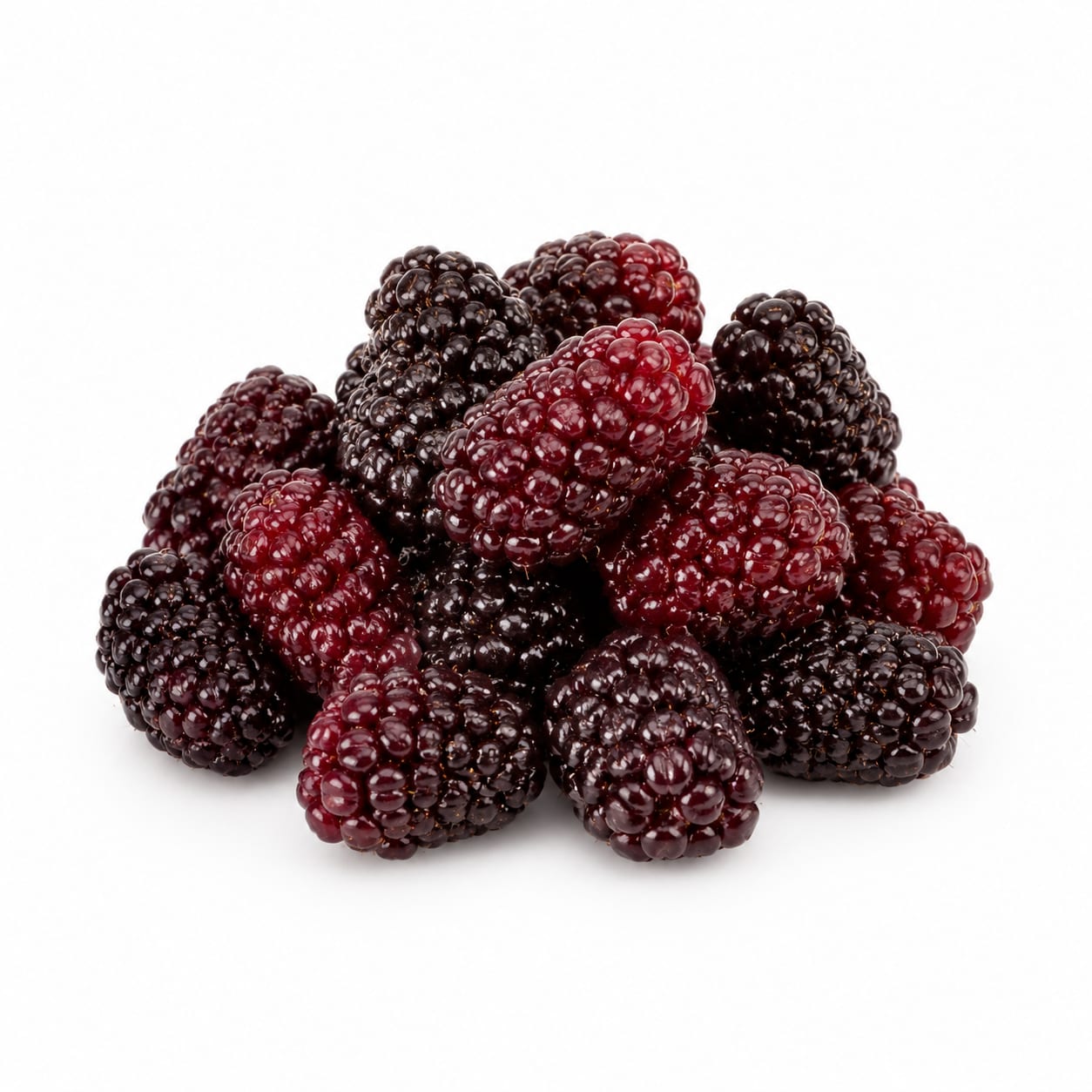
Loganberry
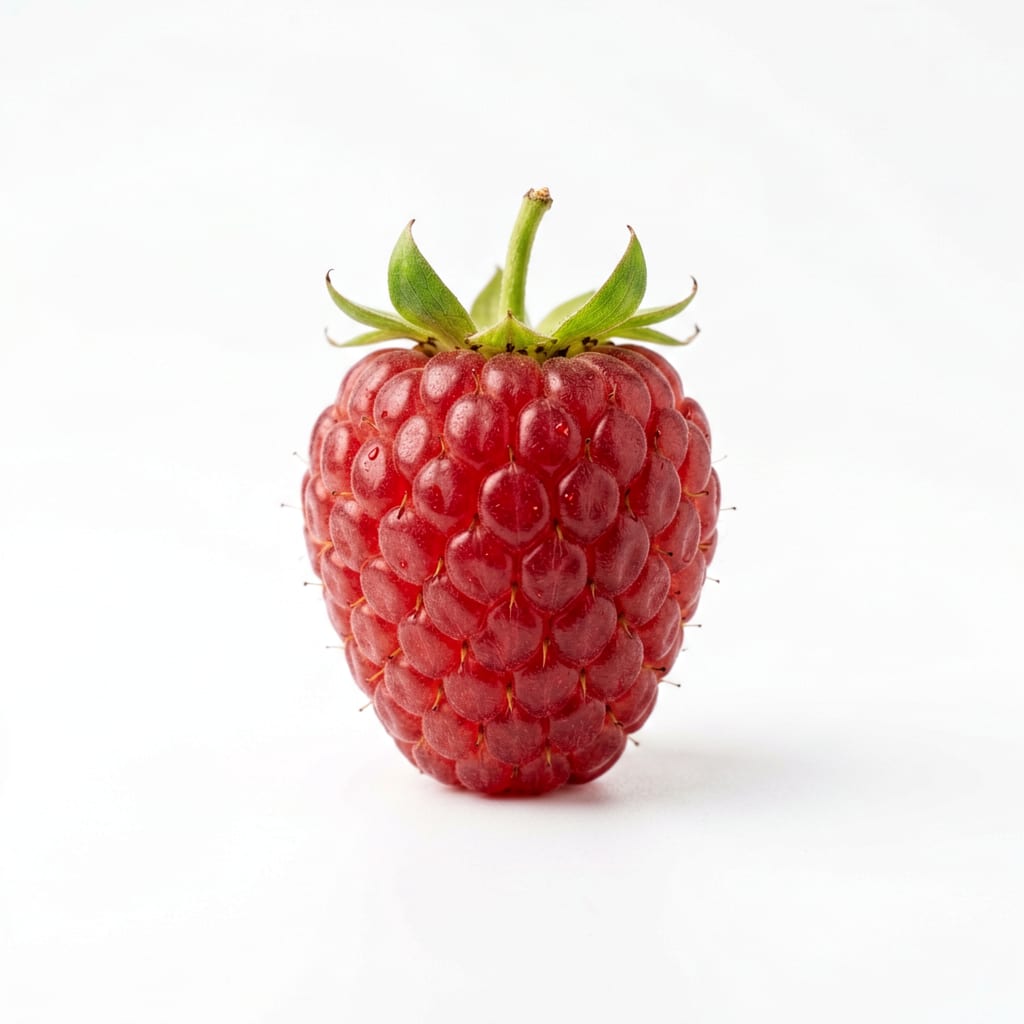
Raspberry
Raspberries win on fiber, availability, and everyday practicality, while loganberries edge ahead in vitamin C and antioxidant depth thanks to their darker pigmentation.
Raspberries score higher primarily due to superior fiber content, widespread availability, and lower cost. Loganberries are nutritionally competitive, especially in vitamin C, but their specialty status and limited fresh access reduce real-world practicality.
Loganberries offer slightly more vitamin C and a richer antioxidant profile from deeper pigments, but raspberries deliver unmatched fiber, easier access, and broader culinary versatility.
At a glance
Executive summary
Overall
Raspberry
Healthier
Raspberry
More practical
Raspberry
Daily use
Raspberry
Key comparison lenses
antioxidant density and berry selection
Both are antioxidant-rich berries, so users want to know which delivers more protective compounds per serving
everyday availability and practicality
Raspberries are grocery staples while loganberries are specialty items, heavily impacting real-world choice
fiber and digestive benefits
Raspberries are among the highest-fiber fruits, a key decision factor for health-conscious consumers
flavor preference and culinary use
Loganberries offer a unique tart-blackberry flavor profile that differs significantly from raspberry sweetness
sugar and calorie conscious snacking
Both are low-calorie berries but subtle differences in sugar content matter for weight management
Best choice for
Loganberry
- People seeking maximum vitamin C from berries
- Home gardeners who can grow their own supply
- Culinary experimenters wanting a unique tart-blackberry flavor
- Preserve and jam makers who value complex flavor
Raspberry
- People prioritizing digestive health and fiber intake
- Everyday snackers wanting reliable grocery access
- Weight-conscious eaters counting every calorie
- Anyone meal-prepping with versatile berries
Least suitable for
Loganberry
- People relying on standard grocery stores for fresh produce
- Anyone needing consistent year-round availability
- Budget-conscious shoppers watching per-serving costs
Raspberry
- People bored with common berry flavors wanting something unique
- Those specifically seeking the deepest anthocyanin pigments available in berries
Deep comparison
Dimension by dimension
Each lens scores both foods and breaks down who each option suits.
- Dimension 1 · Priority 95Raspberry
Fiber Content
Loganberry · 55Raspberry · 95Raspberries are one of the highest-fiber fruits available, delivering roughly 8g per cup compared to loganberries' estimated 5g.
Tradeoff
Choosing loganberries means settling for moderate fiber when raspberries offer nearly double the gut-filling, blood-sugar-stabilizing benefit.
Why it matters
Fiber is the single most underconsumed nutrient in Western diets, and raspberries are an exceptionally efficient way to close that gap.
Real-world impact
A cup of raspberries with breakfast keeps you fuller longer and steadies blood sugar better than the same portion of loganberries.
Loganberry
- Light snacking where lower fiber is preferred
Better for
- Meeting daily fiber targets efficiently
Worse for
Raspberry
- Digestive regularity
- Satiety between meals
- Blood sugar management
- Gut microbiome support
Better for
- Situations where very high fiber causes bloating if unaccustomed
Worse for
- Dimension 2 · Priority 88Loganberry
Vitamin C and Antioxidant Depth
Loganberry · 85Raspberry · 75Loganberries inherit deeper pigmentation from their blackberry parentage, yielding more anthocyanins and slightly higher vitamin C per serving.
Tradeoff
The antioxidant edge is real but modest — you gain more protective compounds with loganberries, though both berries are excellent sources.
Why it matters
Darker berries tend to pack more anthocyanins, which support vascular health and reduce oxidative stress over time.
Real-world impact
If you eat berries primarily for cellular protection and immune support, loganberries give a slight extra shield per bite.
Loganberry
- Immune system support
- Vascular and circulatory health
- Maximum antioxidant density per calorie
Better for
- Hard to consume consistently enough for long-term antioxidant benefits
Worse for
Raspberry
- Still strong antioxidant intake with easier access
Better for
- Slightly less anthocyanin concentration than darker-hued berries
Worse for
- Dimension 3 · Priority 90Raspberry
Availability and Cost
Loganberry · 30Raspberry · 92Raspberries are available year-round in most grocery stores. Loganberries are specialty items rarely found fresh outside farmers markets or specialty suppliers.
Tradeoff
You can actually eat raspberries daily without effort. Loganberries require planning, sourcing, and often paying premium prices or buying frozen.
Why it matters
The healthiest berry is the one you can consistently access and afford. Availability determines whether a food becomes a habit or a rare treat.
Real-world impact
Most people will never see fresh loganberries at their local store, making raspberries the realistic daily choice by default.
Loganberry
- Farmers market enthusiasts who enjoy seasonal hunting
Better for
- Spontaneous recipe decisions
- Reliable meal planning
- Cost-per-serving efficiency
Worse for
Raspberry
- Weekly grocery shopping
- Consistent daily consumption
- Budget-friendly berry options
- Frozen berry purchases for smoothies
Better for
- Nothing significant — raspberries are widely accessible
Worse for
- Dimension 4 · Priority 75Raspberry
Calorie and Sugar Profile
Loganberry · 68Raspberry · 82Raspberries are slightly lower in both calories and sugar per cup, making them the leaner option for weight-conscious snacking.
Tradeoff
The difference is small — roughly 10-15 calories per cup — but raspberries also deliver more fiber per calorie, compounding the satiety advantage.
Why it matters
When berries are a daily staple, even small caloric advantages add up over months while fiber keeps hunger in check.
Real-world impact
Replacing a daily loganberry snack with raspberries saves roughly 100 calories per week while keeping you fuller.
Loganberry
- Those wanting slightly richer flavor with minimal caloric penalty
Better for
- Strict calorie tracking where every gram matters
Worse for
Raspberry
- Weight loss or maintenance diets
- Low-sugar eating plans
- Keto-friendly fruit choices
- Calorie counting routines
Better for
- Nothing meaningful — raspberries are the leaner berry
Worse for
- Dimension 5 · Priority 72It depends
Flavor and Culinary Versatility
Loganberry · 78Raspberry · 80Loganberries offer a complex tart-sweet flavor with blackberry depth. Raspberries provide bright, floral sweetness that pairs with almost anything.
Tradeoff
Loganberries are more interesting for preserves and desserts where complexity shines. Raspberries are more versatile across sweet and savory dishes.
Why it matters
Flavor determines whether you actually enjoy eating healthy food. Boredom kills diets faster than calories.
Real-world impact
Loganberry jam on toast feels gourmet. Raspberries work in oatmeal, salads, smoothies, sauces, and baked goods with equal ease.
Loganberry
- Artisanal jams and preserves
- Dessert recipes wanting depth
- Unique flavor experiences
Better for
- Delicate dishes where tartness overwhelms
Worse for
Raspberry
- Everyday oatmeal and yogurt toppings
- Smoothie additions
- Savory salad pairings
- Baking recipes with broad compatibility
Better for
- Connoisseurs wanting less common flavor profiles
Worse for
Timeline
Health impact over time
Short-term
Hours to days
Loganberry
- Moderate fiber provides gentle satiety without heaviness
- Tart flavor can feel refreshing and palate-cleansing
- Vitamin C supports immediate immune function
Raspberry
- High fiber creates noticeable fullness, helpful for portion control
- Low sugar prevents energy crashes after snacking
- Hydrating and light on the stomach
Long-term
Months to years
Loganberry
- Anthocyanins from dark pigments support vascular health over years
- Consistent vitamin C intake strengthens collagen and skin integrity
- Antioxidant diversity may reduce chronic disease risk modestly
Raspberry
- Exceptional fiber intake supports gut microbiome diversity and regularity
- Low calorie density aids sustainable weight management
- Ellagic acid may offer cellular protection with regular consumption
Risk profile
Safety & processing
Both berries are whole, unprocessed foods when fresh or frozen without added sugars. Loganberries are more commonly found in processed forms like jams due to limited fresh availability, which introduces added sugar concerns.
Loganberry
Pesticide residue
mediumLoganberries are rarely tested specifically, but as Rubus hybrids they likely carry similar pesticide profiles to blackberries, which rank moderate on residue scales. Choose organic when possible.
Mold and spoilage
mediumLike all delicate berries, loganberries mold quickly. Limited fresh supply chains may mean longer transit times and shorter home shelf life.
Raspberry
Pesticide residue
mediumRaspberries consistently appear on EWG's Dirty Dozen list with detectable pesticide residues. Organic is strongly recommended for frequent consumption.
Rapid spoilage
highRaspberries are notoriously fragile and mold within 2-3 days of purchase. Inspect containers carefully and refrigerate immediately.
Who wins for whom
Audience fit
Same foods, different winners depending on your goal.
children
RaspberryRaspberries' sweeter flavor and easier availability make them more likely to be eaten consistently by kids, and their softer texture suits younger palates.
daily consumption
RaspberryDaily consumption requires reliable access, reasonable cost, and consistent nutritional benefit — raspberries deliver on all three fronts.
diabetes
RaspberryRaspberries' higher fiber and lower sugar content create a gentler blood sugar response, making them the safer regular choice for glucose management.
elderly
RaspberryRaspberries' superior fiber supports digestive regularity, a common concern in older adults, and their widespread availability ensures consistent access.
muscle gain
It dependsNeither berry is a protein source. Both work equally well as micronutrient-rich additions to higher-protein meals.
weight loss
RaspberryRaspberries offer more fiber and fewer calories per cup, creating better satiety with less energy density for sustainable weight management.
Your move
Decision guide
Choose Loganberry
- You can source fresh or frozen loganberries locally at reasonable prices
- You prioritize maximum vitamin C and anthocyanin intake from berries
- You enjoy making preserves, jams, or artisanal desserts
- You grow your own berries and want something unique in the garden
Choose Raspberry
- You want the highest-fiber fruit option available at any grocery store
- Consistent daily berry consumption matters more than novelty
- You are managing weight, blood sugar, or digestive health
- You need a versatile berry for smoothies, oatmeal, salads, and baking
Either works if
- You simply want antioxidant-rich fruit and both are available
- You rotate berries seasonally for dietary diversity
- You are neither calorie-restricted nor managing a specific health condition
Avoid both if
- You have a severe berry allergy or salicylate sensitivity
- You are on a very low-fiber diet for medical reasons such as pre-surgery prep
Final recommendation
Make raspberries your everyday berry for their fiber, availability, and versatility. Treat loganberries as a nutritional upgrade when you can find them — their deeper pigments and higher vitamin C are genuinely valuable, but only if you can access them consistently enough to matter.
Practical
Consumer tips
- 1
Buy raspberries organic when possible — they consistently rank high for pesticide residue among fruits
- 2
Freeze raspberries within 24 hours of purchase to preserve nutrients and prevent mold waste
- 3
If buying frozen loganberries, check ingredient lists for added sugars in the packaging
- 4
Mix both berries together for a broader antioxidant spectrum and more interesting flavor
- 5
Wash all berries right before eating, not before storing, to extend shelf life
- 6
Growing loganberries at home is surprisingly manageable and gives you access to this specialty fruit at scale