
Nutrition comparison
Loganberry vs Cranberry: Which Berry Is Healthier for You?
Compare loganberry and cranberry nutrition, taste, sugar content, and health benefits. Find out which berry is better for UTI prevention, daily snacking, and your specific health goals.
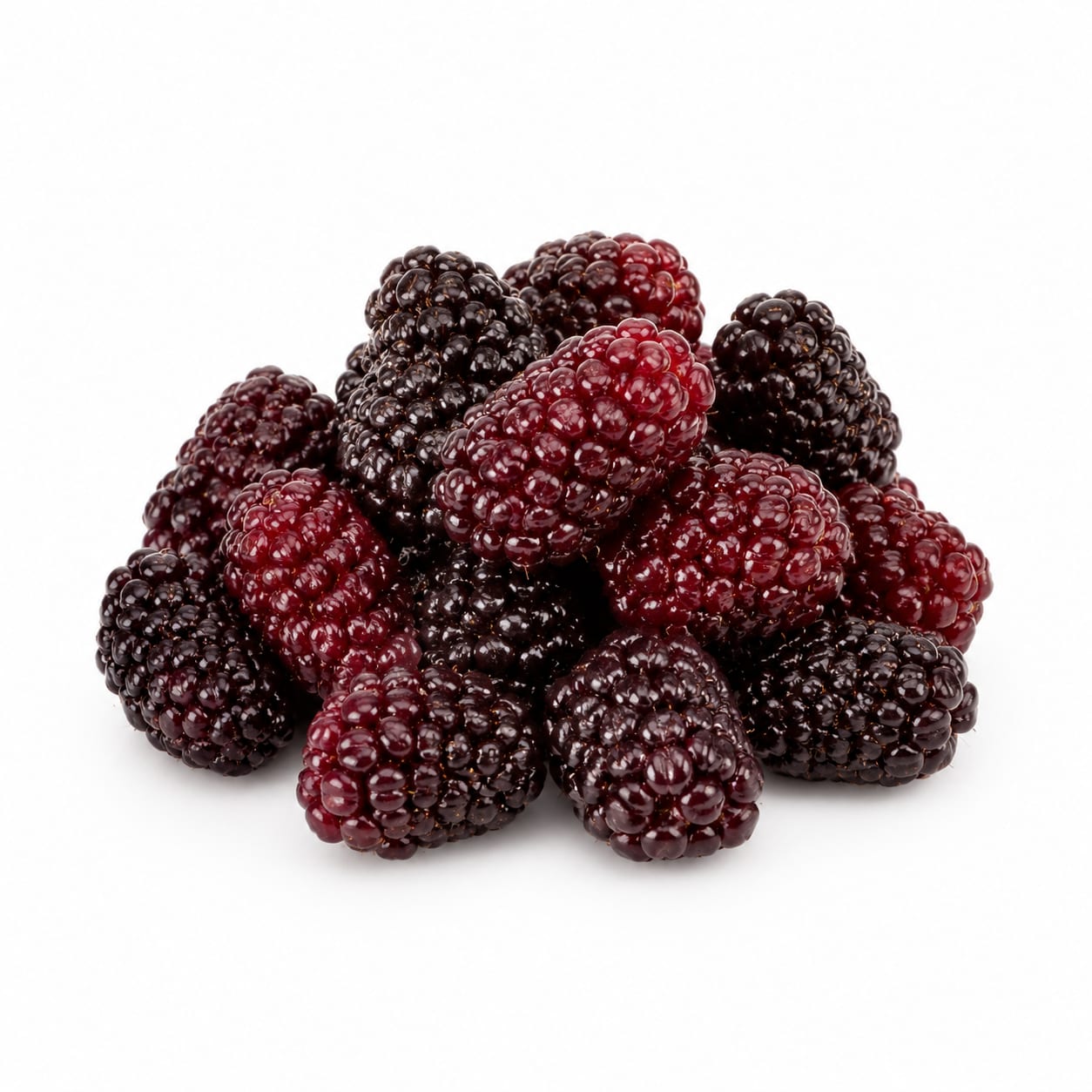
Loganberry
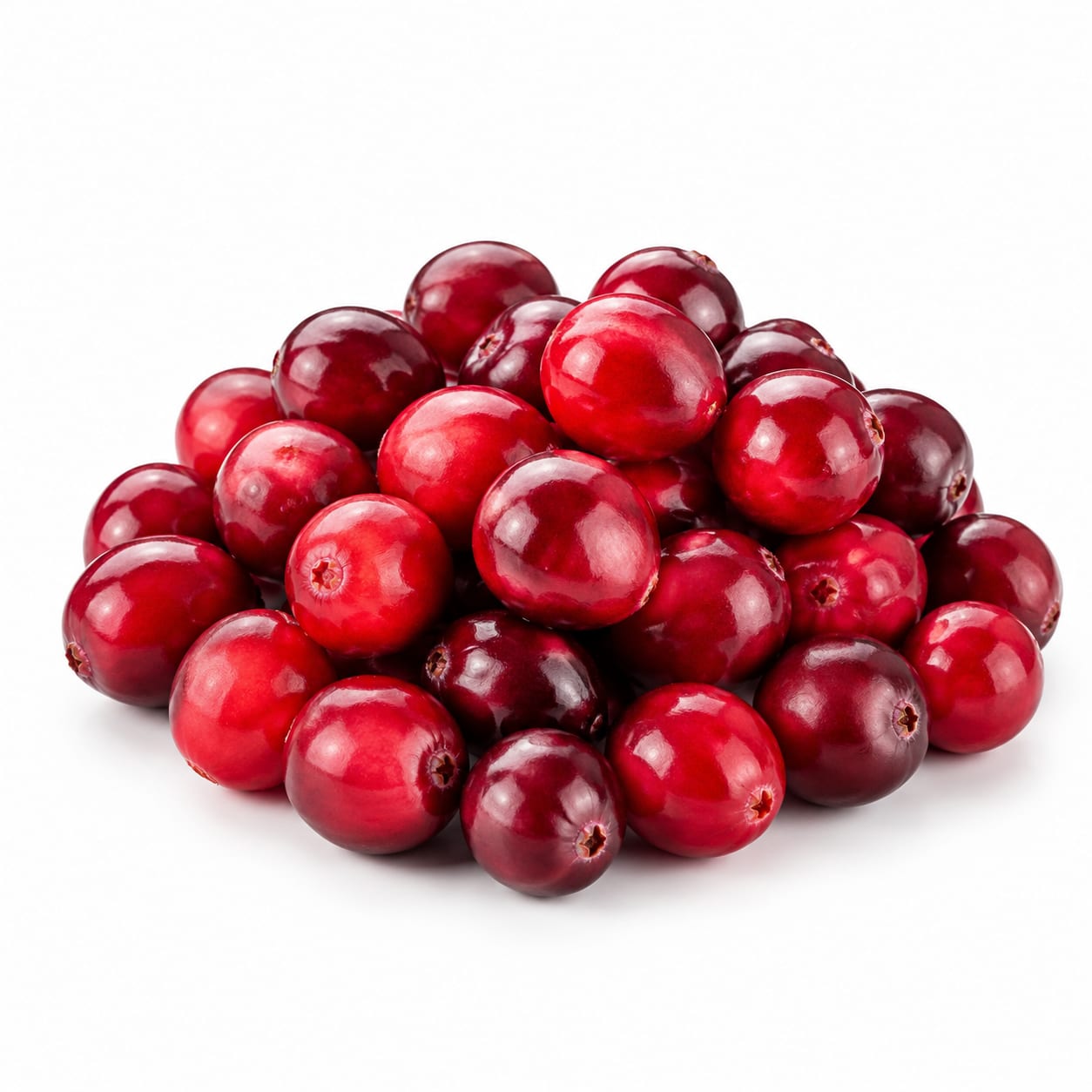
Cranberry
Loganberry wins on taste, vitamin C, and fresh eating appeal; cranberry wins on urinary tract protection and lower natural sugar when consumed raw.
Loganberry scores slightly higher due to better fresh-eating palatability and higher vitamin C, but cranberry's unique UTI-protective compounds and lower natural sugar keep it competitive. The close scores reflect that neither is universally better — it depends heavily on how you consume them and what you need them for.
You choose between a berry that's genuinely enjoyable to eat fresh (loganberry) and one with a unique medicinal edge but that most people can only stomach in processed, sugar-added forms (cranberry).
At a glance
Executive summary
Overall
It depends
Healthier
It depends
More practical
Loganberry
Daily use
Loganberry
Key comparison lenses
antioxidant and urinary health benefits
Cranberry is uniquely famous for urinary tract protection due to proanthocyanidins, making this the most clinically relevant differentiator
sugar and taste tradeoffs
Loganberry is noticeably sweeter and more palatable fresh, while raw cranberry is extremely tart and often consumed with added sugar
everyday eating enjoyment
Most people will not eat raw cranberries as a snack, whereas loganberries are enjoyable fresh — this shapes real-world consumption patterns
processed form hidden sugars
Cranberry juice and dried cranberries are typically loaded with added sugar, which undermines the raw berry's low-sugar advantage
vitamin c and immune support
Both berries supply vitamin C but loganberry delivers roughly double the amount per serving
Best choice for
Loganberry
- People who want a berry they actually enjoy eating fresh
- Anyone seeking higher vitamin C from whole fruit
- Snackers who prefer natural sweetness without added sugar
- Home gardeners in mild climates looking for prolific berry vines
Cranberry
- Women prone to recurrent urinary tract infections
- People who want the lowest-sugar berry option in raw form
- Anyone interested in unique proanthocyanidin antioxidants not found in most fruits
- Cooking and baking where tartness is desired
Least suitable for
Loganberry
- People specifically seeking UTI prevention benefits
- Anyone who needs a very low-sugar fruit option
- Those in regions where loganberries are hard to find fresh
Cranberry
- People who want to eat berries fresh as a snack without wincing
- Anyone avoiding cranberry products with added sugars
- Those who dislike tart or astringent flavors
Deep comparison
Dimension by dimension
Each lens scores both foods and breaks down who each option suits.
- Dimension 1 · Priority 90Loganberry
taste_and_fresh_eating_appeal
Loganberry · 88Cranberry · 35Loganberry is sweet-tart and delicious fresh; raw cranberry is intensely sour and astringent, rarely eaten alone.
Tradeoff
If you want a berry you'll actually reach for as a snack, loganberry is the clear pick. Cranberry's taste demands sweetening, which often means added sugar.
Why it matters
A healthy food you enjoy eating always beats a healthier food that sits in your fridge uneaten.
Real-world impact
You'll likely eat loganberries a few times a week as a snack. Raw cranberries will probably sit in your kitchen until they go bad unless you cook or juice them.
Loganberry
- Fresh snacking
- Adding to yogurt or oatmeal without sweetener
- Kids who need palatable fruit options
Better for
- Situations where you want a bracing tart flavor
Worse for
Cranberry
- Recipes where tartness balances sweet dishes
- Homemade sauces and relishes
- Baking where a sharp fruit flavor is desired
Better for
- Eating out of hand as a snack
- Anyone with sensitive taste preferences
Worse for
- Dimension 2 · Priority 92Cranberry
urinary_tract_and_antioxidant_protection
Loganberry · 55Cranberry · 95Cranberry contains unique A-type proanthocyanidins that prevent bacteria from adhering to the urinary tract wall — a benefit virtually no other common berry offers.
Tradeoff
If UTI prevention is your goal, cranberry is in a league of its own. Loganberry has general antioxidants but nothing comparable to this specific protective mechanism.
Why it matters
For the roughly 50% of women who experience recurrent UTIs, this is not a minor nutritional detail — it's a quality-of-life issue.
Real-world impact
Regular cranberry consumption can meaningfully reduce UTI frequency for susceptible individuals, potentially saving antibiotics and doctor visits.
Loganberry
- General antioxidant intake from a pleasant-tasting berry
Better for
- Anyone needing targeted urinary tract support
Worse for
Cranberry
- UTI prevention
- Unique proanthocyanidin antioxidants
- Oral health benefits from anti-adhesion properties
Better for
- Those who mistakenly believe all berries are interchangeable for UTI prevention
Worse for
- Dimension 3 · Priority 80Cranberry
sugar_content_and_blood_impact
Loganberry · 60Cranberry · 82Raw cranberry has roughly half the natural sugar of loganberry per serving, but this advantage vanishes if you consume cranberry juice cocktail or sweetened dried cranberries.
Tradeoff
Cranberry's low-sugar win is fragile — it only holds if you eat the raw berry or drink unsweetened juice, which most people find too tart.
Why it matters
For blood sugar management, the form you consume matters more than the berry's natural sugar content.
Real-world impact
A cup of raw cranberries has about 4g sugar. A cup of commercial cranberry juice cocktail has around 30g — more than a can of cola.
Loganberry
- People who eat berries whole and can tolerate moderate natural sugar
Better for
- Strict low-sugar diets
Worse for
Cranberry
- Diabetics who consume the raw berry or unsweetened juice
- Low-carb dieters tracking every gram of sugar
Better for
- Anyone drinking sweetened cranberry juice thinking it's healthy
Worse for
- Dimension 4 · Priority 65Loganberry
vitamin_c_and_immune_support
Loganberry · 78Cranberry · 55Loganberry delivers roughly double the vitamin C per serving compared to cranberry, making it more useful for daily immune support.
Tradeoff
Neither berry is a top-tier vitamin C source like kiwi or bell pepper, but loganberry is the stronger contributor of the two.
Why it matters
Vitamin C supports immune function, skin health, and iron absorption — small daily differences add up over time.
Real-world impact
A cup of loganberries provides about 30-35mg vitamin C, roughly a third of your daily needs. The same amount of cranberry gives about 13mg.
Loganberry
- Daily immune support from whole food
- Skin health and collagen support
- Enhancing iron absorption from meals
Better for
- Anyone expecting vitamin C levels comparable to citrus
Worse for
Cranberry
- Situations where you're primarily consuming cranberry for other benefits and vitamin C is a bonus
Better for
- Using cranberry as a primary vitamin C source
Worse for
- Dimension 5 · Priority 72Loganberry
availability_and_practical_use
Loganberry · 58Cranberry · 75Cranberry is far more available in stores year-round in various forms, while loganberry is niche and seasonal. However, most cranberry products are heavily processed with added sugar.
Tradeoff
Cranberry wins on availability but loses on product quality. Loganberry is harder to find but when you do, it's usually in whole, unprocessed form.
Why it matters
The healthiest berry is the one you can actually buy and eat in a form close to its natural state.
Real-world impact
You can find cranberry products in any grocery store, but finding unsweetened options takes effort. Loganberries may require farmers markets, specialty stores, or home growing.
Loganberry
- Farmers market shoppers in berry season
- Home gardeners
- People who prefer eating whole, unprocessed fruit
Better for
- People without access to specialty produce
- Off-season demand
Worse for
Cranberry
- Year-round availability in stores
- Multiple convenient forms (juice, dried, sauce, fresh)
- Consistent supply regardless of season
Better for
- Anyone not reading labels on cranberry products
- People assuming all cranberry forms are equally healthy
Worse for
Timeline
Health impact over time
Short-term
Hours to days
Loganberry
- Quick natural energy from moderate natural sugars
- Vitamin C boost supporting same-day immune function
- Pleasant eating experience encouraging healthy snacking habits
Cranberry
- Immediate tartness can stimulate digestion and saliva production
- Unsweetened cranberry may help with acute UTI symptom awareness
- Drinking cranberry juice provides rapid hydration but watch for sugar crash if sweetened
Long-term
Months to years
Loganberry
- Consistent vitamin C intake supports skin and immune health over months
- General antioxidant consumption contributes to reduced oxidative stress
- Enjoyable healthy snacking habit is easier to sustain long-term
Cranberry
- Regular consumption may significantly reduce UTI recurrence in prone individuals
- Proanthocyanidins support oral health by reducing bacterial adhesion to teeth and gums
- Long-term reliance on sweetened cranberry products could contribute to excess sugar intake
Risk profile
Safety & processing
Both berries are minimally processed in their raw form. However, cranberry's extreme tartness drives heavy processing — most commercial cranberry juice and dried cranberries contain substantial added sugar and sometimes preservatives. Loganberry is almost always consumed closer to its natural state, making it the safer bet for avoiding hidden additives.
Loganberry
Pesticide residue on conventionally grown berries
mediumLike most berries, loganberries are thin-skinned and can carry pesticide residue. Washing helps but doesn't remove everything. Organic is preferable when available.
Mold and spoilage
mediumHighly perishable fresh berry. Mold can develop within days. Inspect carefully and refrigerate promptly.
Cranberry
Added sugars in processed cranberry products
highCranberry juice cocktail is typically 25-30% sugar. Dried cranberries often contain added sugar and sometimes vegetable oil. These forms can undermine the berry's health benefits significantly.
Kidney stone risk from excessive oxalate consumption
mediumCranberries contain moderate oxalates. People with a history of calcium oxalate kidney stones should moderate intake, especially of concentrated cranberry supplements.
Medication interaction with cranberry supplements
mediumHigh-dose cranberry supplements may interact with blood-thinning medications like warfarin. Whole cranberry in food amounts is generally safe, but concentrated extracts warrant medical consultation.
Who wins for whom
Audience fit
Same foods, different winners depending on your goal.
children
LoganberryKids are far more likely to eat and enjoy loganberries. Raw cranberries are too tart for most children, and giving kids sweetened cranberry products defeats the purpose.
daily consumption
LoganberryA berry you enjoy eating daily will always outperform one you have to force down. Loganberry's pleasant taste makes consistent daily consumption realistic.
diabetes
CranberryRaw cranberry has a lower glycemic impact due to less natural sugar. But unsweetened cranberry is tough to eat alone, and sweetened forms are worse for blood sugar than loganberry.
elderly
CranberryUTI prevention is especially valuable for older adults, and cranberry's anti-adhesion benefits support both urinary and oral health in aging populations.
muscle gain
It dependsNeither berry is relevant for muscle gain. Both provide negligible protein. Choose based on taste preference to accompany a protein-rich meal.
weight loss
CranberryRaw cranberry is lower in calories and sugar per serving. However, this only holds if you avoid sweetened cranberry products — a big if in practice.
Your move
Decision guide
Choose Loganberry
- You want a berry you'll actually look forward to eating
- Fresh snacking is your primary way of consuming fruit
- You're seeking higher vitamin C from a whole food source
- You have access to farmers markets or grow your own berries
- You're feeding kids who need palatable fruit options
Choose Cranberry
- You're prone to urinary tract infections and want a natural preventive approach
- You need the lowest-sugar berry option and can tolerate the tartness
- You enjoy cooking with tart fruits in sauces, relishes, and baked goods
- You're careful about reading labels and will choose unsweetened cranberry products
- Oral health and anti-bacterial adhesion benefits appeal to you
Either works if
- You simply want to rotate different berries for antioxidant diversity
- Neither berry is a staple in your diet — occasional use of both is fine
- You're already eating a variety of fruits and just adding berry variety
Avoid both if
- You have a salicylate sensitivity, as both berries contain moderate levels
- You're on a very low-oxalate diet for kidney stone management
- You have a berry allergy or cross-reactive pollen allergy
Final recommendation
Keep both in your rotation if possible. Eat loganberries fresh when available for an enjoyable daily fruit habit. Use unsweetened cranberry products specifically for UTI prevention or antioxidant variety. The biggest trap is assuming cranberry juice cocktail counts as a healthy serving of fruit — it doesn't. If you can only choose one for daily eating, loganberry wins because you'll actually eat it. If you have a specific UTI concern, cranberry is non-negotiable.
Practical
Consumer tips
- 1
If buying cranberry juice, look for 100% juice with no added sugar — it will still be tart but far healthier than cocktail blends
- 2
Freeze fresh loganberries when in season to enjoy them year-round in smoothies and oatmeal
- 3
Dried cranberries labeled 'reduced sugar' still often contain 20g+ sugar per serving — check the nutrition panel carefully
- 4
Mixing a small amount of raw cranberry into a smoothie with sweeter fruits lets you get the health benefits without the taste punishment
- 5
Growing loganberries at home is surprisingly easy in USDA zones 5-9 and gives you a prolific, low-maintenance berry source
- 6
If you take blood thinners, talk to your doctor before using concentrated cranberry supplements — whole cranberry in food amounts is generally fine