
Nutrition comparison
Loganberry vs Strawberry: Which Berry Is Healthier?
Loganberry beats strawberry in antioxidants and pesticide safety, but strawberry wins on availability and daily practicality. Full nutritional comparison and expert recommendation.
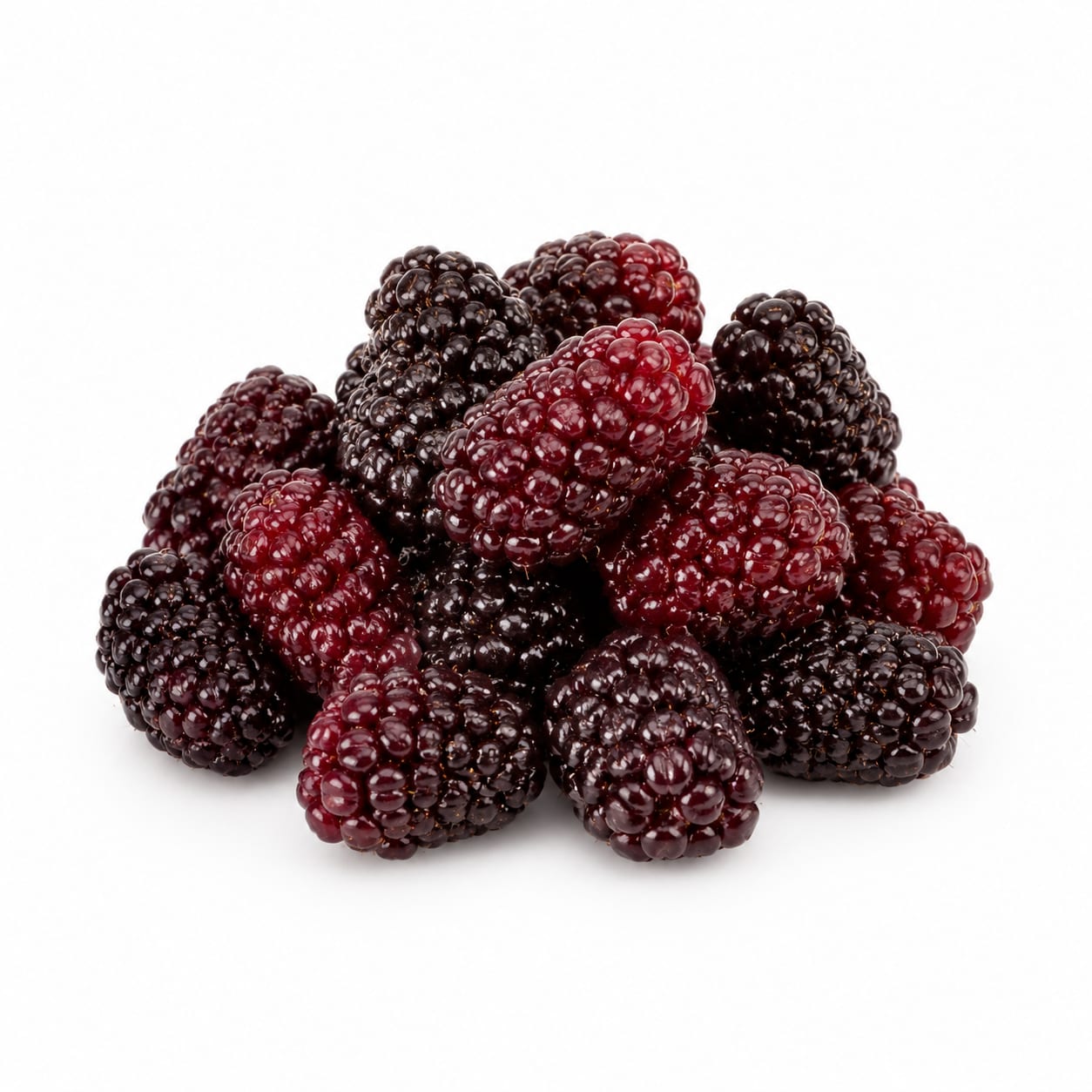
Loganberry
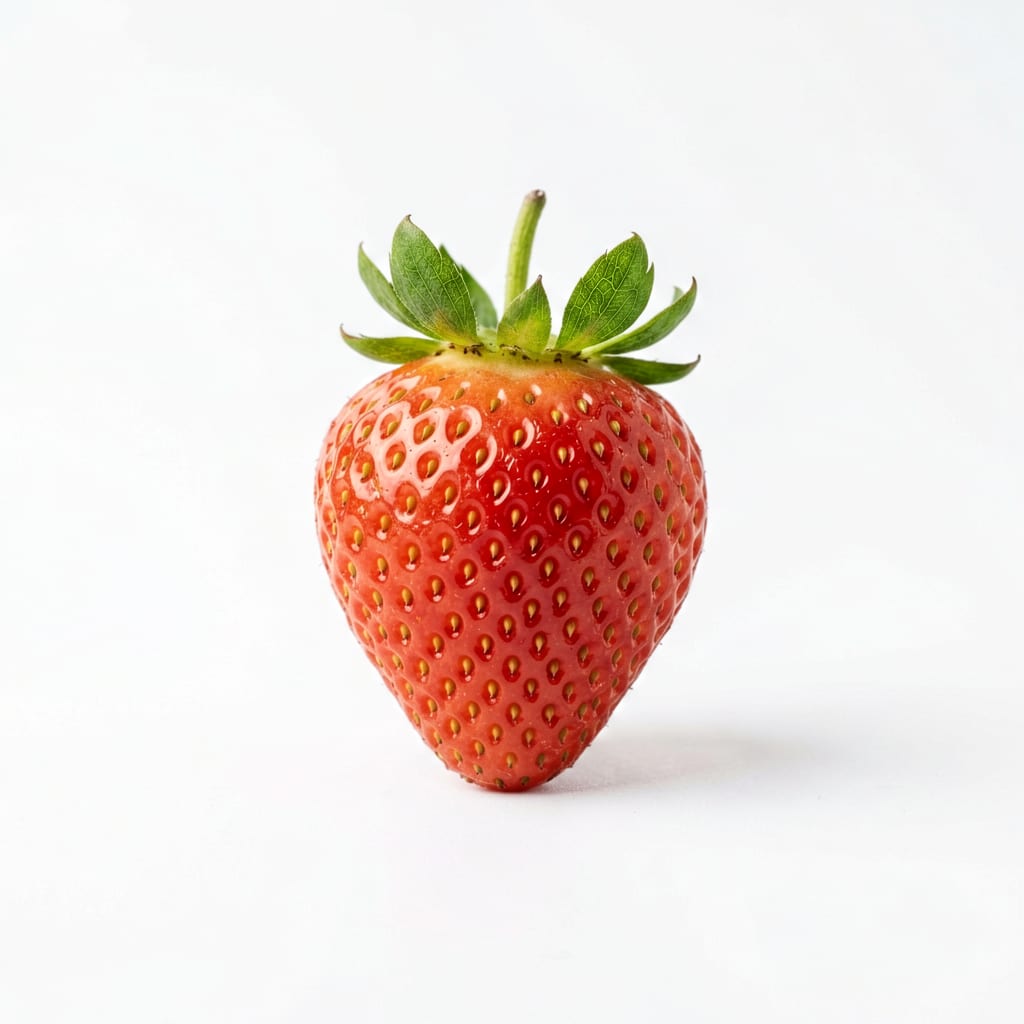
Strawberry
Loganberry wins on antioxidants and lower pesticide risk; strawberry wins on availability, sweetness, and everyday practicality.
Loganberry edges ahead nutritionally with superior antioxidants and lower pesticide concerns, but strawberry's unmatched availability and everyday usability narrow the gap significantly. The close scores reflect that most people will simply choose whichever is accessible.
You gain deeper antioxidant protection and a more complex flavor with loganberry, but sacrifice the convenience and year-round access that strawberries offer.
At a glance
Executive summary
Overall
It depends
Healthier
Loganberry
More practical
Strawberry
Daily use
Strawberry
Key comparison lenses
antioxidant density and disease-fighting potential
Loganberry's dark pigmentation signals significantly higher anthocyanin content than strawberry, making antioxidant comparison the most meaningful differentiator
everyday practicality and availability
Strawberries are available year-round in most stores while loganberries are seasonal and specialty, making accessibility a major real-world decision factor
pesticide exposure risk
Strawberries consistently rank #1 on the EWG Dirty Dozen list for pesticide residues, while loganberries are typically grown with fewer chemical interventions
sugar and blood sugar impact
Both are berries with relatively low sugar, but loganberry's tartness means less natural sugar per bite, relevant for glucose-conscious eaters
culinary versatility and enjoyment
Strawberries are sweeter and more universally loved; loganberries offer a complex tart-sweet profile that works better in specific recipes
Best choice for
Loganberry
- Antioxidant maximizers seeking the highest ORAC value per bite
- Home gardeners who can grow their own and skip store availability issues
- People avoiding high-pesticide produce
- Fans of tart, complex berry flavors in jams and desserts
Strawberry
- Families needing kid-friendly fruit that's sweet and easy to find
- Smoothie makers wanting reliable year-round ingredients
- Budget-conscious shoppers wanting affordable berries
- Anyone who wants a low-effort, widely available healthy snack
Least suitable for
Loganberry
- People who only have access to mainstream grocery stores
- Anyone who strongly prefers sweet fruit over tart flavors
- Budget-limited households where specialty berry prices hurt
- Meal preppers who need consistent weekly availability
Strawberry
- People highly concerned about pesticide exposure who can't afford organic
- Those seeking the absolute highest antioxidant concentration per calorie
- Culinary adventurers wanting unique or unusual flavors
Deep comparison
Dimension by dimension
Each lens scores both foods and breaks down who each option suits.
- Dimension 1 · Priority 92Loganberry
Antioxidant Power
Loganberry · 91Strawberry · 68Loganberry's deep purple-red pigments deliver substantially more anthocyanins and total antioxidants than strawberry's lighter red flesh.
Tradeoff
You get more disease-fighting compounds per serving with loganberry, but strawberry's antioxidants are still respectable and far better than most fruits.
Why it matters
Higher antioxidant intake correlates with lower inflammation, better brain aging, and reduced chronic disease risk over decades.
Real-world impact
Eating loganberry regularly is like choosing the darker wine — more protective plant compounds per glass, though both are healthy choices.
Loganberry
- Reducing oxidative stress and cellular aging
- Supporting cognitive health long-term
- Anti-inflammatory diets targeting chronic conditions
Better for
- Harder to eat enough consistently for maximum benefit due to scarcity
Worse for
Strawberry
- Still meaningful antioxidant contribution in a widely accessible package
- Easier to consume in larger quantities due to sweetness and availability
Better for
- Lower ORAC score means you need larger portions for equivalent antioxidant intake
Worse for
- Dimension 2 · Priority 75Loganberry
Sugar Content and Blood Sugar Impact
Loganberry · 82Strawberry · 72Loganberry is tarter and slightly lower in natural sugars, giving it a gentler effect on blood glucose.
Tradeoff
Less sugar means steadier energy with loganberry, but the tartness makes it less enjoyable to eat plain for most people.
Why it matters
Even natural fruit sugars can spike blood glucose; lower-sugar berries are safer for diabetics and anyone avoiding energy crashes.
Real-world impact
A bowl of loganberries won't give you that subtle sugar rush and dip that sweeter strawberries can trigger, especially on an empty stomach.
Loganberry
- Diabetics managing glucose carefully
- Keto and low-carb eaters counting every gram of sugar
- Anyone sensitive to blood sugar swings after fruit
Better for
- Endurance athletes who benefit from faster-available fruit carbohydrates
Worse for
Strawberry
- Post-workout recovery where some quick sugar is actually beneficial
- Children who need palatable fruit to develop healthy eating habits
Better for
- Late-night snacking where sugar close to bed can disrupt sleep quality
Worse for
- Dimension 3 · Priority 82Loganberry
Pesticide Exposure Risk
Loganberry · 85Strawberry · 42Strawberries are the #1 most pesticide-contaminated fruit on the EWG Dirty Dozen list; loganberries are typically grown with far fewer chemical treatments.
Tradeoff
Choosing loganberry dramatically reduces pesticide exposure, but finding organic strawberries is easier than finding any loganberries at all.
Why it matters
Chronic low-dose pesticide exposure is linked to hormonal disruption, neurological issues, and cancer risk — especially concerning for children.
Real-world impact
If you eat strawberries daily and can't afford organic, you're consistently ingesting more pesticide residue than with almost any other fruit.
Loganberry
- Families with young children who are more vulnerable to pesticide effects
- Anyone trying to reduce cumulative chemical burden without buying everything organic
Better for
- No significant downside here — loganberry wins this dimension clearly
Worse for
Strawberry
- Organic strawberry buyers who can afford the premium and avoid the issue entirely
Better for
- Conventional strawberry consumers face the highest pesticide load of any fruit
Worse for
- Dimension 4 · Priority 88Strawberry
Availability and Convenience
Loganberry · 25Strawberry · 95Strawberries are available in virtually every grocery store year-round; loganberries are seasonal, specialty, and often require farmers markets or home growing.
Tradeoff
The healthiest berry only matters if you can actually get it — strawberry's ubiquity makes it the realistic daily choice for most people.
Why it matters
Nutrition only works when it's sustainable. A berry you can't find can't improve your health no matter how nutrient-dense it is.
Real-world impact
You can grab strawberries at any corner store on any Tuesday. Loganberries might require a special trip, a garden, or mail order.
Loganberry
- Home gardeners in suitable climates who can grow their own supply
- People who enjoy seasonal eating and farmers market routines
Better for
- Anyone without access to specialty markets or garden space
- Last-minute recipe needs where only common berries are available
Worse for
Strawberry
- Busy professionals who need grab-and-go healthy options
- Meal preppers building weekly plans around reliable ingredients
- Rural shoppers with limited store selection
Better for
- No real downside here — strawberry dominates convenience
Worse for
- Dimension 5 · Priority 68Loganberry
Fiber and Satiety
Loganberry · 78Strawberry · 65Loganberry's blackberry parentage gives it slightly more dietary fiber per serving, making it marginally more filling.
Tradeoff
The fiber difference is real but modest — neither berry is a fiber powerhouse compared to raspberries or blackberries.
Why it matters
More fiber means better digestion, steadier blood sugar, and feeling satisfied longer between meals.
Real-world impact
A loganberry snack might keep you full an extra 20-30 minutes compared to strawberries, but you'd notice the difference more by simply eating a larger portion of either.
Loganberry
- Digestive health optimization
- Gut microbiome support from slightly more prebiotic fiber
Better for
- Not enough fiber advantage to be a deciding factor for most people
Worse for
Strawberry
- Still provides meaningful fiber, especially when eaten in typical larger portions
Better for
- Slightly less satiating per calorie, easier to overeat
Worse for
- Dimension 6 · Priority 65Loganberry
Vitamin C Content
Loganberry · 80Strawberry · 75Both are excellent vitamin C sources, but loganberry edges ahead slightly due to its raspberry-blackberry lineage.
Tradeoff
The difference is small enough that portion size matters more than berry choice — eating more of either easily covers daily needs.
Why it matters
Vitamin C supports immune function, collagen production, and iron absorption — and neither berry will leave you deficient.
Real-world impact
One cup of either berry covers most of your daily vitamin C. Choosing loganberry for this reason alone isn't worth the availability hassle.
Loganberry
- Maximizing immune support during cold season
- Pairing with iron-rich foods for better absorption
Better for
- Marginal advantage doesn't justify seeking it out for vitamin C alone
Worse for
Strawberry
- Still an excellent source that's easier to eat in larger quantities
Better for
- Slightly less per serving, but practically negligible
Worse for
- Dimension 7 · Priority 72It depends
Flavor and Eating Enjoyment
Loganberry · 70Strawberry · 80Strawberries are sweeter and more universally appealing; loganberries offer a complex tart-sweet depth that some love and others find too sour.
Tradeoff
Strawberry is the safe crowd-pleaser; loganberry is the connoisseur's berry with a flavor that demands appreciation.
Why it matters
You'll eat more of the berry you enjoy. The healthiest option is whichever you'll actually consume consistently.
Real-world impact
Kids almost always prefer strawberries. Adults who enjoy tart flavors, craft beer, or complex wines often prefer loganberries.
Loganberry
- Culinary experimentation and gourmet cooking
- People who find sweet fruit cloying and prefer tart complexity
Better for
- Picky eaters and anyone expecting sweet berry flavor
- Smoothies where tartness can clash with other ingredients
Worse for
Strawberry
- Households with children
- Dessert recipes where natural sweetness reduces added sugar needs
- Raw snacking straight from the container
Better for
- Sophisticated palates that find strawberries one-dimensional
Worse for
Timeline
Health impact over time
Short-term
Hours to days
Loganberry
- Quick antioxidant boost with noticeable anti-inflammatory effect
- Tart flavor can stimulate digestion and saliva production
- Lower sugar content prevents energy spikes and crashes
Strawberry
- Rapid hydration from high water content
- Mild blood sugar uptick that provides quick energy
- Vitamin C supports immediate immune cell activity
Long-term
Months to years
Loganberry
- Higher cumulative antioxidant intake may reduce chronic disease risk more effectively
- Lower pesticide exposure supports hormonal and neurological health over decades
- Fiber contribution supports gut microbiome diversity long-term
Strawberry
- Consistent daily consumption is easier to maintain, compounding benefits over time
- Still provides meaningful cardiovascular and cognitive protection
- Pesticide exposure from conventional strawberries remains a long-term concern unless organic is chosen
Risk profile
Safety & processing
Both berries are whole foods with minimal processing when fresh. The real concern isn't additives — it's that conventional strawberries carry significant pesticide residues while loganberries typically don't.
Loganberry
Pesticide residue
lowLoganberries are rarely grown with intensive chemical regimens due to their specialty crop status and natural hardiness from blackberry parentage.
Mold and spoilage
mediumLike all delicate berries, loganberries mold quickly. Their thinner skin and darker juice make spoilage harder to spot early compared to strawberries.
Strawberry
Pesticide residue
highStrawberries top the EWG Dirty Dozen list almost every year. Conventional strawberries routinely test positive for multiple pesticide residues, including some linked to hormonal disruption.
Mold and spoilage
mediumStrawberries are notorious for going bad within days. Mold develops quickly, and damaged berries spread rot to neighbors in the container rapidly.
Who wins for whom
Audience fit
Same foods, different winners depending on your goal.
children
StrawberryStrawberries are sweeter, more familiar, and easier for kids to enjoy — the healthiest fruit for children is the one they'll actually eat.
daily consumption
StrawberryConsistency beats perfection. Strawberries are available year-round and affordable enough to eat daily, which matters more than loganberry's nutritional edge you can't access regularly.
diabetes
LoganberryLower natural sugar content and a gentler glycemic impact make loganberry the safer choice for blood glucose management.
elderly
StrawberryStrawberries are softer, sweeter, and easier to find — important for elderly people with diminished appetite, dental concerns, or limited shopping mobility.
muscle gain
StrawberryStrawberry's slightly higher sugar provides marginally more post-workout carbohydrate replenishment, and its availability makes consistent consumption easier.
weight loss
LoganberryLower sugar and slightly more fiber make loganberry marginally more satiating per calorie, though both are excellent weight-loss-friendly fruits.
Your move
Decision guide
Choose Loganberry
- You can grow them or have reliable access through farmers markets
- Minimizing pesticide exposure is a top priority and organic strawberries aren't available
- You enjoy tart, complex flavors and want the highest antioxidant density per bite
- You're managing blood sugar and want the lowest-sugar berry option
Choose Strawberry
- You need a healthy fruit you can buy any day at any store
- You're feeding kids who prefer sweet flavors
- You eat berries daily and need something affordable and consistent
- You can buy organic and eliminate the pesticide concern entirely
Either works if
- You simply want a nutrient-dense, low-calorie fruit snack
- You're adding berries to oatmeal, yogurt, or salads where either works
- You rotate fruits seasonally and don't need one exclusive choice
Avoid both if
- You have a salicylate sensitivity — both berries are moderate-to-high in salicylates
- You're on a very strict low-FODMAP elimination phase — both contain fructose
Final recommendation
Eat strawberries as your daily go-to berry — their availability makes consistency possible. When loganberries appear in season, grab them for the antioxidant upgrade and pesticide break. The best strategy is rotation: strawberries for reliability, loganberries for intensity when you can find them. If pesticide exposure worries you and organic strawberries aren't an option, loganberry becomes the clear winner despite its scarcity.
Practical
Consumer tips
- 1
If buying conventional strawberries, wash them thoroughly in a baking soda solution (1 tablespoon per 2 cups water) for 12-15 minutes to reduce surface pesticide residues
- 2
Freeze loganberries when you find them — they retain antioxidants well and you'll have access out of season
- 3
Grow loganberries at home if you're in zones 5-9 — they're vigorous, productive, and pesticide-free with minimal effort
- 4
Organic strawberries eliminate the pesticide concern entirely and narrow the health gap significantly
- 5
Don't judge ripeness of loganberries by color alone — they darken before fully sweetening, so taste-test when possible
- 6
Both berries lose vitamin C quickly after cutting — eat whole or blend immediately rather than prepping hours ahead