
Nutrition comparison
Loganberry vs Marionberry: Which Berry Is Healthier and Better Tasting?
Compare loganberry and marionberry nutrition, antioxidants, sugar, flavor, and availability. Find out which berry is better for weight loss, daily eating, and recipes.
Overall winner · Marionberry
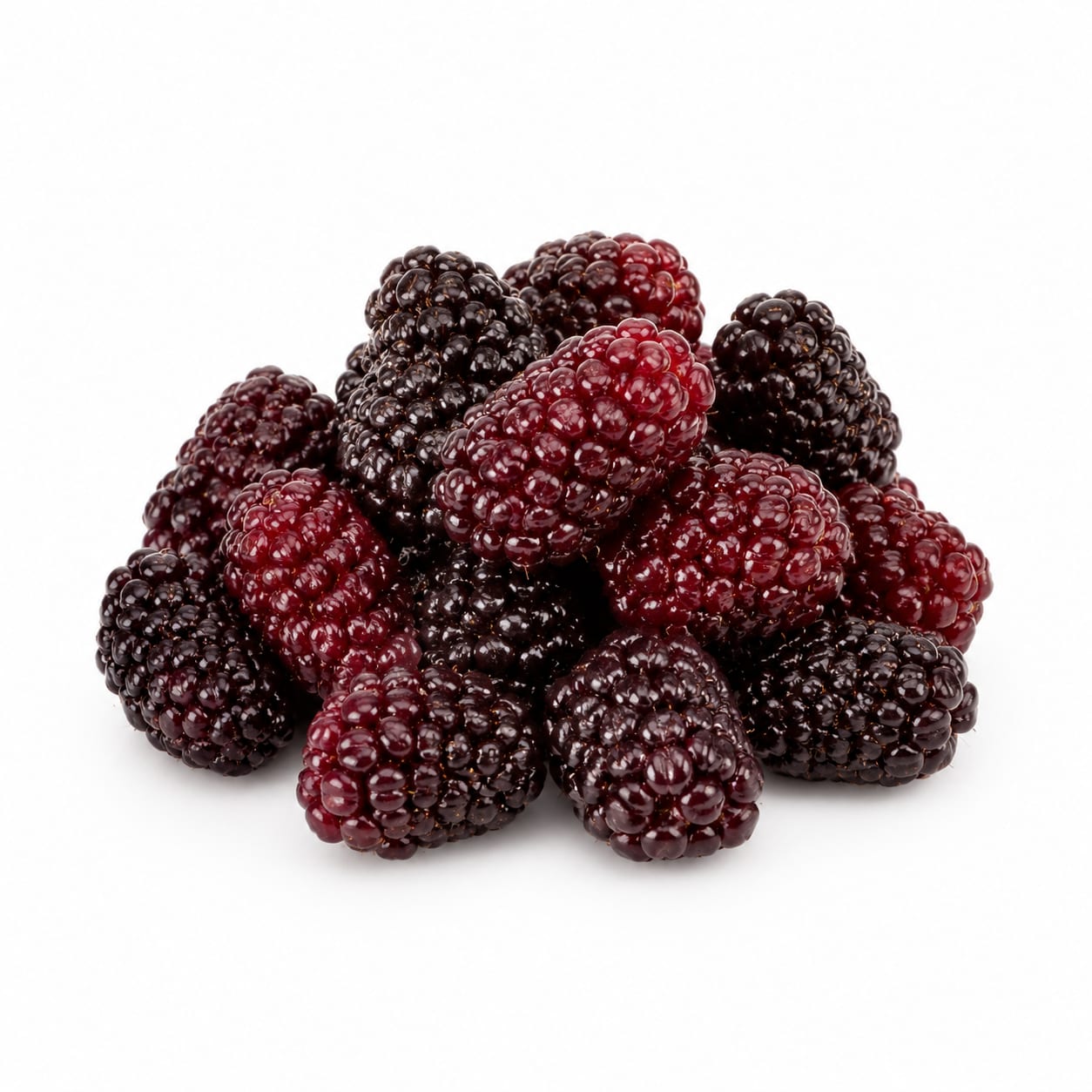
Loganberry
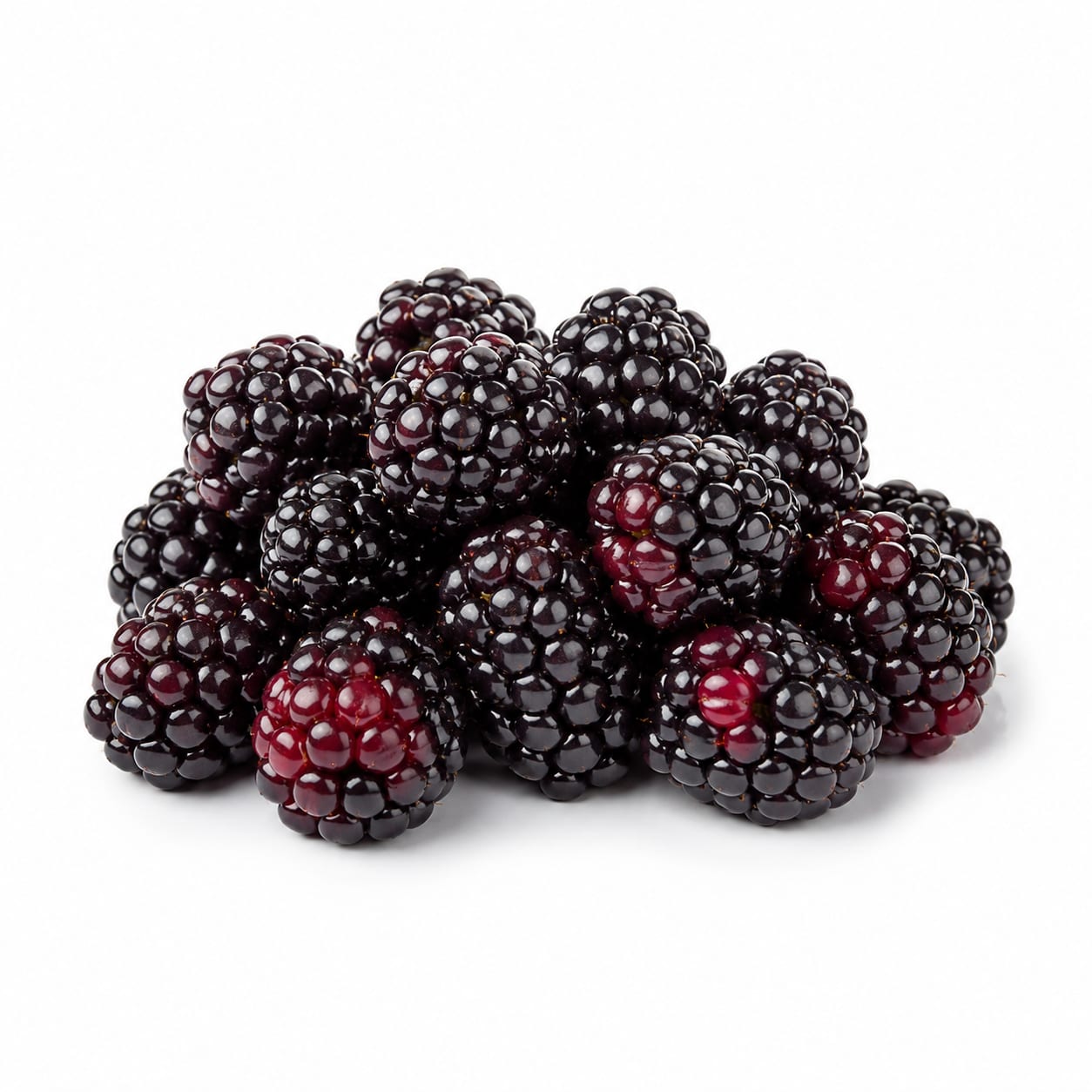
Marionberry
Marionberry edges ahead with a sweeter flavor most people prefer, slightly lower sugar, and exceptional antioxidant levels, but loganberry offers a bolder tartness that some palates love more.
Marionberry scores higher due to broader appeal, slightly better nutrient density, and superior fresh-eating versatility. Loganberry remains excellent but loses points for limited availability and a flavor profile that fewer people enjoy daily.
Loganberry delivers a sharper, more acidic bite that works beautifully in jams and desserts, while marionberry is sweeter, more versatile for fresh eating, and easier to find in season.
At a glance
Executive summary
Overall
Marionberry
Healthier
Marionberry
More practical
Marionberry
Daily use
Marionberry
Key comparison lenses
antioxidant density
Both berries are prized for anthocyanin content, but marionberry is specifically bred for peak antioxidant concentration
sugar and flavor balance
Loganberry is notably tarter while marionberry is sweeter, directly affecting enjoyment and blood sugar impact
regional availability and freshness
Marionberry is heavily tied to Oregon availability; loganberry is rarer and often found only in preserves
daily eating sustainability
Taste preference and access determine whether someone will actually eat either berry consistently
Best choice for
Loganberry
- Fans of tart, tangy fruit flavors
- Homemade jam and preserve makers
- People who find sweet berries cloying
- Culinary experimentation and unique desserts
Marionberry
- Fresh snacking and everyday eating
- Maximum antioxidant intake per calorie
- Smoothie and breakfast bowl builders
- People who prefer sweeter berries without added sugar
Least suitable for
Loganberry
- Those wanting easy fresh availability outside specialty markets
- People sensitive to tart or acidic flavors
- Anyone seeking a mild, kid-friendly berry
Marionberry
- People outside the Pacific Northwest during peak season
- Those who actively dislike sweet berries
- Shoppers on a tight budget when imported
Deep comparison
Dimension by dimension
Each lens scores both foods and breaks down who each option suits.
- Dimension 1 · Priority 95Marionberry
antioxidant_power
Loganberry · 78Marionberry · 91Marionberry is specifically cultivated for high anthocyanin content and consistently tests as one of the most antioxidant-rich berries available.
Tradeoff
Loganberry still delivers strong antioxidants from its blackberry-raspberry heritage, but marionberry was bred to maximize this trait.
Why it matters
More antioxidants mean better cellular protection and anti-inflammatory benefits over time, especially from regular consumption.
Real-world impact
Eating marionberries regularly gives your body a slightly bigger shield against oxidative stress from exercise, pollution, and aging.
Loganberry
- Decent antioxidant support from a unique hybrid profile
Better for
- Less studied for specific antioxidant benchmarks
Worse for
Marionberry
- Top-tier anthocyanin density among all berries
- Consistently high ORAC scores in lab testing
Better for
- None significant — this is marionberry's strongest category
Worse for
- Dimension 2 · Priority 90It depends
flavor_and_eating_enjoyment
Loganberry · 74Marionberry · 86Marionberry is sweeter and more universally appealing; loganberry is tarter and more polarizing but beloved by those who crave sharp fruit flavors.
Tradeoff
Sweetness makes marionberry easier to eat plain, but loganberry's tang gives it a distinctive edge in cooking and baking.
Why it matters
You will eat more of whichever berry you genuinely enjoy, which matters more than marginal nutrient differences.
Real-world impact
If you reach for marionberry as a snack without thinking, it wins. If loganberry's tartness excites you, that enthusiasm keeps you eating fruit.
Loganberry
- Bold tart flavor that cuts through rich dishes
- Complex acidity prized by jam makers and pastry chefs
Better for
- Too tart for many people to enjoy without sweetener
Worse for
Marionberry
- Balanced sweet-tart profile most people prefer fresh
- Often described as the best-tasting blackberry variety
Better for
- May taste too sweet for tart fruit enthusiasts
Worse for
- Dimension 3 · Priority 82Marionberry
sugar_and_blood_impact
Loganberry · 70Marionberry · 80Marionberry has slightly lower natural sugar per serving while tasting sweeter, giving it a rare double advantage.
Tradeoff
The difference is modest — both are low-sugar fruits compared to most options — but marionberry's better sugar-to-sweetness ratio is notable.
Why it matters
Less sugar with more perceived sweetness means less blood sugar impact without sacrificing enjoyment.
Real-world impact
A bowl of marionberries feels like a treat but keeps blood sugar steadier than you'd expect from the taste.
Loganberry
- Tartness means you naturally eat less if watching sugar
Better for
- People often add sugar to balance the tartness, negating the benefit
Worse for
Marionberry
- Lower actual sugar content per serving
- Higher fiber-to-sugar ratio
Better for
- Sweetness may trigger overeating in sugar-sensitive individuals
Worse for
- Dimension 4 · Priority 78It depends
fiber_and_digestive_value
Loganberry · 79Marionberry · 81Both berries provide excellent fiber, with marionberry holding a slight edge in total dietary fiber per serving.
Tradeoff
The fiber gap is small enough that digestive benefits are nearly identical between the two.
Why it matters
Fiber keeps you full, supports gut bacteria, and slows sugar absorption — all critical for daily fruit choices.
Real-world impact
Either berry gives you roughly a quarter of your daily fiber needs per cup, making both strong digestive allies.
Loganberry
- Good fiber from both raspberry and blackberry genetics
Better for
- Marginally less fiber density than marionberry
Worse for
Marionberry
- Slightly more fiber per calorie
- Seeds provide gentle digestive stimulation
Better for
- Seeds can bother sensitive digestive systems
Worse for
- Dimension 5 · Priority 76Marionberry
availability_and_practicality
Loganberry · 55Marionberry · 72Marionberry is widely available frozen and fresh in season across the US; loganberry is genuinely hard to find fresh and often only exists in preserved form.
Tradeoff
If you live in the Pacific Northwest, both are accessible in summer. Elsewhere, marionberry frozen is far easier to source.
Why it matters
The healthiest berry is the one you can actually buy and eat regularly.
Real-world impact
Most people will find marionberry at their grocery store freezer section. Loganberry requires specialty ordering or farmers market luck.
Loganberry
- Available as preserves and jams year-round online
Better for
- Very limited fresh availability
- Often only found in processed preserve form
- Rarely stocked in mainstream grocery stores
Worse for
Marionberry
- Widely sold frozen nationally
- Fresh availability in Oregon and Pacific Northwest during summer
- Easier to find organic options
Better for
- Fresh season is short and regionally concentrated
- Imported fresh marionberries can be expensive
Worse for
- Dimension 6 · Priority 72Marionberry
vitamin_and_mineral_density
Loganberry · 75Marionberry · 82Marionberry delivers slightly more vitamin C, vitamin K, and manganese per serving, though both are strong micronutrient sources.
Tradeoff
Loganberry inherits some vitamin C benefits from its raspberry parent, but marionberry's blackberry dominance gives it a mineral edge.
Why it matters
Consistent micronutrient intake from fruit supports immunity, bone health, and energy metabolism without supplements.
Real-world impact
A cup of marionberry covers more of your daily vitamin C and K needs, giving slightly better nutritional insurance per bite.
Loganberry
- Good vitamin C contribution from raspberry lineage
Better for
- Less mineral density than pure blackberry types
Worse for
Marionberry
- Higher manganese for bone and metabolic health
- More vitamin K per serving
- Slightly better overall micronutrient density
Better for
- Differences are modest and unlikely to matter alone
Worse for
Timeline
Health impact over time
Short-term
Hours to days
Loganberry
- Tart flavor may cause mild mouth puckering or increased salivation
- Natural acids can be slightly irritating on an empty stomach for sensitive people
- Fiber provides noticeable fullness after a cup serving
Marionberry
- Sweet flavor makes it easy to eat a large portion quickly
- Gentle on the stomach for most people
- Fiber creates steady satiety without bloating when eaten in normal amounts
Long-term
Months to years
Loganberry
- Strong antioxidant intake supports reduced inflammation when eaten regularly
- If consumed mainly as sweetened preserves, added sugar may undermine benefits
- Fiber contributes to healthy cholesterol levels over time
Marionberry
- Consistent anthocyanin intake linked to better cardiovascular and cognitive outcomes
- High fiber supports gut microbiome diversity with regular consumption
- Low calorie density aids weight maintenance when replacing higher-calorie snacks
Risk profile
Safety & processing
Both loganberry and marionberry are whole, unprocessed fruits when eaten fresh or frozen. The main processing concern is that loganberry is most commonly encountered as sweetened preserves, which adds refined sugar and reduces the natural health advantage.
Loganberry
pesticide_residue
mediumBerries are typically heavily sprayed crops. Loganberry's limited commercial production means less standardized pesticide data, but assume similar risk to other cane berries unless organic.
mold_and_spoilage
mediumLike all delicate berries, loganberries mold quickly after harvest. Inspect carefully and consume within 1-2 days of purchase.
Marionberry
pesticide_residue
mediumBlackberries frequently appear on pesticide concern lists. Choose organic when possible, especially for children.
mold_and_spoilage
mediumMarionberries are fragile and spoil fast. Refrigerate immediately and eat within 2-3 days of purchase.
Who wins for whom
Audience fit
Same foods, different winners depending on your goal.
children
MarionberryKids overwhelmingly prefer sweeter fruit, and marionberry's flavor is far more kid-friendly than loganberry's sharp tartness.
daily consumption
MarionberryMarionberry's balanced flavor, better availability, and slightly superior nutrient density make it easier to eat every day without fatigue.
diabetes
MarionberryMarionberry has slightly less sugar and a better fiber-to-sugar ratio, leading to gentler blood sugar response. Both are solid low-glycemic choices compared to most fruit.
elderly
MarionberryMarionberry's higher vitamin K supports bone health, and its softer sweetness is easier on aging palates. Both berries' fiber helps with common constipation concerns.
muscle gain
It dependsNeither berry is a meaningful protein source. Both offer similar antioxidant recovery benefits post-workout. Choose based on taste preference.
weight loss
MarionberryMarionberry's lower sugar and calorie content per serving, combined with higher fiber and sweeter taste, makes it more satisfying with less temptation to add sweetener.
Your move
Decision guide
Choose Loganberry
- You love tart, assertive fruit flavors and find sweet berries boring
- You make homemade jams, sauces, or desserts where acidity shines
- You want a conversation-starter fruit that most people have never tried
- You have access to fresh loganberries at a farmers market or specialty grower
Choose Marionberry
- You want the best-tasting berry for fresh snacking
- Maximum antioxidant intake per calorie is your priority
- You need a berry that's easy to find frozen year-round
- You're feeding kids or picky eaters who prefer sweeter fruit
- You want a versatile berry for smoothies, oatmeal, and baking
Either works if
- You just want a nutrient-dense berry and both are available
- You're making a mixed berry dish where individual flavor matters less
- You rotate fruits regularly and enjoy variety
Avoid both if
- You have a severe berry allergy or salicylate sensitivity
- You can only find them in heavily sweetened preserve form and are avoiding added sugar
- You need a high-protein or high-calorie food for recovery
Final recommendation
Go with marionberry if you want the most enjoyable, nutrient-packed everyday berry. Choose loganberry when you crave something tart and distinctive, especially for cooking. Both are excellent choices that outperform most fruit — the real win is eating either one regularly.
Practical
Consumer tips
- 1
Buy frozen marionberries if fresh are unavailable — they retain nearly all nutrients and are far more practical
- 2
Choose organic for both berries when possible, as cane berries are commonly sprayed
- 3
If buying loganberry preserves, look for low-sugar or no-sugar-added versions to preserve the health benefits
- 4
Wash both berries right before eating, not before storing, to prevent faster mold growth
- 5
Freeze fresh berries on a baking sheet first, then transfer to bags — this prevents clumping and lets you grab handfuls easily
- 6
Pair either berry with a handful of nuts or Greek yogurt for a balanced snack that steadies blood sugar