
Nutrition comparison
Boysenberry vs Loganberry: Nutrition, Taste, and Which Berry to Pick
Compare Boysenberry and Loganberry side by side. Learn which has more antioxidants, better flavor for snacking, and which is easier to find. Clear, practical nutrition guidance.
Overall winner · Boysenberry
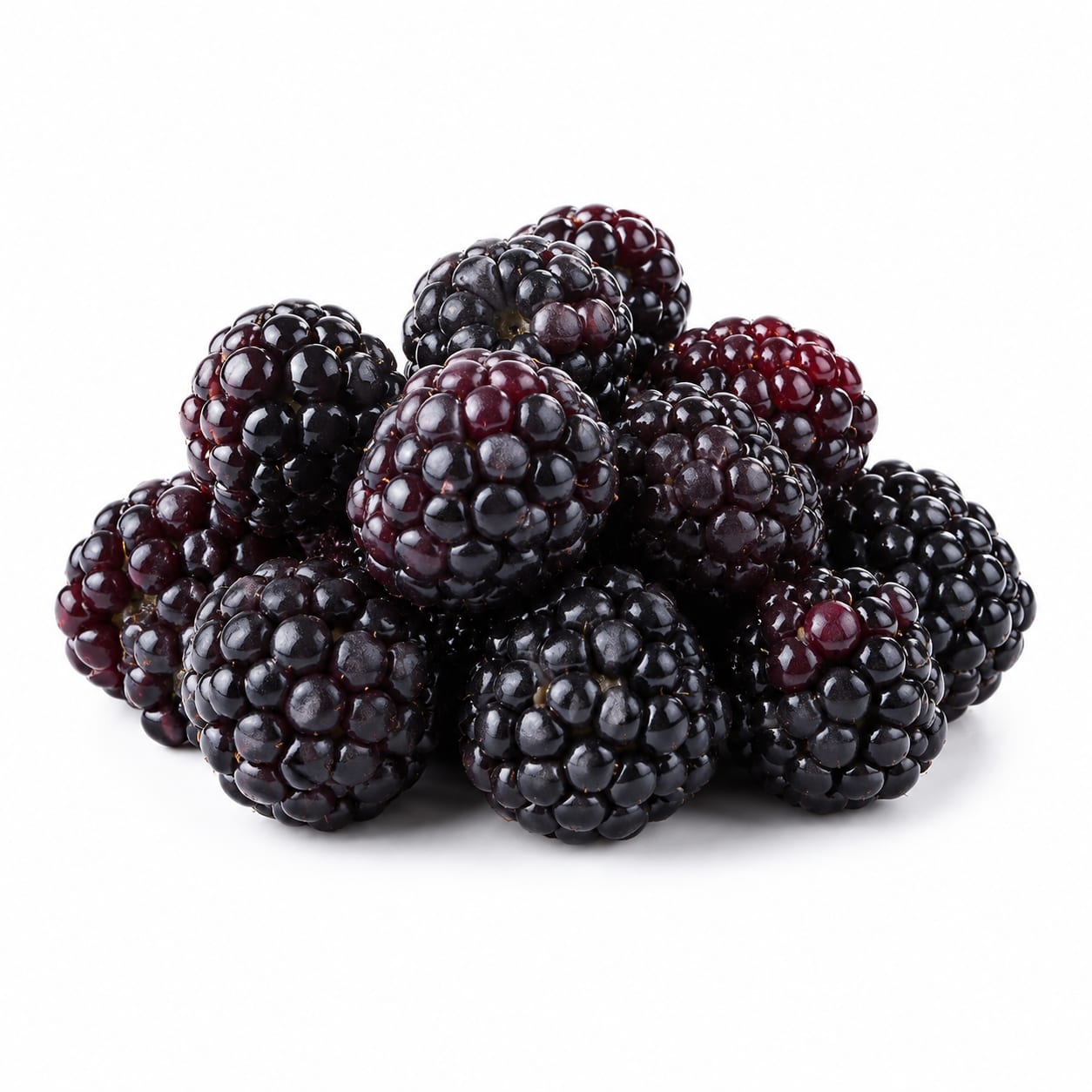
Boysenberry
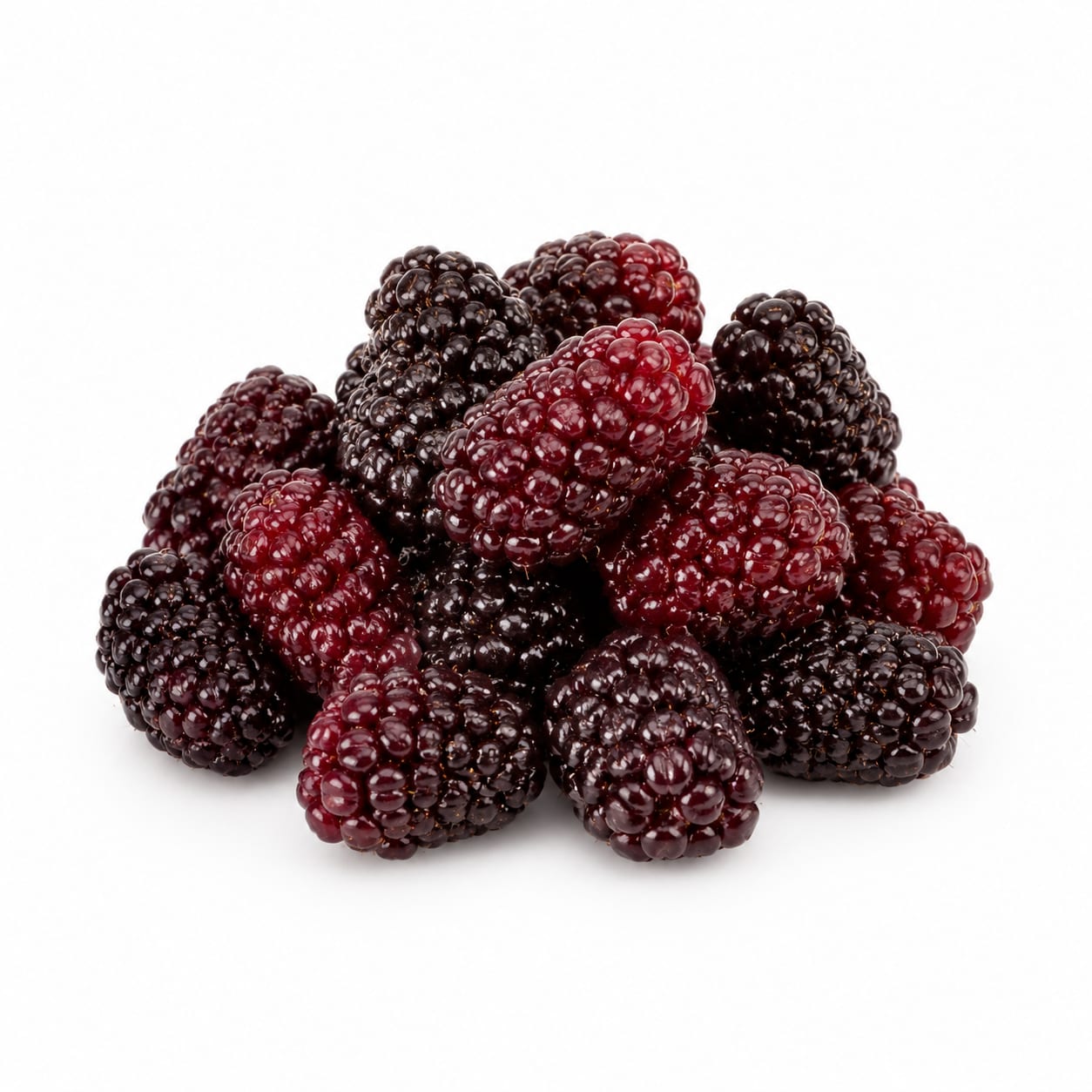
Loganberry
Boysenberry edges ahead with richer antioxidants and easier availability, though Loganberry offers a tangier flavor and slightly more vitamin C for those who can find it.
Boysenberry wins by a modest margin thanks to higher antioxidant levels and far better real-world availability. Loganberry stays competitive with a vitamin C edge and unique tart flavor, but scarcity drags down its practicality score.
Sweeter, more accessible Boysenberry versus tarter, rarer Loganberry with a modest vitamin C advantage
At a glance
Executive summary
Overall
Boysenberry
Healthier
Boysenberry
More practical
Boysenberry
Daily use
Boysenberry
Key comparison lenses
antioxidant density
Both berries are prized for deep pigmentation and anthocyanin content, making antioxidant comparison the most meaningful differentiator
flavor and culinary use
Boysenberry is notably sweeter while Loganberry trends tart, which directly affects how people enjoy them
availability and practicality
Loganberry is significantly harder to find fresh, making real-world access a key decision factor
vitamin and mineral profile
Subtle nutritional differences exist in vitamin C and manganese content that matter for daily consumption choices
Best choice for
Boysenberry
- Smoothie enthusiasts wanting natural sweetness without added sugar
- People seeking maximum antioxidant punch from berries
- Home gardeners in warm climates wanting prolific yields
- Anyone who finds tart fruit unpleasant
Loganberry
- Fans of bold, tart berry flavors in jams and desserts
- Bakers wanting a berry that holds structure under heat
- Those prioritizing vitamin C intake from whole foods
- Culinary experimenters seeking something less mainstream
Least suitable for
Boysenberry
- People watching sugar intake who prefer less sweetness
- Foragers in cooler climates where Boysenberry struggles
- Anyone seeking a distinctly tart baking berry
Loganberry
- Shoppers relying on standard grocery stores for fresh produce
- Those sensitive to tart flavors
- Anyone wanting a low-effort everyday snacking berry
Deep comparison
Dimension by dimension
Each lens scores both foods and breaks down who each option suits.
- Dimension 1 · Priority 90Boysenberry
antioxidant_density
Boysenberry · 82Loganberry · 71Boysenberry delivers more anthocyanins per serving due to its darker, more concentrated pigmentation.
Tradeoff
You get more antioxidant power from Boysenberry, but Loganberry still outperforms most common fruits easily.
Why it matters
Higher anthocyanin intake links to better vascular health and cognitive protection over time.
Real-world impact
Eating Boysenberry regularly may give your cells slightly better defense against daily oxidative stress.
Boysenberry
- Long-term cellular health
- Anti-aging nutrition strategies
- Brain-supportive eating patterns
Better for
- Marginally higher sugar slightly offsets pure antioxidant benefit
Worse for
Loganberry
- Still strong antioxidant intake compared to most fruits
- Variety in berry consumption for broader phytonutrient coverage
Better for
- Less total anthocyanin content means slightly less oxidative protection per serving
Worse for
- Dimension 2 · Priority 85It depends
flavor_and_eating_experience
Boysenberry · 78Loganberry · 76Boysenberry is sweeter and juicier; Loganberry is tangier with a sharper raspberry-like bite.
Tradeoff
Sweetness and approachability versus tart complexity that shines in cooked preparations.
Why it matters
Flavor directly determines whether you actually keep eating a food regularly.
Real-world impact
Kids and casual snackers gravitate toward Boysenberry, while pastry chefs often prefer Loganberry for balanced fillings.
Boysenberry
- Casual fresh snacking
- Smoothies needing less added sweetener
- Palates sensitive to sourness
Better for
- Can taste cloying in baked goods without acid adjustment
- Less complexity for sophisticated palates
Worse for
Loganberry
- Jams and preserves where tartness balances sugar
- Pies and tarts needing structural integrity and bright flavor
- Savory sauces pairing with rich meats
Better for
- Too tart for many people to enjoy fresh
- Often requires sweetening to be palatable raw
Worse for
- Dimension 3 · Priority 70Loganberry
vitamin_and_mineral_profile
Boysenberry · 68Loganberry · 74Loganberry provides slightly more vitamin C per serving, while both deliver similar fiber and manganese.
Tradeoff
Modest vitamin C advantage for Loganberry versus nearly identical mineral content across both berries.
Why it matters
Vitamin C supports immune function and iron absorption, making even small differences count during cold season.
Real-world impact
Choosing Loganberry gives you roughly 10-15% more vitamin C per cup, a meaningful but not dramatic edge.
Boysenberry
- Still solid vitamin C and K intake
- Slightly more folate per serving
Better for
- Lower vitamin C than Loganberry means slightly less immune support per serving
Worse for
Loganberry
- Superior vitamin C per calorie
- Immune support during winter months
Better for
- Advantage is modest and easily offset by eating any other vitamin C source
Worse for
- Dimension 4 · Priority 75Boysenberry
availability_and_convenience
Boysenberry · 70Loganberry · 42Boysenberry appears in more grocery stores, frozen sections, and product lines. Loganberry is genuinely hard to find.
Tradeoff
Easy access to Boysenberry versus the treasure-hunt reality of sourcing fresh Loganberry.
Why it matters
The healthiest berry is the one you can actually buy and eat consistently.
Real-world impact
Most people will encounter Boysenberry in jams, syrups, or frozen bags. Fresh Loganberry often requires farmers markets or mail-order plants.
Boysenberry
- Available frozen in many mainstream stores
- More commercial products featuring it
- Easier to incorporate into regular shopping
Better for
- Still not as common as blueberry or strawberry
Worse for
Loganberry
- Growing your own is straightforward if climate allows
- Specialty appeal for farm-to-table enthusiasts
Better for
- Rarely stocked fresh in stores
- Limited commercial product availability
- Higher effort to source consistently
Worse for
- Dimension 5 · Priority 65Boysenberry
digestive_health_and_fiber
Boysenberry · 73Loganberry · 70Both berries provide excellent fiber, with Boysenberry holding a slight edge due to larger fruit size and skin content.
Tradeoff
Marginal fiber advantage for Boysenberry, though both outperform most other fruits easily.
Why it matters
Fiber from whole berries supports gut bacteria diversity and steadier digestion.
Real-world impact
A cup of either berry covers roughly 20-25% of daily fiber needs, making both strong gut-health allies.
Boysenberry
- Slightly more fiber per cup
- Larger berries mean more skin-to-flesh ratio for insoluble fiber
Better for
- Higher sugar content slightly offsets pure fiber benefits for blood sugar
Worse for
Loganberry
- Still excellent fiber source
- Tartness may slow eating pace, aiding digestion signals
Better for
- Smaller serving sizes in practice due to tartness may reduce actual fiber consumed
Worse for
Timeline
Health impact over time
Short-term
Hours to days
Boysenberry
- Quick natural energy from easily digested fruit sugars
- Hydrating due to high water content
- Mild blood sugar rise that stabilizes within an hour for most people
Loganberry
- Vitamin C boost supporting immediate immune activity
- Tartness stimulates saliva and digestive enzyme release
- Similar blood sugar response with slightly less sugar load
Long-term
Months to years
Boysenberry
- Consistent anthocyanin intake supports vascular flexibility and memory
- Regular fiber contributes to healthy cholesterol levels
- Natural sweetness may reduce cravings for processed desserts
Loganberry
- Higher vitamin C intake supports collagen production and joint health over decades
- Antioxidant variety from different berry types broadens cellular protection
- Tart flavor profile helps maintain palate sensitivity to less processed foods
Risk profile
Safety & processing
Both Boysenberry and Loganberry are whole, minimally processed fruits when consumed fresh or frozen. Concerns only arise with processed products like jams and syrups, which add significant sugar and sometimes preservatives.
Boysenberry
Pesticide residue on conventionally grown fruit
mediumBerry crops are frequently treated; washing helps but does not eliminate all residue. Organic options reduce this significantly.
Mold and spoilage due to delicate skin
mediumBoysenberry bruises and molds quickly. Inspect containers carefully and refrigerate immediately.
Loganberry
Pesticide residue on conventionally grown fruit
mediumSimilar pesticide concerns to other cane berries. Sourcing organic or growing your own mitigates this.
Mold and spoilage due to delicate skin
mediumLoganberry is equally perishable. Use within two days of purchase for best safety and quality.
Who wins for whom
Audience fit
Same foods, different winners depending on your goal.
children
BoysenberryBoysenberry's natural sweetness appeals more to young palates without adding refined sugar.
daily consumption
BoysenberryBetter availability and more approachable flavor make Boysenberry the realistic daily choice for most people.
diabetes
LoganberryLower sugar content and higher tartness make Loganberry slightly gentler on blood glucose, though both are reasonable in moderation.
elderly
BoysenberrySofter texture and sweeter flavor make Boysenberry easier to enjoy for those with diminished appetite or dental sensitivity.
muscle gain
It dependsNeither berry is a protein source; both offer similar micronutrient support for recovery.
weight loss
LoganberryLoganberry's tartness naturally limits overconsumption while delivering slightly fewer calories per serving.
Your move
Decision guide
Choose Boysenberry
- You want a sweeter berry for smoothies, yogurt, or fresh snacking
- Availability matters and you shop at regular grocery stores
- Kids or picky eaters need to enjoy the fruit without added sweeteners
- You prioritize maximum antioxidant intake per serving
Choose Loganberry
- You love tart, complex flavors and find sweet berries boring
- You bake frequently and want a berry that holds shape and balances sugar
- You grow your own fruit and live in a climate suited to cane berries
- Vitamin C intake is a specific priority for you
Either works if
- You simply want more berry variety in your diet
- Both are available and you have no strong flavor preference
- You are rotating through different berries for broad phytonutrient coverage
Avoid both if
- You have a severe berry allergy or salicylate sensitivity
- You are on a very low-carb diet and cannot accommodate fruit sugars
- You cannot source either berry fresh or frozen and only find high-sugar processed versions
Final recommendation
Choose Boysenberry for everyday eating — it is sweeter, more available, and packs more antioxidants. Seek out Loganberry when you want a tart, vibrant berry for cooking or when you find it fresh at a farmers market. Eating both across different occasions gives you the broadest nutritional benefit.
Practical
Consumer tips
- 1
Buy frozen if fresh is unavailable — both berries retain nutrients well when flash-frozen
- 2
Check frozen ingredient lists to avoid added sugars or syrups
- 3
Wash all fresh berries in a vinegar-water solution to extend shelf life and reduce mold
- 4
Grow Loganberry at home if you have space; it is more productive than Boysenberry per plant
- 5
Pair either berry with a fat source like nuts or yogurt to slow sugar absorption and stay full longer
- 6
Avoid jams and syrups as your primary source — the sugar content dwarfs the berry benefits