
Nutrition comparison
Loganberry vs Red Currant: Which Berry Is Healthier?
Compare loganberry and red currant nutrition — vitamin C, sugar, antioxidants, and taste. Find out which berry fits your diet, snacking habits, and health goals.
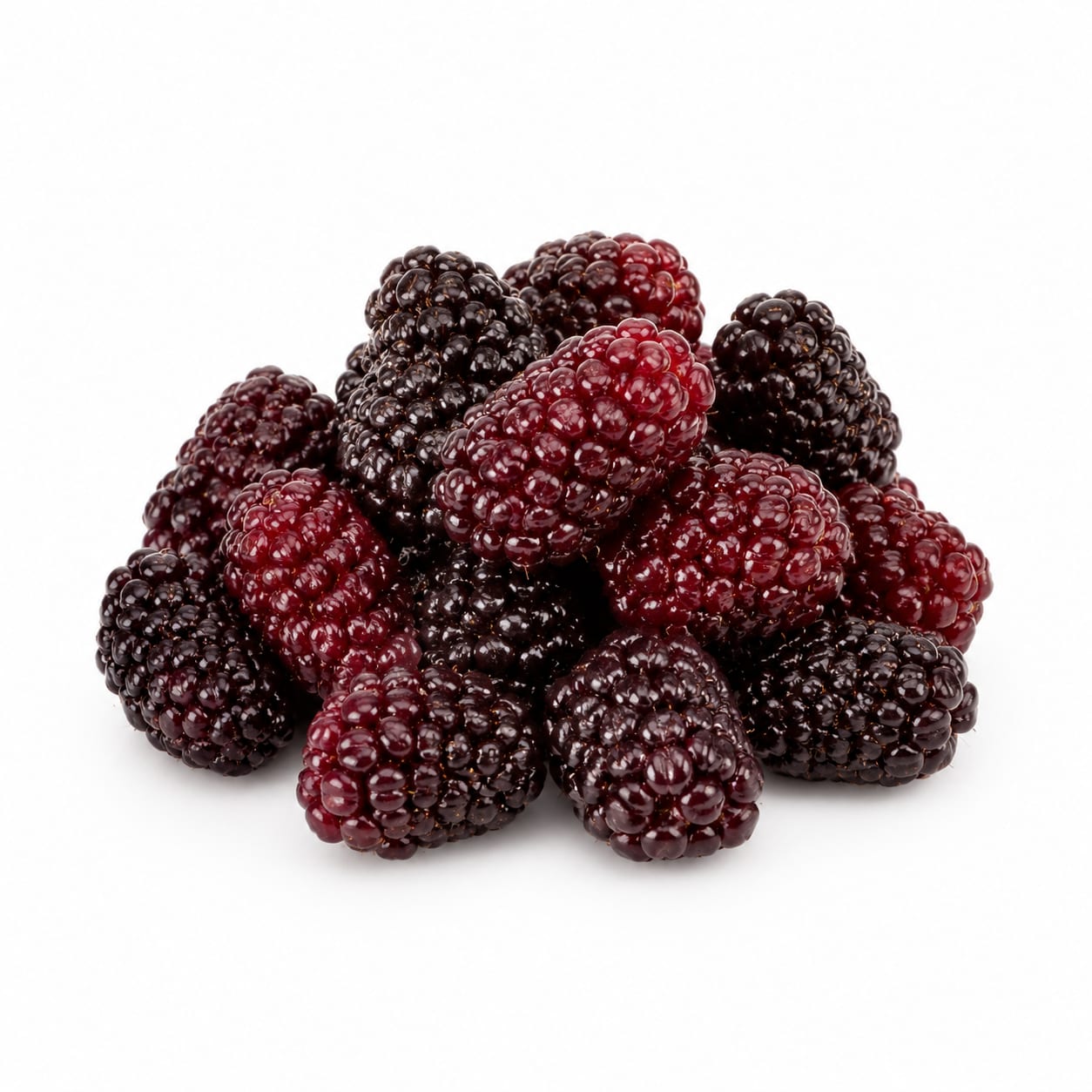
Loganberry
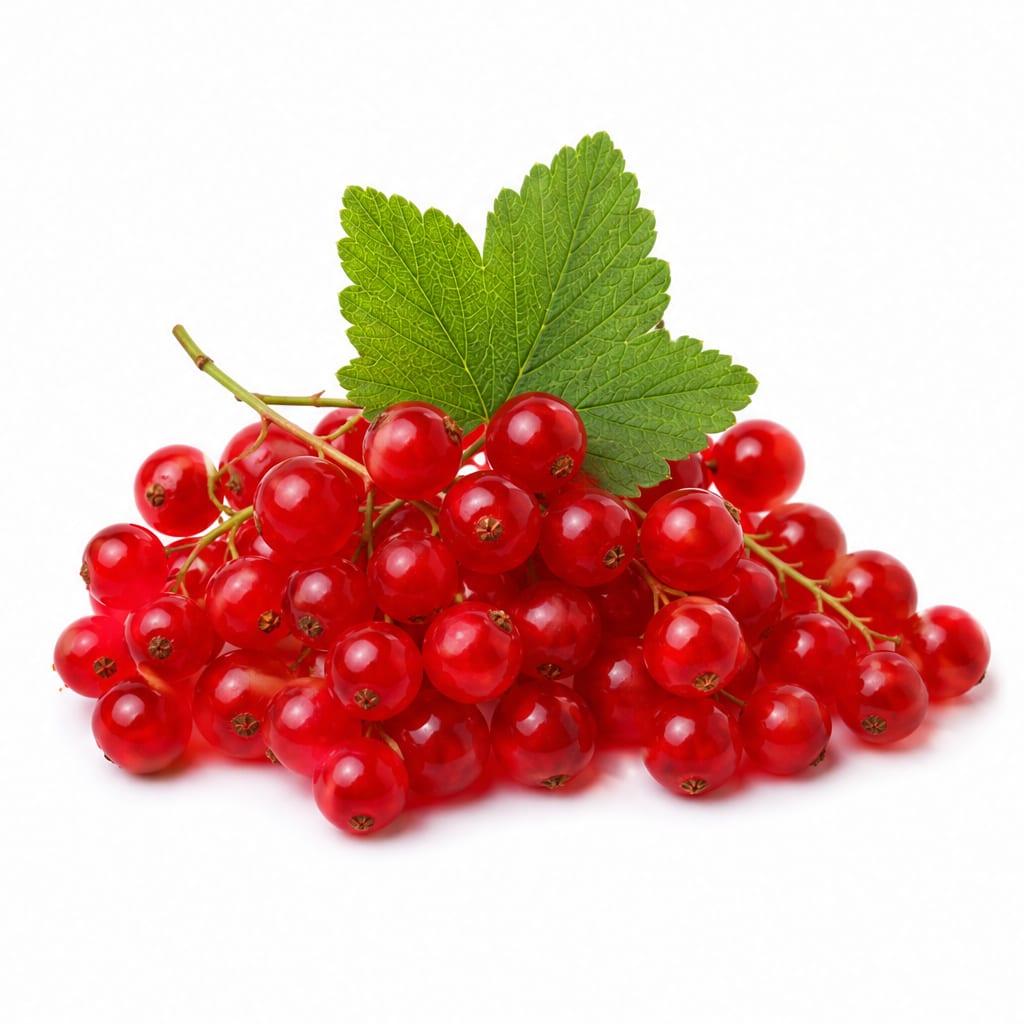
Red Currant
Loganberries win on flavor and fresh-eating appeal, while red currants edge ahead on vitamin C and lower sugar content.
Red currants score slightly higher due to superior vitamin C content and lower sugar, but loganberries stay competitive because they are far more enjoyable to eat fresh, which matters for long-term adherence to healthy habits.
Taste enjoyment versus nutritional density — loganberries are sweeter and more satisfying to eat raw, but red currants pack more vitamin C per bite with less sugar.
At a glance
Executive summary
Overall
It depends
Healthier
Red Currant
More practical
Loganberry
Daily use
Loganberry
Key comparison lenses
antioxidant and vitamin comparison
Both berries are prized for their phytonutrient density, so users want to know which delivers more protective compounds
sugar and tartness tradeoff
Red currants are significantly more tart with less sugar, while loganberries are sweeter and easier to eat fresh
daily snacking versatility
Flavor and ease of eating raw determines whether someone will actually reach for these daily
culinary use and recipe fit
These berries serve very different roles in the kitchen due to their taste profiles
blood sugar friendly option
Lower-sugar berry choices matter for people managing glucose or watching carbohydrate intake
Best choice for
Loganberry
- Fresh snacking and fruit bowls
- Kids who reject tart flavors
- Smoothies where you want natural sweetness without added sugar
- Anyone who finds sour fruit unpleasant
Red Currant
- Vitamin C maximization
- Low-sugar diets and diabetic meal plans
- Garnishing and visual presentation on dishes
- Making preserves and jellies where tartness shines
Least suitable for
Loganberry
- Strict low-sugar protocols
- People seeking the most vitamin C per calorie
- Traditional European pastry recipes that need tartness
Red Currant
- Casual fresh snacking for most people
- Children sensitive to sour flavors
- Smoothies without added sweetener
Deep comparison
Dimension by dimension
Each lens scores both foods and breaks down who each option suits.
- Dimension 1 · Priority 92Red Currant
Vitamin C Density
Loganberry · 60Red Currant · 88Red currants deliver roughly 40% more vitamin C per serving than loganberries, making them a stronger immune-support choice.
Tradeoff
You get more vitamin C from red currants but must tolerate their sharp tartness to benefit.
Why it matters
Vitamin C supports immunity, skin health, and iron absorption — getting more from a small serving is genuinely useful.
Real-world impact
A handful of red currants covers a larger chunk of your daily vitamin C needs without supplementation.
Loganberry
- Getting moderate vitamin C with a more pleasant eating experience
Better for
- Relying on loganberries as a primary vitamin C source
Worse for
Red Currant
- Maximizing vitamin C intake per calorie consumed
Better for
- Getting that vitamin C only if you can handle the sourness
Worse for
- Dimension 2 · Priority 88Red Currant
Sugar Content and Blood Sugar Impact
Loganberry · 55Red Currant · 82Red currants contain significantly less sugar per serving, resulting in a gentler blood sugar response.
Tradeoff
Lower sugar means steadier energy from red currants, but the intense tartness may push people toward adding sweeteners.
Why it matters
For anyone watching blood sugar — whether diabetic, prediabetic, or simply avoiding energy crashes — this difference is meaningful.
Real-world impact
Red currants are less likely to cause a post-snack energy dip, making them a safer afternoon pick.
Loganberry
- Active individuals who can handle the extra carbs
Better for
- Blood sugar-sensitive people eating large portions
Worse for
Red Currant
- Diabetics and insulin-resistant individuals
- Keto-adjacent eaters keeping carbs low
Better for
- Anyone who compensates for tartness by adding sugar in recipes
Worse for
- Dimension 3 · Priority 85Loganberry
Fresh Eating Enjoyment
Loganberry · 88Red Currant · 50Loganberries are sweeter, larger, and far more pleasant to eat raw — red currants are an acquired taste most people find too sour.
Tradeoff
The berry that tastes better fresh is the one you will actually eat regularly, which matters more than marginal nutrient differences.
Why it matters
Nutrition only works if you consume it. A berry you enjoy eating daily beats a superior berry sitting in your fridge untouched.
Real-world impact
Most people can snack on loganberries straight from the container; red currants often need to be mixed into things.
Loganberry
- Effortless daily fruit intake
- Kids and picky eaters
- Office desk snacking
Better for
- Situations where tartness is specifically desired
Worse for
Red Currant
- Culinary enthusiasts who appreciate tart flavors
- People who enjoy sour fruit as a palate cleanser
Better for
- Spontaneous snacking — most people will not reach for these raw
Worse for
- Dimension 4 · Priority 80Loganberry
Antioxidant Diversity
Loganberry · 82Red Currant · 75Loganberries inherit anthocyanins from their blackberry parentage, offering a broader spectrum of dark-pigment antioxidants than red currants.
Tradeoff
More antioxidant variety from loganberries, but red currants still provide solid protection from their own unique polyphenol mix.
Why it matters
Diverse antioxidant intake correlates with better long-term cellular protection and reduced inflammatory burden.
Real-world impact
Regular loganberry consumption gives your body a wider toolkit for fighting oxidative stress over the years.
Loganberry
- Long-term anti-inflammatory eating patterns
- People who do not eat many dark-colored fruits
Better for
- Overstating the gap — both berries are strong antioxidant sources
Worse for
Red Currant
- Adding variety to an already colorful diet
Better for
- Relying solely on red currants when you could benefit from darker berry pigments
Worse for
- Dimension 5 · Priority 72Loganberry
Fiber and Satiety
Loganberry · 78Red Currant · 65Loganberries are larger with slightly more fiber per serving, making them marginally more filling.
Tradeoff
Neither berry is a fiber powerhouse, but loganberries offer a small edge that contributes to feeling satisfied after eating.
Why it matters
Even small fiber differences affect how long a snack keeps you full before reaching for something else.
Real-world impact
A cup of loganberries holds you over slightly longer between meals than the same volume of red currants.
Loganberry
- Bridging the gap between meals without extra calories
Better for
- Anyone expecting significant fiber from berries alone
Worse for
Red Currant
- Light garnish where filling up is not the goal
Better for
- Situations where you need a snack to actually suppress hunger
Worse for
- Dimension 6 · Priority 70It depends
Culinary Versatility
Loganberry · 75Red Currant · 75Loganberries excel in desserts, smoothies, and fresh applications; red currants shine in jellies, sauces, garnishes, and savory pairings.
Tradeoff
Each berry dominates different culinary niches — neither is a universal substitute for the other.
Why it matters
Choosing the right berry for your cooking style prevents wasted ingredients and disappointing results.
Real-world impact
Red currant jelly is a classic for a reason; loganberry pie fills a different but equally valid niche.
Loganberry
- Smoothies, cobblers, fruit salads, pancake toppings
Better for
- Traditional European recipes calling for currant tartness
Worse for
Red Currant
- Jellies, glazes, garnishes, savory meat sauces
Better for
- American-style berry desserts where sweetness is expected
Worse for
Timeline
Health impact over time
Short-term
Hours to days
Loganberry
- Quick natural energy from moderate sugar content
- Mild satiety from fiber and water content
- Unlikely to cause blood sugar spikes in normal portions
Red Currant
- Very low blood sugar impact — steadier energy
- Tartness may stimulate saliva and digestive juices
- Vitamin C boost supports short-term immune readiness
Long-term
Months to years
Loganberry
- Consistent antioxidant intake from dark pigments supports cellular health
- Enjoyable flavor encourages sustained fruit consumption habits
- Moderate sugar is manageable but adds up with large daily portions
Red Currant
- Superior vitamin C intake supports collagen, skin, and immune resilience over decades
- Lower sugar intake reduces cumulative metabolic burden
- Tartness may limit intake frequency, reducing actual long-term benefit if avoided
Risk profile
Safety & processing
Both loganberries and red currants are whole, unprocessed fruits with essentially zero additive concerns when purchased fresh or frozen. The main risk comes from added sugars in processed products like jams and jellies.
Loganberry
Pesticide residue
mediumBerries are consistently on the EWG Dirty Dozen list; loganberries should be washed thoroughly or bought organic when possible.
Mold and spoilage
mediumLike all soft berries, loganberries mold quickly — inspect containers and consume within a few days of purchase.
Red Currant
Pesticide residue
mediumSmall berries have high surface-area-to-volume ratios, making pesticide residue a concern without organic sourcing or thorough washing.
Mold and spoilage
highRed currants are extremely perishable and mold rapidly; refrigerate immediately and use within two days for best safety.
Who wins for whom
Audience fit
Same foods, different winners depending on your goal.
children
LoganberryMost children reject the intense tartness of red currants but will eat loganberries willingly, making them the practical choice.
daily consumption
LoganberryThe berry you actually enjoy eating every day is the one that provides consistent benefit — loganberries win on palatability and habit sustainability.
diabetes
Red CurrantSignificantly less sugar and a gentler glycemic impact make red currants the safer option for blood sugar management.
elderly
Red CurrantHigher vitamin C supports aging immune systems and collagen maintenance, and the lower sugar is beneficial for metabolic health in older adults.
muscle gain
It dependsNeither berry is relevant for muscle gain — both provide negligible protein. Choose based on what fits your overall meal plan.
weight loss
Red CurrantLower sugar and calorie density per satisfying tart serving make red currants a smarter choice for calorie-conscious eating.
Your move
Decision guide
Choose Loganberry
- You want a berry you can eat fresh without wincing
- Your kids or family members refuse sour fruit
- You prioritize dark-pigment antioxidant diversity
- You need a versatile berry for smoothies and desserts
- You care more about long-term eating consistency than marginal nutrient advantages
Choose Red Currant
- You are managing blood sugar or following a low-carb approach
- You want maximum vitamin C per serving
- You enjoy tart flavors or use berries primarily in cooking
- You are making jellies, glazes, or savory sauces
- You want a garnish that adds visual pop and sharp flavor
Either works if
- You are already eating a varied berry mix and want to add diversity
- You are buying frozen for smoothies where tartness gets blended away
- You rotate fruits seasonally and both are available
Avoid both if
- You have a severe berry allergy or salicylate sensitivity
- You are on a very strict potassium-restricted diet for kidney disease
- You cannot access fresh or frozen versions and only find high-sugar processed products
Final recommendation
Keep both in rotation if possible — loganberries for enjoyable daily snacking and red currants for recipes and vitamin C boosts. If you must pick one, choose loganberries for sustainability (you will actually eat them) or red currants for nutritional density (if you enjoy tartness). The best berry is the one that fits your life, not just your nutrient spreadsheet.
Practical
Consumer tips
- 1
Buy both berries frozen when out of season — frozen berries retain nutrients well and are often cheaper than fresh imports.
- 2
Wash all berries thoroughly in a vinegar-water solution to reduce pesticide residue and extend shelf life.
- 3
If red currants are too tart for you raw, try them in yogurt with a drizzle of honey — the protein and fat balance the sourness.
- 4
Loganberries pair exceptionally well with other dark berries in mixed berry blends for broader antioxidant coverage.
- 5
Check farmers markets for loganberries — they are harder to find in standard grocery stores than red currants.
- 6
Red currant jelly is one of the few berry products that tastes genuinely better than homemade from most other fruits — worth trying even if raw currants are not your thing.