
Fruit
Kiwano
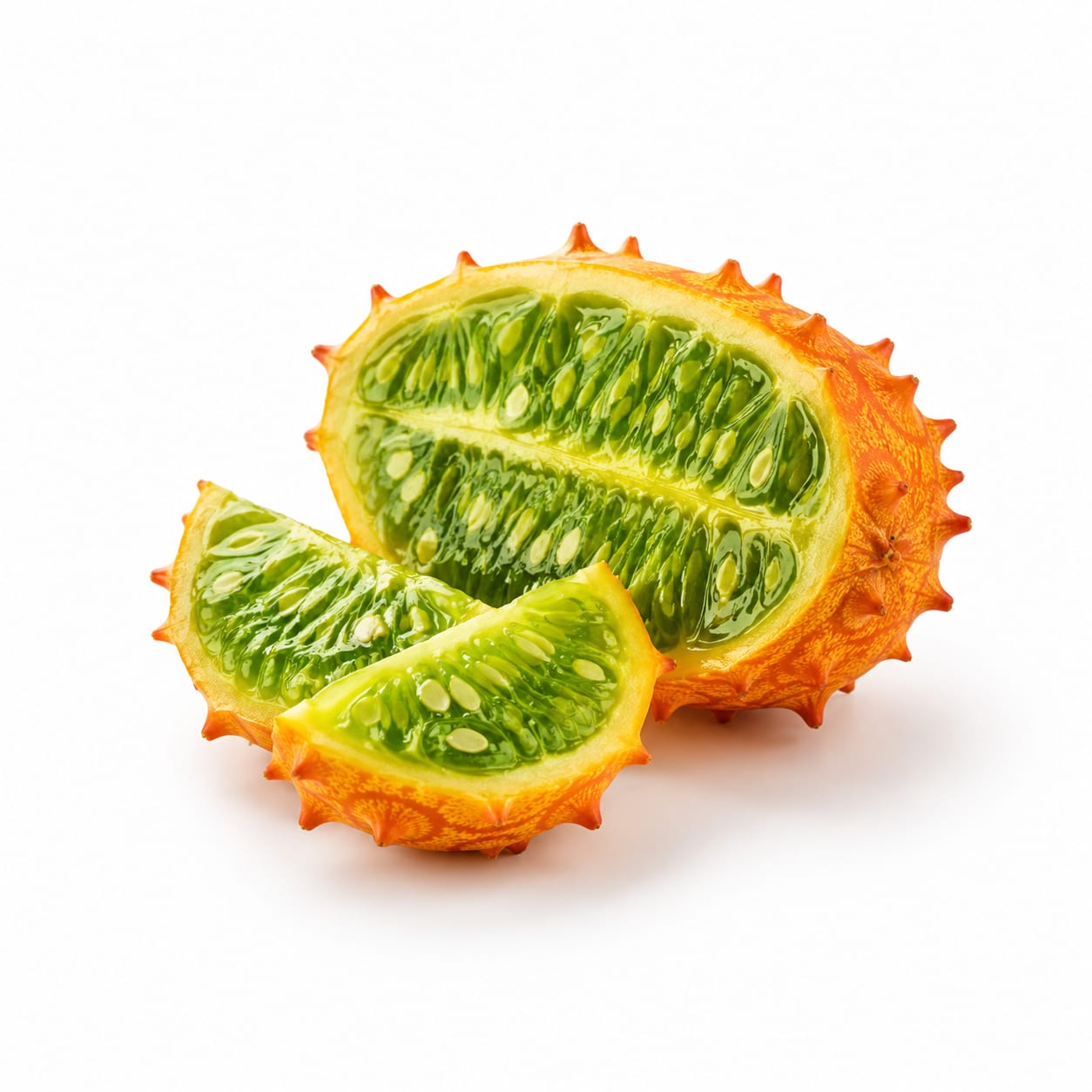
A spiky, orange-skinned tropical fruit with green jelly-like flesh, known for its high water content and mild cucumber-banana flavor.
Kiwano, also known as horned melon or spiked melon, is a tropical fruit native to Africa with distinctive spiky orange-yellow skin and bright green, jelly-like flesh filled with edible seeds. It has a mild, slightly tart flavor often described as a cross between banana, cucumber, and lime.
high-volume low-calorie hydrating fruit
Typical serving · 150g
Common varieties · green-fleshed, orange-fleshed, yellow-skinned
Overall context score across nutrition, safety, and diet fit
At a glance
Quick facts
Simple indicators based on nutrition, processing, and diet fit.
The story
What makes it unique
Kiwano is a low-energy-density fruit composed mostly of water and simple sugars, with edible seeds providing dietary fat and insoluble fiber. Its high water content and seed matrix slow gastric emptying, resulting in a low glycemic response and moderate satiety despite its low calorie count.
Varieties: green-fleshed · orange-fleshed · yellow-skinned
Per 100g
Nutrition breakdown
Macro balance and key metrics at a glance.
Energy
Density 0.44 kcal/g
Protein
Carbs
Fat
Fiber
Sugar
4 g
Sodium
2 mg
Potassium
200 mg
Glycemic index
15
Glycemic load
1
Water content
88%
Standout compounds
Nutrient highlights
Vitamin C
moderateSupports immune function and collagen synthesis
Potassium
moderateRegulates fluid balance and supports healthy blood pressure
Magnesium
lowImportant for muscle and nerve function
Dietary Fiber
moderatePromotes digestive regularity and gut health
Unsaturated Fats
lowSupports heart health from the edible seeds
Wellness map
Health scores & processing
NOVA processing scale
unprocessed · Whole food
Kiwano is a whole, raw fruit consumed in its natural state without any alteration or addition of ingredients.
Diet compatibility
- Weight loss
- Muscle gain
- Diabetes
- Gut health
- Low carb
- High protein
- Heart health
Relative standing
Food rankings
Qualitative ranks compared to similar whole foods.
- Satietygood
- Blood sugarexcellent
- Nutrient densitymoderate
- Fitness fuelmoderate
- Processing qualityexcellent
Eat with confidence
Food safety profile
Kiwano is generally very safe to consume. The thick, spiky skin shields the flesh from pesticide penetration and microbial contamination. The primary risk is minor physical injury from the sharp spikes when handling.
Evidence confidence 85%
- Pesticideslow
- Antibioticslow
- Heavy metalslow
- Contaminationlow
Watch for
- soil-borne bacteria on skin
Safer choices
Organic kiwano is available but conventional is also very low risk due to the thick rind.
Prep tips
Rinse the exterior thoroughly under running water before slicing to prevent transferring dirt or bacteria from the spiky skin to the flesh.
None significant. The thick skin protects the edible flesh from most agricultural chemical residues.
Deep dive
Health analysis
How this food may fit different goals and preparation choices.
Weight loss
Excellent for weight loss due to extremely low energy density. The high water and fiber content provide physical fullness with very few calories.
Blood sugar
Highly suitable for blood sugar control. The low glycemic index and low glycemic load mean it causes minimal blood sugar spikes, making it safe for diabetics.
Fitness & energy
Provides quick hydration and light carbohydrates, but lacks the dense carb or protein content needed for intense workout recovery or muscle building.
Gut health
The edible seeds offer insoluble fiber which adds bulk to stool and promotes regular bowel movements, though the total fiber volume per serving is modest.
Processing quality
A completely unprocessed whole food with maximal nutrient retention and no added sugars or artificial ingredients.
Food safety
Very safe. The tough, spiky exterior acts as a natural barrier against pests, pesticides, and bacteria. Wash the skin before cutting.
Common mistakes
Discarding the seeds, which contain most of the fruit's fiber, healthy fats, and protein. Also, waiting too long to eat it after it turns fully orange, as it may become overripe and mushy.
Best preparation
Slice in half lengthwise and scoop the jelly-like flesh and seeds directly out with a spoon. Can also be strained to use the juice in drinks or dressings.
Practical guide
Best use cases
When and how this food fits real eating patterns.
Low-calorie hydration snack
Its 88% water content and low calorie profile make it perfect for staying hydrated and full during hot weather.
Diabetic-friendly fruit option
Provides a sweet, fruity experience with minimal glycemic impact, ideal for those monitoring blood sugar.
Culinary garnish
The vibrant green flesh and unique spiky shell make it a visually striking garnish for cocktails, desserts, and fruit salads.
Balance sheet
Pros & cons
Upsides
- Very low in calories and energy density
- High water content promotes hydration
- Very low glycemic impact suitable for diabetics
- Edible seeds provide beneficial fats and fiber
- Unique, mild flavor that pairs well with sweet and savory dishes
Trade-offs
- Can be expensive and hard to find in regular grocery stores
- Spiky skin can cause minor cuts if handled carelessly
- Mild flavor may be underwhelming for those expecting intense sweetness
- Not a significant source of macronutrients for meal replacement
Fit check
Who is it for?
Great match
- weight loss diets
- blood sugar management
- low-carb eating plans
- hydration in hot climates
Consider alternatives
- high-protein diets
- calorie-dense bulking phases
- strict ketogenic diets
- those seeking strong, sweet flavors
Side by side
How it compares
Open the full head-to-head analysis for nutrition, safety, and practical tradeoffs.
This food
Kiwano
VS85% alike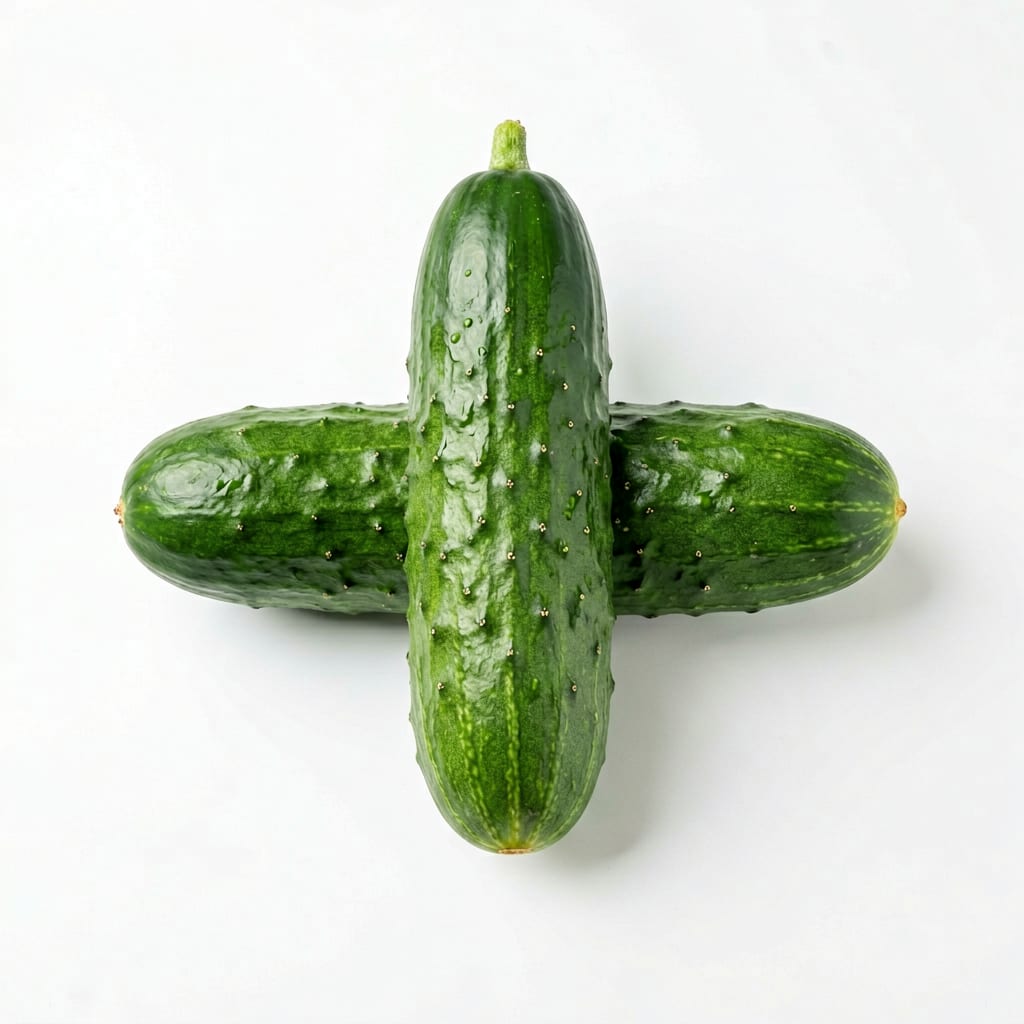
Compare with
Cucumber
Kiwano offers more vitamin C and a sweeter, more complex flavor, while cucumber is more widely available, cheaper, and slightly lower in calories.
Kiwano provides more vitamin C and flavor variety, while cucumber is slightly lower in calories and easier to find for everyday snacking.
This food
Kiwano
VS75% alike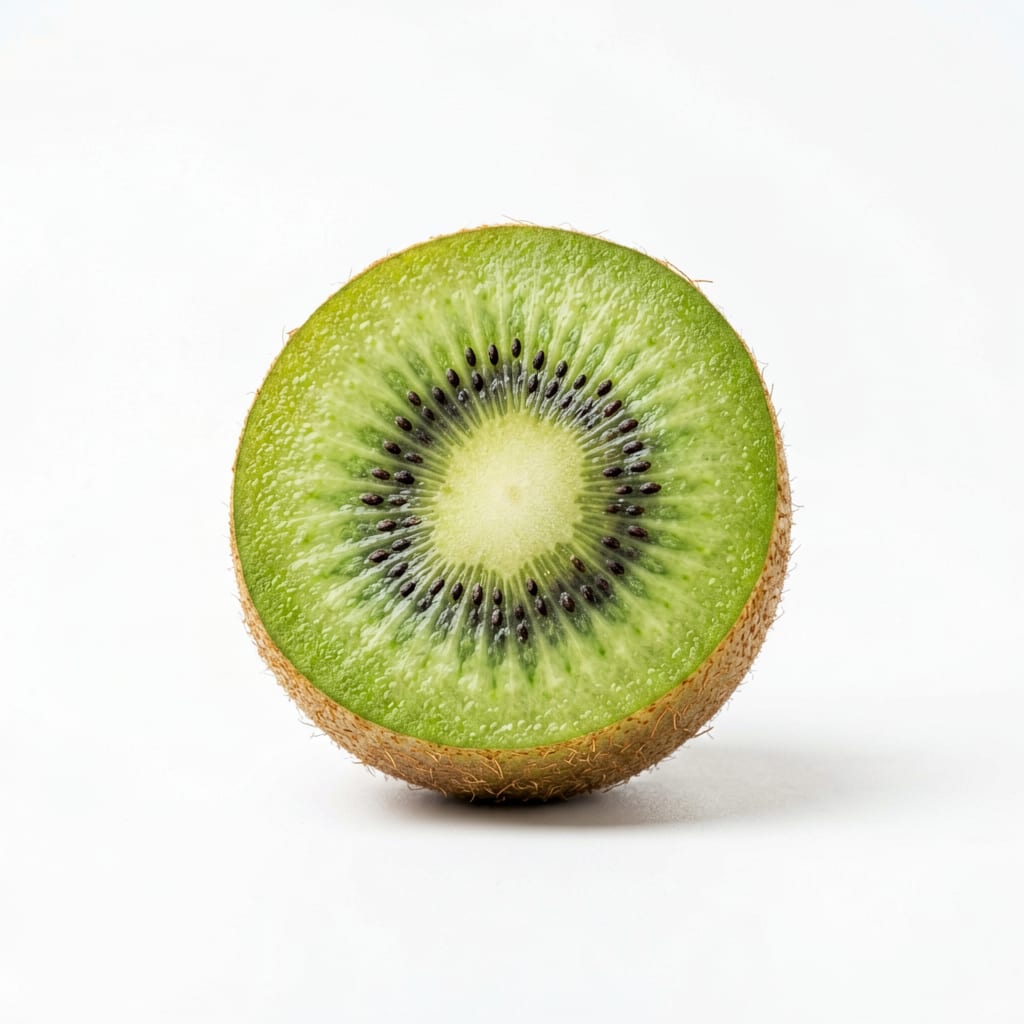
Compare with
Kiwi
Kiwi is much higher in vitamin C and fiber, with a more tart and sweet flavor. Kiwano is lower in sugar and has a milder taste.
Kiwi packs more vitamin C and fiber, but kiwano is lower in sugar and better for strict blood sugar control.
This food
Kiwano
VS70% alike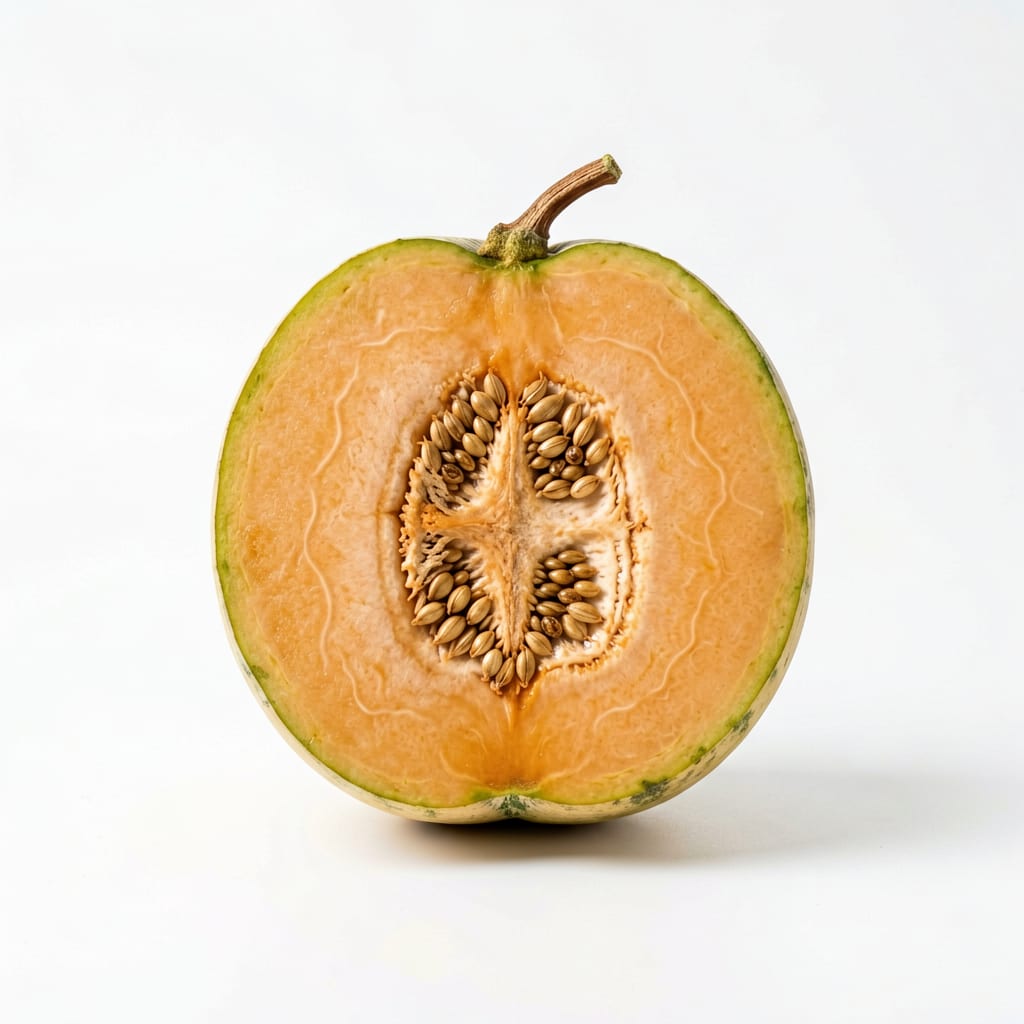
Compare with
Cantaloupe
Cantaloupe is much sweeter and higher in beta-carotene, but contains more sugar. Kiwano is lower in calories and sugar.
Cantaloupe offers more sweetness and vitamin A, while kiwano is lower in calories and sugar for weight loss diets.
This food
Kiwano
VS65% alike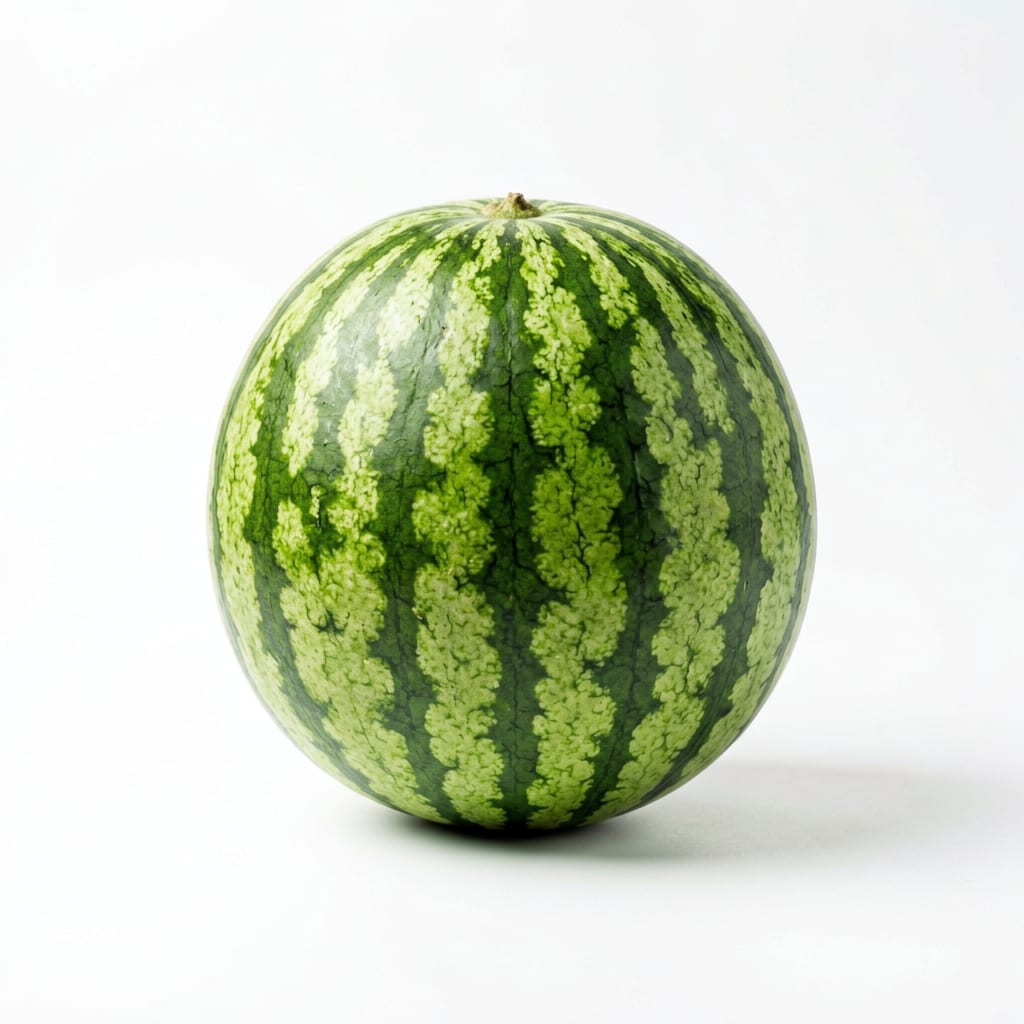
Compare with
Watermelon
Watermelon is sweeter and higher in lycopene, while kiwano has more dietary fat from seeds and a lower glycemic load.
Watermelon is sweeter and better for post-workout hydration, while kiwano is lower in sugar and better for satiety.
This food
Kiwano
VS60% alike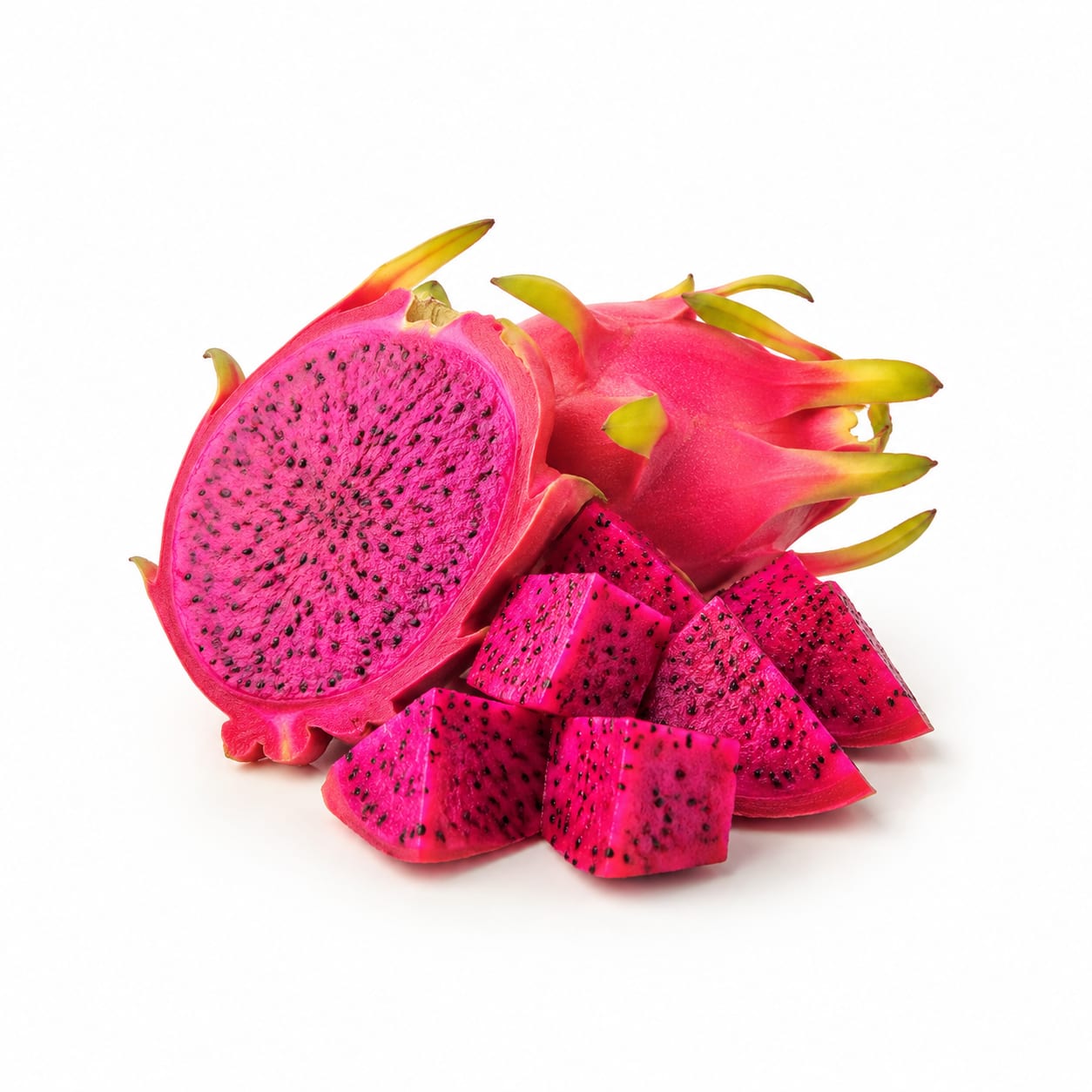
Compare with
Dragon Fruit
Dragon fruit is slightly higher in fiber and calories, while kiwano is lower in sugar and has a more tart flavor profile.
Dragon fruit provides more fiber, but kiwano is lower in sugar and calories for those managing their weight.
This food
Kiwano
VS55% alike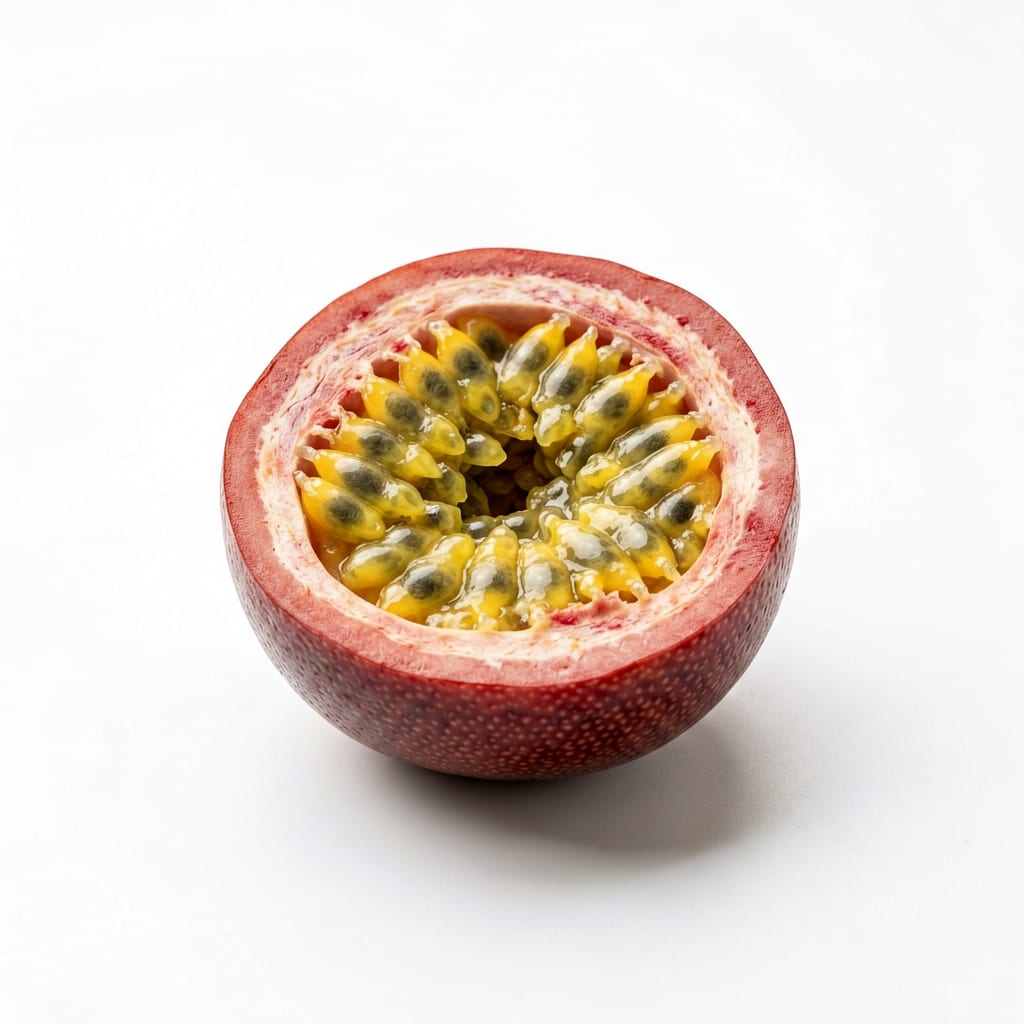
Compare with
Passion Fruit
Passion fruit is much more intensely flavored and higher in fiber, but also higher in sugar and calories than kiwano.
Passion fruit offers a stronger flavor and more fiber, but kiwano is the better low-calorie, low-sugar option.
This food
Kiwano
VS50% alike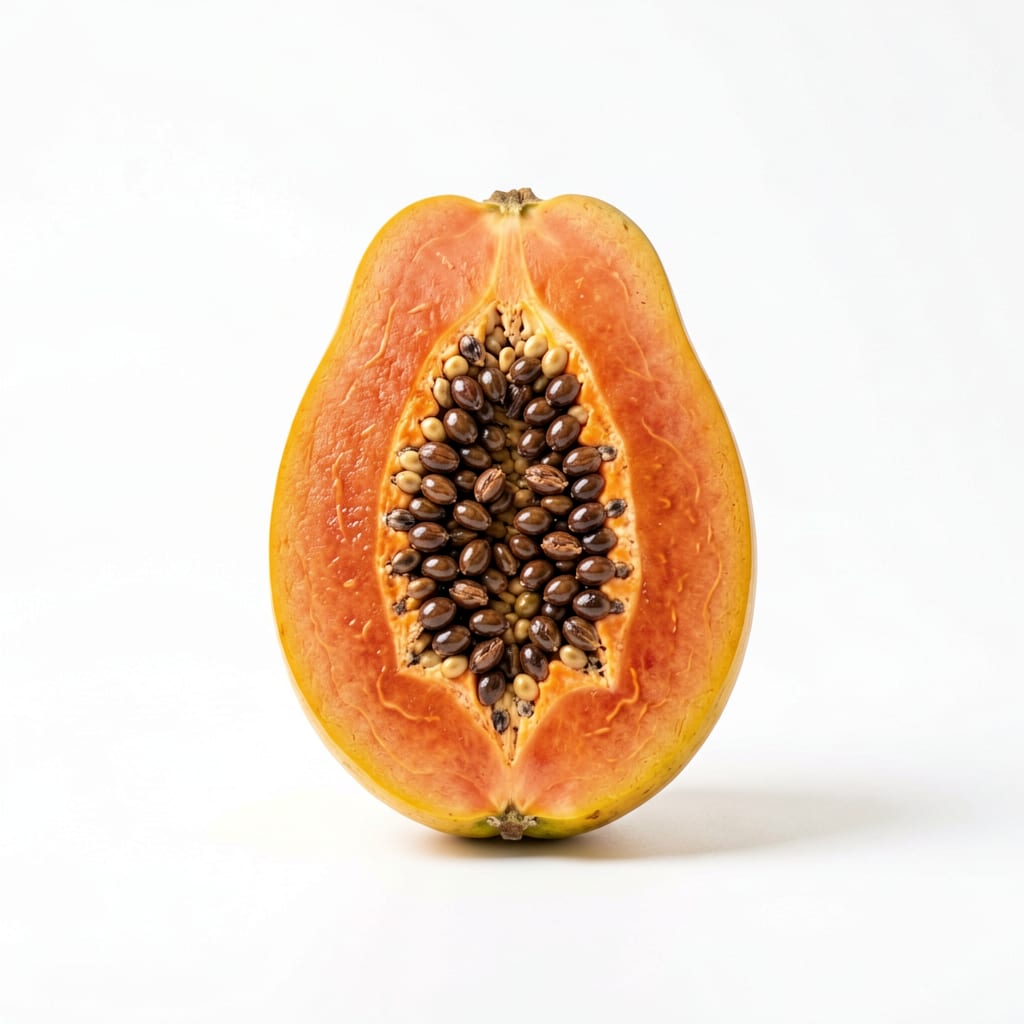
Compare with
Papaya
Papaya is much sweeter, higher in calories, and richer in vitamin C and A, while kiwano is lower in sugar and more hydrating.
Papaya provides more vitamins and natural sweetness for energy, while kiwano is lower in calories and better for blood sugar control.
This food
Kiwano
VS45% alike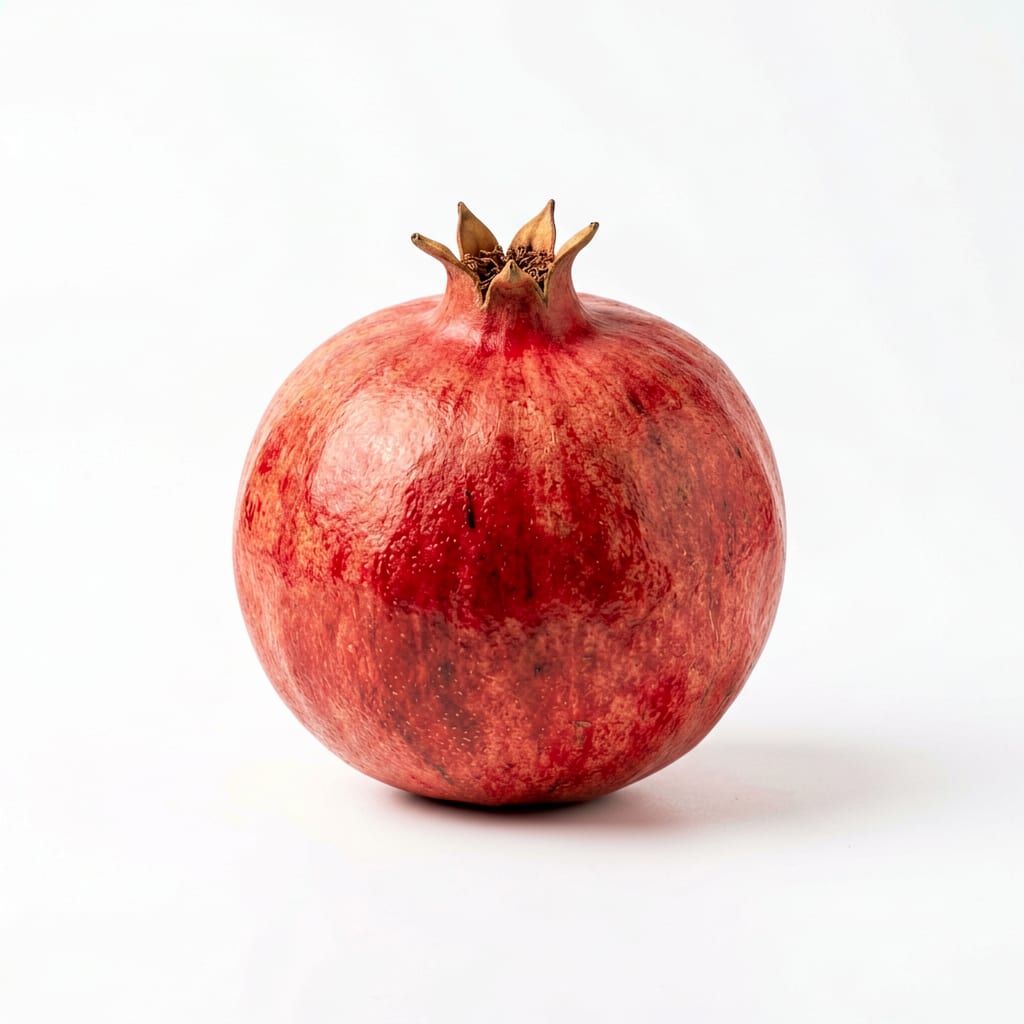
Compare with
Pomegranate
Pomegranate is a powerhouse of antioxidants and fiber but is much higher in sugar. Kiwano is far lower in calories and sugar.
Pomegranate is richer in antioxidants and fiber, but kiwano is significantly lower in sugar and calories for weight loss.
This food
Kiwano
VS65% alike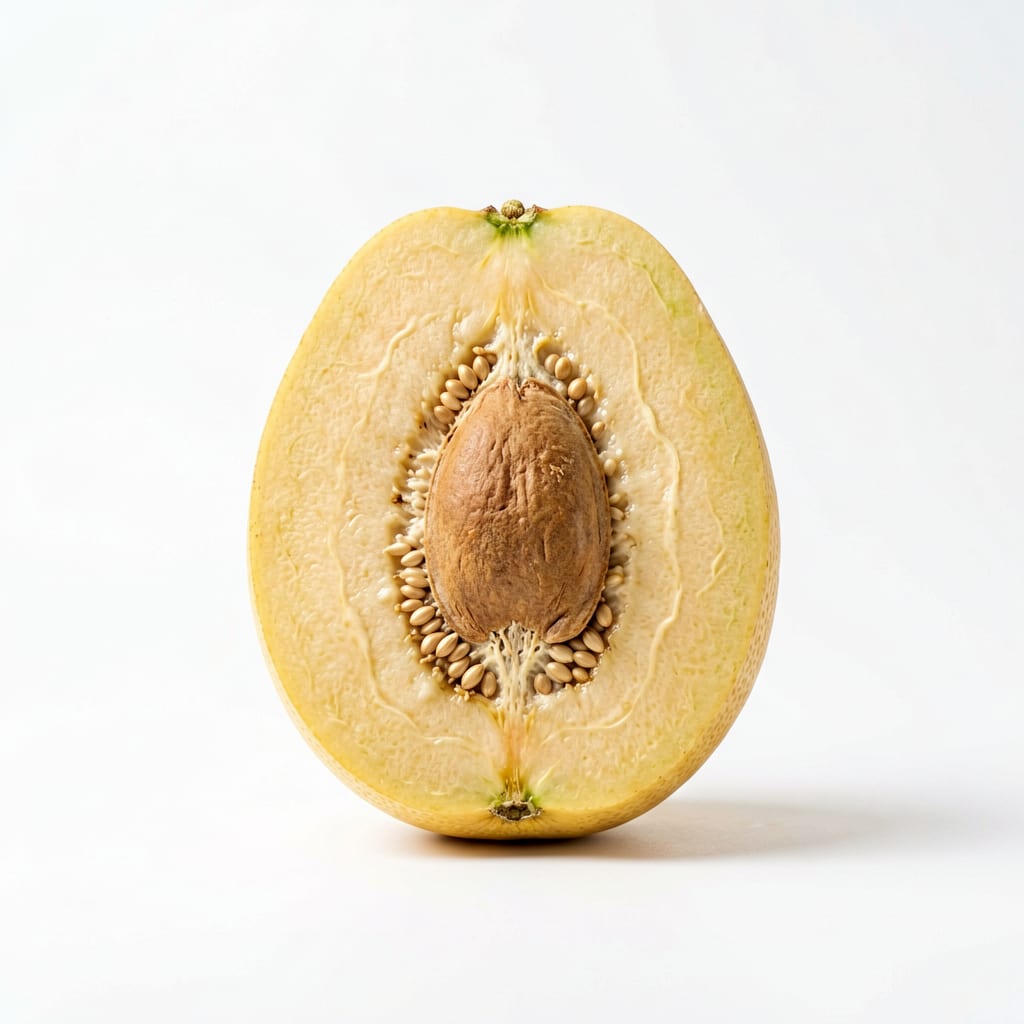
Compare with
Honeydew
Honeydew is sweeter and higher in carbohydrates, while kiwano offers a more complex flavor and lower sugar content.
Honeydew provides more quick carbs for energy, while kiwano is lower in sugar and better for low-carb diets.
This food
Kiwano
VS40% alike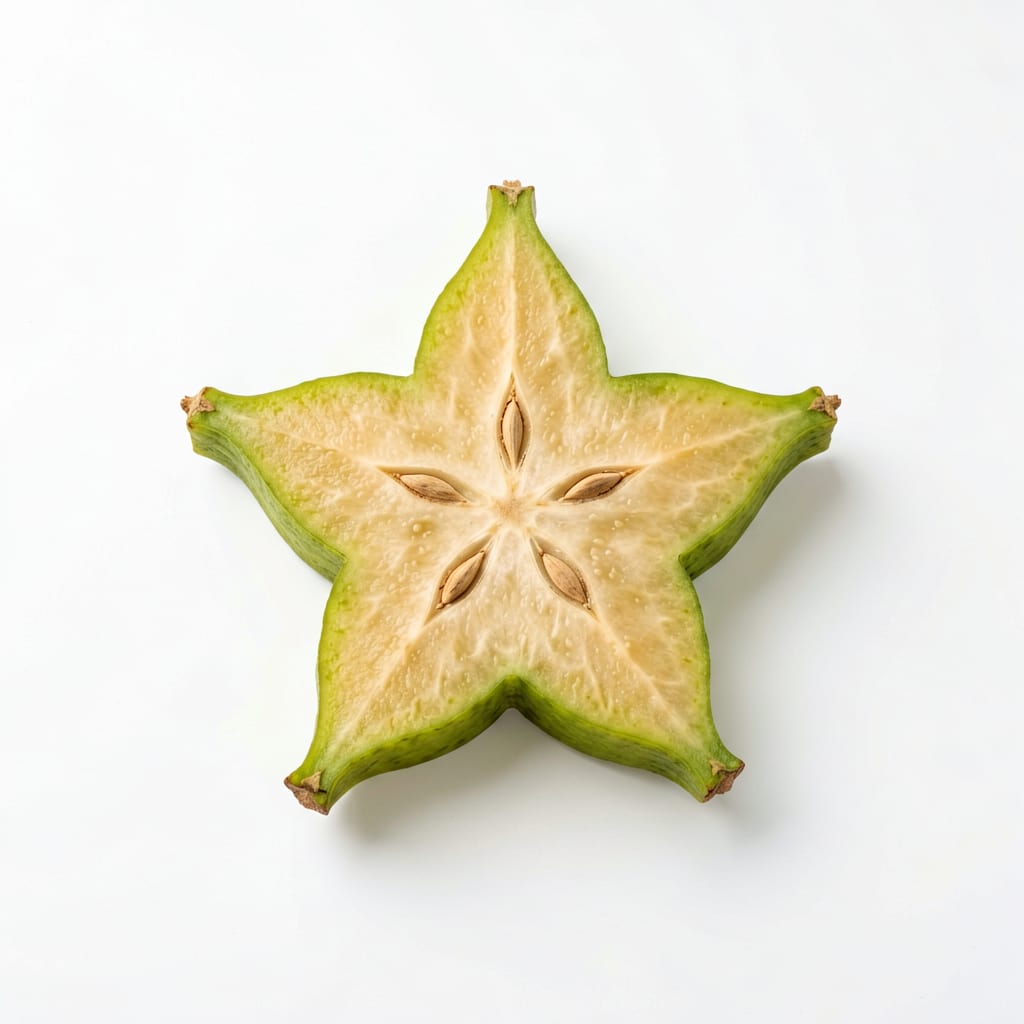
Compare with
Star Fruit
Star fruit is slightly lower in calories but contains neurotoxins risky for kidney patients. Kiwano is safer for those with kidney issues and has more dietary fat from seeds.
Star fruit is slightly lower in calories, but kiwano is safer for kidney health and provides more beneficial fats from its seeds.
Common questions
FAQ
Answers aligned with how people search for this food.
Is kiwano good for weight loss?
Yes, kiwano is excellent for weight loss. It is very low in calories and high in water content, which helps you feel full without consuming excess energy.
What does horned melon taste like?
Horned melon tastes like a mild, slightly tart blend of banana, cucumber, and lime. The green flesh is jelly-like and the seeds add a subtle crunch.
Can you eat kiwano seeds?
Yes, the seeds are entirely edible and actually nutritious. They provide healthy fats, protein, and dietary fiber that you would miss out on if you spat them out.
Is kiwano high in sugar?
No, kiwano is relatively low in sugar compared to other fruits. It contains only about 4 grams of sugar per 100 grams, making it a good option for low-sugar diets.
How do you know when a kiwano is ripe?
A kiwano is ripe when its skin turns from green to a bright, solid orange-yellow. It should yield slightly to pressure but not feel mushy.
Is horned melon good for diabetics?
Yes, horned melon has a very low glycemic index and glycemic load. It will not cause significant blood sugar spikes, making it a safe fruit choice for diabetics.
How do you cut a kiwano?
Simply slice the fruit in half lengthwise with a sharp knife. Use a spoon to scoop out the green jelly-like flesh and seeds directly from the skin.
Is kiwano the same as kiwi?
No, they are completely different fruits. Kiwano (horned melon) is related to cucumbers and melons, while kiwi is a berry from a woody vine. They just share a similar green color inside.
Transparency
Data confidence
Estimated confidence for nutrition data, interpretation, safety notes, and comparisons.
Nutrition data
Health analysis
Food safety
Comparisons