
Nutrition comparison
Kiwano vs Pomegranate: Which Exotic Fruit Is Actually Worth Eating?
Compare Kiwano and Pomegranate on antioxidants, calories, sugar, heart health benefits, and practicality. Find out which fruit delivers more value for your health goals.
Overall winner · Pomegranate
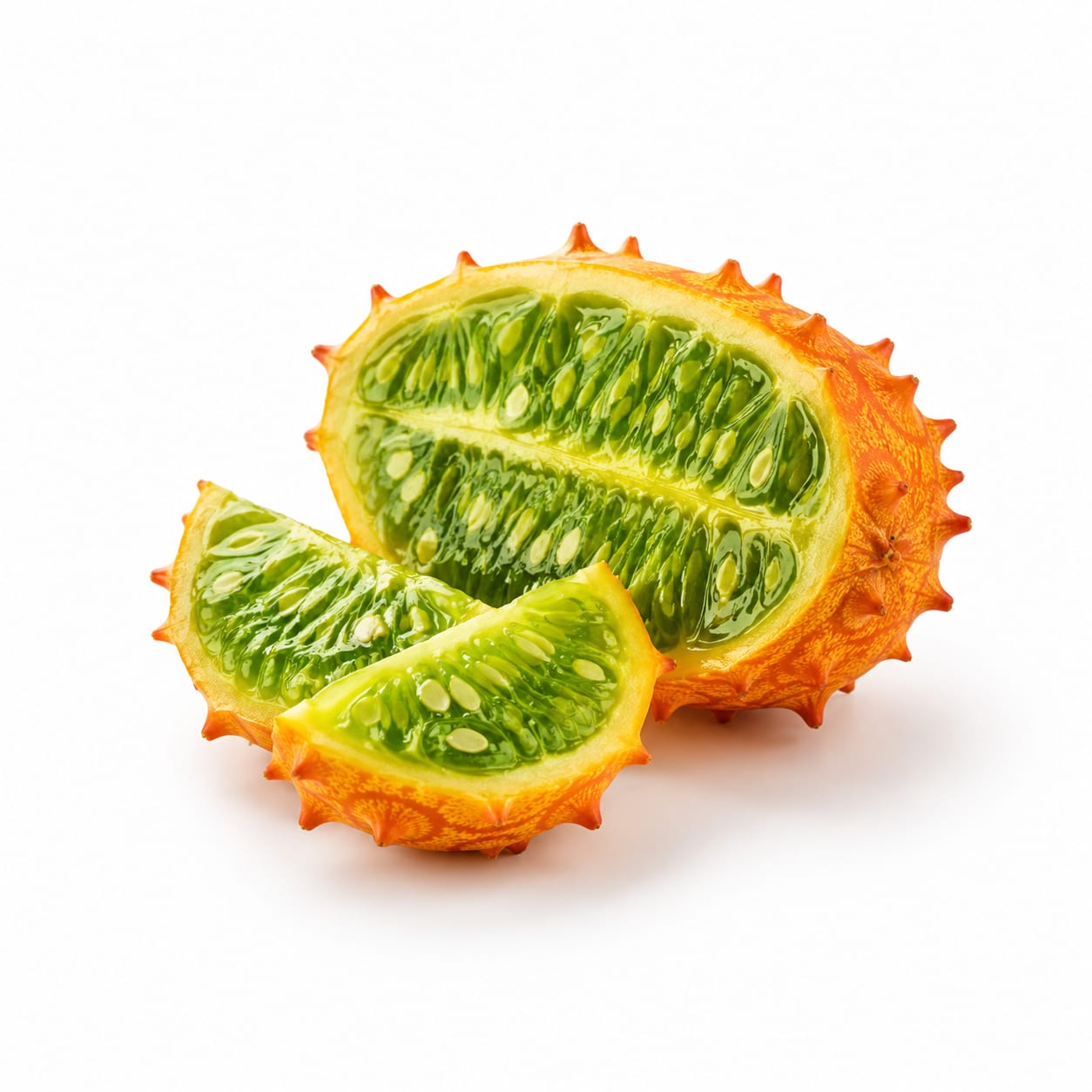
Kiwano
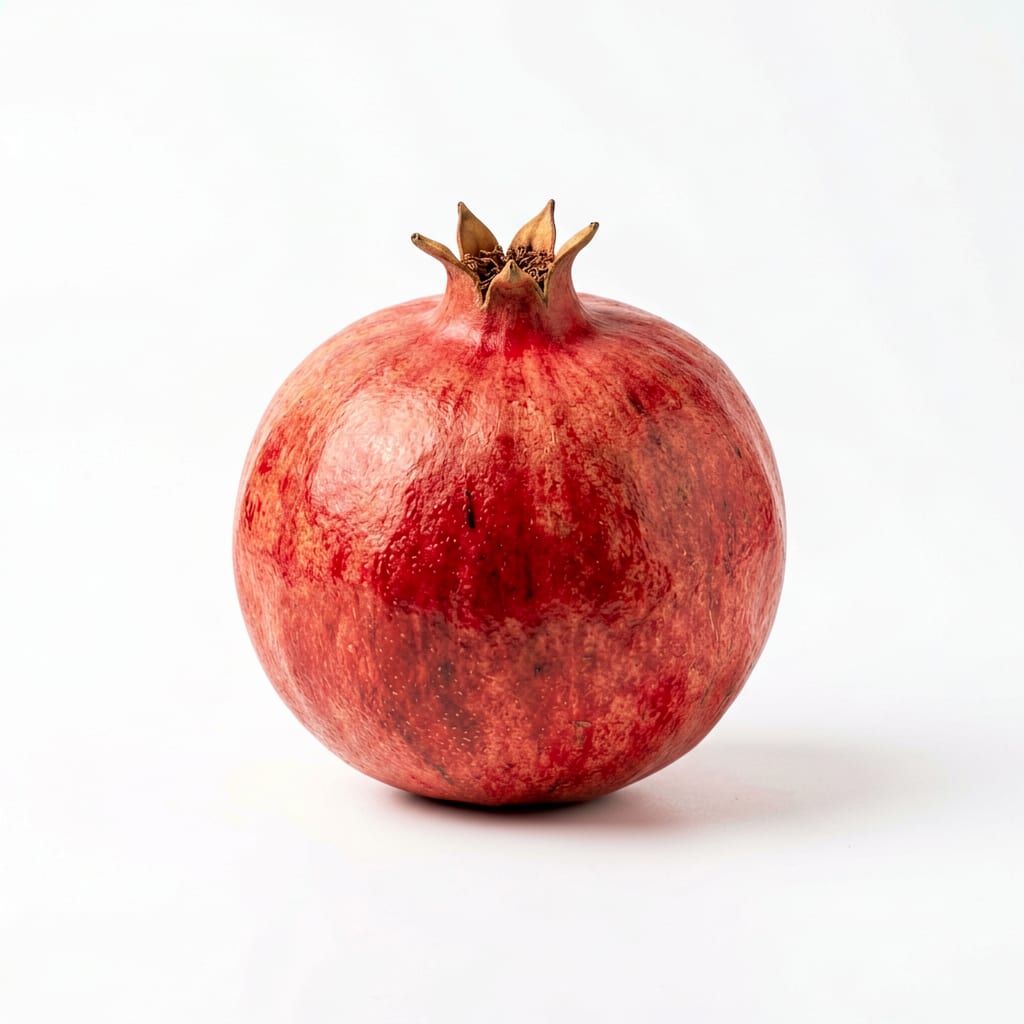
Pomegranate
Pomegranate delivers far more health value per bite with proven antioxidant and heart benefits, while Kiwano is a fun low-calorie hydrator with limited nutritional punch.
Pomegranate scores substantially higher due to its exceptional antioxidant content, strong research backing, and superior nutrient density. Kiwano is not unhealthy but offers modest nutrition compared to most fruits, with its main strengths being low calories and high water content rather than concentrated health benefits.
Kiwano gives you fewer calories and more water; Pomegranate gives you dramatically more antioxidants, flavor intensity, and evidence-backed health protection.
At a glance
Executive summary
Overall
Pomegranate
Healthier
Pomegranate
More practical
Pomegranate
Daily use
Pomegranate
Key comparison lenses
antioxidant density and longevity benefits
Pomegranate is one of the most antioxidant-rich fruits on earth; Kiwano offers hydration but far less oxidative protection
anti inflammatory and heart health
Pomegranate has strong clinical evidence for cardiovascular and anti-inflammatory benefits; Kiwano has minimal research
low calorie hydration snacking
Kiwano is exceptionally low in calories and high in water, making it a unique weight-conscious hydrating snack
blood sugar and diabetes friendliness
Both are moderate-sugar fruits but differ significantly in glycemic load and sugar content per serving
practical availability and everyday usability
Kiwano is exotic and hard to find consistently; Pomegranate is widely available and well-understood
Best choice for
Kiwano
- People counting calories who want a hydrating, refreshing snack
- Anyone seeking very low sugar fruit options
- Curious eaters wanting to try something exotic occasionally
- Hot climate dwellers needing water-rich fruit
Pomegranate
- People prioritizing heart health and anti-inflammatory eating
- Anyone wanting maximum antioxidant intake from fruit
- Those who find tart, intense flavors more satisfying
- People building a longevity-focused dietary pattern
Least suitable for
Kiwano
- People seeking strong nutritional return per calorie
- Anyone on a budget needing affordable regular fruit
- Those wanting proven disease-fighting food benefits
- People who dislike bland or cucumber-like flavors
Pomegranate
- People strictly limiting sugar intake even from whole fruit
- Anyone who finds tart flavors unpleasant
- Those with dental sensitivity to acidic seeds
- People who find seeding pomegranates too tedious
Deep comparison
Dimension by dimension
Each lens scores both foods and breaks down who each option suits.
- Dimension 1 · Priority 95Pomegranate
antioxidant_power
Kiwano · 25Pomegranate · 95Pomegranate is an antioxidant powerhouse; Kiwano provides minimal antioxidant protection by comparison.
Tradeoff
Choosing Kiwano means giving up one of the most potent antioxidant foods available for a fruit with very little oxidative defense.
Why it matters
Antioxidants protect cells from damage linked to aging, cancer, and chronic disease. This is where the nutritional gap between these two is most dramatic.
Real-world impact
Regular pomegranate consumption is associated with measurably lower inflammation markers; Kiwano simply cannot replicate this effect.
Kiwano
- Those who do not prioritize antioxidant intake specifically
Better for
- People relying on fruit as a primary antioxidant source
Worse for
Pomegranate
- Anyone concerned about aging and cellular protection
- People with inflammatory conditions
- Those wanting measurable long-term health returns from fruit
Better for
- Dimension 2 · Priority 80Kiwano
calorie_efficiency_and_hydration
Kiwano · 88Pomegranate · 55Kiwano is significantly lower in calories and higher in water content, making it the better choice for pure hydration with minimal caloric cost.
Tradeoff
You get fewer calories and more water with Kiwano, but you also get far fewer nutrients per gram of food eaten.
Why it matters
For weight loss or hot-weather hydration, a fruit that is mostly water with minimal calories can feel like a smart choice.
Real-world impact
A full Kiwano feels filling and refreshing for very few calories, but will not sustain energy or deliver meaningful nutrition the way Pomegranate does.
Kiwano
- Calorie counters wanting volume without energy cost
- Hot day hydration seekers
- People who want a light, watery snack between meals
Better for
- Anyone needing sustained energy from their fruit
Worse for
Pomegranate
- Athletes needing nutrient-dense calories post-workout
- People who want each calorie to deliver maximum nutrition
Better for
- Those strictly limiting calorie intake even from whole foods
Worse for
- Dimension 3 · Priority 90Pomegranate
heart_health_and_anti_inflammation
Kiwano · 20Pomegranate · 92Pomegranate has strong clinical evidence for protecting heart health and reducing inflammation; Kiwano has virtually no research in this area.
Tradeoff
If cardiovascular protection matters to you, Pomegranate is one of the best fruits available while Kiwano offers no demonstrated benefit.
Why it matters
Heart disease remains the leading cause of death globally, and dietary choices with proven anti-inflammatory effects matter enormously.
Real-world impact
Studies show pomegranate juice can reduce blood pressure and improve cholesterol within weeks; no equivalent evidence exists for Kiwano.
Kiwano
- People specifically seeking heart-protective fruit choices
Worse for
Pomegranate
- People with family history of heart disease
- Anyone with elevated inflammatory markers
- Those wanting food-based cardiovascular protection
Better for
- Dimension 4 · Priority 80Kiwano
sugar_content_and_blood_sugar_impact
Kiwano · 82Pomegranate · 60Kiwano contains significantly less sugar per serving than Pomegranate, making it gentler on blood sugar.
Tradeoff
Lower sugar comes with lower overall nutrition and less satisfying flavor, which may lead to eating more elsewhere.
Why it matters
For people monitoring blood sugar closely, the sugar difference between fruits matters for daily glycemic management.
Real-world impact
Kiwano is unlikely to cause any blood sugar spike; Pomegranate has moderate sugar but its fiber and polyphenols help blunt the glycemic response.
Kiwano
- Diabetics wanting the safest low-sugar fruit option
- Those on very low-carb eating plans
Better for
Pomegranate
- Active people who can handle moderate natural sugar
- Anyone wanting the blood-sugar-buffering effect of polyphenols
Better for
- Very sugar-sensitive individuals who react to even moderate fruit sugar
Worse for
- Dimension 5 · Priority 75Pomegranate
flavor_satisfaction_and_craving_control
Kiwano · 35Pomegranate · 80Pomegranate delivers intense tart-sweet flavor that feels deeply satisfying; Kiwano is often described as bland and underwhelming.
Tradeoff
A more satisfying flavor experience helps prevent overeating later, while a bland fruit may leave you reaching for more food.
Why it matters
Flavor satisfaction is one of the most underrated factors in sustainable healthy eating. Food that truly satisfies reduces cravings.
Real-world impact
A small bowl of pomegranate arils feels like a treat and curbs sweet cravings; Kiwano often leaves people wondering if they ate anything at all.
Kiwano
- People who prefer very mild, non-sweet flavors
- Those who find tart fruit unpleasant
Better for
- Those who need their fruit to feel like a rewarding experience
Worse for
Pomegranate
- Emotional eaters needing flavor satisfaction from healthy food
- Anyone trying to replace processed sweets with fruit
- People who find intense flavors more filling
Better for
- Dimension 6 · Priority 70Pomegranate
availability_and_everyday_practicality
Kiwano · 25Pomegranate · 75Pomegranate is available in most grocery stores year-round; Kiwano is exotic, seasonal, expensive, and hard to find.
Tradeoff
A health food you can actually buy regularly beats a theoretically interesting fruit you can never find.
Why it matters
Nutritional value only matters if you can consistently access and eat the food. Practicality drives real-world outcomes.
Real-world impact
Most people can buy Pomegranate any week of the year; finding Kiwano requires specialty stores and willingness to pay premium prices.
Kiwano
- People with access to specialty markets who enjoy exotic produce
Better for
- Anyone without access to specialty or international markets
Worse for
Pomegranate
- Anyone shopping at regular grocery stores
- People on a budget who need affordable healthy fruit
- Those who want consistent weekly access to their fruit choice
Better for
- Dimension 7 · Priority 65Pomegranate
fiber_and_digestive_health
Kiwano · 45Pomegranate · 72Pomegranate provides more fiber per serving, especially if you chew the seeds, supporting better digestion and gut health.
Tradeoff
Kiwano's gelatinous pulp offers some fiber but less overall digestive benefit than Pomegranate's seed-and-aril combination.
Why it matters
Fiber intake affects everything from satiety to gut microbiome health to blood sugar regulation.
Real-world impact
A serving of pomegranate arils contributes meaningfully to daily fiber goals; Kiwano's fiber contribution is modest at best.
Kiwano
- Those who prefer softer, less seedy textures
Better for
- Anyone relying on fruit as a significant fiber source
Worse for
Pomegranate
- People wanting to increase daily fiber intake through fruit
- Those who tolerate and enjoy edible seeds
Better for
- People with diverticulitis or seed sensitivity
Worse for
Timeline
Health impact over time
Short-term
Hours to days
Kiwano
- Provides quick hydration due to high water content
- Unlikely to cause any blood sugar spike
- May feel underwhelming and unsatisfying as a standalone snack
- Very gentle on the digestive system
Pomegranate
- Delivers an immediate antioxidant boost measurable in blood tests
- Tart flavor can stimulate saliva and aid digestion
- Moderate sugar provides quick but not crash-inducing energy
- Seeds may feel heavy or irritating to sensitive digestive tracts
Long-term
Months to years
Kiwano
- Consistent low-calorie intake supports weight maintenance
- No specific disease-prevention evidence exists
- Hydration habit may indirectly support kidney and skin health
- Nutritional contribution remains modest even with regular consumption
Pomegranate
- Regular consumption linked to reduced cardiovascular risk markers
- Anti-inflammatory polyphenols may slow cellular aging
- May improve exercise recovery and reduce muscle soreness
- Potential protective effects against certain cancers under active research
Risk profile
Safety & processing
Both Kiwano and Pomegranate are whole, unprocessed fruits eaten in their natural state. Neither carries processing concerns when consumed fresh.
Kiwano
Unfamiliar preparation leading to waste or improper consumption
lowMany consumers do not know how to properly cut or eat Kiwano, leading to confusion but no safety hazard.
Potential pesticide exposure on imported exotic fruit
mediumKiwano is often imported with less transparent pesticide regulation; washing thoroughly is important.
Pomegranate
Seed aspiration risk in young children
mediumPomegranate arils contain small hard seeds that could pose a choking hazard for toddlers if not monitored.
Staining and surface contamination
lowPomegranate juice stains persistently but poses no health risk; outer rind may harbor surface bacteria requiring proper washing.
Who wins for whom
Audience fit
Same foods, different winners depending on your goal.
children
PomegranatePomegranate arils are fun to eat and nutrient-dense for growing bodies, though seeds require supervision for very young children.
daily consumption
PomegranatePomegranate offers consistent, repeatable health benefits and is available enough to actually eat daily; Kiwano is better as an occasional novelty.
diabetes
KiwanoKiwano's minimal sugar content poses almost no glycemic risk, making it the safer choice for strict blood sugar management.
elderly
PomegranatePomegranate's cardiovascular and anti-inflammatory benefits are especially valuable for older adults, and the arils are soft enough to chew.
muscle gain
PomegranateNeither fruit is a muscle-building food, but Pomegranate's anti-inflammatory properties and moderate carbs support better exercise recovery.
weight loss
KiwanoKiwano's extremely low calorie density makes it a guilt-free volume snack, though Pomegranate's greater satisfaction may prevent overeating elsewhere.
Your move
Decision guide
Choose Kiwano
- You want the lowest-calorie fruit possible for snacking
- You are strictly monitoring sugar intake for diabetes management
- You live in a hot climate and want a hydrating, refreshing fruit
- You enjoy trying exotic fruits and do not mind mild flavor
- You find tart flavors unpleasant and prefer subtle tastes
Choose Pomegranate
- Heart health and anti-inflammatory eating are priorities
- You want maximum antioxidant protection from your fruit choices
- You find intense, tart-sweet flavors more satisfying and craving-reducing
- You want a fruit with real clinical evidence behind its health claims
- You need something widely available and affordable for daily use
Either works if
- You want a whole-food snack instead of processed options
- You are looking for vitamin C from natural sources
- You enjoy the ritual of preparing and eating interesting fruit
Avoid both if
- You need high-protein or high-calorie fruit alternatives for fueling
- You have severe fructose intolerance that limits all fruit intake
- You are looking for a convenient on-the-go fruit without any preparation
Final recommendation
Make Pomegranate your regular fruit for its proven health benefits and satisfying flavor. Treat Kiwano as an occasional hydrating novelty when you want something light and different. If blood sugar is your primary concern, Kiwano is the safer pick, but most people will get far more long-term value from Pomegranate.
Practical
Consumer tips
- 1
Pomegranate arils freeze well — buy in season, seed them, and freeze portions for months of use
- 2
Roll Kiwano gently before cutting to loosen the gelatinous pulp for easier scooping
- 3
If Pomegranate seeds bother your teeth, try pressing arils through a strainer for the juice only
- 4
Kiwano pairs well with a pinch of salt or lime juice to enhance its otherwise subtle flavor
- 5
Choose heavy pomegranates for their size — they have more juice and plumper arils
- 6
Kiwano skin color does not indicate ripeness; even orange skin fruit may taste similar to green