
Nutrition comparison
Kiwano vs Cucumber: Nutrition, Hydration, and Which to Choose
Compare Kiwano and Cucumber head-to-head on nutrients, hydration, weight loss value, and practicality. Find out which exotic or everyday produce fits your goals.
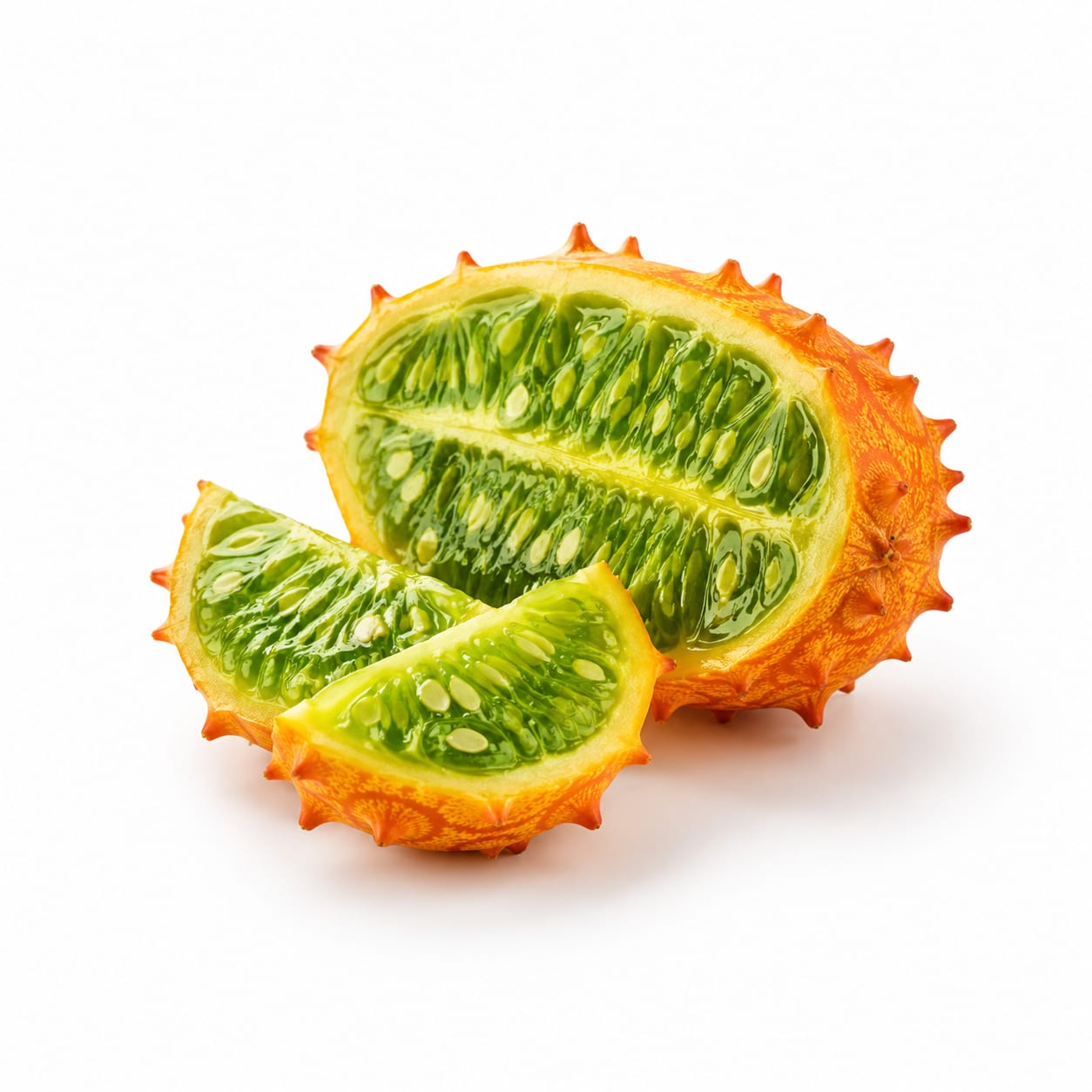
Kiwano
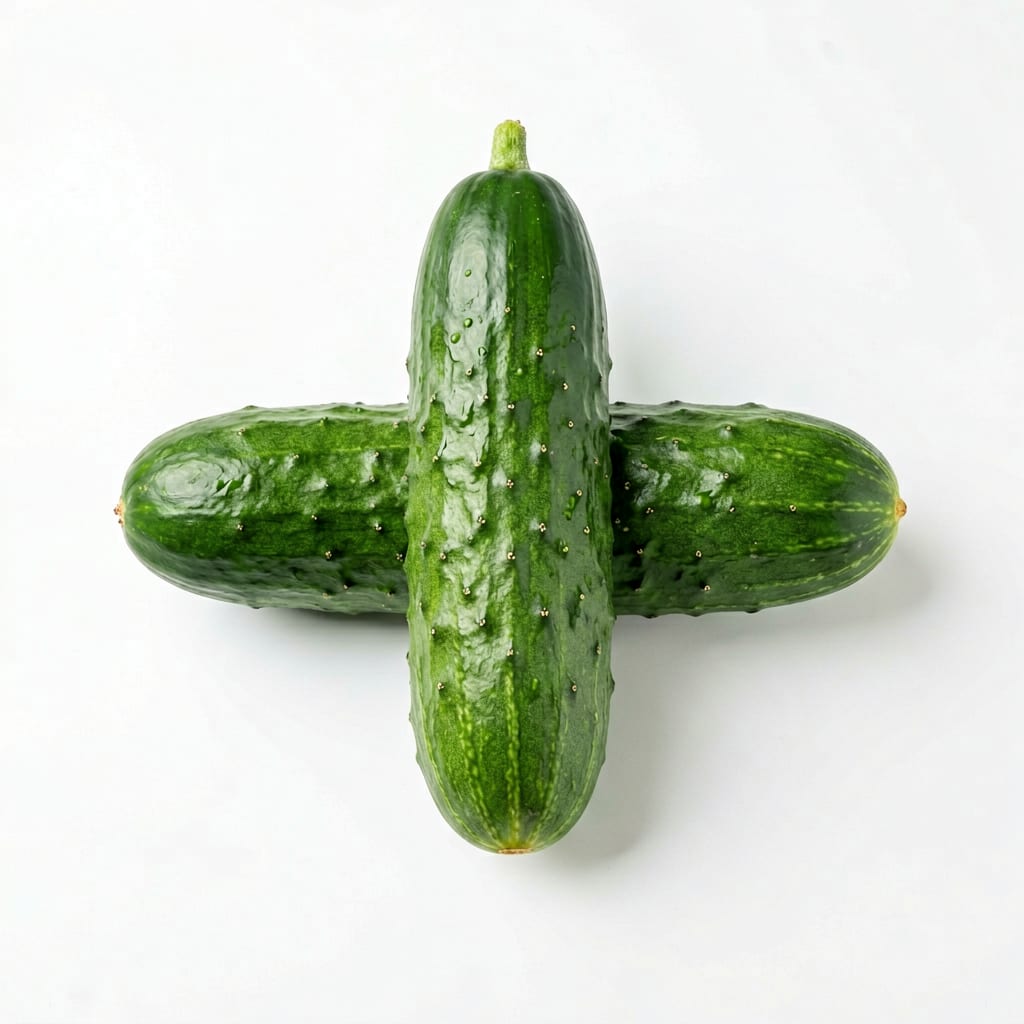
Cucumber
Cucumber wins on practicality and hydration; Kiwano wins on nutrient density and antioxidant value. They serve completely different purposes.
Kiwano edges ahead nutritionally but Cucumber's unmatched practicality, cost, and daily usability keep it competitive. The small score gap reflects that most people benefit more from a food they will actually eat daily.
Everyday reliability and water content versus concentrated vitamins and novelty factor
At a glance
Executive summary
Overall
It depends
Healthier
Kiwano
More practical
Cucumber
Daily use
Cucumber
Key comparison lenses
hydration vs nutrition tradeoff
Cucumber is almost pure water while Kiwano offers more vitamins and minerals per bite
everyday practicality
Cucumber is cheap and everywhere; Kiwano is exotic, seasonal, and expensive
weight management snacking
Both are extremely low-calorie options but serve different snacking needs
nutrient density comparison
Users choosing between these want to know if Kiwano's exotic reputation translates to real nutritional advantage
digestive comfort
Cucumber is soothing and familiar; Kiwano has seeds and acidity that may affect sensitive stomachs
Best choice for
Kiwano
- People seeking antioxidant-rich tropical fruits
- Anyone needing more magnesium, iron, and vitamin C
- Adventurous eaters wanting nutrient variety
- Those bored with common produce options
Cucumber
- Daily hydration seekers
- Budget-conscious snackers
- People with sensitive digestion
- Anyone meal-prepping for the week
Least suitable for
Kiwano
- Budget-limited households
- People who need consistent year-round availability
- Those who dislike tart or gelatinous textures
- Anyone seeking maximum volume per dollar
Cucumber
- People looking for significant vitamin or mineral intake
- Those wanting antioxidant diversity
- Anyone seeking flavor excitement
- People needing iron or vitamin C from produce
Deep comparison
Dimension by dimension
Each lens scores both foods and breaks down who each option suits.
- Dimension 1 · Priority 90Cucumber
Hydration Power
Kiwano · 55Cucumber · 98Cucumber is roughly 96% water, making it one of the most hydrating foods on earth. Kiwano hydrates too but packs more solids per bite.
Tradeoff
Cucumber delivers maximum water with minimal calories; Kiwano trades some hydration capacity for actual nutrients
Why it matters
On hot days or after exercise, cucumber replenishes fluids faster with less digestive effort
Real-world impact
A large cucumber after a summer hike feels like eating cold water. Kiwano quenches thirst but feels more like eating fruit than drinking.
Kiwano
- Post-workout recovery needing electrolytes alongside water
Better for
- Maximum fluid replacement per bite
Worse for
Cucumber
- Hot weather hydration
- Replacing sugary drinks with water-rich food
- Post-exercise pure rehydration
Better for
- Situations where you need nutrients alongside hydration
Worse for
- Dimension 2 · Priority 88Kiwano
Nutrient Density
Kiwano · 78Cucumber · 32Kiwano delivers meaningfully more vitamin C, iron, magnesium, and potassium per serving. Cucumber is nutritionally sparse beyond water and trace vitamin K.
Tradeoff
Kiwano costs more and is harder to find but actually feeds your body; cucumber mostly just fills your stomach with water
Why it matters
If produce is your main vitamin source, Kiwano contributes noticeably while cucumber barely registers
Real-world impact
Eating Kiwano a few times a week moves the needle on vitamin C and iron intake. Cucumber rarely moves any nutritional needle regardless of quantity.
Kiwano
- Boosting vitamin C without supplements
- Increasing dietary iron from plant sources
- Adding magnesium for muscle and nerve function
Better for
- Situations requiring zero sugar intake
Worse for
Cucumber
- Vitamin K contribution for bone health
Better for
- Anyone relying on produce for meaningful micronutrients
Worse for
- Dimension 3 · Priority 75Kiwano
Antioxidant Variety
Kiwano · 76Cucumber · 28Kiwano contains carotenoids, vitamin C, and unique phytonutrients from its tropical origins. Cucumber offers minimal antioxidant value beyond trace flavonoids.
Tradeoff
Kiwano's exotic pigments signal diverse protective compounds; cucumber's pale flesh tells you there is not much there
Why it matters
Antioxidant diversity matters more than quantity for long-term cellular protection
Real-world impact
Regular Kiwano consumption adds variety to your antioxidant profile that common produce cannot match. Cucumber simply does not contribute meaningfully here.
Kiwano
- Long-term cellular protection strategy
- Reducing oxidative stress from intense training
- Diversifying antioxidant intake beyond berries
Better for
- People who could get similar antioxidants from cheaper tropical fruits
Worse for
Cucumber
- Not applicable for this dimension
Better for
- Anyone prioritizing antioxidant intake from food
Worse for
- Dimension 4 · Priority 85Cucumber
Calorie Efficiency for Weight Loss
Kiwano · 70Cucumber · 88Cucumber provides maximum volume with nearly zero calories. Kiwano is still very low-calorie but contains natural sugars that add up slightly faster.
Tradeoff
Cucumber lets you eat endlessly without calorie concern; Kiwano offers more satisfaction per calorie but has a caloric floor you can reach
Why it matters
For mindless snacking or large portion strategies, cucumber is safer territory
Real-world impact
You can eat an entire cucumber for roughly 15 calories. A whole Kiwano runs about 90 calories with natural sugars that may trigger more cravings.
Kiwano
- Weight loss meals needing more flavor satisfaction
- Snacking where nutrients matter alongside calories
Better for
- Mindless grazing scenarios
Worse for
Cucumber
- Unlimited volume eating strategies
- Late-night snacking with zero guilt
- Replacing higher-calorie snacks entirely
Better for
- Meals where you need some caloric and nutrient substance
Worse for
- Dimension 5 · Priority 80Cucumber
Digestive Tolerance
Kiwano · 58Cucumber · 85Cucumber is gentle, soothing, and well-tolerated by nearly everyone. Kiwano's seeds, acidity, and unusual texture can bother sensitive stomachs.
Tradeoff
Cucumber is comfort food for your gut; Kiwano is more stimulating but less predictable
Why it matters
For daily consumption, digestive reliability matters more than occasional nutrient boosts
Real-world impact
Cucumber sits lightly and comfortably even on nervous stomachs. Kiwano can cause mild bloating or irritation if you are not used to it.
Kiwano
- Promoting bowel regularity through seed fiber
Better for
- Acid-sensitive stomachs
- People unaccustomed to seedy fruits
Worse for
Cucumber
- IBS or sensitive digestion management
- Recovery from stomach illness
- Eating during stress when digestion is compromised
Better for
- Situations requiring active digestive stimulation
Worse for
- Dimension 6 · Priority 92Cucumber
Practicality and Accessibility
Kiwano · 22Cucumber · 95Cucumber is available everywhere, costs almost nothing, and stores well. Kiwano is specialty produce with limited availability and premium pricing.
Tradeoff
Cucumber is the most practical vegetable in most grocery stores; Kiwano requires effort just to locate and afford
Why it matters
The healthiest food is the one you actually buy and eat consistently
Real-world impact
You can grab cucumbers at any corner store for under a dollar. Kiwano might require a specialty grocer and cost five times more per serving.
Kiwano
- Special occasion meals where novelty matters
- Exploring global cuisine at home
Better for
- Time-sensitive meal planning
- Budget-conscious households
- Rural areas with limited produce selection
Worse for
Cucumber
- Weekly meal prep
- Budget grocery shopping
- Consistent daily produce intake
- Last-minute recipe needs
Better for
- Creating memorable dining experiences
Worse for
- Dimension 7 · Priority 78Cucumber
Culinary Versatility
Kiwano · 35Cucumber · 82Cucumber works in salads, sandwiches, smoothies, pickles, and infused water. Kiwano is mostly eaten alone or used as a garnish for its dramatic appearance.
Tradeoff
Cucumber quietly fits into hundreds of dishes; Kiwano demands to be the center of attention
Why it matters
A versatile ingredient gets used more often and reduces food waste
Real-world impact
Cucumbers can anchor a week of meals from tzatziki to salads to snacks. Kiwano is a one-trick fruit that rarely gets finished if you do not love its taste.
Kiwano
- Tropical fruit salads
- Exotic cocktail garnishes
- Conversation-starting appetizers
Better for
- Cooking applications
- Integration into standard recipes
Worse for
Cucumber
- Meal prep across multiple recipes
- Cold soups and smoothies
- Pickle fermentation
- Sandwich and wrap crunch
Better for
- Making meals feel special or adventurous
Worse for
Timeline
Health impact over time
Short-term
Hours to days
Kiwano
- Quick hydration with a nutrient boost
- Mild blood sugar increase from natural fruit sugars
- Possible digestive adjustment if unfamiliar with the texture
Cucumber
- Immediate hydration with almost no metabolic impact
- Soothing effect on the digestive tract
- Very filling per calorie due to water volume
Long-term
Months to years
Kiwano
- Improved antioxidant intake if consumed regularly
- Better iron and magnesium status over time
- Unlikely to be consumed often enough for major long-term effects due to cost and availability
Cucumber
- Consistent hydration support
- Minimal caloric contribution to daily intake
- Possible slight contribution to vitamin K status
- Reliable daily fiber without digestive stress
Risk profile
Safety & processing
Both foods are whole, unprocessed produce eaten in natural form. Neither raises processing concerns. Kiwano's thick spiky rind actually protects it from pesticide penetration, while conventional cucumbers have edible skins that can carry more residue.
Kiwano
Pesticide residue on rind
lowThe rind is rarely eaten, so exposure is minimal even with conventional farming
Allergic reaction
lowRare but possible cross-reactivity for people allergic to kiwi or other tropical fruits
Choking hazard from seeds
lowSeeds are small and soft but could concern parents of very young children
Cucumber
Pesticide residue on skin
mediumCucumber skin is edible and often eaten, making it a top EWG Dirty Dozen item for pesticide residue
Wax coating
mediumConventional cucumbers are often waxed to retain moisture; peeling reduces this but removes nutrients
Bitter cucumber compounds
lowOccasionally cucumbers develop cucurbitacins causing bitterness and mild stomach upset
Who wins for whom
Audience fit
Same foods, different winners depending on your goal.
children
CucumberCucumber is mild, safe, and familiar. Kiwano's spiky exterior and unusual texture can be off-putting or a choking concern for very young kids
daily consumption
CucumberCucumber is affordable, available, and tolerable every single day. Kiwano works better as an occasional nutrient boost.
diabetes
CucumberCucumber has essentially zero glycemic impact; Kiwano contains natural sugars that require slight insulin response
elderly
CucumberCucumber is easy to chew, gentle on digestion, and provides reliable hydration. Kiwano's seeds and acidity may challenge sensitive systems
muscle gain
KiwanoKiwano provides marginally more magnesium and potassium which support muscle function, though neither food is a muscle-building staple
weight loss
CucumberCucumber's near-zero calorie density allows unlimited volume eating, which is the most sustainable weight loss strategy
Your move
Decision guide
Choose Kiwano
- You want to diversify your antioxidant and micronutrient intake
- You can find and afford specialty produce without stress
- You enjoy tart, tropical flavors and gelatinous textures
- You are building a nutrient-dense fruit rotation
Choose Cucumber
- You need a reliable daily vegetable that costs almost nothing
- Hydration is your primary goal from produce
- You have sensitive digestion or eat on a tight schedule
- You want maximum food volume with minimum calories
Either works if
- You want low-calorie produce snacks
- You are trying to eat more whole foods overall
- You need refreshing options for hot weather
Avoid both if
- You need significant protein or healthy fats from your food
- You are looking for sustained energy or meal replacement
- You require high-fiber foods for satiety
Final recommendation
Keep cucumbers as your daily workhorse for hydration, crunch, and calorie control. Add Kiwano occasionally when you find it fresh and reasonably priced to boost your vitamin C, iron, and antioxidant variety. Think of cucumber as your reliable friend and Kiwano as an interesting visitor who brings gifts but cannot stay long.
Practical
Consumer tips
- 1
Buy organic cucumbers if you eat the skin, or peel conventional ones to avoid pesticide residue and wax
- 2
Choose Kiwano that gives slightly to pressure and has vibrant orange skin; avoid ones with soft spots
- 3
Cut Kiwano in half and scoop the flesh directly with a spoon for the easiest eating experience
- 4
Add cucumber slices to your water bottle for flavor that encourages more hydration throughout the day
- 5
Store Kiwano at room temperature until ripe, then refrigerate for up to a week
- 6
If Kiwano is too tart alone, mix the scooped flesh into yogurt or a tropical fruit smoothie