
Nutrition comparison
Kiwano vs Passion Fruit: Nutrition, Flavor, and Health Comparison
Compare Kiwano and Passion Fruit side by side. Discover which tropical fruit offers more vitamin C, fiber, and antioxidants, and which is better for low-sugar diets and hydration.
Overall winner · Passion Fruit
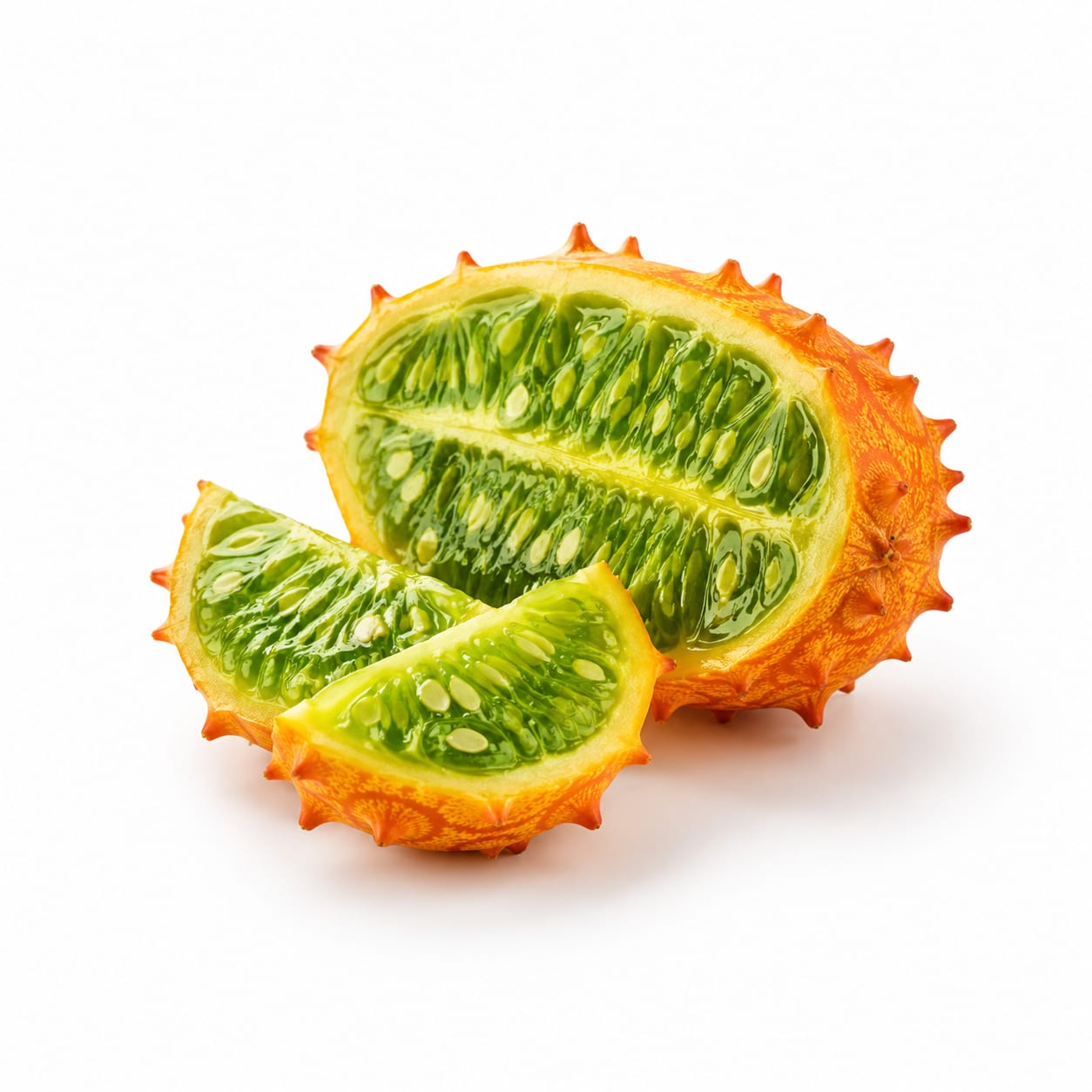
Kiwano
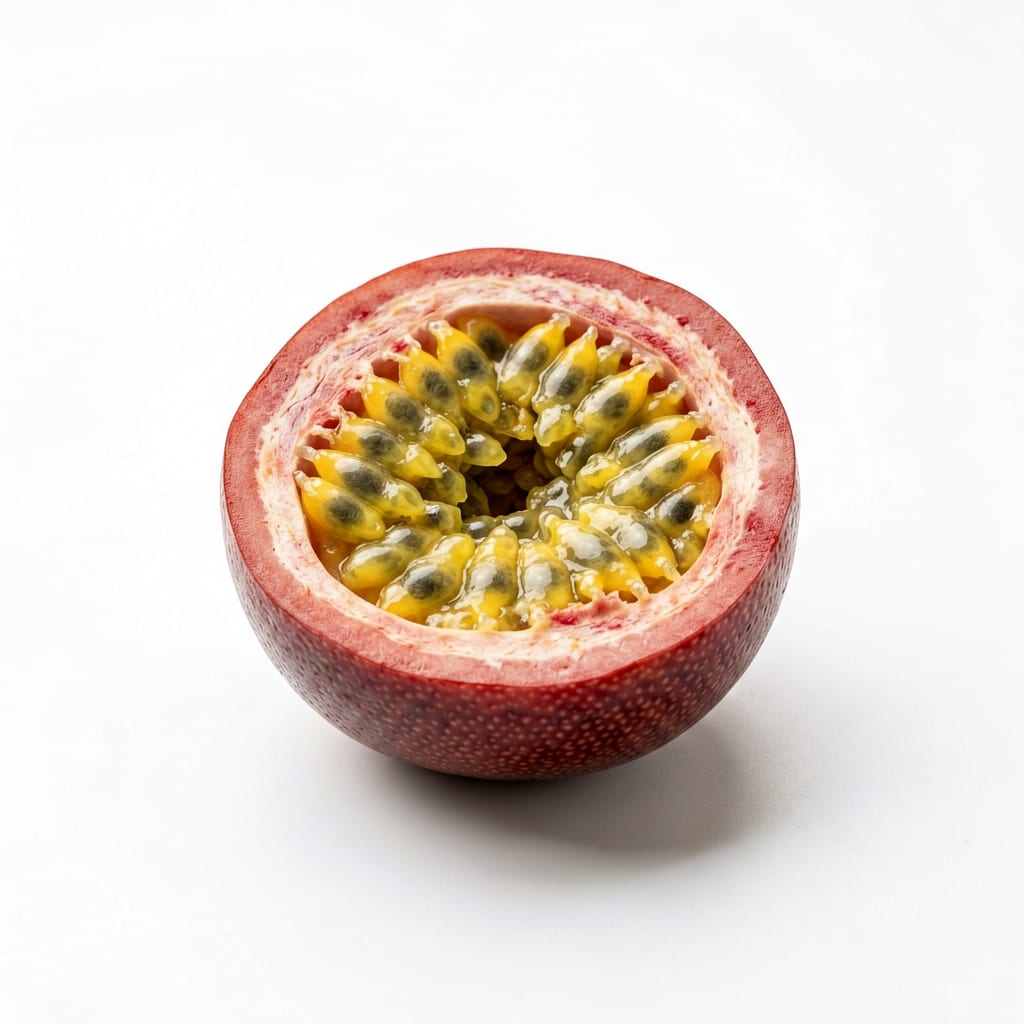
Passion Fruit
Passion Fruit delivers more nutrition, flavor, and fiber per bite, while Kiwano wins on hydration and low-calorie snacking.
Passion Fruit scores notably higher due to superior vitamin C, fiber, antioxidant density, and culinary versatility. Kiwano remains a valid choice for low-calorie hydration but offers less nutritional return per serving.
Kiwano is lighter and more hydrating but nutritionally thin; Passion Fruit is calorie-denser but packs far more vitamins, fiber, and antioxidants.
At a glance
Executive summary
Overall
Passion Fruit
Healthier
Passion Fruit
More practical
Passion Fruit
Daily use
Passion Fruit
Key comparison lenses
tropical fruit nutritional value comparison
Both are exotic tropical fruits users encounter and want to understand which offers more health benefit per serving
sugar and calorie tradeoff for weight management
Kiwano is significantly lower in sugar and calories while passion fruit is denser and sweeter, a key decision factor
antioxidant and immunity benefits
Both are marketed for vitamin C and antioxidant content but differ substantially in concentration
culinary usability and flavor intensity
Passion fruit has bold flavor suited for recipes while kiwano is mild and often disappoints expectations
digestive health and fiber contribution
Passion fruit delivers significantly more fiber per serving, relevant for gut health decisions
Best choice for
Kiwano
- Low-calorie hydrating snacks
- People strictly limiting sugar intake
- Mild flavor preference or sensitive palates
- Hot climate refreshment
Passion Fruit
- Maximizing vitamin C and antioxidant intake
- Adding bold flavor to meals and drinks
- Boosting daily fiber easily
- Immune system support during cold season
Least suitable for
Kiwano
- Anyone seeking strong tropical flavor
- People wanting nutrient-dense fruit per serving
- Budget-conscious shoppers (expensive for what it delivers nutritionally)
Passion Fruit
- Strict low-sugar or keto diets
- People sensitive to acidic foods
- Those who dislike tart flavors
Deep comparison
Dimension by dimension
Each lens scores both foods and breaks down who each option suits.
- Dimension 1 · Priority 90Passion Fruit
Vitamin and Mineral Density
Kiwano · 45Passion Fruit · 82Passion Fruit delivers roughly 5x more vitamin C and significantly more iron and potassium per serving than Kiwano.
Tradeoff
Kiwano provides some magnesium and vitamin A but at levels that are modest compared to most fruits.
Why it matters
If you are eating tropical fruit partly for immune support and micronutrients, Passion Fruit actually delivers on that promise.
Real-world impact
One Passion Fruit covers about 30% of your daily vitamin C needs; Kiwano covers closer to 5-8%.
Kiwano
- Mild magnesium supplementation through food
Better for
- People expecting tropical fruit-level vitamin C
Worse for
Passion Fruit
- Immune support during winter months
- Iron-deficient individuals needing plant iron sources
- Anyone counting on fruit for real vitamin intake
Better for
- Those who assume all tropical fruit is vitamin-equivalent
Worse for
- Dimension 2 · Priority 88Kiwano
Sugar and Calorie Impact
Kiwano · 85Passion Fruit · 55Kiwano contains roughly half the calories and sugar of Passion Fruit per 100g, making it the lighter option.
Tradeoff
The lower calorie count comes with lower nutrient density, so you are eating more water and less nutrition.
Why it matters
For sugar-sensitive individuals or calorie counters, Kiwano is genuinely easier to fit into a restricted diet.
Real-world impact
A full Kiwano runs about 40-50 calories; a similar serving of Passion Fruit pulp hits 80-100 calories with noticeably more sugar.
Kiwano
- Low-carb snackers wanting fruit without the sugar hit
- Calorie counters who want volume over density
- Diabetics seeking lower-glycemic tropical fruit options
Better for
- Athletes expecting energy from their fruit snack
Worse for
Passion Fruit
- Active people who benefit from natural fruit sugar as fuel
- Anyone needing calorie-dense fruit for weight gain or recovery
Better for
- People monitoring blood sugar closely
Worse for
- Dimension 3 · Priority 82Passion Fruit
Fiber and Digestive Value
Kiwano · 40Passion Fruit · 85Passion Fruit is remarkably high in fiber at around 10g per 100g, while Kiwano provides only about 1-2g.
Tradeoff
Passion Fruit seeds are the fiber source, which some find unpleasant texture-wise, but the digestive benefit is substantial.
Why it matters
Most people fall short on daily fiber. Passion Fruit is one of the highest-fiber fruits available, making it genuinely useful.
Real-world impact
Two Passion Fruits can provide nearly a quarter of your daily fiber needs; Kiwano barely moves the needle.
Kiwano
- People who dislike seedy textures in fruit
Better for
- Those relying on fruit as a meaningful fiber source
Worse for
Passion Fruit
- Anyone trying to increase fiber without supplements
- Gut health focused eaters
- People managing cholesterol through dietary fiber
Better for
- People with diverticulitis who must avoid seeds
Worse for
- Dimension 4 · Priority 78Passion Fruit
Antioxidant and Anti-inflammatory Potential
Kiwano · 42Passion Fruit · 80Passion Fruit contains significant polyphenols, carotenoids, and vitamin C. Kiwano has some antioxidants but at lower concentrations.
Tradeoff
Kiwano's yellow-orange skin contains carotenoids, but most people only eat the green pulp, missing the richest antioxidant source.
Why it matters
Regular antioxidant intake from fruit correlates with reduced inflammation and better long-term health outcomes.
Real-world impact
Eating Passion Fruit regularly may contribute more meaningfully to reducing oxidative stress than Kiwano, which is antioxidant-light in its edible portion.
Kiwano
- Situations where any fruit is better than none
Better for
- People specifically seeking high-antioxidant fruits
Worse for
Passion Fruit
- Anti-inflammatory eating patterns
- Skin health focused nutrition
- Long-term disease risk reduction
Better for
- Those who overconsume it thinking more is always better
Worse for
- Dimension 5 · Priority 72Kiwano
Hydration and Refreshment
Kiwano · 88Passion Fruit · 50Kiwano is roughly 88% water with a light, cucumber-like juiciness that makes it genuinely refreshing.
Tradeoff
That high water content is exactly why it is less nutrient-dense — you are mostly eating structured water.
Why it matters
In hot climates or after exercise, a hydrating low-sugar fruit can feel better than a dense, tart one.
Real-world impact
Kiwano works well as a post-beach or post-hike refreshing snack; Passion Fruit feels more like a flavor addition than a thirst-quencher.
Kiwano
- Hot weather snacking
- Post-exercise hydration with a little flavor
- People who find most fruit too sweet or heavy
Better for
- Those wanting a satisfying, filling fruit experience
Worse for
Passion Fruit
- Flavoring water or beverages instead of eating alone
Better for
- Anyone eating fruit primarily for thirst-quenching refreshment
Worse for
- Dimension 6 · Priority 75Passion Fruit
Flavor and Culinary Versatility
Kiwano · 35Passion Fruit · 90Passion Fruit has an intense, aromatic sweet-tart flavor that elevates desserts, drinks, yogurt, and sauces. Kiwano is notably bland.
Tradeoff
Kiwano's mildness means it will not overpower dishes, but it also will not enhance them much either.
Why it matters
If you are paying premium prices for exotic fruit, flavor disappointment is a real risk with Kiwano.
Real-world impact
A single Passion Fruit can transform a smoothie or cocktail. Kiwano mostly adds visual interest and novelty rather than taste.
Kiwano
- Visual garnish for exotic-themed dishes
- People who dislike strong or tart flavors
Better for
- Home cooks expecting bold tropical taste
- Recipe applications where flavor matters
Worse for
Passion Fruit
- Cocktails and mocktails
- Dessert toppings and yogurt mix-ins
- Sauces, dressings, and marinades
- Anyone who wants small amounts of fruit to deliver big flavor
Better for
- Dishes requiring subtle, neutral fruit flavor
Worse for
- Dimension 7 · Priority 65Passion Fruit
Availability and Value
Kiwano · 35Passion Fruit · 65Passion Fruit is more widely available year-round and generally offers better nutritional value per dollar spent.
Tradeoff
Both are premium-priced exotic fruits, but Kiwano commands high prices for what is essentially flavored water with seeds.
Why it matters
Paying exotic fruit prices for minimal nutritional return feels wasteful unless you specifically want the novelty or hydration.
Real-world impact
Passion Fruit at $2-3 each delivers real vitamin C and fiber. Kiwano at similar prices delivers mostly water and a conversation piece.
Kiwano
- Specialty grocery exploration and novelty experiences
- Decorative fruit displays
Better for
- Weekly grocery budgets where nutritional ROI matters
Worse for
Passion Fruit
- Regular grocery shoppers wanting accessible tropical fruit
- Budget-conscious health eaters seeking nutrient density per dollar
Better for
- Regions where even Passion Fruit is hard to find or overpriced
Worse for
Timeline
Health impact over time
Short-term
Hours to days
Kiwano
- Light hydration boost due to high water content
- Minimal blood sugar impact, unlikely to cause energy crashes
- Mild digestive activity from small fiber and seed content
Passion Fruit
- Noticeable vitamin C intake supporting immediate immune function
- Moderate blood sugar rise from natural sugars, balanced by high fiber
- Satiety from fiber-rich seeds that slow digestion
Long-term
Months to years
Kiwano
- Consistent low-calorie fruit option that supports weight maintenance
- Minimal contribution to long-term micronutrient goals unless supplemented
- Hydration habit reinforcement in hot climates
Passion Fruit
- Meaningful fiber intake supporting gut health and cholesterol management over time
- Sustained antioxidant consumption linked to reduced inflammation markers
- Vitamin C habit that supports skin health and immune resilience long-term
Risk profile
Safety & processing
Both Kiwano and Passion Fruit are whole, unprocessed fruits typically eaten fresh. Neither carries processing concerns. The main difference is that Passion Fruit is also commonly available as processed juice or pulp, which can include added sugars — always check labels on packaged versions.
Kiwano
Pesticide residue on spiky skin
lowThe thick, spiky skin is rarely eaten, so pesticide exposure is minimal. Washing before cutting is still sensible.
Choking hazard from seeds for young children
lowSeeds are small and soft but could pose a minor choking risk for toddlers. Supervise young children.
Passion Fruit
Added sugar in processed passion fruit products
mediumMany commercial passion fruit juices, purees, and syrups contain significant added sugar. Always verify ingredient lists.
Seed-related digestive discomfort
lowThe crunchy seeds are safe for most people but can irritate diverticulitis or sensitive digestive conditions.
Allergic cross-reactivity
lowRare but possible latex-fruit syndrome cross-reaction. Those with latex allergies should introduce passion fruit cautiously.
Who wins for whom
Audience fit
Same foods, different winners depending on your goal.
children
Passion FruitPassion Fruit's stronger flavor and higher vitamin C make it more beneficial for growing kids, though seeds should be managed for very young children.
daily consumption
Passion FruitPassion Fruit delivers more consistent nutritional value as a daily fruit habit, while Kiwano is better as an occasional hydrating treat.
diabetes
KiwanoLower sugar content and glycemic impact make Kiwano the safer choice for blood sugar management, though both should be portion-controlled.
elderly
Passion FruitHigher fiber, vitamin C, and antioxidant content support the nutritional needs that become more critical with age.
muscle gain
Passion FruitPassion Fruit provides more carbohydrates for energy and more vitamin C which supports exercise recovery.
weight loss
KiwanoKiwano's low calorie and sugar content make it easier to fit into a calorie deficit while still enjoying fruit.
Your move
Decision guide
Choose Kiwano
- You want a low-calorie, hydrating snack for hot days
- You are strictly limiting sugar or carbohydrates
- You find most tropical fruits too sweet or intense
- You are curious about exotic fruit but prefer mild flavors
- You need a visually striking garnish for entertaining
Choose Passion Fruit
- You want maximum nutrition per serving of fruit
- You love bold, tangy tropical flavor
- You are trying to increase daily fiber intake naturally
- You want fruit that actually enhances recipes and drinks
- You are prioritizing immune support and antioxidant intake
Either works if
- You simply want variety in your tropical fruit rotation
- You are eating fruit as part of a balanced diet with other nutrient sources
- You enjoy trying new exotic fruits regardless of nutritional optimization
Avoid both if
- You have oral allergy syndrome triggered by tropical fruits
- You are on a very tight grocery budget and need calorie-dense staples instead
- You have severe seed-related digestive conditions like acute diverticulitis
Final recommendation
For most people, Passion Fruit is the more rewarding choice — it delivers real nutrition, memorable flavor, and genuine fiber. Kiwano is not a bad food, but it is a thin one: refreshing and novel, yet unlikely to become a staple. Choose Kiwano when hydration and low sugar matter most; choose Passion Fruit when you want your fruit to actually contribute something meaningful to your health and your plate.
Practical
Consumer tips
- 1
Passion Fruit is ripe when the skin is wrinkled — smooth skin means it is underripe and will be more tart than sweet
- 2
Kiwano should feel heavy for its size, indicating juiciness; avoid fruits with soft spots or mold on the skin
- 3
For Passion Fruit, frozen pulp is a cost-effective alternative to fresh when making smoothies or sauces
- 4
Kiwano's flavor improves slightly when chilled, making it more refreshing in summer
- 5
If trying Kiwano for the first time, set expectations: it tastes like mild cucumber-lime, not a sweet tropical explosion
- 6
Passion Fruit pairs exceptionally well with yogurt, oatmeal, and cocktails — a little goes a long way flavor-wise
- 7
Both fruits can be stored at room temperature until ripe, then refrigerated to extend freshness by several days