
Nutrition comparison
Kiwano vs Kiwi: Nutrition, Taste, and Health Benefits Compared
Comparing Kiwano and Kiwi? Discover which fruit is better for digestion, hydration, and daily nutrition. Learn the real differences between these green powerhouses.
Overall winner · Kiwi
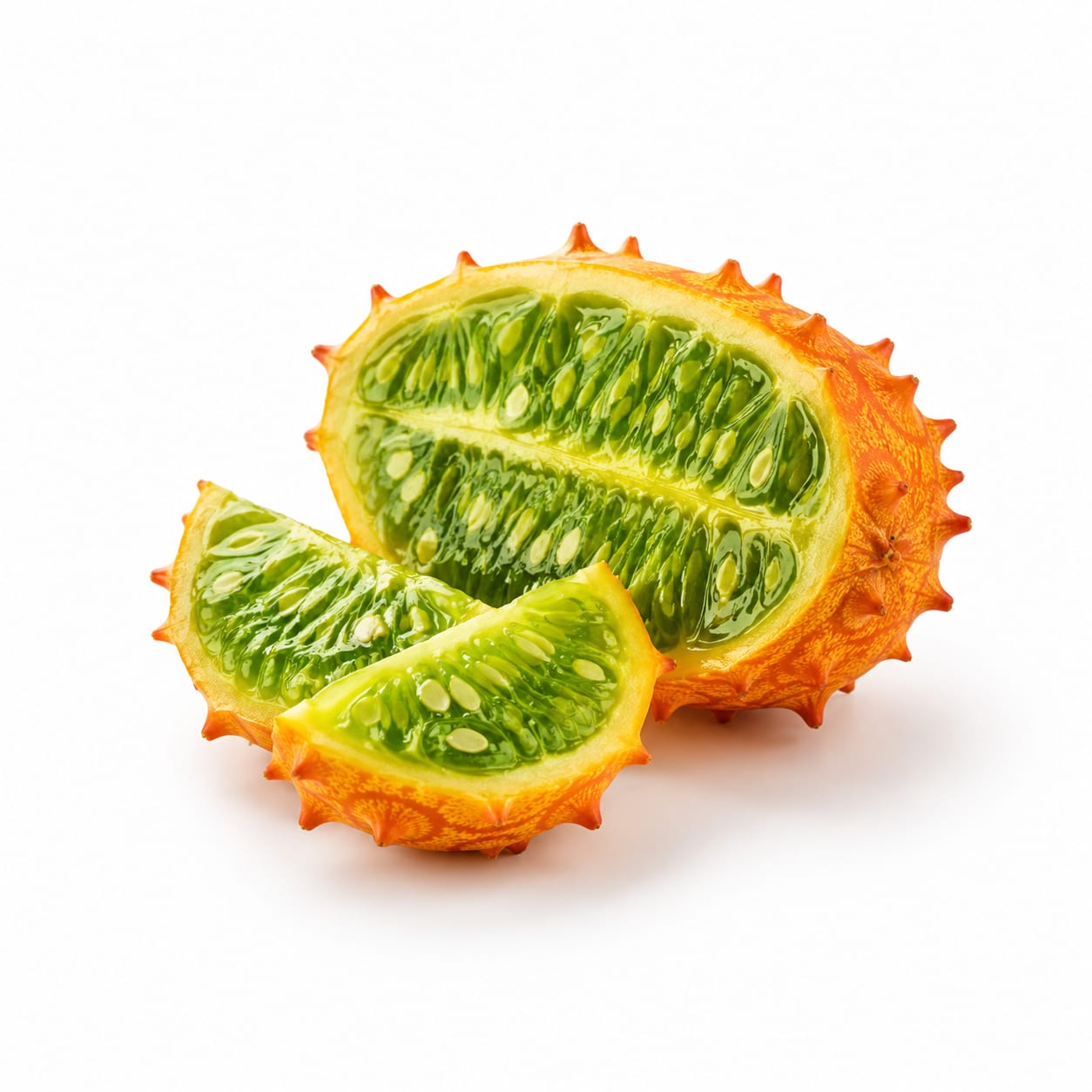
Kiwano
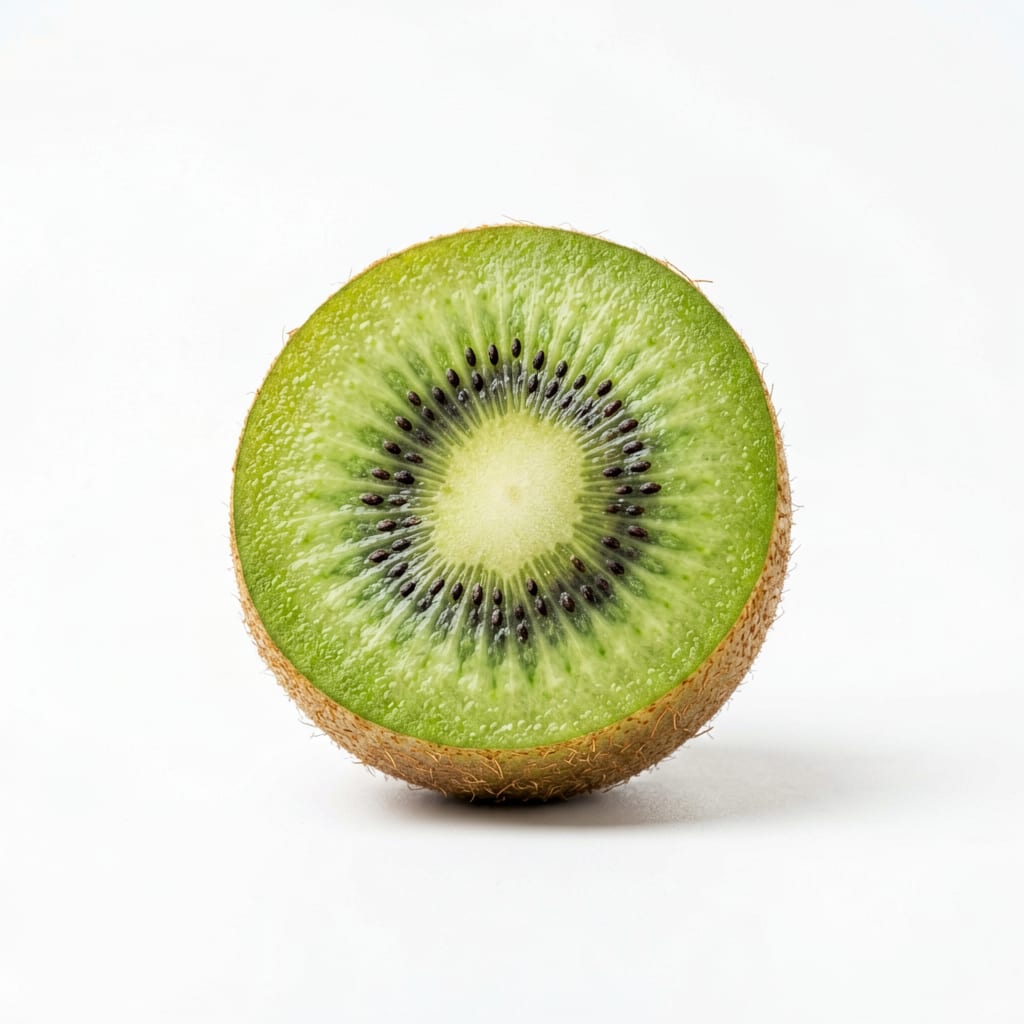
Kiwi
Kiwi is the everyday nutritional powerhouse with superior fiber and vitamins, while Kiwano is a hydrating, exotic novelty with a unique mineral profile.
Kiwano scores lower mainly due to practicality, cost, and lower fiber, while Kiwi earns high marks for nutrient density, gut health benefits, and everyday accessibility.
You trade the approachable, fiber-rich familiarity of Kiwi for the striking look, higher water content, and mineral boost of Kiwano.
At a glance
Executive summary
Overall
Kiwi
Healthier
Kiwi
More practical
Kiwi
Daily use
Kiwi
Key comparison lenses
Nutritional density and vitamin profile
Both are nutrient-dense fruits, but users want to know which offers more tangible health benefits per serving
Digestive health and tolerance
Kiwi is famous for digestion while Kiwano has unique seed and water content, making gut impact a key differentiator
Everyday practicality and taste
Kiwi is a grocery staple while Kiwano is an exotic novelty, heavily influencing how often people actually eat them
Allergy and mouth sensitivity
Kiwi is a common oral allergy trigger, making safety a real concern for some users
Best choice for
Kiwano
- Hot weather hydration
- Exotic fruit enthusiasts
- Those seeking magnesium and iron boosts
- People with latex-fruit allergy who want a safe tropical alternative
Kiwi
- Daily immune support
- Improving digestion and relieving constipation
- Budget-conscious shoppers
- Meal prep and smoothies
Least suitable for
Kiwano
- Quick, on-the-go snacking
- Tight grocery budgets
- People who dislike slimy or seedy textures
Kiwi
- People with latex-fruit syndrome
- Those sensitive to mouth irritation from acidity
Deep comparison
Dimension by dimension
Each lens scores both foods and breaks down who each option suits.
- Dimension 1 · Priority 92Kiwi
Vitamin and Antioxidant Density
Kiwano · 65Kiwi · 95Kiwi delivers a massive dose of vitamin C and vitamin K, easily covering your daily needs in a single fruit.
Tradeoff
Kiwano provides decent vitamin C but cannot compete with the sheer antioxidant punch and vitamin K content of Kiwi.
Why it matters
Higher vitamin C means better immune defense and collagen production; vitamin K is crucial for blood clotting and bone health.
Real-world impact
Eating a Kiwi a day keeps your immune system resilient, whereas Kiwano is more of a light supplement than a heavy hitter.
Kiwano
- Adding variety to a stagnant fruit routine
Better for
- Relying on it as your primary vitamin C source
Worse for
Kiwi
- Fighting off a cold
- Supporting skin elasticity
- Strengthening bones
Better for
- Those on blood thinners who must monitor vitamin K intake
Worse for
- Dimension 2 · Priority 88Kiwi
Digestive Health and Satiety
Kiwano · 55Kiwi · 92Kiwi is a proven digestion aid packed with fiber and actinidin, an enzyme that breaks down protein.
Tradeoff
Kiwano's jelly-like flesh and seeds offer mild fiber, but it lacks the enzymatic punch and bulk that makes Kiwi so satisfying.
Why it matters
Good fiber and enzymes mean less bloating, smoother digestion, and staying full longer between meals.
Real-world impact
A Kiwi after a heavy meal feels like a digestive reset; Kiwano feels more like drinking flavored water.
Kiwano
- Very light snacking when you barely have an appetite
Better for
- Resolving digestive sluggishness
Worse for
Kiwi
- Relieving constipation
- Feeling full until your next meal
- Breaking down heavy proteins
Better for
- Those with irritable bowel syndrome triggered by high fructose or fiber
Worse for
- Dimension 3 · Priority 75Kiwano
Hydration and Mineral Content
Kiwano · 88Kiwi · 60Kiwano is over 88% water and offers notable amounts of magnesium, iron, and zinc that Kiwi lacks.
Tradeoff
You get superior hydration and trace minerals from Kiwano, but you miss out on the dense vitamin profile of Kiwi.
Why it matters
Magnesium and iron are essential for energy production and muscle function, especially in hot climates or after exercise.
Real-world impact
Kiwano is incredibly refreshing on a scorching day, acting like a natural electrolyte drink in fruit form.
Kiwano
- Post-workout hydration
- Hot summer days
- Boosting dietary iron and magnesium
Better for
- Providing lasting satiety
Worse for
Kiwi
- Replenishing potassium after sweating
Better for
- Staying optimally hydrated with water-heavy content
Worse for
- Dimension 4 · Priority 80Kiwi
Practicality and Enjoyment
Kiwano · 40Kiwi · 85Kiwi is affordable, easy to find, and simple to eat, while Kiwano is expensive, hard to find, and awkward to prep.
Tradeoff
Kiwano looks stunning on a fruit platter, but Kiwi is the realistic choice for daily lunchboxes and quick snacks.
Why it matters
The healthiest fruit is the one you actually eat consistently. Friction in prep or cost often kills good habits.
Real-world impact
Slicing a Kiwi takes seconds and costs under a dollar; dealing with a spiky Kiwano is a chore that gets old fast.
Kiwano
- Impressing guests with a dramatic centerpiece
- Exploring new culinary experiences
Better for
- Busy mornings
- Cost-effective meal prep
Worse for
Kiwi
- Quick breakfast additions
- Affordable daily snacking
- Easy smoothie blending
Better for
- Creating a visually striking garnish
Worse for
Timeline
Health impact over time
Short-term
Hours to days
Kiwano
- Instant hydration and refreshment
- Mild blood sugar rise from natural sugars without heavy satiety
Kiwi
- Noticeable relief from bloating or constipation
- Quick energy lift from natural sugars and vitamin C
Long-term
Months to years
Kiwano
- Better hydration habits if used as a water substitute
- Improved trace mineral intake for energy and muscle function
Kiwi
- Consistently smoother digestion and gut regularity
- Stronger immune resilience and improved skin health from high antioxidants
Risk profile
Safety & processing
Both Kiwano and Kiwi are whole, raw fruits with zero additives. You are getting pure, unadulterated produce in either case.
Kiwano
Physical injury from spikes
lowThe horned exterior can scratch hands or poke the mouth if not handled carefully.
Kiwi
Oral allergy syndrome
mediumKiwi contains actinidin, which commonly triggers itching, tingling, or swelling in the mouth, especially in those with latex allergies.
Oxalate content
lowKiwi contains oxalates, which may be a minor concern for people prone to calcium oxalate kidney stones if consumed in extreme excess.
Who wins for whom
Audience fit
Same foods, different winners depending on your goal.
children
KiwiKiwi is softer, easier to chew, and more palatable for kids, though parents should watch for mild mouth irritation; Kiwano's spikes and slime are tough sells for picky eaters.
daily consumption
KiwiKiwi is affordable, accessible year-round, and offers a reliable daily dose of fiber and vitamin C without breaking the bank.
diabetes
KiwiKiwi has a lower glycemic index and significantly more fiber, leading to a slower, steadier blood sugar rise compared to Kiwano.
elderly
KiwiKiwi is gentle on the teeth, easy to digest, and excellent for preventing age-related constipation, making it far more practical than the seedy Kiwano.
muscle gain
KiwanoKiwano provides slightly more magnesium and iron per calorie, which are critical minerals for muscle recovery and oxygen transport, though neither fruit is a protein source.
weight loss
KiwiKiwi's high fiber content keeps you full longer, making it easier to avoid overeating compared to the water-heavy, less filling Kiwano.
Your move
Decision guide
Choose Kiwano
- You live in a hot climate and want a ultra-hydrating, refreshing treat
- You have a latex-fruit allergy and cannot eat Kiwi
- You want to impress dinner guests with a dramatic, exotic fruit
- You need a magnesium and iron boost in a low-calorie format
Choose Kiwi
- You want a reliable, daily digestion aid
- You are watching your budget but want maximum nutritional value
- You need a quick, satisfying snack that keeps you full
- You want to boost your immune system with high vitamin C and K
Either works if
- You just want a low-calorie, natural sweet treat
- You are trying to increase your overall fruit intake
- You need more potassium in your diet
Avoid both if
- You are on a strict low-fodmap diet and sensitive to fructose
- You are looking for a significant source of protein or dietary fat
Final recommendation
Make Kiwi your daily driver for its unbeatable combo of fiber, vitamins, and gut-friendly enzymes. Save Kiwano for occasional hot-weather hydration or when you want a fun, exotic change of pace.
Practical
Consumer tips
- 1
Eat Kiwi with the skin on after a quick rinse to triple your fiber intake and make prep even faster.
- 2
If Kiwi makes your mouth itch, try the gold variety—it has lower actinidin enzyme levels and is usually better tolerated.
- 3
To eat Kiwano, slice it in half and scoop the jelly-like flesh directly out of the shell with a spoon, or strain the pulp into a refreshing juice.
- 4
Don't overpay for Kiwano expecting a life-changing superfood; enjoy it for its novelty and hydration, but rely on Kiwi for daily nutrition.