
Nutrition comparison
Kiwano vs Dragon Fruit: Which Exotic Fruit Is Actually Better for You?
Compare Kiwano and Dragon Fruit nutrition, taste, gut health benefits, and practical value. Find out which tropical fruit deserves a regular spot in your fridge.
Overall winner · Dragon Fruit

Kiwano
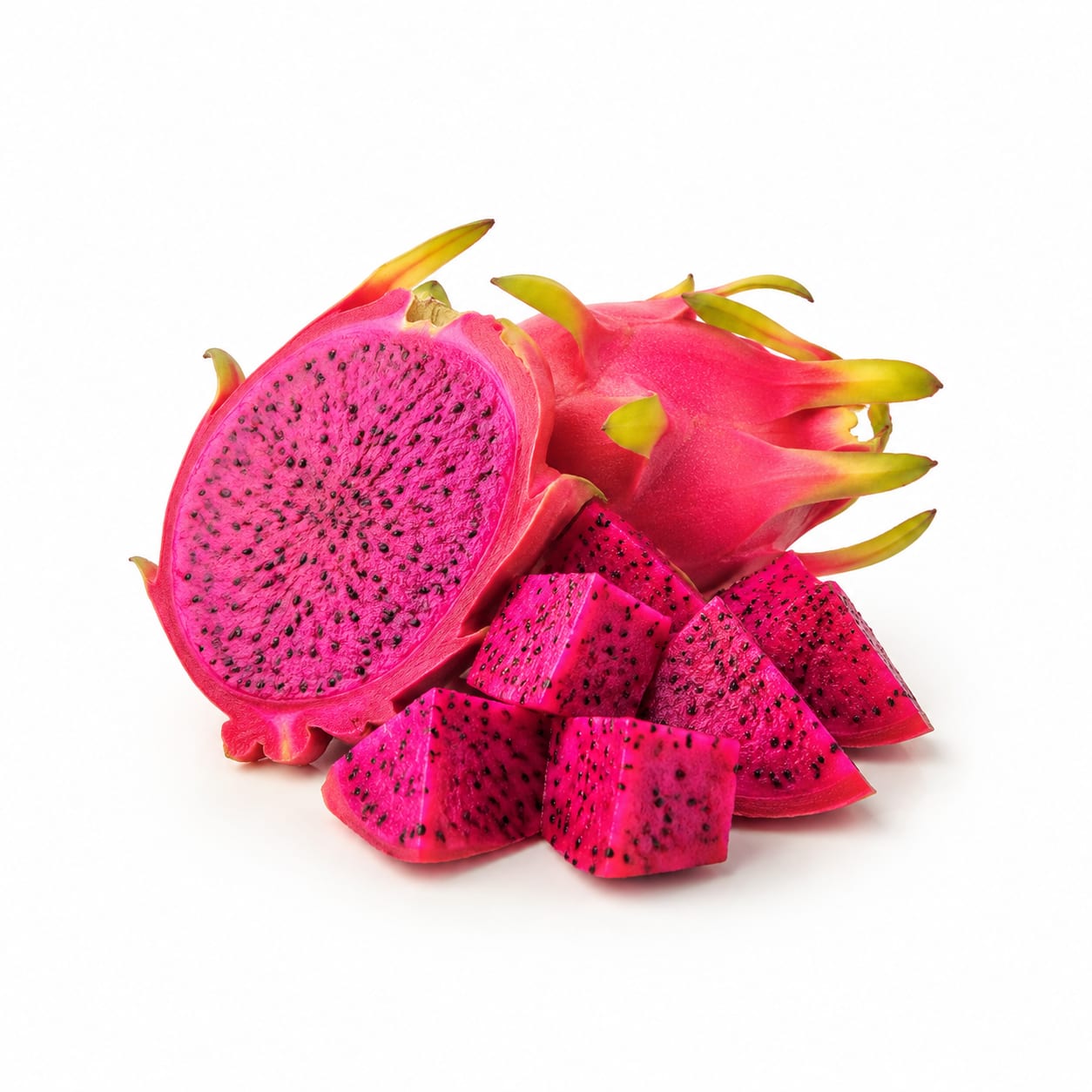
Dragon Fruit
Dragon Fruit wins on practicality, taste accessibility, and prebiotic fiber, while Kiwano offers stronger vitamin A and a more adventurous eating experience but is harder to find and enjoy regularly.
Dragon Fruit scores higher mainly due to broader accessibility, easier digestion, and better suitability for regular consumption. Kiwano has niche nutritional advantages but loses on practicality and taste approachability.
Kiwano delivers more vitamin A and a truly unique nutrient cocktail, but Dragon Fruit is easier to eat, more widely available, and gentler on digestion for daily use.
At a glance
Executive summary
Overall
Dragon Fruit
Healthier
It depends
More practical
Dragon Fruit
Daily use
Dragon Fruit
Key comparison lenses
exotic fruit nutritional value comparison
Both are tropical specialty fruits users encounter as novelty choices and want to know if the premium price delivers real health benefits
antioxidant and immune support potential
These fruits are often sought for their perceived superfood qualities and unique phytonutrient profiles
digestive health and fiber benefits
Both contain seeds and fiber that affect digestion differently, a key practical concern for daily consumption
taste and eating experience tradeoffs
Flavor accessibility heavily influences whether someone will actually repurchase and consume regularly
hydration and low-calorie snacking
Both are water-rich, low-calorie options often chosen as light refreshing snacks
Best choice for
Kiwano
- People seeking high vitamin A intake
- Adventurous eaters wanting novel flavors
- Those looking for magnesium-rich hydration
- Anyone bored with common fruits and wanting variety
Dragon Fruit
- Daily fruit rotation and consistent habits
- Gut health and prebiotic fiber support
- People with sensitive digestion
- Kids and picky eaters who need approachable flavors
Least suitable for
Kiwano
- Pickier eaters put off by unusual textures
- Those who need easy grocery access
- Budget-conscious shoppers wanting regular consumption
- People wanting a sweet, dessert-like fruit experience
Dragon Fruit
- Those seeking high vitamin A specifically
- People wanting strong distinctive flavor
- Anyone looking for a filling, satiating snack
- Shoppers on a tight produce budget
Deep comparison
Dimension by dimension
Each lens scores both foods and breaks down who each option suits.
- Dimension 1 · Priority 92Kiwano
Vitamin and Mineral Density
Kiwano · 78Dragon Fruit · 65Kiwano packs more vitamin A, magnesium, and iron per serving, giving it a stronger micronutrient profile overall.
Tradeoff
Kiwano's nutritional edge comes in a smaller, more intimidating package that many people struggle to finish regularly.
Why it matters
Vitamin A supports vision and immune function, and magnesium helps with muscle recovery and sleep — both areas where Kiwano delivers meaningfully more.
Real-world impact
Eating Kiwano a few times a week could noticeably support eye health and recovery, but only if you actually enjoy eating it enough to maintain that habit.
Kiwano
- Vitamin A intake — significantly more beta-carotene
- Magnesium — useful for active individuals
- Iron — helpful for plant-based eaters
Better for
- Lower overall vitamin C compared to Dragon Fruit
- Nutrient density only matters if you eat it consistently
Worse for
Dragon Fruit
- Vitamin C — slightly more consistent levels
- Calcium — marginally better for bone support
Better for
- Less vitamin A and magnesium per serving
- Iron content is modest
Worse for
- Dimension 2 · Priority 88It depends
Antioxidant Profile
Kiwano · 74Dragon Fruit · 76Dragon Fruit's betalains and Kiwano's alpha-tocopherol offer different antioxidant strengths — neither is clearly superior.
Tradeoff
Red Dragon Fruit has uniquely potent betalains, but white-fleshed varieties are far less antioxidant-rich. Kiwano is more consistent but less studied.
Why it matters
Different antioxidants protect different systems — betalains fight oxidative stress and inflammation, while vitamin E supports skin and cell membranes.
Real-world impact
If you choose red Dragon Fruit, you get a stronger anti-inflammatory punch. Kiwano gives steadier vitamin E benefits regardless of variety.
Kiwano
- Consistent vitamin E (alpha-tocopherol) across all specimens
- Unique antioxidant compounds less common in other fruits
Better for
- Less scientific research on specific antioxidant benefits
- No single standout compound like betalains
Worse for
Dragon Fruit
- Betalains in red varieties are potent anti-inflammatories
- More research backing antioxidant benefits
- Polyphenols with broader cellular protection
Better for
- White-fleshed varieties have notably fewer antioxidants
- Benefits vary significantly depending on which variety you buy
Worse for
- Dimension 3 · Priority 85Dragon Fruit
Digestive Health and Fiber
Kiwano · 62Dragon Fruit · 80Dragon Fruit's prebiotic oligosaccharides actively feed beneficial gut bacteria, while Kiwano's fiber is more mechanical and less gut-targeted.
Tradeoff
Kiwano's seeds provide satisfying crunch and bulk, but Dragon Fruit's fiber type does more to cultivate a healthy microbiome over time.
Why it matters
Prebiotic fiber doesn't just move things through — it helps your gut bacteria produce short-chain fatty acids that reduce inflammation and improve immunity.
Real-world impact
Regular Dragon Fruit consumption can gradually improve gut health and regularity. Kiwano helps you feel full but offers less long-term gut ecosystem support.
Kiwano
- Seeds provide satisfying texture and bulk
- Higher total fiber content per serving
Better for
- Large seeds can be uncomfortable for some digestive conditions
- Less prebiotic activity compared to Dragon Fruit
Worse for
Dragon Fruit
- Prebiotic oligosaccharides actively feed good bacteria
- Gentler on sensitive stomachs
- More comfortable digestion for most people
Better for
- Lower total fiber quantity per serving
- Tiny seeds pass through without contributing much bulk
Worse for
- Dimension 4 · Priority 80Dragon Fruit
Taste and Eating Experience
Kiwano · 48Dragon Fruit · 78Dragon Fruit's mild sweet flavor is universally approachable, while Kiwano's banana-cucumber-lime combo is polarizing and often described as an acquired taste.
Tradeoff
Kiwano offers a genuinely unique tasting experience you cannot get elsewhere, but Dragon Fruit is something you will actually want to eat again tomorrow.
Why it matters
The healthiest fruit is the one you eat consistently. A spectacular flavor adventure that happens once loses to a pleasant flavor you return to weekly.
Real-world impact
Most people finish a Dragon Fruit and want another. Many try Kiwano once out of curiosity and do not rush to repurchase.
Kiwano
- Truly unique flavor unlike any other fruit
- Fun conversation piece and exotic experience
- Refreshing in hot weather when served chilled
Better for
- Jelly-like green texture unsettles many first-timers
- Flavor often described as underwhelming given its wild appearance
- Harder to incorporate into recipes
Worse for
Dragon Fruit
- Mild sweetness appeals to nearly everyone
- Easy to blend into smoothies and bowls
- Kids generally enjoy it without hesitation
Better for
- Some find the flavor too mild or bland
- Less exciting for adventurous palates
Worse for
- Dimension 5 · Priority 78Kiwano
Blood Sugar Impact
Kiwano · 82Dragon Fruit · 72Kiwano has slightly less sugar and a lower glycemic load, making it marginally gentler on blood sugar.
Tradeoff
The difference is modest — both are low-glycemic fruits — but Kiwano's lower sugar content gives it a slight edge for glucose-sensitive individuals.
Why it matters
Even small differences in sugar load matter for people managing diabetes, insulin resistance, or energy stability throughout the day.
Real-world impact
Kiwano is less likely to cause a subtle afternoon energy dip, but neither fruit is a significant blood sugar concern for most people.
Kiwano
- Lower natural sugar content per serving
- Less likely to cause energy fluctuations
- Better fit for strict low-sugar dietary protocols
Better for
- Advantage is small and may not matter for most people
Worse for
Dragon Fruit
- Still considered a low-glycemic fruit overall
- Fiber helps moderate sugar absorption
Better for
- Slightly higher sugar content
- Red varieties can be sweeter than expected
Worse for
- Dimension 6 · Priority 75Dragon Fruit
Availability and Practicality
Kiwano · 35Dragon Fruit · 72Dragon Fruit has become mainstream in most grocery stores, while Kiwano remains a specialty item found primarily in international markets.
Tradeoff
You can build Dragon Fruit into a weekly routine easily. Kiwano requires effort to source and costs more per serving when you find it.
Why it matters
Consistency drives health outcomes. A fruit you can grab at any supermarket beats a rare delicacy you see twice a year.
Real-world impact
Dragon Fruit is available year-round in most mid-size and larger grocery stores. Kiwano often requires specialty shops or online ordering with premium pricing.
Kiwano
- Longer shelf life when stored properly
- More durable skin protects the flesh during transport
Better for
- Limited availability outside specialty markets
- Often expensive per serving
- Unpredictable quality and ripeness
Worse for
Dragon Fruit
- Widely available in mainstream grocery stores
- Consistent pricing and supply year-round
- Easier to find organic options
Better for
- Can be pricey compared to common fruits
- Organic options still limited in some regions
Worse for
- Dimension 7 · Priority 70It depends
Hydration and Refreshment
Kiwano · 76Dragon Fruit · 78Both are over 85% water and excellent for hydration, with Dragon Fruit slightly more refreshing due to its softer texture and sweeter taste.
Tradeoff
Kiwano's electrolyte content (especially potassium and magnesium) makes it better for post-exercise rehydration, while Dragon Fruit is more pleasant as casual refreshment.
Why it matters
Proper hydration affects energy, focus, and physical performance more than most people realize, and water-rich fruits contribute meaningfully.
Real-world impact
After a workout, Kiwano replenishes electrolytes better. On a hot afternoon, chilled Dragon Fruit feels more satisfying and thirst-quenching.
Kiwano
- More potassium and magnesium for electrolyte replenishment
- Excellent post-workout hydration option
Better for
- Texture makes rapid consumption less appealing
Worse for
Dragon Fruit
- Slightly higher water content percentage
- More enjoyable as casual refreshment
- Easier to eat in larger hydrating quantities
Better for
- Fewer electrolytes per serving for recovery scenarios
Worse for
Timeline
Health impact over time
Short-term
Hours to days
Kiwano
- Quick hydration with electrolyte replenishment
- Mild satiety from seeds and fiber bulk
- Possible texture aversion reducing intake
- Vitamin C boost supporting immediate immune function
Dragon Fruit
- Gentle hydration with a satisfying sweet taste
- Prebiotic fiber beginning to feed gut bacteria
- Unlikely to cause any digestive discomfort
- Mild energy lift without blood sugar spike
Long-term
Months to years
Kiwano
- Consistent vitamin A intake supporting eye health
- Magnesium contributing to better sleep and muscle recovery
- Unlikely to become a regular habit due to access and taste barriers
- Antioxidant benefits from vitamin E accumulation
Dragon Fruit
- Gradually improved gut microbiome diversity from prebiotics
- Better long-term adherence due to pleasant taste and availability
- Consistent vitamin C intake supporting skin and immunity
- Betalain accumulation reducing chronic inflammation (red varieties)
Risk profile
Safety & processing
Both Kiwano and Dragon Fruit are whole, unprocessed fruits typically consumed fresh. Neither carries meaningful additive concerns. The only processing consideration is that Dragon Fruit appears more often in packaged smoothie packs and dried forms, which can add sugars and reduce fiber.
Kiwano
Pesticide residue on spiny skin
lowThe thick, spiny skin is never eaten, so pesticide exposure is minimal. Still worth rinsing before cutting open.
Seed-related digestive discomfort
lowLarge seeds can aggravate diverticulitis or sensitive bowels in susceptible individuals. Most people tolerate them fine.
Dragon Fruit
Pesticide residue on thin skin
mediumDragon Fruit's thinner edible-adjacent skin can carry more pesticide residue. Washing thoroughly is important, and organic is preferable when available.
Contamination in imported shipments
lowMost Dragon Fruit is imported and travels long distances. Proper food handling and refrigeration matters more than with local fruits.
Who wins for whom
Audience fit
Same foods, different winners depending on your goal.
children
Dragon FruitDragon Fruit's mild sweetness and fun appearance make it far more likely that kids will actually eat it. Kiwano's spiky exterior and unusual texture often scare children off.
daily consumption
Dragon FruitDragon Fruit's availability, pleasant taste, and digestive comfort make it realistic for daily eating. Kiwano works better as an occasional addition.
diabetes
KiwanoLower sugar and glycemic load give Kiwano a slight edge, though both are diabetes-friendly choices that most people with blood sugar concerns can enjoy safely.
elderly
Dragon FruitDragon Fruit's soft texture and gentle digestion make it more suitable for older adults. Kiwano's large seeds can be problematic for those with dental or digestive concerns.
muscle gain
KiwanoKiwano's higher magnesium and potassium content supports muscle recovery and electrolyte balance after training sessions.
weight loss
KiwanoKiwano's lower sugar content and more filling seeds make it slightly better for calorie-conscious snacking, though both are excellent low-calorie options.
Your move
Decision guide
Choose Kiwano
- You want maximum vitamin A and magnesium from a fruit source
- You are an adventurous eater who enjoys novel flavors and textures
- You need post-workout electrolyte replenishment from whole foods
- You are bored with common fruits and want something genuinely different
- You are managing blood sugar and want the lowest-sugar tropical option
Choose Dragon Fruit
- You want a fruit you will actually eat consistently every week
- Gut health and prebiotic fiber are a priority for you
- You are feeding kids or picky eaters who need approachable flavors
- You want something easy to blend into smoothies or breakfast bowls
- You need a fruit that is easy to find at your regular grocery store
Either works if
- You just want a hydrating, low-calorie snack
- You are looking for antioxidant variety in your diet
- Both are available and similarly priced near you
- You enjoy rotating exotic fruits for nutritional diversity
Avoid both if
- You have a tight produce budget and need calorie-dense fruit for the price
- You are looking for high-protein or high-fiber fruit options
- You need a portable, mess-free snack for on-the-go eating
- You have oral allergy syndrome triggered by tropical fruits
Final recommendation
Make Dragon Fruit your regular tropical fruit and treat Kiwano as an occasional adventure. Dragon Fruit's consistency, gut health benefits, and approachability make it the smarter default. But when you see Kiwano, grab one — its vitamin A and magnesium are worth the novelty, and dietary variety itself is a health strategy.
Practical
Consumer tips
- 1
Choose red-fleshed Dragon Fruit over white for significantly more antioxidants and anti-inflammatory betalains
- 2
Let Kiwano ripen at room temperature until the skin turns slightly orange for the best flavor
- 3
Cut Kiwano in half lengthwise and scoop the flesh directly — do not try to peel it first
- 4
Freeze Dragon Fruit chunks for smoothies — it blends into a beautiful magenta color and creamy texture
- 5
Wash Dragon Fruit thoroughly before cutting, even though you do not eat the skin, to avoid transferring residue
- 6
If Kiwano tastes bland, add a squeeze of lime juice to brighten the flavor considerably
- 7
Both fruits pair well with coconut yogurt for a tropical breakfast that supports gut health
- 8
Store uncut Dragon Fruit at room temperature and refrigerate only after cutting — cold whole fruit loses flavor