
Nutrition comparison
Kiwano vs Watermelon: Nutrition, Sugar, and Hydration Compared
Kiwano delivers more nutrients per calorie with less sugar, but watermelon wins on hydration, price, and everyday practicality. See which tropical fruit fits your goals.
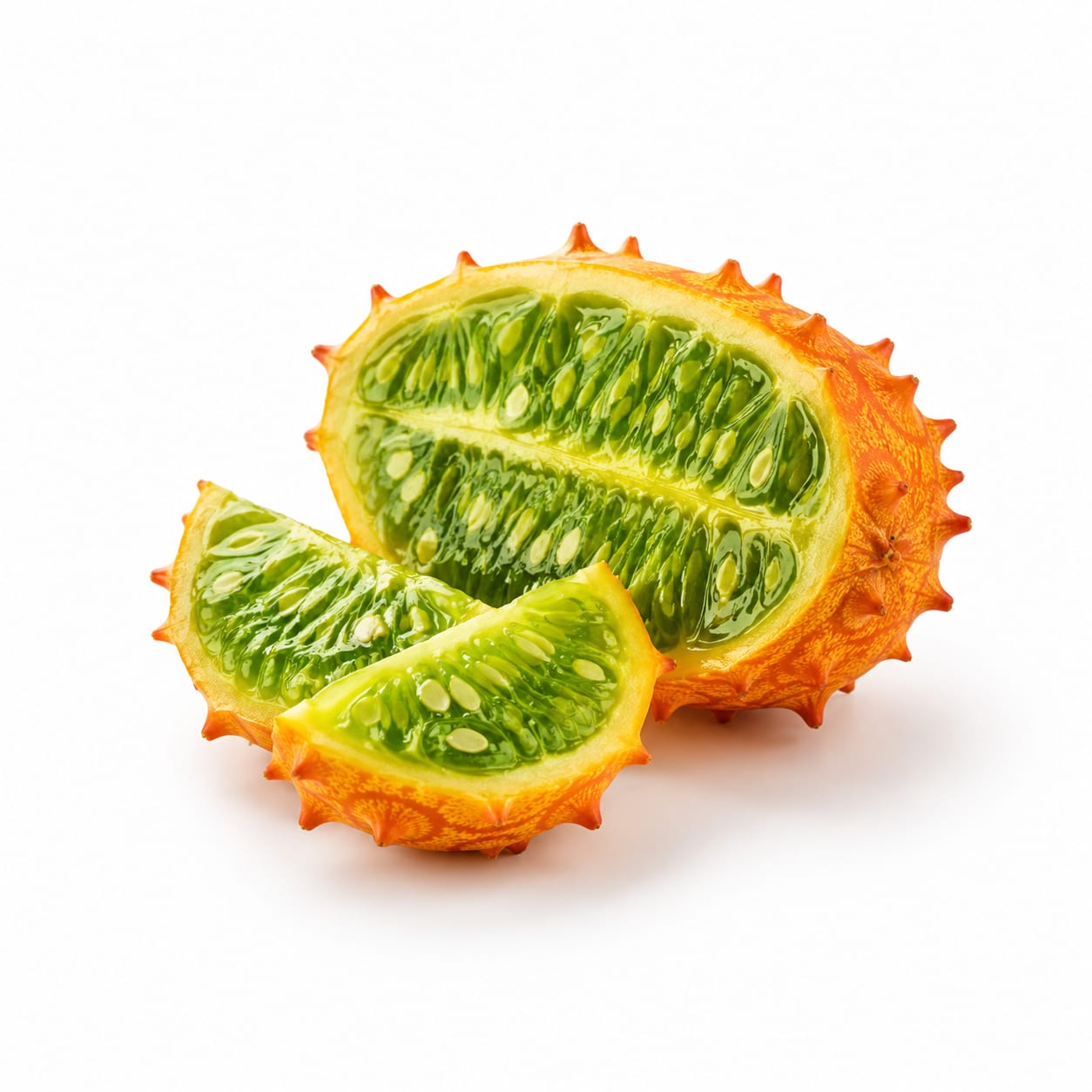
Kiwano
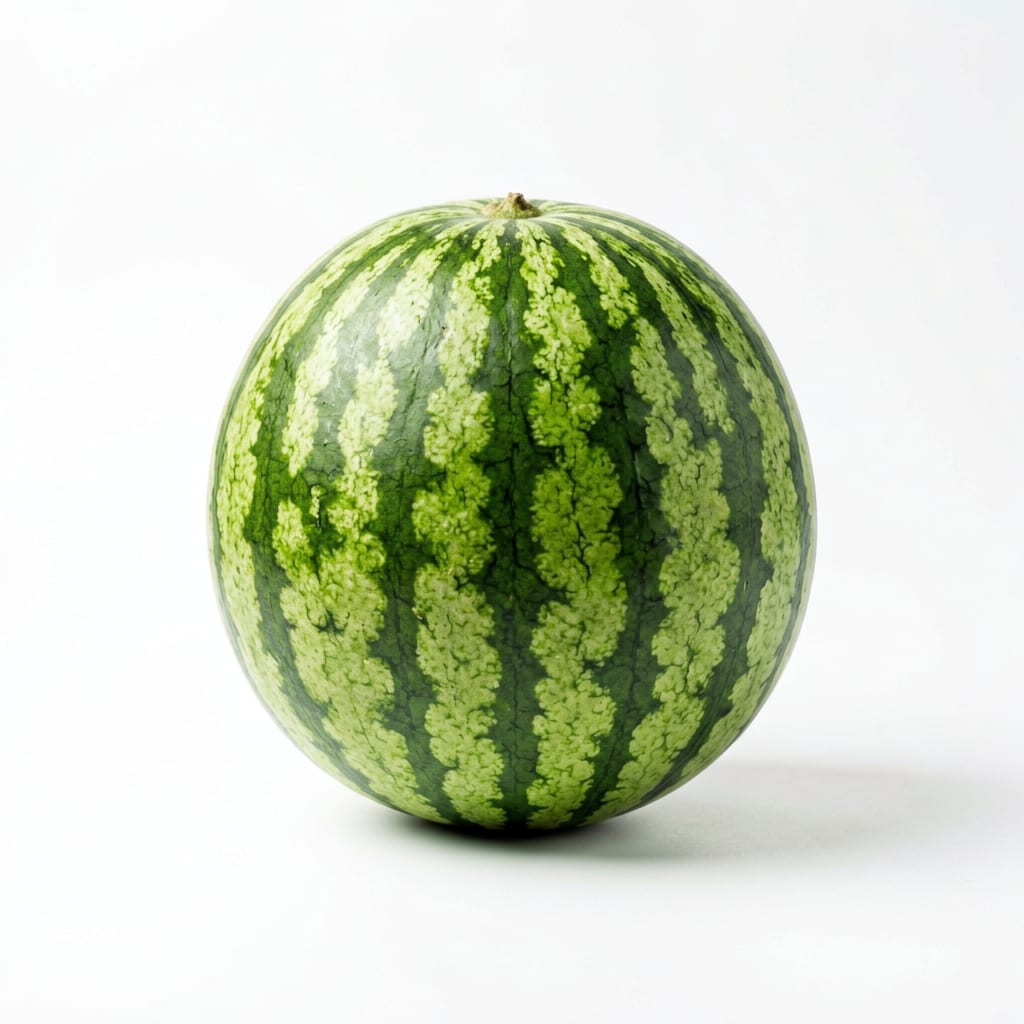
Watermelon
Kiwano wins on nutrient density and lower sugar; watermelon wins on hydration, price, and everyday practicality.
Kiwano scores higher for nutritional quality and blood sugar friendliness, but watermelon's unmatched hydration, affordability, and accessibility narrow the gap significantly for everyday use.
You choose between a micronutrient-rich, lower-sugar exotic fruit or a hyper-hydrating, widely available summer staple that's easier on your wallet.
At a glance
Executive summary
Overall
It depends
Healthier
Kiwano
More practical
Watermelon
Daily use
Watermelon
Key comparison lenses
Nutrient density per calorie
Kiwano packs significantly more micronutrients per calorie than watermelon, making this the core differentiator for health-conscious users
Hydration and refreshment value
Watermelon is iconic for hydration; users comparing these fruits likely care about refreshment versus nutrition tradeoffs
Sugar content and blood sugar impact
Watermelon is notably sweeter and higher in sugar, while kiwano offers a lower-sugar tropical alternative
Practicality and everyday accessibility
Kiwano is exotic and harder to find; watermelon is ubiquitous and affordable, affecting real-world decision-making
Antioxidant profile differences
Watermelon delivers lycopene while kiwano offers vitamin C and carotenoids — different antioxidant strengths matter for different goals
Best choice for
Kiwano
- People managing blood sugar who still want tropical fruit
- Anyone seeking maximum micronutrients per calorie
- Adventurous eaters wanting novel flavors and textures
Watermelon
- Hot weather hydration and post-exercise rehydration
- Families needing affordable, kid-friendly fruit in bulk
- Casual snackers who want something light and refreshing
Least suitable for
Kiwano
- Budget-conscious shoppers needing large quantities
- People who dislike tart or unusual flavor combinations
- Anyone needing quick, no-prep fruit on the go
Watermelon
- People strictly limiting sugar or managing diabetes
- Those seeking nutrient-dense, filling snacks
- Anyone wanting sustained energy without a sugar dip
Deep comparison
Dimension by dimension
Each lens scores both foods and breaks down who each option suits.
- Dimension 1 · Priority 92Kiwano
Nutrient Density
Kiwano · 84Watermelon · 48Kiwano delivers substantially more vitamins and minerals per calorie, especially iron, magnesium, and vitamin C.
Tradeoff
You gain micronutrient richness with kiwano but sacrifice the sheer volume and eating satisfaction that watermelon provides.
Why it matters
If you eat fruit partly for its nutritional contribution, kiwano gives you more per bite without extra calories.
Real-world impact
A single kiwano covers a meaningful chunk of your daily vitamin C and iron; you'd need far more watermelon calories to approach similar micronutrient intake.
Kiwano
- Filling nutritional gaps on a calorie budget
- Supporting immune function with vitamin C
- Boosting iron intake from a plant source
Better for
- People who want large portions without thinking about density
Worse for
Watermelon
- Casual eating where nutrition is secondary to enjoyment
Better for
- Anyone relying on fruit as a significant micronutrient source
Worse for
- Dimension 2 · Priority 88Watermelon
Hydration Value
Kiwano · 52Watermelon · 95Watermelon is 92% water and excels at rehydration; kiwano is more nutrient-concentrated with less water weight.
Tradeoff
Watermelon is nature's sports drink for hot days; kiwano is more like a nutrient supplement in fruit form.
Why it matters
In summer heat or after exercise, watermelon replaces fluids faster and more enjoyably than almost any other fruit.
Real-world impact
After a sweaty workout or a beach day, a few cups of watermelon rehydrate you noticeably; kiwano feels more like a small snack than a hydration tool.
Kiwano
- Situations where you want nutrients without excessive fluid intake
Better for
- Anyone specifically seeking maximum hydration from fruit
Worse for
Watermelon
- Post-workout rehydration
- Hot summer days when you feel depleted
- Replacing fluids when plain water feels boring
Better for
- When you need concentrated nutrition over volume
Worse for
- Dimension 3 · Priority 85Kiwano
Sugar and Blood Sugar Impact
Kiwano · 78Watermelon · 45Kiwano contains roughly half the sugar of watermelon per serving and has more fiber to slow absorption.
Tradeoff
Kiwano is gentler on blood sugar but less sweet and satisfying; watermelon tastes incredible but can cause a quicker glucose spike.
Why it matters
For prediabetics, diabetics, or anyone avoiding energy crashes, this difference matters daily.
Real-world impact
Eating watermelon on an empty stomach can cause a noticeable sugar rush and dip; kiwano provides a steadier, calmer energy curve.
Kiwano
- Managing diabetes or insulin resistance
- Avoiding afternoon energy crashes
- Low-sugar diets that still allow fruit
Better for
- People who find tart flavors unsatisfying as a snack
Worse for
Watermelon
- Athletes who need quick carbs after intense effort
Better for
- Anyone monitoring glycemic load carefully
- Late-night snacking when blood sugar stability matters
Worse for
- Dimension 4 · Priority 75It depends
Antioxidant Profile
Kiwano · 72Watermelon · 70Watermelon is a lycopene powerhouse; kiwano brings vitamin C and carotenoids. Different strengths for different needs.
Tradeoff
Lycopene from watermelon supports heart and prostate health; kiwano's vitamin C boosts immunity and skin — neither is clearly superior.
Why it matters
Your antioxidant priority should match your health concerns rather than assuming one fruit is 'higher in antioxidants.'
Real-world impact
Eating watermelon regularly may support cardiovascular health long-term; kiwano may better support immune resilience and collagen production.
Kiwano
- Immune support during cold season
- Skin health and collagen production
Better for
- Situations where lycopene specifically is the priority
Worse for
Watermelon
- Heart health and prostate protection
- Reducing oxidative stress from sun exposure
Better for
- When vitamin C intake is the primary goal
Worse for
- Dimension 5 · Priority 80Watermelon
Practicality and Accessibility
Kiwano · 30Watermelon · 90Watermelon is cheap, everywhere, and easy to eat; kiwano is expensive, hard to find, and confusing to prepare.
Tradeoff
Convenience and cost strongly favor watermelon, making it the realistic daily choice for most people.
Why it matters
The healthiest fruit only matters if you can actually buy and eat it regularly.
Real-world impact
You can grab watermelon at any grocery store for a few dollars per pound; kiwano might require a specialty store and costs significantly more for a small fruit.
Kiwano
- Special occasions or culinary exploration
- Impressing guests with something unusual
Better for
- Anyone without access to specialty or well-stocked stores
- People who need affordable fruit in quantity
Worse for
Watermelon
- Weekly grocery shopping on a budget
- Feeding a family that goes through fruit quickly
- Quick snacks that require zero learning curve
Better for
- Culinary adventurers seeking novelty
Worse for
- Dimension 6 · Priority 70Kiwano
Satiety and Fullness
Kiwano · 68Watermelon · 45Kiwano's seeds and fiber create more lasting fullness; watermelon's high water content passes through quickly.
Tradeoff
Kiwano keeps you satisfied longer per calorie, but watermelon lets you eat a larger volume if you just want to feel stuffed temporarily.
Why it matters
If you're snacking between meals, kiwano won't leave you hungry again in 30 minutes.
Real-world impact
A kiwano as a midafternoon snack holds you over until dinner; watermelon often leaves you reaching for something else within the hour.
Kiwano
- Between-meal snacking when you need lasting energy
- Portion control without feeling deprived
Better for
- When you want to eat a large volume of food
Worse for
Watermelon
- Right before a meal when you want something light
- Hot days when heavy food sounds unappealing
Better for
- Situations requiring sustained satiety between meals
Worse for
Timeline
Health impact over time
Short-term
Hours to days
Kiwano
- Moderate, steady energy without a sugar spike
- Mild digestive support from fiber and seeds
- Tart flavor may feel refreshing but not thirst-quenching
Watermelon
- Rapid hydration and fluid replenishment
- Quick blood sugar elevation that may cause a short energy dip
- Very light stomach feel, unlikely to cause bloating
Long-term
Months to years
Kiwano
- Better blood sugar regulation with consistent consumption
- Improved micronutrient status, particularly iron and vitamin C
- Limited practical impact if rarely eaten due to availability
Watermelon
- Cardiovascular benefits from regular lycopene intake
- Excellent hydration habits if used as a daily water source
- Possible sugar creep if eaten in large quantities frequently
Risk profile
Safety & processing
Both fruits are whole, unprocessed foods with no additives. The only concern is that pre-cut watermelon packaging sometimes involves plastic contact and reduced freshness, while whole kiwano is always sold intact.
Kiwano
Unfamiliar preparation leading to improper consumption
lowSome people eat only the jelly and discard nutrient-rich seeds, or avoid the fruit entirely due to confusion about edibility
Pesticide residue on spiky skin
lowThe skin is not eaten, so residue risk is minimal, but wash before cutting to avoid cross-contamination
Watermelon
Foodborne illness from pre-cut melon
mediumListeria and salmonella outbreaks have been linked to pre-cut watermelon; whole melons are significantly safer
Pesticide residue on rind
lowRind is not eaten, but cutting through an unwashed rind can transfer residue to the flesh
Who wins for whom
Audience fit
Same foods, different winners depending on your goal.
children
WatermelonKids universally love watermelon's sweet taste and fun texture; kiwano's tartness and spiky appearance can be off-putting
daily consumption
WatermelonAffordability, availability, and ease of preparation make watermelon realistic as a daily fruit; kiwano is better as an occasional addition
diabetes
KiwanoSignificantly less sugar and more fiber create a gentler glycemic response, making kiwano the safer choice for blood sugar management
elderly
WatermelonWatermelon's soft texture and high hydration are ideal for older adults with reduced appetite or dehydration risk
muscle gain
WatermelonWatermelon provides quick-digesting carbs and citrulline, which may support blood flow and post-workout recovery
weight loss
KiwanoLower sugar, more fiber, and greater satiety per calorie make kiwano more supportive of calorie-controlled eating
Your move
Decision guide
Choose Kiwano
- You're managing blood sugar and want a fruit that won't spike glucose
- You prioritize getting maximum nutrients per calorie from your snacks
- You enjoy exploring unusual flavors and don't mind the higher price
- You need a between-meal snack that actually keeps you full
Choose Watermelon
- Hydration is your primary goal, especially in hot weather
- You're feeding a family and need affordable fruit in large quantities
- You want something sweet and satisfying after meals or exercise
- Accessibility and convenience matter more than micronutrient density
Either works if
- You want a whole-food fruit snack free from processing concerns
- You're looking for vitamin C and antioxidants from natural sources
- You enjoy variety and can rotate both fruits seasonally
Avoid both if
- You need a high-protein snack for muscle recovery
- You're looking for a portable, mess-free fruit option for commuting
- You have a severe melon or cucumber family allergy
Final recommendation
Keep watermelon as your everyday fruit for hydration, enjoyment, and practicality. Add kiwano occasionally when you find it fresh and want a nutrient-dense, lower-sugar change of pace. Neither needs to replace the other — they serve different purposes beautifully.
Practical
Consumer tips
- 1
Cut kiwano in half lengthwise and scoop the jelly directly — the seeds are edible and nutritious
- 2
Wash watermelon rind before slicing to prevent transferring residue to the flesh
- 3
Buy whole watermelon instead of pre-cut to reduce listeria risk and save money
- 4
Choose kiwano that yields slightly to pressure — rock-hard ones may be underripe
- 5
Freeze watermelon cubes for a hydrating summer treat that replaces popsicles
- 6
Mix kiwano jelly into yogurt or smoothies for a nutrient boost without added sugar