
Nutrition comparison
Kiwano vs Papaya: Nutrition, Digestion, and Which to Pick
Compare Kiwano and Papaya to see which tropical fruit is better for digestion, skin health, and blood sugar. Learn the nutritional tradeoffs between these two fruits.
Overall winner · Papaya
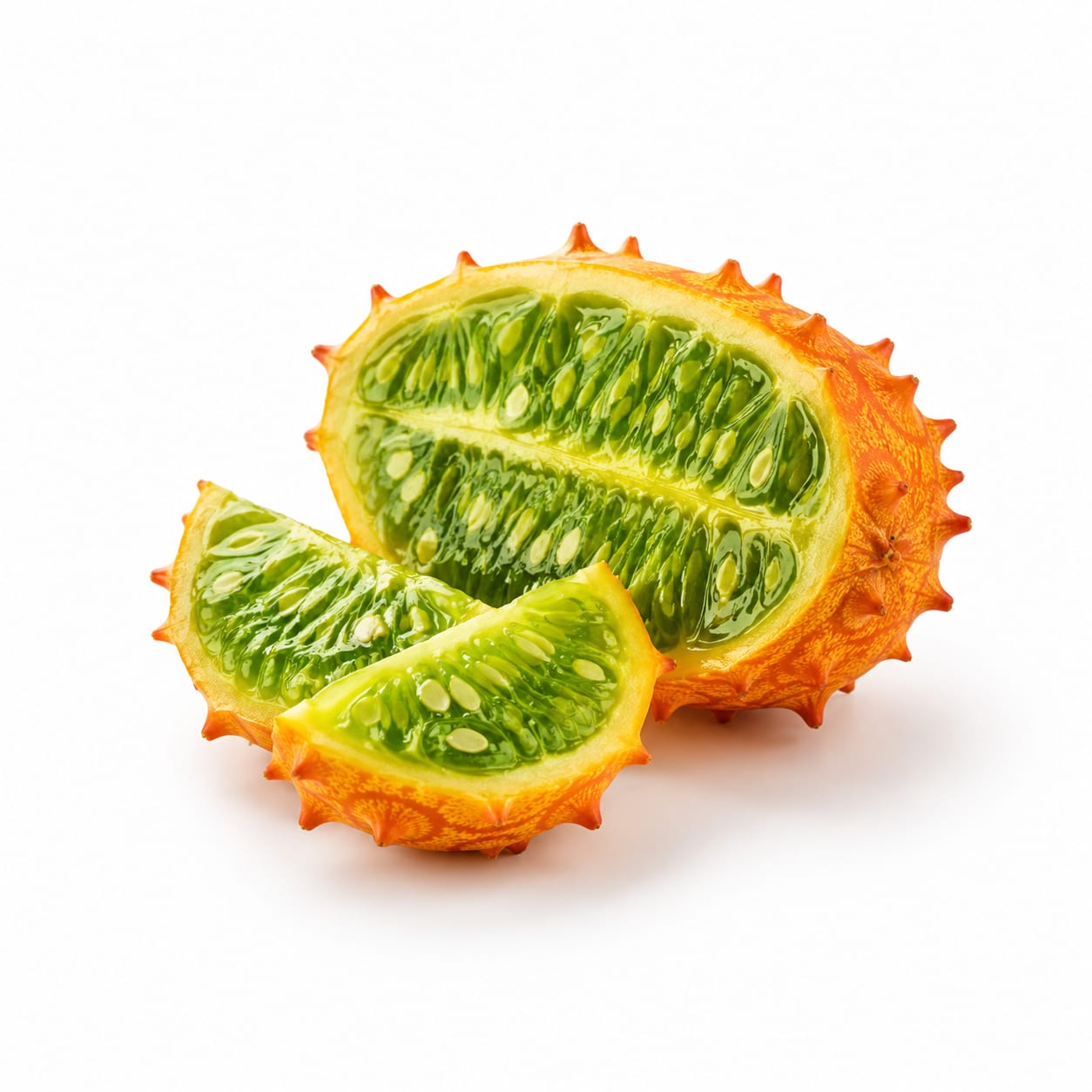
Kiwano
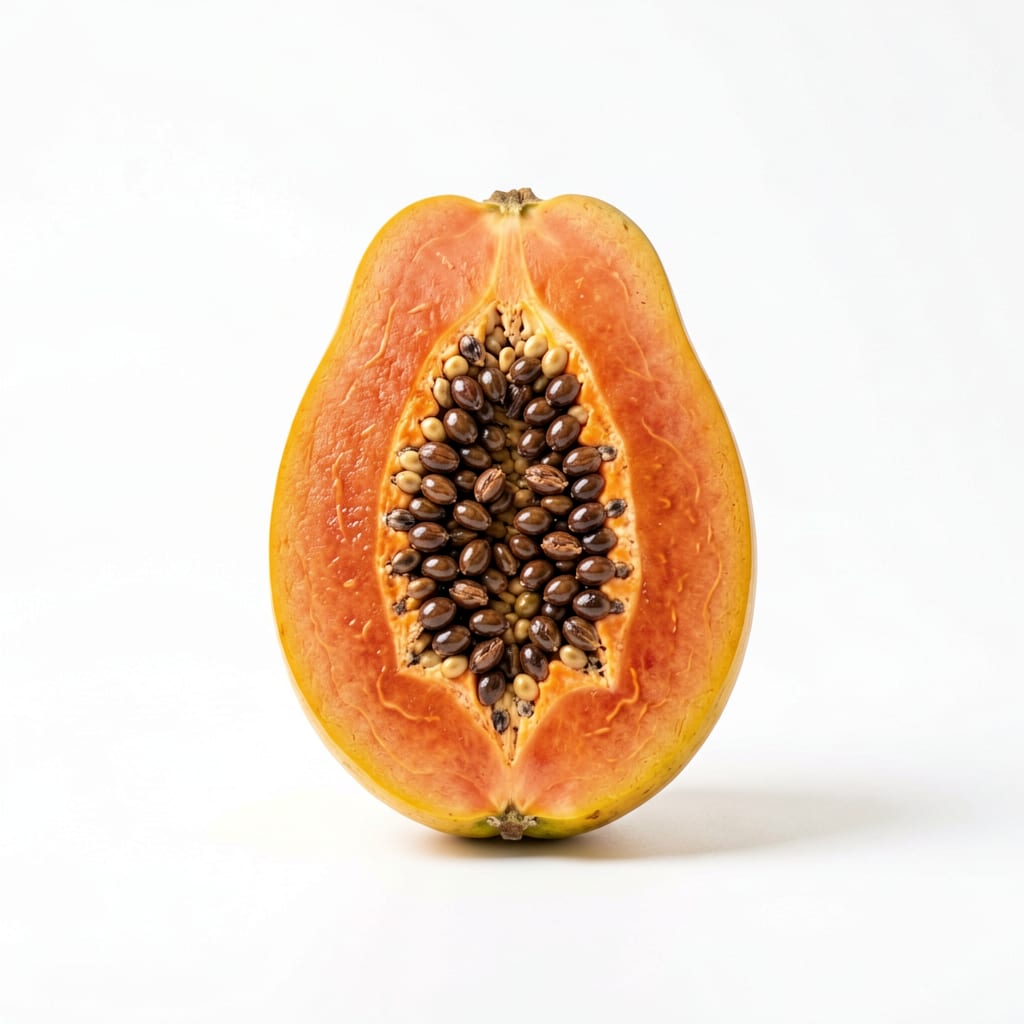
Papaya
Papaya wins for daily nutrition and digestion, while Kiwano offers a fun, hydrating novelty experience.
Papaya scores higher due to its superior vitamin density and proven digestive benefits, making it a more impactful daily choice. Kiwano is healthy but nutritionally lighter.
Papaya delivers far more Vitamin A and digestive enzymes, whereas Kiwano provides a striking visual and tart flavor but less nutritional density.
At a glance
Executive summary
Overall
Papaya
Healthier
Papaya
More practical
Papaya
Daily use
Papaya
Key comparison lenses
Digestive health and enzyme benefits
Papaya is famous for papain, a digestive enzyme, making gut health a key contrast
Vitamin A and antioxidant density
Papaya provides massive beta-carotene levels, while Kiwano is much lower in this vital nutrient
Culinary novelty versus everyday practicality
Kiwano is a spiky, exotic garnish fruit, whereas Papaya is a sweet, everyday staple
Blood sugar management
Both are low-calorie tropical fruits, but Kiwano has slightly less sugar per serving
Best choice for
Kiwano
- Adventurous eaters seeking a unique garnish
- People wanting a very low-sugar, tart snack
- Those with latex allergies who cannot eat Papaya
Papaya
- People needing digestive support after heavy meals
- Anyone looking to boost Vitamin A and skin health
- People wanting an easy, sweet everyday tropical fruit
Least suitable for
Kiwano
- People wanting a filling, calorie-dense snack
- Those who dislike seedy or gelatinous textures
- Shoppers on a tight grocery budget
Papaya
- Individuals with latex-fruit allergy syndrome
- Those strictly avoiding GMO produce
- People who dislike very soft, mushy textures
Deep comparison
Dimension by dimension
Each lens scores both foods and breaks down who each option suits.
- Dimension 1 · Priority 90Papaya
Digestive Comfort
Kiwano · 60Papaya · 90Papaya contains papain, a powerful enzyme that breaks down protein and soothes the stomach. Kiwano is mostly water and mild on the gut but lacks specific digestive aids.
Tradeoff
You get real digestive relief from Papaya, while Kiwano is just easy to digest without actively helping.
Why it matters
If you struggle with bloating or heavy meals, Papaya is a natural remedy.
Real-world impact
Eating a few bites of Papaya after a steak dinner can genuinely reduce that stuffed feeling.
Kiwano
- Light hydration when feeling slightly nauseous
Better for
- Providing enzymatic digestive support
Worse for
Papaya
- Easing bloating after protein-heavy meals
- Soothing occasional indigestion
Better for
- Being safe for those with latex allergies
Worse for
- Dimension 2 · Priority 85Papaya
Antioxidant and Vitamin Density
Kiwano · 55Papaya · 92Papaya is a powerhouse of Vitamin C and beta-carotene, far outpacing Kiwano. Kiwano offers some Vitamin C and magnesium but is less nutrient-dense overall.
Tradeoff
Papaya significantly boosts skin and immune health, while Kiwano offers more magnesium and basic hydration.
Why it matters
Vitamin A is critical for vision and skin, and Papaya provides a massive dose in a small serving.
Real-world impact
Regular Papaya consumption can visibly support skin clarity and immune resilience during cold season.
Kiwano
- Getting a little extra magnesium for muscle relaxation
Better for
- Delivering high levels of beta-carotene
Worse for
Papaya
- Boosting skin health and vision
- Supporting immune defense
Better for
- Supplying notable dietary magnesium
Worse for
- Dimension 3 · Priority 80Papaya
Practicality and Availability
Kiwano · 40Papaya · 85Papaya is widely available, easy to scoop, and affordable. Kiwano is a specialty item, often expensive, and its spiky shell and gelatinous green interior can be intimidating.
Tradeoff
Papaya is an easy everyday grocery staple, while Kiwano is a rare treat that requires effort to source and use.
Why it matters
You can only get benefits from fruit you actually buy and eat regularly.
Real-world impact
You can find Papaya at almost any supermarket and prep it in seconds, whereas Kiwano requires a specialty store hunt and careful cutting.
Kiwano
- Creating a visually stunning cocktail or dessert garnish
Better for
- Grab-and-go snacking
- Budget-friendly grocery runs
Worse for
Papaya
- Quick breakfast prep
- Affordable weekly meal planning
Better for
- Instagram-worthy exotic presentation
Worse for
- Dimension 4 · Priority 70It depends
Blood Sugar and Hydration
Kiwano · 78Papaya · 75Both are low-calorie and hydrating, but Kiwano is slightly lower in sugar and carbs, making it a touch safer for strict low-carb diets. Papaya has more sugar but still has a low glycemic load.
Tradeoff
Kiwano offers a tart, lower-sugar hydration boost, while Papaya provides sweeter, more satisfying hydration.
Why it matters
For diabetics or those monitoring sugar, small differences in fruit carbs matter.
Real-world impact
Kiwano will not spike blood sugar at all, but Papaya's sweetness makes it a more satisfying replacement for desserts.
Kiwano
- Strict low-carb dieters wanting a fruit treat
- Hot weather hydration with minimal sugar
Better for
- Curbing intense sugar cravings
Worse for
Papaya
- Satisfying a sweet tooth without refined sugar
- Post-workout light carb replenishment
Better for
- Strict ketogenic diets
Worse for
Timeline
Health impact over time
Short-term
Hours to days
Kiwano
- Quick hydration from high water content
- Mild tart refreshment without a sugar crash
Papaya
- Immediate relief from bloating or fullness
- Quick Vitamin C boost for energy
Long-term
Months to years
Kiwano
- Maintaining basic hydration habits
- Occasional magnesium support for muscles
Papaya
- Improved skin elasticity from high Vitamin A
- Better digestive regularity
- Stronger immune resilience
Risk profile
Safety & processing
Both are whole, raw fruits with no artificial additives. The only concern is that conventional Papaya from Hawaii is predominantly GMO, while Kiwano is typically grown from traditional seeds.
Kiwano
Choking hazard from seeds
lowThe seeds are edible but slippery; not a major risk for adults but something to note for small children.
Papaya
Latex-fruit allergy cross-reactivity
mediumPeople with latex allergies may experience itching or swelling in the mouth and throat when eating Papaya due to similar proteins.
GMO exposure
lowMost Hawaiian Papaya is genetically modified. If avoiding GMOs is a priority, seek out organic or Caribbean varieties.
Who wins for whom
Audience fit
Same foods, different winners depending on your goal.
children
PapayaPapaya is sweet, easy to mash, and gentle on tiny stomachs. Kiwano's spiky exterior and slippery seeds make it less kid-friendly.
daily consumption
PapayaPapaya is easier to find, more versatile, and offers a stronger daily dose of essential vitamins like A and C.
diabetes
KiwanoKiwano has a lower sugar and carb content, making it a safer, less glycemic choice for managing blood sugar, though both are acceptable in moderation.
elderly
PapayaPapaya's soft texture and digestive enzymes are excellent for aging digestive systems that struggle with heavy proteins.
muscle gain
It dependsNeither is a significant protein source. Kiwano has slightly more magnesium for muscle recovery, but the difference is negligible.
weight loss
It dependsBoth are low in calories. Kiwano is slightly lower in sugar, but Papaya is more filling and satisfying, which helps prevent overeating later.
Your move
Decision guide
Choose Kiwano
- You want a striking, conversation-starting garnish for drinks or desserts
- You are strictly monitoring sugar and carb intake
- You have a latex allergy and cannot eat Papaya
Choose Papaya
- You need natural relief from bloating or indigestion
- You want to improve your skin health and Vitamin A intake
- You are looking for a sweet, satisfying everyday fruit
Either works if
- You just want a hydrating, low-calorie tropical snack
- You are trying to increase your overall fresh fruit intake
Avoid both if
- You need a high-protein or high-fiber food to keep you full for hours
- You are looking for a portable, mess-free snack to eat on the go
Final recommendation
Make Papaya your everyday tropical fruit for its digestive benefits and vitamin density, but save Kiwano for moments when you want a visually stunning, low-sugar novelty.
Practical
Consumer tips
- 1
If buying Papaya and avoiding GMOs, look for organic labels or fruit grown outside of Hawaii.
- 2
To eat Kiwano, slice it open and spoon out the green jelly directly, or squeeze the shell to pop the seeds into your mouth.
- 3
Keep Papaya seeds! They have a peppery taste and can be dried and used as a spice or digestive aid.
- 4
A ripe Papaya should yield slightly to pressure like an avocado; a rock-hard Papaya needs a few days on the counter.