
Nutrition comparison
Kiwano vs Cantaloupe: Which Melon Is Healthier for You?
Compare Kiwano and Cantaloupe nutrition — vitamin A, sugar content, minerals, and practicality. Find out which melon fits your health goals and daily routine better.
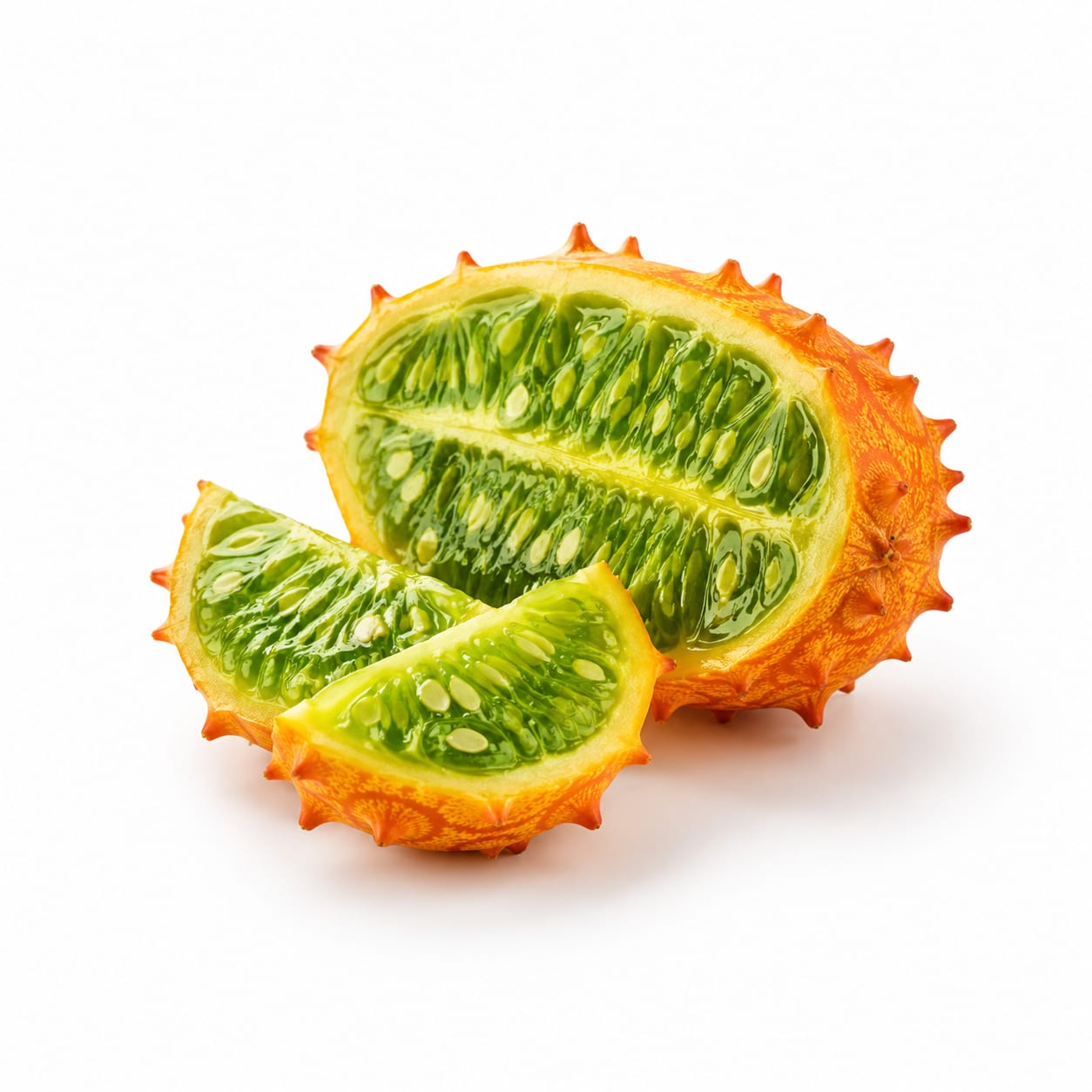
Kiwano
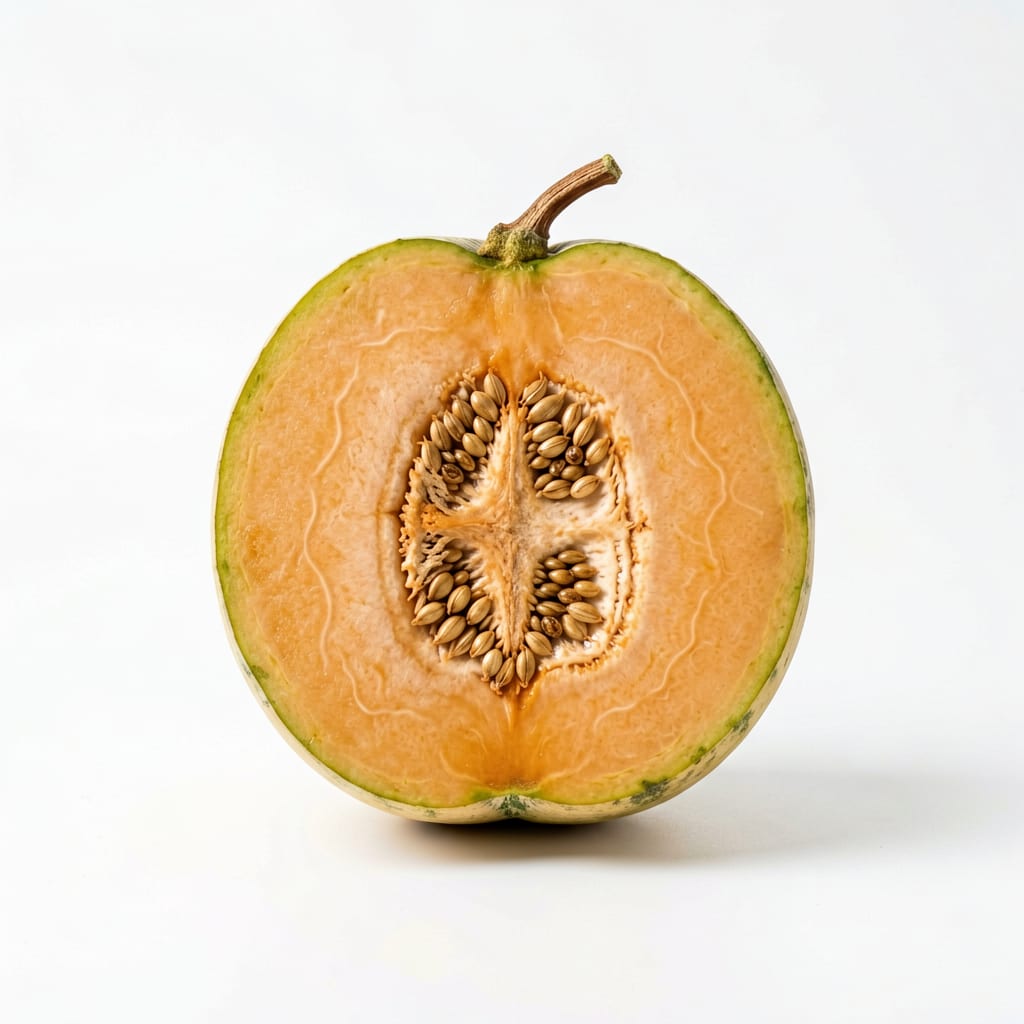
Cantaloupe
Cantaloupe dominates on vitamin A and everyday practicality; Kiwano wins on lower sugar and mineral content. Your pick depends on what gap you're filling.
Cantaloupe scores higher due to its exceptional vitamin A content, wider availability, and lower cost. Kiwano holds its own with a superior mineral profile and lower sugar, but its exotic status and limited accessibility reduce its everyday utility.
Massive vitamin A and convenience from Cantaloupe versus lower sugar and unique mineral profile from Kiwano
At a glance
Executive summary
Overall
It depends
Healthier
It depends
More practical
Cantaloupe
Daily use
Cantaloupe
Key comparison lenses
vitamin A and eye health comparison
Cantaloupe is one of the richest fruit sources of beta-carotene, while Kiwano offers minimal vitamin A — this is the starkest nutritional gap between them
sugar and blood sugar impact
Kiwano is notably lower in sugar, making it relevant for anyone watching glycemic load or cutting sweet cravings
practicality and everyday accessibility
Cantaloupe is cheap and available everywhere; Kiwano is exotic, seasonal, and expensive — this matters for daily use decisions
mineral density and micronutrient uniqueness
Kiwano surprisingly outperforms Cantaloupe in iron and magnesium, which is unusual for a fruit comparison
hydration and water content
Both are hydrating fruits, but Cantaloupe's higher water content and familiar texture make it a more natural choice for rehydration
Best choice for
Kiwano
- People watching sugar intake or managing blood sugar
- Those needing more iron and magnesium from fruit sources
- Anyone seeking novel flavors and culinary exploration
- Low-carb dieters wanting a fruit option
Cantaloupe
- People who need more vitamin A for eye and skin health
- Budget-conscious shoppers wanting maximum nutrition per dollar
- Families wanting a kid-friendly hydrating fruit
- Anyone needing an easy, everyday fruit staple
Least suitable for
Kiwano
- People on a tight grocery budget
- Those who want familiar, easy-to-eat fruit textures
- Anyone needing high vitamin A from their fruit intake
- People who dislike tart or mildly bitter flavors
Cantaloupe
- People strictly limiting sugar or carbs
- Those already getting abundant vitamin A from other sources
- Anyone with cantaloupe allergy or melon sensitivity
- People seeking iron-rich fruit options
Deep comparison
Dimension by dimension
Each lens scores both foods and breaks down who each option suits.
- Dimension 1 · Priority 92Cantaloupe
Vitamin A and Beta-Carotene
Kiwano · 15Cantaloupe · 95Cantaloupe is a vitamin A powerhouse; Kiwano barely registers on this metric.
Tradeoff
Choosing Kiwano means missing out on one of the easiest ways to get daily vitamin A from fruit
Why it matters
Vitamin A supports vision, immune function, and skin health — and most people don't get enough from other sources
Real-world impact
A single cup of Cantaloupe covers over 100% of your daily vitamin A needs. You'd need to eat enormous amounts of Kiwano to match that.
Kiwano
- Anyone relying on fruit for vitamin A intake
Worse for
Cantaloupe
- Eye health and night vision support
- Skin repair and maintenance
- Immune resilience during cold season
Better for
- Dimension 2 · Priority 85Kiwano
Sugar Content and Glycemic Impact
Kiwano · 82Cantaloupe · 55Kiwano contains roughly half the sugar of Cantaloupe, making it the lighter option for blood sugar management.
Tradeoff
Lower sugar means less sweetness and less instant energy — Kiwano tastes more tart and subtle
Why it matters
For people managing diabetes, insulin resistance, or sugar cravings, fruit sugar content directly affects daily energy stability
Real-world impact
Cantaloupe can trigger a quicker blood sugar rise. Kiwano offers a gentler, steadier experience without the sweet crash.
Kiwano
- Steadier blood sugar after eating
- Less trigger for sugar cravings
- Easier fit into low-carb eating patterns
Better for
- People wanting a sweet, satisfying fruit snack
Worse for
Cantaloupe
- Quick natural energy before exercise
- More satisfying sweetness as a dessert replacement
Better for
- People monitoring glucose closely
- Those prone to afternoon energy crashes from sugar
Worse for
- Dimension 3 · Priority 78Kiwano
Mineral Content (Iron, Magnesium, Potassium)
Kiwano · 75Cantaloupe · 58Kiwano delivers more iron and magnesium per serving — rare advantages for a fruit. Cantaloupe counters with strong potassium.
Tradeoff
Kiwano's mineral edge is real but modest in absolute terms — neither fruit is a primary mineral source
Why it matters
Iron supports energy and oxygen transport; magnesium helps with muscle recovery and sleep. Getting these from fruit is uncommon and valuable.
Real-world impact
If you're mildly low on iron or magnesium, Kiwano is one of the few fruits that contributes meaningfully. Cantaloupe is better for electrolyte balance after sweating.
Kiwano
- Supporting iron levels, especially for vegetarians
- Muscle recovery and sleep quality via magnesium
Better for
- Potassium-focused electrolyte replenishment
Worse for
Cantaloupe
- Post-workout rehydration with potassium
- Blood pressure regulation
Better for
- Anyone needing iron support from fruit
Worse for
- Dimension 4 · Priority 65Cantaloupe
Hydration and Water Content
Kiwano · 68Cantaloupe · 85Both are hydrating, but Cantaloupe's 90% water content and softer texture make it more effective for rehydration.
Tradeoff
Kiwano's jelly-like interior is hydrating but less volume-efficient and harder to eat quickly
Why it matters
In hot weather or after exercise, fruit-based hydration feels more refreshing than plain water for many people
Real-world impact
A bowl of Cantaloupe on a summer afternoon feels like eating flavored water. Kiwano is more of a novelty experience than a hydration tool.
Kiwano
- People specifically seeking maximum hydration from food
Worse for
Cantaloupe
- Hot weather refreshment
- Post-exercise rehydration
- Increasing daily fluid intake without drinking more water
Better for
- Dimension 5 · Priority 80Cantaloupe
Practicality, Cost, and Availability
Kiwano · 25Cantaloupe · 90Cantaloupe is affordable and available year-round in most stores. Kiwano is a specialty item with limited availability and high prices.
Tradeoff
Kiwano's exotic appeal comes at a real cost — both financial and convenience
Why it matters
The healthiest fruit is the one you actually eat regularly. Exotic fruits that are hard to find don't build consistent habits.
Real-world impact
Cantaloupe costs a few dollars and lasts several days. Kiwano can cost $4-7 per fruit and may require a specialty store trip.
Kiwano
- Impressing guests with something unusual
- Culinary exploration and recipe creativity
Better for
- Anyone who needs reliable, affordable fruit access
- Meal prep and weekly planning
Worse for
Cantaloupe
- Weekly grocery shopping on a budget
- Consistent daily fruit intake
- Families needing affordable fruit in bulk
Better for
- Dimension 6 · Priority 70It depends
Antioxidant Diversity
Kiwano · 68Cantaloupe · 72Cantaloupe offers strong carotenoid antioxidants. Kiwano provides different antioxidants including vitamin C and lesser-studied compounds. Both contribute, but differently.
Tradeoff
Cantaloupe's antioxidants are well-studied; Kiwano's are more diverse but less researched for human health outcomes
Why it matters
Antioxidant variety from different fruit types supports long-term cellular health and inflammation management
Real-world impact
Eating Cantaloupe regularly gives you proven carotenoid benefits. Kiwano adds variety to your antioxidant portfolio but with less certainty about specific effects.
Kiwano
- Broadening antioxidant variety beyond common fruits
- Vitamin C-focused antioxidant support
Better for
- Those wanting extensively researched antioxidant benefits
Worse for
Cantaloupe
- Proven carotenoid benefits for skin and eyes
- Well-documented anti-inflammatory effects
Better for
- People already eating lots of orange vegetables and wanting diversity
Worse for
Timeline
Health impact over time
Short-term
Hours to days
Kiwano
- Mild energy without a sugar spike due to lower carbohydrate content
- Tart, refreshing taste that doesn't trigger sweet cravings
- Unique texture experience that slows eating pace
Cantaloupe
- Quick hydration boost from high water content
- Immediate vitamin A contribution toward daily needs
- Satisfying sweetness that can replace less healthy desserts
Long-term
Months to years
Kiwano
- Consistent low-sugar fruit intake may support better insulin sensitivity
- Iron and magnesium contributions add up for people with marginal intakes
- Limited research on long-term effects of Kiwano-specific compounds
Cantaloupe
- Sustained beta-carotene intake supports eye health and may reduce age-related vision decline
- Regular potassium intake helps maintain healthy blood pressure over time
- High vitamin C supports collagen production and skin aging defense
Risk profile
Safety & processing
Both Kiwano and Cantaloupe are whole, unprocessed fruits with no additives. This is a tie — neither raises processing concerns.
Kiwano
Unfamiliar preparation leading to improper handling
lowKiwano's spiky exterior and unusual interior can confuse first-time users, but the fruit itself poses minimal safety risk when ripe
Pesticide residue on imported fruit
mediumKiwano is often imported and may carry pesticide residues from countries with different agricultural standards; washing is important
Cantaloupe
Salmonella and bacterial contamination on rind
highCantaloupe rinds are a well-documented source of foodborne illness outbreaks. Always wash the exterior thoroughly before cutting, and refrigerate cut portions promptly.
Listeria risk from improper storage
mediumCut Cantaloupe left at room temperature grows listeria quickly. Refrigerate within 2 hours of cutting and consume within 3-4 days.
Who wins for whom
Audience fit
Same foods, different winners depending on your goal.
children
CantaloupeCantaloupe's sweet taste, soft texture, and familiar flavor make it far more kid-friendly. Kiwano's spiky exterior and tart jelly interior can be off-putting for young children.
daily consumption
CantaloupeCantaloupe's affordability, availability, and nutrient density make it practical for daily eating. Kiwano is better as an occasional addition for variety.
diabetes
KiwanoKiwano's significantly lower sugar content and gentler glycemic impact make it safer for blood sugar management. Cantaloupe can be enjoyed in small portions but requires more caution.
elderly
CantaloupeCantaloupe's high vitamin A supports aging eyes, potassium helps with blood pressure, and the soft texture is easy to chew. Kiwano's iron benefit is less critical for this group.
muscle gain
CantaloupeCantaloupe provides more potassium for muscle recovery and quicker natural sugar for post-workout glycogen replenishment.
weight loss
KiwanoKiwano's lower sugar and calorie density make it a lighter option that won't trigger cravings. Cantaloupe is still reasonable but its sweetness can stimulate appetite for some.
Your move
Decision guide
Choose Kiwano
- You're watching your sugar intake or managing blood sugar
- You want to boost iron and magnesium from a fruit source
- You're curious about exotic fruits and enjoy tart flavors
- You're looking for a low-carb fruit that won't trigger sweet cravings
Choose Cantaloupe
- You want maximum vitamin A from your fruit intake
- You need an affordable, everyday fruit the whole family will eat
- You're after post-workout hydration and potassium replenishment
- You want a sweet, satisfying fruit that replaces less healthy desserts
Either works if
- You just want a hydrating, whole-food snack
- You're rotating fruits for antioxidant diversity
- You have no specific nutrient targets and enjoy both flavors
Avoid both if
- You have a melon allergy or sensitivity
- You need a high-protein snack — neither offers meaningful protein
- You're looking for a filling food that sustains you for hours
Final recommendation
Keep Cantaloupe as your daily driver for its vitamin A, potassium, and unbeatable practicality. Add Kiwano occasionally when you find it fresh — its lower sugar and mineral content make it a smart rotational choice, especially if you're watching carbs. The best approach is using both strategically rather than picking just one.
Practical
Consumer tips
- 1
Always wash Cantaloupe rind thoroughly with running water before slicing — bacteria on the surface can transfer to the flesh when cutting
- 2
Choose Cantaloupe that feels heavy for its size and smells sweet at the stem end for best ripeness
- 3
Kiwano is ripe when the skin turns bright orange — green skin means it's underripe and will taste overly tart
- 4
Store cut Cantaloupe in the fridge and eat within 3-4 days to avoid listeria risk
- 5
Kiwano can be scooped directly from the shell and added to yogurt or salads for a tart crunch
- 6
If Kiwano is hard to find or too expensive, cucumber with lime offers a similar low-sugar refreshment profile
- 7
Freeze Cantaloupe cubes for a naturally sweet summer snack that replaces popsicles