
Legume
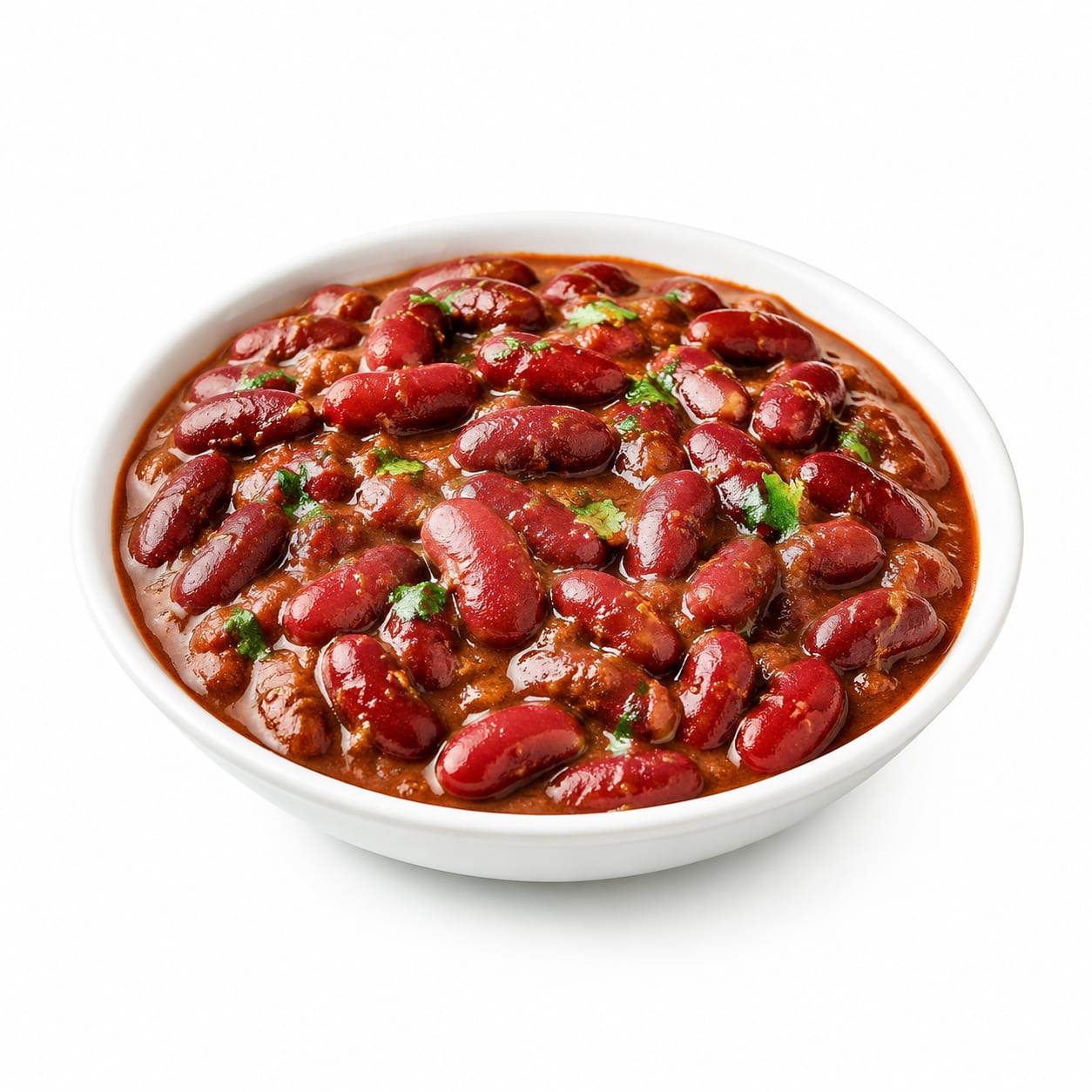
Kidney Bean
A fiber-rich, plant-based protein legume shaped like a kidney, ideal for blood sugar control and gut health.
A nutrient-dense legume known for its kidney shape, robust texture, and high fiber and protein content, widely used in chili, soups, and stews.
high-fiber plant protein source
Typical serving · 177g
Common varieties · red kidney bean, light speckled kidney bean, white kidney bean (cannellini)
Overall context score across nutrition, safety, and diet fit
At a glance
Quick facts
Simple indicators based on nutrition, processing, and diet fit.
The story
What makes it unique
Kidney beans are slowly digested due to high soluble and insoluble fiber, promoting prolonged satiety and stable blood glucose. Their macronutrient profile features a high protein-to-carbohydrate ratio for a plant food, with resistant starch feeding gut microbiota. When cooked from their minimally processed dried form, they retain maximum nutritional integrity.
Varieties: red kidney bean · light speckled kidney bean · white kidney bean (cannellini)
Per 100g
Nutrition breakdown
Macro balance and key metrics at a glance.
Energy
Density 1.27 kcal/g
Protein
Carbs
Fat
Fiber
Sugar
0.3 g
Sodium
1 mg
Potassium
406 mg
Glycemic index
24
Glycemic load
9
Water content
67%
Standout compounds
Nutrient highlights
Fiber
highPromotes satiety and feeds gut microbiome
Protein
moderateSupports muscle maintenance and repair
Folate
highEssential for cell division and DNA synthesis
Iron
moderateSupports oxygen transport in the blood
Resistant Starch
highFerments in the colon to produce beneficial short-chain fatty acids
Wellness map
Health scores & processing
NOVA processing scale
minimally processed · Whole food
Dried kidney beans are whole, unprocessed foods. Canned versions are processed but remain highly nutritious, especially when rinsed to remove excess sodium.
Diet compatibility
- Weight loss
- Muscle gain
- Diabetes
- Gut health
- Low carb
- High protein
- Heart health
Relative standing
Food rankings
Qualitative ranks compared to similar whole foods.
- Satietyexcellent
- Blood sugarexcellent
- Nutrient densityexcellent
- Fitness fuelgood
- Processing qualityexcellent
Eat with confidence
Food safety profile
Raw kidney beans are highly toxic due to phytohaemagglutinin and must be boiled thoroughly. Canned kidney beans are pre-cooked and safe to eat. Rinsing canned beans reduces sodium and potential BPA exposure from can linings.
Evidence confidence 95%
- Pesticideslow
- Antibioticslow
- Heavy metalslow
- Contaminationmoderate
Watch for
- phytohaemagglutinin (PHA)
- BPA (in canned varieties)
Safer choices
Dried beans boiled for at least 10 minutes, or no-salt-added canned beans
Prep tips
Soak dried beans for at least 5 hours, discard water, and boil vigorously for 10 minutes before simmering until tender. Always rinse canned beans before use.
Raw or undercooked kidney beans contain high levels of PHA, a toxic lectin that causes severe gastrointestinal distress.
Deep dive
Health analysis
How this food may fit different goals and preparation choices.
Weight loss
High fiber and protein create strong satiety, reducing overall calorie intake. Low energy density allows for large, filling portions.
Blood sugar
Very low glycemic index and load. The high fiber and protein content slows carbohydrate absorption, preventing blood sugar spikes.
Fitness & energy
Provides sustained, slow-releasing energy ideal for endurance activities. The protein aids in muscle repair, though it lacks methionine unless paired with grains.
Gut health
Rich in resistant starch and soluble fiber that feed beneficial gut bacteria, promoting short-chain fatty acid production and improved colon health.
Processing quality
Dried beans are whole foods. Canned beans are a convenient, minimally processed alternative, though they may contain added sodium and BPA from can linings.
Food safety
Must be boiled thoroughly to destroy toxic lectins. Slow cooking raw kidney beans is dangerous. Canned beans are safe and pre-cooked.
Common mistakes
Cooking dried kidney beans in a slow cooker without boiling first, or failing to soak them adequately, which increases cooking time and reduces digestibility.
Best preparation
Soak dried beans overnight, discard water, boil vigorously for 10 minutes, then simmer until tender. Rinsing canned beans removes up to 40% of the sodium.
Practical guide
Best use cases
When and how this food fits real eating patterns.
Blood sugar friendly meals
Base for chili or stews that provide steady energy without glucose spikes.
Plant-based protein pairing
Combined with rice or corn to form a complete protein profile for vegan diets.
High-volume low-calorie eating
Adding bulk and satiety to salads and soups without excessive calories.
Balance sheet
Pros & cons
Upsides
- Excellent source of cholesterol-lowering soluble fiber
- Very low glycemic load prevents blood sugar spikes
- High plant-based protein keeps you full
- Rich in resistant starch for gut microbiome health
- Affordable and shelf-stable source of essential nutrients
Trade-offs
- Raw beans are highly toxic if not boiled properly
- High in oligosaccharides which can cause bloating and gas
- Not suitable for strict low-carb or ketogenic diets
- Contain phytic acid which can reduce mineral absorption
- Canned versions often contain added sodium
Fit check
Who is it for?
Great match
- plant-based diets
- blood sugar management
- high-volume eating
- gut microbiome support
Consider alternatives
- strict ketogenic diets
- low-FODMAP diets
- people with severe digestive sensitivities to beans
Side by side
How it compares
Open the full head-to-head analysis for nutrition, safety, and practical tradeoffs.
This food
Kidney Bean
VS95% alike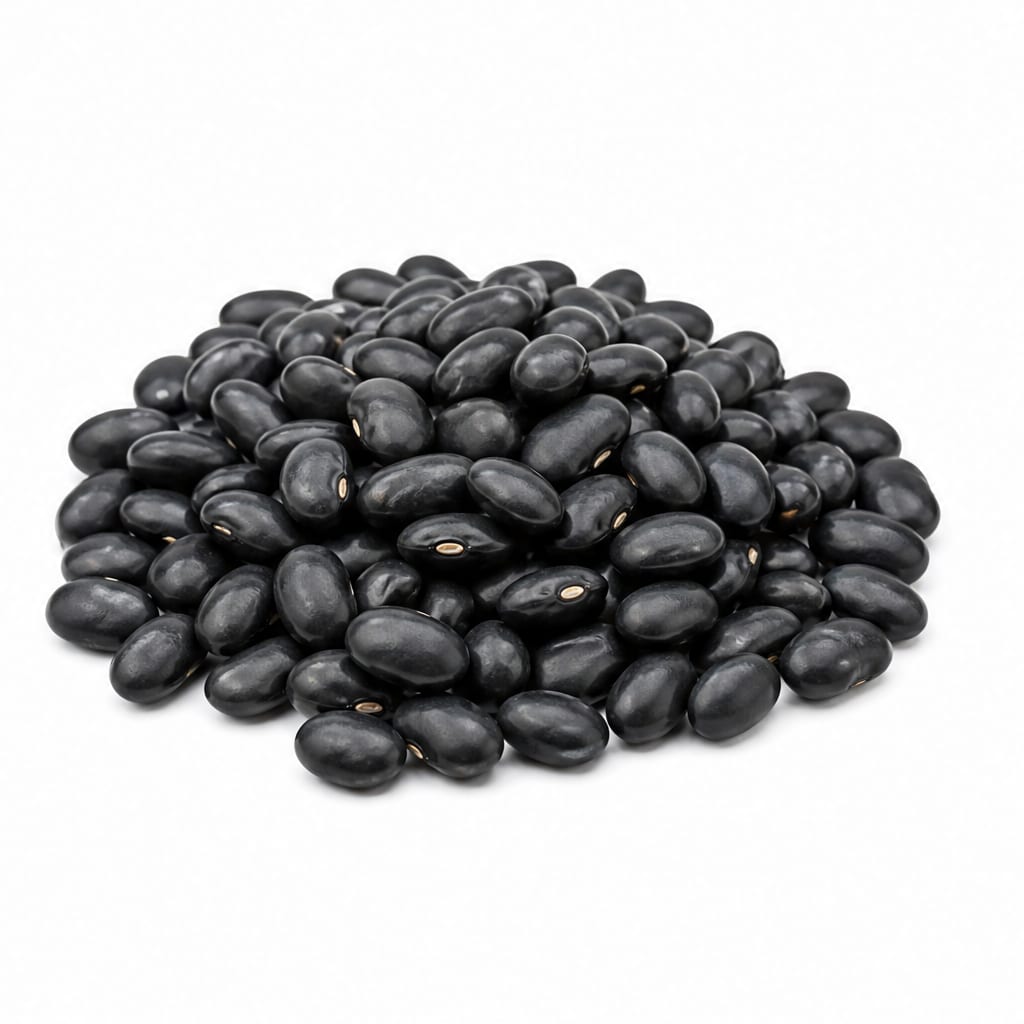
Compare with
Black Beans
Black beans and kidney beans are nutritionally nearly identical, though black beans have slightly more fiber and a milder flavor.
Black beans and kidney beans are nutritionally nearly identical, though black beans have slightly more fiber and a milder flavor.
This food
Kidney Bean
VS93% alike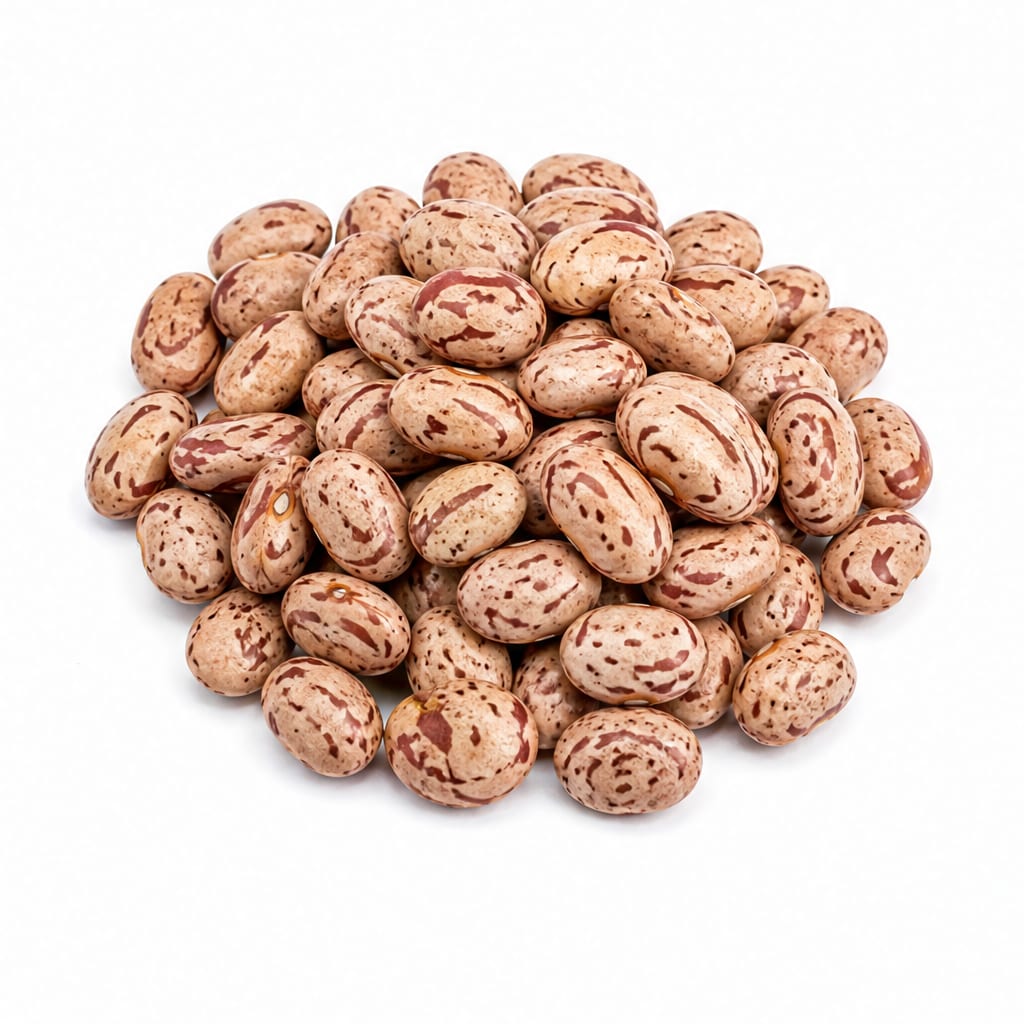
Compare with
Pinto Beans
Pinto beans are slightly higher in calories and carbs, while kidney beans are firmer and lower in calories.
Kidney beans are slightly lower in calories and carbs than pinto beans, making them a marginally better choice for weight loss.
This food
Kidney Bean
VS85% alike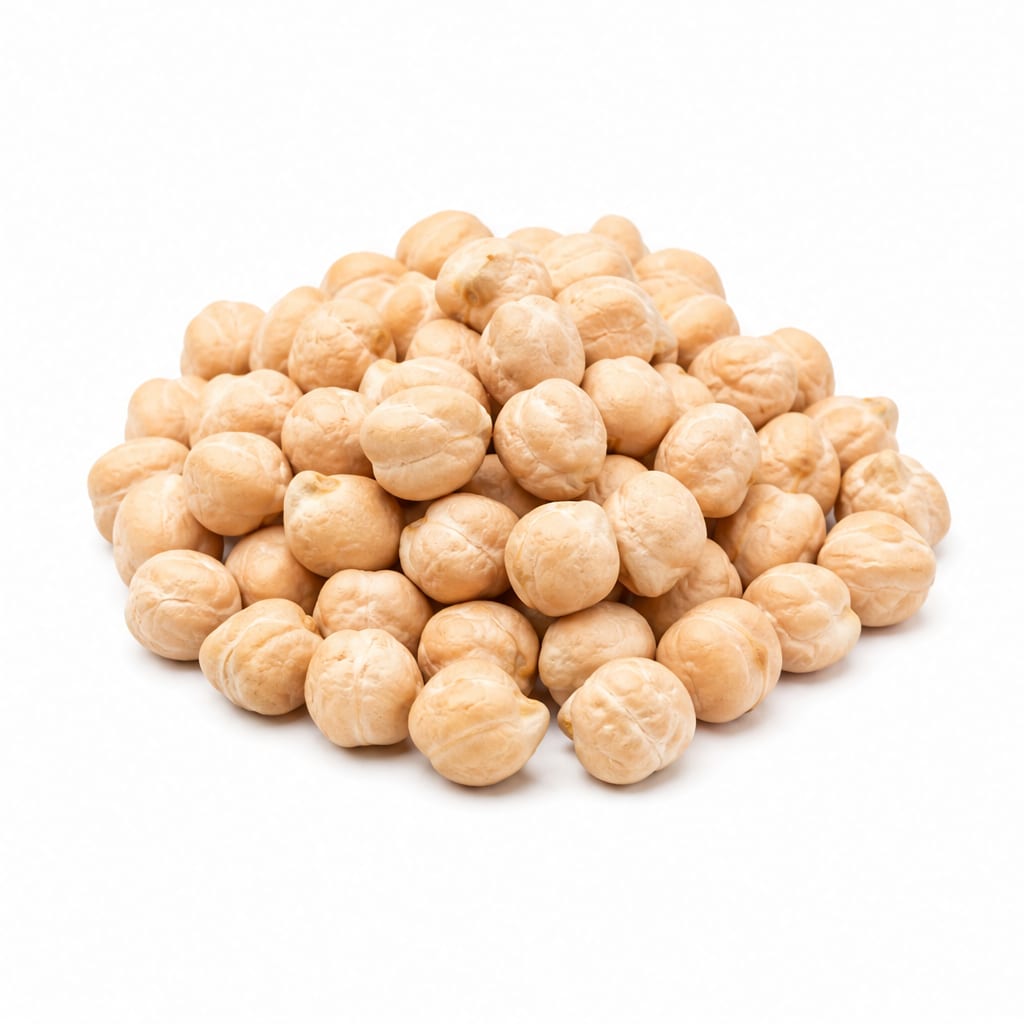
Compare with
Chickpeas
Chickpeas have more fat and slightly higher calories. Kidney beans are lower in calories and higher in fiber.
Kidney beans are lower in calories and higher in fiber than chickpeas, offering better satiety and blood sugar control.
This food
Kidney Bean
VS82% alike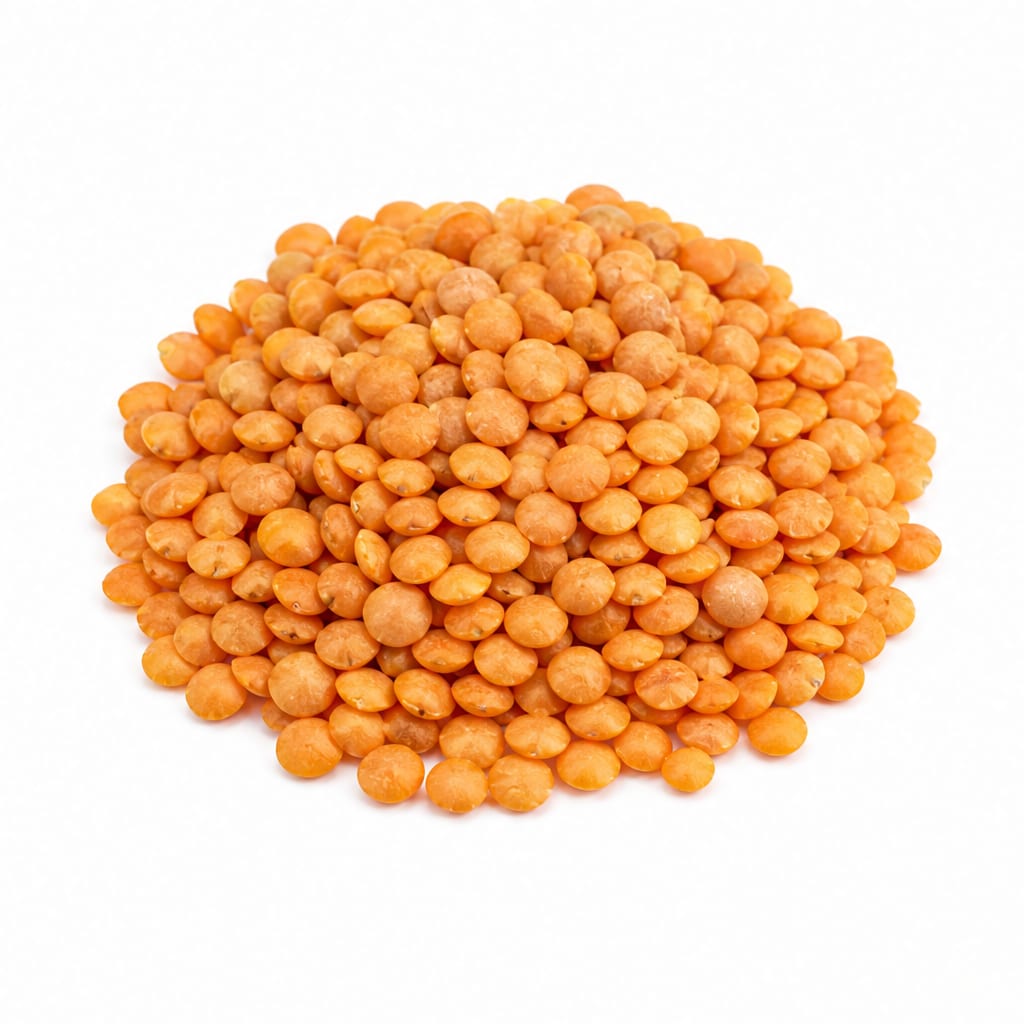
Compare with
Lentils
Lentils cook faster and have slightly more protein and fiber per calorie.
Lentils cook much faster and offer slightly more protein and fiber per calorie than kidney beans, making them a superior quick-cooking option.
This food
Kidney Bean
VS90% alike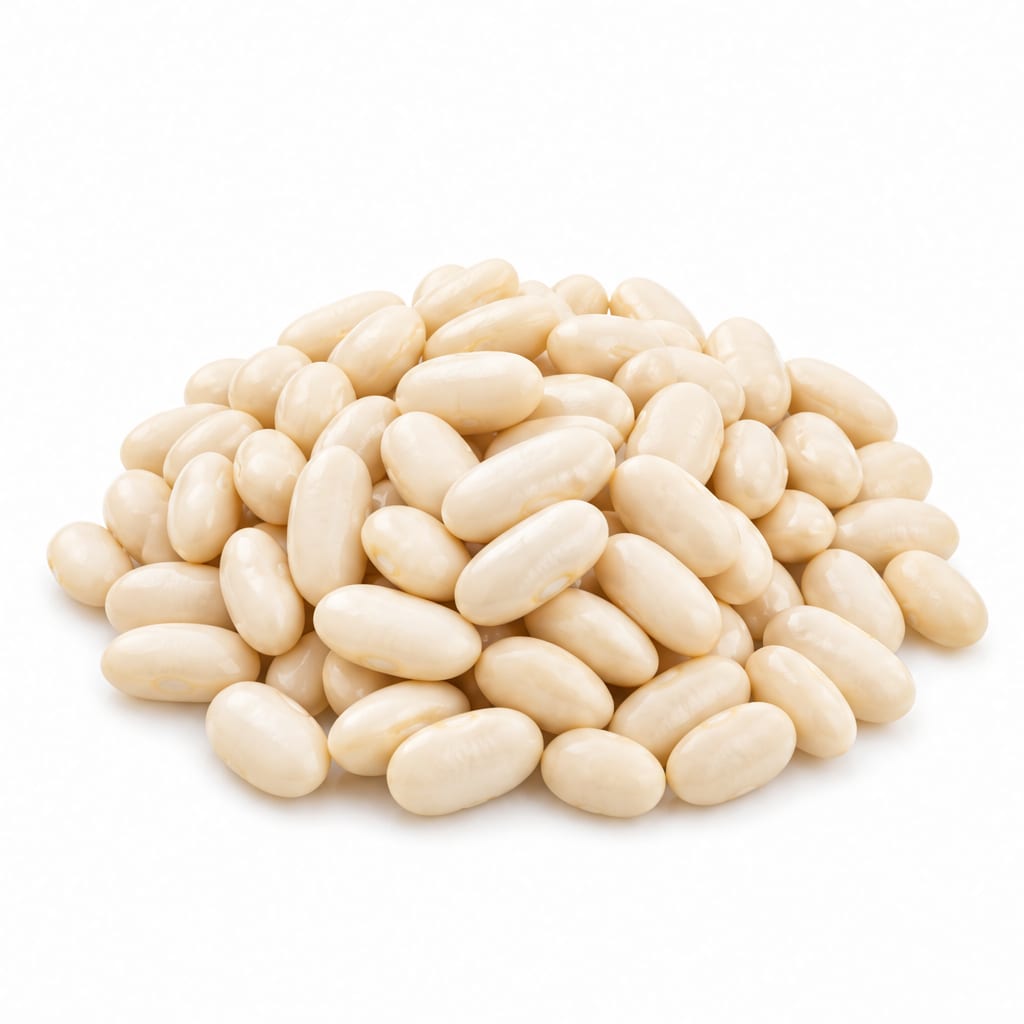
Compare with
Cannellini Beans
Nutritionally very similar, but red kidney beans have slightly more fiber and antioxidants.
Cannellini beans are a white variety of kidney bean with nearly identical nutrition, though red kidney beans contain more antioxidants.
This food
Kidney Bean
VS88% alike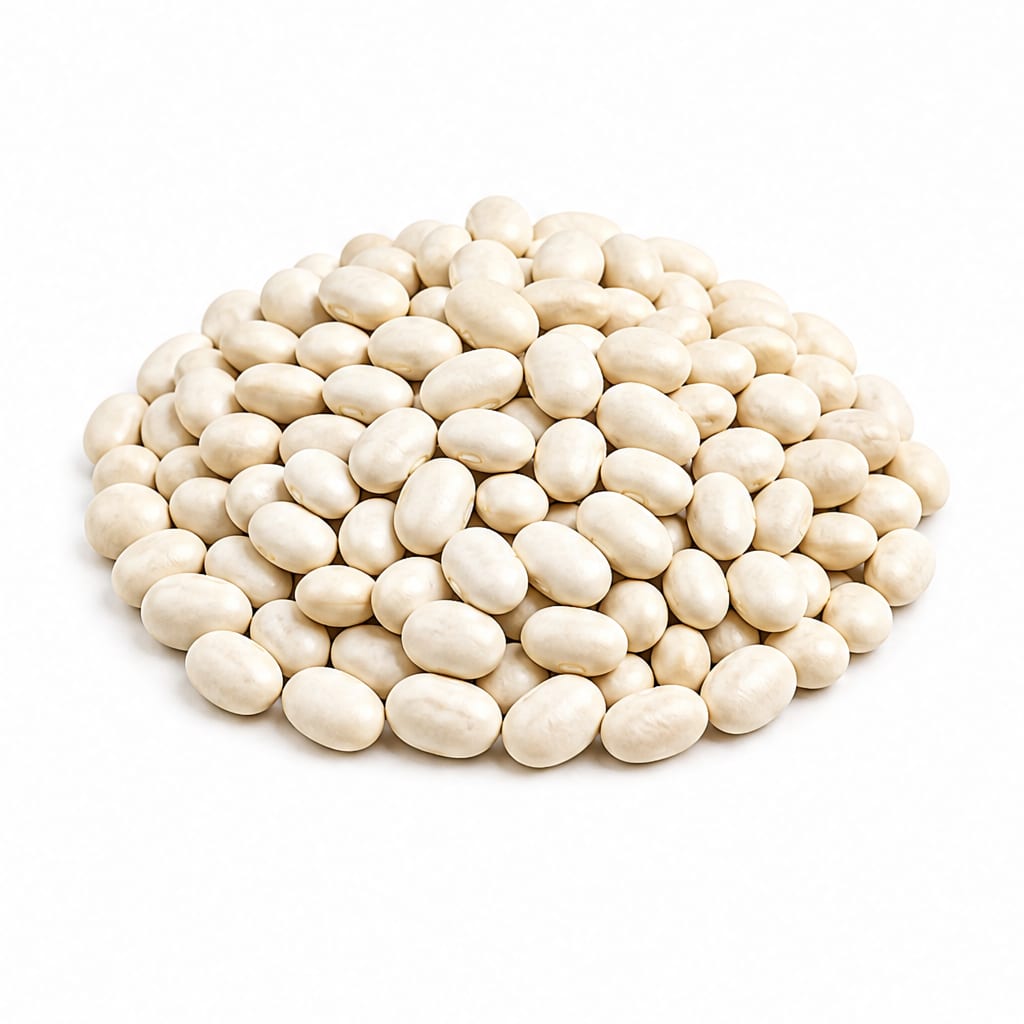
Compare with
Navy Beans
Navy beans are slightly higher in fiber and lower in calories.
Navy beans are slightly lower in calories and higher in fiber than kidney beans, providing a small edge for satiety and weight loss.
This food
Kidney Bean
VS70% alike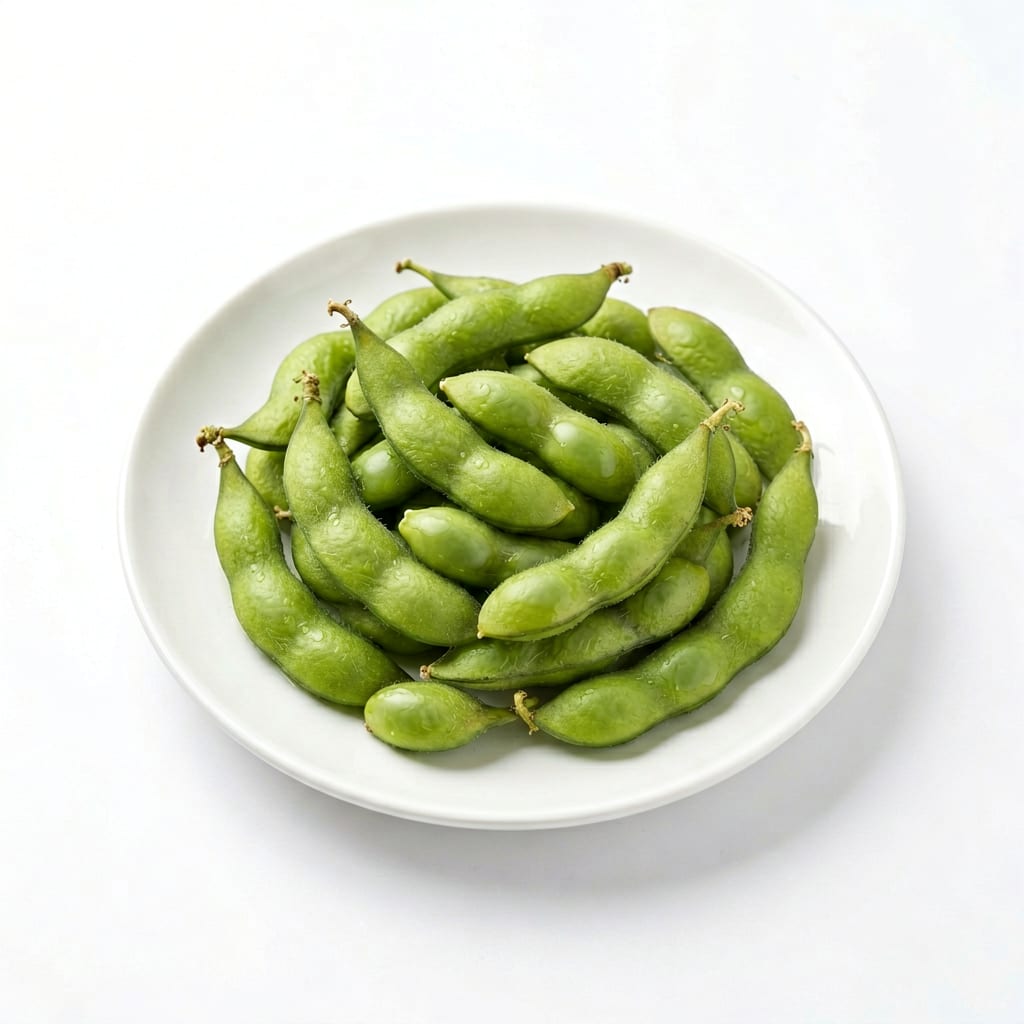
Compare with
Edamame
Edamame is much higher in protein and lower in carbs.
Edamame provides significantly more protein and fewer carbs than kidney beans, making it better for muscle gain and low-carb diets.
This food
Kidney Bean
VS65% alike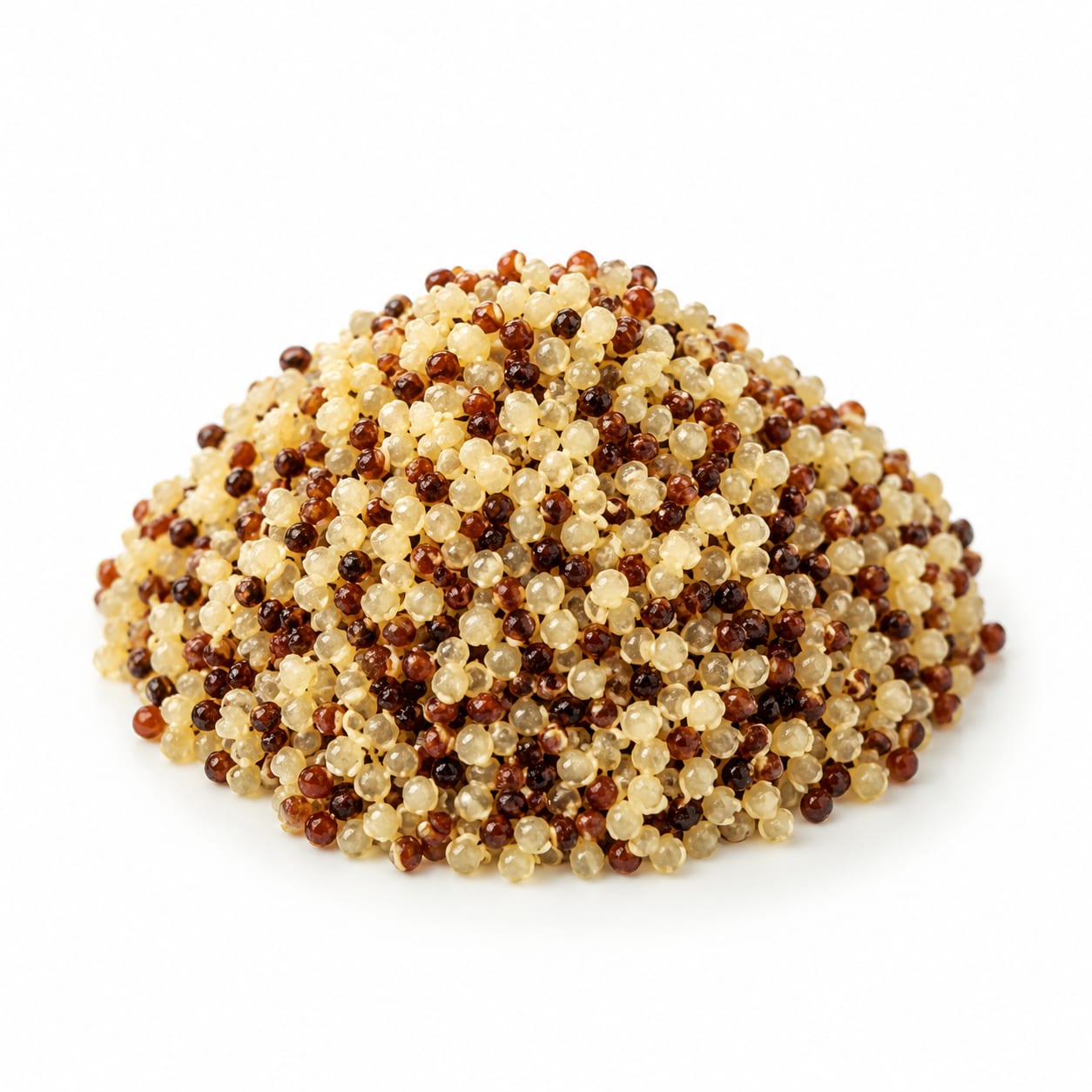
Compare with
Quinoa
Quinoa is a seed cooked like a grain, offering complete protein but less fiber.
Kidney beans offer more fiber and satiety per calorie than quinoa, though quinoa provides a complete protein profile.
This food
Kidney Bean
VS50% alike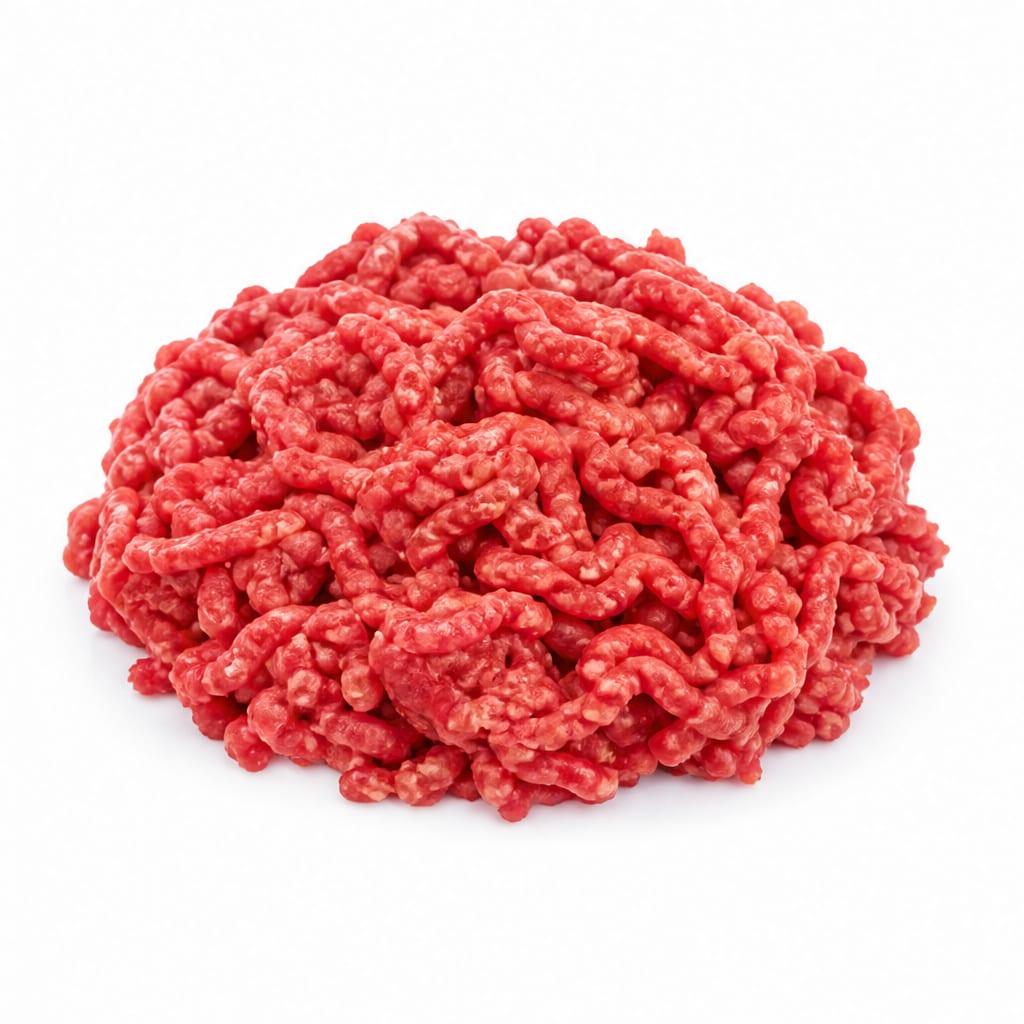
Compare with
Ground Beef
Beef has far more protein and fat but zero fiber.
Kidney beans provide massive fiber and gut health benefits that ground beef lacks, while beef offers superior complete protein for muscle building.
This food
Kidney Bean
VS60% alike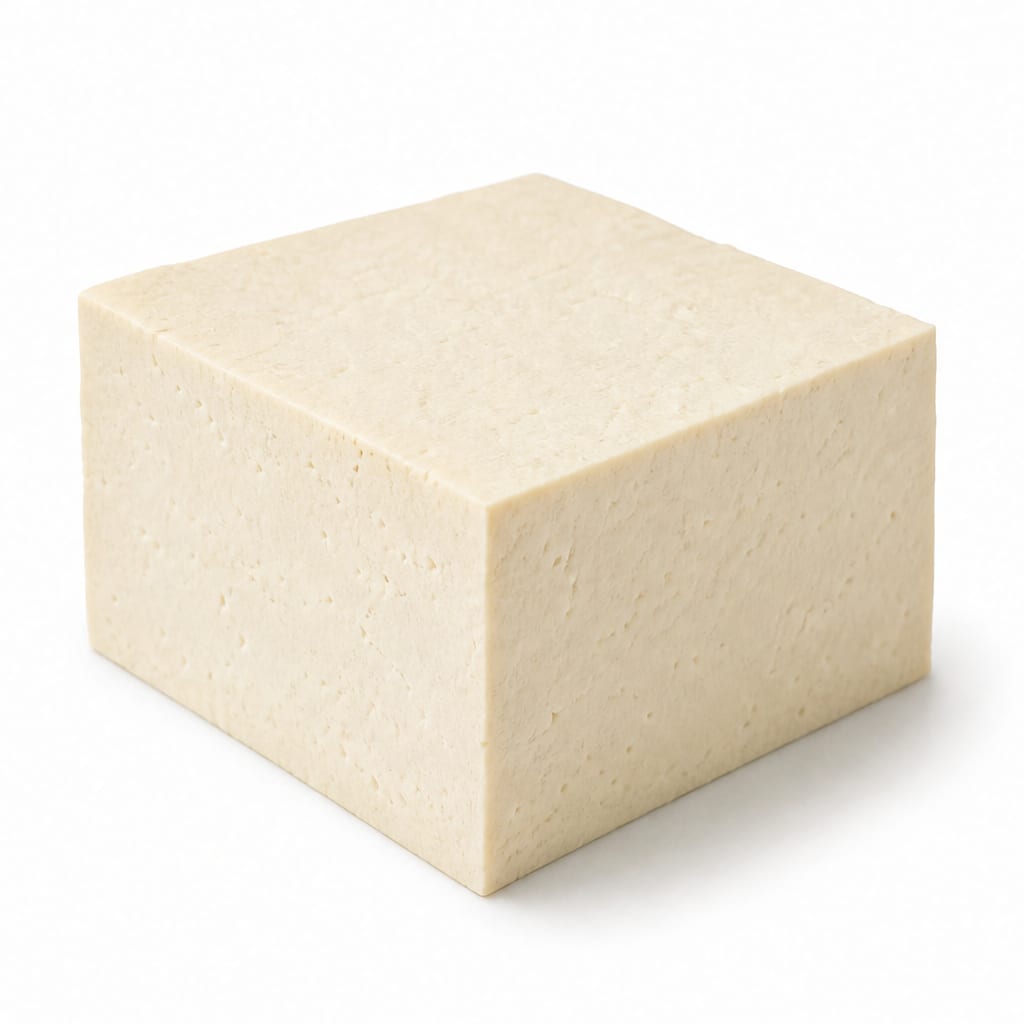
Compare with
Tofu
Tofu is lower in carbs and calories, higher in fat, and offers complete protein.
Tofu is lower in carbs and higher in protein than kidney beans, but kidney beans provide far more dietary fiber for gut health.
Common questions
FAQ
Answers aligned with how people search for this food.
Are kidney beans good for weight loss?
Yes, their high fiber and protein content keeps you full longer, helping to reduce overall calorie intake.
Can diabetics eat kidney beans?
Yes, they have a very low glycemic index and their fiber slows sugar absorption, making them excellent for blood sugar control.
Are raw kidney beans toxic?
Yes, raw kidney beans contain phytohaemagglutinin, a toxic lectin. They must be soaked and boiled for at least 10 minutes to be safe.
Are canned kidney beans healthy?
Yes, canned kidney beans are nutritious and convenient. Rinsing them removes excess sodium and makes them a healthy quick option.
How much protein is in kidney beans?
One cup of cooked kidney beans provides about 15 grams of protein, making them a strong plant-based protein source.
Can you cook kidney beans in a slow cooker?
You should never cook raw dried kidney beans in a slow cooker. The temperature is not high enough to destroy the toxic lectins; they must be boiled first.
Are kidney beans keto-friendly?
No, kidney beans are relatively high in carbohydrates and are generally not suitable for strict ketogenic diets.
Why do kidney beans cause gas?
They contain oligosaccharides and resistant starch that are fermented by gut bacteria, which produces gas. Soaking and rinsing can reduce this effect.
Transparency
Data confidence
Estimated confidence for nutrition data, interpretation, safety notes, and comparisons.
Nutrition data
Health analysis
Food safety
Comparisons