
Nutrition comparison
Kidney Bean vs Navy Beans: Nutrition, Safety, and Best Uses
Compare Kidney Beans vs Navy Beans to find out which is better for fiber, protein, and digestion. Learn about the hidden safety risk of Kidney Beans and why Navy Beans might be your best daily choice.
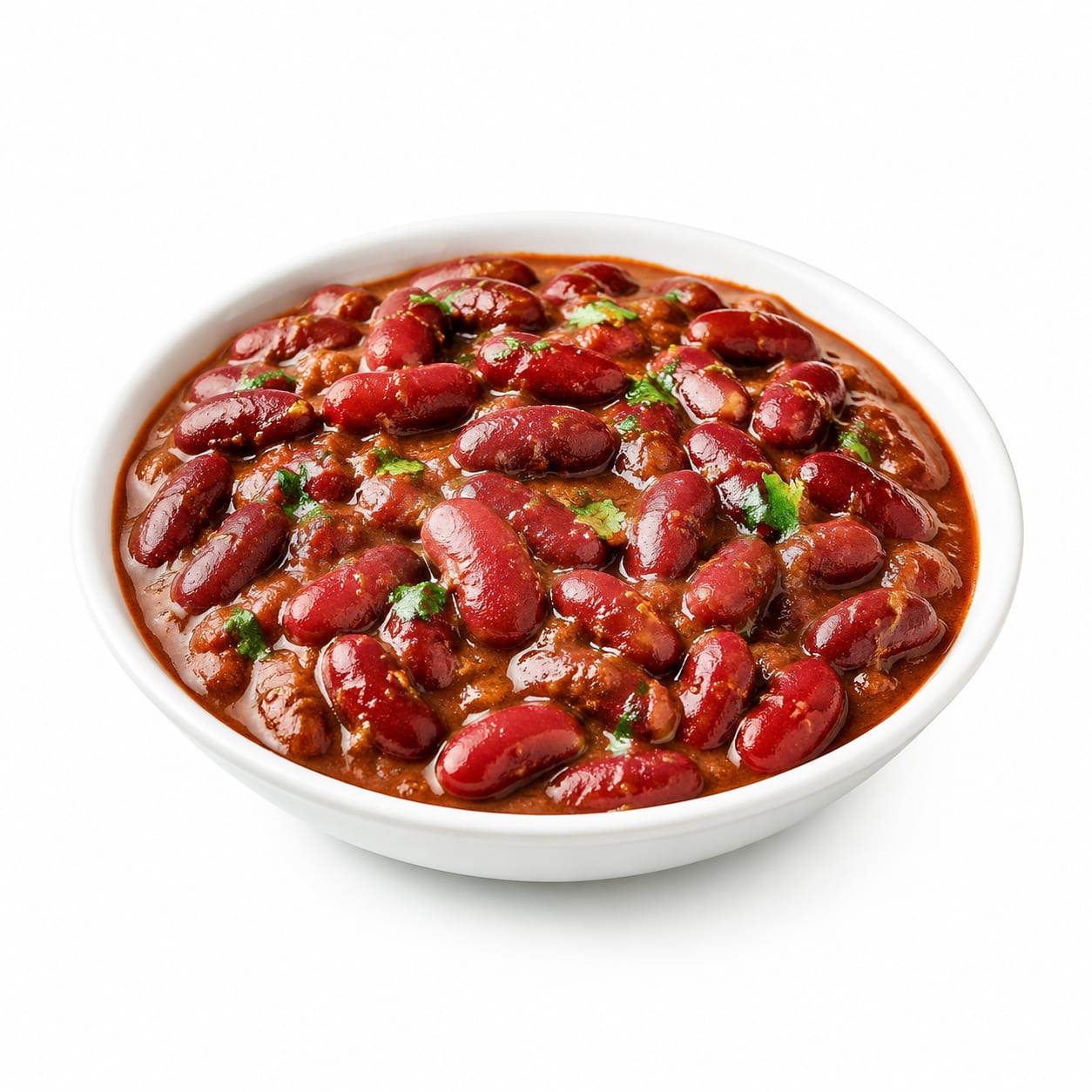
Kidney Bean
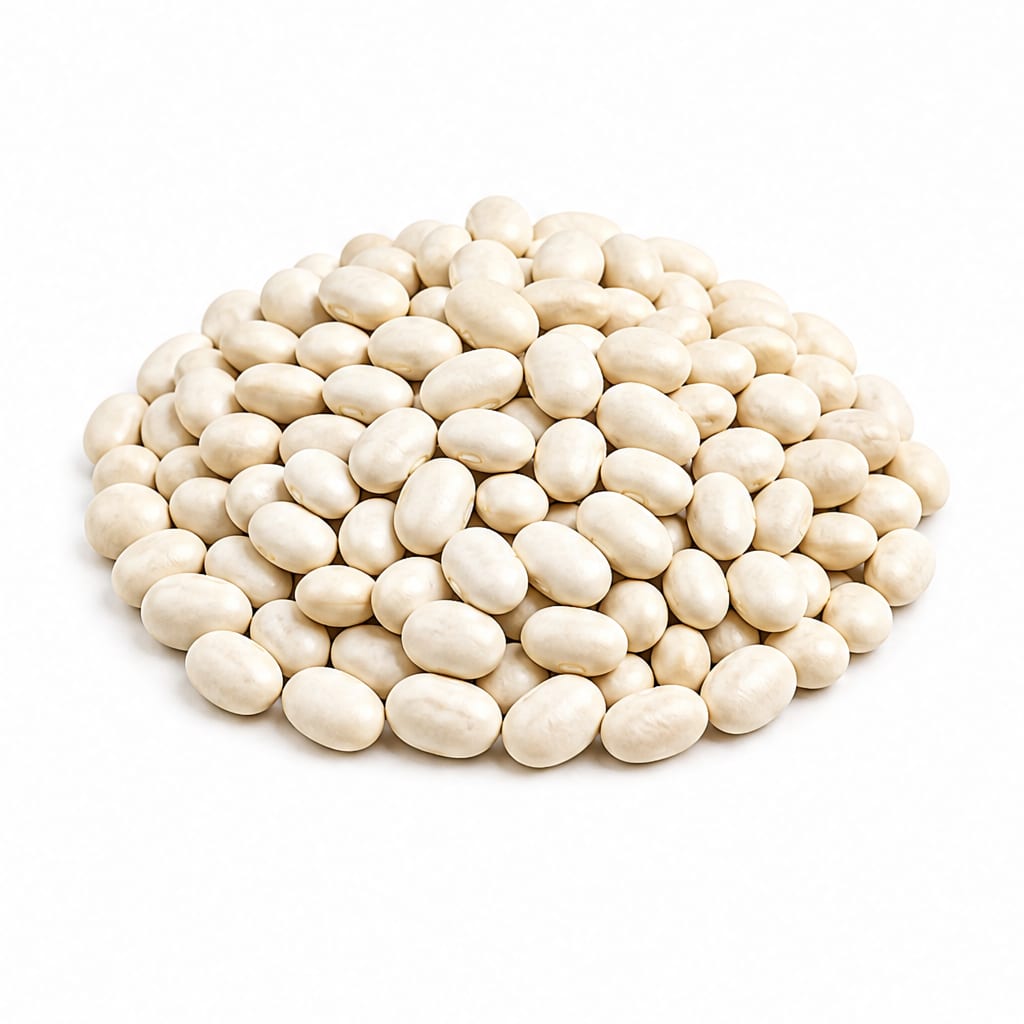
Navy Beans
Navy Beans edge ahead for fiber, safety, and creamy comfort, while Kidney Beans offer a meatier bite and slightly better protein density per calorie.
Navy Beans score higher primarily due to their exceptional fiber content and lack of lectin toxicity risk, making them safer and slightly better for long-term gut health. Kidney Beans remain excellent but carry a specific preparation burden.
You trade the firm, hearty texture and slight protein advantage of Kidney Beans for the superior fiber, easier digestion, and zero toxin risk of Navy Beans.
At a glance
Executive summary
Overall
It depends
Healthier
Navy Beans
More practical
Navy Beans
Daily use
Navy Beans
Key comparison lenses
Fiber and digestive health
Navy Beans are among the highest fiber foods available, making this a critical differentiator for gut health and fullness.
Food safety and preparation
Kidney Beans contain a natural toxin that requires specific cooking methods to neutralize, a unique safety concern not present in Navy Beans.
Culinary texture and use
Kidney Beans hold their shape firmly while Navy Beans break down to create creamy, thick textures, dictating entirely different meal styles.
Blood sugar management
Both are excellent for glycemic control, but the extreme fiber content in Navy Beans offers a slight edge for steadier energy.
Best choice for
Kidney Bean
- Hearty chilis and stews where you want the bean to stay intact
- Plant-based meals needing a meaty, substantial chew
- Boosting iron intake alongside vitamin C
Navy Beans
- Creamy soups and baked beans where a thick, comforting texture is desired
- Maximizing daily fiber to fix sluggish digestion
- Families wanting a safer, low-maintenance cooking process
Least suitable for
Kidney Bean
- Slow cooker recipes without pre-boiling due to toxin risk
- People with severe IBS who need lower overall fiber loads
Navy Beans
- Dishes requiring distinct, firm bean pieces that hold their shape
- Anyone bored by mild, creamy textures
Deep comparison
Dimension by dimension
Each lens scores both foods and breaks down who each option suits.
- Dimension 1 · Priority 95Navy Beans
Fiber and Satiety
Kidney Bean · 75Navy Beans · 98Navy Beans are a fiber powerhouse, delivering nearly double the fiber per serving compared to Kidney Beans.
Tradeoff
You get vastly more fullness and gut support from Navy Beans, but the lower fiber in Kidney Beans makes them easier to eat in large volumes if you have a sensitive stomach.
Why it matters
Higher fiber means you stay full longer after meals and experience steadier blood sugar, preventing afternoon energy crashes.
Real-world impact
A bowl of Navy Bean soup will keep you satisfied for hours, whereas a Kidney Bean chili might leave you looking for a snack sooner.
Kidney Bean
- Gradually increasing fiber without overwhelming the gut
Better for
- Resolving chronic constipation
Worse for
Navy Beans
- Staying full until the next meal
- Improving daily bowel regularity
Better for
- Those transitioning from a low-fiber diet who need to adjust slowly
Worse for
- Dimension 2 · Priority 90Navy Beans
Food Safety and Preparation
Kidney Bean · 50Navy Beans · 95Raw Kidney Beans contain phytohaemagglutinin, a toxic lectin that causes severe gastrointestinal distress if not destroyed by boiling.
Tradeoff
Kidney Beans require a mandatory 10-minute vigorous boil before slow cooking, while Navy Beans can be cooked directly without this safety step.
Why it matters
Using a slow cooker for raw Kidney Beans actually increases their toxicity, making proper preparation a critical health safeguard.
Real-world impact
Tossing raw Kidney Beans into a slow cooker can ruin your day with nausea and vomiting, whereas Navy Beans are forgiving and safe to cook however you prefer.
Kidney Bean
- Impromptu slow cooker recipes
- Cooks who skip soaking and boiling steps
Worse for
Navy Beans
- Beginner cooks
- Set-and-forget slow cooker meals
- Peace of mind during meal prep
Better for
- Dimension 3 · Priority 80Kidney Bean
Protein and Micronutrients
Kidney Bean · 85Navy Beans · 80Kidney Beans offer slightly more protein per calorie and a bit more iron, while Navy Beans provide more calcium and folate.
Tradeoff
Kidney Beans are a slightly denser source of muscle-building protein and blood-building iron, but Navy Beans better support bone health and cell repair.
Why it matters
When relying on beans as a primary protein source, small differences in protein density and iron content add up over time.
Real-world impact
Athletes might lean toward Kidney Beans for the extra protein and iron, while pregnant women might prefer Navy Beans for the folate boost.
Kidney Bean
- Plant-based athletes needing iron and protein
- Preventing anemia on a vegan diet
Better for
- Needing a folate-dense food during pregnancy
Worse for
Navy Beans
- Supporting bone density
- Prenatal nutrition due to higher folate
Better for
- Maximizing protein per calorie
Worse for
- Dimension 4 · Priority 85It depends
Culinary Texture and Versatility
Kidney Bean · 85Navy Beans · 85Kidney Beans hold their shape under heat, while Navy Beans break down to naturally thicken liquids.
Tradeoff
You choose between a firm, distinct bite that stands up to bold spices and a creamy, comforting texture that binds a dish together.
Why it matters
Texture dictates the eating experience; a chili needs firm bites, while a soup needs a silky, thickened broth.
Real-world impact
Kidney Beans make a chili feel hearty and chunky, whereas Navy Beans create a rich, comforting broth that feels like a warm hug.
Kidney Bean
- Hearty chilis and robust salads
- Meatless burgers needing structure
Better for
- Making a naturally thick, creamy broth
Worse for
Navy Beans
- Creamy soups and stews
- Classic baked beans and dips
Better for
- Dishes where you want distinct, intact bean bites
Worse for
Timeline
Health impact over time
Short-term
Hours to days
Kidney Bean
- Provides steady, reliable energy without a sugar crash
- Can cause bloating or gas if you eat a large portion without gradual adjustment
Navy Beans
- Highly filling, making it easy to control portions
- May cause temporary digestive adjustment due to the extremely high fiber load
Long-term
Months to years
Kidney Bean
- Supports heart health through cholesterol management
- Excellent source of plant iron to prevent fatigue
Navy Beans
- Massively supports gut microbiome diversity and regularity
- Helps maintain healthy blood pressure and cholesterol over time
Risk profile
Safety & processing
Both are whole, natural foods. When bought dried or low-sodium canned, they are equally free from artificial concerns and ultra-processing.
Kidney Bean
Lectin toxicity (Phytohaemagglutinin)
highRaw or undercooked Kidney Beans contain a toxic lectin that causes severe vomiting and diarrhea. Must be soaked and boiled vigorously for at least 10 minutes to destroy.
Canned sodium load
mediumCanned varieties often contain high sodium; always rinse thoroughly or choose no-salt-added options.
Navy Beans
Canned sodium load
mediumLike all canned beans, they can be high in sodium unless you buy no-salt-added versions or rinse them well.
Who wins for whom
Audience fit
Same foods, different winners depending on your goal.
children
Navy BeansNavy Beans are safer to prepare without strict boiling protocols, have a milder flavor, and a softer, creamier texture kids prefer.
daily consumption
Navy BeansNavy Beans are easier to cook safely, gentler on the digestive tract once adapted, and provide unmatched daily fiber.
diabetes
Navy BeansThe exceptional fiber in Navy Beans slows glucose absorption even more effectively, leading to steadier blood sugar.
elderly
Navy BeansThe softer texture is easier to chew, and the high fiber is crucial for preventing constipation, a common issue in older adults.
muscle gain
Kidney BeanKidney Beans offer slightly more protein per calorie and more iron, which is crucial for active individuals building muscle.
weight loss
Navy BeansThe massive fiber content in Navy Beans maximizes fullness per calorie, making it easier to eat less overall.
Your move
Decision guide
Choose Kidney Bean
- You are making a big pot of chili or a robust salad
- You want a firm, meaty bite in your meals
- You need a slight edge in plant-based iron and protein
Choose Navy Beans
- You want a creamy, comforting soup or baked bean dish
- You are focused on maximizing fiber for weight loss or gut health
- You prefer low-maintenance cooking without toxin risks
Either works if
- You simply need an affordable, healthy plant protein for tacos or bowls
- You are meal-prepping healthy lunches for the week
Avoid both if
- You are in an active IBS flare-up and restricting high-FODMAP foods
- You cannot tolerate legumes even with proper soaking
Final recommendation
Keep both in your pantry, but lean toward Navy Beans for everyday cooking due to their superior fiber, creamy versatility, and stress-free safety. Save Kidney Beans for the days you crave a hearty, firm chili—just remember to boil them first.
Practical
Consumer tips
- 1
Always boil Kidney Beans rapidly for at least 10 minutes before simmering or using a slow cooker to destroy the natural toxin.
- 2
Rinse canned beans of either type thoroughly under cold water to remove up to 40% of the added sodium.
- 3
If you are new to eating beans, start with smaller portions of Kidney Beans before jumping into the ultra-high fiber of Navy Beans to avoid bloating.
- 4
Soak dried beans overnight and discard the water to reduce gas-causing oligosaccharides before cooking.