
Nutrition comparison
Kidney Beans vs Chickpeas: Which Legume Is Better for You?
Kidney beans offer more protein and fiber per bite, while chickpeas win on versatility and digestibility. Compare nutrition, health benefits, and best uses to pick the right bean for your goals.
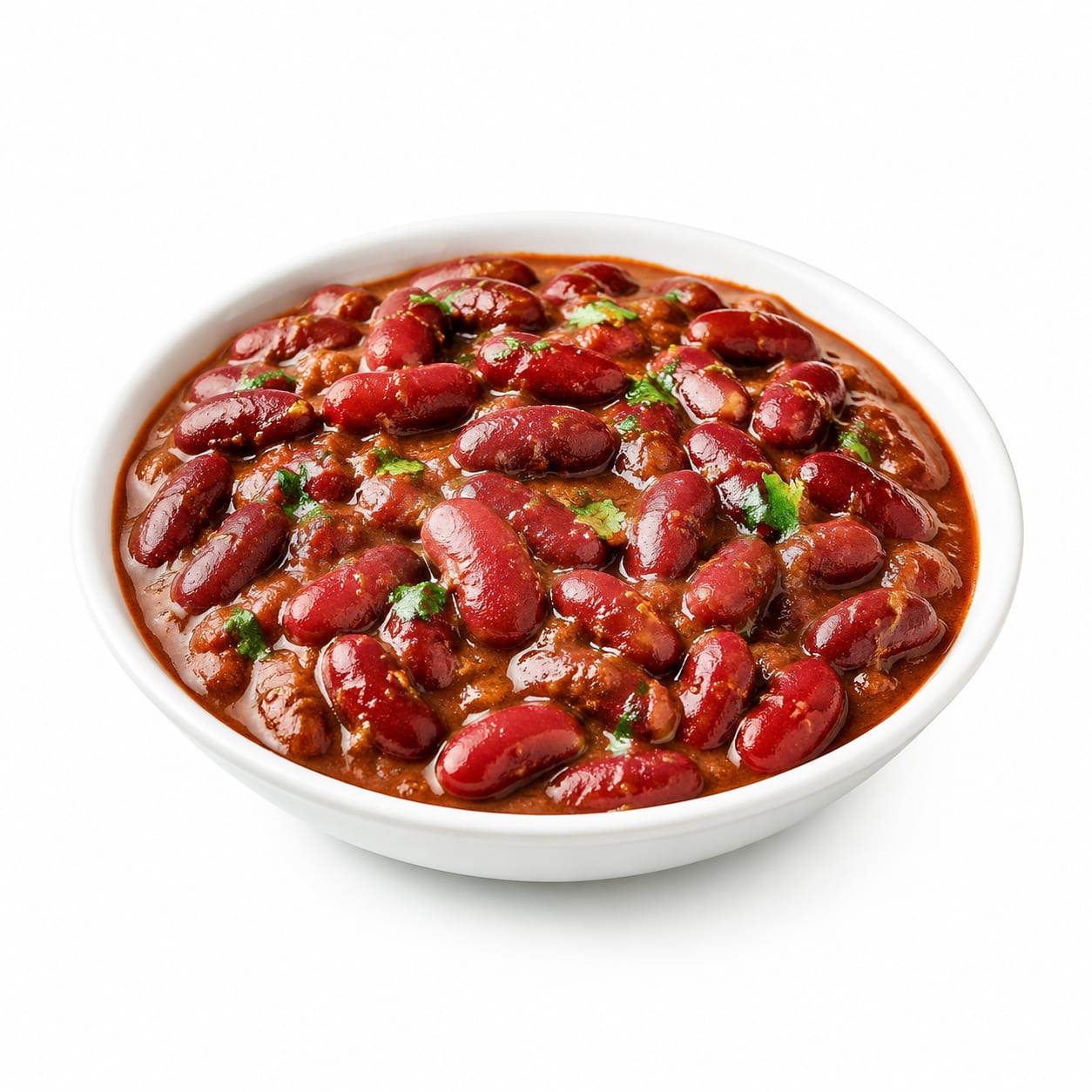
Kidney Bean
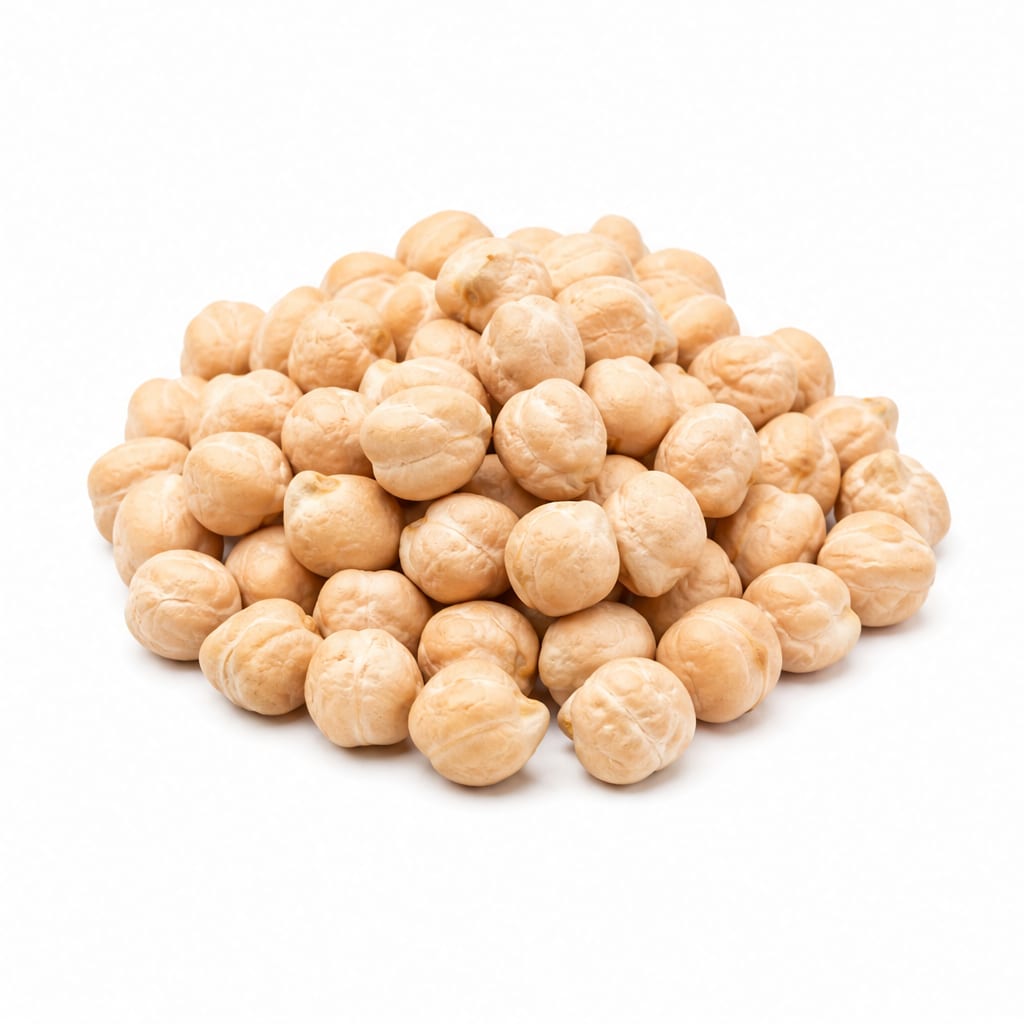
Chickpeas
Kidney beans edge ahead on protein density and blood sugar control, while chickpeas win on versatility, healthy fats, and digestibility. Your choice should depend on your primary goal.
Kidney beans score slightly higher on raw nutritional density, but chickpeas close the gap through superior practicality and digestibility. The near-tie reflects that both are excellent choices with different strengths.
Kidney beans give you more protein and fiber per bite, but chickpeas are easier to cook with, gentler on the gut, and more adaptable to different meals.
At a glance
Executive summary
Overall
It depends
Healthier
Kidney Bean
More practical
Chickpeas
Daily use
Chickpeas
Key comparison lenses
plant-based protein source selection
Both are top-tier legume protein sources, and users are likely deciding which to prioritize for meals
digestive tolerance and comfort
Legumes are notorious for causing gas and bloating; tolerance differences matter daily
blood sugar management
Both are low-glycemic but have meaningful fiber and starch differences that affect glucose response
culinary versatility and meal prep practicality
How easily each fits into everyday cooking determines long-term adherence
weight loss satiety
Fiber and protein density directly impact how full you feel and how much you eat
Best choice for
Kidney Bean
- People managing diabetes or blood sugar spikes
- Anyone maximizing protein per calorie
- Those seeking the highest fiber intake
- Iron-deficient individuals needing plant-based iron sources
Chickpeas
- People with sensitive digestion who struggle with beans
- Meal preppers wanting maximum recipe flexibility
- Anyone making hummus, curries, or roasted snacks
- Those wanting a gentler introduction to legumes
Least suitable for
Kidney Bean
- People with IBS or severe bloating from beans
- Anyone impatient with careful cooking requirements
- Those who dislike the firm, meaty texture
Chickpeas
- People strictly counting protein grams per calorie
- Those who need the absolute highest fiber density
- Anyone avoiding higher-fat legumes
Deep comparison
Dimension by dimension
Each lens scores both foods and breaks down who each option suits.
- Dimension 1 · Priority 92Kidney Bean
protein density
Kidney Bean · 85Chickpeas · 72Kidney beans deliver noticeably more protein per serving and per calorie than chickpeas.
Tradeoff
The protein advantage comes with a denser, heavier eating experience that some find less enjoyable in light meals.
Why it matters
If you are relying on legumes as a primary protein source, every gram counts toward hitting your daily target.
Real-world impact
A cup of kidney beans gets you roughly 15g of protein versus 12g from chickpeas — that difference adds up over three meals a day.
Kidney Bean
- Athletes hitting higher protein targets
- Vegetarians counting protein grams carefully
- Anyone eating in a calorie deficit who needs efficient protein
Better for
- Those who find dense beans too heavy at lunch
Worse for
Chickpeas
- Casual plant-based eaters not tracking macros
- People who prefer lighter protein sources
Better for
- Anyone struggling to hit protein minimums
Worse for
- Dimension 2 · Priority 88Kidney Bean
fiber and blood sugar stability
Kidney Bean · 87Chickpeas · 76Kidney beans have significantly more fiber, especially soluble fiber, which slows sugar absorption more effectively.
Tradeoff
More fiber means more potential for bloating if your gut is not accustomed to high legume intake.
Why it matters
Steadier blood sugar means fewer afternoon energy crashes and less craving for snacks between meals.
Real-world impact
A kidney bean lunch keeps you fuller longer and prevents the 3pm vending machine visit better than chickpeas.
Kidney Bean
- People with prediabetes or insulin resistance
- Anyone trying to reduce between-meal snacking
- Those needing better glycemic control
Better for
- Anyone ramping up fiber too quickly without adjusting water intake
Worse for
Chickpeas
- People gradually increasing fiber who need a gentler option
- Those who find high-fiber meals cause uncomfortable bloating
Better for
- Those who need maximum satiety from their meals
Worse for
- Dimension 3 · Priority 86Chickpeas
digestive tolerance
Kidney Bean · 55Chickpeas · 72Chickpeas are generally easier on the digestive system and cause less gas and bloating than kidney beans.
Tradeoff
You sacrifice some fiber and protein density for a more comfortable eating experience.
Why it matters
If beans make you bloated, you will eventually stop eating them regardless of their nutritional profile.
Real-world impact
Chickpeas are the legume people actually stick with long-term because they do not ruin your afternoon with digestive discomfort.
Kidney Bean
- People with iron-gut digestion who tolerate all beans well
Better for
- Office workers who cannot afford afternoon bloating
- Anyone with a history of bean-related digestive distress
Worse for
Chickpeas
- Anyone with IBS or sensitive digestion
- People new to eating legumes regularly
- Those who have abandoned beans before due to gas
Better for
- Those who tolerate all beans equally and want maximum nutrition
Worse for
- Dimension 4 · Priority 82Chickpeas
culinary versatility
Kidney Bean · 60Chickpeas · 90Chickpeas adapt to dramatically more recipes — hummus, curries, roasted snacks, salads, soups, and even desserts.
Tradeoff
Kidney beans shine in chili, stews, and rice dishes but feel out of place in lighter or snack-style preparations.
Why it matters
The more ways you can use an ingredient, the more often it ends up in your cart and on your plate.
Real-world impact
Chickpeas can be breakfast (savory mash), lunch (salad topper), snack (roasted crunchy), and dinner (curry). Kidney beans mostly live in dinner.
Kidney Bean
- Chili and stew enthusiasts
- Fans of hearty, comforting one-pot meals
Better for
- People who want a crunchy bean snack
- Anyone bored of chili and rice combos
Worse for
Chickpeas
- Meal preppers who want one ingredient across multiple meals
- Snack lovers who want roasted crunchy options
- Anyone making hummus or Middle Eastern dishes
Better for
- Those who only eat beans in heavy stews anyway
Worse for
- Dimension 5 · Priority 75It depends
micronutrient profile
Kidney Bean · 80Chickpeas · 78Kidney beans win on iron and folate; chickpeas win on manganese, copper, and healthy fats.
Tradeoff
Neither dominates — they complement each other across different micronutrients.
Why it matters
If you have a specific deficiency, one may serve you better. Otherwise, variety wins.
Real-world impact
Anemic? Kidney beans help more. Joint and bone health? Chickpeas have the edge on manganese.
Kidney Bean
- Iron-deficient women of reproductive age
- Pregnant women needing extra folate
- Vegans at risk of iron deficiency
Better for
- Those getting plenty of iron from other sources
Worse for
Chickpeas
- People focused on bone and connective tissue health
- Anyone needing more healthy fats in their diet
Better for
- People who need maximum folate intake
Worse for
- Dimension 6 · Priority 70Chickpeas
cooking safety and convenience
Kidney Bean · 50Chickpeas · 75Kidney beans contain a natural toxin that requires thorough cooking, while chickpeas are safer and more forgiving.
Tradeoff
Kidney beans demand more attention during preparation, which can discourage casual cooking.
Why it matters
Undercooked kidney beans can cause genuine illness, making them less beginner-friendly.
Real-world impact
Canned chickpeas can be rinsed and eaten cold in a salad. Canned kidney beans are safe too, but dried kidney beans require a careful boil to destroy phytohaemagglutinin.
Kidney Bean
- Experienced cooks comfortable with bean preparation
- Those who primarily use canned beans
Better for
- New cooks unaware of the toxin risk
- Anyone pressure-cooking without prior boiling
Worse for
Chickpeas
- Beginner cooks learning legumes
- Anyone meal-prepping in bulk with dried beans
- People who want less food safety anxiety
Better for
- Those who always use canned beans anyway
Worse for
Timeline
Health impact over time
Short-term
Hours to days
Kidney Bean
- High satiety from dense protein and fiber keeps hunger away for hours
- Potential for noticeable bloating and gas if you are not used to high-fiber legumes
- Slow, steady energy release without a sugar crash
Chickpeas
- Comfortable, light fullness without heavy digestive burden
- Easier digestion with less gas compared to kidney beans
- Mild, sustained energy from balanced carbs and healthy fats
Long-term
Months to years
Kidney Bean
- Excellent blood sugar regulation reduces diabetes risk over time
- High soluble fiber supports heart health by lowering cholesterol
- Iron and folate contribute to preventing anemia in plant-based diets
Chickpeas
- Consistent legume intake supports gut microbiome diversity
- Healthy fats and manganese contribute to bone and joint health long-term
- Sustainable daily inclusion is easier, leading to better long-term adherence
Risk profile
Safety & processing
Both kidney beans and chickpeas are whole, minimally processed foods in their dried or plain canned form. Watch out for canned versions with added sodium, but rinsing removes most of it.
Kidney Bean
Phytohaemagglutinin toxicity from undercooked beans
highRaw or undercooked kidney beans contain a lectin that causes severe nausea, vomiting, and diarrhea. Always boil dried kidney beans for at least 10 minutes before slow cooking.
Canned sodium content
mediumCanned kidney beans can contain 400-600mg sodium per serving. Rinsing reduces this significantly but not entirely.
Chickpeas
Canned sodium content
mediumSimilar to kidney beans, canned chickpeas carry a sodium load that rinsing partially addresses.
Choking hazard for young children
lowWhole chickpeas can be a choking risk for toddlers. Mash or halve them for kids under 4.
Who wins for whom
Audience fit
Same foods, different winners depending on your goal.
children
ChickpeasChickpeas are easier to digest, can be mashed into hummus for picky eaters, and lack the toxin risk of undercooked kidney beans.
daily consumption
ChickpeasBetter digestive tolerance and culinary versatility mean chickpeas are easier to eat every day without fatigue or discomfort.
diabetes
Kidney BeanSuperior soluble fiber content slows glucose absorption more effectively, leading to steadier blood sugar responses.
elderly
ChickpeasGentler digestion and softer texture when cooked make chickpeas more suitable for aging digestive systems.
muscle gain
Kidney BeanMore protein per serving gives kidney beans a slight edge, though both should be paired with other protein sources for serious muscle building.
weight loss
Kidney BeanHigher fiber and protein per calorie make kidney beans more satiating, helping you eat less overall.
Your move
Decision guide
Choose Kidney Bean
- You are managing blood sugar or insulin resistance and need maximum fiber
- You count protein grams and want the most efficient legume source
- You regularly make chili, stews, or rice and bean dishes
- You have no digestive issues with high-fiber beans
Choose Chickpeas
- You want one legume that works across breakfast, lunch, dinner, and snacks
- You have a sensitive stomach or have abandoned beans before due to bloating
- You love hummus, curries, or roasted crunchy snacks
- You are new to cooking legumes and want a forgiving starting point
Either works if
- You are simply trying to eat more legumes for general health
- You use canned beans and rinse them before eating
- You alternate between different beans weekly for nutrient variety
Avoid both if
- You have a diagnosed legume allergy
- You are on a very low-carb or keto diet strict about carb limits
- You have severe IBS that reacts to all legumes even after gradual introduction
Final recommendation
Keep both in your pantry. Use kidney beans when you need a protein and fiber powerhouse in hearty meals, and chickpeas when you want versatility, comfort, and easy digestion. If you must pick one for daily use, chickpeas win because you will actually keep eating them.
Practical
Consumer tips
- 1
Always boil dried kidney beans for at least 10 minutes before slow cooking to destroy the natural toxin
- 2
Rinse canned beans thoroughly to remove up to 40% of the added sodium
- 3
If beans cause bloating, start with small portions of chickpeas and gradually increase over two weeks
- 4
Soak dried beans overnight and discard the soaking water to reduce gas-causing oligosaccharides
- 5
Roast chickpeas with olive oil and spices for a crunchy snack that replaces chips
- 6
Add a piece of kombu seaweed when cooking beans — it helps break down gas-causing compounds
- 7
Mix both beans in a three-bean salad for the nutritional benefits of each