
Nutrition comparison
Kidney Beans vs Cannellini Beans: Nutrition, Digestion, and Which to Choose
Kidney Beans offer more protein, fiber, and antioxidants, but Cannellini Beans are easier to digest and more versatile in creamy recipes. Compare nutrition, safety, and best uses side by side.
Overall winner · Kidney Bean
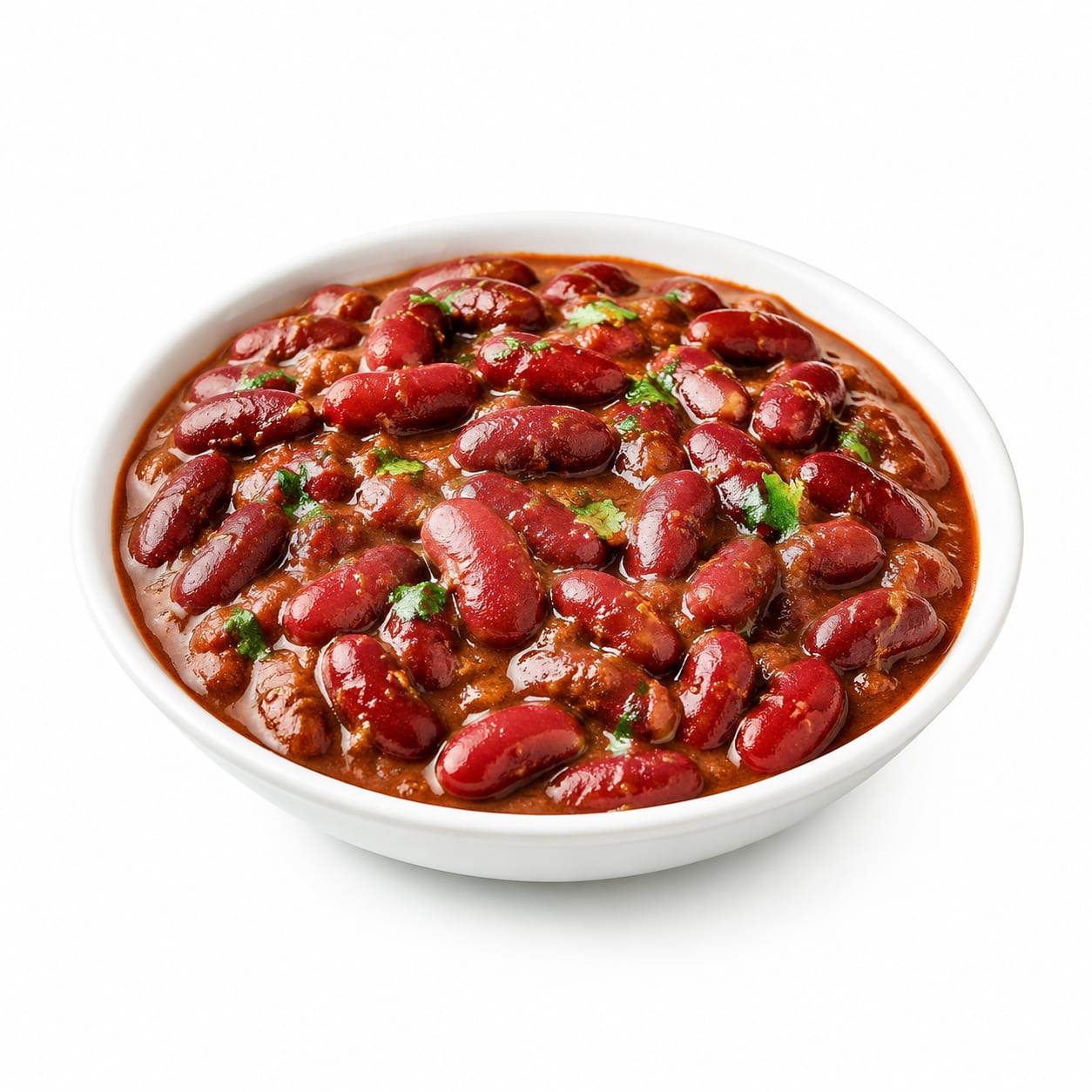
Kidney Bean
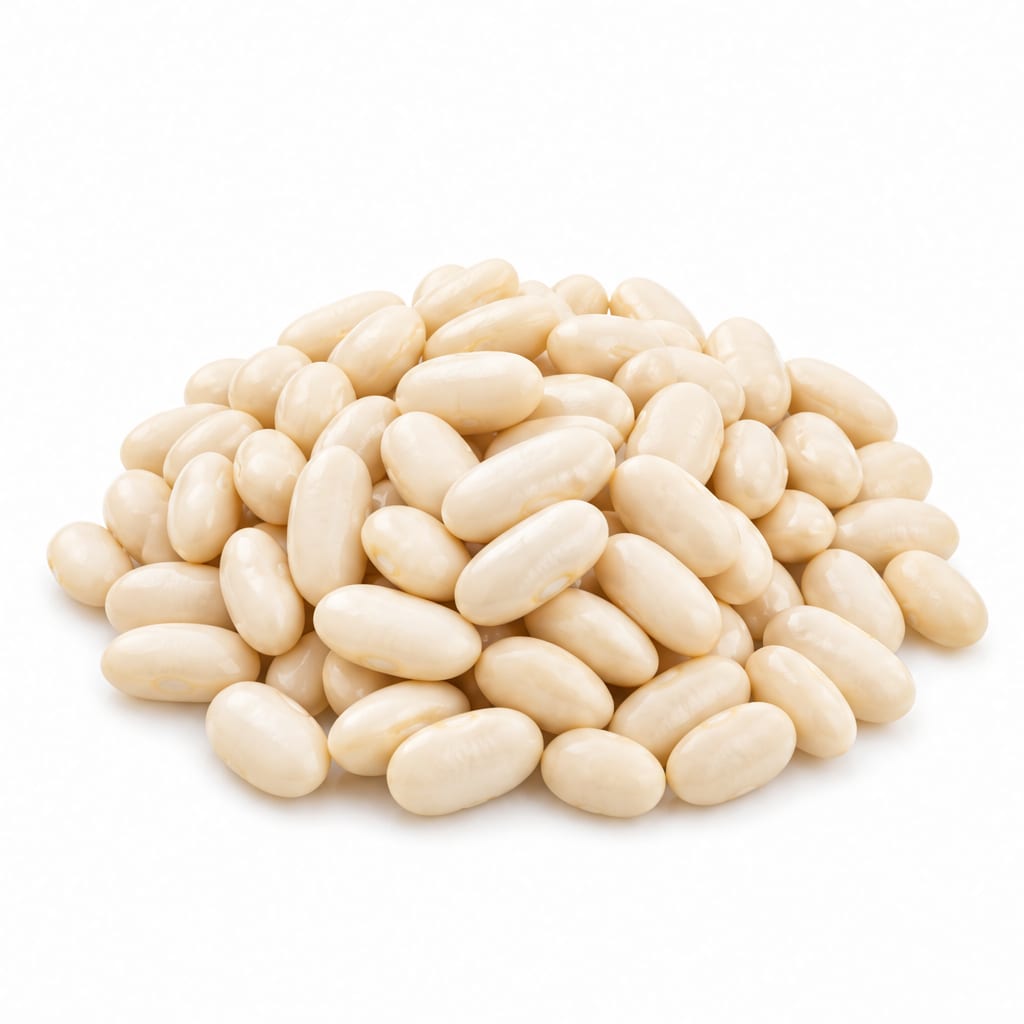
Cannellini Beans
Kidney Beans edge out Cannellini Beans on protein, fiber, antioxidants, and mineral density, but Cannellini Beans win on digestibility and creamy texture versatility.
Kidney Beans score higher due to superior protein, fiber, iron, and antioxidant content. Cannellini Beans stay competitive thanks to better digestibility and culinary flexibility. The gap is moderate because both are nutritious whole foods.
More nutrition per bite with Kidney Beans versus easier digestion and smoother texture with Cannellini Beans.
At a glance
Executive summary
Overall
Kidney Bean
Healthier
Kidney Bean
More practical
Cannellini Beans
Daily use
It depends
Key comparison lenses
protein and fiber density for satiety and blood sugar control
Both beans are staple plant proteins, but their fiber and protein differences significantly affect fullness and glycemic impact
digestive tolerance and comfort
Bean selection often comes down to which is easier on the stomach and less likely to cause bloating
antioxidant and micronutrient advantage
Kidney Beans' dark red pigment signals significantly higher antioxidant content than pale Cannellini Beans
culinary versatility and meal fit
Texture and flavor differences determine which bean works better in specific recipes
food safety with raw or undercooked preparation
Kidney Beans carry a unique toxin risk when undercooked that Cannellini Beans do not share at the same severity
Best choice for
Kidney Bean
- People prioritizing maximum protein and fiber from plants
- Those managing blood sugar or insulin resistance
- Anyone wanting the highest antioxidant intake from legumes
- Chili, stew, and hearty meal builders
Cannellini Beans
- People with sensitive digestion or IBS tendencies
- Those who prefer creamy soups, dips, and purées
- Anyone new to eating beans regularly
- Lighter Mediterranean-style meals
Least suitable for
Kidney Bean
- People prone to bloating or gas from high-fiber foods
- Anyone who rushes cooking and might undercook beans
- Those wanting a mild, neutral-flavored bean for delicate dishes
Cannellini Beans
- People seeking the highest protein density per calorie
- Those who want maximum iron and antioxidant intake
- Hearty dish recipes where the bean needs to hold firm texture
Deep comparison
Dimension by dimension
Each lens scores both foods and breaks down who each option suits.
- Dimension 1 · Priority 93Kidney Bean
Protein Density
Kidney Bean · 85Cannellini Beans · 70Kidney Beans deliver roughly 15g protein per cooked cup versus about 12g in Cannellini Beans, a meaningful difference for plant-based eaters.
Tradeoff
That extra protein comes with slightly more toughness in texture and longer digestion time.
Why it matters
For anyone relying on beans as a primary protein source, 3 extra grams per cup adds up significantly over a week.
Real-world impact
A single cup of Kidney Beans covers about 30% of daily protein needs for a sedentary adult, while Cannellini Beans cover roughly 24%.
Kidney Bean
- Vegans and vegetarians counting protein
- Athletes using beans as a recovery meal base
Better for
- Those who find dense protein meals uncomfortable before activity
Worse for
Cannellini Beans
- Lighter eaters who find high-protein meals too heavy
Better for
- Anyone struggling to hit protein targets on a plant-based diet
Worse for
- Dimension 2 · Priority 90Kidney Bean
Fiber Content and Satiety
Kidney Bean · 88Cannellini Beans · 72Kidney Beans pack about 11-13g fiber per cup compared to 8-10g in Cannellini Beans, making them noticeably more filling.
Tradeoff
More fiber means more satiety but also more potential for bloating if your gut is not accustomed.
Why it matters
Higher fiber keeps you full longer and stabilizes blood sugar better, which directly affects energy and cravings hours later.
Real-world impact
A Kidney Bean lunch will likely keep you satisfied until dinner, while Cannellini Beans may leave you reaching for a snack by mid-afternoon.
Kidney Bean
- Weight loss efforts relying on natural fullness signals
- People managing type 2 diabetes or prediabetes
Better for
- People with IBS or fiber sensitivity who experience discomfort above 10g per meal
Worse for
Cannellini Beans
- Those transitioning to a high-fiber diet who need a gentler entry point
Better for
- Anyone who finds themselves hungry again too soon after bean-based meals
Worse for
- Dimension 3 · Priority 82Kidney Bean
Antioxidant and Micronutrient Profile
Kidney Bean · 90Cannellini Beans · 55The dark red skin of Kidney Beans is loaded with anthocyanins and other polyphenols that pale Cannellini Beans simply lack.
Tradeoff
You gain significant cellular protection with Kidney Beans but sacrifice the milder flavor some dishes need.
Why it matters
Antioxidants from whole foods reduce chronic inflammation and long-term disease risk in ways supplements cannot replicate.
Real-world impact
Regularly choosing red beans over white beans is comparable to choosing blueberries over honeydew — similar calories, vastly different protective compounds.
Kidney Bean
- Long-term health optimizers focused on inflammation reduction
- People with family history of chronic disease
Better for
- Situations where the red color bleeds into a dish and looks unappetizing
Worse for
Cannellini Beans
- Those prioritizing mineral bioavailability, as Cannellini Beans have slightly more available calcium
Better for
- Anyone missing out on the antioxidant advantage of darker-pigmented foods
Worse for
- Dimension 4 · Priority 87Cannellini Beans
Digestive Tolerance
Kidney Bean · 58Cannellini Beans · 80Cannellini Beans are gentler on the digestive system with softer texture and slightly lower fiber load, causing less gas and bloating.
Tradeoff
Easier digestion comes with less fiber benefit and lower satiety per serving.
Why it matters
If beans cause you discomfort, you will eat them less often, which eliminates their health benefits entirely.
Real-world impact
Someone who avoids Kidney Beans due to bloating may comfortably eat Cannellini Beans three times a week, gaining more total nutrition through consistency.
Kidney Bean
- People with ironclad digestion who never experience bean-related discomfort
Better for
- Social situations where bloating would be uncomfortable
- People who have abandoned beans before due to gas
Worse for
Cannellini Beans
- Bean beginners building digestive tolerance gradually
- Anyone with sensitive digestion or IBS
Better for
- Those who need maximum fiber and never experience digestive issues
Worse for
- Dimension 5 · Priority 75It depends
Culinary Versatility
Kidney Bean · 72Cannellini Beans · 78Kidney Beans excel in hearty, structured dishes. Cannellini Beans shine in creamy, blended, and delicate preparations.
Tradeoff
Neither bean truly substitutes for the other across all recipes without changing the dish's character.
Why it matters
The best bean nutritionally means nothing if you dislike the texture and avoid cooking it.
Real-world impact
Cannellini Beans mash into a silky soup base effortlessly, while Kidney Beans hold their shape in a simmering chili for hours.
Kidney Bean
- Chili con carne or vegetarian chili
- Three-bean salads needing visual and textural contrast
- Rice and bean bowls where firm texture matters
Better for
- Any puréed soup where red flecks look unappealing
- Delicate sauces where the bean flavor overpowers
Worse for
Cannellini Beans
- Minestrone and Italian wedding soup
- White bean dip or hummus-style spreads
- Casseroles needing a creamy, melting texture
Better for
- BBQ baked beans where the dish needs structural integrity
- Meaty stews where the bean disappears into the background
Worse for
- Dimension 6 · Priority 78Kidney Bean
Iron and Mineral Content
Kidney Bean · 82Cannellini Beans · 68Kidney Beans provide about 5mg iron per cooked cup versus roughly 3.5mg in Cannellini Beans, a notable advantage for preventing deficiency.
Tradeoff
Higher iron is valuable but both beans contain phytates that reduce absorption, so pairing with vitamin C matters for both.
Why it matters
Iron deficiency is the most common nutrient deficiency worldwide, and plant-based eaters are at higher risk.
Real-world impact
Adding bell peppers or tomatoes to either bean dish boosts iron absorption significantly, but Kidney Beans give you a larger starting pool.
Kidney Bean
- Menstruating women needing extra iron
- Plant-based eaters at risk for deficiency
Better for
- Anyone not pairing with vitamin C sources, wasting the iron advantage
Worse for
Cannellini Beans
- Those with hemochromatosis or iron overload concerns
Better for
- People relying on beans as a primary iron source who need every milligram
Worse for
Timeline
Health impact over time
Short-term
Hours to days
Kidney Bean
- Stronger and longer-lasting fullness after meals
- Higher likelihood of bloating or gas if unaccustomed to high fiber
- More stable blood sugar in the hours after eating
- Risk of nausea or vomiting if undercooked due to phytohaemagglutinin toxin
Cannellini Beans
- Gentler digestive experience with less gas production
- Lighter post-meal feeling that some prefer, others find too soon empty
- Easy to overeat in puréed forms since the texture is less filling
- Lower risk of adverse reactions from undercooking
Long-term
Months to years
Kidney Bean
- Better long-term blood sugar control and diabetes risk reduction
- Higher antioxidant intake linked to lower inflammation markers
- Greater iron stores reducing anemia risk over years
- Consistent high fiber intake supporting gut microbiome diversity
Cannellini Beans
- Easier long-term adherence for people with sensitive digestion
- More consistent bean consumption overall due to better tolerance
- Adequate but not maximal fiber and mineral intake
- Slightly lower chronic disease protection compared to darker-pigmented beans
Risk profile
Safety & processing
Both Kidney Beans and Cannellini Beans are whole, minimally processed foods when bought dried or canned with simple ingredients. Canned versions may contain added sodium, so rinsing or choosing low-sodium cans matters for both equally.
Kidney Bean
Phytohaemagglutinin toxicity from undercooking
highRaw or undercooked Kidney Beans contain a lectin that causes severe nausea, vomiting, and diarrhea. Boiling for at least 10 minutes destroys it. Slow cookers alone may not reach safe temperatures.
Canned sodium content
mediumCanned Kidney Beans often contain 400-600mg sodium per cup. Rinsing removes about 40% but not all.
Cannellini Beans
Canned sodium content
mediumSimilar sodium concerns as Kidney Beans in canned form. Rinsing is equally recommended.
Undercooking discomfort
lowCannellini Beans contain far less phytohaemagglutinin than Kidney Beans, making undercooking unpleasant but not dangerous.
Who wins for whom
Audience fit
Same foods, different winners depending on your goal.
children
Cannellini BeansCannellini Beans' softer texture and milder flavor are more kid-friendly, and the lower gas risk makes them easier for small digestive systems.
daily consumption
It dependsKidney Beans win on nutrition density, but Cannellini Beans win on consistency of consumption due to better tolerance. The best choice is whichever you will actually eat regularly.
diabetes
Kidney BeanThe extra fiber and resistant starch in Kidney Beans slow glucose absorption more effectively, leading to flatter blood sugar curves.
elderly
Cannellini BeansEasier digestion and creamier texture suit aging digestive systems better, while still providing solid nutrition.
muscle gain
Kidney BeanMore protein per serving gives Kidney Beans a clear edge, though both should be paired with grains or seeds for complete amino acids.
weight loss
Kidney BeanHigher protein and fiber in Kidney Beans create stronger satiety signals, making it easier to eat less overall without feeling deprived.
Your move
Decision guide
Choose Kidney Bean
- You want maximum nutrition per calorie and have no digestive issues
- Blood sugar management is a top priority
- You regularly make chili, stews, or robust grain bowls
- You are plant-based and need every gram of protein and iron you can get
- You enjoy bold flavors and firm textures in your meals
Choose Cannellini Beans
- You have experienced bloating or discomfort from other beans
- You love creamy soups, dips, or Italian-style dishes
- You are introducing beans into your diet for the first time
- You prefer mild flavors that blend into the background of a dish
- You cook for children or elderly family members with sensitive digestion
Either works if
- You are already eating a varied legume rotation and want to add diversity
- You are making a mixed bean salad or soup that uses multiple types
- Your main goal is general health and either bean gets you there
- You are pairing beans with vitamin C sources and whole grains regardless
Avoid both if
- You have a diagnosed legume allergy
- You are in an acute flare of IBS or SIBO and your doctor has restricted fermentable carbohydrates
- You are on a very low-carb or ketogenic diet, as both are carb-dense
Final recommendation
Keep both in your pantry. Use Kidney Beans when nutrition density and staying power matter most, and reach for Cannellini Beans when comfort, digestibility, and creamy texture are the priority. Rotating between them gives you the broadest micronutrient coverage and keeps meals interesting.
Practical
Consumer tips
- 1
Always boil Kidney Beans for at least 10 minutes before slow cooking to destroy the lectin toxin — never put raw Kidney Beans directly into a slow cooker
- 2
Rinse canned beans of either type to remove about 40% of the added sodium
- 3
Pair either bean with bell peppers, tomatoes, or citrus to boost iron absorption by 2-3x
- 4
Start with smaller portions of Kidney Beans if you are new to high-fiber eating and gradually increase over two weeks
- 5
Cannellini Beans mash beautifully with olive oil and garlic for a quick dip that rivals hummus
- 6
Soak dried beans overnight and discard the soaking water to reduce gas-producing compounds for both varieties
- 7
Buy low-sodium or no-salt-added canned versions when available to skip the rinsing guesswork