
Nutrition comparison
Kidney Bean vs Edamame: Nutrition, Protein, and Safety Comparison
Discover the nutritional differences between Kidney Beans and Edamame. Compare protein quality, fiber, fats, and preparation safety to find the best fit for your diet.
Overall winner · Edamame
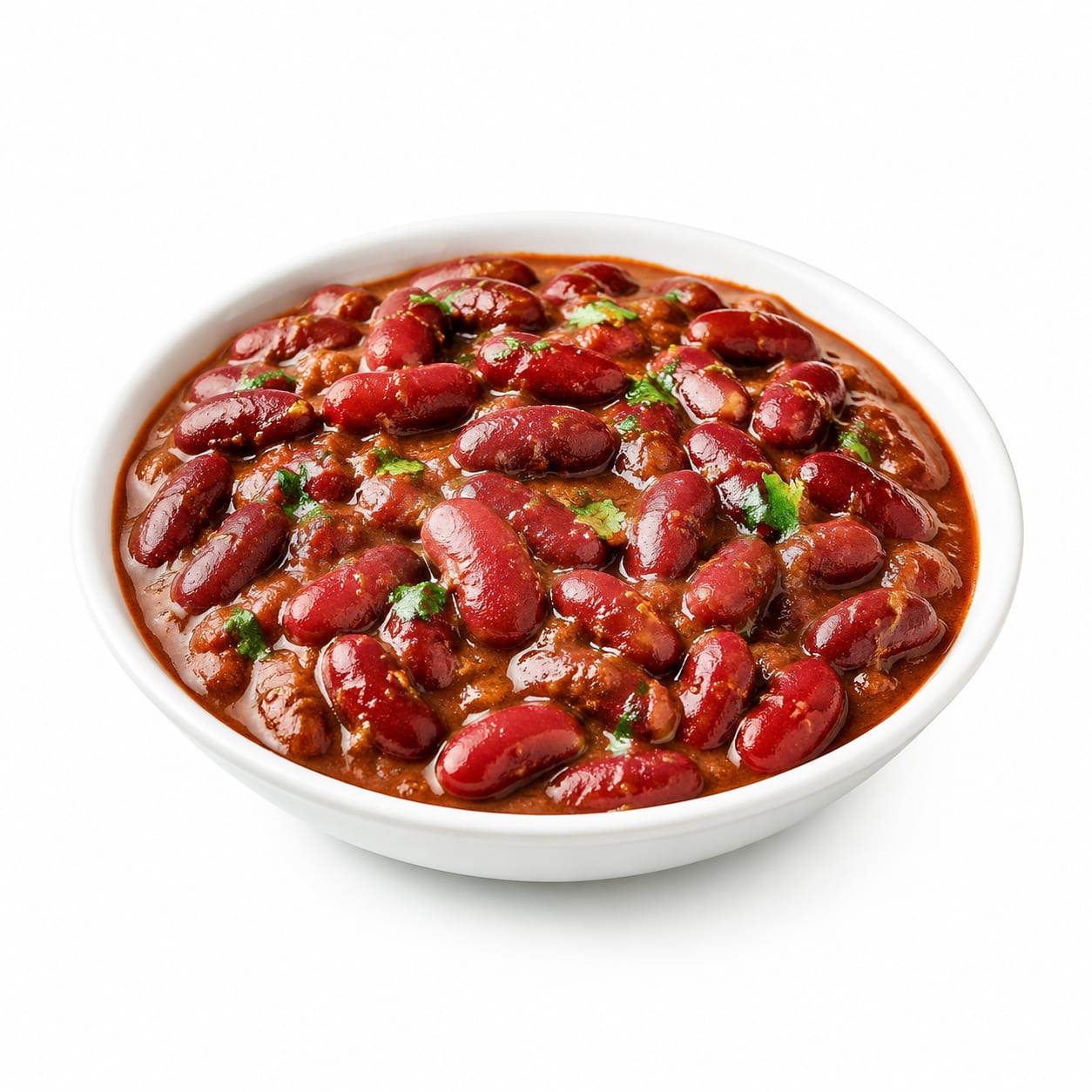
Kidney Bean

Edamame
Edamame edges out Kidney Beans for its complete protein, healthy fats, and safer convenience, though Kidney Beans remain a fiber and budget champion.
Edamame scores higher due to its complete protein, healthy fat content, and safer preparation, while Kidney Bean remains a strong, affordable fiber source.
You trade the massive fiber and carbohydrate energy of Kidney Beans for the complete protein, healthy fats, and quick prep of Edamame.
At a glance
Executive summary
Overall
Edamame
Healthier
Edamame
More practical
Edamame
Daily use
Edamame
Key comparison lenses
Plant-based protein quality and completeness
Edamame offers a complete amino acid profile while Kidney Beans rely on combining with grains for complete protein
Carbohydrate vs fat energy sources
Kidney Beans are carb-dominant with almost no fat, whereas Edamame provides a balanced mix of fats and low net carbs
Preparation safety and lectin toxicity
Undercooked Kidney Beans are highly toxic due to phytohaemagglutinin, making proper prep a critical safety factor
Fiber density and blood sugar management
Kidney Beans are exceptionally high in fiber which drastically slows digestion, while Edamame offers moderate fiber with healthy fats for blood sugar control
Best choice for
Kidney Bean
- People counting fat calories
- Those needing sustained complex carb energy
- Budget-conscious meal preppers
- Anyone prioritizing maximum fiber intake
Edamame
- People seeking a standalone complete protein
- Those on lower-carb diets
- Anyone wanting a quick, safe snack
- People looking to increase healthy fat intake
Least suitable for
Kidney Bean
- Anyone impatient with thorough cooking steps
- Low-carb dieters
- People sensitive to high fiber intake
Edamame
- People with severe soy allergies
- Those strictly avoiding dietary fat
- Individuals avoiding GMO crops unless organic
Deep comparison
Dimension by dimension
Each lens scores both foods and breaks down who each option suits.
- Dimension 1 · Priority 95Edamame
Protein Quality & Muscle Support
Kidney Bean · 65Edamame · 90Edamame is a complete plant protein containing all essential amino acids, while Kidney Beans must be paired with grains to achieve the same profile.
Tradeoff
You get more total protein per serving from Edamame, but Kidney Beans are significantly cheaper per gram of protein.
Why it matters
Complete proteins are far more effective for muscle repair and keeping you full, making Edamame a superior post-workout choice.
Real-world impact
Eating Edamame after a workout gives your muscles exactly what they need to recover, whereas a Kidney Bean bowl needs rice to fill the amino acid gaps.
Kidney Bean
- Saving money on protein sources
Better for
- Requires food combining for complete amino acids
Worse for
Edamame
- Standalone muscle recovery
- Higher protein density per calorie
Better for
- More expensive per serving
Worse for
- Dimension 2 · Priority 85Kidney Bean
Fiber & Blood Sugar Stability
Kidney Bean · 92Edamame · 75Kidney Beans pack significantly more fiber and complex carbs, resulting in a slower, steadier release of energy compared to Edamame.
Tradeoff
Kidney Beans provide superior digestive bulk and blood sugar control, but their high carb count doesn't fit ultra-low-carb diets like Edamame does.
Why it matters
High fiber intake is crucial for gut health and preventing energy crashes, giving Kidney Beans a distinct advantage for sustained endurance.
Real-world impact
A lunch with Kidney Beans keeps you full and energized straight through the afternoon slump, while Edamame provides lighter satiety.
Kidney Bean
- Gut microbiome health
- Sustained all-day energy
- Preventing blood sugar spikes
Better for
- Can cause bloating if you aren't used to high fiber
Worse for
Edamame
- Low-carb diet compatibility
Better for
- Less total fiber per serving
Worse for
- Dimension 3 · Priority 80Edamame
Heart-Healthy Fats
Kidney Bean · 40Edamame · 90Edamame provides a great source of polyunsaturated and monounsaturated fats, whereas Kidney Beans are virtually fat-free.
Tradeoff
Edamame's healthy fats support cardiovascular health and hormone production, but they add calories that fat-free Kidney Beans avoid.
Why it matters
Your body needs quality fats for brain function and absorbing vitamins, making Edamame a more well-rounded whole food.
Real-world impact
Snacking on Edamame gives your brain and heart the essential fats they crave, while Kidney Beans act purely as a clean-burning carb source.
Kidney Bean
- Strict low-fat diets
Better for
- Missing essential dietary fats
Worse for
Edamame
- Cardiovascular health
- Brain and hormone support
- Nutrient absorption
Better for
- Higher calorie density from fat
Worse for
- Dimension 4 · Priority 75Edamame
Preparation Safety & Convenience
Kidney Bean · 50Edamame · 88Edamame only needs a quick steam or boil to eat safely, while raw or undercooked Kidney Beans contain a highly toxic lectin.
Tradeoff
Kidney Beans require soaking and a rigorous boil to be safe, whereas Edamame is ready in minutes straight from frozen.
Why it matters
Food safety is non-negotiable; Kidney Bean prep mistakes can cause severe gastrointestinal illness, making Edamame far more forgiving.
Real-world impact
You can microwave a bowl of frozen Edamame in three minutes for a safe snack, but rushing Kidney Beans could land you in the bathroom for hours.
Kidney Bean
- Batch cooking and meal prep
Better for
- Risk of lectin poisoning if undercooked
Worse for
Edamame
- Quick weeknight dinners
- Safe snacking
- Minimal kitchen effort
Better for
- None significant
Worse for
Timeline
Health impact over time
Short-term
Hours to days
Kidney Bean
- Excellent sustained energy from complex carbs
- High likelihood of bloating or gas if portions are large
Edamame
- Quick feeling of fullness from protein and fat
- Easier on digestion with less gas production
Long-term
Months to years
Kidney Bean
- Outstanding gut health from massive fiber intake
- Improved cholesterol regulation
Edamame
- Better muscle maintenance into older age
- Cardiovascular benefits from unsaturated fats
Risk profile
Safety & processing
Both Kidney Beans and Edamame are whole, minimally processed foods when bought dried, canned, or frozen without added sauces.
Kidney Bean
Phytohaemagglutinin (Lectin) Toxicity
highRaw or undercooked Kidney Beans contain high levels of this lectin, which causes extreme nausea, vomiting, and diarrhea. Always soak and boil vigorously.
BPA in Can Linings
mediumCanned Kidney Beans may be exposed to BPA from can linings; choosing dried or BPA-free cans mitigates this.
Edamame
Soy Allergy
highEdamame is a soy product and can trigger severe allergic reactions in soy-sensitive individuals.
GMO Exposure
mediumMost conventionally grown soy is genetically modified. Choosing organic Edamame eliminates this concern.
Who wins for whom
Audience fit
Same foods, different winners depending on your goal.
children
EdamameEdamame is a fun, easy-to-eat finger food with a milder flavor and softer texture, though parents must watch for soy allergies.
daily consumption
EdamameEdamame is easier to prepare safely and offers a more balanced macronutrient profile for everyday snacking or meals.
diabetes
Kidney BeanThe exceptionally high fiber content in Kidney Beans drastically slows sugar absorption, leading to more stable blood glucose levels.
elderly
EdamameEdamame is easier to chew and digest, and its high-quality protein helps prevent age-related muscle loss.
muscle gain
EdamameEdamame provides a complete amino acid profile which is far more effective for muscle protein synthesis than Kidney Beans alone.
weight loss
EdamameEdamame's complete protein and healthy fats provide stronger satiety per calorie, making it easier to avoid overeating.
Your move
Decision guide
Choose Kidney Bean
- You need a budget-friendly, high-fiber carb base for your meals
- You are focused on maximizing gut health and digestive regularity
- You are meal-prepping large batches of chili or stews
- You want sustained energy for endurance activities
Choose Edamame
- You want a quick, low-carb, high-protein snack
- You need a complete plant protein for muscle recovery
- You prefer a food that is safe and ready in minutes
- You want to increase your intake of healthy fats
Either works if
- You are simply trying to eat more legumes and plant-based foods
- You want to increase your daily fiber and protein intake
- You are looking for affordable alternatives to meat
Avoid both if
- You have severe digestive issues like IBS and cannot tolerate high FODMAP foods
- You are on a strict carnivore diet
Final recommendation
Keep both in your kitchen, but lean on Edamame for quick protein and snacking, and use Kidney Beans when you need hearty, fiber-rich energy for active days.
Practical
Consumer tips
- 1
If buying canned Kidney Beans, rinse them thoroughly to remove excess sodium and reduce the starch that causes gas.
- 2
Always boil Kidney Beans for at least 10 minutes after soaking to destroy the toxic lectins; never slow-cook them raw.
- 3
Buy frozen organic Edamame to avoid GMOs and ensure you always have a quick, safe protein option ready.
- 4
If Kidney Beans cause bloating, start with very small portions and gradually increase to let your gut adapt to the fiber.